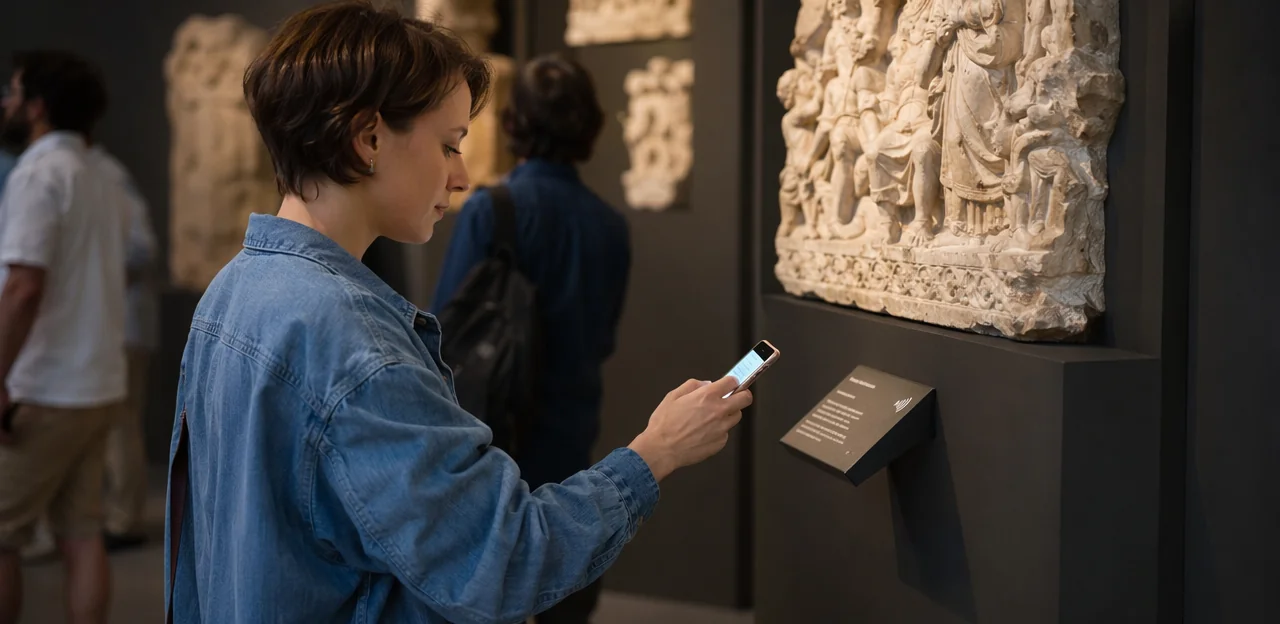
Every museum visit is made up of moments: the welcome at the entrance, the clarity of wayfinding, the flow through exhibitions, the ease of finding information, and the lasting impression visitors take home. When even one of these touchpoints falls short, it can shape the entire experience. That is why visitor journey mapping museum strategies are becoming increasingly important for institutions that want to understand not just what visitors think, but when and where those opinions are formed.
By mapping the full visitor journey and collecting feedback at key physical and digital touchpoints, museums can uncover friction points, improve engagement, and create more memorable, accessible experiences. Tools like NFC and QR touchpoints make it easier to capture real-time insights while impressions are still fresh, rather than relying only on post-visit surveys that miss important context. Solutions such as Tapsy show how instant, no-app feedback can help attractions respond more effectively to visitor needs.
In this article, we will explore how visitor journey mapping works in a museum setting, why touchpoint feedback matters, and how museums and attractions can use QR and NFC technology to measure satisfaction, identify pain points, and continuously improve the visitor experience from arrival to exit.
Why visitor journey mapping matters in museums and attractions
What visitor journey mapping means in a museum context
Visitor journey mapping museum work is the process of tracking how people move through, feel about, and interact with a museum before, during, and after their visit. Unlike generic customer journey mapping, the museum customer journey must reflect learning, discovery, accessibility, wayfinding, dwell time, and emotional response, not just transactions.
Key elements of effective visitor experience mapping include:
- Pre-visit touchpoints: website, ticket booking, event information, travel planning
- On-site physical touchpoints: entrance, queues, signage, galleries, staff interactions, amenities
- Digital touchpoints: QR codes, NFC labels, audio guides, apps, post-visit surveys
- Emotional moments: curiosity, confusion, delight, fatigue, inspiration
For museums, mapping the full lifecycle helps teams identify friction, improve interpretation, and respond to issues in real time through tools such as Tapsy at key touchpoints.
Key stages of the museum visitor journey
Effective visitor journey mapping museum work breaks the museum experience journey into clear, measurable phases. Each stage includes valuable visitor touchpoints museum teams can monitor and improve:
- Discovery – Website visits, social media, listings, and ads shape first impressions. Gather feedback on messaging clarity and appeal.
- Planning – Ticket booking, opening hours, accessibility details, and event information influence intent. Track drop-offs and common questions.
- Arrival – Parking, signage, queues, entry, and welcome staff set the tone. Use QR/NFC prompts for instant sentiment capture.
- Exhibition engagement – Wayfinding, interpretation, interactivity, and dwell time reveal what content connects most.
- Amenities – Cafés, restrooms, seating, and family facilities often drive satisfaction.
- Retail – Shop layout, product relevance, and checkout affect revenue and experience.
- Post-visit follow-up – Surveys, memberships, reviews, and return offers turn feedback into long-term improvement.
Mapping these museum visitor journey stages helps museums act on issues quickly.
Benefits of mapping touchpoints for cultural venues
Visitor journey mapping museum programs turn scattered comments into clear, actionable improvements across the full visit. By collecting cultural venue feedback at entrances, galleries, cafés, shops, and exits, museums can spot friction early and improve both guest satisfaction and operations.
- Improve satisfaction: Identify pain points like queues, unclear signage, or confusing exhibit flow, then fix them quickly.
- Strengthen accessibility: Use real-time museum visitor insights to uncover barriers for wheelchair users, families, older visitors, and multilingual audiences.
- Increase dwell time and spend: Better wayfinding, seating, and exhibit pacing encourage longer visits and higher café or shop usage.
- Drive loyalty outcomes: A stronger visit supports repeat visits, memberships, and donations.
- Support smarter decisions: Touchpoint data guides staffing, programming, maintenance, and investment priorities for continuous museum experience improvement.
How to build a visitor journey map using touchpoint feedback

Identify audience segments and visit goals
Effective visitor journey mapping museum work starts with clear audience segmentation. A single route rarely reflects how different people experience exhibitions, facilities, and services.
- Families: map stroller access, toilets, family trails, cafés, and shorter attention spans.
- Tourists: focus on wayfinding, multilingual content, ticketing, highlights, and gift shop decisions.
- School groups: include coach arrival, group entry, learning zones, lunch breaks, and teacher coordination.
- Members: track fast entry, exclusive events, renewals, and repeat-visit expectations.
- Accessibility-focused visitors: assess step-free routes, seating, sensory needs, captioning, audio support, and staff assistance.
Use museum audience segmentation and build each visitor personas museum profile around motivations: learning, entertainment, convenience, cultural interest, or inclusion. These expectations should shape museum journey map planning, because a tourist seeking orientation and a member expecting efficiency will judge the same touchpoint differently. QR/NFC feedback at key moments can validate each segment’s real experience.
List physical and digital touchpoints across the journey
For effective visitor journey mapping museum work, list every interaction a guest has before, during, and after the visit. Include both museum touchpoints and feedback opportunities in one shared map.
- Pre-visit digital touchpoints museum: ticketing pages, event listings, booking forms, confirmation emails, reminder emails, and mobile directions.
- Arrival and on-site physical touchpoints attraction: entrance signage, parking guidance, queues, welcome desks, maps, and wayfinding.
- In-gallery touchpoints: exhibit labels, QR/NFC content points, audio guide access, seating areas, and staff interactions.
- Commercial and service touchpoints: cafes, rest areas, gift shops, membership desks, and toilets.
- Post-visit touchpoints: email surveys, SMS feedback, review prompts, and membership follow-ups.
Document each touchpoint consistently with the same fields: location, journey stage, purpose, owner, audience, device or format, friction points, feedback method, and success metric. Tools like Tapsy can help capture real-time feedback at key physical and digital moments.
Collect feedback at the right moment
Timing has a major impact on response quality. In visitor journey mapping museum projects, feedback gathered in the moment is usually more accurate, specific, and useful than comments collected hours later in a generic survey. A quick touchpoint feedback museum prompt at the right location helps teams spot friction before it gets lost in memory.
- At the entrance: capture confusion around ticketing, queues, wayfinding, or accessibility.
- At exhibits: gather real-time visitor feedback on interpretation, interactivity, crowding, or technical issues.
- At the exit: understand whether the visit met expectations and which moments shaped overall satisfaction.
This approach strengthens museum feedback collection by linking sentiment to exact touchpoints rather than broad impressions. End-of-visit surveys often miss small but important breakdowns, such as unclear signage, slow entry, or a malfunctioning audio guide. QR or NFC tools, including solutions like Tapsy, make fast, low-friction feedback collection easy.
Using NFC and QR touchpoints to capture better museum feedback
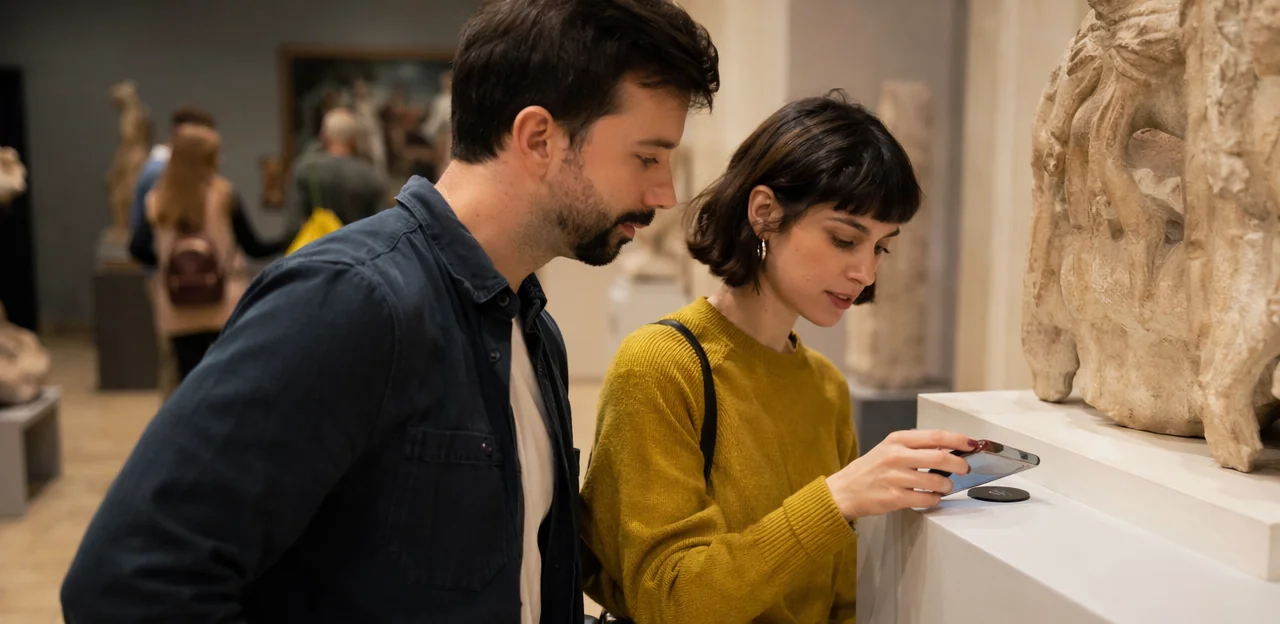
In visitor journey mapping museum projects, NFC tags and QR codes work best when they appear exactly where decisions, emotions, or friction happen. This makes feedback timely, specific, and easy to act on.
- Entrances: Use an NFC touchpoints museum setup or welcome QR code to measure arrival experience, queue times, and wayfinding clarity.
- Galleries: Add discreet prompts near key displays to capture reactions to interpretation, layout, and accessibility.
- Interactive exhibits: Collect instant feedback on usability, technical issues, and engagement while the experience is still fresh.
- Rest areas and cafes: Deploy QR code feedback museum options at seating zones and food counters to uncover comfort, cleanliness, and service insights.
- Exits: Ask a short summary question to compare overall satisfaction with touchpoint-level responses.
For effective museum feedback technology, keep surveys to 1–3 taps, use clear signage, and route low scores to staff quickly. Tools like Tapsy can support this no-app approach.
Best practices for high-response touchpoint design
To improve visitor journey mapping museum efforts, design feedback moments that feel helpful, fast, and unobtrusive:
- Place touchpoints where reactions are fresh: Position QR codes or NFC tags at exits, galleries, cafés, rest areas, and after guided experiences. This supports stronger NFC visitor feedback and more accurate insights.
- Use clear, benefit-led wording: Say “Tell us about this exhibit in 10 seconds” instead of “Complete our survey.” Strong QR survey best practices rely on simple, low-friction prompts.
- Prioritize mobile usability: Use no-app flows, large tap targets, fast-loading pages, and minimal typing.
- Build for accessibility: Include high-contrast signage, plain language, screen-reader-friendly forms, and reachable placement heights.
- Offer light incentives: Small rewards such as a café discount or prize draw can lift participation without feeling intrusive.
- Keep museum survey design short: Ask 1–3 questions, use one optional comment box, and tailor prompts to the specific touchpoint.
Examples of questions to ask at different touchpoints
For effective visitor journey mapping museum programs, use specific prompts that reveal what happened, where, and why, rather than only asking for a score. These museum feedback questions can improve operations quickly:
- Arrival: “How easy was it to find the entrance and ticket area?” “What caused any delay at entry?”
- Wayfinding: “Which sign, map, or route was unclear today?” “Where did you feel unsure about where to go next?”
- Exhibit engagement: “Which exhibit held your attention the longest, and what made it engaging?” “Which display needed more context or interactivity?”
- Staff helpfulness: “Did a staff member help you solve a problem or answer a question?” “What could staff have done differently?”
- Amenities: “Were restrooms, seating, café, or lockers available when needed?” “What amenity issue affected your visit most?”
- Overall satisfaction: “What is one thing that most improved your visit, and one thing that should be fixed first?”
These visitor survey questions museum teams can deploy as touchpoint survey examples via QR/NFC tools such as Tapsy.
Turning visitor feedback into actionable museum improvements

Analyze patterns across the full journey
Effective visitor journey mapping museum work depends on connecting feedback from every stage, not reviewing touchpoints in isolation. Combine comments, star ratings, QR/NFC scan data, and operational metrics to build stronger museum feedback analysis and clearer visitor journey analytics.
- Layer sentiment with behavior: Match low ratings and negative comments with scan drop-offs, dwell time, queue length, or staff response times.
- Spot repeat friction points: If visitors mention confusing wayfinding, crowded entrances, or unclear exhibit labels across multiple touchpoints, treat them as recurring issues.
- Identify top-performing exhibits: Look for high ratings, positive language, repeat scans, and longer engagement times.
- Flag underperforming touchpoints: Low scan rates or weak sentiment may signal poor placement, unclear calls to action, or limited relevance.
This approach turns raw data into practical museum performance insights that guide exhibit design, staffing, signage, and service improvements.
Prioritize fixes by impact and feasibility
With visitor journey mapping museum teams can avoid chasing every complaint equally. Rank issues by combining visitor impact, cost, and speed to implement, so resources go to the changes that improve the experience fastest.
- Score each issue
- Impact on visitors: How strongly does it affect satisfaction, dwell time, or repeat visits?
- Frequency: How often do visitor pain points museum teams track appear?
- Feasibility: What budget, staffing, and technical effort are required?
- Speed: Can it be fixed this week, this quarter, or next year?
- Prioritize quick wins first
- Confusing signage: high impact, low cost
- Queueing at entry or cafés: high impact, medium effort
- Exhibit congestion: high impact, operational redesign
- Poor mobile content: medium-high impact, scalable digital fix
This approach supports museum experience optimization and smarter museum operational improvements.
Share insights across teams and stakeholders
The real value of visitor journey mapping museum work appears when findings are shared in a way each team can act on. Strong museum stakeholder reporting turns touchpoint feedback into coordinated improvements across the full visit.
- Curatorial teams can identify where interpretation feels unclear, exhibits cause drop-off, or signage needs context.
- Visitor services can spot queue pain points, accessibility issues, and staff-support moments that affect satisfaction.
- Marketing teams can use cross-team visitor insights to refine messaging, set accurate expectations, and promote high-performing experiences.
- Education teams can adapt tours, family trails, and learning materials based on visitor questions and engagement patterns.
- Leadership can use museum strategy feedback to prioritise budgets, staffing, and operational changes with the biggest visitor impact.
Using shared dashboards or tools like Tapsy can help teams review feedback by touchpoint and align decisions faster.
Common mistakes museums make with journey mapping

- Post-visit surveys alone create blind spots. By the time visitors respond, key moments, frustrations, and emotions have faded or been reshaped by the overall trip. That makes post-visit survey limitations especially important for visitor journey mapping museum efforts.
- Museums need a stronger museum feedback strategy that combines:
- In-the-moment feedback at entrances, galleries, cafés, and exits
- Post-visit surveys for reflection, recall, and broader satisfaction trends
This blended approach produces richer visitor journey data, helping teams pinpoint where experiences delight, confuse, or disappoint.
Ignoring accessibility and diverse visitor needs
Effective visitor journey mapping museum work must reflect every audience, not just the average guest. An inclusive visitor journey improves satisfaction, learning, and return visits while strengthening the accessible museum experience.
- Gather museum accessibility feedback at entrances, exhibits, rest areas, and wayfinding points.
- Test touchpoints for wheelchair users, screen-reader access, clear signage, multilingual content, and sensory needs.
- Include children, older adults, non-native speakers, and first-time visitors in feedback panels.
- Use QR/NFC check-ins or tools like Tapsy to spot barriers quickly and act on them.
Without a museum feedback action plan, even strong visitor journey mapping museum efforts stall. Feedback only drives change when museums turn responses into owned actions:
- Assign ownership: give each touchpoint, such as entry, wayfinding, cafés, or exhibits, to a named team.
- Define visitor experience KPIs: track response time, issue resolution, satisfaction by touchpoint, and repeat visit intent.
- Close the loop: share improvements with frontline staff and visitors through signage, email, or on-site updates.
This is the foundation of museum continuous improvement: collect, act, measure, and communicate consistently.
How to measure success from visitor journey mapping efforts

Core metrics to track across touchpoints
For effective visitor journey mapping museum programs, track touchpoint-level KPIs that reveal where experience improves or breaks down:
- Scan rates: QR/NFC interactions by exhibit, café, shop, or exit
- Survey completion: how many visitors finish feedback prompts
- Visitor satisfaction measurement: scores by gallery, queue, restroom, retail, and events
- Dwell time: time spent in key spaces or exhibits
- Repeat visitation: return rates after visits
- Membership conversion: upgrades from casual visitors
- Donation intent: likelihood to give after key moments
- Net promoter trends: NPS changes by location and time
These museum visitor metrics and touchpoint KPIs museum teams can act on quickly.
Build a continuous improvement cycle
To make visitor journey mapping museum work long term, treat it as a repeatable operating process:
- Test one change at a time at key touchpoints, such as entry, wayfinding, exhibits, cafés, or exits.
- Track the same metrics over time—response volume, satisfaction, issue types, dwell time, and recovery speed—to measure impact clearly.
- Review feedback weekly or monthly and update signage, staffing, content, or QR/NFC prompts based on patterns.
This creates a strong museum feedback loop, supports visitor experience management, and turns continuous improvement museum efforts into everyday practice rather than a one-off project.
Create a future-ready visitor experience strategy
To build a stronger museum visitor experience strategy, museums should turn visitor journey mapping museum insights into ongoing action:
- Map key moments across the digital visitor journey museum, from discovery and ticketing to exhibits, amenities, and exit
- Use QR and NFC touchpoints to capture real-time feedback where experiences happen
- Combine feedback, behavior data, and staff observations to spot friction fast
- Review trends regularly and test improvements continuously
This data-informed approach helps museums become more responsive, visitor-centered, and better prepared for the future of museum engagement.
Conclusion
In today’s cultural landscape, museums can no longer rely on assumptions about what visitors feel at each stage of their experience. A strong visitor journey mapping museum strategy helps institutions see the full picture—from arrival and ticketing to exhibitions, amenities, retail, and exit—so they can identify friction points, improve interpretation, and create more memorable visits. By combining journey mapping with NFC and QR touchpoint feedback, museums gain timely, location-specific insights that are far more actionable than delayed post-visit surveys.
The real value of visitor journey mapping museum efforts lies in turning feedback into continuous improvement. When teams understand where visitors feel delighted, confused, or disengaged, they can refine signage, staffing, exhibit flow, accessibility, and programming with confidence. Over time, this leads to stronger satisfaction, better word-of-mouth, and deeper audience loyalty.
The next step is to start small but strategically: map your key touchpoints, define the moments that matter most, and collect simple, real-time feedback where experiences actually happen. If you want to streamline this process, tools like Tapsy can help museums capture no-app QR and NFC feedback directly at physical touchpoints. Explore journey mapping templates, visitor feedback frameworks, and pilot programs to begin building a smarter, more responsive museum experience today.
Frequently Asked Questions
- What is visitor journey mapping in a museum setting?
Visitor journey mapping tracks how people move through, feel about, and interact with a museum before, during, and after a visit. It covers learning, discovery, accessibility, wayfinding, dwell time, and emotional response rather than focusing only on transactions.
- Why does touchpoint feedback matter more than relying only on post-visit surveys?
Feedback collected at the moment of experience is usually more specific and accurate because impressions are still fresh. Post-visit surveys can miss small but important issues such as unclear signage, slow entry, or a malfunctioning audio guide.
- What stages should a museum include in a visitor journey map?
A useful map can include discovery, planning, arrival, exhibition engagement, amenities, retail, and post-visit follow-up. Breaking the visit into these phases helps teams monitor clear touchpoints and act on issues faster.
- Which touchpoints should museums map across the full visitor experience?
Museums should map pre-visit digital touchpoints like ticketing pages and emails, on-site moments like entrances, queues, signage, galleries, and staff interactions, plus post-visit surveys and review prompts. Commercial and service areas such as cafés, shops, toilets, and membership desks should also be included.
- How can museums use QR codes and NFC tags to collect better feedback?
QR codes and NFC tags work best when placed exactly where decisions, emotions, or friction happen, such as entrances, galleries, interactive exhibits, cafés, rest areas, and exits. This makes feedback timely, location-specific, and easier to connect to a specific problem or positive moment.
- Where should QR and NFC feedback points be placed inside a museum?
Good locations include the entrance for arrival and queue feedback, galleries for interpretation and layout reactions, interactive exhibits for usability issues, and cafés or rest areas for comfort and service insights. Exit points are useful for a short summary question that can be compared with touchpoint-level responses.
- What makes a museum touchpoint survey more likely to get responses?
High-response designs are short, clear, and easy to complete on mobile without an app. Strong setups use 1–3 taps, simple wording, accessible design, visible placement, and sometimes light incentives such as a café discount or prize draw.
- What kinds of questions should museums ask at different touchpoints?
Questions should be tied to the exact moment, such as asking about entrance finding and delays at arrival, unclear signs during wayfinding, or exhibit context and interactivity in galleries. Museums can also ask about staff helpfulness, amenity availability, and one thing to improve or fix first.
- How should museums segment audiences when building a journey map?
Different visitor groups should be mapped separately because they experience the same museum differently. Families, tourists, school groups, members, and accessibility-focused visitors each have distinct needs around orientation, facilities, speed, learning, and support.
- How can museums turn touchpoint feedback into practical improvements?
Teams can combine comments, ratings, scan data, and operational metrics to spot repeat friction points and top-performing areas. That evidence can guide changes to signage, staffing, exhibit design, service delivery, and maintenance.
- How should museums decide which visitor issues to fix first?
Issues can be ranked by visitor impact, frequency, feasibility, and speed to implement. Quick wins such as confusing signage may be handled first, while more complex problems like exhibit congestion may require operational redesign.
- Which teams should use visitor journey insights inside a museum?
Curatorial, visitor services, marketing, education, and leadership teams can all use touchpoint findings. Shared reporting helps each group act on the parts of the journey they own, from interpretation and tours to staffing, messaging, and budget priorities.
- What common mistakes do museums make with journey mapping?
A major mistake is depending on post-visit surveys alone, which creates blind spots because key emotions and frustrations fade over time. Another is failing to turn feedback into owned actions with clear responsibility, KPIs, and follow-up communication.
- How can museums make visitor journey mapping more inclusive and accessible?
Museums can gather accessibility feedback at entrances, exhibits, rest areas, and wayfinding points, then test touchpoints for wheelchair access, screen-reader support, clear signage, multilingual content, and sensory needs. Including children, older adults, non-native speakers, and first-time visitors helps the map reflect real audience diversity.
- What metrics show whether visitor journey mapping is working?
Useful metrics include scan rates, survey completion, satisfaction by touchpoint, dwell time, repeat visitation, membership conversion, donation intent, and net promoter trends. Tracking the same measures over time supports a continuous improvement cycle and shows whether changes at key touchpoints are helping.