
A spa visit is built on moments: the calm of the reception area, the comfort of the treatment room, the ease of the changing space, and the feeling guests take with them when they leave. Because the wellness journey unfolds across several touchpoints, collecting feedback only at the end often misses the details that matter most. That is why thoughtful spa feedback placement can make such a difference to both guest satisfaction and day-to-day operations.
When feedback points are positioned in the right places, spas and wellness centers can capture real-time insights, resolve issues faster, and better understand what clients value most. From reception desks and relaxation lounges to treatment exits and retail areas, each location offers a different window into the client experience. The goal is not to overwhelm guests, but to invite feedback naturally at the moments when it feels most relevant.
In this article, we’ll explore where to place feedback points throughout a spa or wellness center, how NFC and QR touchpoints can support a seamless guest experience, and what businesses should consider when designing a feedback flow that feels helpful rather than intrusive. We’ll also look at how modern tools such as Tapsy can support real-time, location-aware feedback collection in wellness environments.
Why spa feedback placement matters for guest experience
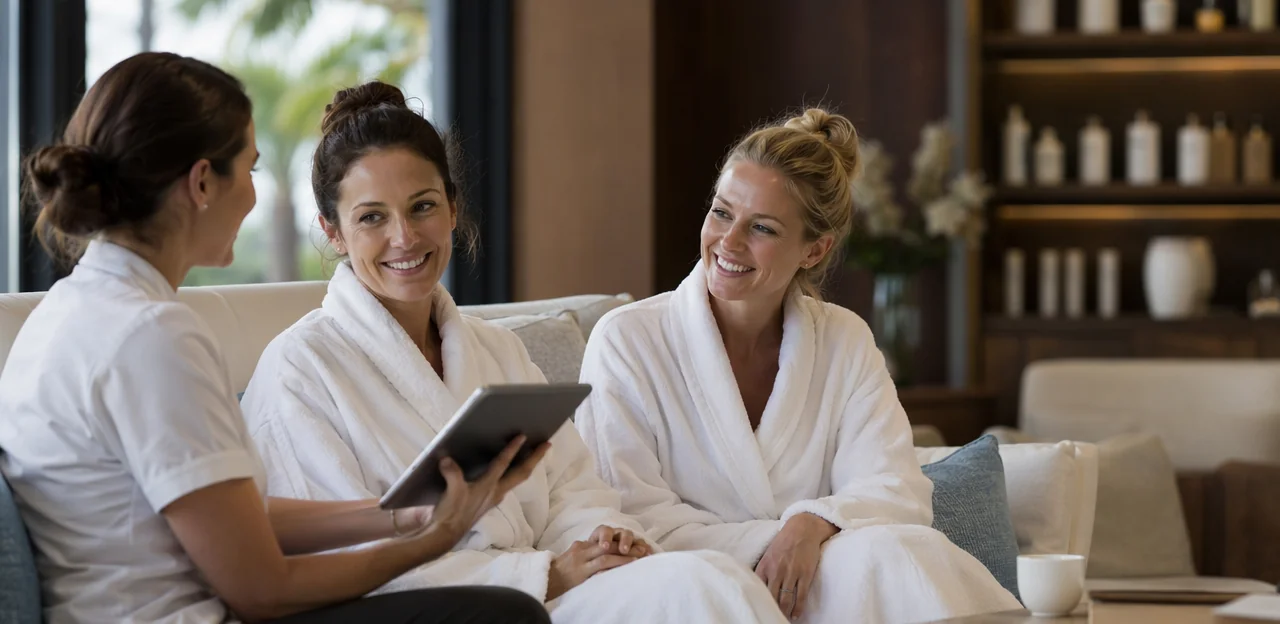
Collect feedback at the moment of experience
Effective spa feedback placement means asking guests while the experience is still fresh. In wellness settings, waiting until the end of the day—or after they leave—often leads to vague answers, forgotten details, and lower response rates.
- Immediately after treatment: Post-treatment feedback captures precise impressions about therapist technique, comfort, pressure, ambiance, and results.
- Right after facility use: Sauna, steam room, pool, or relaxation lounge feedback is more accurate when guests can recall cleanliness, temperature, and availability in real time.
- After service interactions: Quick check-ins after reception, booking, or retail purchases improve real-time guest feedback and help staff fix issues before checkout.
Well-timed prompts also feel easier to complete, making responses shorter, more honest, and more actionable.
Balance convenience, privacy, and relaxation
In a spa, spa feedback placement should feel invisible, not transactional. The goal is to capture wellness center feedback without breaking the calm rhythm that defines a strong spa client experience.
- Place discreet NFC or QR guest feedback touchpoints in low-pressure moments, such as near herbal tea stations, robe return areas, or reception at checkout.
- Avoid treatment rooms unless the prompt is extremely subtle; guests should never feel watched or interrupted during relaxation.
- Use short, one-minute feedback flows with optional anonymity to respect privacy.
- Choose quiet visual design: small signage, soft wording, and minimal steps.
Tools like Tapsy can support low-effort, context-aware feedback that fits the wellness atmosphere.
Connect feedback collection to business outcomes
Effective spa feedback placement turns guest comments into measurable results, not just data. Place QR or NFC feedback points at high-intent moments—after treatments, at checkout, and in relaxation areas—to improve both response quality and actionability.
- Increase spa online reviews: Ask satisfied guests to review immediately after a positive service moment.
- Strengthen service recovery: Capture issues before guests leave, giving staff time to resolve them on-site.
- Improve retention: Fast follow-up on concerns supports loyalty and long-term spa guest satisfaction.
- Drive operational improvements: Spot patterns in therapist performance, wait times, amenities, or cleanliness to refine your customer experience strategy.
When feedback is easy to give and tied to action, guest satisfaction and brand reputation both rise.
Best places to put feedback points in a spa or wellness center

Reception, check-in, and check-out areas
Reception and exit points are some of the best locations for spa feedback placement because guests naturally pause there after their treatment journey is complete. To improve response rates, place feedback options where guests are already waiting, paying, or collecting belongings.
- Front desk counters: Add discreet spa reception feedback signage with a short prompt like “How was your visit today?” Position a QR display at eye level so it is easy to scan while guests wait.
- Payment terminals: A small NFC tap point beside the card machine works well during checkout, when the experience is still fresh. This is an ideal spot for a fast check-out survey spa flow with 1–3 questions.
- Exit zones: Use a branded QR code feedback stand near the door, robe return, or product shelf for guests who prefer to respond as they leave.
Keep prompts simple, visible, and tied to natural pause moments. Tools like Tapsy can support NFC and QR touchpoints in a clean, low-friction format.
Treatment rooms, relaxation lounges, and changing areas
For effective spa feedback placement, choose moments and locations that feel calm, optional, and easy to access. In private or semi-private zones, subtlety matters more than visibility.
- Treatment room feedback: Place a small QR card or discreet NFC tag near the exit, vanity, or water station so guests can respond after a massage, facial, or hydrotherapy session—not while they are undressing or settling in.
- Spa lounge survey: Relaxation lounges work well for a short pulse-check, especially near tea bars, towel return points, or seating exits where guests naturally pause.
- Changing areas: Use wellness center touchpoints only in shared exit corridors or by locker check-out stations, never inside cubicles, showers, or mirror areas where privacy expectations are highest.
Avoid intrusive prompts on treatment beds, inside lockers, or anywhere staff may appear to be watching. A low-pressure setup, such as a simple stand or Tapsy NFC prompt, helps protect guest comfort while improving response quality.
Retail, café, and amenity zones
Secondary touchpoints are ideal for spa feedback placement because guests often process the full visit once treatments are over. Place quick, low-friction prompts in areas where they naturally pause, browse, or unwind.
- Retail displays: Ask about product recommendations, merchandising, and purchase intent to capture useful spa retail feedback.
- Tea lounges or cafés: Use a short check-in on relaxation, ambiance, and post-treatment comfort while the experience is still fresh.
- Locker rooms: Focus on cleanliness, privacy, amenities, and ease of use with an amenity experience survey.
- Pools and saunas: Keep prompts brief and service-specific, such as temperature, noise levels, towel availability, and overall comfort.
Match the question to the setting instead of repeating a generic survey. For example, retail zones should ask about products, while sauna areas should ask about heat, hygiene, and atmosphere. NFC or QR touchpoints, such as Tapsy, can help deliver context-aware wellness facility feedback prompts without interrupting the guest journey.
How NFC and QR touchpoints improve spa feedback collection
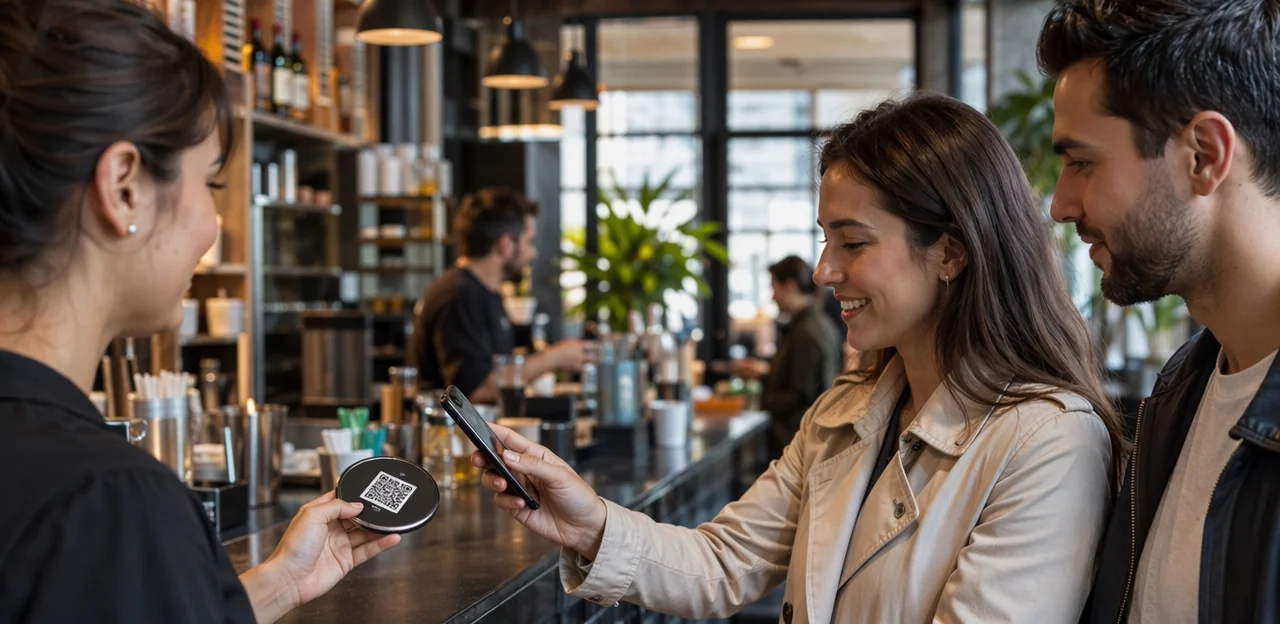
When to use NFC taps versus QR scans
For effective spa feedback placement, choose the technology that matches the guest journey and the tone of your space.
- Use NFC feedback spa touchpoints in premium, high-traffic areas like treatment room exits, relaxation lounges, and reception. NFC is faster than opening a camera, feels more seamless, and supports a luxury, low-friction experience.
- Use QR code spa feedback where compatibility matters, such as changing rooms, lockers, printed menus, or takeaway product packaging. QR works on nearly every smartphone without requiring tap-enabled settings.
- For hygiene-conscious environments, both support contactless guest feedback, but NFC often feels cleaner and more effortless because guests simply tap rather than frame a code.
- Consider guest demographics: younger, tech-comfortable visitors may prefer NFC, while mixed-age or international audiences often benefit from visible QR as a familiar backup.
In many spas, the best approach is a dual setup: NFC first, QR second.
Design touchpoints that feel premium and effortless
For effective spa feedback placement, every prompt should feel like part of the treatment journey, not an interruption. Use subtle, well-crafted materials and keep each element consistent with your brand palette, typography, and tone.
- Elegant signage: Choose minimal spa QR signage with soft finishes, calm colors, and clear wording placed at exits, relaxation lounges, and reception.
- Branded stands: Use sturdy wood, acrylic, or metal stands that match the spa’s interior for truly premium feedback touchpoints.
- Mirror decals: Add discreet decals near vanity mirrors where guests naturally pause, keeping copy short and easy to scan.
- Bedside cards: In treatment rooms, place small cards beside water, tea, or aftercare instructions for a seamless post-service prompt.
- Countertop plaques: Keep plaques uncluttered, visible, and angled toward the guest.
Strong spa survey design should be simple, elegant, and instantly noticeable without feeling intrusive.
Optimize the landing page or survey flow
Effective spa feedback placement does not end at the NFC tap or QR scan—the next screen determines whether guests complete the process. Keep the experience fast, clear, and mobile-first to reduce drop-off.
- Use a mobile feedback form spa guests can finish in under 30 seconds.
- Start with a one-question rating, such as “How was your treatment today?”
- Apply smart review routing: happy guests can be guided to leave a public review, supporting review generation spa efforts, while unhappy guests are directed to a private feedback form.
- Add only 1–2 short follow-up prompts, such as service quality, cleanliness, or therapist professionalism.
- Avoid long forms, mandatory account creation, or too many text fields.
A short spa survey improves completion rates and gives staff faster insight. Platforms like Tapsy can help create streamlined, location-specific feedback flows.
Placement strategy by guest journey stage
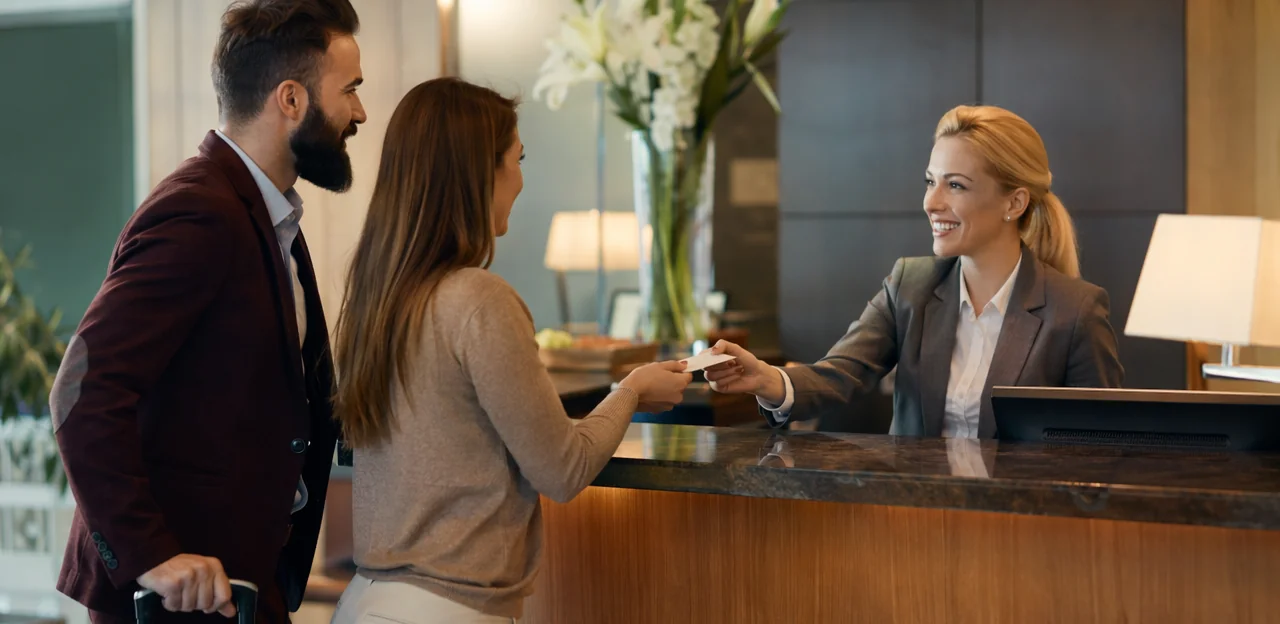
Pre-service and arrival touchpoints
Early-stage spa feedback placement helps teams understand guest expectations before treatment starts and correct issues quickly. Key opportunities include:
- Booking confirmations: Add a short pre-service survey spa link in email or SMS confirmations to ask about goals, preferences, allergies, and visit purpose.
- Reception and waiting areas: Use QR or NFC prompts for spa arrival feedback to capture first impressions of check-in speed, ambience, cleanliness, and staff welcome.
- Consultation forms: Include 1–2 questions about desired outcomes, pressure preferences, or concerns so therapists can personalize the session.
These touchpoints strengthen guest journey mapping spa by revealing what guests expect versus what they actually experience. Tools like Tapsy can make these moments easy to access without interrupting the calm arrival flow.
During service and immediate post-treatment moments
This is one of the most effective points for spa feedback placement because impressions are still fresh and specific. Keep requests short, private, and easy to complete within 30–60 seconds.
- Massage rooms: Place a discreet QR card or NFC tag near the water station or exit so guests can complete a quick massage feedback form after dressing.
- Facial suites: Offer a one-minute check-out prompt focused on comfort, product feel, and results to capture accurate post-treatment spa feedback.
- Therapist handoff moments: When a therapist escorts the guest to reception, staff can invite brief therapist service feedback before payment or rebooking.
Use 2–3 rating questions plus one open comment box. Tools like Tapsy can help trigger fast, location-based feedback flows.
Post-visit follow-up for deeper insights
Post-visit outreach strengthens spa feedback placement by capturing thoughts guests may not share on-site. Use off-site channels based on the type of response you want:
- SMS for speed: A spa SMS feedback prompt sent within 1–3 hours works best for quick ratings, issue checks, or a short post-visit spa survey.
- Email for depth: An email review request spa campaign sent later the same day or next morning is better for detailed comments about treatment quality, staff, ambiance, and rebooking intent.
- App follow-ups for loyalty: If your spa has an app, use push notifications for personalized surveys tied to membership, packages, or repeat visits.
A smart setup combines in-location taps for immediate sentiment and off-site follow-ups for reflection. Tools like Tapsy can help connect both touchpoints into one smoother feedback flow.
Common mistakes to avoid with spa feedback placement
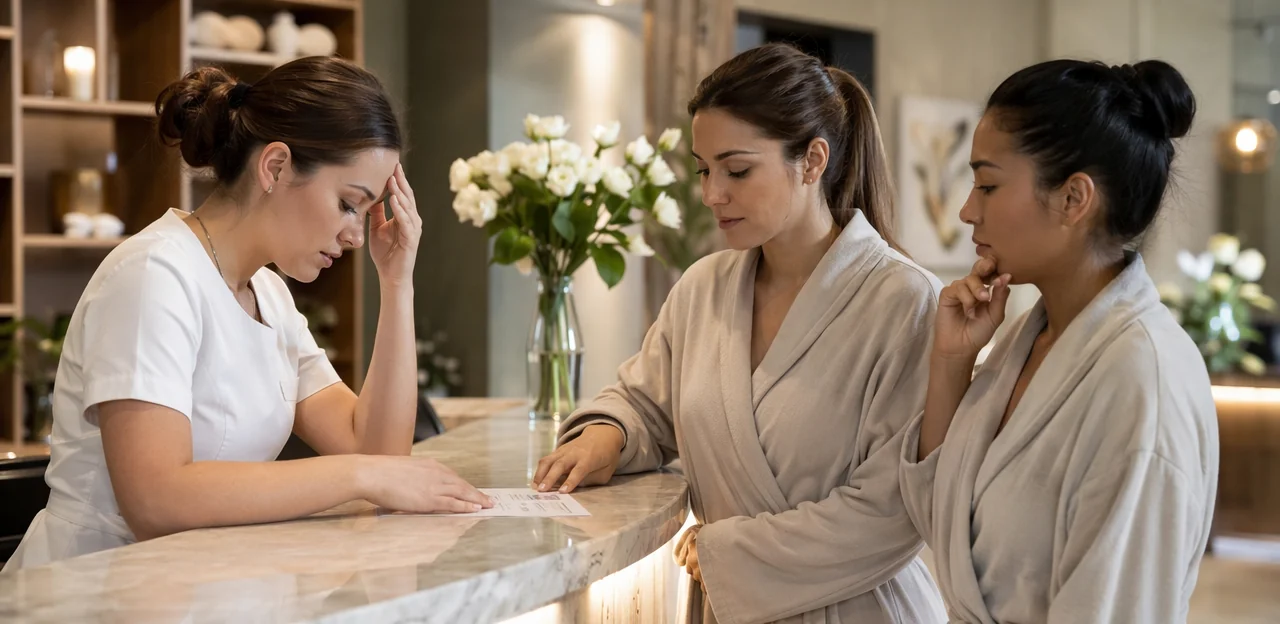
Using too many prompts or poorly timed requests
Poor spa feedback placement can create friction instead of insight. In wellness settings, guests want calm, privacy, and uninterrupted relaxation, so too many QR signs or repeated requests quickly lead to survey fatigue spa issues.
- Avoid placing feedback prompts in every room, corridor, or treatment area.
- Never ask during massages, facials, meditation, or immediately after a deeply relaxing service.
- Limit signage so it feels elegant, not promotional or cluttered.
- Choose natural moments, such as checkout, lounge exit, or post-treatment tea areas.
These feedback timing mistakes are common guest experience errors: over-asking lowers trust, reduces response quality, and can make feedback feel transactional rather than caring. A lightweight, well-timed prompt performs better than constant reminders.
Ignoring privacy, accessibility, and staff training
Even the best spa feedback placement can underperform if operational details are overlooked. To improve response rates and trust, make every feedback point feel safe, easy, and natural:
- Prioritize spa feedback privacy with discreet placement near exits, lockers, or reception side areas, not in exposed relaxation zones or treatment rooms.
- Use accessible QR feedback design: ADA-minded height, clear contrast, large text, and easy NFC/QR reach for seated or mobility-limited guests.
- Add multilingual prompts so international guests understand what the feedback is for and how long it takes.
- Invest in staff training guest feedback so therapists and front-desk teams introduce it casually: “If you’d like, you can tap here to share a quick note after your treatment.”
Small operational choices directly affect participation, comfort, and data quality.
Failing to act on feedback data
Collecting feedback is only the first step. Without a clear customer insight action plan, even strong spa feedback placement will not improve the guest experience.
- Create response workflows: Assign who reviews comments daily, who replies to guests, and how quickly action is expected.
- Escalate service issues fast: Complaints about therapist quality, cleanliness, or waiting times should trigger immediate service recovery spa steps before the guest leaves dissatisfied.
- Track trends, not just single comments: Effective spa feedback management looks for repeated issues by treatment, team member, or time slot.
- Show visible improvements: When guests notice better robes, faster check-in, or quieter relaxation areas, they are more likely to share feedback again and stay loyal.
Tools like Tapsy can help turn real-time feedback into action quickly.
How to measure success and refine your feedback point layout

Track response rate, review volume, and satisfaction trends
After finalizing spa feedback placement, track performance by touchpoint so you can improve weak spots and scale what works:
- Scan-to-submit rate: Measure taps/scans versus completed forms to monitor review conversion tracking and reduce drop-off.
- Star ratings and sentiment: Follow average ratings, comment themes, and your survey response rate spa by service area.
- Review growth: Track weekly and monthly review volume across Google and other platforms.
- Location-level performance: Compare reception, treatment rooms, locker areas, and checkout to identify the strongest spa feedback metrics.
Tools like Tapsy can help centralize these insights.
Test placement, wording, and call-to-action design
Treat spa feedback placement as a testable variable, not a fixed decision. Use feedback CTA testing and QR placement testing to compare what drives the most scans and responses.
- Test locations: reception desk vs. locker area vs. tea lounge
- Test copy: “Share your experience” vs. “Help us improve today”
- Test prompts: short star rating first vs. one-tap mood check
- Test design: table tent, mirror decal, or treatment-room QR card
Track scan rate, completion rate, and comments quality. Small weekly experiments support better spa signage optimization. Tools like Tapsy can help measure touchpoint performance.
Build a continuous improvement loop
Turn feedback into action with a simple monthly review cycle:
- Review trends monthly: Group comments by location, service stage, and issue type to spot patterns affecting guest experience optimization.
- Refine spa feedback placement: Move NFC or QR touchpoints toward high-friction moments, such as post-treatment, locker areas, or checkout.
- Act operationally: Use insights to adjust staffing levels, improve therapist training, and refine treatment flows within wellness center operations.
- Track outcomes: Compare month-over-month satisfaction, recovery speed, and repeat visits to support a true continuous improvement spa strategy.
Tools like Tapsy can help centralize and analyze these touchpoint insights.
Conclusion
Ultimately, effective spa feedback placement is about meeting guests at the right moments without disrupting their sense of calm. The most valuable feedback points are typically positioned along the natural client journey: at reception for first impressions, in changing areas for convenience, near treatment room exits for immediate post-service reactions, and at checkout for an overall experience review. Thoughtful use of NFC and QR touchpoints can make this process fast, discreet, and effortless—helping wellness centers capture real-time insights while the experience is still fresh.
When done well, spa feedback placement improves more than survey response rates. It helps teams identify service gaps early, recover issues before they turn into negative reviews, and better understand what clients value most, from therapist performance to ambiance and amenities. The result is a smoother guest experience, stronger loyalty, and more informed operational decisions.
Now is the time to audit your current guest journey and identify where feedback feels most natural and useful. Start with a few high-impact touchpoints, test response rates, and refine your approach over time. If you want a streamlined way to manage NFC and QR-based feedback across wellness spaces, solutions like Tapsy can support real-time engagement and service improvement. Small placement changes can lead to meaningful gains in client satisfaction.
Frequently Asked Questions
- Why is it better to collect spa feedback during the guest journey instead of only at the end?
Feedback gathered close to the moment of experience is usually more specific and useful. Guests can better recall details like therapist technique, cleanliness, comfort, temperature, and service interactions when asked in real time.
- Where should a spa place feedback points for the highest response quality?
Strong locations include reception desks, payment terminals, exit zones, treatment room exits, relaxation lounges, and selected retail or amenity areas. These spots work best because guests naturally pause there and can respond without interrupting their treatment.
- Should feedback prompts be placed inside treatment rooms?
They can be used near the exit, vanity, or water station, but only after the service and in a very subtle way. Prompts should never make guests feel watched or interrupt moments of privacy, undressing, or relaxation.
- What are the best places to ask for feedback in changing and locker areas?
Use touchpoints in shared exit corridors or near locker check-out stations rather than inside cubicles, showers, or mirror areas. This approach protects privacy while still capturing useful feedback about cleanliness, amenities, and ease of use.
- How can spas collect feedback without disrupting a calm wellness atmosphere?
Keep prompts discreet, short, and placed in low-pressure moments such as checkout, robe return, tea stations, or lounge exits. Small signage, soft wording, and one-minute flows with optional anonymity help feedback feel natural rather than transactional.
- When should a spa use NFC taps instead of QR codes?
NFC works well in premium, high-traffic areas like reception, treatment room exits, and relaxation lounges because it feels fast and seamless. QR codes are better where broad phone compatibility matters, such as lockers, printed menus, or product packaging.
- Is it better to offer both NFC and QR feedback options?
Yes, a dual setup can suit more guests and situations. NFC can be the primary low-friction option, while QR acts as a familiar backup for mixed-age or international audiences.
- What should a spa feedback form look like to improve completion rates?
The form should be mobile-first and quick to finish, ideally in under 30 seconds. A strong flow starts with one rating question, adds only one or two short follow-ups, and avoids long forms, account creation, or too many text fields.
- How can spas use feedback points to increase online reviews without missing service issues?
A smart flow asks for feedback right after positive moments such as treatments or checkout. Satisfied guests can be guided toward a public review, while unhappy guests can be directed to a private form so staff can address issues quickly.
- What types of questions should be asked in different spa areas?
Questions should match the setting instead of repeating a generic survey everywhere. Retail areas can ask about product recommendations and purchase intent, while sauna, pool, or locker areas should focus on temperature, cleanliness, towel availability, privacy, and comfort.
- Can spas collect feedback before a treatment begins?
Yes, pre-service touchpoints can be added in booking confirmations, waiting areas, or consultation forms. These can capture goals, preferences, allergies, desired pressure, and first impressions of check-in or ambiance.
- What is the best way to follow up with guests after they leave?
SMS works well within one to three hours for quick ratings or issue checks. Email sent later the same day or the next morning is better for more detailed comments about treatment quality, staff, ambiance, and rebooking intent.
- What common mistakes should spas avoid when placing feedback touchpoints?
Avoid putting prompts everywhere, asking during treatments, or using cluttered signage that feels promotional. Poor timing and too many requests can create survey fatigue and make feedback feel intrusive instead of helpful.
- How do privacy and accessibility affect spa feedback placement?
Feedback points should be placed in discreet areas and designed so they are easy to reach and read. Clear contrast, large text, suitable height, multilingual prompts, and casual staff introductions all improve comfort and participation.
- How can a spa measure whether its feedback point layout is working?
Track scan-to-submit rate, completed responses, star ratings, sentiment, review volume, and performance by location. Testing different placements, wording, and formats over time helps identify which touchpoints produce the best response quality and actionability.