A great meal alone is no longer enough to win loyal guests. Today, diners remember the full experience: how quickly they were greeted, how smoothly orders were handled, how staff responded to issues, and whether the visit felt personal from start to finish. In a competitive market where one bad moment can quickly become a negative review, restaurant customer experience management has become a practical operational priority, not just a branding exercise.
For restaurants and cafés, improving customer experience does not have to begin with a major overhaul. Often, the most effective first steps are simple: identifying key touchpoints, collecting feedback while it is still fresh, training teams to respond consistently, and fixing recurring friction points before they damage reputation and repeat business. Tools such as Tapsy can also support this process by helping teams capture real-time feedback at critical service moments.
This article explores practical first steps for building a stronger customer experience strategy in restaurant operations. From understanding the guest journey to setting up feedback loops and creating faster service recovery processes, you will learn how to turn everyday interactions into measurable improvements in satisfaction, loyalty, and long-term growth.
Why customer experience management matters in restaurants

What restaurant customer experience management means
Restaurant customer experience management is the structured process of designing, measuring, and improving every interaction a guest has with your brand, not just handling problems when they arise. It covers the full journey, including:
- discovering your restaurant online
- booking a table or ordering ahead
- arrival, wait times, and staff welcome
- menu clarity, ordering, food delivery, and ambiance
- payment, checkout, and post-visit feedback
- follow-up offers that encourage return visits
Unlike general customer service, which is often reactive and one-to-one, guest experience management is proactive and systematic. It uses feedback, operational data, and clear processes to improve the overall restaurant customer experience across all touchpoints and over time.
Strong restaurant customer experience management directly improves the numbers that matter most:
- Repeat visits: Faster seating, accurate orders, and friendly service increase restaurant customer retention and reduce churn.
- Higher spend: Guests who feel valued are more likely to add drinks, desserts, or upgrades, lifting average order value.
- Better reputation: Consistent service recovery and smoother dining experiences generate stronger restaurant online reviews, which influence new bookings.
- More referrals: Satisfied diners recommend you to friends, supporting lower-cost customer acquisition.
- Long-term loyalty: Positive, repeatable experiences build restaurant guest loyalty and raise customer lifetime value.
Track the impact through KPIs like repeat-visit rate, review score, complaint volume, table turn time, average check, and loyalty redemption. Even small experience fixes can improve profitability over time.
Common restaurant pain points to fix first
Strong restaurant customer experience management starts with the friction guests notice most. Prioritize these high-impact restaurant service issues first:
- Long wait times: Review seating flow, kitchen bottlenecks, and handoff delays. Better restaurant wait time management reduces frustration before meals even begin.
- Inconsistent service: Standardize greetings, check-ins, and table follow-up so every shift delivers a reliable experience.
- Order errors: Improve POS workflows, repeat-back practices, and expo checks to strengthen restaurant order accuracy.
- Poor communication: Keep guests informed about delays, menu changes, or unavailable items early.
- Weak follow-up: Train staff to check satisfaction after food arrives and resolve issues immediately.
Tools like Tapsy can help capture real-time guest feedback before problems become bad reviews.
Map the guest journey before making changes

Identify every guest touchpoint
Strong restaurant customer experience management starts with mapping the full restaurant guest journey from discovery to follow-up. Every interaction influences how guests judge your brand, service, and value.
- Discovery: Website visits, Google listings, and social media shape first impressions. Make hours, menus, photos, and contact details accurate and easy to find.
- Booking: Reservations should be fast and friction-free, whether by phone, app, or online form.
- Arrival and seating: Greeting speed, wait times, cleanliness, and table readiness are critical restaurant customer touchpoints.
- Menu and ordering: Clear menus, staff guidance, and easy ordering affect confidence and upselling.
- Dining and payment: Food timing, presentation, check-ins, and smooth payment define the core dining experience journey.
- Post-visit: Follow up with feedback requests, loyalty offers, or review prompts. Tools like Tapsy can help capture feedback at key moments.
Gather feedback from guests and staff
Strong restaurant customer experience management starts with simple, repeatable feedback loops. Use a mix of channels so you capture both quick reactions and deeper insights:
- Comment cards: Keep them short with 2–3 questions about food, service, speed, and cleanliness.
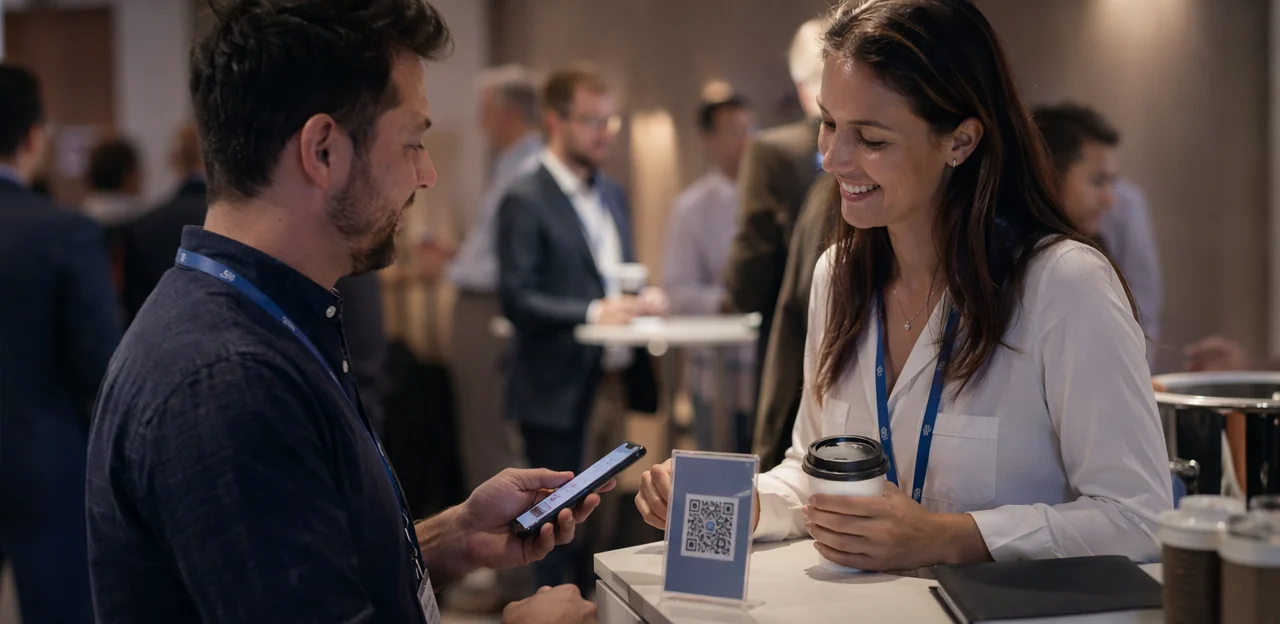
- QR surveys: Add codes to tables, receipts, or takeaway bags for fast mobile responses. Good restaurant survey ideas include rating wait time, order accuracy, and staff friendliness.
- Review monitoring: Check Google, TripAdvisor, and delivery apps weekly as part of your restaurant review management process. Tag recurring complaints by theme.
- Table-side conversations: Managers should ask a few guests each shift, “How was everything today?” to catch issues before they become public reviews.
- Staff input: Servers, hosts, and runners often notice recurring problems first, such as long ticket times or confusing menus.
Tools like Tapsy can also help collect real-time QR feedback at the table.
Audit the current experience with simple metrics
Before making changes, start restaurant customer experience management with a simple, repeatable baseline. A basic restaurant service audit helps you spot friction points and measure whether improvements actually work.
Track a small set of practical restaurant customer experience metrics and restaurant KPIs such as:
- Average wait times for seating, ordering, and food delivery
- Table turn time by daypart or shift
- Complaint frequency, including issue type and resolution status
- Review themes from Google, Yelp, and social mentions
- Repeat visit rate from loyalty, booking, or POS data
- Staff response speed to guest requests or problems
Review these weekly, not just monthly, so patterns appear faster. If possible, collect in-the-moment feedback at key touchpoints using tools like Tapsy. Once you establish a clear baseline, you can prioritize fixes and track the impact of every operational change.
Improve the in-restaurant experience with quick operational wins

Speed up service without sacrificing hospitality
Fast service should never feel rushed. In restaurant customer experience management, the goal is to remove friction while keeping guests confident, informed, and cared for. Strong restaurant service improvement often starts with clearer coordination, not just moving faster.
- Tighten table flow: Seat based on server capacity, not only open tables, and pre-bus quickly to reduce reset time.
- Improve handoffs: Use clear order status updates between front and back of house so servers know when to check in, fire courses, or flag delays.
- Reduce restaurant wait times: Review bottlenecks by shift, such as slow drink prep, payment delays, or uneven section loads, then fix the biggest friction points first.
- Keep guests informed: If the kitchen is backed up, tell guests early, set realistic expectations, and offer small touches like drink refills or menu guidance.
Good communication protects the experience during busy periods. Tools like Tapsy can also help teams spot service issues in real time and respond before frustration builds.
Train staff for consistency and empathy
Strong restaurant customer experience management starts with clear, repeatable behaviors that every team member can follow. Effective restaurant staff training should focus on a few high-impact basics:
- Greeting standards: welcome guests promptly, make eye contact, and use a warm, confident opening.
- Menu knowledge: train staff to explain dishes, ingredients, allergens, and popular pairings without hesitation.
- Active listening: teach servers to confirm orders, notice cues, and respond thoughtfully to guest preferences or concerns.
- Issue resolution: give staff simple steps for handling complaints: acknowledge, apologize, act quickly, and update the guest.
- Tone of voice: reinforce calm, respectful, and friendly communication, even during busy periods.
These restaurant service standards help every shift feel reliable, not random. When service is consistent, guests trust the brand, feel cared for, and notice that the experience is intentional. To support hospitality training for restaurants, use short role-play sessions, pre-shift refreshers, and real guest feedback tools such as Tapsy to coach teams on what matters most.
Reduce friction in ordering and payment
A smoother restaurant ordering experience starts by removing uncertainty at every step. As part of strong restaurant customer experience management, focus on making choices and transactions effortless.
- Improve restaurant menu clarity: Use simple section names, short descriptions, visible prices, and clear modifiers for add-ons or sides. Highlight popular dishes and preparation times where helpful.
- Make allergy communication easy: Mark allergens clearly on menus and digital ordering screens, and train staff to confirm dietary needs confidently before orders are placed.
- Upsell helpfully, not aggressively: Suggest relevant extras that improve the meal, such as pairing a side with a main or offering a dessert after the table has finished.
- Offer digital ordering options: QR code menus, table ordering, and mobile payment can reduce waiting time and streamline the restaurant ordering experience, especially during peak hours.
- Simplify the restaurant payment experience: Let guests split bills easily, pay at the table, use contactless methods, and receive digital receipts without delays.
Tools like Tapsy can also help restaurants capture real-time feedback on friction points and fix them quickly.
Use technology to support better customer experiences

Choose tools that solve real guest problems
Effective restaurant customer experience management starts with technology that removes friction, not adds complexity. Prioritize tools that improve both guest convenience and operational visibility:
- Restaurant reservation software reduces booking errors, confirms tables automatically, and helps manage peak demand.
- Waitlist tools give guests accurate queue updates, cutting frustration at busy times.
- POS integrations connect orders, payments, and guest data so teams can serve faster and spot service issues sooner.
- A restaurant CRM helps track preferences, visit history, and loyalty activity for more personalized follow-up.
- Feedback software captures real-time insights and flags problems before they turn into bad reviews.
The best restaurant technology for customer experience should fit your workflow. Avoid stacking unnecessary tools that create duplicate tasks, staff confusion, and inconsistent service.
Personalize communication and follow-up
Strong restaurant customer experience management includes timely, useful outreach after each visit. Use restaurant guest data responsibly to make messages feel relevant, not intrusive.
- Send birthday offers with a simple reward and clear expiry date.
- Trigger visit reminders when regular guests have not returned within their usual timeframe.
- Use restaurant loyalty communication to share points balances, rewards, and personalized thank-yous.
- Create targeted promotions based on real preferences, such as brunch guests receiving weekend offers or frequent takeaway customers getting delivery deals.
For effective restaurant personalization, focus on consent, message frequency, and value. Collect only necessary data, explain how it will be used, and make opting out easy. Tools like Tapsy can help restaurants gather first-party feedback and build more relevant follow-up campaigns.
Monitor reviews and respond effectively
Reviews are a public extension of restaurant customer experience management, so treat every reply as both service recovery and brand building. To manage restaurant reviews consistently, use a simple framework:
- Respond fast: Aim for 24–48 hours.
- Thank and personalize: Mention the guest’s specific feedback.
- Acknowledge issues clearly: Never argue or sound defensive.
- Explain the next step: Share what you’re fixing internally.
- Take sensitive details offline: Offer a direct contact for resolution.
For a strong restaurant review response, thank positive reviewers and reinforce what you want to be known for. For negative reviews, apologize, accept accountability, and show action. This approach strengthens restaurant reputation management and turns review handling into an active customer experience strategy.
Build a repeatable customer experience system

Set standards for each stage of service
A strong restaurant customer experience management plan starts with clear, repeatable expectations at every guest touchpoint. Document simple restaurant service standards so every team member knows what “good” looks like, regardless of shift or location.
- Reservations: define response times, confirmation steps, and how special requests are recorded.
- Greetings: set a target for welcome time, host language, and seating guidance.
- Order taking: outline menu knowledge, upselling rules, and order accuracy checks.
- Check-ins: specify when servers should return to the table after food arrives.
- Problem resolution: create basic restaurant SOPs for complaints, remake approvals, and manager escalation.
- Farewells: standardize payment, thank-you wording, and invitation to return.
This kind of restaurant customer experience strategy improves consistency, simplifies training, and helps multi-location teams deliver a reliable guest experience.
Assign ownership and review performance regularly
To make restaurant customer experience management consistent, give clear ownership to specific roles instead of leaving feedback “for everyone” to handle. This builds real customer experience accountability and keeps improvement measurable.
- Assign one owner for guest feedback collection, review monitoring, and escalation of urgent issues.
- Give department leads responsibility for training follow-up, so service, kitchen, and front-of-house teams act on recurring problems.
- Track a small set of KPIs in your restaurant management systems, such as review scores, complaint resolution time, repeat visits, and staff response rates.
- Run a weekly or monthly restaurant performance review to spot patterns, assign actions, and check whether previous fixes worked.
This simple rhythm keeps customer experience efforts active, structured, and preventive rather than reactive. Tools like Tapsy can also help teams capture and route feedback faster.
Start small with a 30-day action plan
A simple restaurant action plan helps turn restaurant customer experience management into daily practice without overwhelming your team. Focus on one month of steady, visible progress:
- Days 1–7: Identify the biggest friction points
Review guest complaints, online reviews, staff feedback, and service bottlenecks. Look for patterns such as slow seating, order errors, or long payment times. - Days 8–14: Choose 2–3 improvements
Build a realistic restaurant operations plan around quick wins, like clearer table handoffs, faster check presentation, or better wait-time communication. - Days 15–21: Train staff and set expectations
Brief the team on new steps, assign ownership, and explain how each change will improve restaurant customer experience. - Days 22–30: Measure and refine
Track guest feedback, repeat complaints, and service speed. Tools like Tapsy can help capture real-time insights. Keep what works, adjust what doesn’t, and build momentum.
Measure results and keep improving

Track the metrics that matter most
For effective restaurant customer experience management, focus on a small set of restaurant experience KPIs you can review weekly and act on quickly:
- Review ratings and review volume: Track average star rating, new reviews, and recurring themes.
- Guest satisfaction scores: Use short post-visit surveys to measure key restaurant customer satisfaction metrics like food quality, friendliness, and cleanliness.
- Restaurant repeat business: Monitor return visits, loyalty usage, and repeat booking rates.
- Complaint trends: Categorize issues such as wait times, order accuracy, or staff service to spot patterns.
- Service speed: Measure seating time, order-to-table time, and payment time.
Connect each metric to outcomes: better ratings support new customer acquisition, faster service improves table turnover, fewer complaints reduce churn, and stronger repeat visits increase revenue. Tools like Tapsy can help capture real-time feedback at key touchpoints.
Turn feedback into continuous improvement
To make restaurant customer experience management effective, treat every comment as operational input, not just opinion. Build a simple loop for continuous improvement in restaurants:
- Categorize feedback by theme: food quality, speed of service, cleanliness, staff attitude, ordering, and ambiance.
- Prioritize recurring issues by frequency and business impact. If slow lunch service appears weekly, it deserves faster action than a one-off complaint.
- Test solutions in small pilots, such as changing prep workflows, updating staffing levels, or revising menu descriptions, then measure results through restaurant feedback analysis.
- Communicate changes to staff in pre-shift briefings so teams understand what changed, why, and what success looks like.
This approach creates a practical culture of restaurant quality improvement, where guest feedback directly shapes daily decisions.
Conclusion
Getting started with restaurant customer experience management does not require a complete operational overhaul. The most effective first steps are often the simplest: map your guest journey, identify the moments that matter most, collect feedback in real time, and give your team clear ownership for resolving issues quickly. When restaurants consistently listen, respond, and improve, they create better dining experiences, stronger loyalty, and more positive reviews.
The real value of restaurant customer experience management lies in turning everyday interactions into measurable insights. From wait times and order accuracy to staff friendliness and cleanliness, each touchpoint shapes how guests remember your brand. By focusing on a few high-impact areas first, restaurant operators can build a practical system that improves both service quality and business performance over time.
Now is the time to move from intention to action. Start with one location, one feedback process, and one set of service standards you can track weekly. Then refine, train, and expand based on what your guests are telling you. If you want to streamline real-time feedback at key touchpoints, tools like Tapsy can help restaurants capture issues early and respond before they turn into lost loyalty or negative reviews. For next steps, create a simple customer journey map, review your current feedback channels, and set a monthly cadence for experience improvements.
Frequently Asked Questions
- What does customer experience management mean for restaurants?
It is the structured process of designing, measuring, and improving every interaction a guest has with a restaurant. It covers the full journey, from online discovery and booking to dining, payment, feedback, and follow-up.
- How is restaurant customer experience management different from regular customer service?
Customer service is often reactive and focused on solving individual problems as they happen. Customer experience management is proactive and systematic, using feedback, operational data, and clear processes to improve the full guest journey over time.
- Why should restaurants treat customer experience as an operational priority?
Guest experience directly affects repeat visits, average spend, online reviews, referrals, and long-term loyalty. Small improvements in service consistency, wait times, and issue resolution can also improve profitability over time.
- Which restaurant pain points should be fixed first?
Start with the friction guests notice most: long wait times, inconsistent service, order errors, poor communication, and weak follow-up after food arrives. These issues have a direct impact on satisfaction, reviews, and repeat business.
- How can a restaurant map the guest journey effectively?
List every touchpoint from discovery to post-visit follow-up, including website visits, reservations, arrival, seating, ordering, dining, payment, and feedback requests. This makes it easier to see where guests experience friction and where improvements will matter most.
- What are simple ways to collect feedback from restaurant guests?
Use short comment cards, QR surveys on tables or receipts, review monitoring, and table-side conversations from managers. Staff input is also valuable because servers, hosts, and runners often notice recurring problems before management does.
- Which metrics should restaurants track first for customer experience?
Useful starting metrics include average wait times, table turn time, complaint frequency, review themes, repeat visit rate, and staff response speed. Reviewing them weekly helps teams spot patterns faster and measure whether changes are working.
- How can a restaurant speed up service without making guests feel rushed?
Improve coordination rather than simply pushing staff to move faster. Better table flow, clearer handoffs between front and back of house, and early communication about delays help reduce friction while keeping guests informed and cared for.
- What should staff training focus on to improve the guest experience?
Training should cover prompt greetings, menu knowledge, active listening, issue resolution, and a calm, respectful tone of voice. Short role-plays, pre-shift refreshers, and real guest feedback can help teams apply these standards consistently.
- How can restaurants reduce friction in ordering and payment?
Make menus clear, mark allergens visibly, and train staff to confirm dietary needs confidently. Restaurants can also simplify the experience with digital ordering, easy bill splitting, contactless payment, and digital receipts.
- What kind of technology is most useful for improving restaurant customer experience?
The most useful tools solve real guest problems and fit existing workflows. Examples include reservation software, waitlist tools, POS integrations, a restaurant CRM, and feedback software that captures issues before they become bad reviews.
- How should restaurants personalize follow-up communication without overdoing it?
Use guest data responsibly and keep messages relevant, useful, and easy to opt out of. Good examples include birthday offers, reminders for regulars who have not returned, loyalty updates, and promotions based on real visit preferences.
- What is the best way to respond to restaurant reviews?
Respond within 24 to 48 hours, thank the guest, and refer to their specific feedback. For negative reviews, acknowledge the issue clearly, avoid sounding defensive, explain what will be fixed, and move sensitive details offline when needed.
- How can a restaurant build a repeatable customer experience system?
Set simple service standards for each stage, such as reservations, greetings, order taking, check-ins, problem resolution, and farewells. Then assign ownership for feedback and performance reviews so improvements are tracked and acted on consistently.
- What should a practical 30-day restaurant customer experience plan include?
Begin by identifying the biggest friction points through complaints, reviews, staff feedback, and service bottlenecks. Then choose two or three quick improvements, train the team, assign ownership, and measure feedback and service speed during the final days of the month.