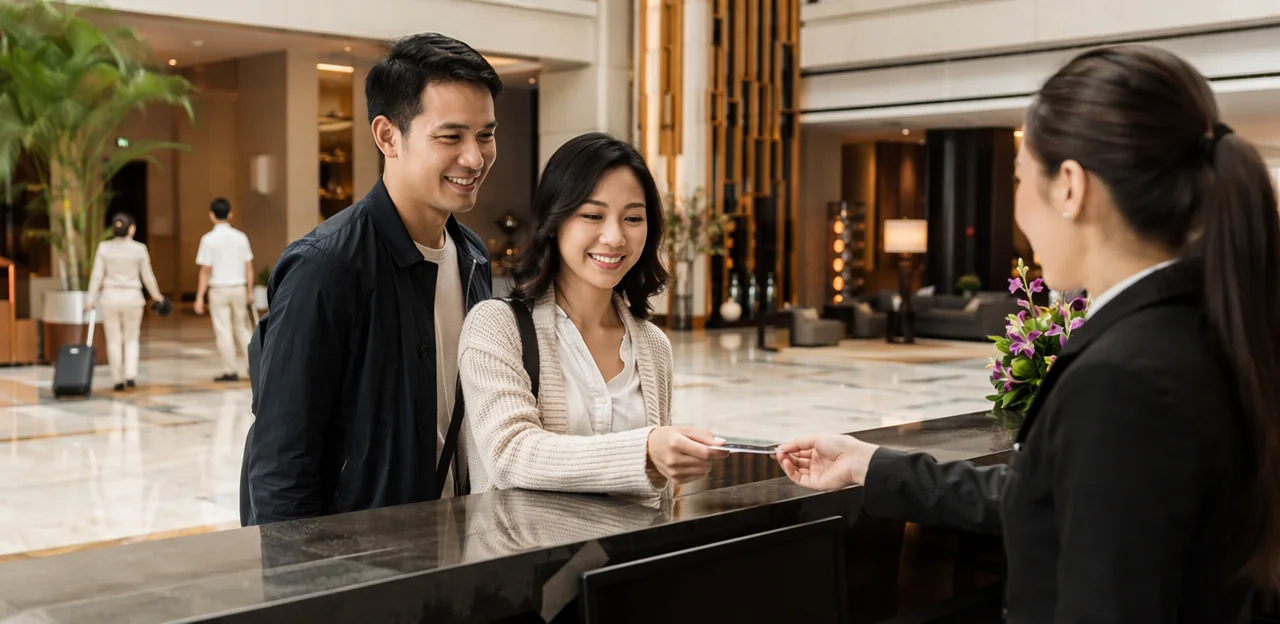
A successful event is about more than packed sessions and polished branding—it’s about how attendees actually feel at every stage of the experience. From registration lines and room comfort to speaker quality, catering, and networking, the smallest moments often shape the biggest impressions. That’s why a modern event satisfaction survey should do more than collect a handful of generic ratings after the event is over.
Today’s organizers need feedback that is specific, timely, and actionable. A broad “How satisfied were you?” question may produce a score, but it rarely explains what worked, what failed, or what should change before the next session, day, or event. The most effective surveys capture sentiment at key touchpoints, reveal patterns across the attendee journey, and help teams respond in real time.
In this article, we’ll explore how to design event feedback surveys that go beyond surface-level metrics. You’ll learn which questions uncover meaningful insights, how to gather feedback without creating friction, and why timing matters as much as wording. We’ll also look at how tools like Tapsy can support live, touchpoint-based feedback collection for events and conferences that want to improve the experience while it’s still happening.
Why generic event feedback falls short

The limits of overall satisfaction scores
A single overall satisfaction score may look neat in reports, but it rarely explains why attendees felt satisfied or disappointed. In an event satisfaction survey, a 4/5 could reflect great speakers but poor catering, while a 2/5 might be driven by long registration queues rather than weak content.
To make an event feedback survey more useful, break feedback into specific touchpoints:
- Logistics: registration, signage, venue access, queues
- Content quality: session value, pacing, practical takeaways
- Networking: ease of meeting relevant people
- Speaker relevance: expertise, clarity, audience fit
This helps organizers identify what to fix, protect, or improve instead of relying on one vague rating.
What modern event teams really need to learn
A strong event satisfaction survey should do more than collect generic scores. Modern teams need surveys that connect attendee feedback to clear business outcomes:
- Understand expectations: Ask whether sessions, networking, and logistics matched what attendees hoped to gain.
- Measure engagement: Track participation by session, touchpoint, or format to see what truly holds attention.
- Identify friction points: Surface issues like long queues, unclear signage, poor audio, or catering gaps while they still matter.
- Improve future event ROI: Use insights to refine programming, staffing, sponsor value, and attendee experience for better retention and stronger returns.
Tools like Tapsy can help capture feedback in real time at key event moments.
How richer feedback improves the event experience
A strong event satisfaction survey does more than collect generic scores—it reveals why attendees felt engaged, frustrated, or underwhelmed. That richer insight helps planners improve the full event experience in practical ways:
- Refine agendas: Use session-level conference feedback to identify which topics, formats, and speakers drive the most value.
- Personalize experiences: Segment responses by attendee type to tailor networking, content tracks, and communications.
- Improve operations: Spot issues with registration, catering, signage, seating, or room comfort before they damage satisfaction.
- Design attendee-centered events: Turn recurring comments into changes that better match real attendee needs.
Tools like Tapsy can also help capture feedback in real time, when insights are most actionable.
How to design an event satisfaction survey that delivers actionable insights

Start with clear survey objectives
Before you write a single question, decide what your event satisfaction survey needs to uncover. Clear survey objectives keep the survey focused, reduce vague questions, and make results easier to act on.
Start by listing the decisions you want the feedback to support, such as:
- Content effectiveness: Did sessions match attendee expectations and deliver useful takeaways?
- Speaker performance: Were speakers engaging, clear, and credible?
- Venue satisfaction: How did attendees feel about location, signage, seating, catering, and comfort?
- Networking value: Did the event create meaningful opportunities to connect?
- Post-event intent: Would attendees return, recommend the event, or engage with your brand again?
For each objective, define one measurable outcome before drafting questions. This helps you avoid generic ratings and collect feedback that leads to improvements. If you use live tools like Tapsy, you can even align objectives to specific touchpoints during the event.
Map questions to the attendee journey
A stronger event satisfaction survey follows the full attendee journey instead of asking only broad rating questions. Structure your event survey questions around each stage so you can identify what actually shaped the experience:
- Pre-event communication: clarity of agenda, reminders, registration instructions, and expectations.
- Check-in: queue times, signage, staff helpfulness, badge pickup, and first impressions.
- Sessions: speaker quality, relevance, pacing, room comfort, and audio/visual setup.
- Networking: ease of meeting people, format effectiveness, and value of connections made.
- Technology: app usability, Wi-Fi reliability, streaming, polling, and digital access.
- Food and beverage: quality, variety, dietary options, and service speed.
- Venue: accessibility, cleanliness, layout, seating, and wayfinding.
- Follow-up: usefulness of post-event content, next steps, and likelihood to return.
This journey-based approach makes feedback more actionable. Tools like Tapsy can also help capture feedback at key touchpoints while impressions are still fresh.
Choose the right mix of question types
A strong event satisfaction survey uses different formats for different goals. In effective survey design, match each question type to the insight you need:
- Rating scales: Use these for overall satisfaction, speaker quality, venue comfort, or likelihood to return. They give you measurable trends you can compare across sessions or event days.
- Multiple choice: Best for identifying specific issues fast, such as registration delays, food quality, signage, or networking options. These event feedback questions make analysis easier.
- Ranking questions: Use when you need attendees to prioritize what mattered most, such as content, speakers, catering, or location.
- Matrix questions: Helpful for evaluating several elements at once, but keep them short to avoid survey fatigue.
- Open-ended prompts: Add one or two to capture context, suggestions, and unexpected issues behind the scores.
For even better results, tools like Tapsy can collect quick, targeted feedback at key event touchpoints in real time.
Best event satisfaction survey questions to ask

Questions about content, speakers, and learning value
A strong event satisfaction survey should measure what attendees actually learned and whether the program delivered on its promise. Instead of asking only “How satisfied were you?”, use more specific conference survey questions that reveal content quality and practical value.
Consider including questions like:
- How relevant was this session to your role or current challenges?
- Did the session content match what was promised in the agenda or description?
- What is one idea, tactic, or insight you plan to apply after the event?
- How clearly did the speaker explain the topic?
- How engaging was the speaker’s delivery and audience interaction?
- Did the speaker provide useful examples, evidence, or case studies?
- To what extent did this event help you achieve your main goal for attending?
- Which sessions delivered the most value, and why?
For a better speaker feedback survey, combine rating scales with one open-ended prompt such as: “What could have made this session more useful?” Tools like Tapsy can help collect this feedback right after each session, when impressions are still fresh.
Questions about logistics, technology, and operations
A strong event satisfaction survey should go beyond overall impressions and capture the operational details that shape attendee experience. This is where event logistics feedback becomes especially valuable, helping organizers spot friction points and fix them for future events.
Include practical questions such as:
- Registration: Was check-in fast, clear, and well staffed?
- Event app usability: Was the app easy to download, navigate, and use for schedules, updates, and networking?
- Venue navigation: Were signage, maps, and room locations easy to follow?
- Accessibility: Did attendees feel the venue, content, and facilities were accessible and inclusive?
- Timing: Were sessions, breaks, and transitions well paced?
- Catering: Did food quality, variety, dietary options, and service meet expectations?
- Hybrid or virtual technology: In a virtual event survey, ask about streaming quality, audio, video, chat tools, and ease of joining sessions.
Use a mix of rating scales and open-text follow-ups so attendees can explain issues. Tools like Tapsy can also help collect real-time operational feedback during the event, not just after it ends.
Questions about networking, emotion, and future intent
A strong event satisfaction survey should go beyond logistics and ask how the event made people feel, who they connected with, and whether they want to come back. These questions uncover the emotional drivers behind loyalty and advocacy.
Use prompts like:
- Sense of connection: “Did you make valuable new connections at this event?”
- Memorable moments: “What was the most memorable part of your experience today?”
- Brand perception: “Has this event improved your perception of our brand? If yes, how?”
- Likelihood to return: “How likely are you to attend this event again next year?”
- Likelihood to recommend: “How likely are you to recommend this event to a colleague or friend?”
That final question can power your event net promoter score, giving you a clear benchmark for attendee advocacy.
For better insights, pair rating-scale questions with one open-text follow-up. For example, if someone says they are unlikely to return, ask why. Tools like Tapsy can help capture this feedback in real time while impressions are still fresh.
Survey design best practices for higher response quality

Keep surveys short, relevant, and easy to complete
A strong event satisfaction survey respects attendees’ time. The shorter and more relevant your questions, the better your survey response rate.
- Cut unnecessary questions: Ask only what you can act on. Remove “nice-to-know” items that don’t influence future event decisions.
- Use clear, simple language: Avoid jargon, double-barreled questions, and long rating grids that create friction.
- Tailor by audience segment: Customize the post event survey based on attendee type, ticket type, or session participation so people only see questions that match their experience.
- Keep completion fast: Aim for 3–7 focused questions, with one optional open-text field for deeper insights.
Tools like Tapsy can also help capture quick, relevant feedback at specific event touchpoints.
Time your survey for better completion rates
Survey timing has a major impact on response quality and volume. Instead of sending one generic form, time your event satisfaction survey to match what attendees can realistically remember and evaluate:
- Immediately after sessions: Capture fresh reactions on speakers, content relevance, room comfort, and logistics.
- Right after the event ends: Send an event follow-up survey within 24 hours to measure overall satisfaction while the experience is still vivid.
- A few days later: Ask about takeaways, applied learning, networking outcomes, and purchase or attendance intent.
This staged approach improves completion rates and gives you both instant impressions and more thoughtful, outcome-based feedback.
Avoid bias and write better questions
The quality of an event satisfaction survey depends on clear, neutral question wording. Poor phrasing creates survey question bias and can distort results.
- Avoid leading questions: Instead of “How much did you enjoy our excellent keynote?” ask “How would you rate the keynote session?”
- Skip double-barreled questions: Don’t ask about “speaker quality and room comfort” in one item. Split them into separate questions.
- Use specific scales: Replace vague options like “good” or “bad” with clear ranges such as 1–5, labeled from “very dissatisfied” to “very satisfied.”
- Keep answer choices consistent: Make options mutually exclusive, balanced, and easy to understand.
Tools like Tapsy can help teams collect cleaner, more reliable event feedback in real time.
How to analyze event survey results and act on them

Turn survey data into clear themes and priorities
To get real value from an event satisfaction survey, organize feedback into themes instead of reviewing answers one by one. This makes survey analysis faster and turns raw responses into useful event insights.
- Group responses by topic: sessions, speakers, registration, catering, venue, networking, and logistics.
- Spot recurring issues: look for repeated complaints or praise across attendee segments and time periods.
- Compare scores with comments: a low session rating paired with comments about audio problems reveals the real cause.
- Prioritize by impact: fix issues that appear often, affect key moments, or strongly influence overall satisfaction.
Tools like Tapsy can also help surface patterns in real time.
Segment feedback for deeper understanding
A single average score can hide major experience gaps. To make an event satisfaction survey more useful, analyze results through audience segmentation and attendee personas.
- First-time vs. returning attendees: Compare onboarding, wayfinding, and session expectations.
- VIPs, sponsors, and exhibitors: Measure premium service, lead quality, booth traffic, and networking value separately.
- In-person vs. virtual participants: Review differences in access, engagement, tech quality, and content delivery.
- Role-based personas: Group by job title, seniority, or goals to see which sessions and touchpoints resonate most.
This helps teams spot friction faster, tailor improvements, and prioritize changes that matter to each audience segment.
Close the loop with attendees and stakeholders
An event satisfaction survey only creates value when people see what happens next. To close the feedback loop effectively:
- Share findings internally: Turn survey results into a short action report for event teams, sponsors, speakers, and venue partners. Highlight top strengths, recurring issues, and clear owners for each fix.
- Communicate improvements externally: Send attendees a follow-up email or post-event update summarizing what you heard and what will change at future events and conferences.
- Prove feedback drives event improvement: Be specific: “You asked for shorter check-in lines, so we’re adding more registration points next time.”
Tools like Tapsy can also help teams capture and act on feedback faster.
Build a repeatable event survey strategy for future conferences

Build an event satisfaction survey around a reusable survey template that balances consistency with flexibility. A strong event survey strategy should include:
- Core benchmark questions: overall satisfaction, likelihood to recommend, session quality, logistics, and value for time/money
- Flexible modules: add sections for sponsors, workshops, virtual sessions, networking, or venue operations
- Role-based variations: tailor questions for attendees, speakers, exhibitors, and VIP guests
This structure makes it easier to compare results across events while still capturing format-specific insights. Tools like Tapsy can also support modular feedback collection at different event touchpoints.
Benchmark results across events over time
To make each event satisfaction survey more strategic, compare results across every event, not just within one recap. Build consistent survey metrics for satisfaction, content quality, logistics, and loyalty, then review them quarterly or by event type.
- Track core event benchmarks like overall satisfaction, speaker/session ratings, check-in experience, venue flow, and likelihood to return.
- Segment trends by audience, format, location, and season.
- Flag recurring weak points and rising strengths.
- Use dashboards or tools like Tapsy to spot patterns faster and guide long-term event planning, staffing, and program improvements.
Use feedback to improve the full event lifecycle
An event satisfaction survey should shape more than your wrap-up report. Use insights to strengthen every stage of event planning and refine your attendee experience strategy:
- Promotion: Identify which messages, channels, and session themes drove registrations.
- Registration: Spot friction points like unclear pricing, slow forms, or weak confirmations.
- Agenda planning: Use session ratings and comments to improve topics, formats, and timing.
- Onsite experience: Fix queues, signage, catering, and room comfort faster.
- Sponsor value: Measure booth engagement and content relevance.
- Post-event engagement: Tailor follow-ups, content, and invitations using attendee preferences.
Tools like Tapsy can help capture feedback in real time.
Conclusion
A truly effective event satisfaction survey does more than collect generic star ratings after the fact. It captures specific, actionable feedback across the attendee journey, from registration and session quality to catering, networking, and venue operations. By asking smarter questions, collecting feedback at the right moments, and leaving room for meaningful comments, event teams can uncover what attendees actually value and where improvements are needed most.
The biggest takeaway is simple: better survey design leads to better event experiences. When your event satisfaction survey is timely, relevant, and easy to complete, you gain clearer insight into attendee sentiment, improve response rates, and create more opportunities to act on feedback before small issues become lasting impressions. This is especially powerful for multi-day events and conferences where real-time adjustments can significantly improve outcomes.
As a next step, review your current feedback process and identify where generic ratings can be replaced with more targeted, experience-focused questions. Consider using touchpoint-based tools or real-time feedback solutions like Tapsy to capture insights while the event is still happening.
If you want stronger attendee engagement, better operational visibility, and more useful post-event reporting, now is the time to rethink your event satisfaction survey strategy and build a smarter feedback loop for every event you run.
Frequently Asked Questions
- Why is a single overall event satisfaction score not enough?
A single score shows whether people felt satisfied or dissatisfied, but it does not explain why. Specific feedback on logistics, content, networking, and speaker relevance makes it easier to see what should be fixed, protected, or improved.
- What should an event satisfaction survey measure besides overall satisfaction?
It should measure expectations, engagement, friction points, and future intent. Useful surveys also connect feedback to decisions about programming, staffing, sponsor value, retention, and attendee experience.
- How do you set clear objectives before writing event survey questions?
Start by identifying the decisions the feedback needs to support, such as content effectiveness, speaker performance, venue satisfaction, networking value, or post-event intent. Then define one measurable outcome for each objective so every question has a clear purpose.
- How can survey questions be mapped to the attendee journey?
Organize questions around stages like pre-event communication, check-in, sessions, networking, technology, food and beverage, venue experience, and follow-up. This structure helps reveal which moments shaped the experience and where action is needed.
- Which question types work best in an event feedback survey?
Rating scales are useful for trends like satisfaction or speaker quality, while multiple-choice questions help identify specific issues quickly. Ranking questions help prioritize what mattered most, matrix questions can compare several elements at once, and open-ended prompts add context and suggestions.
- What are good questions to ask about sessions and speakers?
Ask whether the session was relevant to the attendee’s role, whether it matched the agenda description, and what practical idea they plan to apply afterward. You can also ask how clearly and engagingly the speaker presented the topic and whether useful examples or case studies were included.
- What should be included when collecting feedback on logistics and operations?
Focus on check-in speed, signage, venue navigation, accessibility, timing, catering, and technology such as apps, Wi-Fi, streaming, audio, and video. A mix of ratings and open-text follow-ups helps uncover both the issue and the reason behind it.
- How do you measure networking value and attendee emotion?
Ask whether attendees made valuable new connections, what part of the experience was most memorable, and whether the event improved their perception of the brand. Questions about likelihood to return and likelihood to recommend also help reveal loyalty and advocacy.
- How long should a post-event survey be?
It should be short, relevant, and easy to complete. A focused survey of about 3 to 7 questions with one optional open-text field helps reduce friction and improve response rates.
- When is the best time to send an event satisfaction survey?
Timing depends on what you want to learn. Immediate post-session surveys work well for fresh reactions, a survey within 24 hours of the event captures overall impressions, and a follow-up a few days later is better for takeaways, applied learning, and networking outcomes.
- How can event teams avoid bias in survey questions?
Use neutral wording, avoid leading questions, and split apart double-barreled questions that ask about two things at once. Clear scales and consistent answer choices also make responses easier to interpret and more reliable.
- What is the best way to analyze event survey results?
Group responses into themes such as sessions, speakers, registration, catering, venue, networking, and logistics. Then compare scores with comments, look for recurring patterns, and prioritize issues that appear often or affect important moments in the attendee journey.
- Why should event feedback be segmented by attendee type?
Average scores can hide major differences between groups. Comparing first-time and returning attendees, VIPs, sponsors, exhibitors, in-person participants, virtual participants, or role-based personas helps reveal where experiences differ and which improvements matter most to each audience.
- How do you close the feedback loop after an event?
Share findings internally with teams, sponsors, speakers, and venue partners, along with clear owners for each improvement. Then communicate back to attendees with specific examples of what was heard and what will change next time.
- How can Tapsy support a better event survey strategy?
Tapsy is presented as a tool for collecting feedback in real time at key event touchpoints. That approach can help teams gather fresher, more specific insights during sessions, operations, and follow-up moments instead of relying only on one generic survey after the event.