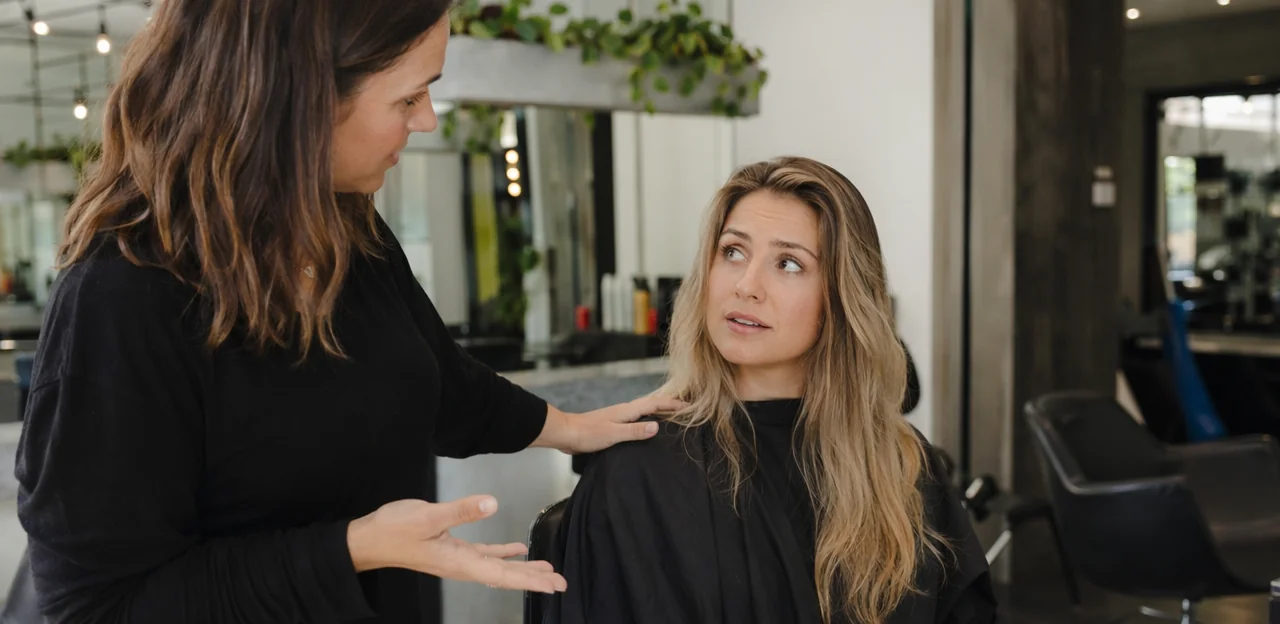
A flawless salon experience is built on dozens of small moments, and it only takes one missed detail to turn a loyal client into a lost one. A rushed consultation, inconsistent service quality, long wait times, cleanliness concerns, or poor communication may seem isolated at first, but when the same problems happen repeatedly, they can quietly damage reviews, retention, and revenue.
That is why salon issue reporting matters. Instead of relying on occasional complaints or negative online reviews to reveal what went wrong, salons can create a more proactive system for identifying service problems as they happen. Effective salon issue reporting helps owners and managers spot patterns early, respond faster, support staff coaching, and protect the client experience before frustration becomes churn.
In this article, we will explore how salons can use issue reporting to uncover recurring service gaps, improve service recovery, and strengthen loyalty over time. We will also look at the types of issues worth tracking, how to build a reporting process that staff will actually use, and how real-time feedback tools such as Tapsy can help capture concerns while the experience is still fresh. When salons listen earlier, they can fix smarter and keep more clients coming back.
Why salon issue reporting matters for client experience and retention
How unresolved service issues hurt loyalty
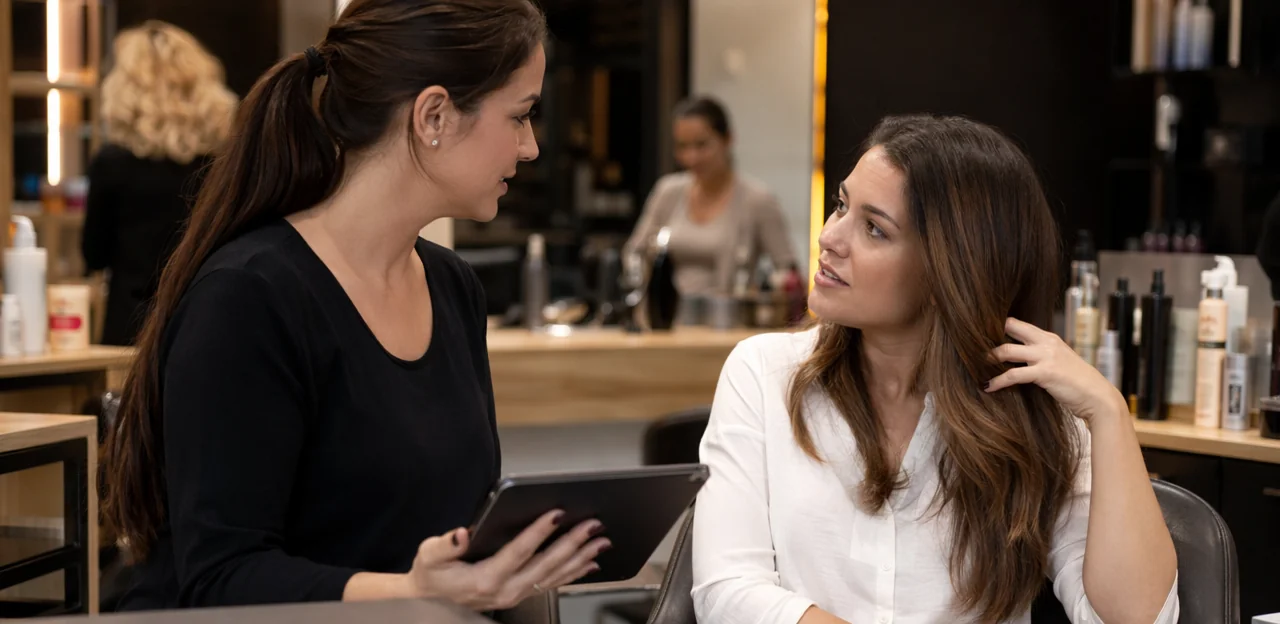
When the same problems keep happening, clients stop seeing them as one-off mistakes and start viewing them as part of your brand. In a salon, repeated issues quickly damage the salon client experience and weaken client retention.
- Inconsistent results make clients doubt your team’s reliability.
- Long wait times signal that their time is not respected.
- Booking errors create frustration before the appointment even begins.
- Poor communication leaves clients feeling ignored or misunderstood.
Over time, trust drops, rebooking rates fall, and unhappy clients are more likely to leave negative reviews that influence future bookings. Effective salon issue reporting helps teams spot patterns early, fix root causes, and follow up fast. Tools like Tapsy can support real-time feedback, helping salons recover service issues before they turn into churn or reputation damage.
Common salon service problems worth tracking
Effective salon issue reporting starts with documenting the issues that most often damage trust and repeat bookings. A simple salon complaints tracking process should capture:
- Service quality complaints: uneven cuts, color mismatch, rushed treatments, poor communication, or results that differ from the consultation.
- Sanitation concerns: unclean tools, messy stations, towel reuse, or hygiene lapses in shared areas.
- Pricing confusion: unclear add-on charges, inconsistent quotes, or checkout totals that surprise clients.
- Retail upsell pressure: complaints about pushy product recommendations or staff prioritizing sales over service.
- Scheduling mistakes: double bookings, long waits, wrong stylist assignments, or missed appointment notes.
- Follow-up failures: no recovery call, no refund update, or no rebooking support after a bad visit.
For recurring salon service problems, log the date, staff involved, service type, severity, client comments, and resolution outcome.
The business case for early issue detection
Early detection turns salon issue reporting into a profit-protection tool, not just a complaint log. When salons spot repeat problems quickly—such as long wait times, inconsistent results, or communication gaps—they can act before they trigger refunds, re-dos, negative reviews, or client churn.
A structured reporting system helps teams:
- Reduce direct costs by catching issues before they lead to compensation or wasted staff time
- Improve service recovery with fast follow-up, clear ownership, and better client communication
- Lower staff friction by replacing blame and guesswork with trackable patterns and facts
- Strengthen customer loyalty by showing clients their concerns are heard and resolved
Tools like Tapsy can help capture feedback in real time, making operational fixes faster and long-term loyalty easier to build.
Build a salon issue reporting system that staff actually use

What information every issue report should capture
A strong salon issue reporting process starts with a simple, consistent template. Your salon incident report should capture enough detail to spot patterns, assign action, and prevent repeat problems.
Include these core fields:
- Date and time: When the issue happened
- Service type: Cut, color, facial, manicure, massage, or other service
- Staff member involved: Technician, stylist, therapist, or front-desk team member
- Client concern: A short summary of what went wrong, in the client’s own words when possible
- Severity level: Low, medium, high, or urgent
- Immediate action taken: Refund, redo, apology, manager intervention, or rescheduling
- Resolution status: Open, in progress, resolved, or escalated
- Follow-up action: Callback, retraining, product check, or policy update
A clear issue reporting system can be managed in a spreadsheet, form, or tool like Tapsy for faster alerts and follow-up.
Choose reporting channels for clients and employees
Effective salon issue reporting depends on making it easy for both clients and staff to speak up the moment something feels off. A strong customer feedback system should include multiple intake points so small issues are visible before they repeat.
- Front-desk logs: Let reception record complaints, delays, re-dos, and walkout comments in real time.
- Post-visit surveys: Send short surveys after appointments to capture honest feedback while the experience is fresh.
- SMS feedback: Use quick text prompts for higher response rates on service quality and wait times.
- Online forms: Add a simple salon feedback form to your website for private, detailed reports.
- Review monitoring: Track Google and social reviews for recurring themes.
- Internal staff reporting: Give employees a simple way to flag process gaps, product issues, or training needs.
Tools like Tapsy can help centralize fast, touchpoint-based feedback.
Make reporting easy, fast, and blame-free
For salon issue reporting to work, staff need a process that feels simple, safe, and worth using. Remove friction by making reports quick to submit during or right after service, ideally with a short form, mobile access, or a tool like Tapsy for real-time capture.
- Standardize categories: Use clear options like timing, cleanliness, communication, product issue, or technical error.
- Keep reporting short: Ask for essentials only: what happened, where, when, and impact.
- Focus on patterns, not blame: Review recurring issues to improve training, workflows, and service quality management.
- Build psychological safety: Staff should know reporting problems leads to support and fixes, not punishment.
This approach strengthens staff accountability while encouraging honest reporting before small issues become repeat client frustrations.
Spot patterns before salon service problems repeat
Use categories and tags to identify trends
Strong salon issue reporting becomes far more useful when every complaint is categorized and tagged consistently. This makes issue trend analysis easier and helps managers improve salon operations before small problems become repeat failures.
Tag issues by:
- Service: haircut, color, nails, facial, blowout
- Stylist or technician: identify coaching or staffing needs
- Time slot: spot rush-hour delays or peak-time quality dips
- Product line: flag reactions, stock issues, or poor product performance
- Location: compare branches, rooms, or stations
- Complaint type: wait time, cleanliness, communication, pricing, results
When tags are reviewed weekly, patterns become clear. A single complaint may be isolated, but repeated tags across services, staff, or shifts often signal a systemic issue. Tools like Tapsy can help salons capture and organize this feedback in real time.
Track leading indicators, not just major complaints
Effective salon issue reporting should flag patterns before they become formal complaints. Focus on early warning signs that show friction building in the client journey:
- Rebook drop-off: If clients stop rebooking after a certain service, stylist, or time slot, investigate quickly.
- Repeated minor comments: Small notes about wait times, pressure, communication, or cleanliness often signal bigger issues ahead.
- More service adjustments: Rising requests for fixes, touch-ups, or redo appointments can reveal training or expectation gaps.
- Lower satisfaction scores: Track customer satisfaction metrics by service type, team member, and daypart to spot declines early.
- No-shows after specific appointments: Frequent no-shows following one treatment may indicate dissatisfaction or low perceived value.
Review these signals weekly and act fast. Tools like Tapsy can help capture fresh feedback in real time.
Turn issue data into action priorities
Effective salon issue reporting only matters if it leads to smart problem prioritization. Use a simple scoring model to rank issues and decide what to fix first:
- Frequency: How often does the issue appear across appointments, staff, or locations?
- Revenue impact: Does it reduce rebooking, upgrades, tips, or retail sales?
- Client sentiment: Are comments emotionally negative, public-review worthy, or linked to low satisfaction scores?
- Operational risk: Could it affect safety, hygiene, compliance, or team performance?
Track these factors alongside core salon KPIs such as rebooking rate, complaint rate, average ticket size, and client retention.
Start with problems that score high in multiple areas, like repeated wait-time complaints or hygiene concerns. Tools like Tapsy can help surface urgent patterns quickly, so managers act before small issues become loyalty killers.
Use service recovery to rebuild trust and prevent churn

Respond quickly with a clear recovery workflow
A strong salon issue reporting system should trigger the same service recovery process every time, so staff can resolve problems quickly and consistently.
- Acknowledge immediately to show the client they have been heard.
- Apologize sincerely without sounding defensive or scripted.
- Clarify the facts by confirming what happened, who was involved, and the desired outcome.
- Offer a fair remedy such as a redo, refund, credit, or manager follow-up.
- Document the outcome so patterns, staff coaching needs, and repeat issues are visible.
- Follow up within 24–48 hours to confirm the client feels satisfied.
Fast, consistent customer complaint resolution reduces frustration, rebuilds trust, and improves the client experience after a mistake.
Offer remedies that match the issue
Effective salon issue reporting should lead to a remedy that fits the problem, not a one-size-fits-all response. A strong client recovery strategy protects trust and encourages rebooking.
- Refunds: Use for major service failures, unmet expectations, or when correction is not realistic. Your salon refund policy should be clear, fair, and consistently applied.
- Complimentary corrections: Best for fixable issues such as uneven color, polish flaws, or styling adjustments.
- Future service credits: Ideal when the client is open to returning but needs reassurance.
- Product replacements: Appropriate if a retail item was defective, unsuitable, or incorrectly recommended.
- Manager outreach: Essential for sensitive, repeated, or high-value complaints.
Thoughtful recovery shows accountability, reduces churn, and can turn disappointment into renewed loyalty.
Close the loop with clients and staff
Strong salon issue reporting does not end when a problem is logged. The final step is confirming the fix with the client and turning that insight into better team habits.
- Follow up with the client quickly: A short client follow-up by text, call, or email shows accountability and helps verify that the resolution felt fair. This can prevent silent churn and rebuild trust.
- Share the lesson internally: Review what happened, why it happened, and how to avoid it next time. Keep the focus on coaching, not blame.
- Turn patterns into process updates: Use recurring issues to improve scripts, timing, hygiene checks, or consultation steps.
This feedback-to-action cycle supports continuous improvement, stronger retention, and more confident staff performance.
Train your salon team to reduce repeat issues
Coach for consistency in consultations and execution
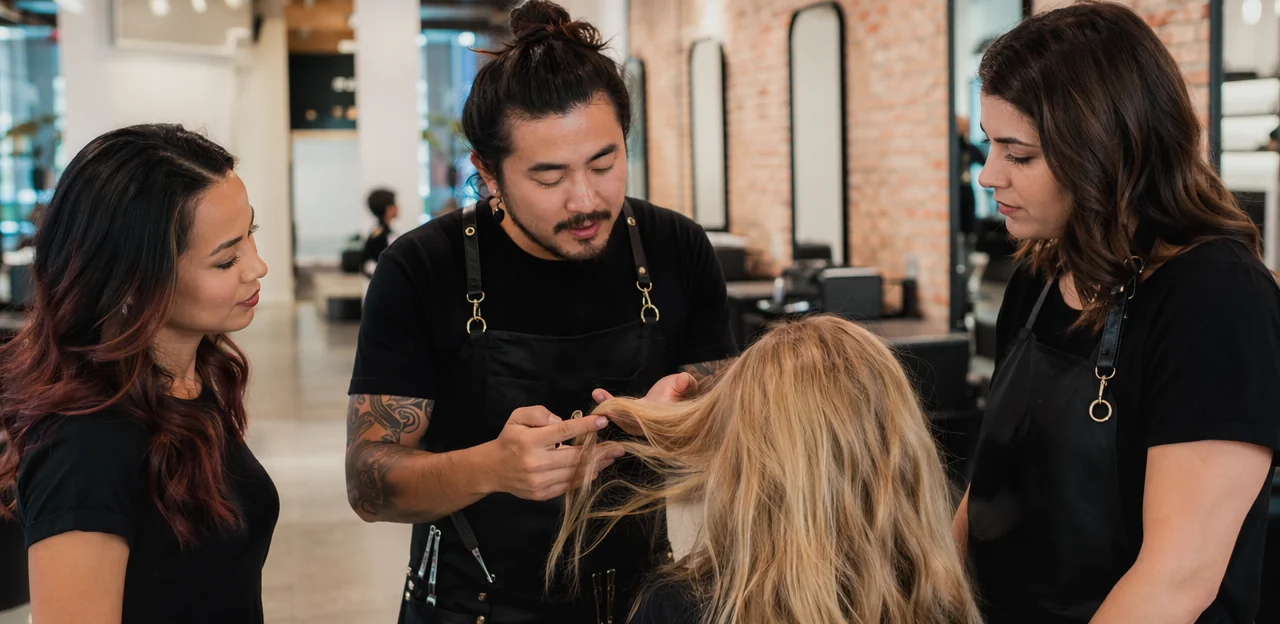
Use salon issue reporting to identify where services go off track, then coach teams on the exact moments that cause repeat complaints. Stronger salon staff training should focus on consistency before, during, and after the appointment:
- Standardize the consultation process: use the same questions for goals, history, maintenance, timing, and budget.
- Set clear expectations: explain realistic results, limitations, aftercare, and how long outcomes should last.
- Improve service notes: record formulas, tools, preferences, sensitivities, and agreed outcomes for future visits.
- Reinforce technical standards: define step-by-step methods for core services so execution is less variable.
When training is tied to recurring issues, misunderstandings drop, outcomes become more predictable, and repeat complaints decline.
Use issue reports in team meetings and one-on-ones
Turn salon issue reporting into a coaching tool, not a blame exercise. In weekly team meetings, review patterns across services, staff, time slots, or locations so the conversation stays focused on trends rather than individuals. Then use one-on-ones to explore specific situations with support and clarity.
- Start each team performance review with 2–3 recurring issues and their client impact.
- Use simple root cause analysis: Was the problem caused by timing, communication, training, booking flow, or product availability?
- Discuss what staff need to succeed, such as clearer standards, better handoff routines, or extra coaching.
- Agree on one improvement action per person and one team-wide change.
Tools like Tapsy can help surface fresh issue data for practical, shared ownership of client experience.
Create SOPs for high-risk service moments
Strong standard operating procedures turn recurring mistakes into preventable exceptions. In salons, the highest-risk moments are often predictable, so document them clearly and review them often through salon issue reporting.
- Booking: confirm service type, timing, pricing, allergies, and stylist notes before arrival.
- Patch tests: set mandatory rules for color, lash, or skin-sensitive services and log completion.
- Timing: build realistic service buffers to reduce rushed work and long waits.
- Sanitation: use step-by-step cleaning checklists between every client.
- Checkout: verify services, products, rebooking, and any service concerns before payment.
- Aftercare: give consistent written and verbal instructions to protect results.
This level of salon quality control builds trust, improves consistency, and increases loyalty and retention.
Measure success and improve your salon issue reporting process

Key metrics to monitor over time
To make salon issue reporting useful, track a small set of trend-based retention metrics and complaint resolution metrics:
- Complaint volume: Total issues reported by week or month. Improvement means fewer complaints per 100 appointments.
- Repeat issue rate: How often the same problem happens again. Improvement means recurring issues decline after corrective action.
- Resolution time: Average time to close a complaint. Faster, consistent follow-up signals stronger service recovery.
- Rebook rate: Percentage of affected clients who book again. Improvement shows trust is being restored.
- Retention rate: Measure whether clients stay active over time.
- Review sentiment: Look for fewer negative themes and more positive mentions.
- Refund frequency: Fewer refunds usually indicate better prevention and recovery.
Tools like Tapsy can help surface these trends in real time.
Review your process regularly for gaps
Effective salon issue reporting should evolve as your menu, team, and client expectations change. Schedule a quarterly review to strengthen process improvement and feedback management before small problems become repeat complaints.
- Audit issue categories: Check whether complaint tags still match current services, add-ons, and retail offerings.
- Review reporting channels: Make sure clients and staff can report issues easily in person, by SMS, email, or digital forms.
- Check staff compliance: Confirm team members log issues consistently and follow the same escalation steps.
- Assess follow-up quality: Review response times, resolution notes, and whether clients felt the recovery was satisfactory.
Tools like Tapsy can help salons capture and review real-time feedback more consistently.
Scale issue reporting as your salon grows
As teams and locations expand, salon issue reporting needs clear standards so problems are logged the same way everywhere. This makes it easier to spot repeat service gaps, coach staff, and protect a consistent client experience across multi-location salon operations.
- Create shared issue categories such as wait time, consultation quality, cleanliness, upselling, and rebooking.
- Use the same reporting workflow for every stylist and branch, including priority levels and response deadlines.
- Review dashboards weekly to compare trends by stylist, service, shift, and location.
- Invest in salon management software that centralizes feedback, flags recurring issues, and tracks resolution rates.
Tools like Tapsy can also help collect real-time feedback across touchpoints as reporting needs become more complex.
Conclusion
In salons, small service issues rarely stay small for long. A missed preference, long wait time, cleanliness concern, or communication gap can quickly turn into lost trust, poor reviews, and fewer repeat visits. That’s why effective salon issue reporting matters: it helps teams catch patterns early, respond faster, and prevent the same problems from happening again.
The strongest approach combines timely client feedback, clear issue categories, staff accountability, and a simple follow-up process. When salon issue reporting is built into daily operations, owners and managers can spot recurring problems by service, stylist, time slot, or location—and turn those insights into coaching, process improvements, and stronger service recovery. Just as importantly, clients feel heard, valued, and more willing to return after a problem is resolved well.
Now is the time to review how your salon captures and acts on feedback. Start by mapping key touchpoints, setting alerts for urgent issues, and tracking trends that affect loyalty and retention. If you want a faster, real-time way to collect feedback at the point of service, tools like Tapsy can help support proactive service recovery and rebooking. With the right salon issue reporting system in place, every complaint becomes a chance to improve the client experience and protect long-term growth.
Frequently Asked Questions
- What is salon issue reporting?
Salon issue reporting is a structured way to log service problems as they happen instead of waiting for complaints or negative reviews. It helps owners and managers identify patterns, respond faster, and prevent repeat issues that hurt loyalty and retention.
- Why do repeated salon service problems damage client retention?
When the same problems happen again, clients stop seeing them as isolated mistakes and start associating them with the brand. That lowers trust, reduces rebooking, and increases the chance of negative reviews influencing future bookings.
- Which salon issues should be tracked most closely?
Key issues include service quality complaints, sanitation concerns, pricing confusion, retail upsell pressure, scheduling mistakes, and follow-up failures. Tracking these consistently makes it easier to see which problems are recurring and where corrective action is needed.
- What details should every salon incident report include?
Each report should capture the date and time, service type, staff member involved, the client's concern, severity level, immediate action taken, resolution status, and follow-up action. These fields make it easier to assign ownership, spot trends, and prevent repeat problems.
- How can a salon make issue reporting easier for both clients and staff?
Use multiple reporting channels such as front-desk logs, post-visit surveys, SMS feedback, online forms, review monitoring, and internal staff reporting. Keep the process short, mobile-friendly, and focused on essentials so people can report issues quickly.
- What makes a salon reporting process blame-free and effective?
An effective process uses standardized categories, asks only for key details, and focuses on patterns instead of personal blame. Staff should understand that reporting leads to support, coaching, and process fixes rather than punishment.
- How do categories and tags help identify recurring salon problems?
Consistent tags let managers group issues by service, stylist or technician, time slot, product line, location, and complaint type. Weekly review of those tags helps reveal whether a problem is isolated or part of a broader operational pattern.
- What early warning signs should salons monitor before major complaints appear?
Useful leading indicators include rebook drop-off, repeated minor comments, more service adjustments, lower satisfaction scores, and no-shows after specific appointments. These signals can show friction in the client journey before it turns into formal complaints or churn.
- How should a salon decide which service issues to fix first?
A simple scoring model can rank issues by frequency, revenue impact, client sentiment, and operational risk. Problems that score high across several areas, such as repeated wait-time complaints or hygiene concerns, should be prioritized first.
- What is a good service recovery workflow for salon complaints?
A strong workflow starts by acknowledging the issue immediately, apologizing sincerely, and clarifying what happened and what outcome the client wants. Then offer a fair remedy, document the result, and follow up within 24 to 48 hours to confirm satisfaction.
- When should a salon offer a refund, correction, credit, or product replacement?
Refunds fit major service failures or situations where correction is not realistic. Complimentary corrections work for fixable issues, future service credits help reassure clients willing to return, and product replacements suit defective or unsuitable retail items.
- How can issue reports be used to coach salon staff?
Use reports to identify where consultations, execution, timing, or communication are breaking down. In team meetings and one-on-ones, review recurring patterns, discuss root causes, and agree on specific coaching actions and team-wide improvements.
- Which salon moments need standard operating procedures the most?
High-risk moments include booking, patch tests, timing, sanitation, checkout, and aftercare. Clear SOPs at these stages improve consistency, reduce rushed work and hygiene lapses, and help prevent repeat complaints.
- What metrics show whether salon issue reporting is working?
Track complaint volume, repeat issue rate, resolution time, rebook rate, retention rate, review sentiment, and refund frequency. Improvement shows up when recurring issues decline, follow-up becomes faster, and affected clients are more likely to book again.
- How can Tapsy support salon issue reporting?
Tapsy is presented as a tool for capturing real-time feedback while the experience is still fresh. It can help centralize feedback, organize issue data, support faster alerts and follow-up, and surface recurring patterns across touchpoints.