
A premium spa experience is built on details clients can feel immediately but businesses often struggle to measure clearly. The warmth of the welcome, the therapist’s attentiveness, the ambience of the treatment room, the timing between services, and the sense of care after a session all shape whether a guest leaves relaxed, loyal, and ready to return. That is why spa service quality feedback has become essential for modern wellness brands that want to protect their reputation and elevate every visit.
In a market where expectations are high and word-of-mouth matters, intuition alone is no longer enough. Spas need practical ways to capture client impressions at the right moments, identify service gaps before they turn into negative reviews, and understand which parts of the journey truly define a premium experience. Measuring quality does not mean reducing wellness to numbers; it means turning subjective experiences into actionable insight.
This article explores how spas can collect better feedback, what metrics actually reflect service excellence, and how to use guest and client experience data to improve treatments, staff performance, and operational consistency. It will also look at how real-time tools, including solutions like Tapsy, can help wellness businesses make luxury more measurable without losing the personal touch.
Why spa service quality feedback matters in premium wellness
The challenge of measuring luxury and care
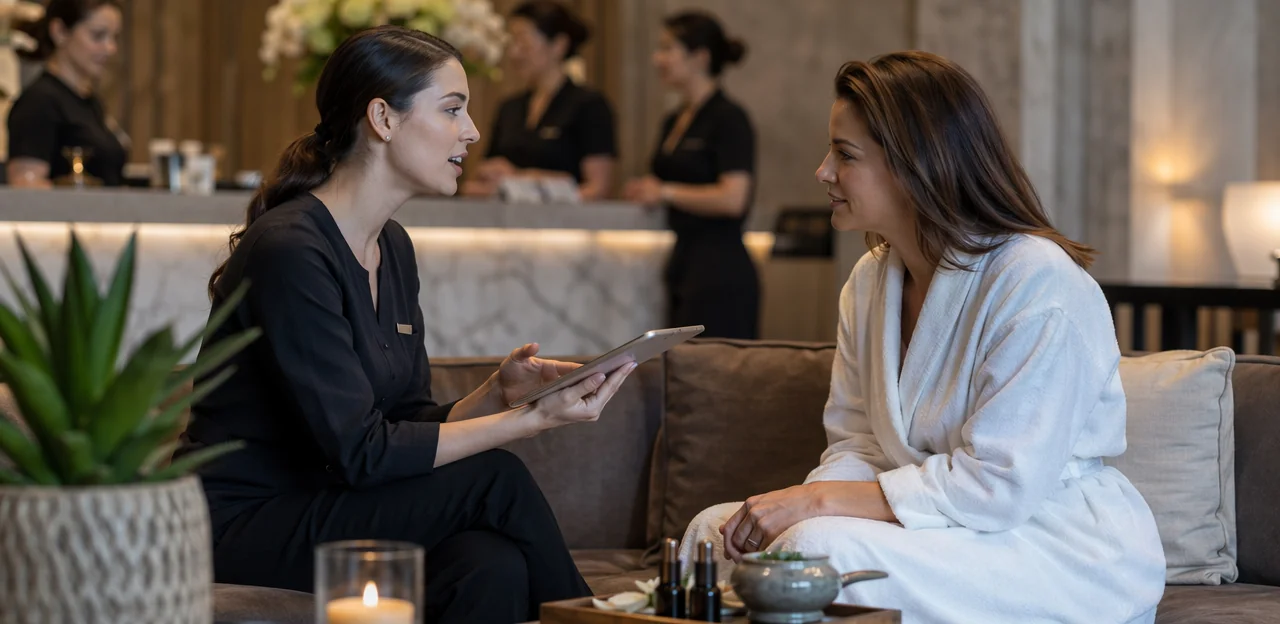
A premium spa visit is rarely judged like a simple transaction. Guests remember how the space felt, whether the therapist seemed intuitive, and how personalized the treatment was. That emotional layer makes it harder to measure spa experience quality with standard satisfaction scores alone.
A stronger spa service quality feedback framework turns subjective impressions into trackable indicators, such as:
- Ambiance: lighting, scent, noise, cleanliness, and privacy
- Therapist skill: technique, communication, attentiveness, and professionalism
- Personalization: treatment tailoring, preference recall, and consultation quality
- Comfort: temperature, bed comfort, waiting time, and post-treatment relaxation
Using short, touchpoint-based surveys—sometimes via tools like Tapsy—helps teams quantify the premium wellness experience without losing its emotional nuance.
How feedback shapes guest experience and client retention
Spa service quality feedback turns subjective luxury into measurable action. When spas consistently collect and act on insights, they improve the spa guest experience, increase spa customer satisfaction, and strengthen client retention for spas.
- Identify friction fast: Spot issues with wait times, therapist communication, cleanliness, or treatment personalization before they affect reviews.
- Improve repeat bookings: Guests who feel heard are more likely to return, especially when feedback leads to visible service improvements.
- Generate referrals: Satisfied clients naturally recommend spas that deliver reliable, high-touch experiences.
- Protect brand reputation: Real-time feedback helps resolve concerns early, reducing negative public reviews.
Using simple touchpoint tools such as Tapsy can help spas capture fresh feedback and turn it into loyalty-driving improvements.
Balancing emotional insight with operational metrics
Strong spa service quality feedback comes from pairing what guests feel with what your team can measure. Scores alone may show a treatment rated 8/10, but qualitative guest feedback explains whether the issue was therapist communication, ambience, wait time, or post-treatment care.
To improve spa feedback metrics and spa performance measurement, track both:
- Quantitative data: satisfaction scores, rebooking rate, treatment punctuality, therapist utilization, upsell conversion, and complaint frequency
- Qualitative data: open-text comments, recurring themes, emotional tone, and specific praise or pain points
This combined view helps spas:
- Identify root causes behind low scores
- Prioritize fixes that affect both sentiment and revenue
- Spot patterns by service, time slot, or staff member
Tools like Tapsy can help capture real-time sentiment alongside operational performance data.
What to measure in a spa feedback program

Core service quality dimensions for spas
To make spa service quality feedback useful, track the touchpoints that shape the full guest journey. Strong spa service quality dimensions should include:
- Booking ease: Was online booking simple, clear, and convenient?
- Welcome experience: Measure check-in speed, staff warmth, ambience, and waiting time.
- Cleanliness and hygiene: Track treatment rooms, changing areas, linens, showers, and overall presentation against core wellness service standards.
- Treatment effectiveness: Ask whether the service met expectations, delivered relaxation, pain relief, or visible results.
- Therapist professionalism: Evaluate technical skill, communication, attentiveness, and trust.
- Personalization: Did staff adapt the treatment to guest preferences, comfort levels, or wellness goals?
- Post-visit follow-up: Review aftercare advice, rebooking prompts, and follow-up communication.
Using clear spa feedback categories helps teams spot weak points quickly and improve premium experiences consistently.
Guest experience touchpoints across the full journey
To improve spa service quality feedback, map every stage of the spa customer journey and collect feedback while the experience is still fresh. Key guest experience touchpoints include:
- Discovery and reservation
Measure website clarity, booking ease, response speed, and package transparency. This reveals friction before the visit even begins. - Arrival and check-in
Ask about welcome quality, ambience, wait times, cleanliness, and staff professionalism. Early signals often predict overall satisfaction. - Treatment experience
Capture ratings on therapist communication, personalization, comfort, technique, and outcomes. This is the core of effective spa client journey feedback. - Retail recommendations
Track whether product suggestions felt helpful, relevant, and pressure-free. - Aftercare and follow-up
Gather feedback on post-treatment guidance, rebooking intent, and lasting results.
Tools like Tapsy can help collect real-time feedback at each touchpoint for faster service recovery and measurable improvement.
Key KPIs and score types to track
To make spa service quality feedback actionable, track a small set of KPIs tied to the guest journey:
- CSAT / spa satisfaction score: Best used right after a treatment, checkout, or amenity visit to measure immediate satisfaction with the experience.
- NPS for spas: Most useful after the full visit or within post-visit follow-up to understand loyalty and likelihood to recommend your spa.
- Customer Effort Score (CES): Ideal for booking, check-in, rebooking, and issue handling. It shows how easy the experience felt.
- Therapist ratings: Use after treatments to identify coaching needs, top performers, and service consistency.
- Cleanliness scores: Best for treatment rooms, lockers, showers, and relaxation areas.
- Recovery resolution time: Track how quickly complaints are acknowledged and fixed.
- Repeat visit rate: A core spa KPI for measuring whether premium experiences convert into retention.
Tools like Tapsy can help capture these scores at key touchpoints in real time.
How to collect spa service quality feedback effectively
Choosing the right feedback channels
To improve spa service quality feedback, match the channel to the guest journey and your spa format:
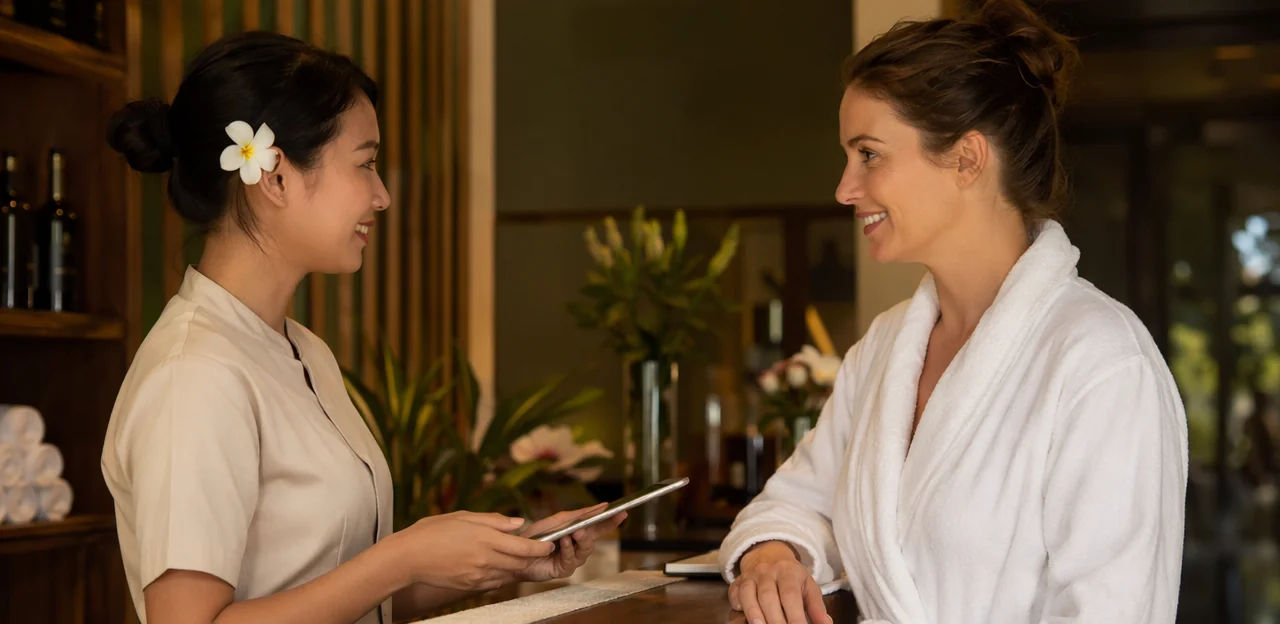
- Post-treatment surveys: Best for day spas and medi-spas. Send a short spa feedback survey within 1–3 hours while the experience is fresh.
- SMS requests: Ideal for high response rates in urban, fast-turnover spas. Keep messages brief and mobile-friendly.
- Email surveys: Better for luxury destination spas and wellness retreats where you want deeper comments on treatments, ambience, and staff.
- QR codes at reception: Great for quick, no-friction ways to collect spa feedback before guests leave. Tools like Tapsy can support this well.
- In-person checkouts: Best for boutique or premium spas where staff can uncover issues immediately.
- Online reviews: Useful for public spa review collection, but less detailed for operations.
- Membership interviews: Essential for clubs and recurring wellness programs to capture long-term expectations and loyalty drivers.
Writing better questions for premium service settings
Luxury-focused spa service quality feedback should feel polished, brief, and relevant to the experience. In a premium setting, the best spa survey questions avoid generic wording and focus on moments guests can clearly evaluate.
- Keep questions concise: Use one idea per question to reduce friction.
- Stay respectful: Match the brand tone with calm, professional language.
- Be specific: Strong guest feedback questions target distinct service elements.
Examples for a high-end service quality questionnaire:
- How attentive and responsive was your therapist throughout the treatment?
- Did your treatment deliver the relaxation or results you expected?
- How would you rate the atmosphere, including comfort, privacy, and ambiance?
- Did the overall experience feel worth the price paid?
If using a real-time tool like Tapsy, place these questions at key touchpoints to capture fresher, more actionable responses.
Timing, frequency, and response rate best practices
To improve spa service quality feedback, ask at the moment guests can still recall details clearly, without interrupting relaxation.
- Send a post-visit spa survey within 2–6 hours of checkout or treatment completion. This is the sweet spot for strong customer feedback timing: the experience is fresh, but the guest is no longer on the table or in transition.
- Survey repeat guests selectively, not after every visit. A good rule is every 3–4 visits or once per quarter, unless there was a new treatment, therapist, or issue recovery.
- Keep surveys short: 3–5 questions plus one optional comment field. Shorter forms consistently improve the survey response rate for spas.
- Use personalized requests, such as the guest’s name, treatment type, or therapist visit, to make the ask feel relevant.
- Reduce friction with mobile-friendly links, QR codes, or tools like Tapsy for fast, no-app feedback collection.
Turning feedback into measurable service improvements

Analyzing trends, themes, and root causes
To analyze spa feedback effectively, go beyond average ratings and review spa service quality feedback across multiple dimensions. Look for patterns in scores, written comments, and repeat complaints to uncover what is really driving guest dissatisfaction.
- Segment feedback by therapist, treatment type, daypart, and location.
- Compare scores with comments to spot gaps, such as high ratings paired with repeated notes about rushed consultations.
- Track recurring issues like wait times, room temperature, pressure consistency, cleanliness, or upselling tone.
- Use root cause analysis: ask whether the issue comes from training, scheduling, staffing levels, treatment protocols, or facility constraints.
Strong spa feedback analysis turns isolated complaints into operational insight. Over time, this reveals service quality trends you can act on with targeted coaching, process changes, and better resource planning.
Using feedback for staff coaching and service recovery
Effective spa service quality feedback should lead to action, not just reporting. Managers can use guest comments and ratings to improve consistency, strengthen spa staff coaching, and protect premium brand standards.
- Coach with specifics: Review feedback by therapist, treatment type, and shift to spot patterns. Use positive comments to reinforce best practices and low scores to coach consultation skills, pressure preference checks, timing, and aftercare communication.
- Recognize top performers: Share standout feedback in team meetings and reward therapists who consistently deliver exceptional experiences. Recognition boosts morale and helps define what great service looks like.
- Act fast on issues: Strong service recovery in spas depends on immediate alerts, empathetic responses, and clear ownership. For effective guest complaint resolution, apologize sincerely, resolve the issue quickly, and follow up to confirm the guest feels heard. Tools like Tapsy can help surface issues in real time.
Closing the loop with clients and teams
To close the feedback loop, spas should clearly show what changed after collecting spa service quality feedback. This turns feedback into visible action and strengthens confidence in your brand.
- With guests: send a short follow-up email or SMS thanking them, summarizing the issue, and explaining the improvement made. Strong spa client communication might include, “We’ve adjusted treatment room scheduling to reduce wait times.”
- With employees: share feedback trends in team huddles, highlight wins, and explain which changes are being tested so staff see how their work shapes outcomes.
- Make progress visible: use simple monthly updates, signage, or post-visit messages such as “You asked, we improved.”
When guests and teams see action, trust grows, future feedback increases, and continuous improvement in spas becomes part of everyday culture. Tools like Tapsy can help teams capture and respond to feedback faster.
Building a feedback-driven spa experience strategy

Aligning feedback with brand standards and positioning
Not every spa measures excellence the same way, so spa service quality feedback should map directly to the experience promised by the brand. A luxury spa experience may prioritize discretion, ambiance, personalization, and therapist expertise, while medical spas often focus on clinical confidence, safety, consultation clarity, and results. Boutique spas may value intimacy and uniqueness, resort spas may emphasize seamless hospitality, and day spas may center convenience and consistency.
To align feedback with spa brand standards and wellness brand positioning:
- Define 4–6 core experience pillars tied to your promise.
- Customize questions by spa type and target clientele.
- Measure both emotional and operational factors.
- Review comments by guest segment, treatment, and touchpoint.
Tools like Tapsy can help capture this feedback in real time.
Technology, dashboards, and reporting workflows
To make spa service quality feedback measurable, spas need one reporting system that combines guest surveys, online reviews, CRM notes, and operational KPIs like rebooking rate, treatment utilization, and response times. The right spa feedback software helps teams move from scattered comments to clear action.
- Centralize feedback from post-visit surveys, Google reviews, front-desk notes, and therapist observations.
- Use spa reporting tools to tag issues by service, staff member, location, and time of day.
- Build a guest experience dashboard that highlights sentiment trends, recurring complaints, and service recovery status.
- For multi-location operators, compare branches consistently and spot coaching, staffing, or process gaps quickly.
Tools like Tapsy can also support real-time touchpoint feedback collection.
Privacy, discretion, and ethical feedback collection
In wellness settings, spa service quality feedback must never compromise trust. Strong spa client privacy practices help guests feel safe sharing honest experiences.
- Ask for clear consent: Explain what feedback is collected, why it’s needed, and whether follow-up is optional.
- Protect sensitive details: Limit collection of health-related, treatment, or personal data to what is strictly necessary for ethical feedback collection.
- Use secure systems: Store responses in encrypted platforms, restrict staff access, and set retention limits to support wellness data protection.
- Respect discretion in action: Review comments privately, anonymize reports where possible, and never use sensitive information for marketing without explicit permission.
Tools like Tapsy can support simple, secure touchpoint feedback when configured responsibly.
Common mistakes spas make with service quality feedback
Collecting feedback without acting on it
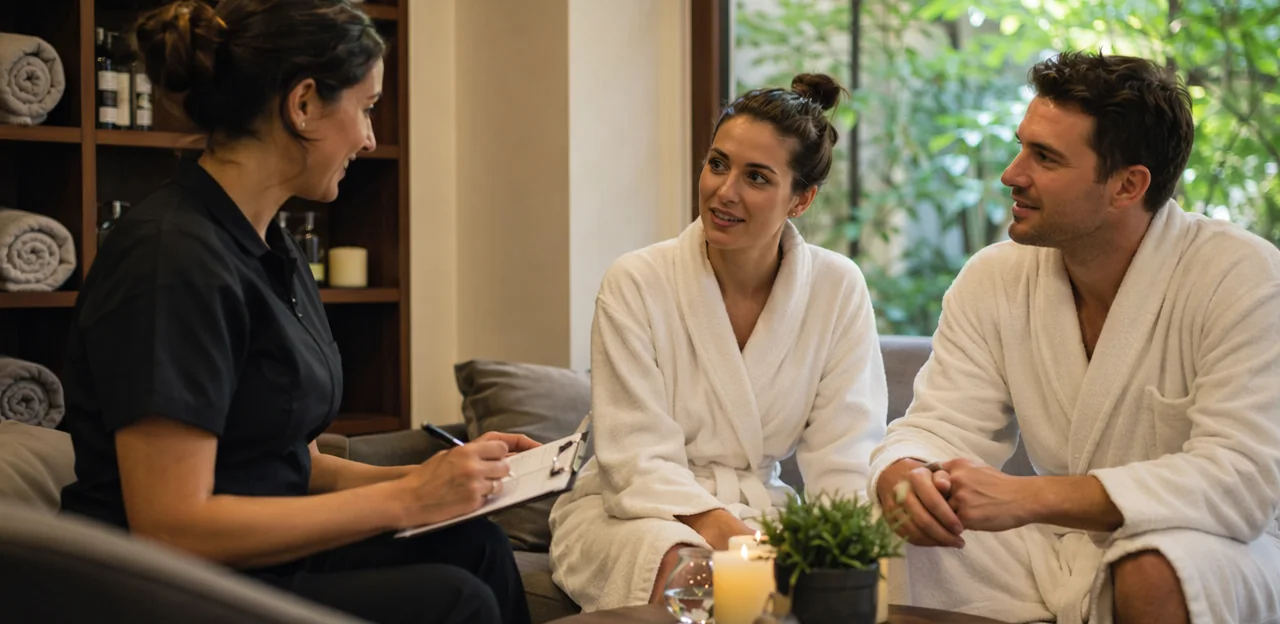
Asking for spa service quality feedback only helps when guests see real change. Feedback without action quickly creates spa survey fatigue, especially if clients are repeatedly asked to rate treatments, ambience, or staff but never notice improvements.
- Trust drops: unanswered concerns weaken customer trust in spas
- Response rates decline: guests stop completing surveys they see as pointless
- Problems repeat: recurring issues in booking, cleanliness, or therapist communication go unresolved
To avoid this, close the loop: acknowledge feedback, fix visible pain points, and tell clients what changed. Tools like Tapsy can help teams capture and act on feedback faster.
Scores can flag trends, but spa service quality feedback becomes far more useful when you look beyond the number. A 4/5 rating may hide unmet expectations about pressure, ambiance, therapist communication, or post-treatment emotions. To uncover real improvement opportunities, combine customer feedback context with spa review insights and qualitative spa feedback.
- Read comments for specifics on preferences, comfort, and emotional response.
- Compare feedback with client history, booking type, and treatment choice.
- Track whether low scores reflect service issues or mismatched expectations.
This deeper review helps spas personalize care, recover faster, and protect premium experience standards.
Using generic metrics for a highly personalized service
Generic hotel or retail surveys often miss what truly defines spa service quality feedback. A spa visit is shaped by individual goals, therapist-client chemistry, comfort levels, and the specific treatment delivered, so spa-specific metrics matter more than broad satisfaction scores.
- Measure personalized spa feedback around consultation quality, pressure preference, ambiance fit, and perceived wellness outcome.
- Track therapist-client fit, not just friendliness or speed.
- Evaluate each service separately: massage, facial, hydrotherapy, or recovery treatment need different criteria.
This approach creates stronger wellness service measurement and more actionable improvements. Tools like Tapsy can help capture touchpoint-specific feedback in real time.
Conclusion
In today’s wellness market, exceptional treatments alone are not enough—spas need clear ways to understand, track, and improve every part of the guest journey. That’s where spa service quality feedback becomes essential. By collecting timely input at key touchpoints, spas can move beyond assumptions and measure what truly defines a premium experience: therapist professionalism, ambiance, cleanliness, wait times, personalization, and post-treatment satisfaction.
The most effective approach is simple, consistent, and actionable. Short feedback flows, real-time alerts, and touchpoint-level insights help teams resolve issues quickly, protect brand reputation, and identify patterns that drive long-term service improvements. Just as importantly, measurable feedback creates a stronger connection between guest expectations and operational performance, making luxury service standards easier to maintain across teams and locations.
If you want to turn premium experiences into measurable outcomes, now is the time to build a smarter spa service quality feedback strategy. Start by mapping your client journey, choosing the moments that matter most, and tracking results regularly. For spas looking for a modern, low-friction way to capture feedback in real time, solutions like Tapsy can support on-site insight collection without adding friction to the guest experience. Explore feedback benchmarks, service recovery workflows, and guest experience tools to take the next step toward more consistent, memorable spa visits.
Frequently Asked Questions
- What is spa service quality feedback?
Spa service quality feedback is a structured way to capture how guests experienced each part of a spa visit. It turns subjective impressions like ambiance, therapist attentiveness, personalization, and comfort into measurable insights teams can act on.
- Why is feedback especially important for premium spa experiences?
Premium spa visits are judged by emotional and sensory details that standard transaction metrics often miss. Feedback helps spas protect their reputation, identify service gaps early, and understand what makes guests feel relaxed, valued, and ready to return.
- What should a spa measure to evaluate service quality properly?
A strong program should track booking ease, welcome experience, cleanliness, treatment effectiveness, therapist professionalism, personalization, and post-visit follow-up. These touchpoints cover the full guest journey and make it easier to spot weak areas quickly.
- Which guest journey touchpoints are best for collecting spa feedback?
Useful touchpoints include discovery and reservation, arrival and check-in, the treatment itself, retail recommendations, and aftercare or follow-up. Collecting feedback close to each stage helps capture fresher details and supports faster service recovery.
- What KPIs are most useful in a spa feedback program?
Common KPIs include CSAT, NPS, Customer Effort Score, therapist ratings, cleanliness scores, recovery resolution time, and repeat visit rate. Together, they show immediate satisfaction, loyalty, ease of experience, operational consistency, and retention.
- How is NPS different from CSAT for spas?
CSAT is best used right after a treatment, checkout, or amenity visit to measure immediate satisfaction. NPS is more useful after the full visit or in follow-up because it reflects loyalty and likelihood to recommend the spa.
- When should spas send feedback surveys to get better responses?
A post-visit survey should usually be sent within 2 to 6 hours of checkout or treatment completion. That timing keeps the experience fresh in the guest's mind without interrupting relaxation during the visit.
- How often should repeat spa guests be surveyed?
Repeat guests should be surveyed selectively rather than after every visit. A practical approach is every 3 to 4 visits or once per quarter, unless there was a new treatment, a different therapist, or an issue that required recovery.
- What makes a good spa feedback survey question?
Good questions are concise, respectful, and focused on one clear part of the experience. Strong examples ask about therapist attentiveness, treatment results, atmosphere, privacy, comfort, or whether the experience felt worth the price paid.
- Which feedback channels work best for different spa formats?
Post-treatment surveys work well for day spas and medi-spas, while SMS can suit fast-turnover urban locations. Email surveys fit destination spas and retreats, QR codes at reception reduce friction before departure, and in-person checkout conversations can uncover issues immediately in boutique or premium settings.
- Why should spas combine scores with written comments?
Scores can show that something is wrong, but comments explain why. A rating alone may hide issues with therapist communication, room temperature, wait time, consultation quality, or post-treatment care, so combining both gives clearer direction for improvement.
- How can spas turn feedback into staff coaching and service recovery?
Managers can review feedback by therapist, treatment type, and shift to identify patterns and coach specific skills like consultation, timing, pressure checks, and aftercare communication. When issues appear, fast acknowledgment, empathetic responses, and clear ownership help resolve concerns before they damage loyalty or reviews.
- How should a spa close the feedback loop with guests and employees?
Guests should receive a short follow-up that thanks them, acknowledges the issue, and explains what changed. Teams should see feedback trends in huddles or updates so they understand which improvements are being made and how their work affects outcomes.
- How should feedback strategy differ between luxury, medical, boutique, resort, and day spas?
Feedback should match the brand promise and service model. Luxury spas may emphasize discretion, ambiance, personalization, and therapist expertise, while medical spas focus more on safety, consultation clarity, clinical confidence, and results; boutique, resort, and day spas each prioritize different aspects of the experience.
- What common mistakes do spas make when collecting service quality feedback?
Common mistakes include collecting feedback without acting on it, relying only on scores without context, and using generic surveys that miss spa-specific details. These problems can reduce trust, lower response rates, and hide issues tied to personalization, therapist-client fit, and treatment-specific expectations.