A missed welcome, a long queue, unclear signage, a noisy gallery space, or a frustrating café experience can quickly shape how visitors remember a cultural venue. In museums, galleries, heritage sites, and attractions, even small issues can have an outsized impact on satisfaction, reviews, and repeat visits. That is why museum service recovery is no longer just a customer service function—it is a critical part of protecting reputation and improving the overall visitor experience.
Fast, effective service recovery gives teams the chance to respond before disappointment turns into a complaint, a negative review, or a lost member. For cultural venues, this means spotting problems early, empowering frontline staff to act quickly, and creating clear processes for resolving issues with empathy and confidence.
This article explores what strong service recovery looks like in visitor attractions and cultural spaces, why speed matters, and how organisations can turn difficult moments into opportunities to build trust. It will also cover practical strategies for identifying common visitor pain points, training teams to respond consistently, and using real-time feedback tools—such as Tapsy, where relevant—to catch issues while the visit is still happening. When done well, service recovery does more than fix problems; it helps create better experiences from start to finish.
Why museum service recovery matters for visitor experience
What service recovery means in museums and attractions
Museum service recovery is the process of identifying, resolving, and learning from visitor problems quickly and thoughtfully across museums, galleries, historic sites, and other cultural venues. Unlike standard visitor attractions customer service, it must protect both the visitor relationship and the institution’s public mission.
Key differences in service recovery in museums include:
- Emotional expectations: Visitors often invest time, money, and anticipation in meaningful cultural experiences.
- Public trust: Museums are seen as stewards of heritage, learning, and community value.
- Accessibility: Recovery may involve removing barriers around mobility, language, sensory needs, or wayfinding.
- Educational value: Fixes should help visitors still access the story, collection, or interpretation they came for.
Effective museum service recovery means acting fast, apologising clearly, and offering practical solutions that restore confidence.
Common visitor issues that require fast action
When guests are already on-site, delays turn small frustrations into lasting visitor complaints museum teams could have prevented. Effective museum service recovery starts with spotting high-impact issues and responding immediately.
- Long queues: Open extra entry, café, cloakroom, or ticket desks before wait times damage the visit.
- Ticketing errors: Resolve duplicate bookings, wrong time slots, and payment failures on the spot.
- Unclear wayfinding: Redirect visitors quickly with clear signage and visible staff support.
- Exhibit closures: Offer immediate alternatives, updates, or goodwill gestures if key displays are unavailable.
- Accessibility barriers: Treat lift outages, seating shortages, or unclear access routes as urgent museum visitor issues.
- Staff interactions and event disruptions: Escalate poor service, noise, delays, or cancelled talks fast.
Strong attraction complaint handling protects satisfaction because visitor expectations are highly time-sensitive.
The cost of slow responses for cultural venues
When complaints sit unresolved, the damage spreads quickly. In cultural settings, delayed museum service recovery can turn a fixable issue into a public problem that affects trust, loyalty, and income.
- Negative reviews attractions rely on can multiply: unhappy visitors often post before staff respond.
- Memberships and donations are at risk: poor handling makes supporters question long-term value.
- Repeat visits fall: weak follow-up reduces visitor satisfaction museum teams work hard to build.
- Social media criticism escalates fast: one ignored complaint can influence thousands of potential visitors.
- Reputational damage lasts: effective museum reputation management depends on fast, visible action.
To protect revenue, venues should log issues immediately, assign ownership, and close the loop with the visitor. Tools like Tapsy can help teams capture feedback in real time and intervene before frustration becomes a public review.
A fast-response framework for handling visitor complaints
Listen, acknowledge, and assess the issue quickly
The first minutes of museum service recovery often determine whether a frustrated guest feels heard or ignored. Build a consistent visitor complaint response process into museum customer service training so staff can act calmly and confidently.
- Listen without interrupting
Let the visitor explain the problem fully. In effective complaint handling museum teams, staff avoid defensiveness and focus on understanding. - Acknowledge and show empathy
Use clear phrases such as, “I’m sorry this happened,” or “I can see why that was frustrating.” - Clarify the facts
Confirm what happened, where, when, and who is affected. Repeat back key details to prevent misunderstandings. - Assess urgency and route fast
Safety, accessibility, lost children, harassment, and payment issues need immediate escalation.
- In person: move to a quieter space if needed.
- Phone: keep tone calm and summarise next steps.
- Email: reply promptly with ownership and timing.
- Social media: acknowledge publicly, then move to direct message quickly.
Resolve the problem with clear ownership
A strong museum service recovery approach depends on one rule: every issue must have a named owner. If a visitor reports a queue problem, unclear signage, or a poor interaction, assign it immediately to the team or person who can fix it—not a vague department inbox.
- Define ownership by issue type: facilities, ticketing, exhibitions, security, and guest services should each have a clear lead.
- Set response timelines: urgent safety or access issues should be handled at once; service complaints should receive acknowledgment within minutes and a practical update before the visitor leaves.
- Empower frontline teams: effective frontline staff empowerment means giving staff authority to apologise, offer small remedies, or call in support without unnecessary escalation.
- Make accountability visible: use shared logs, radios, or live dashboards so everyone can see who owns the problem and what action is underway.
This keeps the service recovery process fast, practical, and aligned with better museum operations visitor experience outcomes.
Follow up to rebuild trust after the incident
Fast action matters, but museum service recovery is not complete until you follow up. A thoughtful service recovery follow up shows visitors they were heard, respected, and not forgotten after the issue.
- Send a prompt apology message: Thank the visitor for raising the problem, acknowledge the impact, and explain what was done to fix it.
- Offer fair compensation: Depending on the issue, this could be a refund, complimentary ticket, membership extension, or café voucher. The goal is to restore goodwill, not just close the case.
- Ask for feedback: A short follow-up survey helps measure whether your museum complaint resolution actually worked and supports stronger visitor trust museum outcomes.
- Document the result: Record the issue, response time, compensation given, and final outcome so teams can spot patterns and improve procedures.
Tools like Tapsy can help teams capture feedback quickly and track recovery outcomes consistently.
Training frontline teams to act on visitor issues fast

Skills staff need for effective service recovery
Strong museum service recovery depends on practical people skills, not scripts alone. Build these into museum staff training and ongoing visitor experience training:
- Empathy: acknowledge frustration quickly and show visitors they feel heard.
- De-escalation: use calm tone, open body language, and clear next steps; effective de-escalation in museums protects both staff and guests.
- Problem-solving: assess the issue fast, offer realistic options, and follow through.
- Accessibility awareness: understand mobility, sensory, and communication needs so solutions work for every visitor.
- Cultural sensitivity: avoid assumptions and respond respectfully to different expectations and backgrounds.
- Communication under pressure: give concise updates, set timelines, and coordinate with colleagues.
These skills resolve complaints faster, reduce repeat issues, and create a more welcoming, inclusive visitor experience overall.
Empowerment policies that speed up resolution
Strong museum service recovery depends on giving teams clear, practical authority at the point of contact. Well-defined frontline staff empowerment reduces delays and improves visitor issue resolution before frustration escalates.
- Set authority limits: Allow staff to approve ticket swaps, timed-entry adjustments, or queue-jump rebooking up to a defined value without manager sign-off.
- Create compensation guidelines: Link common problems to approved remedies, such as a partial refund under the museum refund policy, complimentary return tickets, café vouchers, or small retail discounts.
- Use simple escalation rules: Flag safety concerns, accessibility issues, or high-value refund requests for immediate supervisor review.
Provide staff with short decision trees and examples so they can act confidently. Real-time feedback tools such as Tapsy can also help route issues quickly to the right team.
Using scripts without sounding robotic
Effective museum service recovery needs consistency, but not stiff wording. Build flexible customer service scripts museum teams can personalize in the moment.
- Start with a human opening: Use the visitor’s concern and context.
“I’m sorry your gallery visit was interrupted by the noise.”
“I understand how disappointing it is to arrive for a timed entry and face a delay.” - Add reassurance: Pair apology with clear next steps.
“Thank you for telling us—we’re addressing this now.”
“Let me see what we can do to improve the rest of your visit today.” - Create editable templates: Keep core points consistent: apology, acknowledgement, action, follow-up.
These museum apology examples support strong visitor communication best practices while still letting staff sound warm, calm, and culturally appropriate.
Technology and workflows that improve museum service recovery
Capturing issues across channels in one system
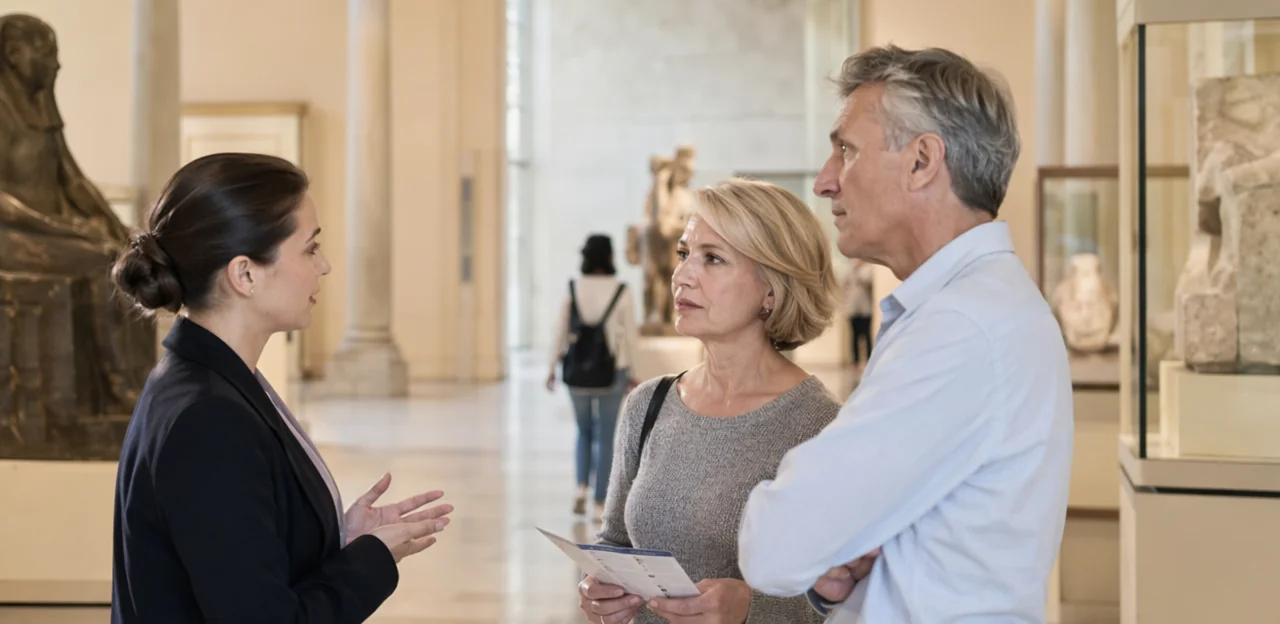
Fast museum service recovery depends on bringing every issue into one shared workflow. Instead of managing complaints in separate inboxes or notebooks, museums should route feedback from all touchpoints into a single museum CRM or visitor feedback system.
- Log issues from ticket desks, email, social media, post-visit surveys, and on-site staff reports in the same queue
- Use standard tags such as location, issue type, urgency, and visitor name
- Assign clear ownership so front-of-house, operations, or curatorial teams know who acts next
- Track status from “new” to “resolved” for reliable complaint tracking attractions
Centralized tracking reduces missed issues, avoids duplicate follow-ups, and helps teams spot recurring problems faster. Tools like Tapsy can also help capture real-time on-site feedback.
Setting response times and escalation paths
Clear response time standards make museum service recovery faster and more consistent. Define simple triage levels within your museum service standards so staff know what to handle immediately and what to escalate.
- Priority 1: Immediate (0–5 minutes) — urgent accessibility issues, safety concerns, lift failures, blocked step-free routes, spills, or aggressive behaviour. Escalate at once to duty managers, security, or facilities.
- Priority 2: Rapid (10–15 minutes) — time-sensitive exhibit access problems, such as timed-entry errors, ticket scanning failures, or closed galleries affecting booked visits.
- Priority 3: Same shift — general complaints, wayfinding confusion, or minor service delays.
Use a clear complaint escalation process with named owners, backup contacts, and decision thresholds. Tools like Tapsy can help route urgent issues to the right team in real time.
Using data to spot repeat visitor pain points
Effective museum service recovery starts with pattern recognition. When teams review visitor feedback analytics and complaint logs together, repeat issues often point to deeper operational gaps rather than one-off incidents.
- Ticketing: frequent complaints about queues, unclear pricing, or booking errors signal process or staffing problems.
- Signage and accessibility: repeated comments about wayfinding, lifts, toilets, or sensory needs highlight barriers to inclusion.
- Staffing and programming: spikes in complaints during peak hours or specific exhibitions can reveal training, coverage, or scheduling weaknesses.
Tracking service recovery metrics such as issue type, response time, and resolution rate supports museum operations improvement, helping venues plan resources, refine programming, and prevent recurring visitor frustration.
Examples of service recovery scenarios in cultural venues
Ticketing, queues, and entry delays
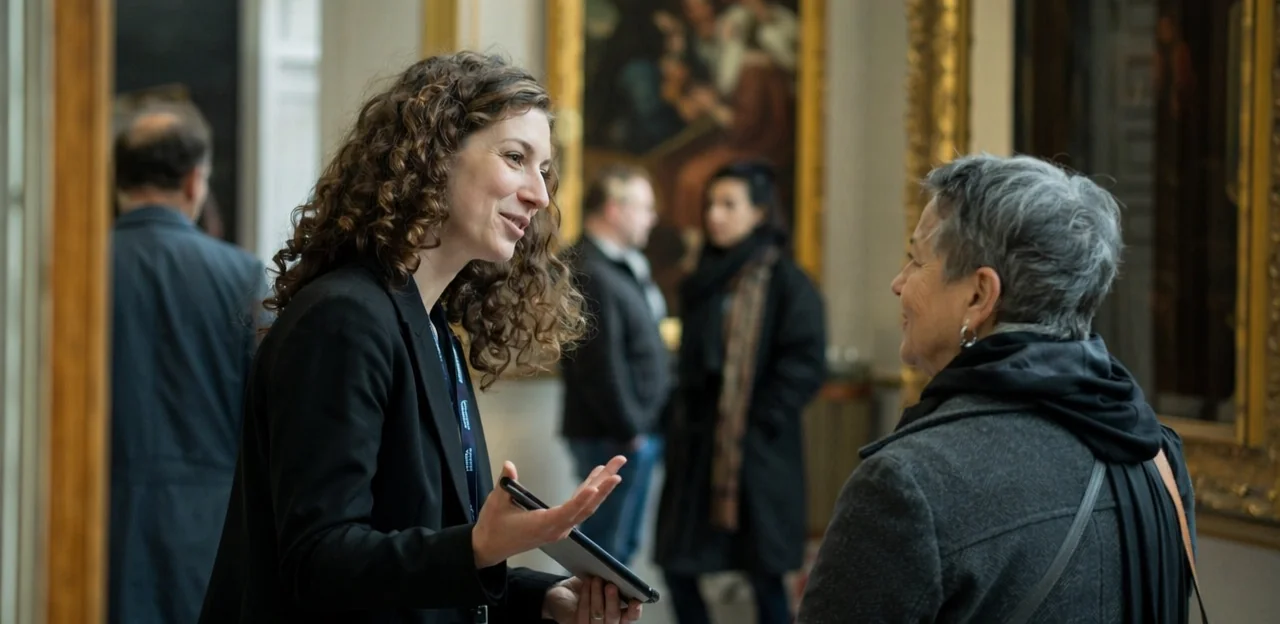
When museum ticketing issues disrupt arrival, effective museum service recovery should focus on saving the visit, not just explaining the problem. Front-line teams need clear recovery options for common scenarios:
- Sold-out confusion: If guests believed tickets were available, offer the next timed slot, standby access, or a same-day return pass with a café or shop voucher.
- Timed-entry bottlenecks: Use live queue updates, open overflow scanning points, and redirect visitors to nearby exhibits or amenities while they wait.
- Membership verification issues: Train staff to verify accounts manually and admit provisionally where appropriate.
- Long waits: For any entry delay complaint, apologise early, give realistic timings, and offer compensation that preserves the day out.
Tools like Tapsy can help capture queue pain points in real time and support better queue management attractions teams can act on quickly.
Accessibility and inclusion-related complaints
When handling museum accessibility complaints, speed and respect matter as much as the fix. Strong museum service recovery means acting immediately, preserving dignity, and keeping communication clear.
- If a lift fails: offer an alternative route, staff escort, priority rebooking, or refund if access is compromised.
- If sensory needs are missed: move the visitor to a quieter space, reduce avoidable stimuli, and provide the promised sensory aids or timed access.
- If signage is unclear: personally guide the visitor rather than pointing from a distance.
- If accommodations were not delivered: apologise plainly, confirm the need, and resolve it without making the visitor repeat their situation.
Use inclusive language, explain next steps, and follow up. Tools like Tapsy can help teams flag urgent accessibility service recovery issues in real time, supporting a more inclusive visitor experience.
Exhibit closures, events, and unmet expectations
When plans change, museum service recovery should start with fast, visible communication and a practical alternative. Strong exhibit closure communication helps prevent frustration from turning into lasting dissatisfaction.
- Inform visitors early: Update signage, websites, ticket confirmations, and front-desk scripts as soon as a gallery closes or an interactive fails.
- Explain briefly and honestly: Clear reasons support better visitor expectation management and build trust.
- Offer alternatives: Suggest similar exhibits, timed-entry swaps, behind-the-scenes content, or partial refunds where appropriate.
- Handle museum event complaints quickly: If a promoted talk, performance, or workshop changes, notify ticket holders immediately and provide rebooking or compensation options.
Real-time feedback tools such as Tapsy can help teams catch disappointment early and respond on-site.
Measuring success and building a long-term recovery culture

KPIs for museum service recovery
To improve museum service recovery, track a focused set of metrics and tie each one to a clear operational goal:
- First-response time: How quickly staff acknowledge a visitor issue.
- Resolution time: Measures how fast problems are fully fixed; a core complaint resolution metric.
- Complaint volume by category: Spot patterns in queues, signage, accessibility, cleanliness, or staff interactions.
- Post-recovery satisfaction: Use follow-up surveys to monitor visitor satisfaction metrics after action is taken.
- Repeat visitation: Shows whether recovery efforts rebuild trust and encourage return visits.
- Review sentiment: Monitor online reviews for changes in tone after service improvements.
The most useful museum service recovery KPIs connect directly to goals like faster issue handling, better visitor experience, stronger reputation, and higher retention. Tools like Tapsy can help capture and route feedback in real time.
Turning complaints into operational improvements
Strong museum service recovery should not end with an apology; it should feed a smarter museum operations strategy. Leaders can treat complaints as high-value data for visitor feedback improvement and continuous improvement museum planning by reviewing patterns weekly and assigning action owners.
- Staffing: adjust rotas around queue peaks, school groups, and front-desk pressure points.
- Signage: fix repeated wayfinding confusion at entrances, galleries, toilets, and cafés.
- Accessibility: use complaints to improve seating, sensory support, step-free routes, and companion guidance.
- Digital communications: update websites, ticketing emails, and live notices when exhibits change.
- Exhibit operations: flag recurring faults, downtime, and interpretation gaps for faster maintenance and clearer labels.
Tools like Tapsy can help capture real-time issues at touchpoints before they escalate.
Creating a visitor-first culture across departments
Effective museum service recovery cannot sit with front-of-house alone. A true visitor-first culture means every team understands how their decisions affect the visitor journey and how quickly issues should be resolved.
- Visitor services capture concerns first and set the tone for recovery.
- Curatorial and learning teams can adapt interpretation, access support, or programming when confusion or exclusion issues arise.
- Security helps resolve safety, queueing, and conduct concerns calmly and consistently.
- Retail and catering influence the end-to-end experience, especially during high-friction moments.
- Leadership must champion standards, training, and accountability for cross-department service recovery.
Strong museum leadership visitor experience practices include shared response protocols, fast escalation routes, and regular review of visitor feedback across all departments.
Conclusion
In cultural venues, service recovery is not just about fixing a problem. It is about protecting trust, preserving reputation, and showing visitors that their experience truly matters. When museums and attractions respond quickly to long queues, unclear signage, accessibility concerns, staff interactions, or exhibition issues, they can turn frustration into loyalty. The most effective approach combines fast frontline action, clear escalation paths, empowered staff, and real-time feedback so problems are addressed while the visit is still happening.
Strong museum service recovery also creates long-term operational value. It helps teams identify recurring pain points, improve training, refine visitor journeys, and reduce the risk of negative reviews spreading after the visit. In short, acting fast on visitor issues is not only good customer care, but a practical strategy for improving the overall visitor experience.
Now is the time to review your current museum service recovery process. Audit your key touchpoints, define response protocols, and equip teams with tools that help capture and route visitor feedback instantly. Solutions such as Tapsy can support this by enabling real-time, no-app feedback at physical touchpoints. For next steps, create a simple recovery playbook, track response times, and monitor issue trends regularly. The venues that recover well are the ones visitors remember for the right reasons.
Frequently Asked Questions
- What does service recovery mean for museums and cultural venues?
Service recovery is the process of identifying, resolving, and learning from visitor problems quickly and thoughtfully. In museums, galleries, heritage sites, and attractions, it also needs to protect the visitor relationship and the institution’s public mission. Effective recovery includes a clear apology, fast action, and practical solutions that restore confidence.
- Why does fast service recovery matter so much in visitor attractions?
Small issues can quickly shape how visitors remember a venue, especially when they are already on-site. If teams respond fast, they can prevent disappointment from turning into complaints, negative reviews, or lost memberships. Speed helps protect satisfaction, trust, and reputation.
- What visitor problems should museum teams treat as urgent?
Urgent issues include safety concerns, accessibility barriers, lost children, harassment, and payment problems. Lift failures, blocked step-free routes, spills, and aggressive behaviour should also be escalated immediately. These situations need clear ownership and rapid action rather than delayed follow-up.
- How should staff respond in the first few minutes after a visitor raises a complaint?
Staff should listen without interrupting, acknowledge the problem with empathy, and clarify the facts. They should then assess urgency and route the issue quickly to the right person or team. Calm communication in those first moments helps visitors feel heard rather than dismissed.
- What is the difference between standard customer service and service recovery in museums?
Standard customer service focuses on helping visitors in general, while service recovery is about fixing problems after something has gone wrong. In museums, recovery also needs to consider emotional expectations, public trust, accessibility, and educational value. The goal is not only to solve the issue but also to preserve the cultural experience visitors came for.
- Why is assigning a named owner to each complaint important?
A named owner prevents issues from being lost in vague inboxes or passed between departments. It makes accountability visible and helps teams know who is responsible for taking action and updating the visitor. This keeps the recovery process faster and more consistent.
- What kinds of remedies can frontline staff offer without slowing down resolution?
Frontline teams can be empowered to approve ticket swaps, timed-entry adjustments, queue-jump rebooking, or small remedies within defined limits. Depending on the problem, venues may also offer partial refunds, complimentary return tickets, café vouchers, or small retail discounts. Clear authority limits help staff act confidently without unnecessary escalation.
- How should museums follow up after resolving a visitor issue?
A good follow-up includes a prompt apology message, thanks for raising the issue, and a brief explanation of what was done. Venues can also offer fair compensation where appropriate and ask for feedback to check whether the resolution worked. Recording the outcome helps teams improve future responses.
- What skills do staff need for effective service recovery?
Key skills include empathy, de-escalation, problem-solving, accessibility awareness, cultural sensitivity, and communication under pressure. Staff need to stay calm, explain next steps clearly, and coordinate with colleagues quickly. These skills help resolve complaints faster and support a more inclusive visitor experience.
- How can museums use scripts without sounding robotic?
Scripts work best as flexible templates rather than fixed wording. Staff should start with a human apology tied to the visitor’s situation, then add reassurance and clear next steps. This keeps responses consistent while still sounding warm, natural, and appropriate to the moment.
- What is the best way to track complaints from different channels?
Museums should route issues from ticket desks, email, social media, surveys, and on-site staff reports into one shared system. Standard tags such as location, issue type, urgency, and visitor name make tracking easier. A centralized workflow reduces missed issues, duplicate follow-ups, and slow handoffs.
- What response times should cultural venues set for different complaint types?
Immediate issues should be handled within 0–5 minutes, especially for safety, accessibility, or facilities failures. Time-sensitive access problems such as ticket scanning failures or closed galleries affecting booked visits should be addressed within 10–15 minutes. General complaints like wayfinding confusion or minor delays can be handled within the same shift.
- How can data help prevent repeat visitor frustrations?
Reviewing complaint logs and visitor feedback together helps teams spot patterns rather than treating every issue as a one-off. Repeated complaints about queues, signage, lifts, toilets, staffing, or programming often point to deeper operational gaps. Tracking issue type, response time, and resolution rate supports better planning and prevention.
- How should venues recover from ticketing problems, queues, or entry delays?
The priority is to save the visit rather than simply explain the problem. Teams can offer the next timed slot, standby access, a same-day return pass, live queue updates, overflow scanning points, or practical compensation when delays affect the day out. Early apologies and realistic timing updates help reduce frustration.
- Which KPIs are most useful for measuring service recovery performance?
Useful KPIs include first-response time, resolution time, complaint volume by category, post-recovery satisfaction, repeat visitation, and review sentiment. These measures show whether teams are handling issues quickly and rebuilding trust after problems occur. The strongest metrics are tied directly to visitor experience, reputation, and retention goals.