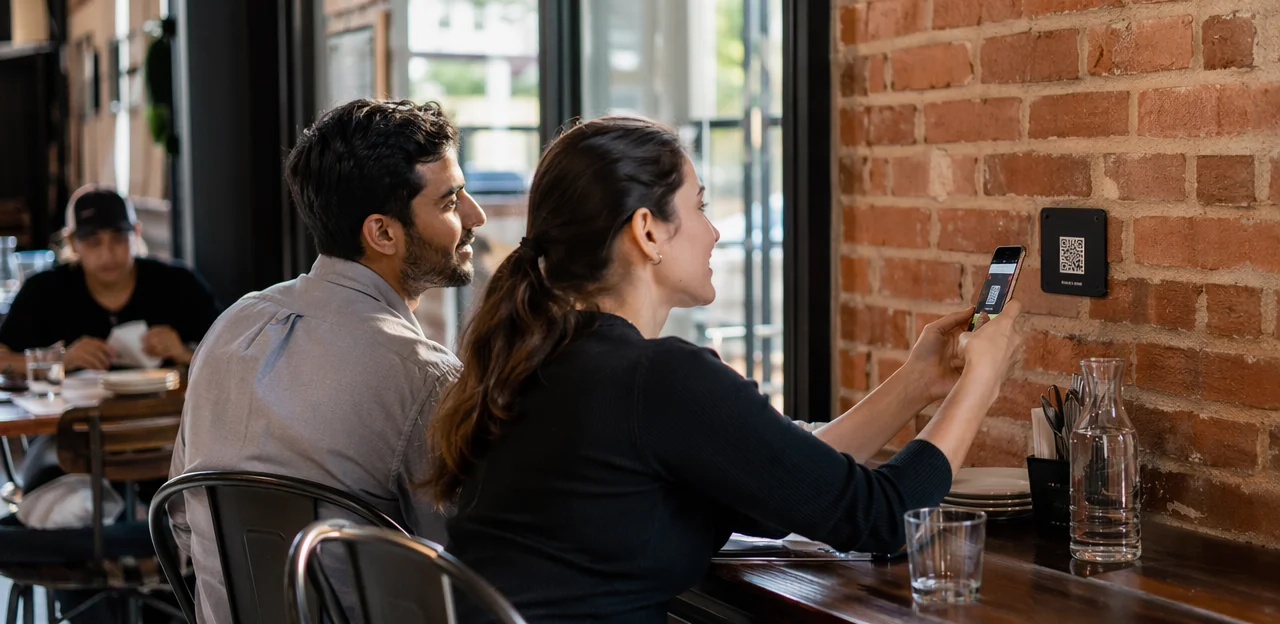
A spotless station does more than create a positive first impression—it shapes how safe, efficient, and reliable the entire travel experience feels. For passengers moving through busy rail terminals, metro interchanges, and mobility hubs, cleanliness in restrooms, waiting areas, platforms, and shared facilities directly affects satisfaction. Yet for operators, maintaining those standards across high-traffic environments can be a constant challenge, especially when issues appear and escalate quickly.
That is why station cleanliness feedback has become such an important part of modern passenger experience strategy. Instead of relying only on periodic inspections or delayed complaints, transport teams can use real-time feedback to spot recurring problems, prioritize facility issues, and measure how quickly staff respond. The result is better visibility into what passengers are experiencing at specific touchpoints—and faster action when standards slip.
In this article, we’ll explore how to track station cleanliness feedback effectively, which facilities and service areas to monitor most closely, and why response times are a critical performance metric for travel and mobility hubs. We’ll also look at practical ways to capture feedback at the point of experience, route issues to the right teams, and turn operational data into measurable customer experience improvements, including digital tools such as Tapsy where relevant.
Why station cleanliness feedback matters in passenger experience
The link between cleanliness, trust, and ridership perception
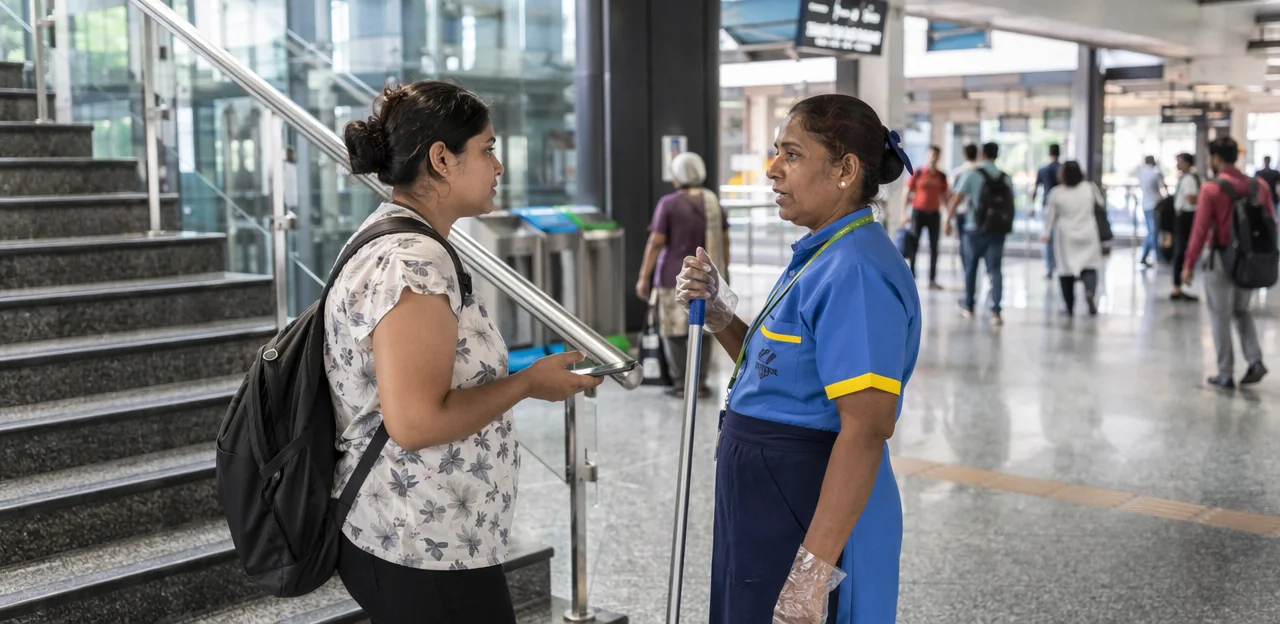
Station cleanliness shapes the first impression passengers form within seconds. Clean, well-maintained spaces signal order, care, and control, which directly influence perceived safety, comfort, and overall passenger experience.
- Clean stations feel safer: Litter, spills, and neglected restrooms can make passengers question wider operational standards.
- Comfort drives satisfaction: Tidy platforms, seating areas, and facilities improve dwell time and boost customer satisfaction.
- Cleanliness reflects service quality: Passengers often judge the entire hub experience through visible upkeep.
That is why station cleanliness feedback should be treated as a strategic CX signal, not just a maintenance task. Track recurring issues, response times, and location patterns to improve station cleanliness and protect trust at every touchpoint.
Common facility pain points passengers report
Passengers usually notice the same facility issues first, making them strong signals for better station maintenance planning. Common cleanliness complaints include:
- Dirty or poorly stocked restrooms
- Messy waiting areas and damaged or unclean seating
- Overflowing bins, litter, and food waste
- Spills, slippery floors, and persistent odors
- Out-of-service elevators and escalators
- Dirty platforms, especially near edges, benches, and shelters
Tracking station cleanliness feedback by location, time, and issue type helps teams spot repeat failures instead of treating each report as isolated. If complaints cluster around certain platforms, restrooms, or peak hours, that often reveals staffing gaps, slow response workflows, or weak inspection routines that need operational fixes.
Why response time is as important as issue detection
Capturing station cleanliness feedback is only half the job. If litter, spills, or restroom issues are reported but addressed slowly, passengers lose trust in the system and stop engaging. Fast service responsiveness shows that feedback leads to visible action.
Track these four stages to improve response times and issue resolution:
- Acknowledge: how quickly the report is received and logged
- Dispatch: how fast the right cleaning team is assigned
- Resolve: the time taken to fix the issue on site
- Verify: confirmation that standards were restored
This creates accountability, highlights bottlenecks, and helps operators prioritize high-traffic areas where delays damage passenger confidence most.
How to collect station cleanliness feedback across channels
Digital and on-site feedback collection methods
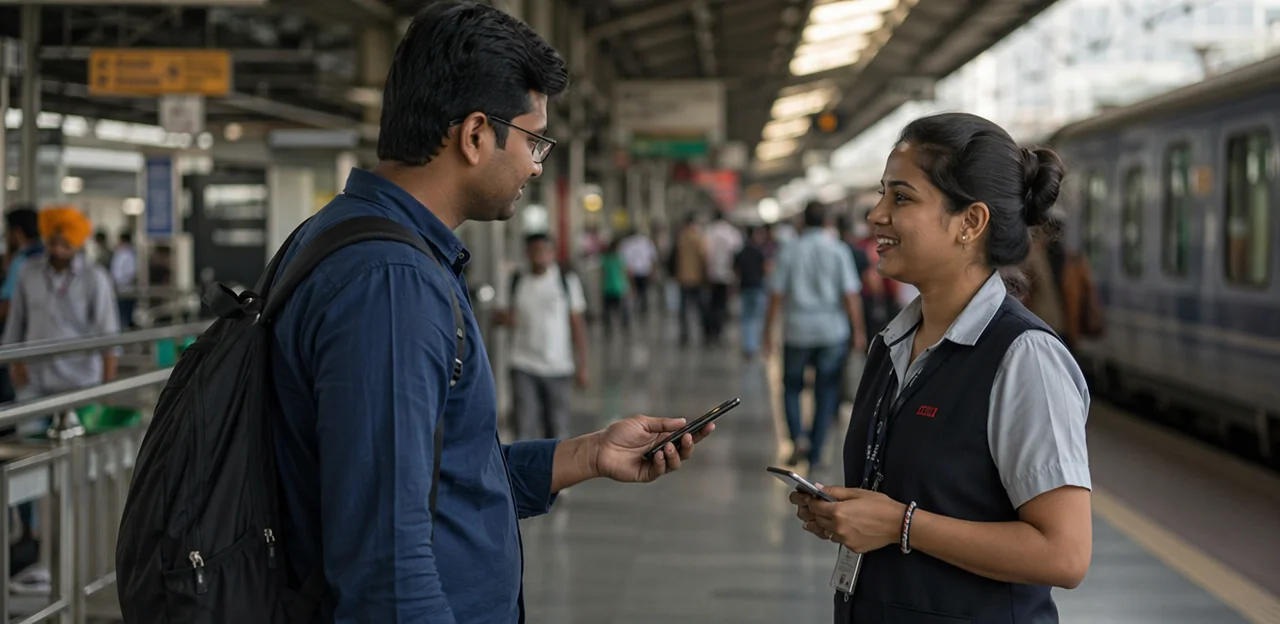
To improve station cleanliness feedback, offer multiple feedback channels that match how passengers move through the station:
- QR code feedback: Place codes on bins, toilets, platforms, lifts, and waiting areas so travellers can scan and report issues in seconds.
- SMS and mobile-friendly web forms: Ideal for fast passenger reporting without requiring an app download.
- Mobile apps and kiosks: Useful for regular commuters and staffed areas where quick ratings or issue categories can be selected.
- Email surveys: Best for follow-up after a journey, especially for broader cleanliness trends.
- In-station signage: Use clear prompts like “See a spill? Report it here” with short URLs or QR codes.
Keep forms short, location-specific, accessible, and available in multiple languages. Tools like Tapsy can help enable no-app QR feedback at key touchpoints.
Designing feedback forms for actionable facility data
To make station cleanliness feedback useful in real time, keep each facility feedback form short but structured so teams can dispatch the right response immediately. Include:
- Location tags: station, platform, restroom, entrance, lift, seating zone, or gate number
- Issue categorization: litter, overflowing bins, spills, odors, broken fixtures, vandalism, or supply shortages
- Urgency levels: low, medium, high, or safety-critical to support faster triage
- Photo uploads: give staff visual proof and reduce back-and-forth
- Automatic time stamps: show exactly when the issue was reported for SLA tracking
Use dropdowns and taps instead of long text fields. This improves actionable feedback, speeds routing, and makes trend analysis easier across stations, shifts, and contractors.
Balancing feedback volume with data quality
To make station cleanliness feedback useful at scale, design the reporting flow to capture clear, structured input without adding friction. The goal is more responses, but better feedback quality.
- Use predefined categories: Let passengers choose options like toilets, platforms, seating areas, bins, or spills. This turns messy comments into cleaner customer feedback data.
- Add smart prompts: After a category is selected, ask short follow-ups such as “What was unclean?” or “Is this urgent?” to reduce vague submissions.
- Limit duplicate reports: Show recent issue status by location or group similar alerts together to cut duplicate reports.
- Keep the flow simple: 2–3 taps, optional comment, and location auto-fill maintain high participation.
Tools like Tapsy can support this kind of structured, low-friction collection.
How to track facilities and prioritize cleanliness issues
Building a facility-level tracking framework
To make station cleanliness feedback actionable, map every report to a precise location and asset rather than a general station name. A strong facility tracking model should include:
- Station zones: define a clear hierarchy such as station > level > zone > asset group. This helps separate issues in concourses, platforms, entrances, and interchange corridors.
- Asset IDs: assign unique IDs to restrooms, lifts, escalators, bins, seating areas, and cleaning-critical fixtures so teams can spot repeat problems and maintenance patterns.
- Service ownership: link each zone or asset to the responsible team, contractor, or shift supervisor to reduce delays and improve accountability.
- Asset management integration: connect feedback data with work orders, inspection logs, and response-time SLAs.
This structure turns raw comments into measurable trends, enabling faster routing, cleaner station zones, and more reliable reporting. Tools like Tapsy can support touchpoint-level capture when deployed at key facility locations.
Using severity, footfall, and risk to prioritize work
To turn station cleanliness feedback into faster action, teams need a simple issue prioritization model that scores each report by impact, not just volume. Focus on three factors:
- Severity and cleanliness risk: Prioritize biohazards, spills, overflowing bins, and washroom faults that could affect health or safety.
- Passenger visibility: Escalate issues in entrances, platforms, ticket halls, and other high-traffic areas where poor conditions shape overall perception quickly.
- Accessibility impact: Treat faults affecting lifts, accessible toilets, ramps, or tactile paths as urgent, even if reported less often.
- Traffic volume: Use footfall data to rank the same issue higher in busier zones and peak periods.
A practical approach is to assign a score for risk, visibility, accessibility, and footfall, then route high-scoring cases first. Tools such as Tapsy can help capture real-time reports at the touchpoint and trigger alerts for urgent cases.
Connecting feedback with inspections and maintenance logs
To make station cleanliness feedback truly actionable, connect passenger reports with internal operational data instead of treating them as standalone complaints. A joined view helps teams confirm issues faster and prevent repeat failures.
- Match reports to cleaning inspections: Compare time, location, and issue type against recent cleaning inspections to verify whether standards were missed or conditions changed after the last check.
- Cross-check with sensors: Use facility monitoring tools such as bin-fill sensors, restroom occupancy counters, odour alerts, or water leak detection to validate high-traffic or hygiene-related complaints.
- Link to maintenance logs: Review maintenance logs for repeated faults like leaking taps, broken dispensers, or ventilation problems that drive recurring cleanliness issues.
- Overlay cleaning schedules: If complaints spike just before the next planned round, adjust frequencies, staffing, or task sequencing.
This creates an early-warning system that identifies recurring failures before they escalate into wider passenger dissatisfaction.
Measuring response times and operational performance

The core KPIs for station cleanliness feedback
To make station cleanliness feedback operationally useful, track a focused set of cleanliness KPIs that show both demand and team performance:
- Report volume: Number of cleanliness reports by station, zone, and time of day to identify hotspots.
- Acknowledgment time: How quickly staff confirm receipt of an issue.
- Dispatch time: Time taken to assign the task to the right team or contractor.
- Resolution time: Total time from report to completed fix; a key response time metric.
- Repeat issue rate: Percentage of the same problem reappearing in the same location.
- SLA compliance: Share of cases resolved within the agreed service level agreement.
- Passenger satisfaction after closure: Short post-resolution rating to confirm the fix met expectations.
Use dashboards to compare trends weekly and trigger alerts when KPIs fall below target.
Creating dashboards for real-time visibility
A strong operations dashboard turns station cleanliness feedback into clear, immediate action. With real-time reporting, operations teams can spot issues early, prioritize resources, and improve station performance across single sites or entire transport networks.
Key dashboard views should include:
- Open issues by status: Track new, in-progress, escalated, and resolved cleanliness reports.
- Overdue tasks: Flag requests that exceed response-time SLAs so supervisors can intervene quickly.
- Hotspot locations: Identify recurring problem areas such as restrooms, platforms, waiting areas, or entrances.
- Team performance: Compare response times, closure rates, and issue volumes by shift, contractor, or station.
- Multi-station benchmarking: View trends across hubs to allocate staff where demand is highest.
Tools like Tapsy can support touchpoint-level alerts and visibility when fast action matters most.
Benchmarking stations and identifying trends
Use station cleanliness feedback to compare performance across locations, teams, and timeframes so issues become measurable, not anecdotal. Strong station benchmarking helps you spot where standards slip and why.
- Compare facilities: Rank toilets, platforms, waiting areas, lifts, and concourses by feedback score, complaint volume, and average response time.
- Review shifts and staffing: Break down data by morning, evening, overnight, weekday, and weekend to uncover peak complaint windows and likely staffing gaps.
- Assess contractors: Measure each cleaning provider by resolution speed, repeat complaints, and consistency across stations.
- Track time periods: Use weekly and monthly trend analysis to identify chronic problem areas, seasonal spikes, and recurring service failures.
This approach turns raw feedback into actionable cleanliness performance insights and supports better scheduling, contractor management, and targeted interventions.
Turning feedback into faster action and better outcomes

Workflow automation and escalation rules
Strong station cleanliness feedback systems should not stop at collection; they should trigger action instantly. Workflow automation helps route each report to the right team based on location, severity, and issue type, reducing delays in busy service operations.
- Auto-route by category: Send restroom cleaning requests to housekeeping, spills on platforms to facilities, and broken lifts or blocked access routes to accessibility teams.
- Set real-time alerts: Trigger SMS, app, or email notifications for urgent health-related incidents such as biohazards, overflowing bins, or unsafe washrooms.
- Build timed issue escalation: If no response is logged within set SLAs, escalate to supervisors, station managers, or duty control.
- Prioritize high-risk cases: Flag accessibility and hygiene issues above routine cleaning tasks.
Tools like Tapsy can support fast routing and issue escalation from touchpoint-level feedback.
Closing the loop with passengers and frontline teams
A strong station cleanliness feedback process should not end when a report is submitted. Closed-loop feedback builds trust by showing passengers that their input leads to action and giving frontline teams clear visibility on what needs attention.
- Acknowledge reports quickly: An instant confirmation reassures passengers their issue has been received.
- Share status updates: Messages such as “assigned,” “in progress,” or “cleaned” improve passenger communication and reduce frustration.
- Confirm resolution: Letting passengers know the issue was fixed increases confidence and encourages future reporting.
- Inform frontline teams: Real-time updates help staff prioritise tasks, avoid duplication, and respond faster.
Tools like Tapsy can support this transparent loop with touchpoint-level reporting and alerts.
Using insights for continuous improvement
Recurring station cleanliness feedback should do more than trigger one-off fixes; it should shape a smarter continuous improvement process across operations.
- Refine staffing plans: Use peak-time complaint patterns to align cleaning teams with passenger flow, shift changes, and high-traffic zones.
- Manage contractors better: Track response times, repeat issues, and location-level performance to hold vendors accountable with clear service benchmarks.
- Adjust cleaning frequency: If toilets, seating areas, or platforms receive repeated reports, increase checks and tailor your cleaning strategy by zone and time of day.
- Prioritize facility upgrades: Persistent complaints about bins, flooring, lighting, or washrooms often signal capital improvements are needed.
- Strengthen wider CX strategy: Combine cleanliness trends with broader customer experience insights to improve trust, comfort, and overall passenger satisfaction.
Tools like Tapsy can help capture and route these insights in real time.
Best practices for implementing a scalable feedback program

Governance, ownership, and accountability
Effective station cleanliness feedback needs clear feedback governance so issues are not lost between teams. A practical model is:
- Operations lead: owns the end-to-end process, sets SLAs, and ensures operational accountability across the station.
- Facilities management team: triages cleaning, maintenance, and consumables issues, assigns work orders, and confirms resolution.
- Customer experience team: monitors trends, passenger sentiment, and escalations, then reports recurring pain points to leadership.
- Vendors/cleaning contractors: respond within agreed timeframes, update job status, and provide proof of completion.
- Quality control or station manager: audits closed cases, checks response times, and validates service standards.
Use a shared dashboard—such as Tapsy where relevant—to track ownership, response, and reporting in real time.
Technology stack and integration considerations
To make station cleanliness feedback operationally useful, connect your customer feedback software to the systems teams already use:
- CRM: link passenger feedback to location, time, and customer history for better service recovery.
- CMMS integration: automatically convert reported issues into maintenance or cleaning work orders, with priority rules and SLA timers.
- Help desk: route complaints to the right team without manual forwarding or email chains.
- Asset management system: tie recurring issues to specific toilets, bins, escalators, or waiting areas to spot underperforming assets.
- Analytics platforms: combine feedback, response times, and closure data to identify bottlenecks and benchmark stations.
Choose tools with open APIs, event-based alerts, and two-way sync. Platforms such as Tapsy can fit well when real-time touchpoint feedback is needed.
A practical rollout roadmap for mobility hubs
A strong implementation roadmap helps teams turn station cleanliness feedback into measurable service improvements across mobility hub operations.
- Start with a pilot program: Choose 2–5 stations with different traffic levels and facility types to test workflows, issue routing, and response ownership.
- Set KPI baselines: Track current cleaning response times, issue closure rates, repeat complaints, and passenger satisfaction before launch.
- Train frontline teams: Give staff clear escalation paths, SLA targets, and simple reporting procedures.
- Build passenger awareness: Use signage, QR/NFC touchpoints, and announcements to encourage fast reporting. Solutions like Tapsy can support no-app feedback collection.
- Optimize and scale: Review weekly trends, refine staffing and alerts, then expand station by station.
Conclusion
In busy travel and mobility hubs, cleanliness is never just a maintenance issue—it directly shapes passenger trust, comfort, and overall experience. That’s why a structured approach to station cleanliness feedback is so important. By collecting feedback at the point of experience, categorizing issues by facility type, and monitoring response times, operators can move from reactive cleaning to proactive service management.
The key is visibility. When teams can track recurring problems in restrooms, waiting areas, platforms, elevators, and other high-traffic spaces, they can prioritize resources more effectively and resolve issues before they damage satisfaction scores or public perception. Just as importantly, measuring response times helps ensure accountability, highlights operational gaps, and creates a clear benchmark for continuous improvement.
To turn insight into action, start with simple, accessible feedback channels, define response-time targets, and review performance trends regularly across locations and teams. Solutions such as Tapsy can help capture real-time, touchpoint-level feedback without adding friction for passengers.
If you want to improve service quality and build confidence in your facilities, now is the time to strengthen your station cleanliness feedback strategy. Audit your current process, explore real-time feedback tools, and create a response framework that keeps stations cleaner, safer, and more passenger-friendly every day.
Frequently Asked Questions
- Why is station cleanliness feedback important for passenger experience?
Clean stations signal order, care, and control, which influences how safe, comfortable, and reliable the whole journey feels. Feedback helps operators see what passengers experience at specific touchpoints and act faster when standards drop.
- Which station areas should operators monitor most closely for cleanliness issues?
The highest-priority areas include restrooms, waiting areas, platforms, seating, bins, entrances, lifts, and escalators. These are the places where passengers most often notice litter, spills, odors, damaged fixtures, and accessibility-related problems.
- What kinds of cleanliness complaints do passengers report most often?
Common reports include dirty or poorly stocked restrooms, messy seating areas, overflowing bins, litter, food waste, spills, slippery floors, and persistent odors. Passengers also report out-of-service elevators and escalators, especially when they affect accessibility.
- Why do response times matter as much as detecting the issue itself?
If passengers report a problem but see no action, trust drops and they are less likely to engage again. Tracking acknowledgment, dispatch, resolution, and verification times creates accountability and shows whether feedback is leading to visible improvements.
- What are the best ways to collect station cleanliness feedback across channels?
Useful options include QR codes at touchpoints, SMS and mobile-friendly web forms, apps, kiosks, email surveys, and in-station signage with clear prompts. The most effective setup is short, location-specific, accessible, and easy to use without friction.
- How should a station cleanliness feedback form be designed for fast action?
Forms should capture location tags, issue categories, urgency levels, optional photo uploads, and automatic time stamps. Using dropdowns and tap-based choices instead of long text fields helps teams route issues quickly and analyze trends more easily.
- How can operators improve feedback quality without making reporting harder?
Use predefined categories, short follow-up prompts, and simple flows that take only a few taps. Showing recent issue status by location or grouping similar alerts can also reduce duplicate reports while keeping participation high.
- What does a facility-level tracking framework look like in a station environment?
A strong framework maps each report to a precise station zone and asset rather than only the station name. It should include a hierarchy such as station, level, zone, and asset group, along with asset IDs and service ownership for each location.
- How should cleanliness issues be prioritized in busy mobility hubs?
Priority should be based on severity, passenger visibility, accessibility impact, and footfall. High-risk hygiene issues, faults in busy public areas, and problems affecting lifts, accessible toilets, ramps, or tactile paths should be routed first.
- How can passenger feedback be connected with inspections and maintenance records?
Reports can be matched with cleaning inspections by time, location, and issue type to confirm whether standards were missed. Operators can also cross-check sensors, maintenance logs, and cleaning schedules to identify recurring failures and adjust operations.
- Which KPIs are most useful for measuring station cleanliness performance?
Key metrics include report volume, acknowledgment time, dispatch time, resolution time, repeat issue rate, SLA compliance, and passenger satisfaction after closure. Together, these show both demand patterns and how well teams respond.
- What should a real-time dashboard for station cleanliness include?
A practical dashboard should show open issues by status, overdue tasks, hotspot locations, and team performance by shift, contractor, or station. Multi-station benchmarking is also useful for comparing trends and reallocating resources where demand is highest.
- How can operators turn cleanliness feedback into faster action automatically?
Workflow automation can route reports by category, location, and severity to the correct team immediately. Timed escalation rules, urgent alerts, and priority handling for hygiene and accessibility issues help reduce delays in busy operations.
- How do you close the loop after a passenger submits a cleanliness report?
Passengers should receive quick acknowledgment, status updates such as assigned or in progress, and confirmation when the issue is resolved. Frontline teams also need real-time visibility so they can avoid duplication and focus on the most urgent tasks.
- What is a practical way to roll out a station cleanliness feedback program?
Start with a pilot at a small number of stations with different traffic levels and facility types, then set KPI baselines before launch. Train frontline teams, promote reporting through signage and touchpoints, review weekly trends, and scale gradually once workflows are working.