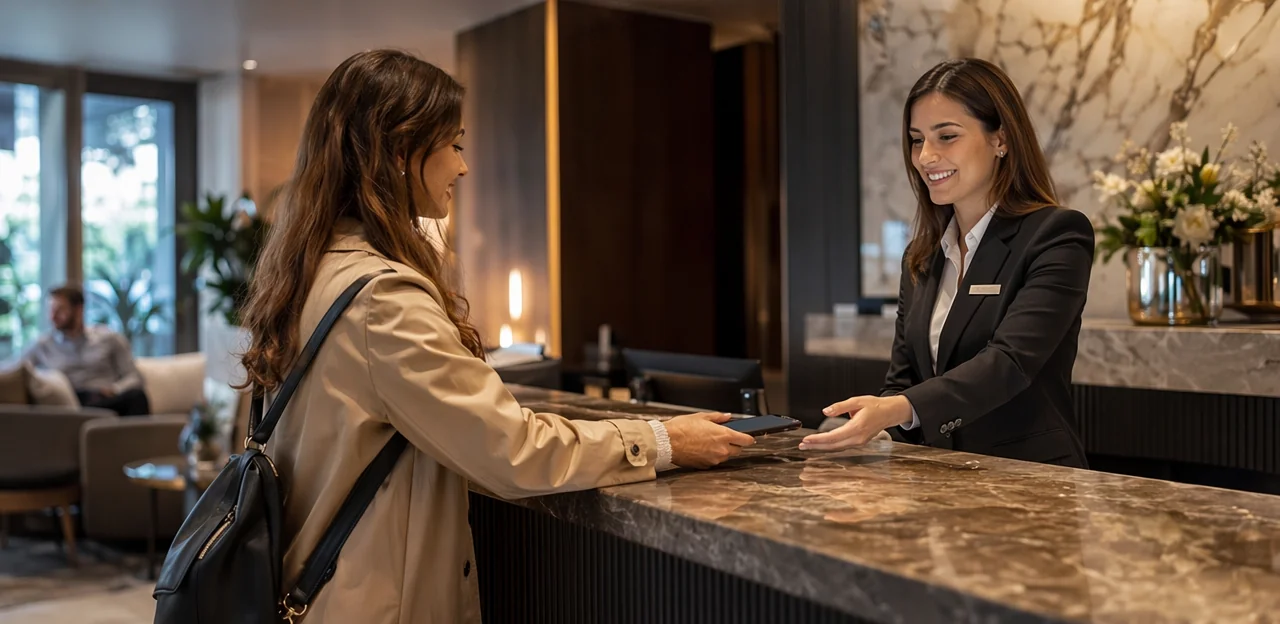
In hospitality, great service alone is no longer enough to guarantee repeat bookings. Today’s guests expect personalized experiences, meaningful perks, and a reason to choose one property over another in a crowded market. That is why understanding the benefits of loyalty programs has become essential for hotels, resorts, and accommodation providers looking to strengthen guest relationships and drive long-term growth.
From exclusive discounts and room upgrades to personalized offers and faster check-in experiences, loyalty programs can turn occasional visitors into loyal advocates. The benefits of customer loyalty programs go far beyond points and perks; they help brands collect valuable guest insights, improve retention, and create more consistent, memorable stays. While the benefits of loyalty programs for businesses are widely recognized across industries, and even the benefits of loyalty programs for retailers offer useful lessons, loyalty programs for hotels require a more experience-driven approach.
In this article, we will explore the key benefits of loyalty programs in hospitality, how hotel loyalty rewards programs enhance guest experience, and what sets the best hotel loyalty programs apart. We will also look at practical strategies for designing effective loyalty programs, review trends shaping modern guest engagement, and touch on factors to consider in any hotel loyalty programs comparison.
Why Loyalty Programs Matter in Modern Hospitality
How guest expectations have changed
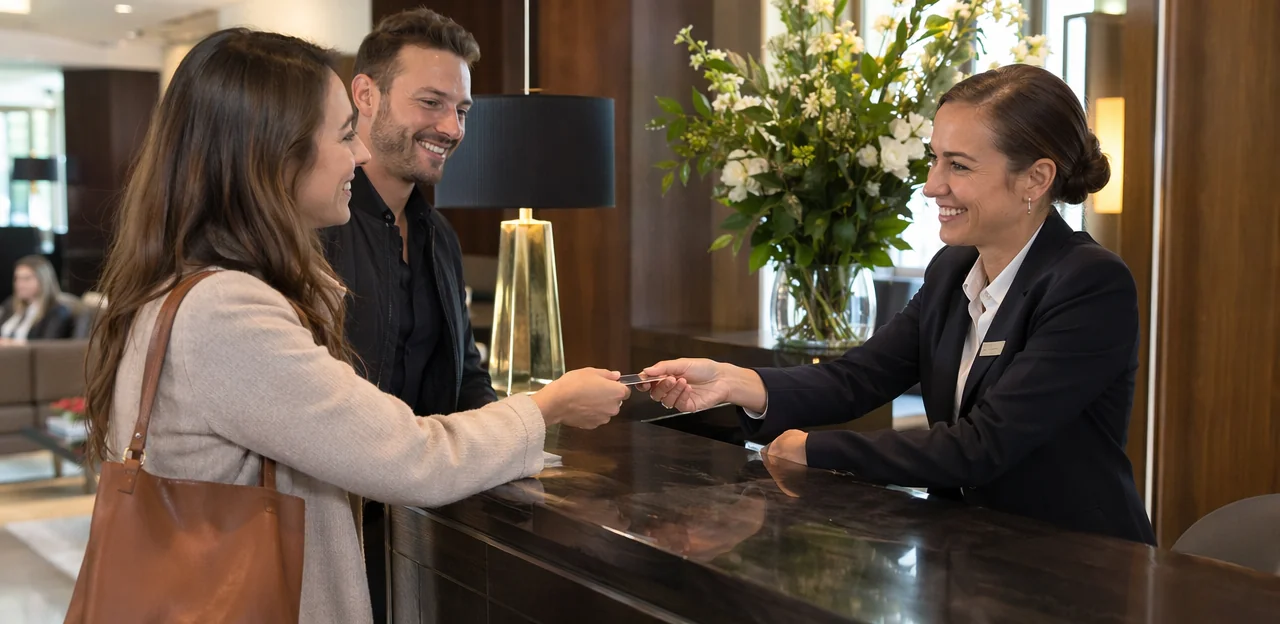
Today’s travelers expect more than a clean room and polite service. They want personalized, seamless, and value-driven experiences at every stage of the journey, which is why the benefits of loyalty programs now directly shape the overall customer experience.
- Before arrival: Guests expect relevant offers, flexible booking, and clear value, making loyalty programs for hotels a key differentiator.
- At check-in: Speed, recognition, and convenience matter. Hotel loyalty rewards programs can unlock mobile check-in, upgrades, or priority service.
- During the stay: Travelers want tailored perks based on preferences, not generic discounts.
- After departure: Ongoing engagement through rewards and personalized follow-up encourages repeat bookings.
This shift explains the growing focus on the benefits of customer loyalty programs, the benefits of loyalty programs for businesses, and even lessons from the benefits of loyalty programs for retailers. Reviewing the best hotel loyalty programs or a hotel loyalty programs comparison helps operators build programs guests actually value.
Core benefits of loyalty programs for hotels
The benefits of loyalty programs for hotels go far beyond points and perks. Well-designed loyalty programs for hotels help brands increase repeat bookings, strengthen guest relationships, and improve profitability over time.
- More repeat stays: Guests are more likely to return when hotel loyalty rewards programs offer clear value, exclusive rates, or upgrades.
- Stronger brand affinity: Personalized offers and recognition create emotional loyalty, one of the biggest benefits of customer loyalty programs.
- Better direct booking performance: Members often book through brand channels to unlock rewards, reducing OTA dependence.
- Richer first-party data: Hotels gain preference, stay, and spending insights to refine marketing and service delivery.
These are also key benefits of loyalty programs for businesses, similar to the benefits of loyalty programs for retailers. A smart hotel loyalty programs comparison should assess how the best hotel loyalty programs balance guest value with long-term revenue growth.
What makes hotel loyalty different from retail loyalty
The benefits of loyalty programs in hospitality go beyond repeat transactions. While the benefits of loyalty programs for retailers often center on discounts, basket size, and purchase frequency, loyalty programs for hotels must build emotional connection across a guest’s full stay.
- Experience over transaction: Retail loyalty usually rewards spending volume; hotel loyalty rewards programs often reward comfort, recognition, upgrades, and late checkout.
- Service quality matters more: The benefits of customer loyalty programs in hotels depend heavily on staff interactions, personalization, and problem resolution.
- Memories drive retention: The best hotel loyalty programs create memorable moments, not just points.
For operators, this means designing rewards around experiences, not only price. In any hotel loyalty programs comparison, the strongest programs combine data, service, and relevance—showing the wider benefits of loyalty programs for businesses.
The Benefits of Loyalty Programs for Guest Experience

Personalization that makes guests feel recognized
One of the biggest benefits of loyalty programs is that they help hotels turn guest data into more personal, memorable stays. When a returning guest is recognized and offered relevant choices, satisfaction and repeat booking rates typically rise.
With effective loyalty programs for hotels, teams can use past-stay data to tailor:
- preferred room type, floor, or pillow choice
- minibar, dining, or spa offers based on past purchases
- family, business, or romantic stay packages
- email, SMS, or in-stay messages timed to guest behavior
These tailored touches are among the strongest benefits of customer loyalty programs because they make guests feel known rather than marketed to. That is also why many of the best hotel loyalty programs outperform generic discount models.
For operators, this highlights the wider benefits of loyalty programs for businesses: better retention, stronger upsell potential, and more relevant communication. Even compared with the benefits of loyalty programs for retailers, hospitality personalization is more immediate because it shapes the stay itself. In any hotel loyalty programs comparison, recognition is what turns points into real loyalty.
Frictionless journeys from booking to checkout
One of the clearest benefits of loyalty programs is a smoother, faster stay. Well-designed hotel loyalty rewards programs remove friction at every stage of the journey, which directly strengthens the guest experience and often leads to better reviews.
- Booking made easier: Saved preferences, payment details, and member-only rates reduce reservation time and decision fatigue.
- Mobile check-in and digital access: Guests skip front-desk queues, check in on their phones, and access rooms faster.
- Personalized upgrades: Many best hotel loyalty programs automate room upgrades based on status and availability.
- Late checkout and flexible perks: Small conveniences feel high value and improve departure satisfaction.
- Faster service requests: Integrated loyalty programs for hotels can prioritize requests for extra towels, dining, or housekeeping.
These advantages highlight the benefits of customer loyalty programs, and even reflect broader lessons seen in the benefits of loyalty programs for businesses and benefits of loyalty programs for retailers. A strong hotel loyalty programs comparison should always assess ease, speed, and convenience.
Emotional loyalty versus transactional rewards
The benefits of loyalty programs are strongest when hotels build emotional connection, not just repeat discounts. While points matter, the best hotel loyalty programs create a sense of belonging, trust, and exclusivity that guests remember long after checkout. That is why leading hotel loyalty rewards programs focus on recognition, personalized perks, and seamless experiences.
Key ways loyalty programs for hotels drive deeper retention:
- Recognition over rebates: Welcome-back notes, room preferences, and surprise upgrades feel more personal than generic points.
- Exclusive access: Early check-in, members-only offers, or curated local experiences strengthen perceived value.
- Memorable moments: Small gestures create advocacy, one of the biggest benefits of customer loyalty programs.
- Data-led personalization: Insights used well deliver many benefits of loyalty programs for businesses, much like the benefits of loyalty programs for retailers.
In any hotel loyalty programs comparison, the winners are those that make guests feel known, valued, and eager to return.
Business Impact: Retention, Revenue, and Direct Bookings

How loyalty drives repeat stays and lifetime value
The benefits of loyalty programs become clear when hotels turn one-time guests into repeat bookers through simple retention mechanics:
- Points reward every stay, giving guests a reason to return rather than book elsewhere.
- Tiers create progression, motivating higher spend and more frequent visits to unlock better benefits.
- Member-only rates reduce price sensitivity and encourage direct bookings.
- Exclusive perks like upgrades, late checkout, or welcome amenities make guests feel recognized.
These are core benefits of loyalty programs for businesses: lower churn, stronger direct relationships, and higher guest lifetime value. Like the benefits of loyalty programs for retailers, hospitality brands use personalized rewards to influence repeat behavior. The best hotel loyalty programs and hotel loyalty rewards programs combine data, relevance, and convenience—key benefits of customer loyalty programs in any hotel loyalty programs comparison.
Increasing direct bookings and lowering acquisition costs
One of the clearest benefits of loyalty programs is their ability to shift demand from OTAs to direct channels, where margins are stronger and guest data stays in-house. Well-designed loyalty programs for hotels give travelers a compelling reason to book on the brand website or app instead of through third parties.
- Member-only pricing: Offer exclusive rates that make direct booking the obvious choice.
- App-only perks: Free upgrades, late checkout, digital check-in, or bonus points can mirror tactics seen in the best hotel loyalty programs.
- Personalized offers: Use stay history and preferences to send targeted packages, dining credits, or return-guest discounts.
These are core benefits of customer loyalty programs and reflect wider benefits of loyalty programs for businesses—and even some benefits of loyalty programs for retailers. In any hotel loyalty programs comparison, the strongest hotel loyalty rewards programs win by improving margins and strengthening ownership of the customer relationship.
Using loyalty to support upselling and ancillary revenue
One of the key benefits of loyalty programs is the ability to turn guest data into timely, relevant offers that improve customer experience while increasing spend. With smart loyalty programs for hotels, properties can use stay history, preferences, and booking behavior to present upgrades and add-ons when guests are most likely to say yes.
- Offer room upgrades during pre-arrival check-in based on past booking patterns.
- Promote dining credits or breakfast packages to guests who frequently book food-related extras.
- Trigger spa, late checkout, or resort add-ons mid-stay through hotel loyalty rewards programs.
- Reward repeat guests with exclusive bundles that feel personalized, not pushy.
This is why the benefits of customer loyalty programs extend beyond retention. Like the benefits of loyalty programs for businesses and even the benefits of loyalty programs for retailers, better targeting drives higher revenue per guest. The best hotel loyalty programs stand out through personalization, a key factor in any hotel loyalty programs comparison.
AI, Analytics, and Smarter Loyalty Strategy

Turning guest data into actionable insights
The real benefits of loyalty programs grow when hotels pair them with AI & Analytics. Instead of treating all members the same, data helps teams turn guest activity into smarter decisions and more relevant experiences.
- Segment members precisely: group guests by stay frequency, spend, booking channel, family/leisure/business intent, or amenity usage.
- Predict preferences: use past behavior to anticipate room type, upsell interest, dining habits, and ideal offers.
- Identify high-value behaviors: track what drives repeat stays, direct bookings, referrals, and ancillary revenue.
This intelligence strengthens loyalty programs for hotels, improves personalization, and clarifies the benefits of customer loyalty programs. Like the benefits of loyalty programs for businesses and even the benefits of loyalty programs for retailers, better data means better retention, stronger hotel loyalty rewards programs, and smarter hotel loyalty programs comparison against the best hotel loyalty programs.
Predictive personalization and offer optimization
One of the biggest benefits of loyalty programs is the ability to use machine learning to match the right reward to the right guest at the right moment. Instead of sending the same offer to everyone, loyalty programs for hotels can analyze stay history, spend, booking windows, on-property behavior, and channel preferences to optimize:
- Rewards: room upgrades, late checkout, dining credits, spa offers, or points bonuses
- Timing: pre-arrival, during the stay, post-checkout, or before likely churn
- Channels: email, SMS, app, WhatsApp, or contactless touchpoints
This makes hotel loyalty rewards programs more efficient by improving redemption, reducing wasted incentives, and increasing repeat bookings. These are key benefits of customer loyalty programs, and also reflect the benefits of loyalty programs for businesses and even the benefits of loyalty programs for retailers: better targeting, higher engagement, and smarter budget allocation. For brands reviewing the best hotel loyalty programs or conducting a hotel loyalty programs comparison, predictive personalization is now a major differentiator.
Measuring loyalty program success with the right KPIs
To understand the benefits of loyalty programs, hotels should track KPIs that link rewards to revenue, retention, and experience quality:
- Repeat booking rate: Shows whether loyalty programs for hotels are driving return stays.
- Direct booking share: Measures how well hotel loyalty rewards programs reduce OTA dependence.
- Redemption rate: Indicates whether rewards feel relevant and motivating.
- Guest satisfaction scores: Pair NPS, CSAT, or reviews with loyalty participation to reveal the benefits of customer loyalty programs.
- Customer lifetime value (CLV): Connects loyalty engagement to long-term profitability.
A strong hotel loyalty programs comparison should assess not just sign-ups, but outcomes. Like the benefits of loyalty programs for businesses and even the benefits of loyalty programs for retailers, success comes from improving retention, spend, and the overall guest journey.
What the Best Hotel Loyalty Programs Do Well

High-performing loyalty programs for hotels tend to share a few core traits:
- Simple earning rules: Guests should quickly understand how points, nights, or perks are earned.
- Meaningful rewards: The best hotel loyalty programs offer benefits guests actually value, such as room upgrades, free nights, late checkout, or dining credits.
- Clear tier benefits: A strong hotel loyalty programs comparison often shows that transparent status levels drive more participation.
- Seamless mobile access: Easy booking, reward tracking, and redemption improve convenience and engagement.
These qualities highlight the benefits of loyalty programs: higher adoption, repeat stays, and stronger guest satisfaction. As seen in both hospitality and the benefits of loyalty programs for businesses or even the benefits of loyalty programs for retailers, ease and transparency build trust. The best hotel loyalty rewards programs make value obvious from day one, which strengthens the benefits of customer loyalty programs over time.
Hotel loyalty programs comparison: what to evaluate
A smart hotel loyalty programs comparison should look beyond points and focus on the real benefits of loyalty programs for guests and operators. To identify the best hotel loyalty programs, evaluate:
- Value per stay: How quickly do guests earn meaningful rewards?
- Redemption flexibility: Can points be used for rooms, upgrades, dining, or late checkout?
- Personalization: Strong loyalty programs for hotels tailor offers by stay history and preferences.
- Partner ecosystem: Airline, dining, and retail links increase appeal, much like the benefits of loyalty programs for retailers.
- Digital convenience: Mobile access, contactless rewards, and seamless booking improve hotel loyalty rewards programs.
The strongest programs deliver clear guest value plus the benefits of customer loyalty programs and benefits of loyalty programs for businesses through retention, data, and repeat bookings.
Mistakes that weaken loyalty program value
Even the best hotel loyalty programs lose impact when the experience feels confusing or unrewarding. Common mistakes include:
- Overly complex rules: Too many tiers, exclusions, or expiry dates make guests disengage before they see the benefits of loyalty programs.
- Weak rewards: If points take too long to earn or perks feel insignificant, hotel loyalty rewards programs fail to motivate repeat stays.
- Poor communication: Unclear emails, hidden terms, and inconsistent staff explanations reduce trust and participation.
- Generic offers: Guests expect relevance. Blanket promotions weaken the benefits of customer loyalty programs and limit the benefits of loyalty programs for businesses.
For stronger loyalty programs for hotels, keep rewards simple, visible, and personalized—especially when doing a hotel loyalty programs comparison.
How Hotels Can Build or Improve a Loyalty Program

Designing rewards around guest needs
To maximize the benefits of loyalty programs, hotels should match rewards to why guests travel in the first place. Strong loyalty programs for hotels go beyond generic discounts and focus on real motivations:
- Convenience: mobile check-in, late checkout, room preferences, fast Wi-Fi
- Status: tier upgrades, priority service, VIP recognition
- Savings: member rates, free breakfast, points, bundled perks
- Exclusive experiences: spa access, local tours, chef events, lounge entry
This guest-first approach improves sign-ups and repeat engagement, which reflects the wider benefits of customer loyalty programs and even the benefits of loyalty programs for businesses or benefits of loyalty programs for retailers. The best hotel loyalty programs and effective hotel loyalty rewards programs succeed because they feel relevant, not generic—something often highlighted in any hotel loyalty programs comparison.
Balancing short-term incentives with long-term loyalty
The strongest loyalty programs do more than drive one-off bookings with discounts. To maximize the benefits of loyalty programs, hotels should pair welcome offers and seasonal promotions with lasting value that guests remember after checkout.
- Use sign-up perks or limited-time deals to spark first engagement.
- Reinforce retention with recognition, tailored recommendations, and experiential perks like late checkout or room upgrades.
- Build profiles from guest preferences to personalize future stays and improve service consistency.
This balance is central to the benefits of customer loyalty programs and the broader benefits of loyalty programs for businesses: stronger retention, higher lifetime value, and better guest satisfaction. In best hotel loyalty programs, durable emotional value often outperforms discounts alone.
Implementation tips for independent hotels and groups
- Match the program to your property type: Boutique hotels can start with simple, experience-led perks, while groups benefit from tiered loyalty programs shared across locations.
- Choose flexible technology: Prioritize tools that integrate with your PMS and CRM, automate enrollment, and support mobile-first rewards. This is where the benefits of loyalty programs become measurable.
- Train staff to promote value: Front-desk and F&B teams should explain rewards clearly and encourage sign-ups at key moments.
- Promote across channels: Feature offers on your website, booking engine, email, SMS, and in-stay touchpoints.
- Track performance: Use a hotel loyalty programs comparison mindset to assess redemption, repeat stays, and the benefits of customer loyalty programs. Even smaller brands can unlock the benefits of loyalty programs for businesses and, like the benefits of loyalty programs for retailers, build stronger repeat behavior with well-designed loyalty programs for hotels and hotel loyalty rewards programs.
Conclusion
Ultimately, the benefits of loyalty programs go far beyond points and perks. For hotels and accommodation providers, they create stronger guest relationships, increase direct bookings, encourage repeat stays, and turn everyday interactions into long-term brand loyalty. From personalized offers and seamless recognition to data-driven service improvements, the benefits of customer loyalty programs are clear: better guest satisfaction, higher retention, and more predictable revenue. These same advantages also reflect the broader benefits of loyalty programs for businesses and even the benefits of loyalty programs for retailers, where customer insight and repeat engagement drive sustainable growth.
For hospitality brands evaluating the best hotel loyalty programs, success comes from building experiences that feel relevant, rewarding, and easy to use. Whether you are refining hotel loyalty rewards programs, launching new loyalty programs for hotels, or conducting a hotel loyalty programs comparison, the goal should remain the same: deliver value that guests genuinely want to return for.
Now is the time to assess your current strategy, identify gaps in your guest journey, and invest in a loyalty model that supports both experience and profitability. Explore your guest data, benchmark competitors, and consider tools that help capture real-time feedback and engagement, such as Tapsy, to strengthen loyalty outcomes. The brands that act now will be best positioned to turn satisfied guests into loyal advocates.
Frequently Asked Questions
- Why are loyalty programs important for hotels today?
Great service alone is no longer enough to secure repeat bookings. Guests now expect personalized, seamless, and value-driven experiences, and loyalty programs help hotels deliver clear reasons to book, return, and stay engaged after departure.
- How do hotel loyalty programs improve the guest experience?
They improve the stay by adding recognition, convenience, and relevant perks across the full journey. Examples include personalized offers, faster check-in, mobile access, upgrades, late checkout, and follow-up communication that encourages guests to return.
- What makes hotel loyalty different from retail loyalty programs?
Retail loyalty often focuses on discounts, basket size, and purchase frequency, while hotel loyalty must support the full guest experience. In hospitality, comfort, service quality, recognition, and memorable moments play a much bigger role in retention.
- What are the main business benefits of loyalty programs for hotels?
Hotels can gain more repeat stays, stronger brand affinity, better direct booking performance, and richer first-party guest data. These benefits support long-term profitability by improving retention and helping teams deliver more relevant service and marketing.
- How does personalization work in a hotel loyalty program?
Hotels can use past-stay and spending data to tailor room preferences, pillow choices, dining or spa offers, and stay packages. They can also time email, SMS, or in-stay messages based on guest behavior so communication feels relevant rather than generic.
- Which loyalty features help reduce friction from booking to checkout?
Useful features include saved preferences, stored payment details, member-only rates, mobile check-in, digital room access, automated upgrades, late checkout, and faster service requests. These conveniences make the stay smoother and can improve satisfaction and reviews.
- Why is emotional loyalty more valuable than simple discounts?
Discounts can encourage transactions, but emotional loyalty creates a stronger reason to return. Recognition, exclusive access, personalized perks, and memorable gestures help guests feel known and valued, which supports deeper retention and advocacy.
- How do loyalty programs increase repeat stays and guest lifetime value?
Points, tiers, member-only rates, and exclusive perks give guests a clear incentive to book again instead of choosing another property. Over time, that lowers churn, strengthens direct relationships, and increases the long-term value of each guest.
- Can loyalty programs help hotels increase direct bookings?
Yes, they can shift demand from OTAs to direct channels by offering member-only pricing, app-only perks, and personalized offers on brand-owned channels. This improves margins and helps hotels keep the customer relationship and guest data in-house.
- How can hotels use loyalty programs to support upselling and ancillary revenue?
Guest data can be used to present timely offers such as room upgrades, breakfast packages, dining credits, spa add-ons, or late checkout. When those offers match past behavior and preferences, they feel more helpful and are more likely to increase spend.
- What role do AI and analytics play in modern hotel loyalty strategy?
AI and analytics help hotels segment members, predict preferences, and identify behaviors linked to repeat stays, direct bookings, referrals, and ancillary revenue. They also support predictive personalization by matching the right reward, timing, and channel to each guest.
- Which KPIs should hotels track to measure loyalty program success?
Key metrics include repeat booking rate, direct booking share, redemption rate, guest satisfaction scores such as NPS or CSAT, and customer lifetime value. These KPIs show whether the program is improving retention, revenue, and the overall guest journey.
- What should hotels evaluate when comparing loyalty programs?
A strong comparison should look at value per stay, redemption flexibility, personalization, partner ecosystem, and digital convenience. The best options make rewards easy to earn and use while also supporting retention, data collection, and repeat bookings.
- What common mistakes weaken a hotel loyalty program?
Programs lose value when rules are too complex, rewards feel weak, communication is unclear, or offers are too generic. Guests disengage quickly if they cannot understand the benefits or if the experience does not feel relevant and rewarding.
- How can independent hotels or hotel groups build a better loyalty program?
They should align rewards with guest needs such as convenience, status, savings, and exclusive experiences, then choose technology that integrates with PMS and CRM systems. Staff training, cross-channel promotion, and regular tracking of redemption and repeat stays help turn the program into a measurable growth tool.