
In housing and property, every interaction shapes how residents feel about their home, their landlord, and the wider community. That is why building customer relationships can no longer be treated as a soft skill or a reactive service task. In a market where resident expectations are rising, retention matters more, and service standards are increasingly visible, the importance of building customer relationships is directly tied to satisfaction, loyalty, and long-term occupancy.
One of the most effective ways to strengthen customer relationships is to listen consistently and act quickly. From day-to-day service requests to broader resident sentiment, customer feedback gives housing providers a clearer view of what people value, what frustrates them, and where trust can be improved. Well-designed customer feedback surveys, supported by AI and analytics, can help teams move beyond assumptions and make smarter decisions that improve the resident experience at scale.
This article explores how building customer relations through structured feedback can transform customer relations across the housing sector. It will look at how property teams can collect meaningful insights, use data to identify trends, respond in ways that build confidence, and create loyalty strategies that support retention. Whether you are refining customer rel processes or rethinking your entire approach to engagement, feedback can become the foundation of stronger, more lasting resident connections.
Why Feedback Matters for Building Customer Relationships in Housing
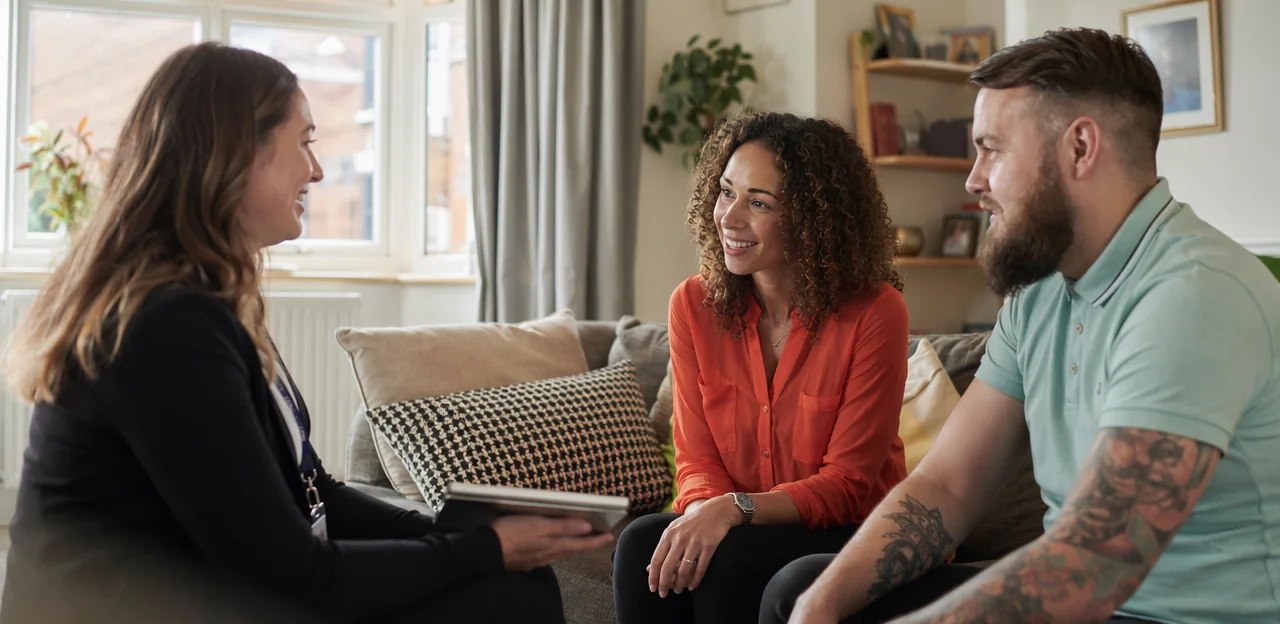
The importance of building customer relationships in resident-focused housing
In resident-focused housing, building customer relationships is essential to long-term satisfaction, renewals, and community trust. For housing associations, property managers, and resident services teams, strong customer relationships are built through consistent communication, visible responsiveness, and a genuine commitment to resident wellbeing.
The importance of building customer relationships shows up in everyday outcomes:
- Trust grows when residents feel heard and respected.
- Customer feedback helps teams identify maintenance, safety, and service issues early.
- Customer feedback surveys reveal trends that improve operations and resident experience.
- Customer relations improve when concerns are acknowledged quickly and resolved clearly.
- Building customer relations also strengthens reputation, referrals, and retention.
A strong customer rel strategy turns feedback into action, helping providers create more responsive, reliable, and resident-centered communities.
How customer feedback reveals resident needs and expectations
Building customer relationships in housing starts with listening closely to what residents say about their daily experience. Consistent customer feedback helps teams spot patterns early and strengthen customer relations before small frustrations become bigger issues.
- Service gaps: Feedback highlights where cleaning, amenities, security, or concierge support fall short of expectations.
- Maintenance concerns: Repeated comments about repairs, response times, or recurring faults reveal operational weaknesses that need faster action.
- Communication issues: Customer feedback surveys often uncover unclear updates, missed notices, or slow responses that damage customer relationships.
- Community priorities: Residents share what matters most, from parking and noise control to events, safety, and shared spaces.
Acting on feedback shows the importance of building customer relationships through transparency, responsiveness, and trust. For teams focused on building customer relations, resident insight is the foundation of stronger loyalty, retention, and long-term satisfaction.
From transactions to long-term resident loyalty
Building customer relationships in housing starts when every maintenance visit, move-in, and amenity interaction becomes a chance to listen and improve. Regular customer feedback helps teams move beyond reactive service and into proactive customer rel strategies that strengthen loyalty and retention.
- Use short customer feedback surveys after key touchpoints, such as repairs, leasing, renewals, and community events.
- Track patterns in sentiment to spot recurring friction before it affects trust or renewals.
- Follow up quickly on concerns so residents see action, not just collection.
- Share improvements inspired by resident input to reinforce the importance of building customer relationships.
This approach supports stronger customer relationships, builds resident confidence, and turns one-off transactions into lasting advocacy. Consistent listening is central to building customer relations and improving everyday customer relations outcomes.
Creating an Effective Housing Feedback Strategy

Choosing the right feedback channels for residents
Choosing the right mix of channels is essential for building customer relationships in housing, because residents respond differently based on age, accessibility needs, language, and digital confidence. A strong customer rel strategy should offer multiple ways to share customer feedback so no group is excluded.
- Email and customer feedback surveys work well for detailed responses and post-service follow-up.
- SMS is ideal for quick updates, short pulse checks, and higher open rates.
- Resident portals suit ongoing communication, maintenance feedback, and account-linked insights.
- Phone calls help with sensitive issues, older residents, or complex cases.
- In-person touchpoints build trust and strengthen customer relationships during inspections, repairs, and front-desk interactions.
The importance of building customer relationships lies in meeting residents where they are. Accessible, multilingual, and easy-to-use channels improve response rates, support better customer relations, and make building customer relations more effective.
Designing customer feedback surveys that drive action
Effective customer feedback surveys should be short, specific, and tied to a real decision. For housing teams, this is essential to building customer relationships and improving the resident experience.
- Write clear, relevant questions: Ask about one touchpoint at a time, such as move-in, maintenance, amenities, or renewal. Avoid vague wording and leading questions.
- Send surveys at the right moment: Trigger requests after key interactions, when customer feedback is freshest and more useful for building customer relations.
- Balance numbers with context: Use rating scales to track trends, then add one open-text question to understand why residents feel that way.
This mix supports stronger customer relationships, highlights the importance of building customer relationships, and turns customer relations data into action. AI tools can also help spot patterns faster across large volumes of customer rel insights.
Collecting feedback across the full resident journey
Building customer relationships in housing works best when feedback is gathered at every key touchpoint, not only after problems arise. Mapping the full resident experience helps teams improve service, strengthen customer relations, and act on needs earlier.
- Onboarding and move-in: Use short customer feedback surveys to assess clarity, welcome quality, and first impressions.
- Repairs and maintenance: Trigger fast customer feedback after jobs to measure speed, communication, and resolution.
- Complaints handling: Ask whether residents felt heard, informed, and treated fairly to support better building customer relations.
- Renewals and retention: Capture sentiment before lease renewal to understand loyalty risks and the importance of building customer relationships.
- Community engagement: Gather input on events, amenities, and safety to deepen trust and long-term customer relationships.
This journey-based approach turns feedback into stronger customer rel outcomes.
Turning Feedback Into Better Resident Experience

Analyzing patterns in complaints, praise, and service requests
Building customer relationships starts with spotting patterns in customer feedback rather than treating each comment as a one-off. Housing teams should use AI and analytics to group complaints, praise, and service requests by property, amenity, maintenance category, and resident segment.
- Track repeated issues such as noise, repairs, parking, or communication delays.
- Compare themes across buildings to see whether problems are site-specific or portfolio-wide.
- Review praise to identify what strengthens customer relationships, such as fast maintenance or friendly staff.
- Segment results by lease type, household profile, or move-in stage to improve customer relations and retention.
- Use customer feedback surveys and service logs together for a fuller view.
This approach highlights the importance of building customer relationships, supports building customer relations proactively, and turns resident insight into measurable action.
Using AI and analytics to prioritize improvements
AI and analytics turn raw customer feedback into clear priorities, making building customer relationships more proactive and measurable. Instead of manually reviewing every comment, housing teams can use smart tools to spot patterns, flag urgent issues, and improve customer relations faster.
- Categorize responses automatically: Group comments by themes such as maintenance, communication, safety, or amenities.
- Detect sentiment: Identify positive, neutral, and negative feedback to understand resident mood at scale.
- Predict churn risk: Use behavior and response trends to highlight residents who may be considering leaving.
- Speed up action: Prioritize high-impact fixes from customer feedback surveys and route them to the right teams quickly.
This shows the importance of building customer relationships through timely action, stronger customer relationships, and more effective building customer relations strategies that improve the overall resident experience.
Closing the loop with residents after feedback
Closing the loop is essential to building customer relationships in housing because residents want to know their voices lead to action. A fast acknowledgement shows respect, while regular updates strengthen customer relations and reinforce the importance of building customer relationships over time.
- Acknowledge quickly: Confirm receipt of customer feedback and explain what happens next.
- Share progress: Even if a fix takes time, updates help maintain trust and improve customer relationships.
- Show visible change: Tell residents what was improved based on customer feedback surveys or direct comments.
- Be transparent: If a request cannot be implemented, explain why clearly and respectfully.
This approach supports building customer relations, improves retention, and turns feedback into stronger long-term customer rel outcomes.
Best Practices for Stronger Customer Relations in Housing

Training teams to act on customer feedback is central to building customer relationships in housing. When frontline staff, repairs teams, and resident support teams review feedback together, they can improve customer experience, strengthen accountability, and deliver more consistent service.
- Turn feedback into coaching: Use comments from customer feedback surveys to train teams on tone, active listening, and empathy.
- Set shared response standards: Create clear scripts and service steps so every interaction supports stronger customer relationships and better customer relations.
- Close the loop: Teach teams to acknowledge issues, explain next steps, and follow up after repairs or complaints.
- Track patterns: Review recurring themes to support building customer relations and show the importance of building customer relationships through measurable action.
Consistent, empathetic responses build trust and improve resident loyalty.
Personalizing communication based on resident insights
Personalized outreach is essential for building customer relationships in housing because residents respond better when messages reflect their needs, history, and preferences. Use data from customer feedback surveys, service requests, lease milestones, and channel preferences to make every interaction more relevant.
- Segment residents by preferences such as maintenance priorities, amenity usage, family status, or communication channel.
- Use customer feedback to tailor updates, renewals, and community offers instead of sending generic messages.
- Reference past interactions to show attentiveness and strengthen customer relations over time.
- Act on survey themes quickly, which reinforces the importance of building customer relationships through trust and responsiveness.
This approach supports building customer relations, improves retention, and creates stronger long-term customer relationships.
Building trust through transparency and measurable action
Transparency is essential for building customer relationships in housing. When residents can clearly see how customer feedback shapes decisions, trust grows and loyalty and retention improve.
- Publish service improvements regularly, such as repairs completed, safety upgrades, or communication changes driven by customer feedback surveys.
- Share response times for maintenance requests, complaints, and follow-ups so residents can measure progress.
- Report resident outcomes like faster resolutions, improved satisfaction scores, or fewer repeat issues to highlight the importance of building customer relationships.
- Close the loop by telling residents what changed, why it changed, and when they can expect results.
This approach strengthens customer relationships, supports building customer relations, and makes customer relations more accountable, visible, and credible.
Common Challenges and How to Overcome Them

Low response rates often happen when customer feedback surveys arrive too late, feel too long, or seem pointless. For building customer relationships, residents are far more likely to respond when feedback is easy, timely, and clearly valued.
- Ask at the right moment: Trigger customer feedback requests after maintenance visits, move-in, amenity use, or support interactions.
- Keep it short: Use 1–3 questions to reduce fatigue and support building customer relations without overwhelming residents.
- Design for mobile: Make surveys tap-friendly, fast, and simple to complete on any device.
- Show visible action: Share “You said, we did” updates so residents see the importance of building customer relationships through real change.
When feedback leads to action, stronger customer relationships and better customer relations follow.
Managing negative feedback and service recovery
Negative comments can strengthen customer relations when handled quickly and calmly. For housing providers, building customer relationships depends on showing residents they are heard, respected, and updated.
- Acknowledge fast: Thank residents for the customer feedback and confirm the issue clearly.
- Respond with empathy: Apologize where appropriate, avoid defensiveness, and focus on solutions.
- Act and communicate: Share next steps, timelines, and one point of contact to prevent escalation.
- Close the loop: Follow up after resolution to confirm satisfaction and reinforce trust.
Using customer feedback surveys after maintenance, move-ins, or complaints helps teams spot patterns early. This highlights the importance of building customer relationships and turns difficult moments into opportunities for stronger customer relationships and better building customer relations.
Balancing data privacy with meaningful insight collection
Building customer relationships in housing depends on using resident data carefully. To strengthen customer relationships and improve customer relations, collect only what is necessary, explain why you need it, and show how it benefits residents.
- Use short, relevant customer feedback surveys tied to clear service goals.
- Be transparent about what customer feedback is stored, who can access it, and how long it is retained.
- Maintain compliance with privacy laws through consent, secure storage, and anonymized reporting where possible.
- Apply AI and analytics to identify trends without overexposing personal details.
This approach reinforces the importance of building customer relationships, supports building customer relations, and builds confidence in every customer rel touchpoint.
Measuring Success in Building Customer Relationships

Key metrics for resident experience and retention
To succeed at building customer relationships in housing, track KPIs that connect service quality to loyalty and retention. The importance of building customer relationships becomes clear when metrics show where trust grows or breaks down.
- Resident satisfaction scores: Use CSAT, NPS, and pulse ratings from customer feedback surveys to measure day-to-day sentiment.
- Response and resolution times: Monitor how quickly teams acknowledge issues and complete repairs; fast action strengthens customer relations.
- Complaint volume and repeat issues: Track recurring problems to improve customer rel and reduce frustration.
- Renewal and retention rates: Measure lease renewals, early terminations, and resident lifetime value.
- Advocacy indicators: Watch referrals, positive reviews, and survey comments to gauge strong customer relationships.
Consistent customer feedback turns these metrics into action for better building customer relations.
Using feedback data to guide continuous improvement
Building customer relationships in housing depends on turning customer feedback into consistent action. A structured review process helps teams strengthen customer relations and improve the resident experience over time.
- Set regular review cycles: Assess comments, complaints, and customer feedback surveys weekly or monthly to spot recurring issues early.
- Benchmark performance: Compare satisfaction scores, response times, and repair outcomes across properties to track progress and highlight gaps.
- Share insights across teams: Send clear reports to housing officers, maintenance, and leadership so everyone contributes to building customer relations.
- Close the loop: Tell residents what changed based on their input, reinforcing the importance of building customer relationships and stronger customer relationships.
This approach makes building customer relationships measurable, proactive, and sustainable.
Creating a long-term feedback culture in housing organizations
Creating a lasting feedback culture means making building customer relationships part of daily housing operations, not a one-off initiative. To strengthen resident trust and improve customer relationships, housing leaders should focus on three essentials:
- Leadership commitment: Act visibly on resident concerns, share progress updates, and show the importance of building customer relationships through clear accountability.
- Smart technology: Use dashboards, AI analytics, and simple customer feedback surveys to capture sentiment in real time and spot recurring issues early.
- Staff engagement: Train frontline teams in listening, follow-up, and building customer relations so strong customer relations become everyone’s responsibility.
When customer feedback leads to visible action, every customer rel touchpoint reinforces confidence, loyalty, and long-term satisfaction.
Conclusion
In housing and property, building customer relationships starts with listening well and acting quickly. Throughout the resident journey, timely customer feedback helps providers understand expectations, resolve issues earlier, and create experiences that drive trust, loyalty, and long-term retention. Whether gathered through conversations, digital touchpoints, or customer feedback surveys, insight becomes most valuable when it leads to visible improvements that residents can feel.
The importance of building customer relationships is clear: stronger customer relationships support higher satisfaction, better resident experience, improved renewals, and a more resilient brand. By combining thoughtful communication, responsive service, and AI-powered analytics, organizations can strengthen customer relations at scale while still making every interaction feel personal. In other words, building customer relations is not a one-time initiative but an ongoing strategy rooted in transparency, consistency, and action.
The next step is simple: review how you currently collect and respond to feedback, identify gaps in your customer rel approach, and invest in tools and processes that make engagement easier for residents and teams alike. Explore smarter ways to capture real-time insight, benchmark sentiment, and close the loop effectively—whether through your existing platforms or solutions such as Tapsy where relevant. Start today, and turn every piece of customer feedback into an opportunity for building customer relationships that last.
Frequently Asked Questions
- Why is feedback so important for building customer relationships in housing?
Feedback helps housing providers understand what residents value, what frustrates them, and where trust needs to be strengthened. When teams listen consistently and act quickly, they improve satisfaction, loyalty, retention, and long-term occupancy.
- How does customer feedback help reveal resident needs and expectations?
Customer feedback highlights service gaps, maintenance concerns, communication problems, and community priorities such as parking, safety, and shared spaces. It gives teams a clearer picture of daily resident experience so they can address issues before they grow.
- What are the best channels for collecting resident feedback?
A strong strategy uses multiple channels, including email surveys, SMS, resident portals, phone calls, and in-person conversations. The right mix depends on accessibility needs, language, age, and residents' digital confidence.
- What makes a customer feedback survey effective in housing?
Effective surveys are short, specific, and linked to a real decision or service improvement. They should focus on one touchpoint at a time, be sent soon after the interaction, and combine rating scales with an open-text question for context.
- When should housing teams ask residents for feedback?
Feedback works best when it is collected across the full resident journey, not only after problems. Useful moments include move-in, repairs, complaints handling, renewals, and community events or amenity use.
- How can feedback turn one-off service interactions into long-term resident loyalty?
Short surveys after key touchpoints help teams spot recurring friction and respond before trust declines. Following up quickly and sharing improvements based on resident input shows that feedback leads to action, which strengthens confidence and retention.
- How should housing providers analyze complaints, praise, and service requests?
Teams should look for patterns rather than treating each comment as isolated. Grouping feedback by property, amenity, maintenance category, or resident segment helps identify recurring issues, site-specific problems, and the service strengths residents value most.
- What role do AI and analytics play in resident feedback programs?
AI and analytics help categorize comments, detect sentiment, flag urgent issues, and identify churn risk more quickly than manual review alone. They also help teams prioritize high-impact improvements and route issues to the right people faster.
- What does it mean to close the loop with residents after feedback?
Closing the loop means acknowledging feedback quickly, explaining what will happen next, and sharing progress updates. It also includes showing what changed because of resident input or clearly explaining why a request cannot be implemented.
- How can staff training improve customer relationships in housing?
Training helps frontline teams, repairs staff, and resident support teams use feedback to improve tone, empathy, active listening, and follow-up. Shared response standards also make service more consistent and accountable across every resident interaction.
- How can communication be personalized using resident insights?
Housing teams can use survey responses, service history, lease milestones, and channel preferences to tailor updates and outreach. Referencing past interactions and focusing on relevant needs makes communication feel more attentive and useful.
- What are practical ways to build trust through transparency?
Providers can publish service improvements, share maintenance and complaint response times, and report outcomes such as faster resolutions or fewer repeat issues. Telling residents what changed, why it changed, and when results are expected makes progress visible.
- How can housing teams improve low survey response rates?
Response rates improve when surveys are sent at the right moment, kept to one to three questions, and designed for mobile devices. Residents are also more likely to respond when they can see clear evidence that their feedback leads to action.
- How should negative feedback be handled to support service recovery?
Negative feedback should be acknowledged quickly, handled with empathy, and followed by clear next steps and timelines. A single point of contact and a follow-up after resolution can prevent escalation and help rebuild trust.
- Which metrics show whether customer relationship efforts are working?
Useful measures include resident satisfaction scores such as CSAT, NPS, and pulse ratings, along with response times, resolution times, complaint volume, repeat issues, renewal rates, and referrals. Tracking these consistently helps connect service quality to loyalty and retention.