
What makes a campus event truly successful? It is not just the number of students who show up, but how engaged they feel, what they remember afterward, and whether the experience meets their expectations. From orientation fairs and club showcases to guest lectures, workshops, and cultural celebrations, every event creates an opportunity to strengthen student connection and campus life. That is why campus event feedback plays such a critical role in helping institutions understand both participation and satisfaction.
When colleges and universities collect feedback effectively, they gain more than a post-event snapshot. They uncover what motivated students to attend, which parts of the experience worked well, where friction points appeared, and how future events can be improved. Measuring participation alongside satisfaction gives campus teams a clearer picture of event impact, helping them plan programs that are more relevant, inclusive, and engaging.
This article will explore why feedback matters for campus events, which metrics provide the most useful insights, and how schools can gather timely, actionable responses from students. It will also look at practical ways to turn student input into better event experiences, stronger engagement strategies, and more informed decision-making across campus.
Why Campus Event Feedback Matters
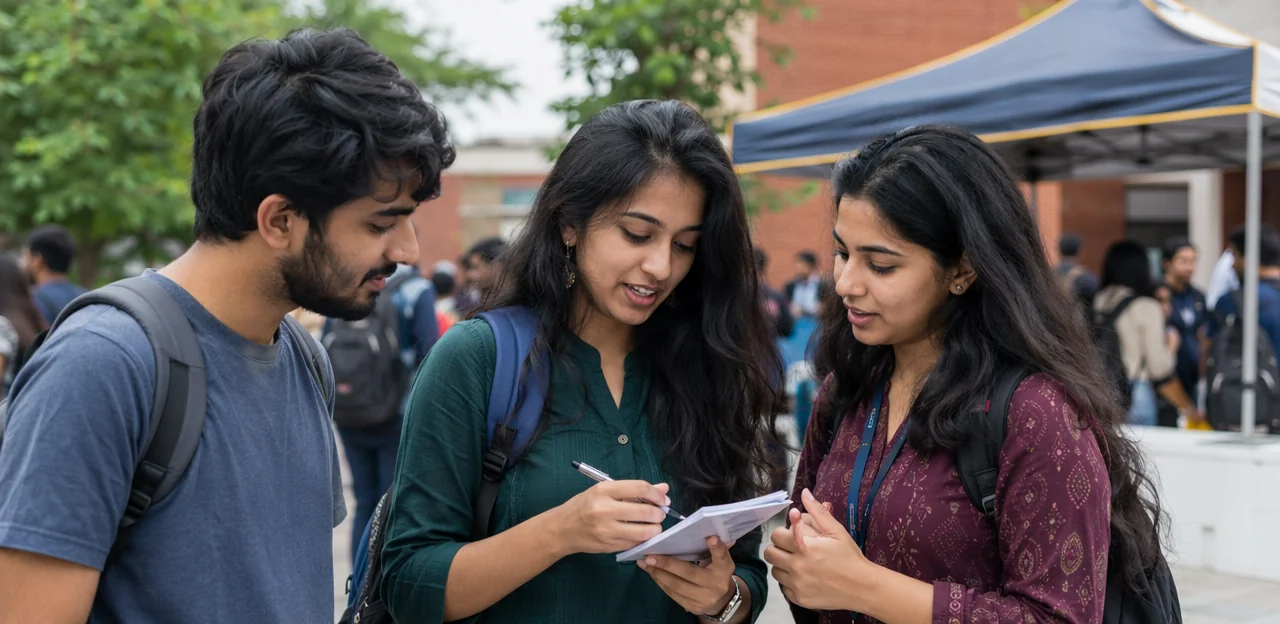
The role of feedback in student engagement
Campus event feedback gives institutions a clear view of how students experience events and whether those activities truly support student engagement goals. It moves evaluation beyond attendance counts by revealing what motivated participation, what barriers reduced turnout, and which formats helped students feel connected.
Key ways feedback strengthens a campus community include:
- Measuring reach: Identify which student groups are attending and who is being missed.
- Improving relevance: Use comments to refine themes, timing, promotion, and accessibility.
- Tracking belonging: Ask whether events helped students build connections and feel included.
- Guiding action: Turn feedback into changes that make future events more engaging and welcoming.
Tools like Tapsy can help collect timely, on-the-spot responses.
Participation and satisfaction as core success metrics
To evaluate event performance well, campuses need more than headcounts. Student participation measures how many students engage, who they are, and how actively they take part before, during, and after an event. Student satisfaction shows how students felt about the experience, including relevance, organization, and overall value.
Both are essential event success metrics because attendance alone can hide weak engagement or poor experiences.
- Participation reveals reach, inclusivity, and actual involvement.
- Satisfaction uncovers quality, expectations, and likelihood of return.
- Together, they turn campus event feedback into actionable insight.
Track both with short post-event surveys, QR feedback points, and segmented reporting to improve future events more effectively.
Common challenges in measuring event experience
Measuring event experience is rarely straightforward. Even well-run campus event feedback programs can miss the full picture because of a few common issues:
- Low survey response rates: Students often ignore long follow-up forms, leaving gaps in data. Keep surveys short, mobile-friendly, and sent immediately after the event.
- Unclear goals: If organizers do not define success in advance, feedback becomes hard to interpret. Tie questions to specific student experience metrics such as attendance quality, belonging, or satisfaction.
- Biased feedback: Responses may overrepresent highly satisfied or dissatisfied students. Use multiple channels and anonymous options to reduce bias.
- Weak outcome links: It can be difficult to connect one event’s results to broader student experience objectives without consistent tracking across events.
What to Measure at Campus Events
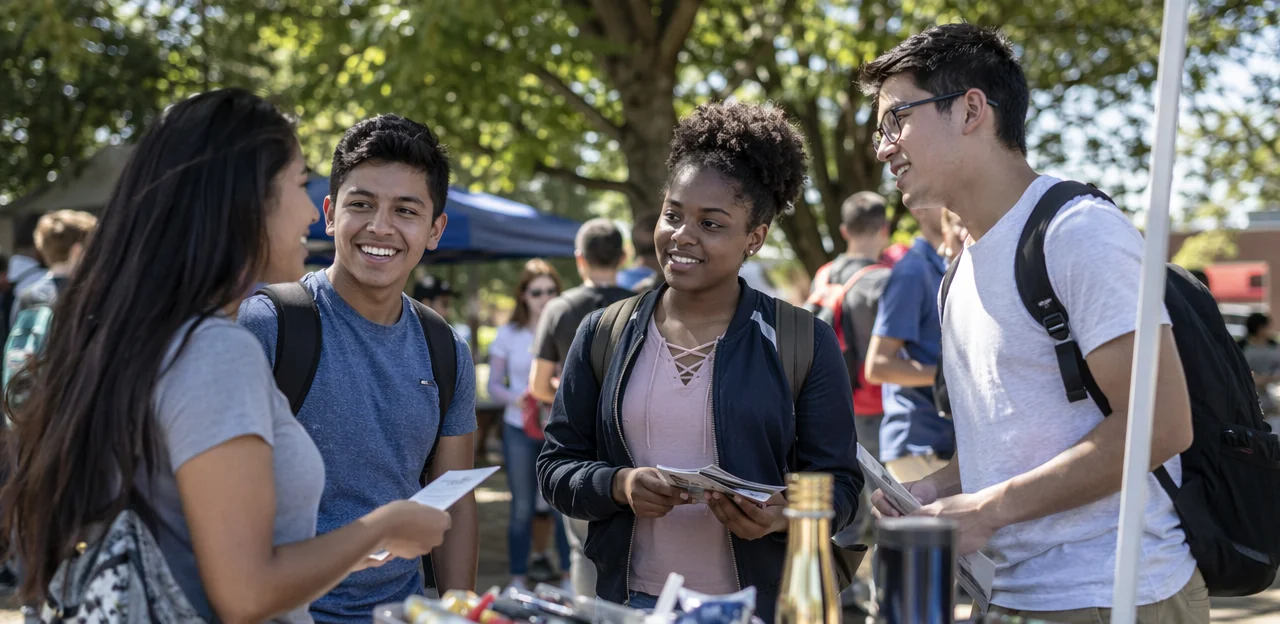
Participation metrics that reveal student interest
To make campus event feedback more useful, pair opinions with hard numbers that show how students actually engage. Key campus event metrics to monitor include:
- Registrations: Measure initial interest and compare sign-ups by event type, topic, or promotion channel.
- Attendance and check-ins: Use event attendance tracking to see how many registered students actually arrived and when peak traffic occurred.
- No-show rate: Calculate the gap between registrations and attendance to identify weak reminders, timing issues, or low commitment.
- Repeat attendance: Track how often the same students return to similar events; this is a strong signal of ongoing relevance.
- Demographic participation trends: Review student participation data by year, major, residence, or student group to spot underserved audiences.
Tools like Tapsy can help capture check-ins and real-time feedback at the event touchpoint.
Satisfaction metrics that capture event quality
To make campus event feedback meaningful, combine numeric ratings with short open-text responses. This gives teams a clearer view of both performance and perception.
- Satisfaction scores: Use a 1–5 or 1–10 student satisfaction survey scale to measure overall event satisfaction.
- Net promoter style question: Ask, “How likely are you to recommend this event to another student?” to track advocacy and repeat interest.
- Perceived value: Measure whether students felt the event was worth their time, effort, or any cost involved.
- Relevance: Ask how well the event matched student interests, academic goals, or campus needs.
- Overall experience ratings: Include metrics for speakers, venue, timing, organization, and engagement.
For stronger event feedback metrics, add one open-ended question such as “What should we improve next time?” Tools like Tapsy can help collect fast, in-the-moment responses at event touchpoints.
Behavioral and outcome-based indicators
To make campus event feedback more useful, measure what students do after the event—not just what they say. These behavioral signals reveal real student event outcomes and long-term campus involvement.
- Social sharing: Track event hashtag use, story mentions, reposts, and photo-tag activity to see whether students felt the event was worth sharing.
- Post-event engagement: Measure email opens, link clicks, survey completions, and attendance at related follow-up sessions or workshops.
- Club sign-ups and participation: Compare new member registrations, volunteer interest, or student organization inquiries before and after the event.
- Resource usage: Monitor downloads, advising bookings, QR scans, or visits to campus support pages promoted at the event.
- Connection and belonging: Ask students whether they felt more connected to peers, staff, or campus life after attending.
Tools like Tapsy can help capture quick, in-the-moment responses at event touchpoints.
How to Collect Effective Campus Event Feedback

Choosing the right feedback channels
Selecting the best channel for campus event feedback depends on timing, response rate, and the type of insight you need.
- Post-event survey: Best for detailed reflections after the event. Use a short post-event survey to measure satisfaction, learning, and future interest.
- QR code forms: Ideal on-site for fast reactions. A simple event feedback form at exits or booths captures feedback while the experience is fresh.
- Mobile apps: Useful for larger campuses with existing app adoption, especially for ongoing engagement and segmented insights.
- Email follow-ups: Good for thoughtful responses, but expect lower open rates unless sent quickly.
- Text polls: Great for quick pulse checks and high participation, especially during or right after events.
- In-person interviews: Best for deeper qualitative insights, though more time-intensive.
For the best results, combine multiple student feedback tools to balance speed, depth, and response volume.
Writing better survey questions for students
Strong campus event feedback starts with questions students can answer quickly and honestly. Keep your survey questions for students short, specific, and focused on one idea at a time.
- Use clear rating questions: Ask measurable event survey questions such as “How satisfied were you with the event overall?” or “How likely are you to attend a similar event again?”
- Avoid bias: Skip leading wording like “How much did you enjoy our amazing event?” and use neutral phrasing instead.
- Cover key touchpoints: Include questions on registration, venue, speakers, activities, timing, and value.
- Add one or two open-ended prompts: For example, “What was the most valuable part of the event?” and “What should we improve next time?”
- Keep it brief: Aim for 5–8 questions to improve completion rates and collect better student satisfaction feedback.
Tools like Tapsy can also help capture feedback in the moment, while the experience is still fresh.
Improving response rates and feedback quality
To improve campus event feedback, make it easy, timely, and clearly worthwhile for students to respond. Use these tactics to increase survey response rates and collect student feedback that is actually useful:
- Send the campus event survey quickly: Share it right after the event, or within 24 hours, while details are still fresh.
- Keep forms short: Ask 3–5 focused questions with one optional open-text field. Short surveys reduce drop-off.
- Offer simple incentives: Prize draws, campus vouchers, or event perks can motivate participation without skewing results.
- Explain the impact: Tell students how feedback will improve future event timing, activities, food, accessibility, or communication.
- Use mobile-friendly formats: QR codes at exits or tools like Tapsy can capture responses in the moment.
When students see action from their input, they are more likely to respond again.
Analyzing Feedback and Participation Data

Combining quantitative and qualitative insights
To get real value from campus event feedback, review numbers and comments together rather than in isolation. This creates stronger feedback analysis and more accurate event performance analysis.
- Start with quantitative data: Compare attendance, check-in rates, response rates, and average satisfaction scores. High turnout with low ratings may signal strong interest but weak delivery.
- Add qualitative and quantitative data together: Read written comments to explain why students scored an event highly or poorly. Comments often reveal issues like timing, accessibility, speaker quality, or promotion gaps.
- Look for patterns: If attendance was low but comments were very positive, the event concept may be strong but under-marketed.
- Turn insights into action: Group comments by theme and match them to metrics to prioritize improvements.
Tools like Tapsy can help capture both fast ratings and in-the-moment comments.
Segmenting results by audience and event type
To get more value from campus event feedback, analyze responses by both audience segmentation and event category. This helps reveal which students are engaged, satisfied, or consistently overlooked.
- Class year: Compare first-year, sophomore, junior, senior, and graduate responses to spot differences in awareness, turnout, and satisfaction.
- Commuter status: Separate commuter and residential students to identify barriers such as timing, transportation, or late-night scheduling.
- Student groups: Review feedback by clubs, athletes, international students, and other communities to uncover underserved audiences.
- Event category: Break results into social, academic, career, wellness, and cultural events to see which formats perform best.
Using student demographics in this way improves campus event planning by turning broad survey data into targeted action.
Building dashboards and reporting useful findings
To turn campus event feedback into decisions, student affairs teams should build a simple campus event dashboard that surfaces the metrics stakeholders care about most. Keep reporting focused, visual, and tied to action.
- Track core KPIs: attendance rate, response rate, satisfaction score, NPS, repeat participation, and top comment themes.
- Segment results by event type, department, student year, residence hall, or time of semester to uncover meaningful trends.
- Add benchmarks by comparing current events against past averages, similar programs, or campus-wide goals.
- Use event reporting summaries to highlight what improved, what underperformed, and why it matters.
- End each report with 2–3 recommendations, such as adjusting timing, improving promotion, or adding more interactive elements.
Tools like Tapsy can help capture real-time inputs that strengthen student affairs analytics.
Turning Feedback Into Better Campus Events

Using insights to improve programming decisions
Campus event feedback should directly shape future event programming decisions, not just sit in a report. Use response patterns to identify what students actually value:
- Topics: Prioritize themes with high interest and retire low-engagement subjects.
- Formats: Compare demand for workshops, panels, socials, hybrid sessions, or drop-in events.
- Timing: Track preferred days and times to reduce schedule conflicts.
- Venues: Choose spaces based on comfort, capacity, location, and atmosphere.
- Accessibility: Act on comments about signage, dietary options, mobility access, captions, and sensory needs.
- Promotion: Measure which channels drive attendance, such as email, social media, ambassadors, or posters.
This helps improve campus events and makes student event planning more inclusive, relevant, and data-driven.
Closing the feedback loop with students
Collecting campus event feedback is only half the job. To strengthen student trust and show that student voice matters, institutions must share what they learned and what they changed. Closing the feedback loop turns feedback into visible action, making students more likely to participate in future surveys and events.
- Share a short post-event summary with key themes, not just scores.
- Highlight specific improvements, such as better food options, clearer schedules, or more inclusive programming.
- Explain what cannot be changed yet, and why, to stay transparent.
- Report back through channels students already use, like email, social media, and student portals.
This simple practice builds credibility, accountability, and stronger engagement over time.
Creating a continuous improvement process
Build a simple, repeatable event evaluation process so campus event feedback leads to better outcomes over time:
- Collect consistently: Use the same core questions after every event to track participation, satisfaction, and improvement areas.
- Review quickly: Analyze results within a few days, looking for patterns by event type, audience, timing, and attendance.
- Act on insights: Turn findings into 2–3 clear action items, such as adjusting promotion channels, venue layout, or programming.
- Reassess performance: Compare future results against previous events to measure whether changes improved engagement.
This continuous improvement cycle strengthens your campus event strategy by making each event more data-informed, relevant, and student-centered.
Best Practices and Common Mistakes to Avoid

Best practices for ethical and inclusive feedback collection
To make campus event feedback accurate and representative, build your process around inclusion and trust:
- Prioritize student survey accessibility: use mobile-friendly forms, screen-reader compatibility, captions, plain language, and translated options where needed.
- Protect privacy: explain why data is collected, keep responses anonymous when possible, and limit personal data to support ethical data collection.
- Use inclusive language: avoid assumptions about identity, culture, or ability; offer self-describe options for demographic questions.
- Ensure equitable outreach: share surveys across email, SMS, social channels, student groups, and on-site QR codes so inclusive feedback collection reaches commuter, international, disabled, and underrepresented students.
These practices help feedback reflect the full student population, not just the most vocal attendees.
Mistakes that weaken event measurement
Common event measurement mistakes can make campus event feedback less useful than it should be. Avoid these frequent issues in campus event evaluation:
- Measuring only attendance: Headcount shows turnout, not whether students found the event valuable, inclusive, or worth repeating.
- Asking too many questions: Long surveys reduce response rates and lead to rushed, low-quality answers.
- Ignoring negative comments: Critical feedback often reveals the clearest opportunities to improve logistics, programming, or communication.
- Skipping trend comparisons: Without comparing results across events or semesters, it is hard to spot patterns or prove progress.
To reduce student feedback errors, keep surveys short, review all comments, and track the same core metrics over time.
A simple framework for long-term success
A reliable campus event feedback process works best when institutions use the same repeatable model across all events. A practical event feedback framework can be:
- Set one goal: define what success means for attendance, participation, and satisfaction.
- Collect feedback fast: use short post-event surveys with 3–5 questions at key touchpoints.
- Measure consistently: track the same metrics across events for stronger campus engagement assessment.
- Act on patterns: identify recurring issues, preferred formats, and barriers to attendance.
- Close the loop: share improvements with students so they see feedback driving change.
This simple student experience strategy helps campuses improve event quality, boost trust, and increase participation over time.
Conclusion
In the end, successful campus events are not measured by attendance alone, but by how students felt, engaged, and responded throughout the experience. A strong campus event feedback strategy helps institutions move beyond assumptions and gather real insights on participation, satisfaction, event quality, communication, logistics, and overall student experience. When colleges and universities consistently collect and analyze feedback, they can identify what drives turnout, uncover pain points, and design future events that are more inclusive, relevant, and impactful.
Just as importantly, campus event feedback gives students a voice. It shows that their opinions matter and helps build a more responsive, student-centered campus culture. Whether you use post-event surveys, quick pulse polls, QR-based forms, or real-time check-ins, the key is to make feedback easy to give and actionable for your team to use.
Now is the time to turn event data into better campus experiences. Start by reviewing your current feedback process, setting clear participation and satisfaction metrics, and choosing tools that simplify collection and reporting. For teams looking to capture insights in the moment, solutions like Tapsy can support faster, touchpoint-based feedback. Explore student engagement benchmarks, event survey templates, and reporting dashboards to take your strategy further—and make every campus event better than the last.
Frequently Asked Questions
- Why is campus event feedback more useful than attendance alone?
Attendance shows how many students showed up, but it does not explain how engaged they felt or whether the event met their expectations. Feedback adds context by revealing motivation, barriers, satisfaction, and whether students would return to similar events.
- What should colleges measure to understand student participation at events?
Useful participation metrics include registrations, attendance and check-ins, no-show rate, repeat attendance, and demographic participation trends. Together, these measures show both initial interest and which student groups are actually engaging.
- Which satisfaction metrics help evaluate campus event quality?
Strong satisfaction measures include overall satisfaction scores, a recommendation question, perceived value, relevance, and ratings for speakers, venue, timing, organization, and engagement. Adding a short open-ended question helps explain why students rated the event the way they did.
- How can schools measure event impact beyond surveys?
Behavioral indicators can show what students do after the event, not just what they say. Useful examples include social sharing, email opens, link clicks, follow-up attendance, club sign-ups, resource usage, and reported feelings of connection or belonging.
- What are the best ways to collect campus event feedback?
Common channels include post-event surveys, QR code forms, mobile apps, email follow-ups, text polls, and in-person interviews. Using more than one channel helps balance speed, response volume, and depth of insight.
- When should a campus event survey be sent?
Feedback should be collected right after the event or within 24 hours while the experience is still fresh. Fast follow-up improves recall and can increase the quality of responses.
- How many questions should a student event survey include?
A short survey works best, usually around 5–8 questions, and in some cases 3–5 focused questions can reduce drop-off even more. Keeping it brief makes students more likely to complete it and give thoughtful answers.
- What makes a good campus event survey question?
Good questions are short, specific, neutral, and focused on one idea at a time. They should cover key touchpoints such as registration, venue, speakers, activities, timing, and value, with one or two open-ended prompts for improvement ideas.
- What are common problems when measuring campus event experience?
Frequent challenges include low survey response rates, unclear success goals, biased feedback, and weak links between one event and broader student experience outcomes. These issues can be reduced by defining goals early, using multiple channels, offering anonymous options, and tracking consistent metrics across events.
- How can campuses improve student survey response rates after events?
Send surveys quickly, keep forms short, use mobile-friendly formats, and explain how feedback will improve future events. Simple incentives such as prize draws, campus vouchers, or event perks can also encourage participation without making the process complicated.
- Why is it important to analyze comments together with numeric ratings?
Quantitative data shows patterns in turnout, check-ins, response rates, and satisfaction scores, but comments explain the reasons behind those numbers. Reviewing both together helps identify issues like timing, accessibility, speaker quality, or promotion gaps and makes action planning more accurate.
- How should event feedback be segmented for better decisions?
Results can be segmented by class year, commuter status, student groups, and event category such as social, academic, career, wellness, or cultural programming. This helps identify which audiences are engaged, satisfied, or underserved and supports more targeted planning.
- What should be included in a campus event dashboard?
A useful dashboard should track attendance rate, response rate, satisfaction score, NPS-style recommendation results, repeat participation, and top comment themes. It should also compare results by event type, department, student year, residence hall, or time of semester to highlight trends.
- How can student feedback be turned into better campus events?
Feedback should guide decisions about topics, formats, timing, venues, accessibility, and promotion channels. A simple process is to collect consistently, review results quickly, act on two or three clear improvements, and compare future events to see whether those changes worked.
- What are the biggest mistakes to avoid in campus event evaluation?
Common mistakes include measuring only attendance, asking too many questions, ignoring negative comments, and failing to compare results over time. Strong evaluation depends on short surveys, consistent metrics, full comment review, and trend tracking across events or semesters.