
A great campus experience is built in the moments students notice most: a clean toilet between lectures, a quiet seat in the library, a comfortable classroom, or a café line that moves quickly. When these everyday spaces work well, they support learning, wellbeing, and satisfaction across the entire institution. When they do not, frustration builds fast. That is why campus facility feedback has become so important for schools, colleges, and universities that want to improve student experience in practical, measurable ways.
Rather than relying on occasional surveys or delayed complaints, institutions are increasingly looking for ways to capture feedback at the point of experience. Tracking issues across classrooms, toilets, libraries, and cafés helps campus teams spot patterns, respond faster, and prioritize improvements where they matter most. It also gives students a clearer voice in shaping the spaces they use every day.
In this article, we will explore how campus facility feedback can help education providers monitor key touchpoints, identify recurring operational problems, and strengthen both student and member experience. We will also look at what effective feedback systems should include, how real-time reporting supports faster action, and where tools such as Tapsy can fit into a modern campus feedback strategy.
Why campus facility feedback matters in higher education

The link between facilities and student experience
The condition of education facilities directly influences the student experience every day. Clean toilets, comfortable classrooms, quiet libraries, and reliable cafés affect how students learn, recharge, and feel about campus life. Strong campus facility feedback helps institutions spot issues early and improve satisfaction, retention, and trust.
- Quality and comfort: Well-lit, ventilated, and maintained spaces support focus, wellbeing, and productivity.
- Cleanliness and reliability: Dirty toilets, broken seating, poor Wi-Fi, or inconsistent café service quickly damage perceptions of the institution.
- Accessibility: Inclusive layouts, clear signage, and functioning lifts ensure all students can participate fully.
- Actionable improvement: Use real-time tools such as Tapsy to collect feedback at the point of experience and resolve problems faster.
When students see improvements, they feel heard—and are more likely to stay engaged.
Operational value for campus teams
Campus facility feedback gives facilities, estates, hospitality, and student services teams a practical way to improve campus operations day by day. Instead of relying on periodic inspections alone, teams can use real-time signals to spot recurring issues and act faster.
- Prioritize maintenance: Identify repeated reports about lighting, heating, seating, Wi-Fi, or toilet faults and escalate the most urgent problems first.
- Improve cleaning schedules: Use feedback trends to adjust cleaning frequency in toilets, libraries, and high-traffic classrooms.
- Optimize staffing: Monitor queue times and service satisfaction in cafés, help desks, and study spaces to deploy staff where demand is highest.
- Guide service improvements: Turn facility management feedback into clear actions that strengthen education campus management, from layout changes to better student support.
Tools like Tapsy can help route location-specific feedback to the right team quickly.
From reactive complaints to proactive improvement
Traditional campus operations often rely on complaints after frustration has already built up. By then, the issue has already damaged the campus experience. A smarter approach uses campus facility feedback continuously, so teams can spot patterns early and act before small problems become bigger disruptions.
- Reactive model: Waits for emails, help desk tickets, or social posts after a classroom, toilet, library, or café issue affects students.
- Proactive model: Uses real-time feedback at key touchpoints to flag cleanliness, noise, equipment, temperature, queues, or stock issues immediately.
- Operational benefit: Supports proactive facility management by routing alerts to the right team, tracking repeat problems, and prioritizing fixes by impact.
Tools such as Tapsy can help campuses capture in-the-moment feedback and reduce friction before dissatisfaction spreads.
What to track across classrooms, toilets, libraries, and cafés
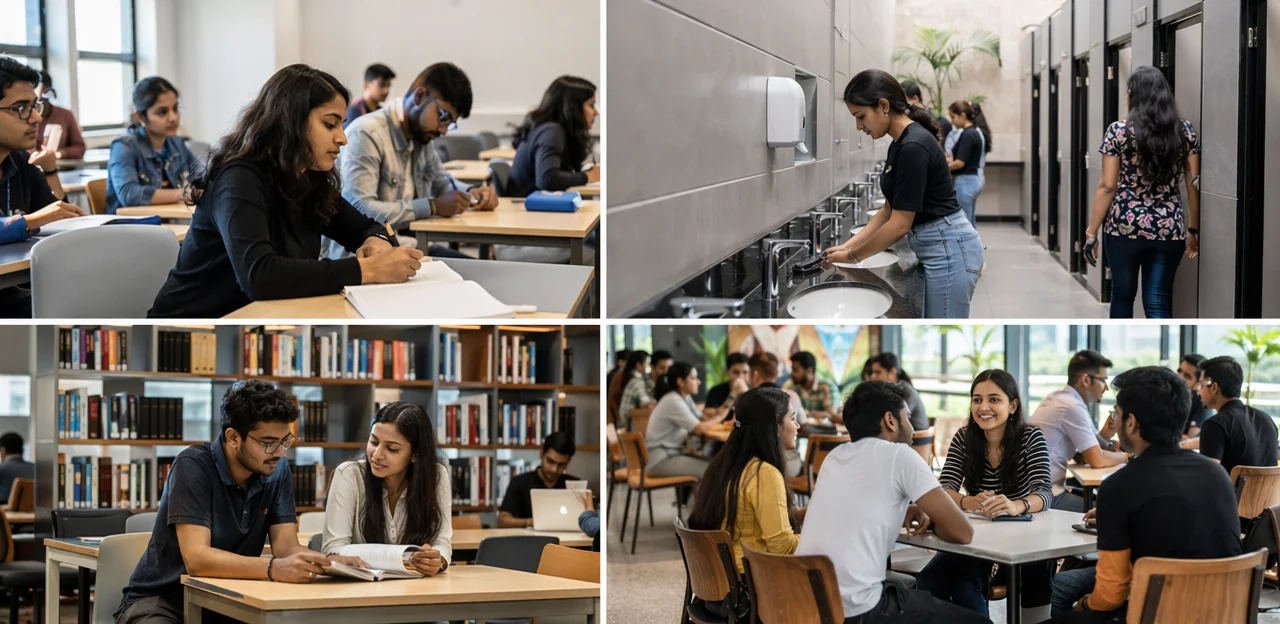
Classroom feedback metrics that matter
Strong campus facility feedback starts with the measures that directly affect the learning environment and student focus. For useful classroom feedback, track:
- Temperature and air quality: rooms that are too hot, cold, or stuffy reduce concentration and attendance comfort.
- Lighting quality: monitor brightness, glare, and access to natural light to support visibility and reduce fatigue.
- Seating comfort: assess desk space, chair ergonomics, and layout flexibility for longer sessions.
- AV reliability: measure projector, screen, microphone, Wi-Fi, and power access performance to avoid teaching disruption.
- Acoustics: capture noise levels, echo, and speech clarity so students can hear clearly from every seat.
- Cleanliness and maintenance: track litter, odors, damaged furniture, and overall classroom facilities condition.
- Accessibility and availability: review step-free access, inclusive seating, signage, and whether rooms are available when scheduled.
Using real-time tools such as Tapsy can help teams spot recurring issues faster and improve learning outcomes.
Toilet, library, and café experience indicators
Strong campus facility feedback should track the practical details students notice every day:
- Toilets: Measure toilet cleanliness feedback through ratings on hygiene, odor, bin overflow, and whether soap, paper towels, and toilet paper are stocked. Add response-time tracking for cleaning requests and maintenance issues such as blocked sinks or broken locks.
- Libraries: Collect library user feedback on noise levels, desk availability, lighting, Wi-Fi reliability, temperature, and access to charging points. Monitor peak-time seating shortages to identify where extra study space is needed.
- Cafés: Use café customer feedback to assess queue length, service speed, food freshness, drink quality, order accuracy, pricing, and perceived value for money. Include availability of popular items during busy periods.
For best results, gather feedback at the point of use with simple QR-based prompts. Tools like Tapsy can help campuses capture real-time issues and route them quickly to the right team.
How to standardize feedback categories campus-wide
To make campus facility feedback useful at scale, every building should use the same feedback categories, scoring rules, and tags. Standardization turns scattered comments into consistent campus analytics and reliable facility performance metrics.
- Define shared feedback categories: Use a core list such as cleanliness, maintenance, safety, comfort, accessibility, noise, wait times, and staff support across classrooms, toilets, libraries, and cafés.
- Use one scoring model: Apply the same rating scale campus-wide, such as 1–5, so teams can compare buildings fairly and track changes over time.
- Add structured tags: Include tags for building, floor, room type, issue urgency, and time of day to spot patterns quickly.
- Create reporting rules: Group results into dashboards for leadership, highlighting recurring issues, top-performing spaces, and priority fixes.
Tools like Tapsy can help capture standardized feedback at the point of experience.
Best ways to collect campus facility feedback

Using QR codes, kiosks, apps, and email surveys
The best campus facility feedback programs combine multiple channels, matching the method to the location and moment:
- QR code feedback: Ideal for classrooms, toilets, libraries, and cafés where people can respond in seconds on-site. Place codes at exits, tables, and noticeboards with a clear prompt.
- Kiosks: Best for high-traffic areas like library entrances, dining halls, and reception points where fast tap-based ratings work well.
- Apps: Useful when your student feedback system already has strong adoption, but avoid forcing downloads for simple issues.
- Email surveys: Better for follow-up, trend analysis, and longer responses after a visit.
To reduce friction, keep surveys to 1–3 questions, allow optional comments, and route urgent issues instantly. Many teams use campus survey tools such as Tapsy to capture quick, location-specific feedback without requiring an app.
Capturing feedback at the point of experience
Campus facility feedback is most useful when it is collected where the experience actually happens. Point-of-experience feedback in classrooms, toilets, libraries, and cafés captures reactions while details are still fresh, making responses more accurate than end-of-year surveys that rely on memory.
- Higher accuracy: Students report specific issues such as noise, cleanliness, Wi-Fi, seating, or queue times in the moment.
- Faster action: Teams can act on real-time campus feedback before small problems affect more people.
- Better location insight: A touchpoint-based facility survey shows exactly which building, room, or service area needs attention.
- Stronger participation: Short QR or NFC check-ins are easier to complete than long annual forms.
Tools like Tapsy can help campuses collect and route this feedback instantly.
Encouraging participation without survey fatigue
To improve campus facility feedback without overwhelming students and staff, keep every request easy to answer and clearly worthwhile.
- Keep surveys short: Limit forms to 1–3 questions with one optional comment box. This helps lift survey response rates.
- Ask at the right moment: Trigger feedback after a library visit, café purchase, or classroom session, when details are still fresh.
- Make questions relevant: Tailor prompts by location so users only answer about toilets, study spaces, or food service they just used.
- Rotate requests: Avoid asking the same people too often to reduce fatigue and protect student engagement.
- Close the loop: Share updates like “cleaning schedules changed” or “more charging points added” to show feedback participation leads to action.
Tools like Tapsy can support quick, touchpoint-based feedback collection.
Turning feedback into measurable facility improvements
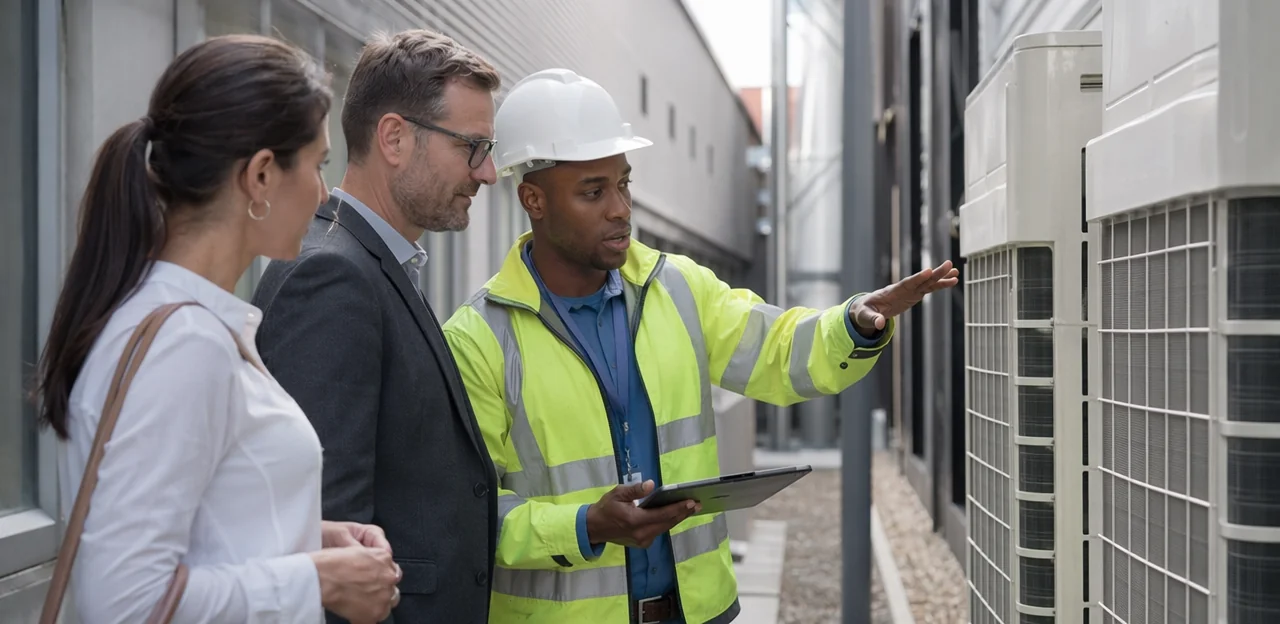
Prioritizing issues by impact and urgency
To turn campus facility feedback into action, use a simple issue prioritization framework based on severity, frequency, and user impact. This helps teams build a practical facility improvement plan instead of reacting to the loudest complaint.
- Quick wins: Low-cost, high-visibility fixes such as broken lights, missing soap, unclear signage, or minor classroom AV issues. Resolve fast to improve trust and satisfaction.
- Recurring operational issues: Problems that appear often, like toilet cleanliness, library noise, café queues, or inconsistent room temperatures. Track patterns in campus maintenance feedback and assign owners, service standards, and response times.
- Capital improvements: Larger, high-impact needs such as restroom renovations, seating upgrades, HVAC replacement, or library layout redesign. Prioritize when complaints are severe, repeated, and affect many users.
Closing the loop with students and staff
Collecting campus facility feedback is only valuable if people see what happens next. To close the feedback loop, share clear updates on issues raised in classrooms, toilets, libraries, and cafés, along with the actions taken and expected timelines.
- Publish short “you said, we did” updates in student portals, staff newsletters, and digital signage.
- Highlight specific service improvement outcomes, such as repaired lighting, cleaner washrooms, extended library hours, or faster café queues.
- Explain what cannot be changed immediately and why, so expectations stay realistic.
- Report back regularly by location or service area to make student communication more relevant.
This visibility builds trust, demonstrates accountability, and encourages more people to respond in future. Tools like Tapsy can help teams capture issues and share follow-up efficiently.
Using dashboards and trends to guide decisions
A strong feedback dashboard turns raw campus facility feedback into clear priorities. Instead of reacting to isolated complaints, teams can use facility reporting to spot patterns by building, daypart, and facility type, then act where impact is highest.
- Track by location: Compare classrooms, toilets, libraries, and cafés across buildings to identify repeat problem areas.
- Monitor time trends: Review peaks by hour, day, or semester to schedule cleaning, maintenance, and support staff more effectively.
- Segment by issue type: Separate cleanliness, temperature, noise, seating, and service concerns to guide targeted fixes.
- Support investment decisions: Use campus data insights to justify upgrades such as restroom refurbishments, study-space expansion, or café queue management.
Tools like Tapsy can help centralize touchpoint-level feedback for faster, evidence-based decisions.
Common challenges and best practices for campus feedback programs

Balancing anonymity, privacy, and actionability
Effective campus facility feedback depends on collecting enough detail to fix problems without exposing individual students or staff. A strong campus feedback policy should clearly explain what is collected, why it is needed, and who can access it.
- Offer anonymous feedback by default for routine reports, especially in sensitive areas like toilets or wellbeing spaces.
- Ask only for essential context: building, room, time, issue type, and optional comments.
- Apply good data privacy in surveys practices, such as removing personal identifiers, limiting retention periods, and restricting admin access.
- Use escalation options for urgent safety or maintenance issues, where users can choose to share contact details for follow-up.
Tools like Tapsy can help institutions capture location-specific feedback while keeping responses lightweight and privacy-conscious.
Avoiding biased or incomplete feedback data
Strong campus facility feedback depends on clean, representative input. Poor survey data quality can lead teams to fix the wrong issues or miss urgent problems entirely.
- Watch for feedback bias: responses often overrepresent very happy or very frustrated users, while occasional users stay silent.
- Raise response rates: collect feedback at the point of experience, keep surveys short, and offer consistent prompts across classrooms, toilets, libraries, and cafés.
- Standardize questions: changing wording or rating scales between locations makes comparisons unreliable and weakens campus research methods.
- Improve over time: review response gaps by building, time, and user group, then adjust outreach, timing, and question design accordingly.
Tools like Tapsy can help capture feedback in the moment, reducing recall errors.
Building a cross-functional ownership model
Effective campus facility feedback only drives improvement when every team knows what they own and how they work together. Classrooms, toilets, libraries, and cafés often span multiple departments, so siloed responses slow fixes and weaken accountability.
- Define shared workflows across campus service teams: facilities handles repairs, IT resolves device or Wi-Fi issues, cleaning manages hygiene, library teams address study-space concerns, and food service owns café experience.
- Assign clear SLAs, escalation paths, and reporting owners.
- Use a single dashboard to support cross-functional collaboration and track resolution times, repeat issues, and satisfaction by location.
- Review trends regularly through a facility governance group led by student experience leaders.
How better facility feedback strengthens the overall campus experience

Improving satisfaction, retention, and reputation
Effective campus facility feedback helps universities turn everyday spaces into stronger student experience drivers. When classrooms, toilets, libraries, and cafés are consistently clean, safe, and well-managed, student satisfaction rises and complaints are resolved before they damage trust.
- Fix recurring issues quickly to reduce frustration and improve daily campus life
- Use feedback trends to prioritize investments that support student retention
- Act on visible improvements to encourage positive word of mouth and strengthen campus reputation
Tools like Tapsy can help capture real-time feedback at key campus touchpoints.
Supporting inclusive, accessible, and welcoming spaces
Effective campus facility feedback helps institutions spot issues that different groups experience differently, improving accessible campus facilities and a more inclusive student experience. Use campus accessibility feedback to identify and act on:
- broken lifts, heavy doors, poor signage, or inaccessible seating in classrooms and libraries
- hygiene concerns in toilets and cafés, including supplies, cleanliness, and privacy
- service gaps such as long queues, noise, lighting, or limited dietary options
Review feedback by location and user group, then prioritize fixes, staff training, and regular accessibility audits.
Creating a continuous improvement culture
A strong campus facility feedback program turns one-off comments into a repeatable continuous improvement system across classrooms, toilets, libraries, and cafés. To build lasting experience management:
- collect feedback at the point of use, while details are fresh
- route issues quickly to the right facilities or service team
- review trends weekly to spot recurring pain points
- close the loop by sharing fixes with students and staff
This creates a campus-wide habit of listening, learning, and improving every high-traffic environment over time.
Conclusion
In the end, improving the student journey depends on listening closely to what happens across campus every day. From overcrowded classrooms and poorly maintained toilets to underperforming libraries and slow-moving cafés, each touchpoint shapes how students, staff, and visitors experience campus life. That’s why campus facility feedback is so valuable: it turns everyday observations into actionable insight, helping institutions identify issues faster, prioritize resources more effectively, and create safer, cleaner, and more welcoming environments.
A strong campus facility feedback strategy also goes beyond problem reporting. It supports continuous improvement, strengthens student experience, and gives facilities, operations, and campus leaders the data they need to make smarter decisions. When feedback is gathered in real time and tracked by location, institutions can spot patterns, respond quickly, and demonstrate that student voices lead to visible change.
Now is the time to make campus facility feedback a core part of your operational strategy. Start by mapping key feedback points across classrooms, toilets, libraries, and cafés, then choose tools that make reporting simple and response workflows clear. Solutions such as Tapsy can help collect in-the-moment feedback at physical touchpoints without adding friction. For next steps, explore campus experience benchmarks, facility audit templates, and real-time feedback platforms to build a more responsive, student-centered campus.
Frequently Asked Questions
- What is campus facility feedback?
Campus facility feedback is the collection of in-the-moment input about spaces such as classrooms, toilets, libraries, and cafés. It helps institutions identify issues quickly, understand patterns by location, and improve daily campus experience in practical ways.
- Why does facility feedback matter for student experience in higher education?
Everyday spaces affect how students learn, recharge, and feel about campus life. Clean toilets, comfortable classrooms, quiet libraries, and reliable cafés can improve satisfaction, trust, and engagement, while poor conditions can create frustration quickly.
- How is real-time campus feedback different from traditional complaint-based reporting?
Traditional reporting often starts after frustration has already built up through emails, help desk tickets, or social posts. Real-time feedback captures issues such as cleanliness, noise, equipment problems, temperature, or queues at the point of experience so teams can respond earlier.
- What classroom issues should campuses track most closely?
Key classroom measures include temperature, air quality, lighting, seating comfort, AV reliability, acoustics, cleanliness, maintenance, accessibility, and room availability. These factors directly affect concentration, teaching continuity, and the overall learning environment.
- What should be measured in toilets, libraries, and cafés?
Toilets should be tracked for hygiene, odor, stock levels, and maintenance issues such as blocked sinks or broken locks. Libraries should be monitored for noise, seating availability, lighting, Wi-Fi, temperature, and charging access, while cafés should be assessed for queue length, service speed, freshness, order accuracy, pricing, and item availability.
- How can a university standardize feedback across different campus buildings?
Use the same feedback categories, scoring model, and tags across all locations. Shared categories like cleanliness, maintenance, safety, comfort, accessibility, noise, wait times, and staff support make comparisons more reliable and improve campus-wide reporting.
- Which feedback collection methods work best on campus?
A mix of QR codes, kiosks, apps, and email surveys works best when matched to the location and moment. QR codes and kiosks are useful for quick on-site responses, apps can support existing student systems, and email surveys are better for follow-up and longer responses.
- Why is point-of-experience feedback more useful than annual surveys?
Point-of-experience feedback captures details while they are still fresh, which improves accuracy. It also gives clearer location insight and allows teams to act faster before small issues affect more students.
- How can campuses increase participation without causing survey fatigue?
Keep requests short, relevant, and timed to the actual experience, such as after a class, library visit, or café purchase. Rotating requests and sharing visible outcomes like changed cleaning schedules or added charging points also helps people feel their input matters.
- How should facility teams prioritize issues reported by students and staff?
A practical approach is to rank issues by severity, frequency, and user impact. Quick wins like broken lights or missing soap should be resolved fast, recurring operational problems should be tracked and assigned clear owners, and larger repeated issues can inform capital improvements.
- What does it mean to close the feedback loop on campus?
Closing the loop means showing what action was taken after feedback was collected. Useful examples include sharing updates about repaired lighting, cleaner washrooms, extended library hours, or efforts to reduce café queues, along with realistic timelines when changes take longer.
- How do dashboards help improve campus facilities?
Dashboards turn individual comments into patterns by building, time, and issue type. This helps teams compare locations, identify repeat problem areas, schedule cleaning or staffing more effectively, and support decisions about upgrades such as restroom refurbishments or study-space expansion.
- How can institutions balance anonymity, privacy, and useful reporting?
Routine reports can be anonymous by default, especially in sensitive areas like toilets or wellbeing spaces. Institutions should collect only essential context such as building, room, time, and issue type, while limiting access, removing personal identifiers, and allowing optional contact details for urgent follow-up.
- What causes biased or incomplete campus feedback data?
Feedback often overrepresents people who are very satisfied or very frustrated, while quieter groups may not respond. Campuses can reduce bias by collecting feedback at the point of experience, keeping surveys short, using consistent questions, and reviewing gaps by building, time, and user group.
- Where does Tapsy fit into a campus feedback strategy?
Tapsy is presented as a tool for collecting location-specific feedback in real time at physical touchpoints. It can support QR-based prompts, standardized reporting, routing issues to the right team, and helping campuses act faster on recurring problems.