
A great cinema experience is about more than the screen. Even the most anticipated film can be overshadowed by sticky floors, overflowing bins, unpleasant odors, or restrooms that feel neglected. For cinema operators, cleanliness is not just a maintenance issue—it is a core part of guest satisfaction, brand perception, and repeat attendance. That is why cinema cleanliness feedback has become an essential tool for understanding what audiences actually experience in auditoriums, corridors, and restrooms in real time.
When cinemas can track cleanliness standards consistently, they are better equipped to spot recurring problems, respond faster between screenings, and prevent minor issues from turning into negative reviews. Instead of relying only on periodic inspections or post-visit complaints, operators can use direct guest input to build a clearer picture of where standards slip and when intervention is needed most.
This article explores how cinemas can collect and use cleanliness feedback to monitor auditorium and restroom quality, improve operational response, and strengthen the overall audience experience. It will also look at the value of touchpoint-based feedback systems, key metrics to track, and how tools such as Tapsy can help capture timely insights exactly where the guest experience happens.
Why cinema cleanliness feedback matters to guest experience

The link between cleanliness and audience satisfaction
Cleanliness strongly shapes both guest experience and audience experience from the moment visitors enter a cinema. A spotless lobby, fresh restrooms, tidy auditoriums, and clean concession counters signal professionalism, safety, and care.
- First impressions matter: visible dirt, sticky floors, or overflowing bins can immediately lower trust.
- Comfort drives enjoyment: clean seats, cupholders, and restrooms help guests relax and focus on the film.
- Hygiene affects reputation: poor standards often appear in reviews, damaging brand perception and repeat visits.
- Feedback should be touchpoint-specific: collect cinema cleanliness feedback for auditoriums, restrooms, lobbies, and concessions separately to spot recurring issues faster.
Using real-time tools such as Tapsy can help teams act quickly, resolve problems during the visit, and protect satisfaction before negative reviews are posted.
Common cleanliness pain points in cinemas
Recurring cinema hygiene issues often show up in the same high-traffic areas and quickly shape guest perception. Common problems include:
- Sticky floors and food debris that make poor auditorium cleanliness immediately noticeable
- Dirty or stained seats, armrests, and cup holders that reduce comfort and trust
- Overflowing bins in lobbies and screens, signalling weak cleaning routines
- Poor cinema restroom quality, including bad odours, empty soap dispensers, wet floors, and unclean cubicles
- Delayed turnaround between screenings, leaving too little time to reset the space properly
These issues directly influence cinema cleanliness feedback, often leading to lower satisfaction scores, complaints, and negative reviews. To reduce repeat problems, cinemas should track feedback by location, screening time, and issue type, then alert cleaning teams in real time through tools such as Tapsy.
Why feedback is more useful than assumptions
Assumptions only show what managers expect to see. Cinema cleanliness feedback shows what guests actually experience between inspections, especially during busy showtimes.
- Spot recurring issues: A cleanliness survey can reveal repeat complaints about sticky floors, overflowing bins, or poorly stocked restrooms that may be missed in a quick walkthrough.
- Identify location-specific trends: With strong cinema quality tracking, managers can compare auditoriums, restroom blocks, and time periods to see where standards drop most often.
- Expose service gaps: Direct customer feedback for cinemas highlights problems linked to staffing, cleaning schedules, or slow response times.
Using real-time tools such as Tapsy can help teams collect fresh input, act faster, and improve cleanliness before negative reviews spread.
What to measure in auditorium and restroom quality
Auditorium cleanliness metrics that matter
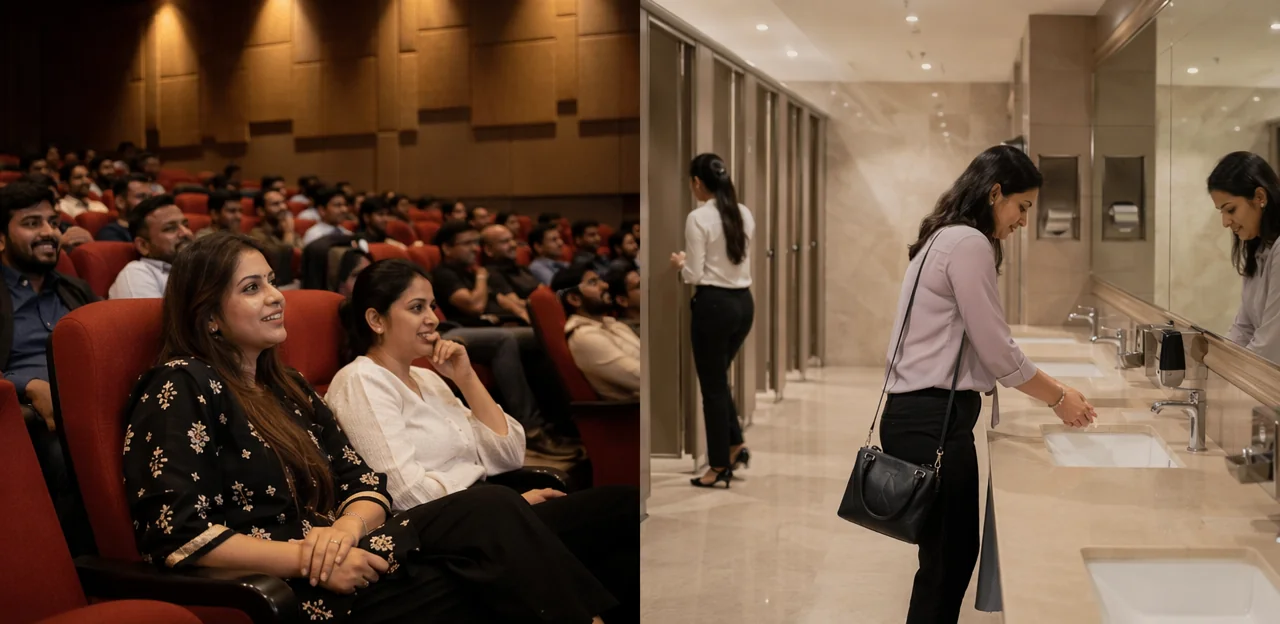
To improve auditorium cleanliness, cinemas need clear, repeatable checks that teams can score after every show. Strong cinema cleanliness feedback works best when tied to visible, measurable standards rather than vague impressions.
- Seat condition: track stains, sticky armrests, torn fabric, and under-seat litter by row or section.
- Cupholder cleanliness: measure the percentage of cupholders free from spills, residue, and leftover containers.
- Floor debris: count visible popcorn, wrappers, and drink spills per aisle and seating block.
- Odor: log any noticeable musty, food, or restroom-related smells on a simple pass/fail scale.
- Screen-area appearance: check for dust, clutter, cleaning equipment left behind, or marks near the screen.
- Post-show reset speed: monitor how quickly the auditorium returns to guest-ready condition.
These theater cleanliness metrics help managers enforce consistent cinema cleaning standards across every screening.
Restroom quality indicators guests notice first
In cinema cleanliness feedback, restroom comments often focus on the same visible and immediate signals. Guests quickly judge cinema restroom quality by whether the space feels hygienic, maintained, and safe.
- Smell: Odor is often the first indicator of poor upkeep and can instantly lower confidence.
- Stocked supplies: Toilet paper, soap, and paper towels must stay available to meet basic public restroom standards.
- Stall cleanliness: Guests notice dirty toilets, overflowing bins, and unclean doors or locks immediately.
- Sink condition: Water spots, blocked drains, and soap residue suggest weak maintenance routines.
- Floor dryness: Dry floors feel safer and cleaner; wet areas create discomfort and slip concerns.
- Response time: Fast action on reported issues strengthens trust and improves restroom cleanliness feedback trends.
Tracking these indicators helps cinemas protect guest confidence and overall experience.
Balancing objective checks with guest perception
Strong cinema cleanliness feedback combines operational audits with real audience sentiment. A restroom or auditorium may pass an inspection checklist, yet still create poor cleanliness perception because of odor, sticky armrests, overflowing bins, or dim lighting that highlights missed dirt.
To balance both sides, cinema teams should:
- Use checklists for consistency: Track measurable standards such as floor condition, seat wipe-downs, soap levels, and trash removal.
- Capture guest feedback in the moment: Short QR-based surveys near exits or restrooms reveal how spaces actually feel to visitors.
- Compare scores together: Review inspection results alongside customer satisfaction metrics to spot gaps between standards and experience.
- Act on recurring perception issues: Update cleaning routines, timing, or staffing based on trends in cinema operations.
How to collect cinema cleanliness feedback effectively
Best feedback channels for cinema guests
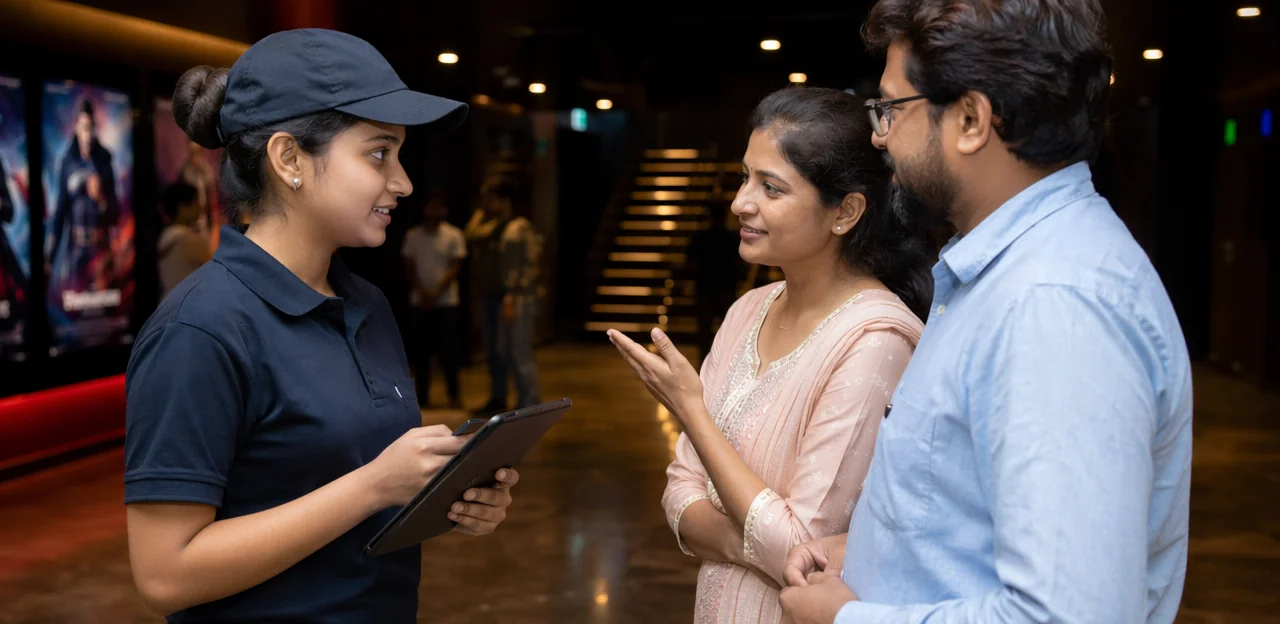
Use a mix of customer feedback channels to capture timely, useful cinema cleanliness feedback across auditoriums and restrooms:
- QR-code surveys: Best for in-the-moment responses at exits, restroom doors, and concession areas. They are highly convenient and ideal for a fast cinema feedback survey, especially when guests can scan without downloading an app.
- SMS follow-ups: Strong response rates when sent within 1–3 hours after the show. Good for short surveys while the visit is still fresh.
- App prompts: Effective for loyalty members, but limited by app adoption. Best for repeat guests and segmented outreach.
- Email surveys: Useful for longer feedback and trend analysis, though response rates are usually lower and timing is less immediate.
- Kiosk touchpoints: Excellent for quick ratings on-site in high-traffic areas.
- Review monitoring: Not a direct survey channel, but essential for spotting recurring cleanliness issues publicly. Tools like Tapsy can help streamline real-time, touchpoint-based feedback collection.
Questions that uncover actionable cleanliness insights
Use a mix of scaled and open-ended cleanliness survey questions to turn cinema cleanliness feedback into clear operational fixes. In a cinema customer survey, ask:
- Auditorium condition: “How clean was your seat area, floor, cup holder, and screen-viewing space?”
- Restroom cleanliness: “How would you rate restroom cleanliness, odor, supplies, and overall upkeep?”
- Staff responsiveness: “If you reported a cleanliness issue, how quickly and effectively did staff respond?”
- Overall satisfaction: “How satisfied were you with cinema cleanliness during your visit?”
Use 1–5 or 1–10 rating scales to track trends by showtime, screen, and daypart. Add open-text guest satisfaction questions such as, “What specific cleanliness issue did you notice?” or “What should we improve first?” Tools like Tapsy can help capture this feedback in real time at key touchpoints.
When to ask for feedback to improve response quality
Timing has a direct impact on the usefulness of cinema cleanliness feedback. The closer you collect responses to the actual visit, the more accurate, detailed, and actionable they tend to be. Guests are more likely to remember whether an auditorium floor was sticky, bins were overflowing, or restrooms lacked supplies when asked right away.
- Immediately after the screening: Capture real-time feedback at exits, restroom entrances, or concession areas while impressions are still fresh.
- Within a few hours of the visit: Send a short post-visit survey by SMS or email to gather more thoughtful comments without waiting too long.
- Before the next showtime starts: Early input helps teams fix issues fast and protect the next audience experience.
This approach improves response quality and delivers stronger cinema guest insights.
Turning feedback into operational improvements

Spotting patterns across locations and showtimes
To turn cinema cleanliness feedback into action, managers should segment responses by location and operating context, not just overall score. This makes cinema performance tracking far more useful across single sites and multi-site cinema management.
- Compare by auditorium and restroom: Identify screens or facilities with repeated low scores, blocked toilets, spills, or odor complaints.
- Track by daypart: Separate morning, afternoon, evening, and late shows to reveal peak-pressure cleaning gaps.
- Overlay staffing levels: Match feedback against headcount, shift changes, and contractor coverage to spot under-resourced periods.
- Review film schedule impact: Family releases, opening weekends, and long runtimes often create different cleanliness trends and turnaround pressure.
- Benchmark locations: Rank sites by recurring issue type and frequency to prioritize coaching, inspections, and cleaning schedules.
Tools like Tapsy can help capture and compare this touchpoint-level data in real time.
Creating response workflows for urgent issues
A strong issue resolution workflow turns cinema cleanliness feedback into immediate action, especially for spills, blocked toilets, odors, or unsafe conditions.
- Flag and classify fast: Mark reports by severity—standard, urgent, or safety-critical—so the right team is alerted instantly.
- Assign clear ownership: Route each issue to a named staff member, supervisor, or facility management lead to prevent gaps in response.
- Set response deadlines: Define expected action times, such as 5 minutes for spills in auditoriums and immediate escalation for hazards.
- Document every step: Record the report time, owner, action taken, cleaning verification, and closure status for accountability.
- Confirm resolution: Require a supervisor check or photo proof before closing the ticket.
This structured cinema maintenance response process helps cinemas resolve problems quickly, reduce guest frustration, and maintain safe, clean spaces.
Training staff using feedback data
Use cinema cleanliness feedback to turn guest comments into practical coaching for every shift. Instead of generic reminders, train teams around the issues audiences mention most, such as sticky armrests, overflowing bins, wet restroom floors, and missing supplies.
- Refine cleaning routines: Update checklists based on recurring complaints so staff focus on high-visibility problem areas.
- Adjust inspection frequency: Increase restroom and auditorium checks before peak showtimes, after busy screenings, and during weekend rushes.
- Improve shift handovers: Share live issue logs so incoming teams know which screens or restrooms need immediate attention.
- Strengthen service recovery: Train staff to respond quickly, apologize clearly, and resolve reported problems before they affect more guests.
This approach improves cinema staff training, boosts cleaning team performance, and drives measurable service improvement.
KPIs and benchmarks for cinema cleanliness programs
Core metrics to track over time
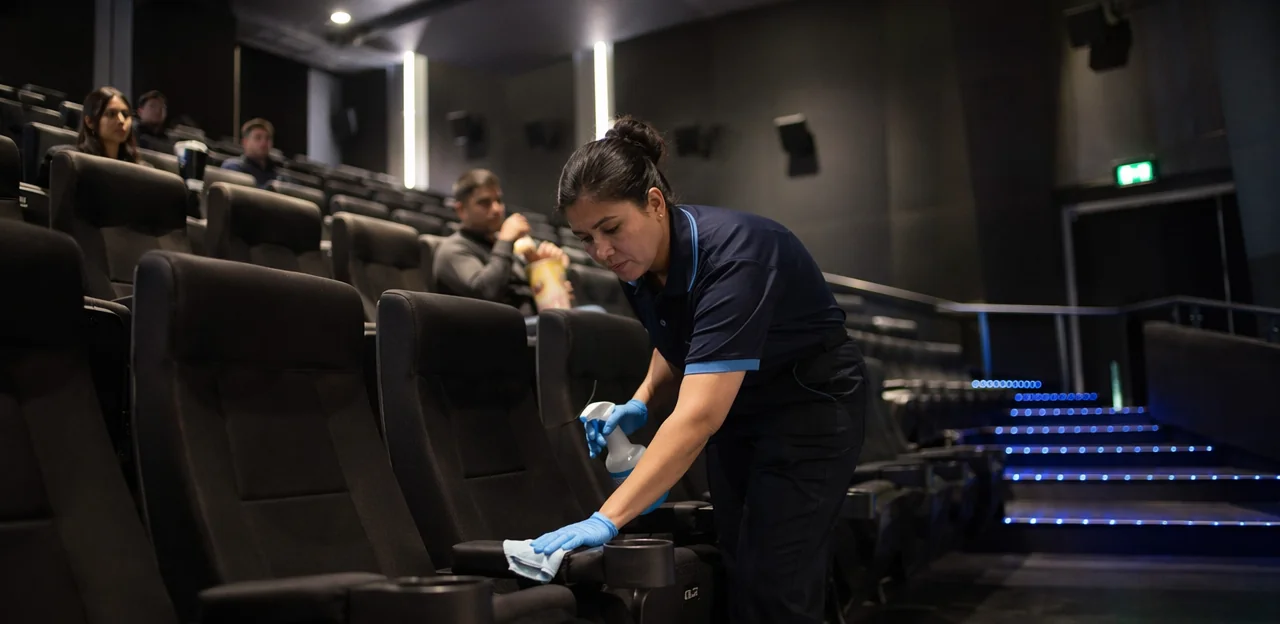
To turn cinema cleanliness feedback into action, monitor a small set of consistent, location-level KPIs:
- Cleanliness KPI: overall auditorium and restroom cleanliness score by daypart, screen, and shift
- Restroom satisfaction rate: percentage of guests rating restroom conditions positively
- Complaint volume: total cleanliness-related complaints per 1,000 visitors
- Issue resolution time: average time from report to verified fix
- Repeat complaint rate: how often the same issue reappears in the same area
- Location-level performance trends: compare sites over time to spot weak performers and best practices
These guest satisfaction metrics and cinema benchmark metrics help managers prioritize staffing, improve inspections, and measure whether operational changes actually raise standards.
How cleanliness affects reviews, loyalty, and revenue
Strong cinema cleanliness feedback processes directly influence reputation and repeat business. When auditoriums and restrooms stay visibly clean, guests are more likely to leave positive cinema reviews, trust food service standards, and return for future visits.
- Higher online ratings: Clean venues reduce complaints that often appear in public reviews.
- Stronger customer loyalty: Consistent hygiene helps guests feel comfortable bringing family and friends back.
- Better concession confidence: Clean counters, seating, and restrooms make food and drink purchases feel safer and more appealing.
- Less negative word of mouth: Fast action on cleanliness issues prevents small problems from becoming reputation damage.
Track feedback by location and shift so teams can fix recurring issues quickly and improve guest retention.
Setting realistic benchmarks for continuous improvement
To make cinema cleanliness feedback useful, start with a clear baseline for each site, using 30–90 days of auditorium and restroom scores, response times, and comment themes. Then build performance benchmarks that reflect operational reality, not just ideal targets.
- Segment fairly: Compare similar locations by size, footfall, show volume, and staffing levels.
- Measure consistently: Use the same rating scale, inspection timing, and issue categories across all cinemas.
- Set phased targets: Aim for small, steady gains, such as improving restroom scores by 0.2 points per quarter.
- Track context: Note peak weekends, blockbuster releases, or maintenance disruptions.
This approach supports continuous improvement and stronger cinema quality management without penalizing locations facing different operating conditions.
Best practices for building a sustainable cleanliness feedback system

Make feedback easy, visible, and consistent
To improve cinema cleanliness feedback, remove friction at every step and ask at the right moments. A strong feedback system should be simple to access, easy to notice, and used consistently across auditoriums and restrooms.
- Make access effortless: Use QR codes on seat backs, restroom exits, and lobby signage so guests can respond in seconds.
- Keep signage clear: Use short prompts that explain what feedback covers and why it matters.
- Standardize collection routines: Ask for feedback after every showtime or cleaning cycle to build more reliable trend data.
- Improve cinema survey design: Keep surveys short, location-specific, and mobile-friendly.
This supports a stronger customer experience strategy and increases participation with more dependable cleanliness insights.
Close the loop with guests and staff
Collecting cinema cleanliness feedback only creates value when people see action. To close the feedback loop, acknowledge guest comments quickly, explain what was fixed, and share visible updates in auditoriums and restrooms. This strengthens guest trust because visitors know their input leads to cleaner, better-maintained spaces.
- Thank guests for reporting issues and confirm when action is taken.
- Share simple improvements, such as adjusted restroom check schedules or faster spill response times.
- Recognize cleaning and floor teams when scores improve to boost employee engagement.
- Review feedback trends in staff meetings so teams understand what drives higher cleanliness ratings.
Tools like Tapsy can help route issues in real time and make follow-up easier.
Future-proofing with digital reporting and dashboards
To turn cinema cleanliness feedback into consistent action, operators need tools that surface issues instantly and standardise follow-up across every site. A strong cleanliness dashboard paired with digital reporting helps managers spot trends in auditorium turnover quality, restroom checks, and repeat problem areas before they affect more guests.
- Use mobile checklists so teams can log cleaning rounds, photo proof, and missed tasks in real time.
- Set automated alerts for low scores, delayed restroom checks, or repeated complaints at specific locations.
- Benchmark sites in cinema operations software to identify top-performing teams and roll out best practices group-wide.
Platforms such as Tapsy can also support faster issue capture at key guest touchpoints.
Conclusion
In the cinema industry, cleanliness is never a small detail—it is a core part of the guest experience. From spotless auditoriums and fresh-smelling restrooms to well-maintained concession areas, every touchpoint shapes how audiences feel about your venue and whether they choose to return. That is why cinema cleanliness feedback is so valuable. It helps operators move beyond assumptions, identify recurring issues faster, and respond before minor concerns turn into negative reviews or lost loyalty.
By tracking auditorium and restroom quality in real time, cinemas can spot trends by showtime, location, or cleaning schedule, giving teams the insight they need to improve standards consistently. Just as importantly, cinema cleanliness feedback creates a direct line between guests and staff, making it easier to resolve problems quickly and show audiences that their comfort matters.
The next step is to make feedback simple, visible, and immediate. Use clear collection points, monitor responses regularly, and connect findings to staff training and operational improvements. If you want a practical way to capture in-the-moment feedback at physical touchpoints, solutions like Tapsy can help streamline the process.
Start treating cinema cleanliness feedback as a strategic performance tool—not just a survey metric—and you will build cleaner spaces, stronger satisfaction, and more repeat visits.
Frequently Asked Questions
- Why is cleanliness feedback so important for cinemas?
Cleanliness shapes guest satisfaction, brand perception, and repeat attendance. Problems like sticky floors, overflowing bins, bad odors, or neglected restrooms can overshadow the film and lead to negative reviews.
- Which cinema areas should collect cleanliness feedback separately?
Feedback should be collected by touchpoint rather than as one general score. Auditoriums, restrooms, lobbies, and concession areas should be tracked separately so recurring issues can be identified faster.
- What are the most common cleanliness complaints in cinemas?
Frequent pain points include sticky floors, food debris, stained seats, dirty armrests, overflowing bins, and delayed cleaning between screenings. Restroom complaints often focus on odors, wet floors, empty soap dispensers, and unclean stalls.
- Why is guest feedback more useful than relying only on inspections?
Inspections show what staff notice at a given moment, while guest feedback reveals what visitors actually experience between checks. It also helps uncover recurring issues by location, time period, and service gap.
- What should cinemas measure in auditorium cleanliness?
Useful auditorium metrics include seat condition, cupholder cleanliness, visible floor debris, odor, screen-area appearance, and post-show reset speed. These checks create repeatable standards that teams can score after every screening.
- What restroom quality indicators do guests notice first?
Guests quickly notice smell, stocked supplies, stall cleanliness, sink condition, floor dryness, and how fast problems are resolved. These signals strongly influence whether the restroom feels hygienic, safe, and maintained.
- How can cinemas balance checklist audits with guest perception?
Operational checklists should be used for measurable standards such as soap levels, floor condition, and trash removal. Those results should be reviewed alongside in-the-moment guest feedback to catch perception issues like odor, sticky surfaces, or spaces that still feel neglected.
- Which feedback channels work best for cinema cleanliness surveys?
QR-code surveys are strong for immediate responses at exits and restroom doors, while SMS follow-ups work well within a few hours of the visit. App prompts can help with loyalty members, email surveys support longer feedback, kiosk touchpoints allow quick on-site ratings, and review monitoring helps spot public complaints.
- What questions should a cinema ask to get actionable cleanliness feedback?
Good questions cover auditorium condition, restroom cleanliness, staff responsiveness, and overall satisfaction with cleanliness during the visit. Adding open-text prompts such as what issue was noticed or what should be improved first makes the feedback more useful operationally.
- When is the best time to ask guests about cleanliness?
The best time is immediately after the screening, when details are still fresh. A short follow-up within a few hours can also work well, especially if teams can act before the next showtime starts.
- How should cinema operators turn urgent cleanliness reports into action?
Reports should be flagged by severity, assigned to a named owner, and handled within clear response deadlines. Teams should document the report, action taken, and closure, with supervisor verification or photo proof for accountability.
- How can feedback data improve staff training and cleaning routines?
Guest comments can be used to update cleaning checklists around the issues people mention most, such as sticky armrests, wet restroom floors, or overflowing bins. Teams can also increase inspection frequency at peak times, improve shift handovers, and strengthen service recovery when problems are reported.
- Which KPIs are most useful for a cinema cleanliness program?
Key measures include overall cleanliness score by daypart, screen, and shift, restroom satisfaction rate, complaint volume per 1,000 visitors, issue resolution time, repeat complaint rate, and location-level performance trends. These metrics help managers judge whether staffing, inspections, and process changes are improving standards.
- How does cleanliness affect reviews, loyalty, and revenue in cinemas?
Clean venues are more likely to earn positive reviews, encourage repeat visits, and build trust in food service standards. Fast action on issues also reduces negative word of mouth and helps protect guest retention.
- How can tools like Tapsy support cinema cleanliness tracking?
Tools like Tapsy can help capture touchpoint-based feedback in real time, route issues quickly, and compare trends by location, showtime, and issue type. They can also support alerts, digital reporting, and easier follow-up with guests and staff.