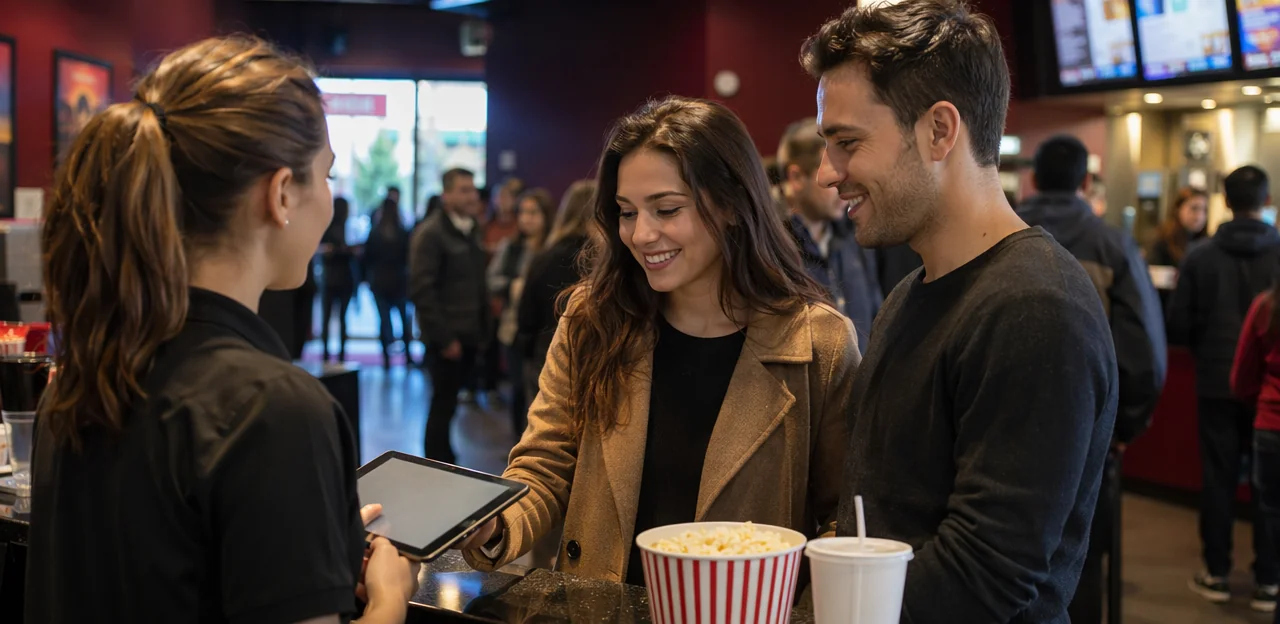
A great film can leave audiences talking for days, but their impression of the cinema itself is often formed in moments: the speed of entry, the comfort of the seats, the cleanliness of the screens, the quality of concessions, and how quickly problems are resolved. For both multiplex operators and independent cinemas, understanding those moments is essential to improving loyalty, protecting reputation, and creating a better overall guest experience.
That is where cinema feedback best practices become so valuable. When cinemas collect feedback consistently, at the right touchpoints, and in a way that is easy for guests to complete, they gain far more than survey data. They uncover operational issues earlier, identify patterns across locations or showtimes, and make smarter decisions about staffing, facilities, and audience experience.
In this article, we will explore the most effective ways to gather, manage, and act on cinema feedback across different types of venues. We will cover how multiplex and independent cinemas can choose the right feedback methods, what questions to ask, where to capture responses, and how software tools, including solutions like Tapsy, can support real-time insights. Whether your goal is to reduce complaints, improve repeat visits, or refine the full moviegoing journey, these strategies will help build a more responsive cinema experience.
Why cinema feedback matters for modern cinema operations
How feedback shapes audience experience and loyalty
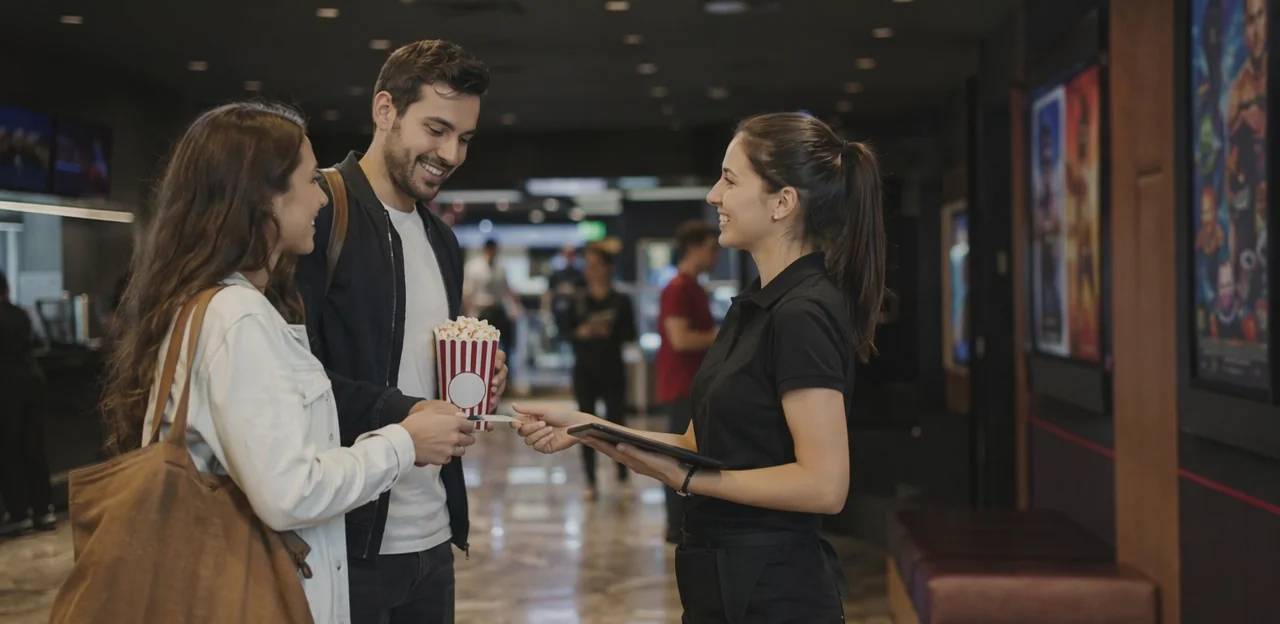
Listening to moviegoers is not optional—it is central to cinema feedback best practices. Feedback helps cinemas spot what improves the audience experience, from seat comfort and sound quality to queue times and concession service. When issues are addressed quickly, cinema customer satisfaction rises, making guests more likely to return and recommend the venue.
- Boost repeat visits: Act on common complaints and preferences to create a smoother, more enjoyable trip.
- Strengthen word-of-mouth: Happy guests leave better reviews and share positive experiences.
- Support every cinema model: Multiplex chains can benchmark locations at scale, while independent cinemas can build loyalty through personal, responsive service.
Tools like Tapsy can help capture real-time insights at key touchpoints.
Common feedback challenges in multiplex and independent cinemas
Applying cinema feedback best practices looks different for every venue:
- Multiplex cinema feedback often means handling large response volumes across multiple screens, showtimes, and teams. The challenge is turning high-volume data into clear actions, such as spotting recurring issues with sound, seating, or concession queues.
- Independent cinema feedback is usually limited by smaller teams, tighter budgets, and less advanced software. Simple, low-cost tools with quick setup often work better than complex survey platforms.
- Staffing and follow-up also differ: multiplexes may need automated alerts and dashboards, while independents benefit from short forms and easy manual review.
- Choose technology that matches scale; for smaller venues, lightweight QR-based tools such as Tapsy can simplify collection and response.
What actionable cinema feedback looks like
Strong cinema feedback best practices focus on specific, measurable details rather than vague comments like “it was bad” or “great experience.” Useful actionable customer feedback tells teams what happened, where, and what to fix for real cinema operations improvement.
- Seating comfort: broken recliner, limited legroom, stained upholstery
- Sound quality: volume too low, unclear dialogue, speaker distortion
- Cleanliness: sticky floors, unclean toilets, overflowing bins
- Concessions: long queues, cold popcorn, missing items
- Staff service: slow ticket scanning, unclear directions, unfriendly interactions
The best feedback systems also capture location, screen number, and showtime. Tools like Tapsy can help cinemas collect this feedback in real time, making faster fixes possible.
Cinema feedback best practices for collecting useful audience insights

Choose the right feedback channels for your audience
Strong cinema feedback best practices start with matching the channel to the moment and audience. Use a mix of customer feedback channels to capture both instant reactions and deeper insights.
- In-person surveys: Best right after a screening or at concessions, when impressions are fresh. Keep them to 1–2 questions to reduce queue friction.
- Email follow-ups: Ideal for loyalty members and online bookers. Send within 24 hours and link to a short cinema feedback survey with mobile-friendly design.
- QR code forms: Great in foyers, on seats, or receipts. They work best when no app download is required; tools like Tapsy can help streamline this.
- Mobile apps: Useful for frequent visitors already engaged with your brand.
- Social media listening: Monitor spontaneous sentiment and recurring complaints.
- Review platforms: Track public feedback on Google and TripAdvisor, then use patterns to improve operations.
Ask better questions to get better responses
Strong survey question design is central to cinema feedback best practices. Keep every question short, specific, and neutral so guests can answer quickly and honestly in a movie theater customer survey.
- Ask about one thing at a time:
Use “How would you rate screen brightness?” instead of “How was the picture and sound?” - Be specific to the touchpoint:
Ask “How easy was it to book tickets online?” or “How long did you wait at concessions?” - Balance ratings with open text:
Pair a score question with “What could we improve before your next visit?” - Cover key operational areas:
Screenings: seat comfort, sound, temperature
Concessions: queue speed, product availability, value
Booking: checkout speed, payment issues, seat selection
Facilities: cleanliness, toilets, parking, signage
Tools like Tapsy can help collect this feedback at the right cinema touchpoints.
Time feedback requests for higher response rates
Timing is one of the most important cinema feedback best practices because it directly influences both recall quality and feedback response rates. Ask too early, and guests have little to assess; ask too late, and details fade.
- After ticket purchase: Send a short question about booking ease, seat selection, or payment experience while the transaction is still fresh.
- Post-visit survey: Request feedback within 2–12 hours after the film ends to capture accurate impressions of screens, sound, cleanliness, and staff service.
- After loyalty interactions: Trigger surveys after points redemption, membership signup, or reward use to measure programme satisfaction.
- After special events: Follow up quickly after premieres, private hires, or family screenings, when expectations and emotions are strongest.
Keep surveys short and mobile-friendly. Tools such as Tapsy can help cinemas capture feedback at the right touchpoint, improving completion and enabling faster service recovery.
Using cinema software to manage feedback effectively

Key features to look for in cinema feedback software
When evaluating feedback management software, focus on tools that help you act quickly, not just collect responses. Strong cinema software selection should include:
- Survey automation: Trigger post-visit surveys automatically after ticket purchase, concession orders, or loyalty interactions.
- CRM integration: Connect feedback with customer profiles to personalise follow-up and link sentiment to visit history.
- Sentiment tracking: Use text analysis to spot recurring issues around sound, seating, cleanliness, queues, or staff service.
- Dashboard reporting: Choose clear, real-time dashboards that show trends by site, screen, showtime, or film.
- Audience segmentation: Compare feedback from families, loyalty members, premium screen visitors, and first-time guests.
- Urgent issue alerting: Instant alerts for low scores or safety, cleanliness, and service complaints support faster recovery.
These capabilities support practical cinema feedback best practices across both multiplex and independent cinemas.
Integrating feedback with ticketing, loyalty, and POS systems
One of the most effective cinema feedback best practices is connecting surveys to the systems that already track the guest journey. With strong ticketing system integration and cinema loyalty software, feedback becomes far more actionable than standalone ratings.
- Link responses to bookings: Match feedback to film, screen, showtime, seat type, and booking channel to spot patterns by experience.
- Add customer context: Use loyalty data to compare first-time visitors, members, and high-frequency guests.
- Connect concession behavior: POS data shows whether low scores correlate with queue times, stock issues, or poor upsell experiences.
- Measure visit frequency and spend: Identify whether satisfaction drives repeat visits, larger basket sizes, or loyalty engagement.
This connected view helps cinemas prioritize operational fixes, personalize recovery, and make smarter programming and service decisions.
Balancing budget, usability, and scalability
Choosing the right feedback platform means matching today’s needs with tomorrow’s growth. As part of strong cinema feedback best practices, cinemas should compare tools on cost, simplicity, and long-term flexibility.
- Independent cinemas: Prioritize affordable, easy-to-launch tools with simple dashboards, QR-based collection, and minimal training. The best independent cinema software should help small teams act quickly without adding admin burden.
- Multiplex operators: Look for stronger software scalability, including multi-site reporting, role-based access, integrations with CRM or ticketing systems, and location-level benchmarking.
- Usability matters: If frontline staff cannot log issues or managers cannot read reports easily, adoption will drop. Test workflows before committing.
- Plan for growth: Choose software that can start small but support more screens, sites, and feedback channels later. Solutions like Tapsy can suit cinemas that want simple deployment with room to expand.
Turning cinema feedback into operational improvements
Prioritize issues that affect the guest experience most
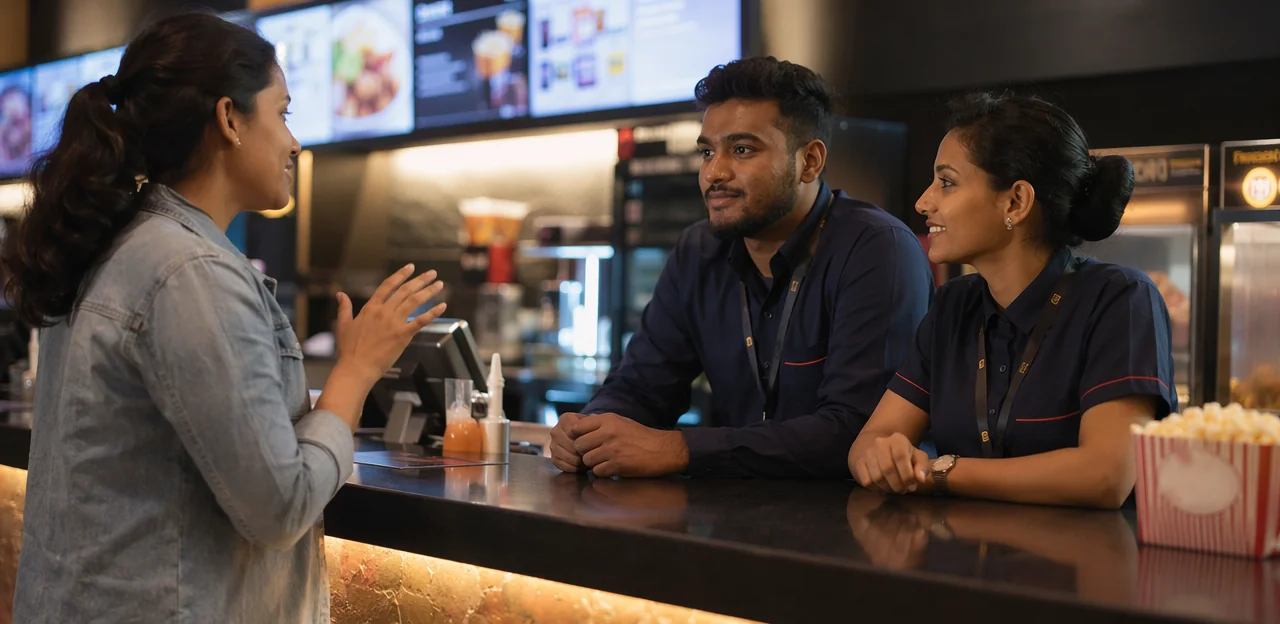
A core part of cinema feedback best practices is ranking issues by frequency, severity, and business impact so teams fix what matters most first. For effective guest experience improvement and stronger cinema service quality, use a simple priority framework:
- Frequency: How often does the same complaint appear across screenings or locations?
- Severity: Does it ruin the visit immediately, such as poor projection, low volume, broken seats, or unclean auditoriums?
- Business impact: Is it likely to reduce repeat visits, concession spend, or online ratings?
Start with the highest-impact categories:
- Projection quality and sound
- Seating comfort and cleanliness
- Wait times at ticketing and concessions
- Staff interactions during entry, service, and issue resolution
Tools like Tapsy can help cinemas capture real-time feedback at these touchpoints and respond faster before complaints turn into negative reviews.
Use feedback to improve programming and concessions
A strong cinema feedback best practices process turns audience comments into practical decisions across both scheduling and spend. Use feedback trends to refine your cinema programming strategy and improve the overall visit:
- Adjust film scheduling: Track requests for extra evening, family, subtitled, or late-night screenings, then match showtimes to real demand.
- Shape event programming: Use comments to test interest in Q&As, themed marathons, sing-alongs, or premium opening-night events.
- Support local community screenings: Identify demand for local filmmakers, cultural festivals, school partnerships, or accessible screenings.
- Improve food and drink: Review concessions feedback to spot pricing concerns, queue issues, and demand for better-value combos, healthier snacks, or local products.
- Refine premium experiences: Feedback can reveal what guests value most in recliners, VIP areas, dine-in service, or upgraded sound and screen formats.
Tools like Tapsy can help capture this feedback in real time at key touchpoints.
Close the loop with customers and staff
One of the most important cinema feedback best practices is showing people that their input leads to action. When guests see a thoughtful customer feedback response, they are more likely to leave feedback again.
- Respond promptly to reviews: Thank customers, acknowledge specific issues, and explain what you are doing next. Avoid generic replies.
- Communicate visible changes: If feedback led to cleaner screens, faster concession service, or better seat maintenance, mention it on social media, email, or in-venue signage.
- Share insights with frontline teams: Use regular huddles and staff feedback training to review recurring themes, celebrate wins, and coach on service recovery.
- Track and close issues internally: Tools such as Tapsy can help route feedback quickly so teams can act before problems escalate.
Visible action builds trust, improves accountability, and encourages future feedback from both customers and staff.
Best practices by cinema type: multiplex vs independent
Multiplex strategies for high-volume feedback management
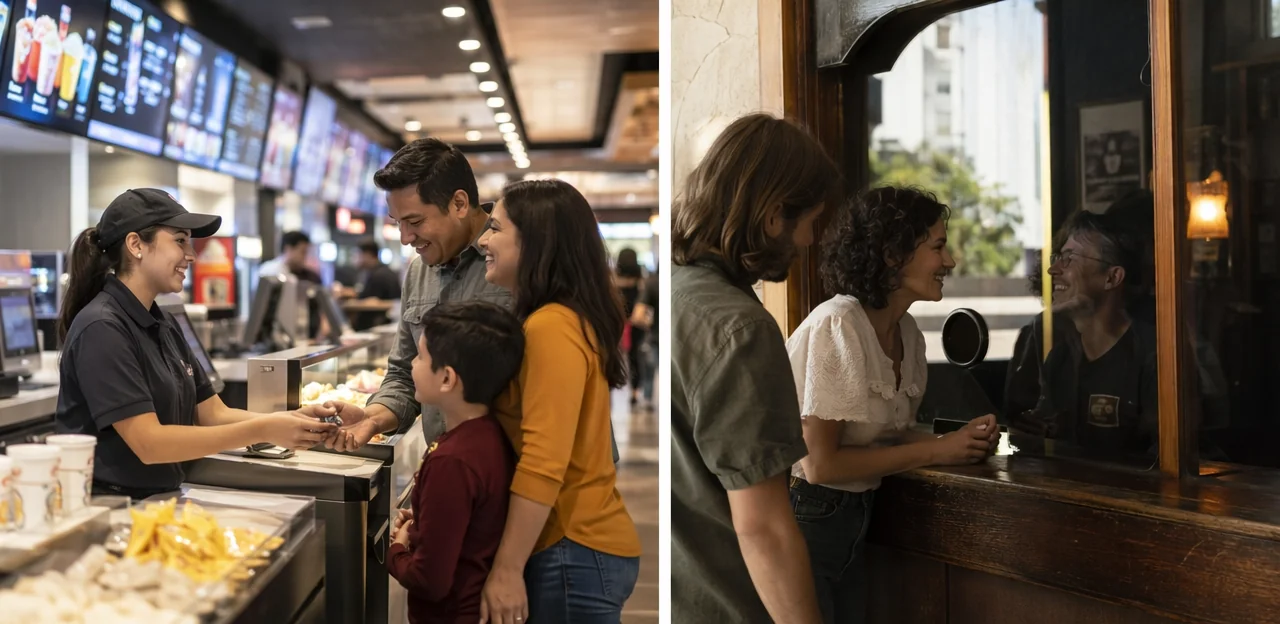
For large chains, cinema feedback best practices should make high-volume data easy to compare and act on across every venue. A strong multi-site cinema management approach includes:
- Standardized surveys so every location measures the same core experience points, from ticketing and concessions to sound, seating, and cleanliness.
- Location benchmarking to compare sites, identify top performers, and spot recurring operational gaps.
- Automated reporting with weekly dashboards and alerts for low scores, helping managers respond faster.
- Segmented analysis by site, screen, format, and customer type to uncover sharper multiplex customer insights.
Tools like Tapsy can support real-time, chain-wide feedback collection and reporting.
Independent cinema strategies for community-driven feedback
For smaller venues, cinema feedback best practices should feel personal, local, and easy to join. Strong community cinema feedback often comes from relationships, not just surveys.
- Ask at community touchpoints: Gather comments after Q&As, themed screenings, film clubs, and local partnerships where conversations happen naturally.
- Use member communities: Email members, volunteers, and season-pass holders with short open-ended prompts to capture richer insights and improve independent theater audience engagement.
- Keep digital tools simple: QR codes on seats, lobby posters, or receipts can link to a quick form or tools like Tapsy for instant feedback.
- Close the loop publicly: Share “you said, we changed” updates to build trust and loyalty.
Adapting best practices without overcomplicating the process
Strong cinema feedback best practices do not require a complicated platform or a long survey. The most effective approach is a simple feedback process your team can manage consistently.
- Start with 1–3 key questions focused on cleanliness, sound and picture quality, and staff service.
- Choose one collection method that fits your audience, such as a QR code at exits or a short follow-up email.
- Set clear internal rules for who reviews feedback and how quickly issues are escalated.
- Track a small number of trends weekly instead of building complex reports no one uses.
These cinema management best practices help multiplexes and independent cinemas improve audience experience without adding unnecessary operational burden.
Measuring success and building a long-term feedback culture

Core KPIs for cinema feedback programs
To make cinema feedback best practices measurable, track a focused set of cinema KPIs and customer satisfaction metrics that connect feedback to revenue and loyalty:
- Response rate: Shows how many guests actually complete surveys or QR feedback.
- Net Promoter Score (NPS): Measures likelihood to recommend your cinema.
- Review sentiment: Monitor themes in Google and social reviews.
- Repeat attendance: Track whether satisfied guests return more often.
- Complaint resolution time: Measure how quickly staff close issues.
- Concession satisfaction scores: Identify food, speed, and value problems.
Use a simple dashboard to review trends weekly and act fast on low-performing touchpoints.
How to review trends and benchmark performance
As part of cinema feedback best practices, review feedback weekly and monthly to spot patterns early, not just isolated complaints. Use feedback trend analysis to track changes in ratings, comments, and issue categories over time.
- Compare locations by cleanliness, queue times, sound quality, and staff service
- Segment audiences by time slot, film type, loyalty members, or family groups
- Flag recurring issues such as cold auditoriums, slow concessions, or poor seat maintenance
- Measure recovery speed and repeat complaint rates for stronger cinema performance benchmarking
Tools like Tapsy can help centralize this data across sites and touchpoints.
Creating a feedback-first culture across the cinema team
To embed cinema feedback best practices into daily operations, every role must treat audience insight as part of the job, not an occasional task. Build a strong feedback culture by making expectations visible and repeatable:
- Leadership: set customer-centric cinema goals, review feedback trends weekly, and act on recurring issues.
- Managers: train teams to ask for feedback, log issues consistently, and close the loop quickly.
- Frontline staff: capture real-time comments at concessions, ticketing, and exits, then escalate problems immediately.
- Reporting: share simple daily or weekly dashboards so teams see progress, accountability, and service improvements.
Conclusion
In today’s competitive exhibition landscape, the cinemas that win audience loyalty are the ones that listen well and act fast. The most effective cinema feedback best practices combine timely collection, simple response flows, touchpoint-specific questions, and clear internal ownership so issues can be resolved before they turn into poor reviews or lost repeat visits. Whether you run a large multiplex or an independent venue, the goal is the same: capture feedback while the experience is still fresh, identify patterns across concessions, seating, cleanliness, sound, and staff service, and use those insights to improve every visit.
Strong cinema feedback best practices also depend on consistency. Track trends over time, compare locations or screens, close the loop with guests when appropriate, and make feedback part of daily operations rather than a one-off survey exercise. Small improvements, repeated consistently, can have a major impact on customer satisfaction, reputation, and revenue.
As a next step, review your current feedback journey, identify your highest-friction audience touchpoints, and choose tools that support real-time insight and action. Solutions such as Tapsy can help cinemas collect instant, no-app feedback at key moments in the guest journey. Start with one location or touchpoint, measure results, and build from there. The sooner you apply smarter cinema feedback best practices, the sooner you create better audience experiences that keep moviegoers coming back.
Frequently Asked Questions
- Why is customer feedback important for cinemas?
Feedback helps cinemas understand the moments that shape the guest experience, such as entry speed, seat comfort, cleanliness, concessions, and problem resolution. When teams act on those issues quickly, they can improve loyalty, protect reputation, and encourage repeat visits.
- How do feedback needs differ between multiplexes and independent cinemas?
Multiplexes usually manage high volumes of responses across many screens, showtimes, and teams, so they need ways to benchmark locations and spot recurring issues at scale. Independent cinemas often work with smaller teams and budgets, so simple, low-cost tools and easy manual review are often more practical.
- What makes cinema feedback actionable?
Actionable feedback is specific, measurable, and tied to a clear part of the visit. Useful examples include broken recliners, low volume, sticky floors, long concession queues, or slow ticket scanning, especially when paired with location, screen number, and showtime.
- Which feedback channels work best for cinema audiences?
A mix of channels works best because different moments call for different methods. In-person surveys suit immediate reactions, email follow-ups work well for loyalty members and online bookers, QR code forms are useful in foyers or on receipts, and social media and review platforms help track public sentiment.
- What kinds of survey questions should cinemas ask?
Questions should be short, neutral, and focused on one topic at a time. Good areas to cover include booking ease, seat comfort, sound, temperature, queue speed, product availability, cleanliness, toilets, parking, and staff service, often with a rating plus a short open-text follow-up.
- When should cinemas ask for feedback to get better response rates?
Timing should match the touchpoint being measured. Booking questions work best right after ticket purchase, while post-visit surveys should usually be sent within 2 to 12 hours after the film ends so details are still fresh.
- What features should cinemas look for in feedback software?
Useful feedback software should help teams act quickly, not just collect responses. Key features include survey automation, CRM integration, sentiment tracking, real-time dashboards, audience segmentation, and urgent issue alerts for low scores or service and cleanliness problems.
- Why should feedback be connected to ticketing, loyalty, and POS systems?
Integration makes feedback more useful because responses can be linked to bookings, showtimes, seat types, loyalty status, and concession behavior. That helps cinemas identify patterns, personalize follow-up, and understand whether satisfaction affects repeat visits, spend, or loyalty engagement.
- How can cinemas choose a feedback platform without overspending?
The best choice balances budget, usability, and room to grow. Independent cinemas should prioritize affordable tools with simple dashboards and quick setup, while multiplex operators may need multi-site reporting, role-based access, and stronger integrations.
- How should cinemas prioritize issues found in guest feedback?
A simple framework is to rank issues by frequency, severity, and business impact. High-priority problems usually include projection and sound quality, seating comfort and cleanliness, wait times at ticketing and concessions, and staff interactions during entry and service.
- Can feedback help improve film scheduling and concessions?
Yes, feedback can guide both programming and spend-related decisions. Cinemas can use it to adjust showtimes, test interest in events like Q&As or themed screenings, support community programming, and improve food and drink choices, pricing, queue management, and premium offers.
- What does it mean to close the loop on cinema feedback?
Closing the loop means showing customers and staff that feedback leads to action. That includes responding to reviews thoughtfully, communicating visible improvements such as cleaner screens or faster concession service, and sharing recurring themes with frontline teams so issues are resolved internally.
- What feedback approach works best for multiplex cinemas?
Multiplexes benefit from standardized surveys, location benchmarking, automated reporting, and segmented analysis by site, screen, format, and customer type. This structure makes large volumes of feedback easier to compare and helps managers respond faster to low scores or recurring operational issues.
- How can independent cinemas collect feedback in a more community-focused way?
Independent cinemas can gather richer feedback by asking at community touchpoints such as Q&As, themed screenings, film clubs, and local partnerships. Short prompts for members, volunteers, and season-pass holders, combined with simple QR code forms and public 'you said, we changed' updates, help build trust and loyalty.
- Which KPIs should cinemas track to measure feedback success?
Useful KPIs include response rate, Net Promoter Score, review sentiment, repeat attendance, complaint resolution time, and concession satisfaction scores. Reviewing these trends weekly in a simple dashboard helps teams spot weak touchpoints early and act consistently over time.