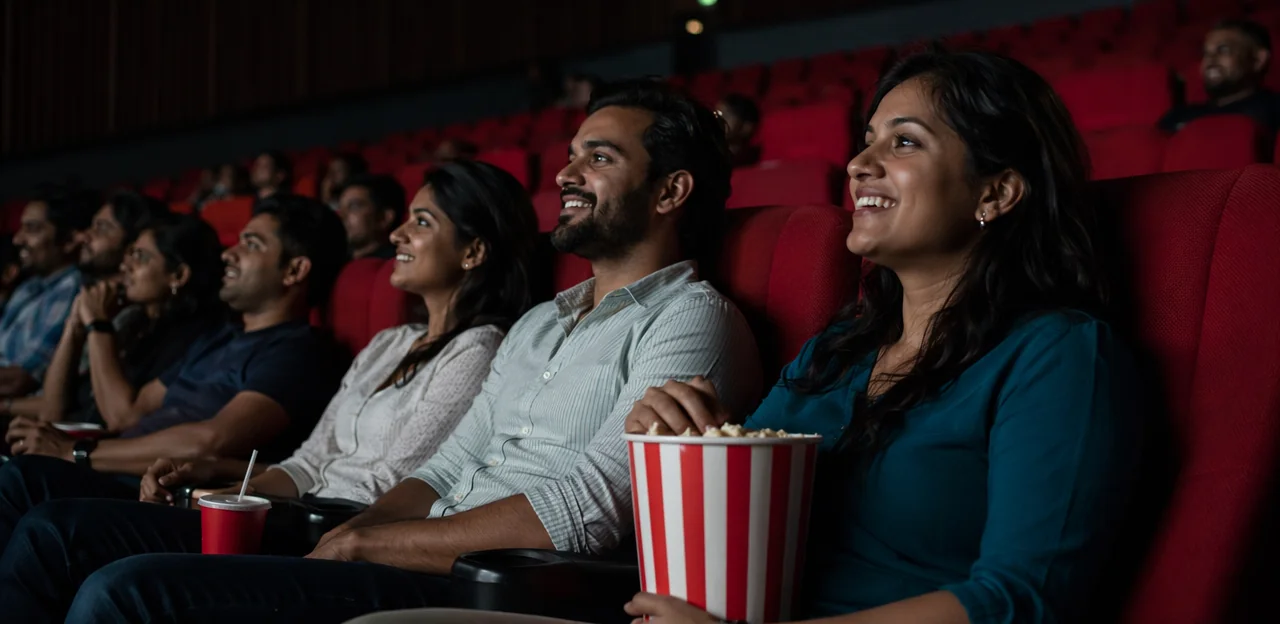
A great cinema experience is made up of more than the film itself. The right showtime, clear sound, comfortable seats, and satisfying snacks all shape how audiences feel from the moment they arrive to the final credits. When even one of these elements falls short, it can affect satisfaction, repeat visits, and online reviews. That is why asking the right cinema feedback questions is so important for modern cinemas that want to understand what guests really think.
Well-designed feedback questions help cinema operators move beyond vague ratings and uncover the specific details that influence audience experience. Was the showtime convenient? Was the audio too loud or not immersive enough? Were the seats clean, spacious, and comfortable? Did the snack options feel fresh, fairly priced, and easy to access? These are the kinds of insights that lead to practical improvements.
In this article, we will explore how to create effective cinema feedback questions focused on showtime convenience, sound quality, seating comfort, and concessions. You will also learn how better survey design can help cinemas collect more useful responses, identify service issues faster, and improve the overall moviegoing experience. In some cases, tools like Tapsy can also support real-time audience feedback at key touchpoints.
Why cinema feedback questions matter for audience experience

How surveys shape cinema operations
Well-structured cinema feedback questions turn audience opinions into clear operational fixes. When paired with smart cinema survey design, they help cinemas spot friction at each stage of the visit and act on patterns, not guesswork.
- Booking: Identify issues with showtime visibility, seat selection, payment errors, or mobile checkout drop-off.
- Arrival: Measure queue times, ticket scanning delays, signage clarity, and staff helpfulness.
- Viewing comfort: Track recurring complaints about sound levels, screen brightness, temperature, legroom, or seat cleanliness.
- Concessions: Reveal wait-time bottlenecks, stock shortages, pricing concerns, and snack quality issues.
This feedback directly informs staffing, maintenance schedules, layout changes, menu planning, and training priorities. Tools like Tapsy can also help capture feedback in real time, allowing teams to resolve problems before they turn into negative reviews.
What makes a good cinema survey question
Strong cinema feedback questions are simple, specific, and easy to answer. Well-written survey questions for cinemas help teams spot issues faster and make better decisions about showtimes, sound, seats, and snacks.
- Be clear: Ask about one thing at a time, such as sound volume or seat comfort, not both in one question.
- Stay neutral: Avoid leading wording like “How great was the sound quality?” and use unbiased phrasing instead.
- Keep it relevant: Match questions to the audience touchpoint, such as trailers, concessions, or auditorium cleanliness.
- Choose the right answer format: Use rating scales for satisfaction, multiple choice for issue types, and optional open text for detail.
Good customer feedback questions improve response quality, reduce confusion, and turn audience opinions into useful operational insights.
When to ask for feedback in the moviegoer journey
The best cinema feedback questions are asked at moments when details are still fresh, but the customer is not distracted. Well-timed surveys improve completion rates and make audience experience feedback more accurate.
- After booking: Ask 1–2 quick questions about website usability, seat selection, pricing clarity, and checkout speed.
- After concession purchases: Capture reactions to queue times, snack availability, pricing, and staff service while the interaction is recent.
- Right after the screening: This is the ideal time for a post-movie survey covering picture quality, sound, comfort, cleanliness, and overall satisfaction.
- Within 24 hours: Send a short follow-up for deeper reflections and open-text comments.
If possible, use touchpoint-based tools like Tapsy to collect feedback in real time, before memories fade or frustration softens.
Cinema feedback questions about showtime and scheduling

Questions about showtime convenience and availability
Strong cinema feedback questions should reveal whether screening times truly match audience routines. Use showtime feedback questions in your movie schedule survey to identify gaps by daypart and audience segment.
- Weekday fit: Ask, “How convenient are our weekday showtimes for your work or school schedule?”
- Weekend demand: Include, “Do our Friday to Sunday screenings offer enough choice for your preferred visit times?”
- Matinee interest: Measure value and timing with, “How likely are you to attend more daytime screenings?”
- Late-night preference: Ask, “Would you like more late-night or last-show options?”
- Availability satisfaction: Include, “Were tickets available at your preferred showtime?”
For better actionability, segment responses by age group, family status, and film genre. Tools like Tapsy can help cinemas collect fast, in-the-moment schedule feedback.
Questions about booking flow and ticket selection
Strong cinema feedback questions should uncover friction before guests even reach the lobby. Add a short ticket purchase survey after confirmation or in-app to measure where drop-offs happen and improve cinema booking feedback quality.
- Online booking ease: “How easy was it to find your film, date, and showtime?”
- App usability: “Did the app load quickly, display clear pricing, and make offers easy to understand?”
- Seat selection: “Was the seating map accurate, easy to read, and simple to use on mobile?”
- Checkout flow: “How smooth was payment, promo code entry, and final confirmation?”
- Barrier detection: “Did anything almost stop you from completing your booking?”
Track answers by device, browser, and location to spot recurring issues fast. Tools like Tapsy can help capture quick feedback at key journey points.
Questions that reveal demand patterns
Use cinema feedback questions to uncover when, how, and why people attend. A strong cinema attendance survey should focus on habits that directly shape scheduling, staffing, and promotions.
- Preferred days and times: Ask, “Which days do you usually visit?” and “What showtimes do you prefer: afternoon, early evening, or late night?” This helps align staffing and screen allocation with real demand.
- Format preferences: Include options such as standard, IMAX, 3D, premium recliner, or subtitled screenings to identify key moviegoer preferences for programming decisions.
- Advance booking habits: Ask, “How far in advance do you usually book?” and “Do you buy online or at the cinema?” These answers improve forecasting, seat inventory planning, and last-minute staffing.
- Segment responses: Compare answers by age group, family status, or visit frequency for sharper scheduling insights.
Cinema feedback questions about sound and screen quality

Questions about audio clarity, volume, and balance
Strong cinema feedback questions should pinpoint whether guests could follow speech, enjoy the soundtrack, and stay comfortable throughout the film. In your audio quality survey, use clear prompts such as:
- Was dialogue easy to hear and understand in all scenes?
- Did the overall volume feel comfortable from start to finish?
- Were sound effects and bass immersive without overpowering voices?
- Did music, dialogue, and effects feel well balanced?
- Were there any moments where the sound was distorted, too loud, or too quiet?
These questions generate useful cinema sound feedback that helps teams identify recurring issues by screen, seat zone, or showtime. For faster issue detection, cinemas can also collect real-time responses through touchpoints like Tapsy, allowing staff to address audio problems before they affect more guests.
Questions about picture brightness and screen quality
Use cinema feedback questions that help identify whether visual issues are affecting the movie theater viewing experience in standard, IMAX, 3D, or premium large-format auditoriums. Strong screen quality feedback should cover both technical performance and audience comfort.
- Was the screen bright enough throughout the movie, including darker scenes?
- Did the picture stay sharp and properly focused from start to finish?
- How would you rate color quality, contrast, and overall image balance?
- Were subtitles easy to read in terms of size, brightness, and placement?
- Did reflections, dim projection, blur, or visual distortion affect viewing clarity?
- Did the screen quality meet expectations for this auditorium format?
Track answers by screen type and seat location to spot recurring projection issues quickly. Tools like Tapsy can help collect this feedback in real time.
How to compare premium and standard auditorium feedback
To improve the premium cinema experience, cinemas should segment auditorium feedback by screen type rather than reviewing all responses together. Build your cinema feedback questions so every survey response is tagged as IMAX, Dolby, 3D, or standard.
- Compare core metrics by format: track picture quality, sound clarity, seat comfort, temperature, cleanliness, and value for money separately.
- Add format-specific questions:
- IMAX: screen scale, brightness, immersion
- Dolby: audio balance, bass, seat vibration, contrast
- 3D: glasses comfort, image sharpness, eye strain
- Standard: consistency, affordability, overall satisfaction
- Benchmark expectations: premium formats usually carry higher ticket prices, so lower tolerance for issues is expected.
- Review comments by auditorium type: this helps uncover recurring technical or comfort problems faster.
Tools like Tapsy can help capture and route format-level feedback in real time.
Cinema feedback questions about seats, comfort, and cleanliness

Questions about seat comfort and legroom
Strong cinema feedback questions should go beyond a simple comfort rating and pinpoint what affects the viewing experience from trailers to credits. A useful seat comfort survey can include:
- Seat cushioning: “How comfortable was the seat padding during the full runtime?”
- Recliner function: “Did the recliner adjust smoothly and stay in position throughout the film?”
- Legroom and spacing: “How satisfied were you with the space between your seat and the row in front?”
- Sightlines: “Could you see the screen clearly without obstruction or needing to adjust posture?”
- Overall comfort: “Did your seat remain comfortable for the entire movie?”
For better cinema seating feedback, pair rating-scale questions with an optional comment field so guests can report worn cushions, broken recliners, or cramped rows.
Questions about cleanliness and maintenance
Cleanliness issues can quickly overshadow a great film, so cinema feedback questions should help teams spot problems that hurt comfort and repeat visits. Use a mix of rating and open-text prompts in your cinema cleanliness survey to uncover recurring issues and prioritize fixes.
- Auditorium cleanliness: Ask whether seats, armrests, aisles, and screens felt clean on arrival.
- Restroom condition: Measure satisfaction with restroom cleanliness, supplies, odors, and maintenance.
- Sticky floors: Include a direct prompt about sticky or dirty floors in lobbies and auditoriums.
- Broken fixtures: Ask guests to report broken cup holders, damaged seats, or loose armrests.
- General upkeep: Capture perceptions of overall theater condition, from lighting to visible wear.
This kind of theater maintenance feedback helps cinemas act faster, reduce complaints, and improve loyalty.
Questions about accessibility and ease of use
Strong cinema feedback questions should help venues understand whether every guest can enjoy the experience comfortably and independently. To gather useful cinema accessibility feedback and improve the inclusive audience experience, include questions around:
- Wheelchair access: Was entry, ticketing, restroom access, and movement to the screen area easy?
- Companion seating: Were adjacent seats available and practical for group attendance?
- Hearing assistance: Did guests know assistive listening devices, subtitles, or captioned screenings were available?
- Navigation: Was signage clear from entrance to auditorium, exits, and facilities?
- Comfort for diverse needs: Ask about legroom, transfer space, lighting, queue management, and sensory-friendly conditions.
Keep questions specific and actionable so staff can identify barriers quickly. Tools like Tapsy can help collect real-time feedback at key cinema touchpoints.
Cinema feedback questions about snacks, concessions, and value

Questions about snack quality and variety
Include cinema feedback questions that uncover how audiences feel about snack freshness, flavor, and choice. Strong concession feedback questions in a cinema snacks survey can help cinemas improve both satisfaction and spend per visit.
- Freshness and taste: “How fresh did your popcorn, nachos, or other snacks taste today?”
- Menu range: “Did the concession menu offer enough variety for your preferences?”
- Dietary options: “Were vegetarian, vegan, gluten-free, or lower-sugar options available and easy to find?”
- Expectation match: “Did the snack selection meet your expectations for quality, value, and choice?”
- Open feedback: “What snack items would you like us to add or improve?”
Keep questions short and specific to generate clear, actionable responses.
Questions about speed of service and ordering
Use cinema feedback questions to uncover where concession delays frustrate guests most and how to fix them. A strong snack bar survey should focus on the full ordering journey, not just food quality.
- Ask about queue times: “How long did you wait to order?” and “Was the line length acceptable for the showtime?”
- Measure mobile ordering: “Was mobile ordering easy to find, use, and complete?”
- Evaluate staff helpfulness: “Did team members explain options, handle issues, and keep the line moving?”
- Review pickup efficiency: “Was your order ready on time and clearly organized for collection?”
This concession service feedback helps cinemas adjust staffing, improve peak-time workflows, and streamline pickup zones. For real-time touchpoint feedback, tools like Tapsy can also help capture issues while guests are still on-site.
Questions about pricing and perceived value
Use cinema feedback questions that separate price from experience, so you learn whether guests object to the cost itself or the value delivered. For strong cinema pricing feedback and a useful value for money survey, ask:
- “Were our snacks priced fairly for the portion size and quality?”
- “Did combo deals feel like good value compared with buying items separately?”
- “Were premium items worth the extra cost based on taste, freshness, or convenience?”
- “How satisfied were you with pricing at the concession stand?”
Add a follow-up comment box for specifics. If possible, trigger these questions right after purchase or post-show using QR feedback tools such as Tapsy.
How to turn cinema survey responses into improvements

Choosing the right survey format and rating scale
To get useful cinema feedback questions, match the format to the type of insight you need:
- Use survey rating scales for measurable trends, such as sound quality, seat comfort, screen brightness, or snack satisfaction. A 1–5 or 1–10 scale makes it easy to compare locations, showtimes, and films over time.
- Use multiple choice when you want clear reasons behind a score, such as “What affected your experience most?” with options like queues, temperature, or audio.
- Use yes-no questions for simple checks, like whether staff resolved an issue.
- Use open-ended questions to capture details and improvement ideas.
A strong cinema customer survey combines all four for balanced, actionable insights.
Analyzing feedback by location, format, and audience segment
To get more value from cinema feedback questions, analyze responses beyond overall averages. Strong cinema feedback analysis shows where issues actually happen and who experiences them most.
- By theater location: Compare branches to spot recurring issues with cleanliness, snack quality, or staff service.
- By screen format: Split feedback by standard, IMAX, 3D, or premium seating to identify format-specific sound, picture, or comfort problems.
- By visit time: Review matinee, evening, weekend, and opening-night responses separately to uncover staffing or queue-related patterns.
- By customer profile: Use audience segmentation such as families, couples, loyalty members, and frequent moviegoers to see how expectations differ.
Tools like Tapsy can help organize touchpoint-level feedback in real time.
Using feedback to improve retention and repeat visits
Well-designed cinema feedback questions help operators turn one-off visits into loyal habits. To support customer retention for cinemas and keep improving audience experience, use survey data to act visibly and fast:
- Prioritize recurring pain points such as unclear showtimes, poor sound balance, uncomfortable seats, or slow snack service.
- Fix high-impact issues first by focusing on complaints that affect the most guests or damage overall satisfaction.
- Communicate improvements through email, social posts, lobby signage, or app messages: “You asked, we improved.”
- Reward feedback and return visits with offers, loyalty perks, or targeted promotions based on audience preferences.
Tools like Tapsy can help cinemas capture real-time insights and respond before dissatisfaction turns into lost repeat business or negative word-of-mouth.
Conclusion
Well-designed cinema feedback questions give operators a clear view of what audiences actually experience, from showtime accuracy and smooth entry to sound quality, seat comfort, cleanliness, and snack satisfaction. When these questions are specific, timely, and easy to answer, they reveal the moments that shape whether a guest leaves delighted, disappointed, or ready to return.
The most effective cinema feedback questions focus on the details that matter most: Was the film started on time? Was the audio balanced and immersive? Were the seats comfortable and well maintained? Were snacks fresh, fairly priced, and served quickly? Together, these insights help cinemas move beyond guesswork and make practical improvements that strengthen the overall audience experience.
As a next step, review your current survey flow and remove vague or repetitive questions. Build short, targeted surveys around each touchpoint, test response rates, and track patterns by screen, showtime, and concession area. If you want a faster way to collect in-the-moment feedback inside the venue, tools like Tapsy can help capture audience input at the exact point of experience.
Start refining your cinema feedback questions today, and turn every screening into an opportunity to improve service, boost satisfaction, and encourage repeat visits.
Frequently Asked Questions
- Why are cinema feedback questions important for audience experience?
They help cinemas understand the specific parts of the visit that affect satisfaction, repeat visits, and reviews. Instead of relying on vague ratings, operators can identify issues with showtimes, sound, seating, cleanliness, and snacks and turn them into practical improvements.
- What makes a good cinema survey question?
A strong question is simple, specific, neutral, and easy to answer. It should focus on one topic at a time, match the relevant touchpoint, and use the right format such as rating scales, multiple choice, or optional open text.
- When should cinemas ask customers for feedback?
Useful moments include after booking, after concession purchases, right after the screening, and within 24 hours. Asking at these points keeps details fresh while improving completion rates and response accuracy.
- What should cinemas ask about showtime convenience?
Questions should cover whether weekday and weekend screenings fit customer routines, whether matinee or late-night options are appealing, and whether tickets were available at the preferred time. These responses help identify scheduling gaps by audience type and visit pattern.
- How can feedback improve the booking flow and ticket selection process?
Cinemas can ask how easy it was to find the film, date, and showtime, whether the app was clear and fast, and whether the seating map and checkout worked smoothly. Tracking responses by device, browser, and location helps reveal where booking friction or drop-offs happen.
- What kinds of questions reveal cinema attendance patterns?
Useful questions ask which days customers usually visit, what showtimes they prefer, which formats they choose, and how far in advance they book. Segmenting these answers by age group, family status, or visit frequency supports better scheduling, staffing, and promotions.
- How should cinemas collect feedback about sound quality?
They should ask whether dialogue was easy to understand, whether volume stayed comfortable, and whether music, effects, and voices felt balanced. It is also helpful to ask if any sound was distorted, too loud, or too quiet so recurring issues can be traced by screen, seat zone, or showtime.
- What should be included in screen and picture quality feedback?
Good questions cover brightness, sharpness, focus, color quality, contrast, subtitle readability, and any reflections or blur. Responses should also be reviewed by screen type and seat location to detect projection problems more quickly.
- Why should premium and standard auditorium feedback be analyzed separately?
Different formats create different expectations, especially when premium tickets cost more. Separating IMAX, Dolby, 3D, and standard responses makes it easier to compare picture, sound, comfort, cleanliness, and value while spotting format-specific issues.
- How can cinemas ask better questions about seat comfort?
Instead of only asking for an overall comfort score, cinemas should ask about seat padding, recliner function, legroom, spacing, sightlines, and comfort over the full runtime. Adding an optional comment field helps guests report specific problems like worn cushions or broken recliners.
- What should a cinema cleanliness and maintenance survey cover?
It should ask about seat and auditorium cleanliness, restroom condition, sticky floors, broken fixtures, and the overall upkeep of the venue. This makes it easier to prioritize maintenance and reduce complaints that can overshadow the film itself.
- How do cinema feedback questions support accessibility improvements?
They can identify whether wheelchair access, companion seating, hearing assistance, signage, and navigation are working well for guests. Specific questions about transfer space, lighting, queue management, and sensory-friendly conditions help teams find and remove barriers.
- What should cinemas ask about snacks and concessions?
Questions should cover freshness, taste, menu variety, dietary options, and whether the selection met expectations for quality and value. Open feedback can also reveal which snack items customers want added or improved.
- How can cinemas measure concession speed and pricing fairly?
They should separate service questions from value questions by asking about queue times, mobile ordering, staff helpfulness, pickup efficiency, and then pricing satisfaction. It is also useful to ask whether combo deals felt worthwhile and whether premium items justified their extra cost.
- How should cinemas turn survey responses into real improvements?
They should use rating scales for trends, multiple choice for reasons, yes-no questions for simple checks, and open-ended responses for detail. Then they should analyze results by location, format, visit time, and audience segment, fix recurring high-impact problems first, and clearly communicate improvements to guests.