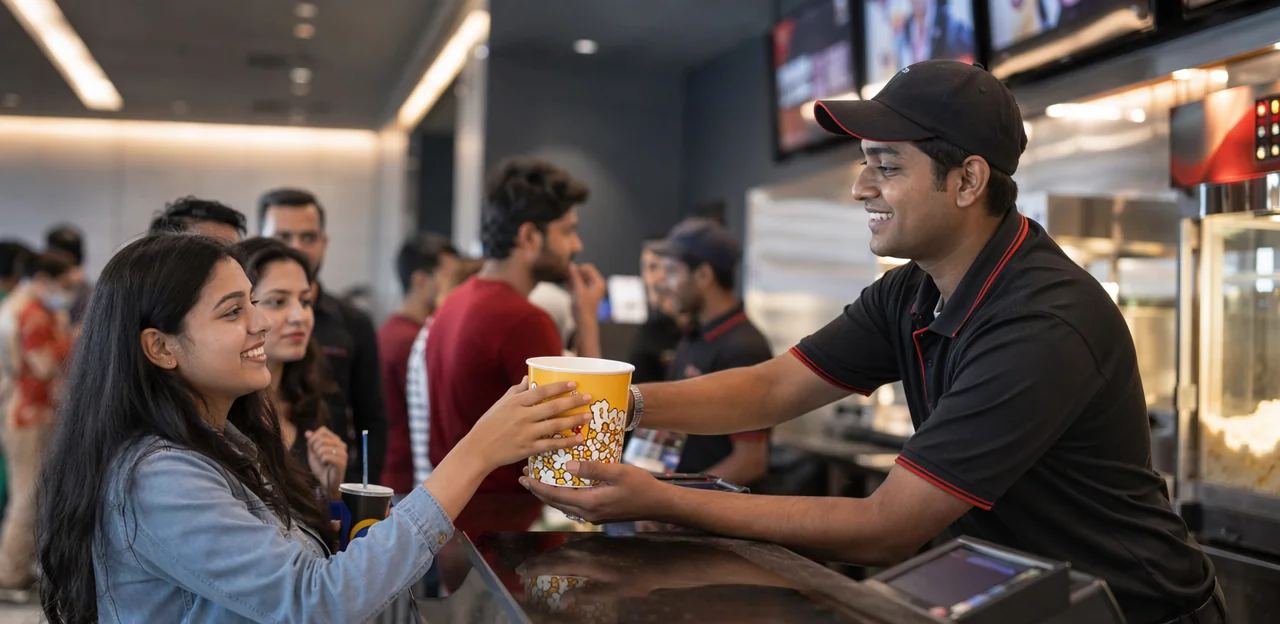
A great film can still be overshadowed by poor sound, long concession lines, uncomfortable seating, or a theater that feels less than spotless. For cinemas, that means the screening experience is shaped by far more than what happens on the screen. Every touchpoint—from ticketing and lobby flow to auditorium comfort and post-show impressions—plays a role in whether guests leave satisfied, return for another visit, and recommend the venue to others.
That is why cinema operations feedback has become such a valuable tool for modern exhibitors. When cinemas capture audience reactions in real time, they gain practical insight into what is working, what needs immediate attention, and where small operational improvements can make a major difference. Instead of relying only on delayed reviews or occasional surveys, operators can respond faster and improve each showtime while the experience is still fresh in guests’ minds.
In this article, we will explore how cinema operations feedback helps improve audience experience across screenings, concessions, cleanliness, staffing, and venue management. We will also look at how real-time feedback systems, including solutions like Tapsy, can help cinemas identify issues sooner, benchmark performance, and create smoother, more enjoyable visits for every moviegoer.
Why cinema operations feedback matters for modern cinemas
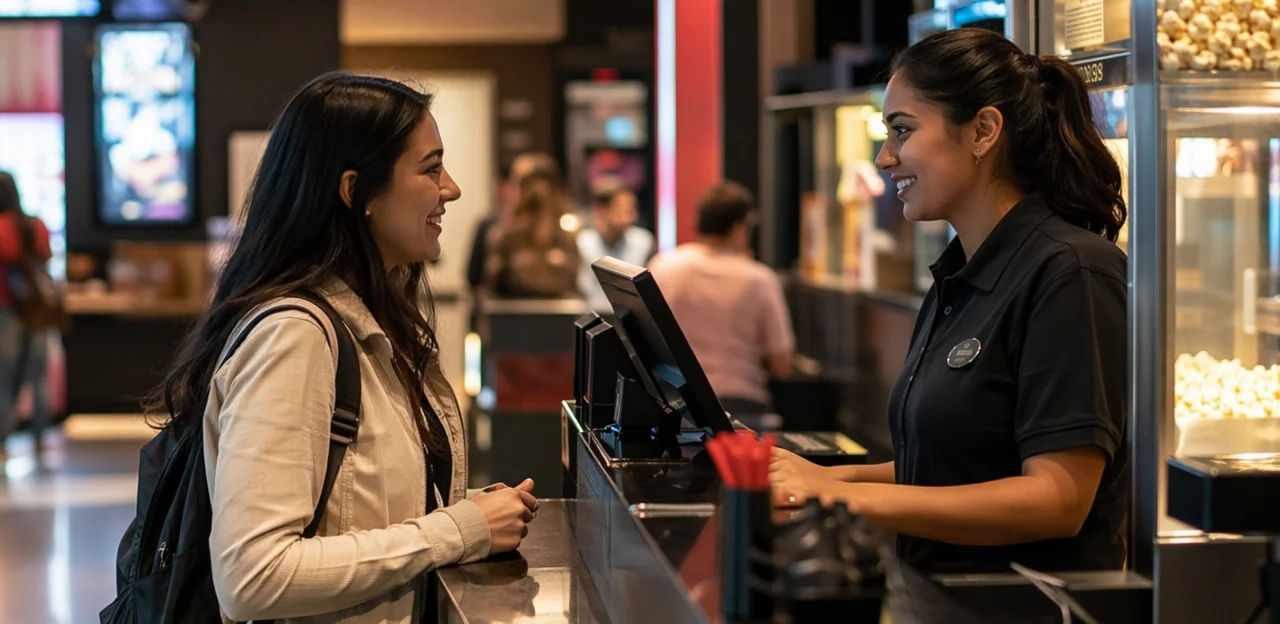
Connecting audience experience to daily operations
Every guest impression is an operational signal. Cleanliness reflects housekeeping routines, sound and picture quality reveal projection and maintenance standards, seating comfort points to inspection schedules, and staff service shows how well teams are trained, staffed, and supported. That is why cinema operations feedback should be treated as operational intelligence, not just opinion.
- Track by touchpoint: monitor restroom, lobby, auditorium, concession, and seat-specific feedback.
- Link feedback to teams: route issues to cleaning, technical, front-of-house, or management immediately.
- Spot patterns fast: repeated comments about low volume or dirty armrests usually indicate process gaps, not isolated complaints.
- Act in real time: tools like Tapsy can help capture in-the-moment cinema customer feedback before audiences leave.
Used well, feedback improves both daily execution and the overall audience experience.
How feedback impacts revenue, loyalty, and reputation
Effective cinema operations feedback does more than fix complaints; it directly supports revenue growth and stronger brand performance. When cinemas listen and respond quickly, they improve cinema audience satisfaction and create more reasons for guests to return.
- Repeat visits increase: Better sound, cleaner auditoriums, faster entry, and smoother seating all strengthen customer loyalty in cinemas.
- Concession sales grow: Feedback on queues, menu variety, pricing, and bundle appeal helps operators remove friction and boost per-guest spend.
- Online reviews improve: Fast service recovery can turn a poor screening into a positive review, supporting stronger cinema reputation management.
- Brand trust builds over time: Small operational fixes, repeated consistently, shape a dependable experience that protects long-term profitability.
Tools like Tapsy can help capture and act on feedback while the visit is still fresh.
Common operational blind spots feedback can reveal
Even well-run venues miss recurring cinema operations issues because managers see reports, not always the live guest journey. That is where cinema operations feedback becomes essential: it highlights patterns that internal checks may overlook.
- Delayed screenings: Guests quickly flag trailers running too long, late starts, or slow auditorium turnover.
- Poor auditorium temperature: Repeated complaints about rooms being too hot or too cold often reveal HVAC inconsistencies by screen or showtime.
- Unclear signage: Feedback exposes confusion around screen locations, restrooms, exits, or collection points.
- Understaffed concessions: Long queue comments often indicate scheduling gaps during peak periods.
- Inconsistent cleaning standards: Reports of sticky floors, dirty seats, or untidy restrooms reveal uneven routines.
Using real-time tools such as Tapsy helps cinemas spot screening experience problems early and improve cinema service quality before negative reviews build up.
What to measure in the screening experience

Pre-show touchpoints that shape first impressions
The pre-show experience often determines how guests judge the entire visit. Strong cinema operations feedback should track every step of the cinema guest journey before trailers even begin:
- Online booking: Ensure mobile checkout is fast, seat maps are clear, and confirmation messages are instant.
- Ticket scanning: Keep entry smooth with reliable scanners and enough staffed lanes at peak times.
- Queue times: Use effective cinema queue management at box office and concessions to prevent frustration before seating.
- Wayfinding: Clear signage to screens, restrooms, and snack counters reduces confusion and late arrivals.
- Lobby cleanliness: Tidy floors, bins, and seating areas signal quality and care.
- Concession speed: Short waits and accurate orders improve mood before the film starts.
These early touchpoints shape expectations quickly. Tools like Tapsy can help cinemas capture instant feedback at entrances, lobbies, and counters to spot friction fast.
In-auditorium factors that affect screening quality
Strong screening quality depends on what happens inside the room, not just at the box office. Cinema operations feedback helps teams spot recurring issues and prioritize fixes that directly improve the auditorium experience.
- Sound levels: Track complaints about volume, muffled dialogue, or uneven surround balance to protect cinema sound and picture quality.
- Screen brightness: Feedback can reveal dim projection, poor contrast, or focus problems that reduce immersion.
- Seat comfort: Identify worn cushions, broken recliners, or limited legroom by screen or row.
- Temperature and cleanliness: Repeated comments about stuffy air, cold rooms, sticky floors, or dirty cupholders highlight maintenance gaps.
- Audience behavior management: Reports of phone use, talking, or late seating help refine usher response.
- Punctual start times: Monitor delays caused by cleaning, ads, or technical resets.
Tools like Tapsy can capture these issues quickly after each screening.
Post-visit signals that reveal operational success
Strong cinema operations feedback does not stop when the credits roll. Post-visit feedback shows whether recent fixes are improving the audience experience over time by tracking patterns, not one-off reactions.
- Exit surveys: Measure immediate impressions of sound, picture, cleanliness, queues, and staff helpfulness.
- Review sentiment: Use cinema review analysis to spot recurring praise or frustration across Google, social platforms, and ticketing sites.
- Complaint categories: Group issues like seat comfort, temperature, concessions, or late starts to identify persistent operational weak points.
- Refund requests: Rising or falling refund rates often signal whether service failures are being resolved.
- Repeat booking behavior: One of the clearest customer satisfaction metrics is whether guests return within weeks.
Together, these signals help cinemas confirm if operational changes are delivering lasting results.
Best ways to collect cinema operations feedback
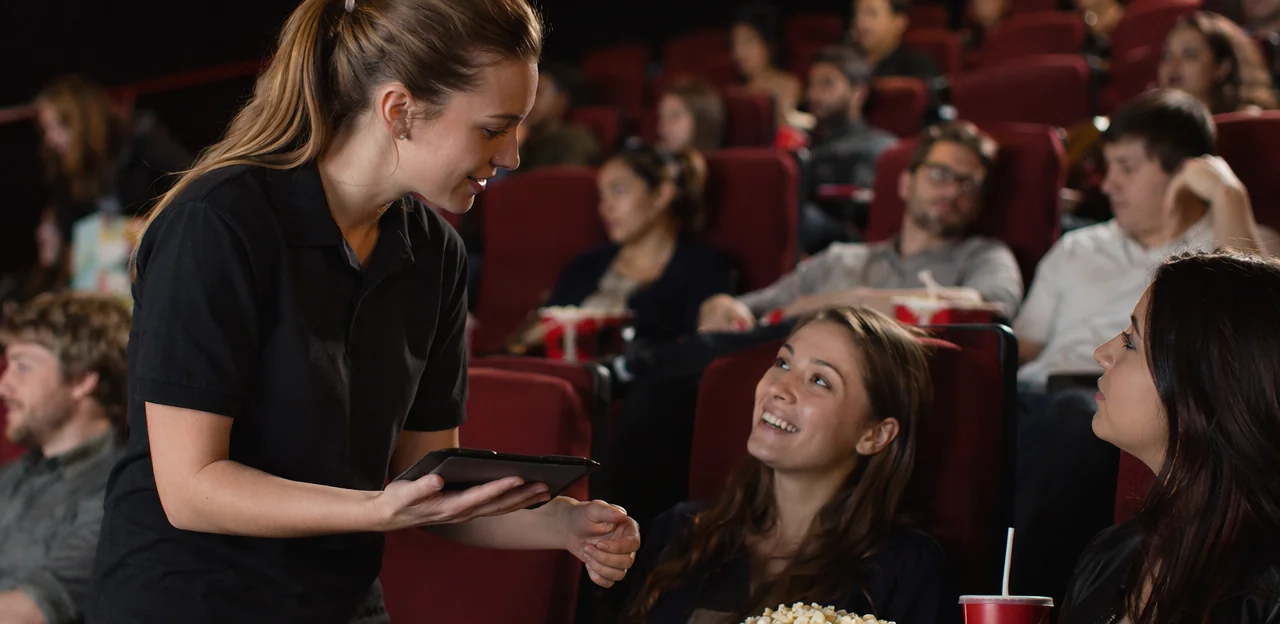
Using surveys, QR codes, and mobile feedback tools
To strengthen cinema operations feedback, make it easy for guests to respond in the moment or shortly after the screening.
- Email surveys: Send within 2–6 hours while details are fresh. Keep cinema feedback surveys to 3–5 questions on sound, picture, comfort, cleanliness, and concessions.
- SMS requests: Use short links for faster completion and higher open rates. Best for same-day follow-up after ticket purchase.
- QR code feedback: Place codes on seat backs, exit doors, receipts, and concession counters so guests can scan instantly.
- In-app prompts: Trigger mobile customer feedback after digital tickets are used or once the film ends.
Keep friction low: use one-tap ratings, optional comments, and mobile-first forms. Ask clear, specific questions, and route urgent low scores quickly. Tools like Tapsy can help capture fast, no-app responses.
Capturing staff observations alongside customer input
Strong cinema operations feedback should never rely on audience comments alone. Ushers, projection teams, box office staff, and concession crews see recurring problems in real time, often before customers report them. Their perspective adds essential frontline operational insights that help managers separate one-off complaints from genuine patterns.
- Ushers spot seating confusion, late arrivals, cleanliness issues, and crowd flow problems.
- Projection teams identify sound, picture, lighting, and equipment faults that affect screening quality.
- Concession staff notice queue bottlenecks, stock shortages, and pricing friction.
Combining staff feedback in cinemas with customer responses creates stronger validation for recurring issues and faster action. A simple cinema team reporting process, ideally logged by shift and screen, helps operations teams prioritize fixes, coach staff, and improve every screening experience.
Monitoring reviews and social sentiment for patterns
Effective cinema operations feedback should combine public reviews with direct guest input. Strong cinema review monitoring starts by tracking Google reviews, Facebook comments, Instagram tags, X mentions, and third-party platforms like TripAdvisor or Yelp for repeated operational issues.
- Group comments into categories: cleanliness, sound quality, screen brightness, seating comfort, queue times, concessions, staff service, and restroom condition.
- Tag sentiment and frequency: use simple social sentiment analysis to mark feedback as positive, neutral, or negative, then identify which themes appear most often.
- Spot location and time trends: compare complaints by branch, auditorium, film type, and showtime.
- Turn insights into action: assign each category to the right manager for faster online feedback management and follow-up.
Tools like Tapsy can also help structure fresh on-site feedback into actionable categories before issues spread online.
Turning feedback into operational improvements

Prioritizing issues by impact and frequency
To turn cinema operations feedback into action, sort every issue using three filters: urgency, customer impact, and operational feasibility. This makes feedback prioritization faster and more consistent.
- Fix urgent, high-impact problems first
Safety risks, severe sound faults, broken seats, or major cleanliness issues should trigger immediate service issue resolution. - Identify quick wins
Frequent but easy-to-fix complaints—such as long concession queues, unclear signage, or understaffed peak showtimes—can often be solved with staffing adjustments, better shift planning, or clearer processes. - Plan larger systemic fixes
Recurring projector, HVAC, or audio problems may require capital investment, vendor support, or scheduled maintenance. - Use a simple priority matrix
Rank issues by frequency and severity to guide smarter cinema operations improvement. Tools like Tapsy can help surface urgent trends in real time.
Creating workflows for response and accountability
Strong cinema operations feedback systems only work when every issue has a clear owner. Build operational workflows that map common problems to the right team:
- Managers: staffing gaps, repeated complaints, refunds, and policy decisions
- Projection teams: sound, picture quality, lighting, temperature controls, and equipment faults
- Cleaning crews: spills, restrooms, seat cleanliness, and waste removal
- Customer service staff: guest complaints, compensation, and follow-up communication
Use simple cinema management processes to keep action moving:
- Log feedback by location, screening, issue type, and urgency
- Assign one accountable owner with a response deadline
- Escalate unresolved or high-risk issues to duty managers
- Close the loop by recording the fix and confirming the outcome
This creates stronger feedback accountability and faster service recovery. Tools like Tapsy can help route alerts in real time.
Closing the loop with audiences and staff
Collecting cinema operations feedback only creates value when people see what happens next. Closing the feedback loop means acknowledging comments quickly, fixing issues, and showing that input leads to action.
- Acknowledge guests promptly: Use clear customer communication in follow-up emails, app messages, signage, or social posts to thank audiences and confirm their feedback was received.
- Communicate visible improvements: Share updates such as cleaner auditoriums, faster concession lines, or sound adjustments so guests connect feedback with real change.
- Report results internally: Regularly brief teams on recurring themes, resolved issues, and positive mentions to strengthen staff engagement in cinemas.
- Recognize employees: Celebrate teams that improve scores or solve common complaints.
Tools like Tapsy can help capture and route feedback quickly. When responsiveness is visible, both guests and employees trust the process more.
KPIs and benchmarks for better cinema operations
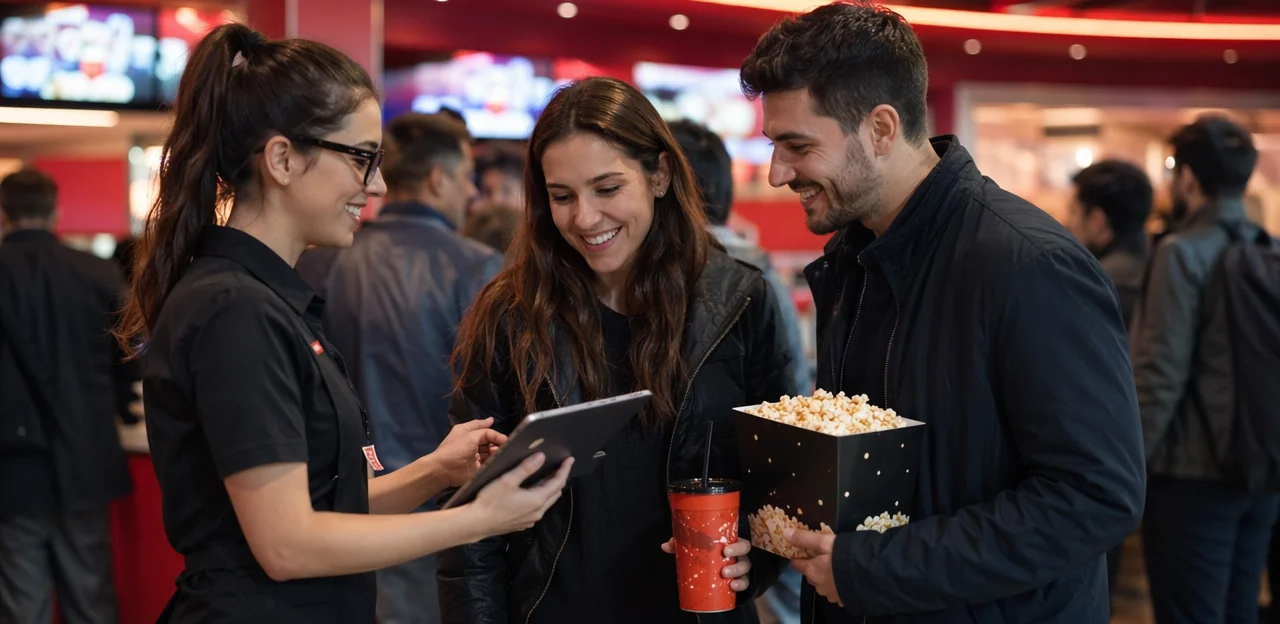
Core metrics to track consistently
To turn cinema operations feedback into action, track a small set of reliable cinema KPIs across every screening:
- Complaint rate per screening: shows which films, showtimes, or auditoriums create the most friction.
- Queue time and concession wait time: key customer experience metrics that directly affect satisfaction before the film even starts.
- Auditorium cleanliness scores: reveal housekeeping consistency by screen, shift, or peak period.
- Technical fault frequency: monitor recurring sound, picture, seating, or temperature issues.
- Net Promoter Score (NPS): measures overall loyalty and likelihood to recommend.
These operational performance metrics connect guest feedback to measurable performance trends, helping managers prioritize fixes, compare locations, and improve the full cinema journey.
How to benchmark locations and screening types
To turn cinema operations feedback into action, build a simple cinema benchmarking framework across your estate:
- Compare venues by core metrics: cleanliness, queue times, sound, picture, seating comfort, and staff helpfulness.
- Break results down by format and occasion: IMAX/Premium Large Format, 3D, standard screens, weekday vs weekend, peak vs off-peak.
- Run screening performance analysis by film category, such as family, blockbuster, horror, or arthouse, to spot where expectations differ.
- Segment feedback by audience type: families, loyalty members, teens, premium ticket buyers, and frequent vs first-time visitors.
This helps multi-site cinema operations identify best-performing sites, replicate winning practices, and target support where experience scores drop.
Using trends to support continuous improvement
Weekly and monthly cinema operations feedback reviews help teams move beyond one-off fixes and build a culture of continuous improvement in cinemas. Instead of reacting to isolated complaints, managers can use feedback trend analysis and cinema performance reporting to spot what keeps happening, when it happens, and whether changes are working.
- Identify recurring issues: repeated comments about sound levels, seat cleanliness, queues, or temperature show where process changes are needed.
- Track seasonal patterns: school holidays, blockbuster releases, and weekend peaks often affect staffing, concessions, and cleaning demand.
- Measure improvement over time: compare scores before and after new staffing plans, maintenance routines, or service training.
Tools like Tapsy can help cinemas capture and review these patterns consistently.
Building a feedback-driven culture in cinema operations
Training teams to view feedback as a growth tool
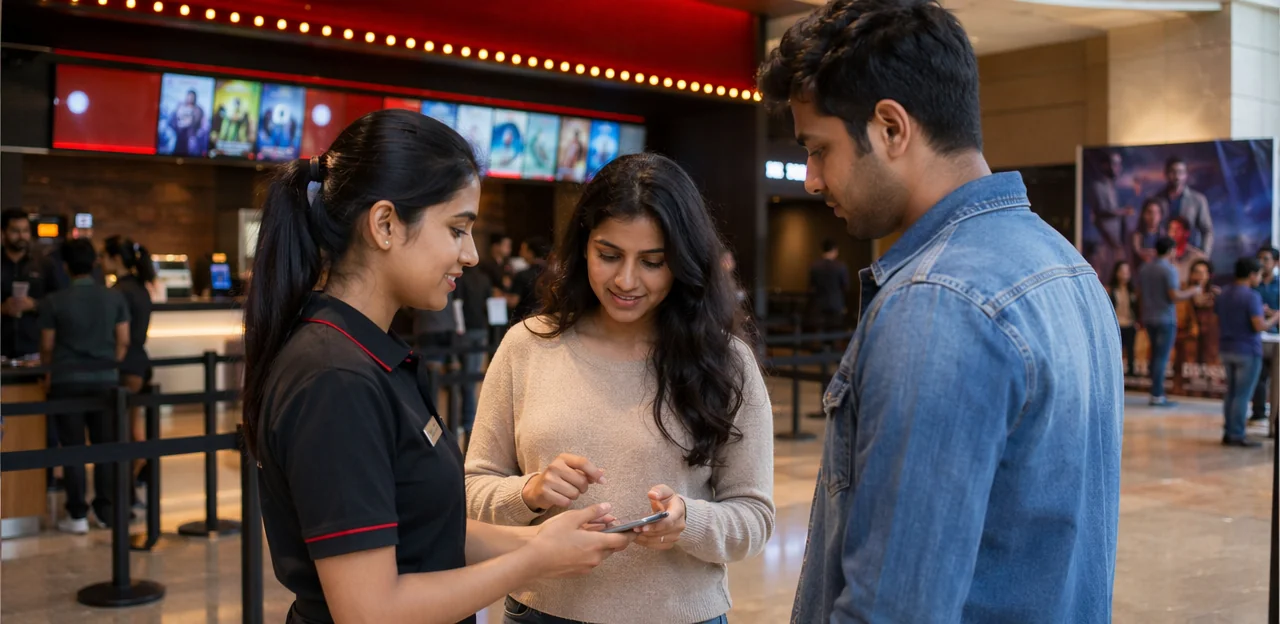
Leaders should present cinema operations feedback as practical operating data, not personal criticism. This helps build a stronger feedback culture and makes cinema staff training more effective.
- Use team briefings to connect feedback to outcomes: cleaner auditoriums, faster concessions, better seating support, and smoother entry all drive audience experience improvement.
- Coach managers to review feedback with curiosity: what happened, what changed, and what action prevents repeat issues.
- Share specific examples so staff see impact: a quicker spill response improves safety, better queue management reduces frustration, and checking sound or temperature before showtime prevents complaints.
Tools like Tapsy can help teams act on real-time patterns quickly.
Aligning operations, technology, and customer service
Strong cinema operations feedback systems only work when every team sees the same signals and acts on them together. A practical cinema operations strategy should connect operations managers, technical teams, guest services, and marketing so issues are fixed quickly and recurring patterns are addressed consistently.
- Operations managers track cleanliness, staffing, queues, and auditorium readiness.
- Technical teams resolve sound, screen, lighting, and seating faults fast.
- Guest services handle recovery, refunds, and real-time audience concerns.
- Marketing uses feedback trends to shape messaging, offers, and loyalty campaigns.
This cross-functional collaboration improves customer service operations by turning shared feedback dashboards and alerts into faster fixes, clearer accountability, and a more reliable screening experience.
Future-proofing the cinema experience through listening
The future of cinema operations depends on how quickly venues adapt to changing audience expectations around comfort, speed, cleanliness, and personalization. That makes cinema operations feedback more than a reporting tool; it is a long-term strategy for improving every screening experience and driving smarter cinema innovation.
- Collect feedback at key touchpoints, not just after visits
- Track patterns by screen, showtime, staff shift, and concessions
- Act on recurring issues before they affect repeat attendance
- Use insights to test upgrades, service changes, and new amenities
Tools like Tapsy can help cinemas capture real-time insights and turn audience input into operational improvements that keep the experience competitive.
Conclusion
In a competitive entertainment market, great films alone are not enough to win repeat visits. The full experience—from ticketing and queues to sound quality, seating comfort, cleanliness, concessions, and staff service—shapes how audiences remember every visit. That is why cinema operations feedback is so valuable: it gives operators real-time insight into what is working, what is falling short, and where immediate action can improve the next screening.
When cinemas consistently collect and act on feedback, they can reduce friction, resolve issues faster, benchmark performance across locations and showtimes, and build stronger audience loyalty. Small operational improvements often lead to big gains in guest satisfaction, positive reviews, and repeat attendance. In other words, cinema operations feedback is not just a reporting tool; it is a practical strategy for delivering better audience experiences at scale.
The next step is to make feedback easy, fast, and available at the moments that matter most. Start by reviewing your key touchpoints, setting up simple feedback channels, and creating clear response workflows for operational issues. For cinemas looking to modernize this process, tools like Tapsy can help capture instant audience feedback through no-app QR or NFC touchpoints. Take action now, turn insight into improvement, and make every screening experience better than the last.
Frequently Asked Questions
- What is cinema operations feedback?
Cinema operations feedback is real-time or near-real-time input about the full moviegoing experience, not just the film itself. It covers touchpoints such as ticketing, lobby flow, concessions, auditorium comfort, cleanliness, staffing, and post-visit impressions.
- Why does cinema operations feedback matter beyond customer opinions?
It works as operational intelligence because guest comments often point directly to process and service issues. Cleanliness, sound quality, seating comfort, and staff service all reflect how well daily operations are being managed.
- How can feedback improve revenue and loyalty for cinemas?
Better sound, cleaner auditoriums, faster entry, and smoother seating can increase satisfaction and encourage repeat visits. Feedback can also reduce friction at concessions, improve online reviews through faster service recovery, and strengthen long-term brand trust.
- What common blind spots can audience feedback reveal in a cinema?
Feedback can expose delayed screenings, poor auditorium temperature, unclear signage, understaffed concessions, and inconsistent cleaning standards. These issues are often missed in internal reports but become obvious when guests report them during or right after the visit.
- Which pre-show touchpoints should cinemas measure most closely?
Key pre-show areas include online booking, ticket scanning, queue times, wayfinding, lobby cleanliness, and concession speed. These early moments shape first impressions and often influence how guests judge the entire visit.
- What should cinemas monitor inside the auditorium?
Important in-auditorium factors include sound levels, screen brightness, seat comfort, temperature, cleanliness, audience behavior, and punctual start times. Tracking these by screen or showtime helps teams identify recurring quality problems faster.
- What post-visit signals show whether operations are improving?
Useful post-visit signals include exit survey responses, review sentiment, complaint categories, refund requests, and repeat booking behavior. Together, these show whether recent fixes are solving persistent issues or if problems are continuing.
- What are the best ways to collect cinema feedback quickly?
Effective methods include short email surveys sent within 2–6 hours, SMS links, QR codes placed around the venue, and in-app prompts after ticket use or once the film ends. Keeping forms mobile-friendly and simple with one-tap ratings helps increase responses.
- Why should staff observations be collected alongside customer feedback?
Staff often notice recurring issues before guests report them, especially ushers, projection teams, box office staff, and concession crews. Combining frontline observations with customer input helps validate patterns and makes it easier to prioritize the right fixes.
- How should cinemas use online reviews and social media comments?
Reviews and social mentions should be grouped into categories such as cleanliness, sound quality, seating comfort, queue times, concessions, and staff service. Tagging sentiment and comparing patterns by branch, auditorium, film type, and showtime helps turn public feedback into operational action.
- How do cinemas decide which operational issues to fix first?
A practical approach is to sort issues by urgency, customer impact, and operational feasibility. Safety risks, severe technical faults, broken seats, and major cleanliness problems should be handled immediately, while frequent low-effort issues can be treated as quick wins.
- What does a strong response workflow for cinema feedback look like?
Each issue should be logged by location, screening, issue type, and urgency, then assigned to one accountable owner with a deadline. Unresolved or high-risk problems should be escalated, and the final fix should be recorded so teams can confirm the outcome.
- How can cinemas close the feedback loop with guests and employees?
They can acknowledge comments quickly, communicate visible improvements, and share results internally with teams. Recognizing employees who improve scores or solve recurring complaints also helps build trust in the process.
- Which KPIs are most useful for tracking cinema operations performance?
Core metrics include complaint rate per screening, queue time, concession wait time, auditorium cleanliness scores, technical fault frequency, and Net Promoter Score. These measures connect guest feedback to operational performance and make it easier to compare locations or showtimes.
- How can tools like Tapsy support cinema operations feedback?
Tools like Tapsy can help cinemas capture instant feedback while the experience is still fresh through no-app QR or NFC touchpoints. They can also support faster issue routing, trend spotting, categorization, and real-time alerts so teams can respond more quickly.