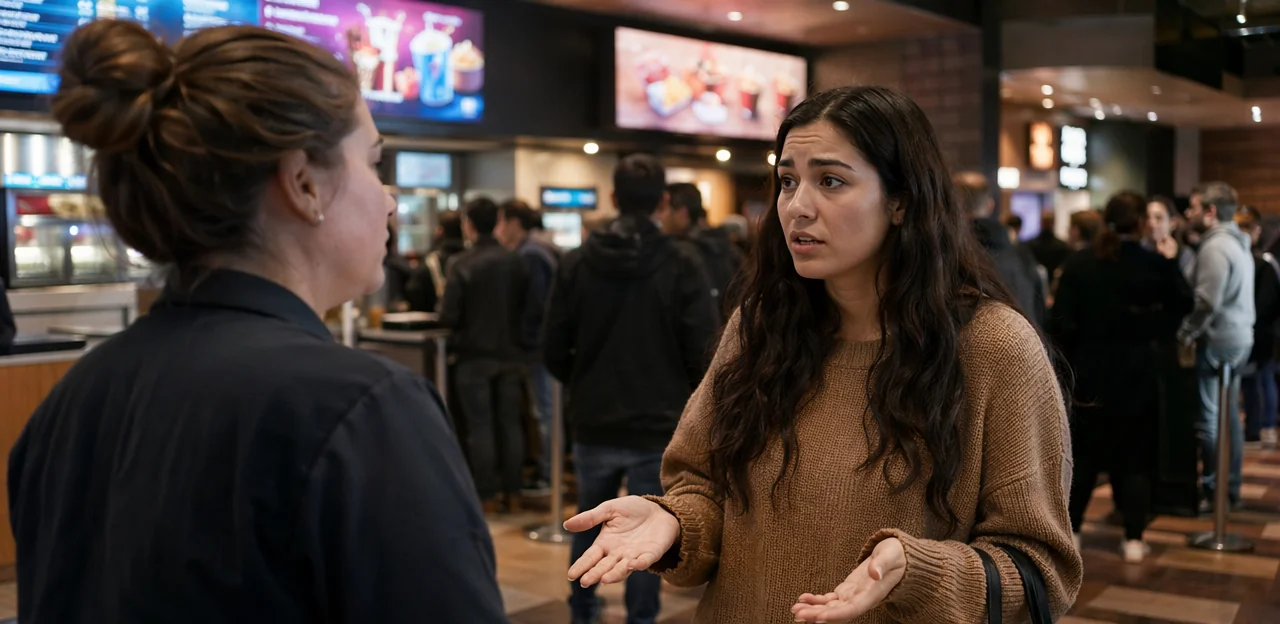
A great film can still end on a sour note if the seats are uncomfortable, the sound is off, the queue is too long, or the popcorn counter feels chaotic. In today’s experience-driven market, those frustrations often surface online first, where a single public complaint can shape how future guests view a cinema long before they buy a ticket. That is why cinema review management has become a critical part of modern cinema operations.
The most effective cinemas do not wait for negative reviews to appear on Google, social media, or ticketing platforms. Instead, they create simple ways for audiences to share private feedback while the experience is still fresh and, ideally, while there is still time to fix the problem. This shift allows teams to recover service faster, protect brand reputation, and turn disappointing moments into positive ones.
In this article, we will explore how private feedback helps cinemas identify operational issues early, respond before complaints go public, and improve the overall audience experience. We will also look at practical service recovery strategies, the role of frontline staff, and how tools such as Tapsy can help capture real-time guest input at key touchpoints throughout the cinema journey.
Why cinema review management matters for modern exhibitors

The link between audience experience and online reputation
In cinema review management, every touchpoint influences the audience experience and, ultimately, public ratings. Guests rarely separate the film from the venue experience, so operational details directly affect cinema reputation management.
- Ticketing: slow checkout, booking errors, or confusing seat selection create frustration before the film starts.
- Cleanliness: dirty floors, sticky armrests, or poor restroom standards quickly signal neglect.
- Sound and picture quality: muffled audio or projection issues can ruin the core product.
- Seating comfort: broken recliners, limited legroom, or temperature problems reduce enjoyment.
- Concessions and staff interactions: long queues, stock issues, or unhelpful service often trigger emotional reactions.
Even minor failures can become instant complaints on Google, social media, and review platforms. Capturing private feedback early helps cinemas fix issues before they damage reputation.
How public complaints affect revenue and trust
Public complaints do more than damage reputation; they directly reduce revenue. A pattern of negative reviews can influence moviegoers before they ever visit, especially when they compare local cinemas online.
- Lower ticket sales: Poor ratings make guests choose competing venues.
- Reduced repeat visits: One unresolved issue can turn a regular customer into a one-time visitor.
- Weaker local search performance: Frequent negative reviews can hurt visibility in map results and review platforms.
- Declining cinema customer trust: Guests may assume problems with cleanliness, sound, seating, or service are ongoing.
This is why cinema review management needs a structured process: capture private feedback early, respond quickly, fix operational issues, and follow up before frustration becomes public. Tools like Tapsy can help cinemas collect real-time feedback and support faster service recovery.
Why private feedback creates a competitive advantage
Private feedback gives cinemas a chance to catch frustration early, before it turns into damaging public reviews. In cinema review management, that early signal is valuable because it protects reputation while improving the guest experience in real time.
- Spot issues faster: Guests can report poor sound, long concession queues, dirty seats, or temperature problems before leaving the venue.
- Enable immediate action: Staff can resolve issues during the same shift, making private feedback a practical service recovery strategy.
- Support marketing goals: Fewer public complaints improve ratings, while better recoveries increase loyalty and repeat visits.
- Strengthen operations: Repeated feedback patterns reveal where staffing, cleaning, or maintenance need adjustment.
Tools like Tapsy can help cinemas collect and route this feedback quickly at key touchpoints.
Building a private feedback system before guests post publicly

Choosing the right feedback channels for cinema guests
Effective cinema review management starts with offering the right feedback option at the right moment. A strong cinema feedback system should match channel choice to guest behavior and visit context:
- Post-visit SMS surveys: Best for high response rates after standard ticket purchases and loyalty members. Keep each post-visit survey short and mobile-friendly.
- Email requests: Ideal for advance bookings, family visits, and premium experiences where guests may give more detailed comments.
- QR codes in auditoriums and lobbies: Capture in-the-moment reactions on sound, seating, cleanliness, or queues before frustration becomes a public complaint.
- App prompts: Work well for frequent visitors and members already using your cinema app.
- Kiosk surveys: Useful for older audiences, walk-ins, or locations with lower app usage.
Tools like Tapsy can help connect QR-based feedback to fast service recovery.
Asking the right questions to uncover real issues
Effective cinema review management starts with a short, focused cinema guest survey that guests can complete in under a minute. The goal is to surface operational problems early, before they become public complaints.
Use a simple structure:
- Ask 3–5 rating-based customer feedback questions on key touchpoints:
- Queue times at ticketing or concessions
- Picture and sound quality
- Auditorium temperature
- Cleanliness and seat comfort
- Staff helpfulness and speed
- Add one open-text question such as: “What was the main issue today?”
Rating questions make trends easy to track by showtime, screen, or location, while open-text responses explain the “why” behind low scores. This combination helps teams spot recurring pain points fast and act on them. Tools like Tapsy can help collect this feedback in real time at cinema touchpoints.
Timing feedback requests for better response rates
In cinema review management, the best feedback timing depends on the goal: capture details, increase customer response rates, and resolve issues before they become public complaints.
- After booking: Send a short pre-visit check-in to confirm expectations, accessibility needs, or special requests. This works best for service preparation, not full experience feedback.
- Immediately after the screening: This is ideal for recall. Guests still remember sound quality, seat comfort, cleanliness, queues, and staff interactions, so responses are more accurate and detailed.
- Within 24 hours: Follow up while the visit is still fresh, but give guests enough time to respond calmly. This window is often best for service recovery before a negative review is posted.
Tools like Tapsy can help cinemas collect fast, private feedback at the right moment.
Turning private feedback into effective service recovery

Creating escalation paths for urgent cinema complaints
Strong cinema review management depends on moving high-risk issues to the right person without delay. Build a simple complaint escalation framework so frontline teams know exactly what to do when feedback mentions rude staff, accessibility failures, refund disputes, or technical screening problems.
- Define issue categories: map each complaint type to an owner, such as duty manager, projection lead, accessibility coordinator, or general manager.
- Set response deadlines: for example, technical failures within 10 minutes, accessibility issues immediately, and refund disputes within 24 hours.
- Use clear triggers: low ratings, keywords like “unsafe,” “discrimination,” or “screen went blank” should create instant alerts.
- Track accountability: every case needs one named owner, status updates, and a documented resolution.
Tools like Tapsy can help route urgent feedback in real time, improving cinema service recovery before complaints go public.
Responding with empathy, speed, and practical solutions
Strong cinema review management starts with a fast, human customer complaint response. When guests share private feedback, aim to reply quickly and de-escalate before frustration turns into a public post.
- Acknowledge the issue clearly: Thank the guest, name the specific problem, and avoid generic replies.
- Apologize appropriately: Offer a sincere apology without sounding defensive, especially for issues like sound quality, cleanliness, seating, or long queues.
- Provide fair guest recovery: If the problem significantly affected the visit, offer a refund, voucher, or complimentary upgrade when justified.
- Explain corrective action: Tell the guest what will be checked, fixed, or escalated so they know their feedback matters.
- Rebuild confidence: Invite them back with a clear next step and a helpful tone.
Tools like Tapsy can help teams capture and route issues quickly for faster guest recovery.
Closing the loop and reducing public negative reviews
Effective cinema review management does not end when a complaint is received. Strong customer follow-up helps guests feel heard, confirms the issue was resolved, and supports review prevention before frustration turns into a public post.
- Send a follow-up message within 24–48 hours to confirm what action was taken.
- Apologize clearly, summarize the resolution, and invite the guest back with a small gesture such as a ticket credit or concession offer.
- Ask if the outcome feels fair before directing them to any public review channel.
Just as important, document every outcome: the complaint, response time, staff actions, compensation offered, and final guest status. This creates accountability, reveals repeat issues, and helps teams refine service recovery. Tools like Tapsy can support fast private feedback capture and follow-up workflows.
Using review insights to improve cinema operations
Identifying recurring issues across locations and showtimes
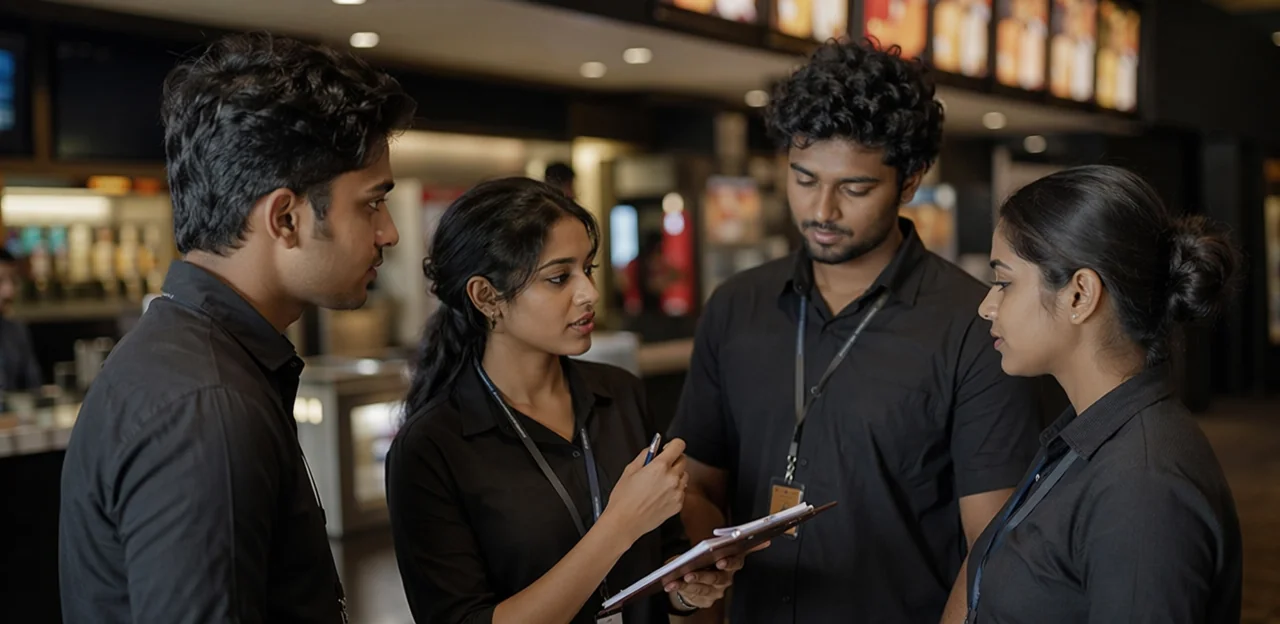
Strong cinema review management depends on structured feedback analysis, not isolated comments. Tag every private response by location, auditorium, film format, daypart, and staffing pattern so patterns become visible across your cinema operations.
- By site: Compare complaint rates across branches to spot local maintenance or leadership issues.
- By auditorium: Repeated mentions of sound, temperature, or seating often point to equipment or cleaning gaps.
- By film format: Premium screens, 3D, or IMAX complaints may reveal calibration or expectation mismatches.
- By daypart: Evening or weekend spikes can indicate queue pressure, turnover problems, or delayed checks.
- By staffing pattern: Recurring issues on certain shifts often signal training, scheduling, or supervision weaknesses.
When the same complaint appears repeatedly, treat it as a process failure, not a one-off incident. Tools like Tapsy can help benchmark trends faster.
Connecting feedback to staffing, training, and maintenance
Private feedback is most useful when cinema review management turns comments into clear operational actions across teams. Instead of treating issues as isolated complaints, map them to owners and response standards:
- Staff training: Repeated mentions of slow greetings, unclear seating help, or poor issue handling should trigger targeted coaching for ushers, box office, and concession teams.
- Cleaning schedules: Comments about sticky floors, overflowing bins, or restroom conditions can justify revised pre-show, mid-shift, and post-show cleaning checks.
- Concession workflows: Queue complaints may signal the need for faster line setup, better staffing by showtime peaks, or simplified handoff processes.
- Cinema maintenance: Reports on broken recliners, cupholders, temperature swings, or weak airflow should feed directly into seat repairs and HVAC inspections.
- Projection quality control: Feedback on dim screens, sound imbalance, or blurry image quality should prompt routine booth checks and escalation rules.
Cross-functional accountability ensures every pattern has an owner, deadline, and follow-up.
Tracking KPIs that matter for review management
Strong cinema review management depends on measuring the right signals, not just counting star ratings. Focus on review management KPIs and customer satisfaction metrics that reveal where service recovery is working and where operations need attention:
- Response time: Track how quickly staff acknowledge private feedback and negative reviews.
- Issue resolution rate: Measure the percentage of reported problems fully resolved within a set timeframe.
- Repeat complaint categories: Identify recurring issues like sound quality, cleanliness, queues, or seating comfort.
- Private feedback volume: Monitor how many guests choose internal feedback before posting publicly.
- Review score trends: Watch average ratings by location, screen, or showtime.
- Return-visit indicators: Measure voucher redemption, loyalty activity, or repeat bookings after recovery.
Used consistently, these KPIs turn feedback into continuous improvement. Tools like Tapsy can help cinemas capture and monitor these signals in real time.
Balancing private feedback with public review strategy

Encouraging satisfied guests to share public reviews ethically
A strong cinema review management approach invites praise without filtering out criticism. The goal of ethical review generation is to ask all guests fairly, then make it easy for happy customers to share honest feedback publicly.
- Ask for reviews after a positive moment, such as a smooth checkout, clean auditorium, or resolved issue.
- Use neutral language: “If you’d like, please share your experience on Google or Tripadvisor.”
- Never gate requests by only directing happy guests to public platforms while hiding unhappy ones.
- Use private feedback tools first to improve service, not to suppress legitimate criticism.
- Make your public review strategy transparent, consistent, and voluntary.
Tools like Tapsy can help collect private feedback quickly while keeping public review requests ethical.
Responding to public complaints when they still happen
Even with strong cinema review management, some complaints will still appear publicly. The goal is to show professionalism, protect privacy, and support online reputation management with calm, consistent replies.
- Respond quickly and politely: Thank the guest, acknowledge the issue, and avoid sounding defensive.
- Take accountability: If the problem was real, apologize clearly and explain that the team is reviewing it.
- Protect privacy: Never discuss booking details, staff names, or personal information in public.
- Move resolution offline: Invite the guest to continue by direct message, email, or phone so you can resolve specifics privately.
- Close the loop: Use patterns from responding to negative reviews to improve operations and prevent repeats.
Avoiding common mistakes in cinema review management
Strong cinema review management depends on speed, relevance, and follow-through. Common review management mistakes can quickly damage trust and weaken recovery efforts:
- Slow responses: Waiting days to reply makes guests feel ignored and increases the chance of public complaints.
- Generic apologies: Scripted replies without specifics rarely improve cinema customer service or rebuild confidence.
- Ignoring root causes: If recurring issues like sound quality, cleanliness, or queue times are not fixed operationally, complaints will keep returning.
- Overcomplicated surveys: Long forms reduce response rates and delay useful insights.
- Poor frontline training: Staff need clear authority and guidance to resolve issues before they escalate.
Tools like Tapsy can help cinemas capture fast, simple private feedback and act earlier.
Implementation roadmap for cinema review management

A step-by-step rollout plan for single sites and chains
- Choose the right tool: Pick a simple platform for QR, SMS, or email feedback with real-time alerts and location-level reporting. For chains, ensure it supports multi-site cinema operations and role-based access.
- Set up short surveys: Ask 2–4 questions on sound, cleanliness, queues, and staff service, plus one optional comment.
- Assign ownership: Independent cinemas can route alerts to a duty manager; chains should define site, regional, and central support responsibilities.
- Create escalation rules: Trigger immediate action for low scores, safety issues, or repeat complaints.
- Report consistently: Review daily alerts, weekly trends, and monthly site comparisons.
- Pilot first: Test your cinema review management plan at one location or a small cluster before scaling. Tools like Tapsy can help streamline rollout.
Technology tools that support feedback and recovery
A strong cinema review management process depends on connected tools that turn private feedback into fast action:
- Cinema CRM: Store guest history, preferences, visit frequency, and past issues so teams can personalize apologies, offers, and recovery outreach.
- Survey tools: Trigger post-visit SMS, email, or QR surveys to capture problems before they become public reviews.
- Reputation management software: Monitor Google, Facebook, and review sites, route negative sentiment, and track response times.
- Help desks: Assign complaints to operations, concessions, or front-of-house teams with clear SLAs.
- Dashboard reporting: Surface trends by location, screen, showtime, and staff shift.
When integrated with ticketing and loyalty systems, these tools improve segmentation, automate follow-up, and make recovery more relevant. Solutions like Tapsy can also help capture in-venue feedback instantly.
What success looks like after 90 days
After 90 days, effective cinema review management should deliver visible, measurable gains across guest experience and operations:
- Faster complaint resolution: private feedback reaches staff before frustration turns into public criticism.
- Fewer negative reviews: more issues are solved in-house, reducing damaging online posts.
- Review score improvement: ratings begin to rise as repeat problems are fixed consistently.
- Clearer operational insights: trends around cleanliness, queues, sound, seating, or concessions become easier to spot.
- Stronger customer loyalty: guests feel heard, recover trust faster, and are more likely to return.
Ongoing optimization checklist:
- Track low-score themes weekly
- Set response-time targets
- Close the loop with guests
- Reward feedback participation
- Review location and showtime trends monthly
Conclusion
In the end, strong cinema review management is not about suppressing criticism. It is about creating better opportunities to hear guests early, respond quickly, and resolve problems before they turn into damaging public complaints. When cinemas make private feedback easy to share at the right moments—after ticket purchase, during concessions, or right after a screening—they gain real-time insight into issues like sound quality, seating comfort, cleanliness, queues, and staff service. That visibility makes faster service recovery possible and helps protect both reputation and repeat attendance.
The most effective cinema review management strategies combine smart feedback collection with clear internal workflows, team accountability, and timely follow-up. Instead of waiting for a one-star review to reveal an operational problem, cinema operators can identify patterns, fix friction points, and improve the overall audience experience while it still matters.
Now is the time to review your current feedback journey and ask whether guests have a simple, private way to speak up before they post publicly. Start by auditing key touchpoints, setting alert rules for low scores, and tracking the issues that appear most often. If you want a practical way to capture instant in-venue feedback, tools like Tapsy can help. Take the next step by building a proactive cinema review management process that turns complaints into improvements—and visitors into loyal moviegoers.
Frequently Asked Questions
- What is cinema review management?
Cinema review management is the process of collecting guest feedback early, responding quickly, and fixing issues before they become public complaints. It focuses on protecting reputation while improving the audience experience across touchpoints like ticketing, seating, sound, cleanliness, and concessions.
- Why do private feedback channels matter for cinemas?
Private feedback channels give guests a simple way to report problems while the visit is still fresh and sometimes while staff can still fix them. That helps cinemas recover service faster, reduce public complaints, and learn about operational issues before they damage trust.
- Which cinema problems are most likely to trigger negative public reviews?
Common triggers include slow ticketing, booking errors, dirty facilities, poor restroom standards, sound or projection problems, uncomfortable seating, long concession queues, and unhelpful staff. Guests often judge the whole visit, not just the film, so even small failures can lead to public criticism.
- How can public complaints affect a cinema's revenue and trust?
Negative reviews can lower ticket sales by pushing moviegoers toward competing venues. They can also reduce repeat visits, weaken local search visibility, and make guests assume problems with service or facilities are ongoing.
- What feedback channels work best for cinema guests?
Useful options include post-visit SMS surveys, email requests, QR codes in auditoriums and lobbies, app prompts, and kiosk surveys. The best choice depends on guest behavior, visit type, and whether the goal is fast in-the-moment feedback or more detailed follow-up.
- What should a cinema guest survey include?
A strong survey should be short enough to complete in under a minute and usually include 3 to 5 rating questions plus one open-text question. Good topics include queue times, picture and sound quality, temperature, cleanliness, seat comfort, and staff helpfulness.
- When should cinemas ask for feedback to get better response rates?
Feedback can be requested after booking, immediately after the screening, or within 24 hours of the visit. Immediate requests capture accurate details, while follow-up within a day often works well for calm responses and service recovery before a public review is posted.
- How should cinemas handle urgent complaints like technical failures or accessibility issues?
They should use a clear escalation framework that assigns each issue type to a specific owner, such as a duty manager, projection lead, or accessibility coordinator. Response deadlines, instant alerts for serious keywords or low ratings, and documented ownership help teams act without delay.
- What makes a good service recovery response in a cinema?
A good response acknowledges the exact issue, apologizes sincerely, and avoids generic language. It should also offer a fair recovery when justified, explain what action will be taken, and invite the guest back with a clear next step.
- Why is closing the loop after a complaint important?
Following up within 24 to 48 hours shows the guest that the issue was taken seriously and confirms what was done to resolve it. Documenting the complaint, response time, actions taken, and final outcome also helps teams spot repeat issues and improve recovery processes.
- How can cinemas use feedback to improve operations across locations and showtimes?
They can tag feedback by site, auditorium, film format, daypart, and staffing pattern to find recurring trends. Repeated complaints about sound, temperature, seating, queues, or cleaning should be treated as process failures that need operational fixes.
- What operational areas should be adjusted based on recurring guest feedback?
Recurring feedback can guide staff training, cleaning schedules, concession workflows, maintenance priorities, and projection quality control. Each pattern should have a clear owner, deadline, and follow-up so problems are not treated as isolated incidents.
- Which KPIs are most useful for cinema review management?
Useful KPIs include response time, issue resolution rate, repeat complaint categories, private feedback volume, review score trends, and return-visit indicators such as voucher redemption or repeat bookings. These measures show whether service recovery is improving both operations and guest loyalty.
- How can cinemas encourage public reviews without using unethical review gating?
They should ask all guests fairly and use neutral language when inviting reviews on platforms like Google or Tripadvisor. Private feedback should be used to improve service, not to hide criticism or send only happy guests to public review sites.
- What does a practical rollout plan for cinema review management look like?
A practical rollout starts with choosing a simple tool for QR, SMS, or email feedback, then setting up short surveys and assigning alert ownership. After that, cinemas should create escalation rules, review daily and weekly reporting, pilot the process at one site or a small group, and then scale it more broadly.