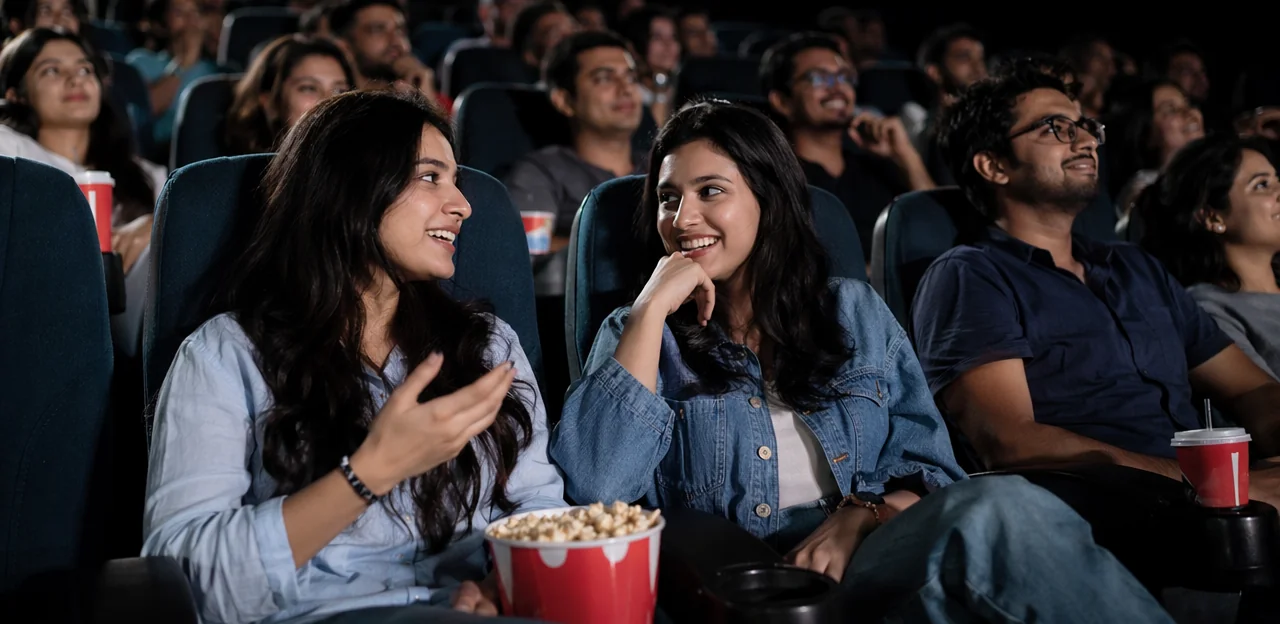
A great cinema experience is about more than the screen and sound. For many moviegoers, comfort begins the moment they find their seat. Whether it is limited legroom, awkward sightlines, cramped row spacing, or premium recliners that transform a night out, seating plays a major role in how audiences judge the overall visit. That is why cinema seating feedback has become such an important part of understanding customer satisfaction and improving the in-theater experience.
As cinemas compete to bring people back for a more enjoyable, premium outing, audience opinions on comfort and layout offer valuable insight into what works and what frustrates guests. Small details, such as armrest width, seat cushioning, accessibility, aisle design, and the distance from the screen, can have a lasting impact on reviews, repeat visits, and concession spending.
This article explores what audiences commonly say about cinema seating, the most frequent comfort and layout complaints, and the features that earn the strongest praise. It will also look at how cinemas can use real-time feedback tools, including solutions like Tapsy, to capture audience sentiment during the visit and make smarter decisions about seating design, upgrades, and customer experience improvements.
Why cinema seating feedback matters to audience experience

How seating influences overall cinema satisfaction
Seat quality often shapes the first impression of a cinema before the film even begins. Clean, supportive seats, clear legroom, and a well-planned auditorium layout immediately improve the audience experience, while cramped rows or poor sightlines can lower expectations from the start.
- During the film: Comfortable seating reduces distraction, helping guests stay immersed for longer and increasing concession dwell time before and after the screening.
- After the visit: Positive cinema seating feedback often appears in reviews, influencing reputation and future bookings.
- For operators: Better layouts and seat maintenance directly support cinema customer satisfaction, stronger repeat attendance, and fewer complaints.
Tracking seat-specific feedback helps cinemas identify layout issues early and improve loyalty over time.
What audiences mention most in reviews and surveys
Across cinema seating feedback, the same pain points appear repeatedly in cinema seat reviews and customer feedback cinemas collect:
- Legroom and row spacing: Tight layouts make it hard to pass seated guests and reduce overall movie theater seating comfort, especially during long films.
- Cushioning and support: Audiences often praise plush seats but quickly notice flat padding, poor lumbar support, or discomfort after an hour.
- Recline function: Recliners earn strong approval when smooth and spacious, but broken or limited recline creates frustration.
- Armrest space: Shared armrests trigger surprisingly emotional reactions, with many guests linking cramped personal space to a poorer experience.
- Cleanliness: Stains, crumbs, and worn upholstery strongly affect comfort perceptions and trust.
Tracking these themes in real time with tools like Tapsy helps cinemas fix issues before they become negative public reviews.
Why layout complaints often affect revenue and loyalty
Cinema seating feedback often reveals issues that directly influence repeat business, not just comfort. When guests struggle with poor sightlines, cramped rows, obstructed views, or awkward access, the result is a weaker overall visit and lower intent to return.
- Reduced repeat visits: Layout frustrations make premium pricing feel unjustified, weakening cinema loyalty.
- Negative brand perception: In customer experience cinemas, seating problems are often remembered more than the film itself.
- Lower spend per visit: Dissatisfied guests are less likely to buy upgrades, snacks, or premium seats next time.
- Actionable operations insight: Reviewing cinema layout feedback by screen or row helps operators prioritise redesigns, access improvements, and seat allocation policies.
Capturing real-time feedback with tools like Tapsy can help teams fix recurring layout pain points before they damage retention.
What audiences say about comfort in cinema seating

Legroom, seat width, and personal space expectations
In cinema seating feedback, comfort is rarely judged by cushioning alone. Audiences consistently link satisfaction to three basics: cinema legroom, seat width cinema standards, and enough elbow room to avoid feeling crowded. When any of these are limited, even a strong film experience can feel less enjoyable.
- Standard screens: Guests usually accept simpler seating, but still expect enough knee clearance for easy entry and exit without disturbing a full row.
- Premium formats: Expectations rise quickly. Viewers want comfortable cinema seats with wider bases, better armrest separation, and more recline space.
- Luxury cinemas: Personal space becomes part of the product. Generous spacing, fewer seats per row, and clear separation between guests strongly influence perceived value.
For operators, the takeaway is practical: measure complaints about cramped rows, narrow seats, and shared armrests by screen type. Tools like Tapsy can help capture in-the-moment feedback, making it easier to match layout decisions with audience expectations and pricing.
Recliners, cushioning, and support during longer films
Cinema seating feedback often shows that comfort matters most during long screenings, double features, and major blockbuster releases. Audiences consistently rate recliner cinema seats higher when they combine soft cushioning with proper structure rather than feeling overly plush or unsupportive.
Key patterns in feedback include:
- Lumbar support: Viewers notice quickly when lower-back support is missing, especially in films over two hours.
- Cushioning density: Seats should feel padded without sinking too deeply, which can strain hips and posture over time.
- Posture support: A well-angled backrest and stable footrest help reduce fidgeting and discomfort.
- Recline range: Smooth, adjustable positioning improves cinema seat comfort for different body types.
For operators, investing in premium cinema seating can justify higher ticket prices when the upgrade is obvious and reliable. Clear maintenance standards also matter: worn padding, uneven recline, or poor neck support can undermine the premium experience. Collecting in-seat feedback after long screenings can help identify which seat designs truly improve comfort and repeat visits.
Temperature, cleanliness, and maintenance as comfort factors
In cinema seating feedback, audiences often judge comfort by more than cushion softness. Movie theater comfort is closely tied to how well seats and surrounding fixtures are maintained. Stained fabric, cracked armrests, sagging padding, or sticky cupholders can make even premium seating feel neglected.
Key issues audiences frequently mention include:
- Cinema seat cleanliness: visible marks, odors, dust, and leftover debris reduce trust in overall hygiene
- Wear and tear: flattened upholstery, broken recline functions, loose armrests, and damaged legroom features lower perceived comfort
- Cupholder usability: cupholders that are sticky, too shallow, or broken create frustration during the film
- Auditorium temperature: rooms that are too hot or overly cold quickly distract from the viewing experience
Strong cinema maintenance standards improve comfort perceptions because they signal care and reliability. Operators should inspect seats daily, deep-clean upholstery regularly, and track recurring complaints by auditorium. Tools like Tapsy can help cinemas capture real-time feedback on temperature, cleanliness, and seat condition before negative reviews build up.
How cinema layout affects viewing quality and convenience
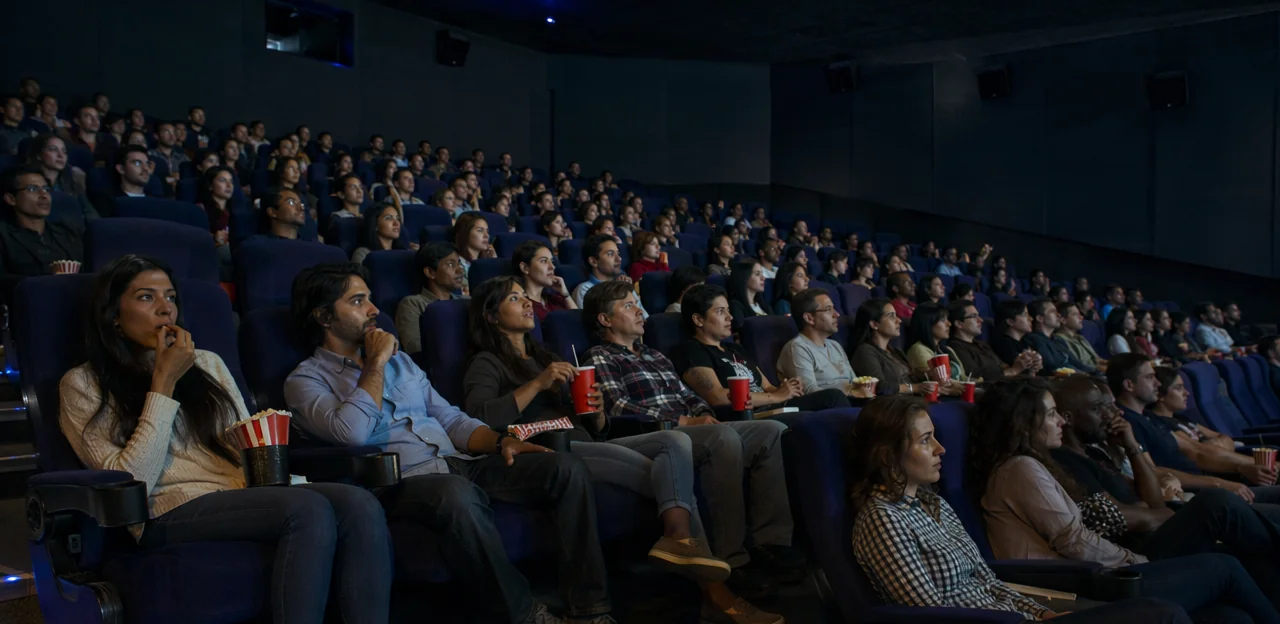
Sightlines, screen visibility, and row elevation
In cinema seating feedback, sightlines are often the first thing audiences mention because even a comfortable chair feels poor if the view is compromised. Strong cinema sightlines depend on how well the auditorium seating layout balances row rake, screen distance, and head clearance.
- Clear screen view: Guests expect full screen visibility cinema wide, with no cropping from side angles or seats placed too close to the front.
- Row elevation: A well-designed rake helps each row see over the one ahead, reducing complaints about head obstruction.
- Distance from the screen: Seats that are too near can cause neck strain; seats too far back may reduce immersion.
- Obstruction control: Poor seat spacing or shallow elevation quickly leads to negative feedback.
For operators, reviewing seat-specific comments and using tools like Tapsy to capture in-auditorium feedback can reveal recurring visibility problem areas fast.
Aisle access, entry flow, and minimizing disruption
A common theme in cinema seating feedback is that comfort is not just about the seat itself. Cinema aisle access, row spacing, and the overall movie theater layout strongly affect how easy it is to enter, settle in, and leave without disturbing others.
- Wider aisles and clearer row entry points help families with children, older guests, and people carrying snacks move smoothly.
- A smart cinema seating arrangement reduces the number of people who must stand up when someone arrives late or needs a mid-film exit.
- End seats, staggered rows, and better legroom improve traffic flow and cut interruptions during screenings.
For operators, reviewing feedback on bottlenecks near entrances and row ends can highlight practical fixes. Tools like Tapsy can help capture these in-the-moment layout issues while the experience is still fresh.
Reserved seating and choosing the best seat
Cinema seating feedback often shows that audiences value reserved cinema seating because it reduces stress, avoids queues, and gives people more control over the experience. Satisfaction is highest when seat maps are clear, accurate, and easy to use on mobile.
- Seat maps matter: Viewers expect a realistic layout that clearly shows screen position, aisles, wheelchair spaces, and row spacing.
- Best seats in cinema: Most guests still prefer central seats, around the middle rows, where sound and sightlines feel balanced.
- Premium expectations: If premium rows cost more, audiences expect noticeably better legroom, recline, or viewing comfort.
- Digital booking impact: Strong cinema seat selection tools shape layout satisfaction before arrival by helping guests compare options confidently.
For cinemas, clear labeling, transparent pricing, and post-booking feedback tools such as Tapsy can reveal whether seat expectations match the in-auditorium experience.
Accessibility and inclusivity in cinema seating feedback

Wheelchair spaces, companion seating, and step-free access
Cinema seating feedback often highlights that accessibility is not just about meeting minimum standards, but about giving every guest an equal, comfortable view and an easy journey through the auditorium. Strong inclusive cinema design should prioritise:
- Well-placed wheelchair spaces cinema-wide: avoid isolating users at the very front or back; offer clear sightlines and choice across price bands.
- Companion seating beside each accessible space: audiences expect to sit with friends, family, or carers without awkward reshuffling.
- Reliable step-free routes: entrances, aisles, and transfer areas should be easy to navigate, well signed, and free from bottlenecks.
Reviewing accessible cinema seating feedback regularly helps cinemas improve compliance, reduce friction, and build lasting customer trust.
Comfort needs for different age groups and body types
Cinema seating feedback often shows that audience comfort needs vary widely, so one-size-fits-all seating can frustrate guests and shorten dwell time.
- Older guests: need better lumbar support, stable armrests, and easier aisle access.
- Children and families: benefit from booster options, clearer sightlines, and grouped cinema seating for families.
- Taller viewers: need more legroom and staggered layouts to avoid knee and sightline issues.
- Plus-size audiences: value wider seats, stronger arm spacing, and genuine inclusive seating comfort without stigma.
Actionable improvements include mixing seat widths, adding accessible rows, and using real-time cinema seating feedback tools such as Tapsy to identify recurring comfort gaps by screen or seat zone.
Sensory considerations and low-stress auditorium design
Strong cinema seating feedback often highlights that comfort is not only physical. A sensory friendly cinema can better support neurodivergent guests and sensory-sensitive audiences through an accessible auditorium layout that reduces stress before the film even starts.
- Leave clearer gaps between rows and seat blocks to reduce crowding and accidental contact.
- Design simpler routes to aisles and exits, so guests can step out easily without disruption.
- Use calmer lighting transitions, softer pre-show audio, and less visual clutter around entrances.
- Reserve quieter zones or flexible seating areas for a more inclusive audience experience.
These changes improve confidence, comfort, and repeat visits across the wider customer experience.
How cinemas can collect and use seating feedback effectively

Best ways to gather audience opinions on seating
To collect cinema seating feedback effectively, use a mix of in-the-moment and post-visit methods:
- Post-visit cinema surveys: Email or SMS surveys sent within 24 hours capture fresh impressions. Ask specific questions such as seat comfort, legroom, recline function, sightlines, and spacing between rows.
- App prompts: If your cinema has an app, trigger short feedback requests after ticket use. Keep them brief to improve response rates.
- QR code feedback forms: Place codes on seat backs, exits, or foyer screens so guests can report issues instantly.
- Online reviews: Monitor recurring comments about cramped layouts or worn seats.
- Mystery shopper programs: Use trained reviewers to assess comfort and layout consistently.
Strong audience feedback tools work best when questions are precise, measurable, and easy to answer.
Turning feedback into measurable seating improvements
To improve cinema seating, operators need to turn cinema seating feedback into clear upgrade priorities:
- Spot recurring complaints: Group comments around legroom, worn cushions, broken recliners, blocked sightlines, or cupholder issues. Repeated themes are the fastest route to practical action.
- Segment by screen type: Compare premium, standard, IMAX, VIP, and family screens separately. This level of customer feedback analysis reveals whether issues are isolated or chain-wide.
- Track trends over time: Monitor satisfaction scores before and after changes to measure what actually works.
Quick wins include repairing armrests, replacing padding, improving row numbering, or adjusting seat spacing in problem rows. Major refurbishments may involve full seat replacement, staggered layouts, or auditorium reconfiguration. These cinema refurbishment insights help operators invest where comfort gains are most visible.
Using feedback in marketing and customer experience strategy
Cinema seating feedback is not just an operations metric; it can strengthen your cinema marketing strategy and wider customer experience strategy.
- Use positive feedback to support premium positioning: Highlight comments about legroom, recliners, sightlines, and accessible layouts in ads, landing pages, and loyalty emails.
- Turn reviews into local SEO assets: Strong seating-related reviews improve visibility in local search and support better cinema review management across Google and review platforms.
- Rebuild trust after complaints: If audiences report cramped rows or poor layout, communicate fixes clearly through review responses, social posts, and on-site signage.
- Close the loop: Share messages like “new seats installed” or “row spacing improved” to show action.
Tools like Tapsy can help cinemas capture and act on feedback faster.
What good cinema seating feedback looks like in practice

Signs that audiences value a seating upgrade
Clear cinema seating feedback trends usually show whether a cinema seating upgrade is working. Watch for:
- More positive review sentiment, especially comments mentioning legroom, sightlines, recliners, and personal space
- Rising comfort-related mentions in surveys, social reviews, and post-visit forms
- Stronger premium ticket uptake, showing demand for a better premium cinema experience
- Higher repeat visits, loyalty usage, and longer dwell time per guest
Track these audience satisfaction metrics consistently: review scores, comfort keywords, premium seat occupancy, repeat booking rate, complaint volume, and refund requests. Tools like Tapsy can help capture in-venue feedback faster.
Balancing comfort, capacity, and commercial goals
Upgrading to wider or recliner-style seats can improve satisfaction, but it also reduces cinema seating capacity and changes the economics of each screen. Smart auditorium design decisions balance comfort with a strong cinema revenue strategy by using cinema seating feedback to identify what audiences value most.
- Test premium rows or zones instead of full-screen refits
- Compare feedback by seat type, row, legroom, and occupancy
- Track whether higher ticket yield offsets fewer seats
- Use real-time tools such as Tapsy to spot layout pain points early
This helps cinemas protect profitability while improving experience.
Future trends shaping cinema seating expectations
Audience demands are redefining the future of cinema seating, with comfort now tied to flexibility, inclusion, and personalization. To stay ahead of cinema audience expectations, operators should track cinema seating feedback for signals such as:
- Luxury cinema trends: recliners, wider armrests, extra legroom, and premium couple seating
- Modular layouts: adaptable rows for groups, solo viewers, and event-based formats
- Accessibility improvements: better wheelchair spaces, companion seating, step-free access, and sensory-friendly zones
- Tech-enabled personalization: app-based seat preferences, climate controls, and targeted upgrades
Real-time tools such as Tapsy can help cinemas turn seat-level feedback into competitive insight.
Conclusion
Ultimately, great cinema design is about more than adding seats to a room—it’s about creating an experience audiences want to return to. As cinema seating feedback consistently shows, comfort, legroom, sightlines, spacing, accessibility, and overall layout all play a major role in how viewers judge a visit. Even the best screen and sound system can be undermined by cramped rows, blocked views, or seating arrangements that make a show feel less enjoyable.
Listening closely to cinema seating feedback gives operators a practical way to improve both customer satisfaction and long-term loyalty. When cinemas understand what audiences value most—whether that’s reclining seats, better wheelchair access, clearer row layouts, or more personal space—they can make smarter decisions that enhance the full moviegoing journey.
The next step is simple: turn audience insight into action. Review customer comments regularly, track recurring comfort and layout concerns, and test improvements that reflect real viewer expectations. For cinemas looking to capture feedback in real time at key touchpoints, tools like Tapsy can help gather fast, actionable insights during the customer experience.
If you want to improve audience experience, start by making cinema seating feedback a core part of your strategy. Explore customer surveys, in-venue feedback tools, and benchmarking resources to identify what matters most—and build a cinema environment audiences genuinely enjoy.
Frequently Asked Questions
- Why does cinema seating have such a strong impact on customer satisfaction?
Seating shapes the experience before the film starts because guests notice comfort, legroom, cleanliness, and sightlines immediately. Comfortable, well-maintained seats reduce distraction during the screening and often lead to better reviews, stronger repeat visits, and fewer complaints.
- What seating problems do audiences mention most often in cinema reviews?
The most common complaints include limited legroom, tight row spacing, poor cushioning, weak lumbar support, broken recline functions, cramped armrest space, and visible cleanliness issues. Guests also frequently react to worn upholstery, crumbs, stains, and awkward personal space.
- How do legroom and seat width affect the moviegoing experience?
Audiences connect comfort to knee clearance, seat width, and enough elbow room to avoid feeling crowded. When rows are cramped or seats are narrow, even a good film can feel less enjoyable, especially on longer visits or in full auditoriums.
- What makes recliner cinema seats feel worth the premium price?
Recliners are valued when they offer smooth adjustment, reliable support, and enough space to feel noticeably better than standard seating. Guests respond well to proper lumbar support, balanced cushioning, stable footrests, and a recline range that suits different body types.
- How do cleanliness and maintenance influence seating comfort?
Comfort is affected by more than softness because guests notice stains, odors, sagging padding, cracked armrests, sticky cupholders, and broken recline features. Strong maintenance standards improve trust and make even premium seating feel more reliable and cared for.
- Why do sightlines and row elevation matter as much as the seat itself?
A comfortable chair still feels poor if the screen view is blocked or awkward. Good sightlines depend on row rake, screen distance, and head clearance so guests can see the full screen without obstruction, neck strain, or weak immersion.
- What layout features help reduce disruption when people enter or leave during a film?
Wider aisles, clearer row entry points, better legroom, end seats, and staggered rows all help people move with less disruption. These features are especially helpful for families, older guests, and anyone carrying snacks or needing a mid-film exit.
- Why do audiences value reserved seating in cinemas?
Reserved seating reduces stress, avoids queues, and gives guests more control before they arrive. Satisfaction is highest when seat maps are clear, accurate, mobile-friendly, and show useful details such as screen position, aisles, wheelchair spaces, and row spacing.
- What do guests usually expect from premium cinema rows or seats?
If premium seating costs more, audiences expect obvious benefits such as better legroom, more recline, wider seats, or improved viewing comfort. Premium pricing feels justified only when the upgrade is clear, reliable, and noticeably better than standard options.
- How should cinemas improve accessibility through seating design?
Accessible seating should offer well-placed wheelchair spaces, companion seats beside them, and reliable step-free routes through entrances, aisles, and transfer areas. Guests also expect accessible options to provide a comfortable view and real choice across different price bands.
- How do seating needs differ across age groups and body types?
Older guests often need stronger lumbar support, stable armrests, and easier aisle access, while children and families benefit from booster options and grouped seating. Taller viewers need more legroom, and plus-size audiences value wider seats and better arm spacing without stigma.
- What makes a cinema auditorium more sensory-friendly and low-stress?
A more inclusive layout can include clearer gaps between rows, simpler routes to aisles and exits, calmer lighting transitions, softer pre-show audio, and less visual clutter near entrances. Quieter zones or flexible seating areas can also help neurodivergent and sensory-sensitive guests feel more comfortable.
- What are the best ways for cinemas to collect seating feedback?
Useful methods include post-visit email or SMS surveys, app prompts after ticket use, QR code feedback forms in the venue, online review monitoring, and mystery shopper programs. The most effective feedback requests are short, specific, and focused on measurable issues like comfort, legroom, recline, sightlines, and row spacing.
- How can operators turn seating feedback into practical improvements?
They can group recurring complaints around issues such as worn cushions, broken recliners, blocked sightlines, poor legroom, or cupholder problems, then compare results by screen type. Quick fixes may include repairing armrests or replacing padding, while larger projects can involve seat replacement, staggered layouts, or full auditorium reconfiguration.
- How can tools like Tapsy support cinema seating decisions?
Tools like Tapsy can help capture real-time audience sentiment during the visit, making it easier to spot recurring problems by screen, row, or seat zone. That feedback can guide maintenance, layout changes, accessibility improvements, marketing messages, and future seating upgrades before negative reviews build up.