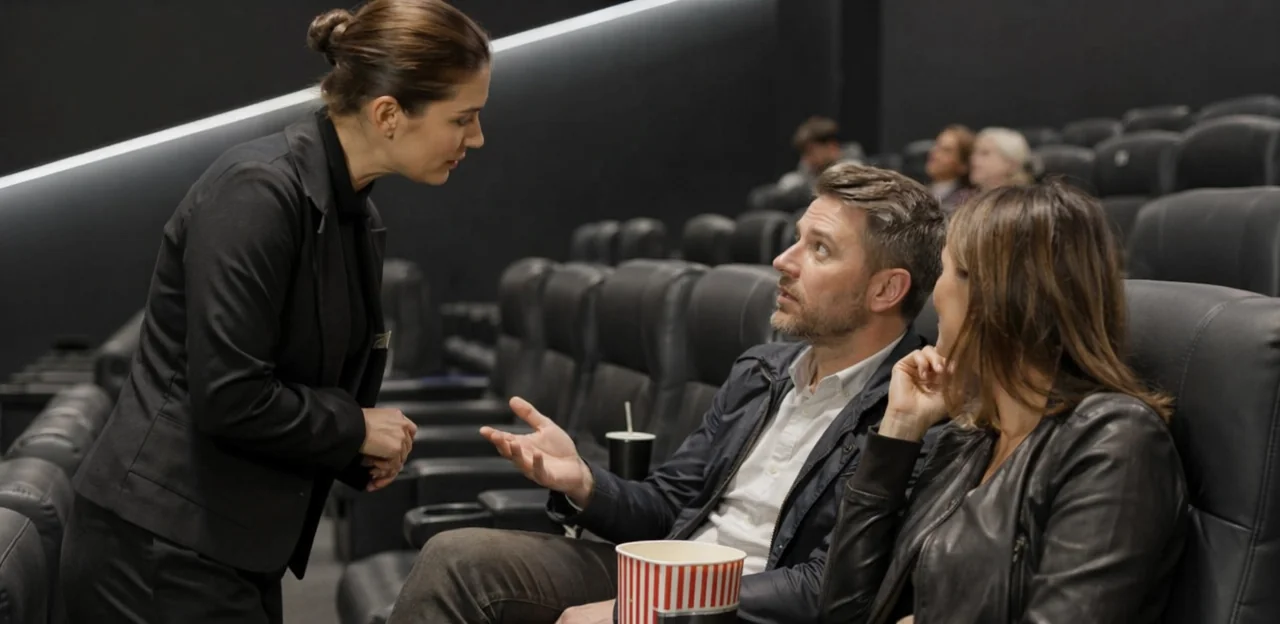
A great film can still end on a sour note if the cinema experience falls short. A muffled soundtrack, a broken recliner, a long concession line, or an unclean restroom may seem like small issues on their own, but together they can shape how guests remember the entire visit. That is why cinema service recovery matters so much: the faster a problem is identified and resolved, the better the chance of protecting guest satisfaction before frustration turns into a negative review, lost loyalty, or a decision not to return.
For cinemas, service recovery is no longer just about responding to complaints after the fact. It is about creating systems that help teams spot issues in real time, act quickly, and reassure guests that their experience matters. In a competitive entertainment market, that ability can make a meaningful difference to both audience experience and repeat attendance.
This article explores what effective cinema service recovery looks like, why speed and timing are critical, and how cinemas can build practical response processes across auditoriums, concessions, and shared spaces. It will also look at how real-time feedback tools, including solutions like Tapsy, can help staff respond before guests leave unhappy.
Why cinema service recovery matters for guest retention
The cost of unresolved guest complaints
Unresolved guest complaints in cinemas quickly become revenue problems, not just service issues. When poor sound, projection faults, seating disputes, long queues, or cleanliness concerns go unaddressed, guests may:
- leave before the film ends
- request refunds or compensation
- post negative reviews that influence future bookings
- avoid returning, hurting cinema guest retention
That is why cinema service recovery must happen in the moment, not after the guest has already gone home unhappy. Fast staff intervention, clear escalation paths, and simple reporting channels help teams fix issues before they turn into public criticism. Tools like Tapsy can support real-time feedback collection, but the key is speed: respond early, resolve visibly, and protect both the current visit and the next one.
How audience experience shapes cinema loyalty
Audience experience drives whether a guest returns, recommends the venue, or decides one bad night is enough. Great projection and sound matter, but cinema loyalty is often won or lost in the moments when something goes wrong.
- Service quality affects emotion: Long queues, seat issues, poor cleanliness, or sound problems can quickly turn excitement into frustration.
- Staff response shapes memory: A fast apology, clear communication, and practical fix can reduce disappointment and rebuild trust.
- Recovery influences repeat attendance: Effective cinema service recovery shows guests that their time and money are respected.
To strengthen the audience experience, train teams to spot dissatisfaction early, empower them to resolve issues on the spot, and collect real-time feedback. Tools like Tapsy can help cinemas catch problems before guests leave unhappy.
What makes service recovery different in cinemas
Cinema service recovery is uniquely time-critical because the experience unfolds in real time. If a problem is not fixed during the visit, the guest experience in cinemas is already damaged by the time the credits roll.
- Showtimes create narrow recovery windows: sound, picture, temperature, or seating issues must be addressed during the screening, not after.
- Concession delays affect the whole visit: long lines can cause guests to miss trailers or opening scenes, so fast queue management matters.
- Premium formats raise expectations: IMAX, 3D, recliners, and VIP seating make technical or comfort failures feel more serious.
- The audience environment is shared: one disruption can affect dozens of guests at once.
To improve cinema service recovery, train staff to spot issues early, empower immediate fixes, and use real-time feedback tools such as Tapsy where helpful.
Common cinema problems that require immediate recovery
Technical and presentation issues
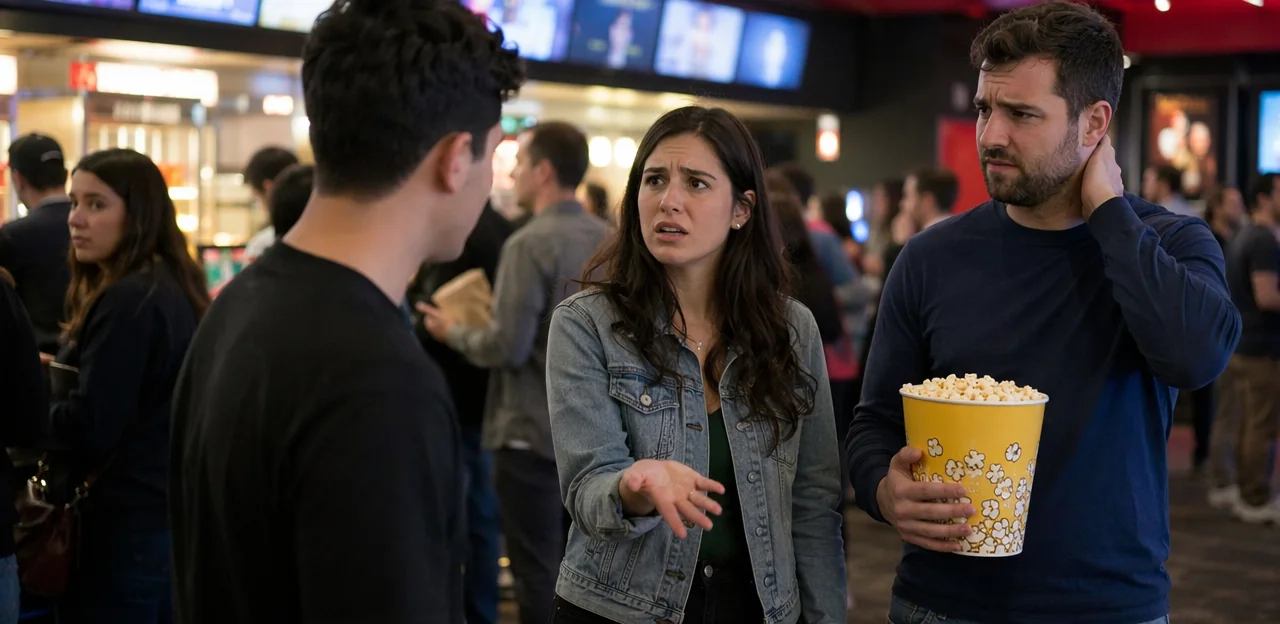
Common cinema technical issues can ruin the experience within minutes, especially when staff do not spot them early. Typical movie theater presentation problems include:
- sound dropouts, low dialogue, or distorted surround channels
- dim projection, poor focus, or visible lamp issues
- incorrect aspect ratio that crops or stretches the image
- auditoriums that are too hot or too cold
- broken, dirty, or non-reclining seats
- accessibility barriers, such as faulty hearing devices or blocked wheelchair spaces
Strong cinema service recovery starts with fast detection and immediate communication. Train ushers to check presentation quality at the start of every screening, monitor guest complaints in real time, and update audiences quickly when fixes are underway. Even a brief apology and honest timeline can reduce frustration. Tools like Tapsy can help surface issues before guests leave unhappy.
Front-of-house and concession service failures
Before trailers roll, guests are already judging your cinema customer service. Front-of-house friction can quickly turn excitement into irritation, making cinema service recovery essential at the earliest touchpoints.
- Ticketing delays: Slow box office lines, scanner problems, or unclear queue management create stress and late seating.
- Mobile booking confusion: App errors, duplicate bookings, and difficult seat changes make digital convenience feel unreliable.
- Concession service issues: Cold food, incorrect orders, poor freshness, and long waits damage perceived value.
- Stock shortages and upsell frustration: Running out of popular items or pushing bundles too aggressively can feel careless or transactional.
- Staffing bottlenecks: Too few trained staff at peak times slows every interaction.
To recover fast, empower teams to apologize, replace items immediately, offer simple make-goods, and capture live feedback through tools like Tapsy.
Interpersonal and policy-related complaints
Some of the most sensitive cinema complaints involve people, fairness, and rules. Strong cinema service recovery means resolving them quickly, calmly, and consistently before frustration spreads.
- Noisy guests: Listen first, thank the guest for speaking up, and discreetly warn or relocate disruptive patrons when appropriate.
- Seating conflicts: Verify tickets, explain the seating map clearly, and offer the fastest fair solution, such as reseating or upgrades if available.
- Age restrictions: Apply ID checks consistently and explain the policy without blame to avoid arguments at the door.
- Refund disputes: Train staff to explain the movie theater refund policy in simple language and offer alternatives like passes or credits when possible.
- Unclear policies: Display rules online, at kiosks, and at counters to prevent misunderstandings.
Empathy lowers tension; consistency protects the brand. Tools like Tapsy can also surface issues before guests leave upset.
Build a proactive cinema service recovery system

Train staff to spot dissatisfaction early
Strong cinema service recovery starts before a guest voices a complaint. Effective service recovery training should help ushers, concession staff, supervisors, and managers identify unhappy guests through body language and context, not just words.
- Watch for nonverbal cues such as repeated glances at phones or watches, crossed arms, sighing, tense facial expressions, pacing, or guests looking around for help.
- Monitor high-risk touchpoints closely: ticketing delays, concession queues, auditorium seating issues, temperature complaints, restroom cleanliness, and post-show exits.
- Keep supervisors and managers visible on the floor. A strong floor presence makes it easier to notice frustration early and step in fast.
- Teach staff to approach calmly with active listening: “How can I help?” or “Has everything been okay so far?”
- Empower teams to resolve small issues immediately or escalate quickly.
Tools like Tapsy can also surface in-the-moment issues before guests leave dissatisfied.
Create clear escalation and response protocols
Strong cinema service recovery depends on a simple, fast, repeatable system. Build a clear cinema response protocol so every team member knows what to do in the moment, without waiting for manager approval on obvious issues.
- Assign ownership by issue type: ushers handle seating conflicts and minor disturbances, concession leads resolve food and queue complaints, and managers take safety, technical, refund, or VIP cases.
- Set pause-the-screening rules: pause only for major sound/picture failure, safety risks, or severe audience disruption affecting the full auditorium.
- Define compensation thresholds: offer instant replacements for food errors, vouchers for disrupted screenings, and refunds when the core viewing experience is materially affected.
- Document every incident: log time, screen, issue, action taken, staff involved, and guest outcome to improve consistency and trend tracking.
A reliable complaint escalation process improves speed, consistency, and staff empowerment. Tools like Tapsy can help route urgent guest issues to the right team in real time.
Use technology and feedback channels in real time
Strong cinema service recovery depends on spotting issues while the guest is still on-site. The right cinema operations technology helps teams act fast instead of apologizing later.
- Mobile surveys and QR feedback forms: Place short, no-friction surveys on seat backs, concessions, exits, or restrooms so guests can share real-time guest feedback on sound, temperature, cleanliness, or queue times.
- POS alerts: If a refund, void, or repeated concession complaint appears at the till, managers can investigate immediately before frustration spreads.
- Staff radios and internal messaging: Equip floor teams to relay issues instantly, whether it is a broken recliner, low auditorium temperature, or a spill in the aisle.
- Auditorium checks: Schedule proactive walk-throughs during trailers and early showtime to catch technical or comfort problems early.
Tools like Tapsy can support fast QR-based issue reporting and routing to the right team.
Best practices for responding before guests leave unhappy
Lead with empathy, ownership, and urgency
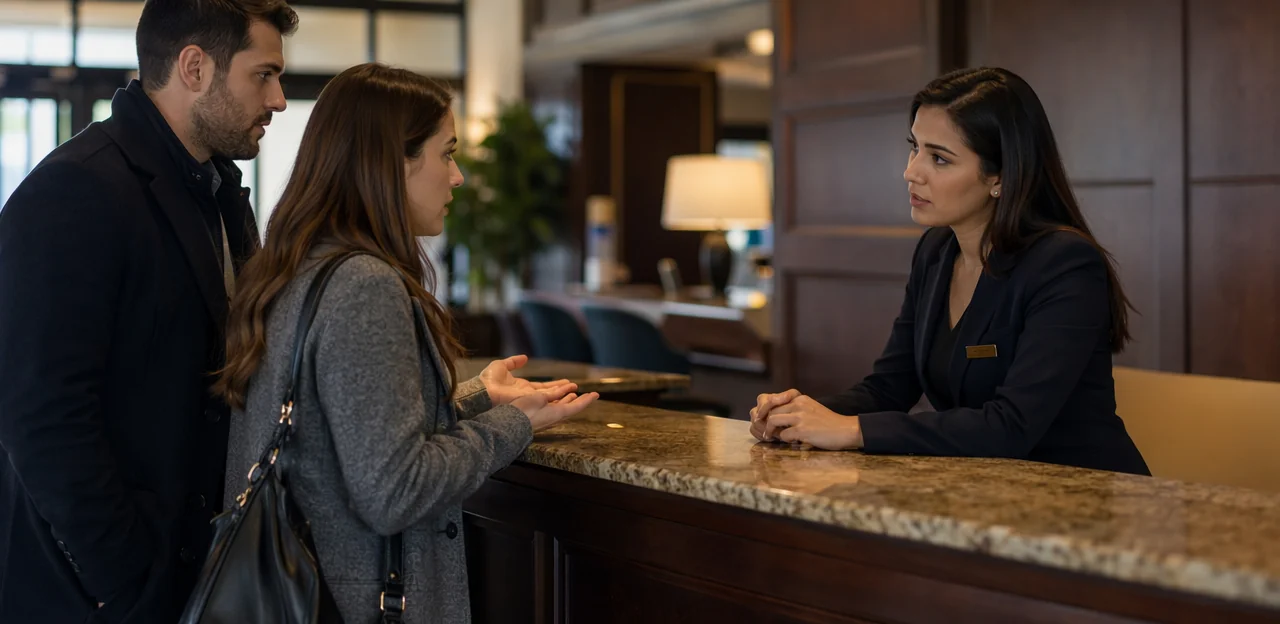
In cinema service recovery, the first response often matters as much as the fix itself. When a guest raises an issue, staff should make the person feel heard before moving into solutions. Strong service recovery best practices start with calm, human communication:
- Acknowledge the problem immediately: “I understand why that was frustrating.”
- Apologize sincerely: Use clear language like, “I’m sorry this happened,” without sounding scripted.
- Take ownership: Avoid defensiveness, excuses, or blaming another team, shift, or system.
- Explain the next step: Tell the guest exactly what will happen, who is handling it, and how long it should take.
- Act with urgency: Even small issues feel bigger when guests think no one cares.
A good guest complaint response combines empathy with action. If your team uses real-time feedback tools such as Tapsy, staff can spot issues faster and respond before guests leave unhappy.
Offer recovery options that match the problem
Effective cinema service recovery depends on offering a remedy that feels fair, timely, and proportional to the disruption. A minor inconvenience should not get the same response as a ruined screening.
- Small issues: replace cold popcorn, spilled drinks, or incorrect orders immediately.
- Seat or comfort problems: offer a seat change, cleaner seats, or a move to another auditorium if available.
- Mid-show disruptions: provide partial refunds, complimentary passes, or loyalty credits when sound, picture, temperature, or audience behavior affects the experience.
- Major failures: for cancelled screenings, long delays, or unresolved technical faults, offer full refunds plus a future-visit incentive.
Good service recovery examples show that the best cinema compensation strategy also considers timing. If staff fix the issue during the visit, a smaller gesture may be enough. If guests leave disappointed, stronger follow-up from a manager can help rebuild trust.
Protect the experience for the wider audience
Effective cinema service recovery is not only about helping one unhappy guest; it is also about protecting everyone else in the auditorium. Strong audience experience management means resolving issues without turning one disruption into a larger one.
- Use discreet interventions: If a guest reports a problem, send a staff member quietly with a low-light torch, avoid extended aisle conversations, and move discussions to the lobby when possible.
- Make timely, calm announcements: If sound, picture, or seating issues affect many people, give a brief update quickly so guests know the team is responding.
- Minimize live-fix disruption: Pause only when necessary, keep technician movement subtle, and coordinate staff so multiple team members do not crowd the screen area.
- Capture issues fast: Tools like Tapsy can help teams spot problems early and protect the overall cinema guest experience before frustration spreads.
Measure and improve your service recovery performance

Track the right service recovery metrics
To improve cinema service recovery, measure the KPIs that show both speed and outcome. Focus on a small, practical dashboard:
- Complaint volume by category: track issues like sound, seating, cleanliness, concessions, and queues.
- Time to resolution: measure how quickly staff respond and close incidents.
- Recovery acceptance rate: see how often guests accept the offered fix, such as a seat change or voucher.
- Refund rate: monitor where service failures lead to revenue loss.
- Repeat visit behavior: check whether recovered guests return.
- Review sentiment and post-incident satisfaction scores: connect recovery actions to cinema customer satisfaction.
Tools like Tapsy can help capture these service recovery metrics in real time.
Turn complaint data into operational improvements
Effective cinema service recovery should not end with an apology. Strong complaint analysis helps cinemas spot patterns that point to deeper operational issues, such as:
- Staffing gaps: repeated queue or slow-service complaints by daypart may signal under-scheduling
- Maintenance needs: recurring reports about sound, temperature, recliners, or cleanliness often indicate missed inspections
- Policy confusion: complaints about refunds, seating, or late entry can reveal unclear guest communication
- Training weaknesses: repeated comments about staff tone or inconsistent resolutions suggest coaching needs
Use complaint trends to drive cinema operational improvement by adjusting schedules, increasing equipment checks, and redesigning service processes. Tools like Tapsy can help capture real-time issues before guests leave dissatisfied.
Coach teams using real recovery scenarios
To improve cinema service recovery, managers should coach with real examples from the floor, not generic scripts. This builds stronger customer service coaching habits and makes cinema staff training more practical and repeatable.
- Review incidents weekly: Discuss what happened, what the guest needed, and which response worked best. Keep the focus on learning, not blame.
- Run short role-plays: Practice common issues like long concession waits, sound problems, or seating disputes so staff can respond calmly and consistently.
- Recognize great recoveries: Highlight employees who de-escalate situations well, follow up quickly, or turn complaints into positive outcomes.
If tools like Tapsy surface real-time guest issues, use those examples in coaching to strengthen future responses.
Create a guest-first culture that prevents repeat failures
Align leadership, staff, and standards
Cinema service recovery succeeds when cinema leadership makes a guest-first culture visible in daily operations, not just policy documents.
- Set clear recovery standards for ushers, concessions, cleaning, and managers.
- Empower frontline teams to fix issues immediately with refunds, replacements, or seat changes.
- Hold every department accountable for response times and follow-through.
- Use real-time feedback tools like Tapsy to spot problems early and reinforce consistent action.
Set expectations with clear communication
Strong guest expectation management starts before arrival and supports effective cinema service recovery by preventing avoidable frustration. A practical cinema communication strategy should clearly explain:
- seat selection, late-entry, and refund policies in booking confirmations
- start times, trailers, and accessibility options in pre-visit emails or SMS
- wayfinding, screen numbers, and queue guidance through clear signage
- real-time in-venue updates from staff or tools like Tapsy when issues arise
Make every recovery a loyalty opportunity
A strong cinema service recovery process can turn frustration into advocacy when teams respond quickly, apologize clearly, and offer a fair next step.
- Resolve issues before guests leave to build customer loyalty in cinemas
- Pair fixes with a return incentive, such as a voucher or upgrade, to support service recovery loyalty
- Treat every complaint as part of the brand experience, not just damage control
Tools like Tapsy can help capture issues in time to recover the visit.
Conclusion
In the cinema industry, one poor moment can overshadow an otherwise great visit. That is why cinema service recovery is not just about handling complaints after the fact, but about spotting issues early, responding quickly, and giving guests a reason to leave feeling heard and valued. Whether the problem is sound quality, seat comfort, long concession lines, cleanliness, or staff interaction, the most effective cinemas build systems that make it easy to identify and resolve concerns before they turn into negative reviews or lost repeat visits.
Strong cinema service recovery depends on three essentials: real-time feedback, empowered staff, and fast follow-through. When teams can act during the guest journey instead of days later, they protect the audience experience, strengthen trust, and improve loyalty over time. Simple tools such as QR-based feedback points and alert workflows can make that process faster and more consistent; solutions like Tapsy are one example of how cinemas can capture issues at key touchpoints and respond in the moment.
Now is the time to review your current recovery process, identify friction points, and equip your team with better feedback loops. Start with your highest-traffic areas, measure response times, and keep refining. The right cinema service recovery strategy can turn disappointment into retention—and guests into advocates.
Frequently Asked Questions
- What is cinema service recovery?
Cinema service recovery is the process of identifying and resolving guest problems during the visit, not only after a complaint is posted or a refund is requested. It focuses on fast action, clear communication, and visible fixes that protect the guest experience before frustration turns into lost loyalty.
- Why is speed so important when handling cinema guest complaints?
Cinema issues are highly time-sensitive because the experience happens in real time. If sound, picture, seating, or queue problems are not addressed quickly, the visit may already be damaged by the time the film ends.
- Which cinema problems need immediate recovery the most?
Technical and presentation issues such as sound dropouts, dim projection, poor focus, incorrect aspect ratio, temperature problems, and broken seats need fast attention. Front-of-house failures like long ticketing lines, concession delays, incorrect orders, and cleanliness concerns also require immediate response.
- How can cinema staff spot unhappy guests before they complain?
Teams should watch for nonverbal signs such as crossed arms, sighing, pacing, tense expressions, and repeated glances at phones or watches. Staff should also monitor high-risk touchpoints like ticketing, concession queues, seating issues, restroom cleanliness, and post-show exits.
- What should staff say first when a guest raises a problem?
Staff should acknowledge the frustration, apologize sincerely, and explain the next step clearly. A calm response that shows empathy and ownership helps the guest feel heard before the practical fix is delivered.
- How should cinemas decide when to pause a screening?
A screening should be paused only for major sound or picture failures, safety risks, or severe audience disruption affecting the full auditorium. Smaller issues should be handled as discreetly as possible to avoid creating a bigger disruption for everyone else.
- What are fair recovery options for different types of cinema issues?
Small problems like cold popcorn, spilled drinks, or incorrect orders should be replaced immediately. Seat or comfort issues may call for a seat change or move to another auditorium, while disrupted screenings may justify vouchers, partial refunds, loyalty credits, or full refunds for major failures.
- How is service recovery in cinemas different from other customer service situations?
Cinema service recovery has narrow time windows because showtimes, trailers, and opening scenes cannot be replayed for each guest. It also happens in a shared environment, so one unresolved issue can affect many people at once.
- What should a clear cinema escalation process include?
It should assign ownership by issue type so ushers, concession leads, and managers each know what they handle. It should also define compensation thresholds, rules for pausing screenings, and a standard way to document time, screen, issue, action taken, and outcome.
- How can real-time feedback tools help cinemas recover service faster?
QR feedback forms, mobile surveys, POS alerts, staff radios, and internal messaging help teams detect issues while guests are still on-site. Tools like Tapsy can support fast issue reporting and routing so staff can respond before guests leave unhappy.
- What metrics should cinemas track to improve service recovery?
Useful measures include complaint volume by category, time to resolution, recovery acceptance rate, refund rate, repeat visit behavior, and review sentiment or post-incident satisfaction. These metrics show both how quickly teams respond and whether the recovery actually worked.
- How can complaint data improve cinema operations?
Repeated complaints can reveal staffing gaps, maintenance problems, unclear policies, or training weaknesses. Cinemas can use those patterns to adjust schedules, increase equipment checks, improve communication, and redesign service processes.
- How should cinemas handle seating conflicts or noisy guests?
For seating conflicts, staff should verify tickets, explain the seating map clearly, and offer the fastest fair solution such as reseating or upgrades if available. For noisy guests, staff should listen first, thank the reporting guest, and discreetly warn or relocate disruptive patrons when appropriate.
- What role does leadership play in preventing repeat service failures?
Leadership needs to make guest-first standards visible in daily operations, not just in policy documents. That means empowering frontline staff to fix issues immediately, holding departments accountable for response times, and reinforcing consistent follow-through.
- How can a cinema turn a complaint into a loyalty opportunity?
The best approach is to resolve the issue before the guest leaves, offer a fair remedy, and pair the fix with a return incentive such as a voucher or upgrade when appropriate. Fast, respectful recovery can rebuild trust and encourage future visits instead of losing the guest.