
A great cinema experience is built from more than what happens on screen. From the speed of the concessions line to the cleanliness of the auditorium and the flow of the exit after the credits roll, every moment shapes how audiences remember a visit. That is why cinema touchpoint feedback is becoming essential for operators that want to understand the full guest journey, not just overall satisfaction after the film ends.
By measuring feedback at key points such as concessions, screens, and exits, cinemas can spot friction while it is happening, identify recurring operational issues, and make improvements that directly affect guest loyalty, spend, and repeat visits. Small problems like long wait times, poor sound quality, unclear wayfinding, or crowded exits can quickly undermine an otherwise strong showing if they go unnoticed.
This article explores how cinemas can capture meaningful feedback at the moments that matter most, using touchpoint-based methods such as NFC and QR interactions to gather real-time audience insight. It will look at why touchpoint measurement matters, which areas of the cinema deserve the closest attention, and how operators can turn feedback into better experiences and stronger performance. Where relevant, tools like Tapsy can help make this process faster, simpler, and more actionable.
Why cinema touchpoint feedback matters for modern audience experience
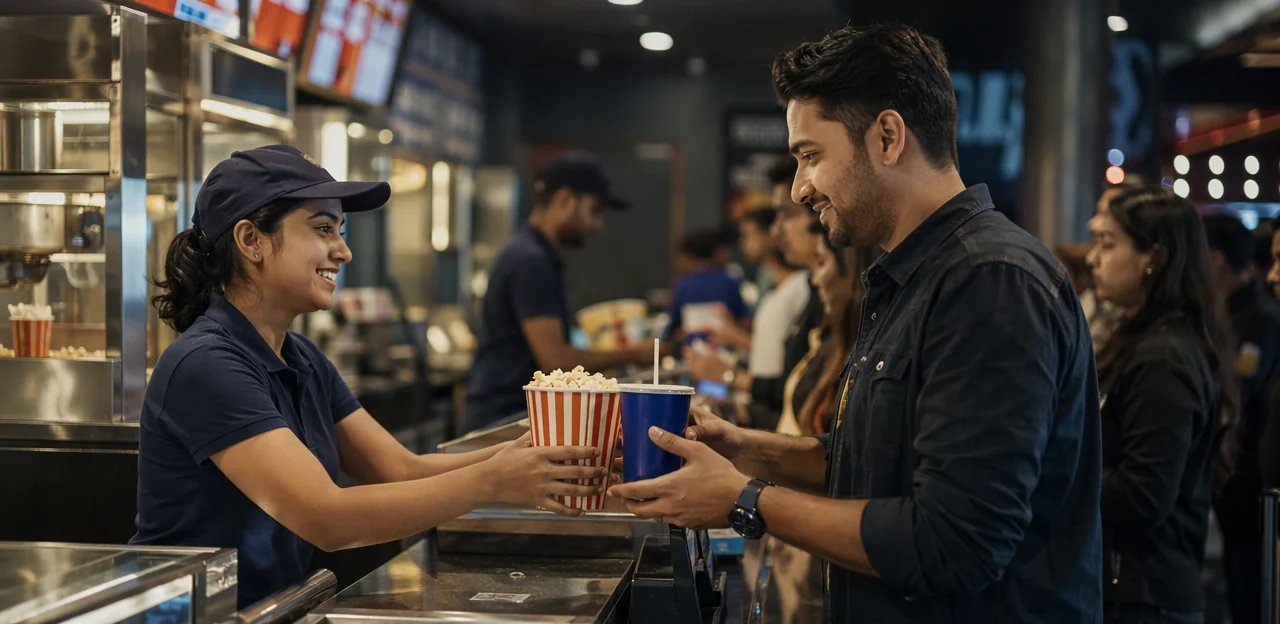
What cinema touchpoint feedback means in practice
Cinema touchpoint feedback is the collection of real-time reactions at the exact moments that shape the audience experience, instead of depending only on a survey sent after the film. This makes cinema customer feedback more accurate, timely, and useful for operations teams.
In practice, cinemas gather feedback at key touchpoints such as:
- Ticketing: booking speed, queue times, staff helpfulness
- Concessions: wait times, product availability, pricing perception
- Auditorium entry: scanning, crowd flow, wayfinding
- During the film: seat comfort, temperature, sound, picture quality
- Facilities: restroom cleanliness and maintenance
- Exits: overall satisfaction and likelihood to return
By measuring sentiment at each step, operators can spot exactly where friction happens, fix issues faster, and improve the full guest journey. Tools like Tapsy can support this with QR or NFC feedback points.
Why timing and location improve response quality
Cinema touchpoint feedback works best when it is captured exactly where the experience happens. A prompt at concessions, inside the screen area, or at the exit delivers real-time feedback while impressions are still fresh, making responses more accurate than delayed email surveys.
- Less recall bias: Guests are more likely to remember queue times, food quality, seat comfort, sound issues, or cleanliness in the moment.
- Faster issue detection: Point of experience feedback helps teams spot recurring operational problems before they turn into complaints or negative reviews.
- Better location-level insight: Strong cinema feedback collection shows whether problems start at concessions, during the film, or after the screening.
- Higher actionability: Staff can respond quickly, adjust staffing, restock items, or investigate screen-specific issues immediately.
Tools like Tapsy can support this with simple QR/NFC prompts at key touchpoints.
How NFC and QR touchpoints fit the cinema journey
Effective cinema touchpoint feedback works best when feedback requests appear exactly where the experience happens. NFC touchpoints and QR touchpoints let cinemas collect fast, no-app responses with minimal staff involvement.
- Entrance and lobby: capture first impressions, queue times, and ticketing flow
- Concessions counters: measure speed of service, product availability, and upsell satisfaction
- Screen entrances or seat areas: gather feedback on cleanliness, temperature, sound, and picture quality
- Exits: collect overall ratings while the visit is still fresh
Because audiences are already mobile-first, a quick tap or scan feels natural and low-friction. This makes cinema NFC and QR feedback easy to scale across single sites or large chains. Platforms such as Tapsy can help standardize deployment, routing, and reporting across every venue touchpoint.
Mapping the cinema journey: concessions, screens, and exits
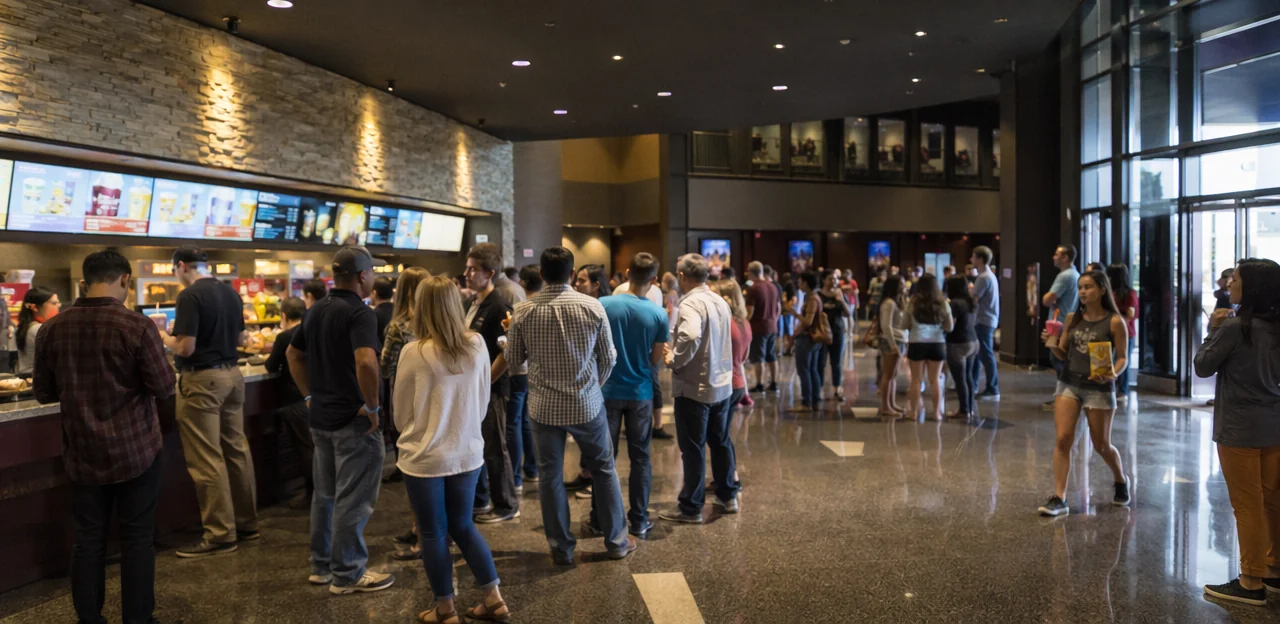
Concessions: measuring speed, choice, and service quality
The concession counter is one of the most important points in cinema touchpoint feedback because it directly affects both guest satisfaction and per-visit spend. Strong cinema concessions feedback should track not just sales, but how the concession stand experience feels in real time.
Focus on questions such as:
- How long did you wait to order and receive food?
- Were key items in stock and easy to find?
- Did staff feel friendly, efficient, and helpful?
- Was the area clean, organized, and well maintained?
- Did upselling feel useful or pushy?
Monitor signals including queue length by showtime, stockout frequency, abandoned purchases, average basket size, and complaints about cleanliness or slow movie theater food service. Short QR or NFC surveys placed at pickup points work well for capturing fresh reactions. Tools like Tapsy can help cinemas spot service issues quickly and recover revenue before dissatisfaction reaches online reviews.
Screens and auditoriums: evaluating comfort and presentation
Strong cinema touchpoint feedback should go beyond overall satisfaction and capture what happens inside each auditorium. To improve screen experience feedback, cinemas should ask short, specific questions tied to the exact screen number and showtime, so recurring issues can be traced quickly.
- Comfort and environment: rate seat comfort, legroom, temperature, and overall cleanliness.
- Presentation quality: measure cinema sound and picture quality, including volume balance, dialogue clarity, bass distortion, screen brightness, color accuracy, and picture sharpness.
- Audience disruptions: track noise, phone use, late arrivals, or overcrowding.
Collecting auditorium feedback by screen and session helps operators spot patterns, such as one room running too cold or a projector losing brightness on evening shows. QR or NFC prompts at exits, or tools like Tapsy, can capture real-time responses and trigger fast action before poor experiences turn into negative reviews.
Exits: capturing the final impression before visitors leave
Exit points are one of the most valuable moments for cinema touchpoint feedback because they capture the audience’s final impression while the full visit is still fresh. As guests leave, they can reflect on the complete journey: ticketing, concessions, screen quality, comfort, and staff service. This makes exit feedback especially useful for measuring overall sentiment, not just isolated touchpoints.
Use exit prompts to collect:
- Overall satisfaction with the cinema visit
- Likelihood to return, a strong indicator of loyalty
- Recommendation intent, such as an NPS-style question
- Issue escalation opportunities for unresolved problems before they become negative reviews
Well-designed post-visit cinema feedback should be short, fast, and easy to complete via QR or NFC near doors or lobby exits. Tools like Tapsy can help route low scores to managers quickly, improving customer satisfaction in cinemas and enabling faster service recovery.
How to design effective feedback touchpoints in cinemas

Best placement for QR codes and NFC tags
For effective cinema touchpoint feedback, place codes and tags where guests naturally pause and can respond in seconds. Strong QR code placement and NFC tag placement should prioritize visibility, convenience, and low effort.
- Queue areas: Add signs along concession lines so guests can scan while waiting.
- Counters and pickup points: Use small countertop displays for instant feedback on speed and service.
- Seat armrests or screen entrances: Ideal for rating comfort, sound, picture quality, or cleanliness right after the experience.
- Lobby signage: Position near digital posters, escalators, and waiting zones for high visibility.
- Restroom exits: Capture cleanliness feedback while impressions are fresh.
- Venue exits: Install clear cinema feedback stations at main exits for overall visit ratings.
Keep prompts short, use strong “Tap or Scan” calls to action, and consider tools like Tapsy for no-app feedback flows.
Questions that generate useful operational insights
Effective cinema touchpoint feedback depends on asking a few precise questions at each moment, not one long form. Strong cinema survey design should mix fast ratings, simple choices, and one optional comment.
- Concessions:
Rate wait time, staff friendliness, order accuracy, and product availability. - Screen/auditorium:
Ask about seat cleanliness, sound quality, picture quality, temperature, and distractions. - Exits:
Capture overall satisfaction, ease of leaving, cleanliness, and likelihood to return.
Use a simple structure:
- Rating: “How satisfied were you?”
- Multiple choice: “What was the main issue?”
- Open comment: “Anything we should improve?”
This approach improves customer experience metrics while keeping feedback survey questions short enough to encourage more responses.
Keeping feedback fast, simple, and mobile-friendly
To improve cinema touchpoint feedback, design every interaction for quick smartphone use at concessions, screens, and exits. The best mobile feedback forms feel effortless and take under a minute.
- Keep taps minimal: use 1–3 questions, thumb-friendly buttons, auto-sized fields, and one optional comment box.
- Use clear CTAs: phrases like “Rate your snack pickup” or “Tell us about this screen” work better than generic prompts.
- Offer optional anonymity: let guests share feedback without entering personal details, while still allowing opt-in follow-up.
- Support accessibility: ensure high contrast, readable text, screen-reader compatibility, and forms that work without zooming.
- Add multilingual options: detect language automatically or let guests switch instantly.
- Use light incentives carefully: small rewards can lift response rates, but keep them neutral so frictionless surveys don’t bias cinema guest feedback.
Metrics and KPIs to track from cinema touchpoint feedback

Core satisfaction metrics by touchpoint
Strong cinema touchpoint feedback starts with measuring the right KPIs at each stage of the visit. The most useful cinema KPIs include:
- Concessions: satisfaction score, perceived wait time, order accuracy, and staff service ratings
- Screens/auditoriums: seat comfort, sound and picture quality, cleanliness ratings, and issue rate
- Exits: overall visit satisfaction, queue flow, cleanliness, and likelihood to return
These satisfaction metrics help teams isolate weak touchpoint performance instead of relying on one overall cinema rating. For example, high screen scores but poor concessions feedback often point to queue management or staffing problems. A rising issue rate at exits may signal cleaning delays after peak showtimes. Using QR or NFC tools such as Tapsy can capture fresh, location-specific feedback and speed up operational fixes.
Using NPS, CSAT, and sentiment together
For stronger cinema touchpoint feedback, use these three metrics as a combined view rather than relying on one headline number:
- NPS for cinemas measures long-term loyalty and word-of-mouth potential. Use it after the full visit to understand whether guests would recommend your cinema overall.
- CSAT works best at specific moments, such as concession speed, screen cleanliness, seat comfort, or exit flow. It helps pinpoint operational issues by touchpoint.
- Feedback sentiment analysis adds context to open comments, showing why scores are high or low and revealing recurring themes like queue frustration or sound quality.
A practical approach is to track NPS monthly, monitor CSAT daily by location, and review sentiment weekly for patterns. This prevents overreacting to a single score and supports smarter service improvements.
Turning feedback into operational action
To make cinema touchpoint feedback useful, managers need clear routing rules and fast ownership. Set alerts so recurring issues reach the right team immediately:
- Long concession lines: notify floor supervisors when queue complaints spike within a 15-minute window.
- Poor auditorium cleanliness: send low-score alerts to housekeeping with screen number and showtime.
- Technical faults: route sound, lighting, or projector issues directly to duty managers or engineering.
Use feedback analytics dashboards to track patterns by location, screen, and time slot, helping teams spot repeat bottlenecks before they affect more guests. Build escalation workflows so unresolved alerts move from frontline staff to site management after a set SLA. This supports real-time service recovery and long-term cinema operations improvement. Tools like Tapsy can help centralize alerts and trend reporting.
Common challenges and best practices for cinema feedback programs
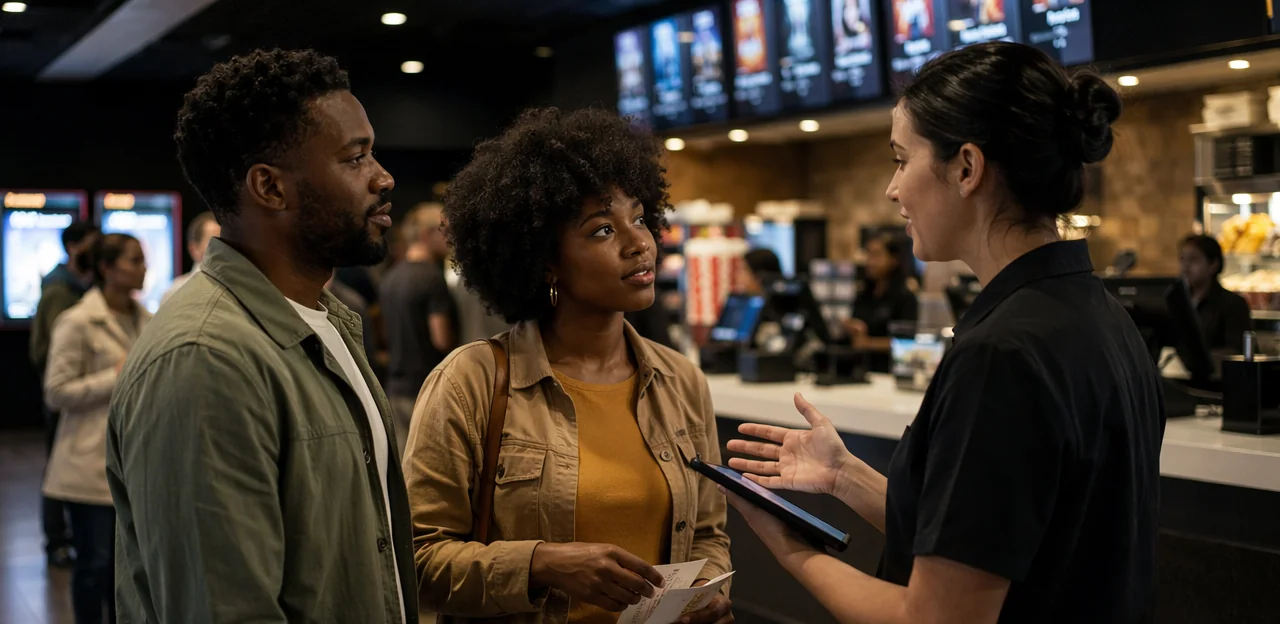
Increasing participation without survey fatigue
To increase survey response rates and improve cinema feedback participation, make cinema touchpoint feedback fast, relevant, and well-timed:
- Ask at the right moment: Trigger feedback immediately after concessions, during seat settling, or at exits while the experience is still fresh.
- Use clear prompts: Simple CTAs like “Rate your snack pickup in 10 seconds” outperform generic survey requests.
- Keep forms short: Start with 1–3 taps, then offer an optional comment box.
- Control frequency: Limit repeat prompts for regular guests so they are not hit every visit, reducing survey fatigue.
- Vary touchpoints: Rotate between concessions, screens, and exits to collect broader insights without over-surveying the same audience.
Tools like Tapsy can help streamline this no-app flow.
Ensuring data quality and representative insights
To improve cinema touchpoint feedback, avoid relying on responses from one busy Friday night or a single screen. Strong feedback data quality comes from balanced sampling across the full cinema journey.
- Collect feedback across weekdays, weekends, peak and off-peak sessions
- Compare results by screen, film type, time slot, and audience segment
- Include concession, auditorium, restroom, and exit touchpoints to capture complete cinema audience insights
- Track response volume so one location or showtime does not dominate results
For representative customer feedback, compare touchpoint scores with operational data such as attendance, queue times, staffing levels, and stockouts. This helps separate true experience issues from one-off capacity pressures. Tools like Tapsy can support this with touchpoint-level collection and reporting.
Privacy, consent, and trust in digital feedback collection
For cinema touchpoint feedback to work, guests must feel their responses are safe, optional, and respected. Strong feedback privacy practices directly improve participation.
- Be transparent: Clearly state what data is collected, why it is used, and whether responses are anonymous.
- Make contact capture optional: If you offer follow-up or rewards, request email or phone details separately to support clear customer data consent.
- Minimize data collection: Ask only for information needed to improve concessions, screen quality, or exit flow.
- Follow local rules: Ensure digital survey compliance with GDPR, CCPA, or other local regulations, including consent notices and retention limits.
Trust increases response rates and improves feedback quality.
Building a continuous improvement strategy from audience feedback

Prioritizing fixes by impact and frequency
Use cinema touchpoint feedback to rank issues by two factors: how often they happen and how much they hurt satisfaction, revenue, or repeat visits. This makes feedback prioritization practical and supports continuous improvement.
- High frequency + high impact: Fix first, such as concession bottlenecks causing missed trailers and lost upsell revenue.
- Low frequency + high impact: Escalate fast, like recurring sound complaints in one screen.
- High frequency + lower impact: Streamline next, such as poor exit flow creating end-of-visit frustration.
This simple matrix drives smarter cinema service improvement and clearer team action.
Training teams and closing the feedback loop
To close the feedback loop, cinemas should turn cinema touchpoint feedback into clear actions for every team:
- Frontline staff: use live comments to improve queue handling, upselling, cleanliness, and guest interactions as part of staff training in cinemas.
- Managers: review patterns by concession stand, screen, or exit, then coach teams and adjust staffing.
- Technical teams: act fast on sound, temperature, seating, or QR/NFC issues.
Acknowledge complaints quickly, fix them during the visit where possible, and tell guests what changed. This drives trust, loyalty, and ongoing customer experience improvement.
Creating a better cinema experience over time
A structured cinema touchpoint feedback program helps operators turn isolated comments into consistent improvements that create a better cinema experience over time. By tracking feedback at concessions, screens, and exits, cinemas can:
- spot recurring service gaps and set clearer staff standards
- resolve friction points quickly before they affect reviews
- strengthen guest loyalty through faster, more visible improvements
- support stronger cinema customer retention by making each visit smoother
Using QR or NFC tools, such as Tapsy, also helps venues act faster and stand out in a crowded entertainment market.
Conclusion
In today’s cinema landscape, great programming alone is not enough. The most successful venues understand that the full audience journey matters—from concessions and lobby flow to screen quality, comfort, cleanliness, and the exit experience. That’s why cinema touchpoint feedback is so valuable: it helps operators capture real-time reactions at the moments that shape satisfaction most, rather than relying only on post-visit reviews or broad surveys.
By measuring feedback at key touchpoints such as snack counters, auditoriums, restrooms, and exits, cinemas can quickly identify friction, resolve issues faster, and make better operational decisions. Over time, cinema touchpoint feedback also reveals patterns across locations, showtimes, and teams, helping managers improve staffing, service standards, and the overall audience experience.
The next step is to build a simple, consistent feedback strategy using NFC and QR touchpoints that make it easy for guests to respond in seconds. Solutions like Tapsy can support this approach by enabling no-app feedback collection directly where the experience happens.
If you’re ready to improve guest satisfaction, reduce negative reviews, and turn audience insights into action, now is the time to invest in cinema touchpoint feedback. Start by mapping your highest-impact touchpoints, reviewing response trends regularly, and using those insights to create a smoother, more memorable cinema experience.
Frequently Asked Questions
- What is cinema touchpoint feedback?
Cinema touchpoint feedback captures audience reactions at the exact moments that shape the visit, instead of relying only on a survey after the film. It can be collected at ticketing, concessions, auditorium entry, during the film, facilities, and exits to show where friction happens.
- Why is real-time feedback more useful than delayed post-visit surveys in cinemas?
Real-time feedback reduces recall bias because guests respond while queue times, food quality, cleanliness, sound, or comfort are still fresh in mind. It also helps teams detect issues faster and take action before complaints turn into negative reviews.
- Where should cinemas place QR codes and NFC tags for the best response rates?
The best placements are where guests naturally pause and can respond quickly, such as concession queues, counters, pickup points, screen entrances, seat areas, restroom exits, lobby signage, and venue exits. Clear visibility and a simple tap-or-scan prompt make participation easier.
- How do NFC and QR touchpoints fit into the cinema guest journey?
NFC and QR touchpoints let cinemas collect no-app feedback at the entrance, lobby, concessions, screen areas, and exits. They work well because audiences are already mobile-first, so a quick tap or scan feels natural and low friction.
- What should cinemas ask about at the concession stand?
Useful concession questions cover wait time, product availability, staff friendliness, order accuracy, cleanliness, and whether upselling felt helpful or pushy. These responses help connect service quality to guest satisfaction and per-visit spend.
- How can cinemas measure the screen and auditorium experience effectively?
Cinemas should ask short, specific questions tied to the exact screen number and showtime. Key topics include seat comfort, legroom, temperature, cleanliness, sound quality, picture quality, and audience disruptions such as noise or phone use.
- Why is exit feedback especially valuable for cinemas?
Exit feedback captures the final impression while the full visit is still fresh, including ticketing, concessions, screen quality, comfort, and staff service. It is especially useful for measuring overall satisfaction, likelihood to return, recommendation intent, and unresolved issues.
- How many questions should a cinema feedback form include?
The most effective forms stay short and usually use 1 to 3 questions with an optional comment box. A simple structure is a rating question, a multiple-choice question about the main issue, and an optional open comment.
- What makes a cinema feedback form mobile-friendly?
A mobile-friendly form uses minimal taps, thumb-friendly buttons, readable text, and fields that work without zooming. Strong calls to action, optional anonymity, accessibility support, and multilingual options also improve completion.
- Which KPIs should cinemas track by touchpoint?
At concessions, useful KPIs include satisfaction score, perceived wait time, order accuracy, and staff service ratings. In auditoriums, track comfort, sound and picture quality, cleanliness, and issue rate, while exits should focus on overall satisfaction, queue flow, cleanliness, and likelihood to return.
- How should cinemas use NPS, CSAT, and sentiment together?
NPS is best for overall loyalty and recommendation after the full visit, while CSAT works better for specific moments like concession speed or screen cleanliness. Sentiment analysis adds context to open comments and helps reveal recurring themes behind the scores.
- How can managers turn cinema feedback into operational action?
Managers should set routing rules so recurring issues reach the right team quickly, such as queue complaints going to floor supervisors or technical faults going to engineering. Dashboards and escalation workflows help teams track patterns by location, screen, and time slot and respond within clear ownership rules.
- How can cinemas increase participation without causing survey fatigue?
Participation improves when prompts appear at the right moment, use clear language, and take only a few taps to complete. To reduce fatigue, cinemas should limit repeat prompts for regular guests and rotate between concessions, screens, and exits.
- What helps ensure cinema feedback data is representative and reliable?
Reliable feedback comes from collecting responses across weekdays, weekends, peak and off-peak sessions, different screens, film types, and audience segments. It also helps to compare feedback with operational data like attendance, queue times, staffing levels, and stockouts.
- How should cinemas prioritize improvements based on touchpoint feedback?
A practical approach is to rank issues by how often they happen and how much they affect satisfaction, revenue, or repeat visits. High-frequency, high-impact problems should be fixed first, while lower-frequency but serious issues should be escalated quickly.