
In hospitality, every guest interaction can strengthen loyalty or quietly erode it. From the first booking inquiry to check-out and post-stay follow-up, guest-facing teams are expected to deliver fast, personal, and consistent service at scale. That is why client relationship management has become a critical capability for hotels, resorts, serviced apartments, and other accommodation providers aiming to improve guest experience and drive repeat business.
Effective client relationship management is no longer limited to storing contact details in a database. Today, it connects guest preferences, service history, feedback, loyalty activity, and real-time communication into one coordinated approach. With the right client management CRM and smart integrations across property management, marketing, and service platforms, hospitality brands can create more meaningful relationship management with customers while giving staff the tools they need to respond proactively.
This article explores practical client relationship management best practices for guest-facing teams, including client communication management, personalization, loyalty-building, and data-driven service improvement. It also looks at business development client relationship management strategies, key client relationship management tips for daily operations, and the growing role of AI, analytics, and relationship management services in helping accommodation businesses turn every guest touchpoint into a long-term relationship.
Why Client Relationship Management Matters in Hospitality
The shift from transactions to long-term guest relationships
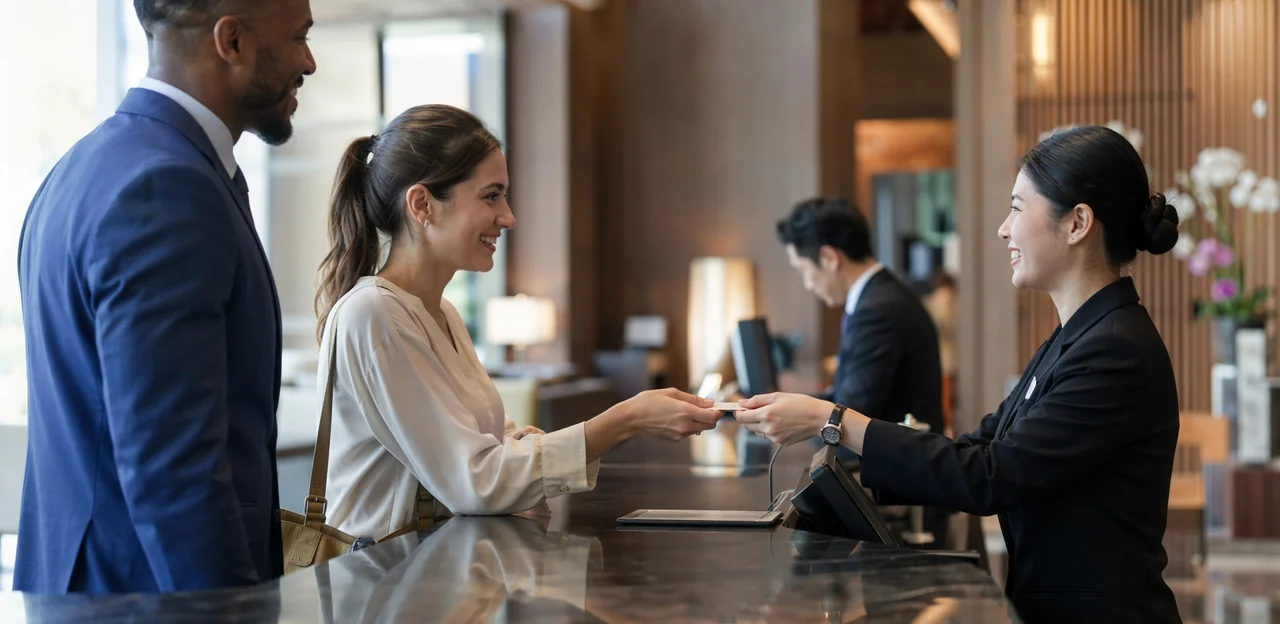
In accommodation and hospitality, client relationship management means managing every interaction before, during, and after a stay so guests feel recognized, valued, and more likely to return. Instead of treating a reservation as a one-time sale, hotels now focus on relationship management with customers across the full lifecycle—from discovery and booking to post-stay feedback, loyalty offers, and re-engagement.
Client relationship management best practices include:
- Unifying guest data in a client management CRM
- Personalizing messages through strong client communication management
- Using feedback to improve service and retention
- Connecting marketing, service, and business development client relationship management goals
Practical client relationship management tips include tracking preferences, resolving issues quickly, and offering relevant upsells. With the right relationship management services, teams build loyalty, repeat bookings, and stronger lifetime value.
Guest-facing teams directly shape hotel revenue because every interaction influences trust, spend, and return intent. Strong client relationship management helps front desk, reservations, concierge, guest services, and sales teams deliver consistent, personalized communication across the stay lifecycle.
- Front desk and reservations use effective client communication management to confirm preferences, reduce friction, and set expectations before arrival.
- Concierge and guest services strengthen relationship management with customers by resolving issues quickly, recommending experiences, and creating memorable moments that drive reviews and referrals.
- Sales teams support business development client relationship management by nurturing group, corporate, and repeat-booking opportunities.
Key client relationship management best practices include shared guest profiles, timely follow-ups, and coordinated upsell offers within a unified client management CRM. These client relationship management tips improve satisfaction, repeat stays, and the value of relationship management services.
Common hospitality pain points a CRM strategy solves
Guest-facing teams often struggle when information lives in separate booking, POS, feedback, and messaging tools. A strong client relationship management approach closes these gaps and improves both operations and experience.
- Fragmented guest data: A client management crm unifies stay history, preferences, complaints, and spend, giving staff one reliable view.
- Inconsistent service: Standardized workflows support client communication management, so guests receive timely, consistent responses across channels and shifts.
- Missed personalization opportunities: With better relationship management with customers, teams can tailor upgrades, offers, and recovery actions based on real behavior.
- Weak follow-up: Automated reminders, post-stay outreach, and task tracking strengthen retention and support business development client relationship management goals.
Among the most effective client relationship management tips: centralize data, automate follow-up, and apply client relationship management best practices through scalable relationship management services.
Core Client Relationship Management Best Practices for Guest-Facing Teams

Build a single guest view across every touchpoint
Effective client relationship management in hospitality starts with one unified guest profile. When booking history, room and dining preferences, service requests, loyalty status, and post-stay feedback live in the same client management crm, teams can personalize every interaction without asking guests to repeat themselves.
- Connect core systems: Sync PMS, POS, booking engine, messaging, and survey tools to centralize guest data.
- Track the full journey: Combine pre-arrival requests, on-property activity, and post-stay sentiment for stronger relationship management with customers.
- Make profiles actionable: Surface upsell opportunities, recovery alerts, VIP notes, and communication preferences in real time.
- Standardize team use: Strong client relationship management best practices include shared notes, clean data entry, and clear ownership across departments.
This approach improves client communication management, supports relationship management services, and strengthens business development client relationship management. One of the most practical client relationship management tips is simple: give every team one source of truth.
Standardize communication without losing personalization
Strong client relationship management in hospitality starts with clear standards that still leave room for human judgment. Build a shared communication framework for email, SMS, chat, and face-to-face service so every guest receives timely, on-brand support.
- Create channel-specific templates: Draft approved responses for booking confirmations, upsells, complaints, late arrivals, and post-stay follow-ups. This improves client communication management without sounding robotic.
- Use guest data to personalize: Pull in stay history, preferences, language, loyalty tier, and behavior triggers through your client management CRM.
- Define service rules: Set response times, tone guidelines, escalation paths, and recovery steps as part of client relationship management best practices.
- Train teams to adapt: Staff should personalize the script based on context, making relationship management with customers feel genuine.
- Review performance regularly: Track response quality, conversion, satisfaction, and retention to refine workflows.
These client relationship management tips also support business development client relationship management and stronger relationship management services across the guest journey.
Train teams to act on insights in real time
Strong client relationship management in hospitality depends on how quickly frontline teams turn guest data into action. Training should be practical, role-based, and tied to live service moments.
- Run scenario drills: Practice common situations such as a delayed check-in, allergy note, or poor dining review. Staff learn client relationship management best practices by responding to alerts, service notes, and preferences in the moment.
- Teach dashboard fluency: Show teams how to read a client management CRM, prioritize urgent flags, and log outcomes clearly for stronger client communication management.
- Create response playbooks: Give staff simple steps for recovery, upsell, and personalization so relationship management with customers feels consistent across shifts.
- Use daily insight huddles: Review guest feedback trends, VIP arrivals, and open issues to support faster decisions and better relationship management services.
- Coach for revenue and loyalty: Connect service recovery and personalization to repeat stays, upsells, and business development client relationship management goals.
These client relationship management tips help teams resolve problems faster and create memorable guest experiences.
Using AI, Analytics, and Integrations to Strengthen Guest Relationships

How AI supports smarter personalization and service recovery
AI strengthens client relationship management by turning guest data into timely, practical actions for frontline teams. In hospitality, this means better stays, faster recovery, and stronger loyalty.
- Identify booking patterns: AI spots repeat stay timing, room choices, spend habits, and channel preferences, helping teams apply client relationship management best practices at every touchpoint.
- Predict preferences: From pillow type to dining interests, AI helps power more relevant offers through client management crm and stronger client communication management.
- Flag churn risks: Declining visit frequency, lower spend, or negative feedback can trigger alerts, supporting proactive relationship management with customers.
- Recommend next-best actions: Staff can offer upgrades, service recovery perks, or tailored follow-ups that support business development client relationship management and long-term relationship management services.
These client relationship management tips help improve retention while making service feel genuinely personal.
The role of analytics in loyalty and retention decisions
In client relationship management, analytics helps guest-facing teams move from guesswork to timely, personalized action. The most useful metrics show where relationship management with customers is strengthening—or breaking down:
- Repeat booking rate: reveals loyalty and whether post-stay follow-up is working.
- Guest lifetime value: helps prioritize high-impact retention strategies and tailored offers.
- Response times: measure how quickly teams resolve requests, a core part of strong client communication management.
- Upsell conversion: shows which offers, channels, and moments drive added revenue.
- Satisfaction trends: track CSAT, NPS, reviews, and feedback patterns over time.
These insights shape smarter relationship management services, from faster service recovery to better segmentation and more relevant campaigns. Among the most practical client relationship management best practices are reviewing dashboards weekly, aligning teams around shared KPIs, and using a client management CRM to support business development client relationship management. These are essential client relationship management tips for long-term retention.
Essential integrations for a connected hospitality ecosystem
Effective client relationship management depends on connected systems, not isolated tools. A strong client management CRM should sync with every guest-facing platform so teams can act on one accurate profile in real time.
- PMS and CRS: Share stay history, preferences, room status, and rate data to support smarter relationship management with customers before, during, and after each stay.
- Booking engine: Push direct-booking data into the CRM for stronger segmentation, upsell workflows, and business development client relationship management.
- POS: Connect restaurant, bar, and spa spend to personalize offers and loyalty triggers.
- Messaging tools: Unify WhatsApp, SMS, email, and chat for seamless client communication management.
- Loyalty and survey platforms: Combine rewards, feedback, and service recovery into measurable relationship management services.
Among the best client relationship management best practices and client relationship management tips: integrate once, automate follow-up, and give staff one guest view.
Applying Client Relationship Management Across the Guest Journey

Pre-stay engagement that builds trust and intent
Strong client relationship management starts before arrival. A timely confirmation message should do more than verify dates; it should set expectations, share helpful details, and open a clear path for client communication management. This early touchpoint supports relationship management with customers by making guests feel recognized, informed, and confident in their choice.
- Confirm with clarity: Include booking details, check-in guidance, policies, and contact options.
- Collect preferences early: Ask about room setup, dietary needs, arrival time, or special occasions to support client relationship management best practices.
- Present relevant upsells: Offer parking, breakfast, spa access, or upgrades based on stay type through your client management CRM.
- Reach out proactively: Pre-arrival support reduces friction, increases conversion, and strengthens business development client relationship management and broader relationship management services.
These are practical client relationship management tips that improve first impressions and revenue.
On-property service moments that drive satisfaction
Strong client relationship management happens in the moments guests feel most seen and supported. Guest-facing teams can improve relationship management with customers by using shared profiles, real-time alerts, and clear recovery workflows across the stay.
- Check-in: Use a client management CRM to surface preferences, loyalty status, past issues, and special occasions so staff can personalize greetings and room assignments.
- Stay support: Trigger alerts for housekeeping delays, maintenance needs, or VIP arrivals to strengthen client communication management and speed response times.
- Dining and amenities: Link dining history and preferences to recommend relevant offers, a smart example of business development client relationship management in action.
- Issue resolution: Build relationship management services around service recovery playbooks—acknowledge, resolve, compensate, and follow up.
These are practical client relationship management tips and client relationship management best practices that turn routine interactions into loyalty-building moments.
Post-stay follow-up that increases repeat bookings
A stay should not end at checkout. Strong client relationship management turns departure into the start of the next booking by using timely, relevant follow-up that feels helpful rather than promotional. Effective relationship management with customers depends on speed, personalization, and clear value.
- Send feedback requests within 24–48 hours to capture fresh insights and improve client communication management.
- Invite guests into loyalty programs with a simple benefit-led message, such as member-only rates or late checkout.
- Use segmented re-engagement campaigns based on stay history, preferences, and spend—core client relationship management best practices.
- Deliver personalized offers for anniversaries, seasonal travel, or upgrades through your client management CRM.
These client relationship management tips support retention, while business development client relationship management and tailored relationship management services help convert one-time guests into loyal, higher-value repeat customers.
Business Development and Revenue Growth Through Better Relationship Management

Connecting guest experience with commercial strategy
Strong client relationship management connects front-desk teams, guest services, marketing, and sales around one live guest profile. When preferences, feedback, spend patterns, and stay history are shared, teams can act faster and more personally to improve relationship management with customers and drive revenue.
- Use a unified client management CRM to track requests, preferences, upgrades, and post-stay engagement.
- Apply client relationship management best practices by linking service recovery data to marketing offers and sales follow-up.
- Build client communication management workflows for pre-arrival, in-stay, and post-stay messaging.
- Support business development client relationship management with segmented offers for repeat stays, corporate accounts, and upsell opportunities.
This turns guest insight into stronger retention, more direct bookings, and long-term account growth.
Segmenting guests for higher-value outreach
Strong client relationship management starts with smart segmentation, so guest-facing teams send offers that feel timely and personal rather than generic. Use your client management CRM to group guests by:
- Stay frequency: first-time, occasional, and repeat guests
- Spend level: budget, mid-value, and premium spenders
- Travel purpose: business, leisure, family, event, or bleisure
- Loyalty tier: non-member, member, VIP, or at-risk loyalist
- Preferences: room type, dining habits, spa use, language, and channel choice
This improves client communication management, supports relationship management with customers, and drives upsell opportunities. Among the most effective client relationship management best practices are updating profiles after every stay, automating tailored campaigns, and aligning relationship management services with revenue goals for stronger business development client relationship management.
Turning service excellence into advocacy and referrals
Strong client relationship management helps guest-facing teams turn great stays into measurable growth. When hotels combine responsive service, personalized follow-up, and clear client communication management, they strengthen relationship management with customers and create moments guests want to share.
- Ask for reviews at peak satisfaction moments, such as checkout or after issue resolution.
- Use a client management CRM to track preferences, complaints, and loyalty triggers across stays.
- Apply client relationship management best practices by following up with corporate bookers, event planners, and repeat guests with tailored offers.
- Turn feedback into action using relationship management services that identify referral-ready guests and at-risk accounts.
These client relationship management tips also support business development client relationship management, helping properties win referrals, group bookings, and long-term brand affinity in competitive markets.
Implementation Tips, Challenges, and Next Steps

Common mistakes hotels should avoid
- Poor data hygiene: Duplicate profiles, outdated preferences, and missing stay history weaken client relationship management and personalization. Audit records regularly in your client management CRM.
- Over-automation: Too many generic messages damage relationship management with customers. Balance automation with human service.
- Disconnected systems: When PMS, POS, and CRM do not sync, client communication management becomes inconsistent.
- Weak staff adoption: Train front-line teams on client relationship management best practices and practical client relationship management tips.
- Inconsistent follow-up: Fast, reliable recovery supports business development client relationship management and stronger relationship management services.
A practical rollout plan for hospitality teams
- Audit current journeys: Map guest touchpoints, handoffs, and gaps in client relationship management and client communication management.
- Choose the right stack: Select a client management CRM with integrations for PMS, POS, loyalty, and feedback tools.
- Define workflows: Standardize follow-ups, escalation paths, and ownership across departments to improve relationship management with customers.
- Train teams: Share clear client relationship management best practices and practical client relationship management tips by role.
- Measure and scale: Track response times, repeat bookings, upsell rates, and satisfaction across properties to strengthen business development client relationship management and relationship management services.
How to measure success over time
Track client relationship management with a simple KPI rhythm:
- Weekly: response rate, sentiment, resolution time, and client communication management quality across guest touchpoints.
- Monthly: repeat bookings, loyalty sign-ups, offer redemption, and feedback completion rates to gauge relationship management with customers.
- Quarterly: guest lifetime value, upsell revenue, referral volume, and churn risk.
Use a client management CRM to compare locations, teams, and campaigns. Among the most practical client relationship management best practices are tying service scores to revenue, reviewing trends consistently, and applying client relationship management tips to strengthen business development client relationship management and relationship management services.
Conclusion
In hospitality, exceptional service doesn’t end at check-in, checkout, or the final bill—it’s built through consistent, personalized client relationship management at every guest touchpoint. For hotels, resorts, and accommodation providers, the strongest strategies combine attentive service, smart data use, seamless integrations, and timely follow-up to improve loyalty, satisfaction, and long-term revenue. By applying proven client relationship management best practices, guest-facing teams can strengthen relationship management with customers, streamline client communication management, and turn everyday interactions into lasting brand affinity.
The most effective approach blends human hospitality with technology. A well-connected client management CRM helps teams unify guest preferences, service history, feedback, and loyalty activity, while AI and analytics reveal opportunities for more proactive, personalized engagement. This is also where business development client relationship management becomes valuable, helping properties identify repeat-visit potential, upsell opportunities, and stronger partnership outcomes. Combined with practical client relationship management tips and trusted relationship management services, these tools help teams deliver more relevant experiences at scale.
The next step is simple: audit your current guest journey, identify communication gaps, and invest in systems that connect feedback, service, and retention. Explore CRM, analytics, and engagement platforms—such as Tapsy where relevant—to build a more responsive strategy. Strengthen your client relationship management now, and you’ll create better guest experiences that drive loyalty, advocacy, and growth.
Frequently Asked Questions
- What does client relationship management mean for hotels and other accommodation providers?
It means managing guest interactions before, during, and after a stay so guests feel recognized, valued, and more likely to return. It goes beyond storing contact details by connecting preferences, service history, feedback, loyalty activity, and real-time communication in one coordinated approach.
- Why is client relationship management important for guest-facing teams?
Guest-facing teams influence trust, spend, satisfaction, and return intent at every touchpoint. Strong client relationship management helps front desk, reservations, concierge, guest services, and sales teams deliver faster, more personal, and more consistent service.
- What problems can a hospitality CRM strategy solve?
A strong CRM strategy helps fix fragmented guest data, inconsistent service, missed personalization opportunities, and weak follow-up. By centralizing information and automating key workflows, teams can respond more reliably and retain more guests.
- What is a single guest view, and why does it matter?
A single guest view is a unified profile that combines booking history, preferences, loyalty status, service requests, spend, and feedback. It matters because staff can personalize service in real time without asking guests to repeat the same information.
- Which systems should connect to a client management CRM in hospitality?
The CRM should connect with PMS, CRS, booking engines, POS systems, messaging tools, loyalty platforms, and survey tools. These integrations give teams one accurate guest profile and support better communication, segmentation, upsells, and service recovery.
- How can hotels standardize communication without sounding robotic?
They can use approved templates for common moments like confirmations, upsells, complaints, and post-stay follow-ups while still allowing staff to adapt the message to the situation. Guest data such as stay history, preferences, language, and loyalty tier helps keep communication personal.
- How should teams use guest data in real time during a stay?
Teams should be trained to read CRM dashboards, act on alerts, and follow simple playbooks for personalization, recovery, and upsells. Daily huddles and scenario drills help staff respond quickly to VIP arrivals, service issues, and guest preferences.
- How does AI help improve guest relationships in hospitality?
AI can identify booking patterns, predict preferences, flag churn risks, and recommend next-best actions. That helps teams deliver more relevant offers, faster service recovery, and more proactive follow-up.
- Which metrics are most useful for loyalty and retention decisions?
Useful metrics include repeat booking rate, guest lifetime value, response times, upsell conversion, and satisfaction trends such as CSAT, NPS, reviews, and feedback patterns. These measures show where guest relationships are improving and where service or communication is breaking down.
- What should hotels do before arrival to build trust and increase revenue?
They should send clear confirmation messages, share check-in guidance and policies, collect preferences early, and offer relevant upsells such as parking, breakfast, spa access, or upgrades. Proactive pre-arrival communication reduces friction and improves first impressions.
- What are the most important CRM actions during the guest stay?
At check-in, staff should use guest profiles to personalize greetings, room assignments, and service based on loyalty status, past issues, and special occasions. During the stay, real-time alerts and recovery workflows help teams resolve housekeeping, maintenance, or service problems quickly.
- How should hotels follow up after checkout to encourage repeat bookings?
They should send feedback requests within 24 to 48 hours, invite guests to loyalty programs with clear benefits, and use segmented campaigns based on stay history, preferences, and spend. Personalized offers for anniversaries, seasonal travel, or upgrades can help turn one-time guests into repeat customers.
- How does client relationship management support business development and revenue growth?
It connects guest experience with marketing, sales, and account growth by using shared guest data to guide offers, follow-up, and upsell opportunities. This supports repeat stays, corporate accounts, group bookings, referrals, and stronger direct booking performance.
- How should hotels segment guests for better outreach?
Hotels can group guests by stay frequency, spend level, travel purpose, loyalty tier, and preferences such as room type, dining habits, spa use, language, and channel choice. This makes outreach more relevant and improves both personalization and conversion.
- What common mistakes should hospitality teams avoid when rolling out CRM practices?
They should avoid poor data hygiene, over-automation, disconnected systems, weak staff adoption, and inconsistent follow-up. A practical rollout starts with auditing guest journeys, choosing an integrated CRM stack, defining workflows, training teams, and measuring results over time.