
A member who feels ignored rarely complains twice—they simply stop showing up. For sports associations and clubs, that quiet disengagement can be far more damaging than a tough conversation at reception, a frustrated email after training, or a negative comment about facilities, communication, or scheduling. That is why effective club complaint management is not just a customer service task; it is a core part of retention, reputation, and day-to-day operations.
When complaints are handled quickly, fairly, and consistently, clubs have an opportunity to rebuild trust, improve the member experience, and prevent small issues from becoming long-term dissatisfaction. Whether the concern involves coaching quality, cleanliness, billing, event organization, or safety, the response process can shape how members feel about the club long after the original issue is resolved.
This article explores how sports clubs can respond before members disengage, with practical guidance on identifying complaint patterns, creating faster service recovery workflows, empowering staff, and turning feedback into operational improvement. It will also look at how clubs can collect in-the-moment feedback more effectively—using tools such as Tapsy where relevant—to spot problems early and act before frustration turns into churn.
Why Club Complaint Management Matters in Sports Clubs

The Link Between Complaints, Trust, and Member Retention
Sports club complaints are rarely just isolated frustrations; they highlight service gaps in communication, facilities, scheduling, coaching, or safety. Strong club complaint management helps clubs treat complaints as early warning signals rather than admin problems.
- Complaints reveal what members value most: recurring issues show where the experience is falling short.
- Unresolved problems weaken member trust: when members feel ignored, they question whether the club listens, cares, or can improve.
- Fast, thoughtful responses support member retention: acknowledging the issue, explaining next steps, and following up can turn disappointment into confidence.
The goal is not only to reduce churn, but to build stronger loyalty. Clubs that respond well often increase member trust, improve operations, and create a more resilient member experience.
Common Complaint Triggers in Associations and Clubs
Effective club complaint management starts with spotting the patterns behind recurring frustration. In many associations, the most common club member complaints include:
- Poor communication: unclear updates about policies, events, closures, or team changes
- Scheduling issues: late fixture changes, overcrowded sessions, or inconvenient training times
- Coaching concerns: inconsistent standards, favoritism, weak feedback, or conduct problems
- Billing disputes: unclear fees, renewal confusion, or incorrect charges
- Facility quality: dirty changing rooms, broken equipment, poor lighting, or safety risks
- Inconsistent member service: slow responses, unfriendly staff, or unresolved service issues
For stronger sports club operations, log complaints by category, track repeat problems, and assign clear owners. Tools like Tapsy can help capture feedback quickly at the moment issues occur.
The Cost of Responding Too Late
Slow club complaint management does more than delay a fix — it increases member disengagement and weakens trust across the club community. When members feel ignored, they are less likely to renew, volunteer, attend events, or recommend the club to others.
- Higher member disengagement: Poor complaint response time makes members feel their concerns do not matter.
- Negative word of mouth: Frustrated members often share bad experiences with parents, players, and local networks.
- Volunteer frustration: Delays create extra pressure on volunteers, who often absorb complaints without clear updates or support.
- Damage to club reputation: Small unresolved issues can quickly shape wider perceptions of professionalism and care.
To reduce risk, set response deadlines, assign ownership, and use simple tools such as Tapsy to capture and route issues quickly.
Build a Complaint Management Process That Members Trust

Create Clear Reporting Channels
Strong club complaint management starts with a simple, visible complaint reporting process. If members have to guess where to complain, many will stay silent until they disengage.
Make reporting easy by offering multiple member feedback channels, such as:
- Email: Use a dedicated complaints inbox monitored daily.
- Online forms: Add a short form on your website with clear categories and urgency options.
- Mobile tools: Use apps or QR-based tools like Tapsy to capture feedback quickly at the point of experience.
- Front-desk staff: Train reception teams to log concerns consistently and escalate serious issues.
- Named contacts: Publish welfare, safeguarding, and operations contacts for sensitive or service-related sports association complaints.
Keep every channel easy to find in welcome packs, signage, newsletters, and your member portal.
Set Response Standards and Ownership
A strong club complaint management system needs clear ownership and response rules. Without them, issues sit in inboxes, get passed around, or are answered too late to rebuild trust.
- Assign a named owner for every complaint category, such as facilities, coaching, billing, or events. This keeps the complaint resolution process accountable from first contact to closure.
- Define first-response timelines with practical service standards. For example, acknowledge all complaints within 24 hours and provide a resolution update within 3 business days.
- Set clear complaint escalation rules for urgent, repeated, or high-risk issues. Safety concerns, discrimination claims, or unresolved complaints should move immediately to senior management.
- Track handoffs and deadlines in one system so nothing is missed. Tools like Tapsy can help route issues quickly to the right team.
Document Issues Consistently
Strong club complaint management depends on clear, repeatable issue documentation. Every complaint should be logged in one central system as soon as it is received, with the date, member details, channel, location, summary, severity, and owner recorded.
- Categorize themes: Use tags such as facilities, coaching, billing, communication, safety, or conduct to improve complaint tracking and spot recurring patterns.
- Track outcomes: Record actions taken, response times, escalation steps, and final resolution status.
- Maintain an audit trail: Keep notes, emails, and decisions together to support transparency, club governance, and fair handling.
- Review trends regularly: Monthly reporting helps identify training needs, operational gaps, and emerging risks.
Tools like Tapsy can help clubs capture and route issues quickly from real touchpoints.
How to Respond Before Members Disengage

Acknowledge Quickly and Show Empathy
In effective club complaint management, speed matters as much as the final fix. A fast, respectful reply reassures members that their concerns are being taken seriously and reduces the risk of disengagement.
- Respond promptly: Aim to acknowledge complaints within hours, even if a full resolution will take longer. A simple update like, “Thank you for raising this—we’re looking into it now,” strengthens member communication.
- Practice active listening: Repeat back the issue in your own words to confirm understanding. This prevents missteps and shows the member has been heard accurately.
- Use empathetic language: An empathetic complaint response might say, “I understand how frustrating that must have been,” rather than sounding defensive or procedural.
- Set next steps clearly: Explain what will happen next, who is handling it, and when the member can expect an update.
This approach builds trust and improves service recovery before the issue is fully resolved.
Investigate Fairly and Communicate Next Steps
Strong club complaint management depends on a fast, balanced response. A good complaint investigation should focus on facts, not assumptions, so members feel heard and respected.
- Gather the full picture: Review the complaint details, check records, timelines, bookings, messages, or incident reports, and speak to everyone directly involved.
- Involve the right people: Bring in relevant staff, coaches, volunteers, or safeguarding leads early so decisions reflect the full context.
- Stay neutral: Avoid defensiveness, blame, or dismissive language. Fair complaint handling means listening carefully, acknowledging impact, and assessing evidence objectively.
- Set clear expectations: Tell the member what happens next, who is reviewing the issue, and when they can expect member updates.
- Give a timeline: For example, confirm receipt within 24 hours, provide an update in 3–5 days, and share a decision date.
Tools like Tapsy can also help route issues quickly to the right team.
Resolve, Follow Up, and Rebuild Confidence
Strong club complaint management does not end when the issue is logged. Effective complaint resolution means giving members a fair remedy, showing that action happened, and checking whether the experience has improved.
- Offer a practical remedy: match the response to the issue, such as a refund, class credit, guest pass, timetable adjustment, or immediate facility fix.
- Confirm the action taken: tell the member exactly what was changed, who handled it, and when it was completed. Clear communication increases trust and member satisfaction.
- Follow up after resolution: send a short message a few days later to ask if the outcome met expectations and whether anything else is needed.
- Track patterns: repeated complaints about coaching, cleanliness, or booking systems should trigger wider operational changes as part of your retention strategy.
Tools like Tapsy can help clubs capture feedback quickly and close the loop faster, reducing disengagement risk.
Train Staff, Coaches, and Volunteers for Better Service Recovery

Define Roles Across Frontline and Leadership Teams
Strong club complaint management starts with clear responsibility. When everyone knows who owns what, issues are handled faster, with less confusion and better outcomes for members.
- Frontline staff and volunteers: handle routine operational complaints such as bookings, facilities, cleanliness, or event logistics.
- Safeguarding leads: take immediate ownership of any welfare, safety, or child protection concerns under formal reporting procedures.
- Coaching managers or heads of sport: manage complaints about coaching conduct, communication, or session quality.
- Club leadership: oversee escalations, repeated complaints, high-risk cases, or complaints involving reputation and policy.
Support this structure with regular staff training, clear volunteer management processes, and documented complaint ownership rules so responses stay timely, consistent, and appropriate.
Teach Communication Skills for Difficult Conversations
Strong club complaint management depends on frontline staff and volunteers handling difficult conversations calmly and consistently. Build customer service training around a simple response framework:
- Use de-escalation skills: stay calm, lower your tone, avoid defensiveness, and move the conversation to a private space when possible.
- Listen actively: let members or parents explain the issue fully, reflect back key concerns, and ask clarifying questions.
- Apologise well: acknowledge the experience first—“I’m sorry this happened”—without rushing into excuses.
- Set expectations: explain what will happen next, who will follow up, and when they can expect an update.
Short role-play sessions help teams practise real club scenarios before complaints escalate.
Use Templates Without Sounding Robotic
In club complaint management, complaint response templates help teams reply faster and maintain consistent communication, especially during busy periods. The key is to treat templates as a starting point, not a script.
- Begin with the member’s name and reference the exact issue they raised.
- Acknowledge the impact in plain language, not generic apologies.
- Add relevant context, such as the session, facility, or staff interaction involved.
- Explain the next step, timeline, and who is responsible.
- Close with a human invitation to continue the conversation.
This approach protects quality while delivering personalized service. Tools like Tapsy can also help capture complaint context early, making tailored responses easier.
Use Complaint Data to Improve Operations and Member Experience

Spot Patterns in Recurring Issues
Effective club complaint management goes beyond resolving single cases. Use complaint analysis to group feedback by category, location, time, team, or event type so recurring problems become visible. Then apply root cause analysis to uncover what is driving repeat complaints.
- Scheduling: Look for clashes, late changes, or overbooked sessions.
- Facilities: Track repeated reports about cleanliness, equipment, lighting, or access.
- Staffing: Identify trends linked to specific shifts, training gaps, or response times.
- Communication: Review complaints about unclear updates, cancellations, or inconsistent messaging.
- Policy enforcement: Spot where rules are applied unevenly.
This approach turns complaints into operational improvement opportunities. Tools like Tapsy can help clubs capture and compare feedback quickly across touchpoints.
Turn Feedback Into Service Improvements
Effective club complaint management should do more than close tickets—it should drive measurable service improvement across the club. Use recurring member feedback to identify patterns, then turn those insights into action:
- Fix processes: address repeated issues in bookings, facility cleanliness, scheduling, or response times.
- Coach staff: use complaint themes to improve service skills, empathy, and escalation handling.
- Update policies: revise unclear rules, refund terms, or communication protocols that create friction.
- Improve communication: share clearer updates on delays, changes, and resolutions through the channels members actually use.
Track complaint categories monthly and assign owners for follow-up. Tools like Tapsy can help clubs capture real-time feedback and support ongoing club operations improvement.
Measure Success With the Right Metrics
To improve club complaint management, track a small set of clear, actionable KPIs that show both operational performance and member impact:
- First response time: How quickly staff acknowledge a complaint.
- Resolution time: The average time taken to fully resolve issues.
- Repeat complaints: Whether the same problem or member concern keeps returning.
- Post-resolution satisfaction: Use a short follow-up survey to measure how members felt after the issue was handled.
- Member retention indicators: Monitor renewals, attendance, and drop-off after complaints.
These complaint management metrics help clubs spot bottlenecks, improve service recovery, and strengthen member experience KPIs over time. Tools like Tapsy can also help capture and track feedback faster across club touchpoints.
Best Practices and Pitfalls for Sports Associations and Clubs
What Effective Clubs Do Differently
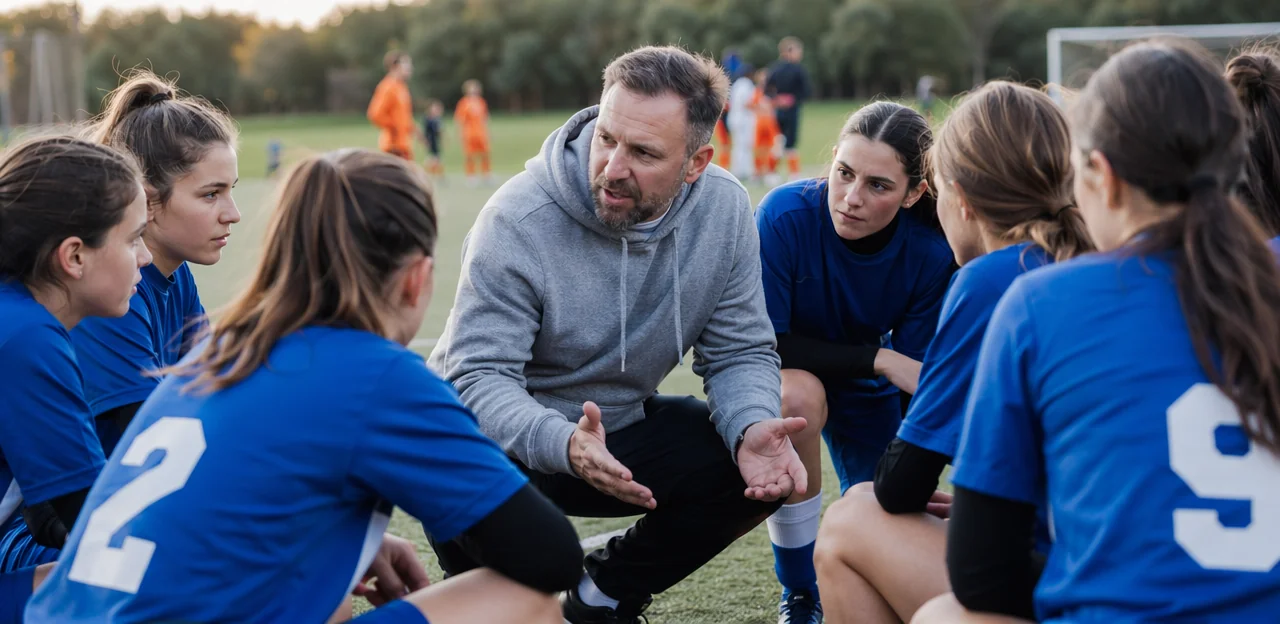
High-performing clubs treat club complaint management as a core part of sports club management, not a last-minute fix. Their best practices are simple, consistent, and visible:
- Communicate early: acknowledge complaints quickly, explain next steps, and keep members updated before frustration grows.
- Show accountability: assign clear owners, track response times, and close the loop so members see action taken.
- Build a member-first culture: train staff and volunteers to view complaints as useful feedback, not criticism.
- Use insights to improve: review patterns regularly and fix recurring issues in scheduling, facilities, coaching, or service.
Some clubs also use tools like Tapsy to capture feedback faster at key touchpoints.
Mistakes That Make Complaints Worse
In club complaint management, small missteps can quickly turn a solvable issue into lasting member frustration. Common complaint handling mistakes include:
- Ignoring early signals: Dismissing minor comments or repeated feedback allows dissatisfaction to build.
- Responding defensively: Excuses, blame, or arguing with members escalates tension instead of resolving it.
- Overpromising fixes: Promising immediate action without capacity leads to distrust and poor service recovery.
- Inconsistent enforcement: Applying rules differently across teams, coaches, or members creates perceptions of unfairness.
- Failing to close the loop: If members never hear what changed, they assume nothing happened.
To avoid this, acknowledge concerns quickly, set realistic expectations, and always follow up with a clear outcome.
A Simple Action Plan for Club Leaders
Use this 30–90 day club action plan to strengthen club complaint management and protect your member retention plan:
- Days 1–30: Audit every complaint channel—email, front desk, coaches, social media, and forms. Map response times, common issues, and where complaints get stuck.
- Days 31–60: Assign clear owners for intake, escalation, and follow-up. Build a simple operations strategy with response targets and accountability.
- Days 61–90: Train staff and volunteers on listening, de-escalation, and recovery steps. Standardize templates, escalation rules, and weekly reviews.
If helpful, tools like Tapsy can speed up feedback capture and routing at key club touchpoints.
Conclusion
Effective club complaint management is not just about resolving problems—it’s about protecting trust, strengthening member relationships, and preventing quiet disengagement before it turns into churn. When sports associations and clubs respond quickly, listen carefully, and close the loop with clear action, complaints become a valuable source of insight rather than a threat to reputation.
The most successful clubs treat complaints as part of the member experience. That means making feedback easy to give, training staff and volunteers to respond consistently, identifying recurring issues, and using data to improve operations across facilities, coaching, events, and communication. In short, strong club complaint management helps clubs move from reactive firefighting to proactive service recovery.
The next step is to review your current complaint process from a member’s perspective. Are members able to raise concerns easily? Are urgent issues escalated fast? Are you tracking patterns and following up in ways that rebuild confidence? If not, now is the time to put a clearer system in place. Tools like Tapsy can also help clubs capture real-time feedback at key touchpoints and act before dissatisfaction grows.
Start by auditing response times, creating clear ownership, and measuring outcomes. Better club complaint management today leads to stronger retention, better experiences, and a more resilient club tomorrow.
Frequently Asked Questions
- Why is complaint management so important for sports clubs and associations?
Complaints often reveal service gaps in communication, facilities, scheduling, coaching, or safety. When clubs respond quickly and fairly, they can rebuild trust, improve the member experience, and reduce the risk of quiet disengagement.
- What are the most common types of member complaints in a club setting?
Common triggers include poor communication, scheduling issues, coaching concerns, billing disputes, facility quality problems, and inconsistent member service. Logging these complaints by category helps clubs identify recurring patterns and assign ownership.
- What happens when a club responds to complaints too slowly?
Slow responses increase member disengagement and weaken trust. They can also lead to negative word of mouth, extra pressure on volunteers, and broader damage to the club’s reputation.
- How can a club make it easier for members to report problems?
Clubs should offer clear reporting channels such as a dedicated email inbox, online forms, mobile or QR-based tools, front-desk logging, and named contacts for sensitive issues. These options should be easy to find in welcome packs, signage, newsletters, and member portals.
- What response standards should a club set for complaints?
A practical approach is to acknowledge complaints within 24 hours and provide a resolution update within 3 business days. Clubs should also define escalation rules for urgent, repeated, or high-risk issues and track deadlines in one system.
- What information should be recorded when a complaint is received?
Each complaint should be logged with the date, member details, reporting channel, location, summary, severity, and assigned owner. Clubs should also record actions taken, response times, escalation steps, and the final resolution to maintain a clear audit trail.
- How should staff respond in the first message to a dissatisfied member?
The first response should be prompt, respectful, and empathetic. It should confirm the concern has been heard, briefly restate the issue, and explain what will happen next, who is handling it, and when the member can expect an update.
- What does a fair complaint investigation look like in a sports club?
A fair investigation focuses on facts rather than assumptions. It involves reviewing records, timelines, bookings, messages, or incident reports, speaking to the people involved, and staying neutral throughout the process.
- What are appropriate ways to resolve a member complaint?
The remedy should match the issue, such as a refund, class credit, guest pass, timetable adjustment, or immediate facility fix. Clubs should also confirm what action was taken and follow up a few days later to check whether the outcome met expectations.
- Who should handle different types of complaints inside a club?
Frontline staff and volunteers can handle routine operational issues like bookings or facilities. Safeguarding leads should take ownership of welfare and safety concerns, coaching managers should handle coaching-related complaints, and club leadership should oversee escalations and high-risk cases.
- How can clubs train staff and volunteers for difficult complaint conversations?
Training should cover de-escalation, active listening, clear apologies, and setting expectations for next steps. Short role-play sessions based on real club scenarios can help teams practise calm, consistent responses before situations escalate.
- Are complaint response templates useful, or do they sound too impersonal?
Templates are useful for speed and consistency, but they should be customized. A strong response includes the member’s name, the specific issue raised, relevant context, clear next steps, and a human invitation to continue the conversation.
- How can complaint data be used to improve club operations?
Clubs can group complaints by category, location, time, team, or event type to spot recurring issues. That makes it easier to identify root causes in scheduling, facilities, staffing, communication, or policy enforcement and turn complaints into operational improvements.
- Which metrics help measure whether complaint handling is improving?
Useful metrics include first response time, resolution time, repeat complaints, post-resolution satisfaction, and member retention indicators such as renewals, attendance, and drop-off after complaints. These measures help clubs identify bottlenecks and improve service recovery over time.
- How can Tapsy support club complaint management?
Tapsy can help clubs capture feedback quickly at the point of experience and route issues to the right team faster. It can also support complaint tracking across touchpoints so clubs can identify patterns and act before dissatisfaction grows.