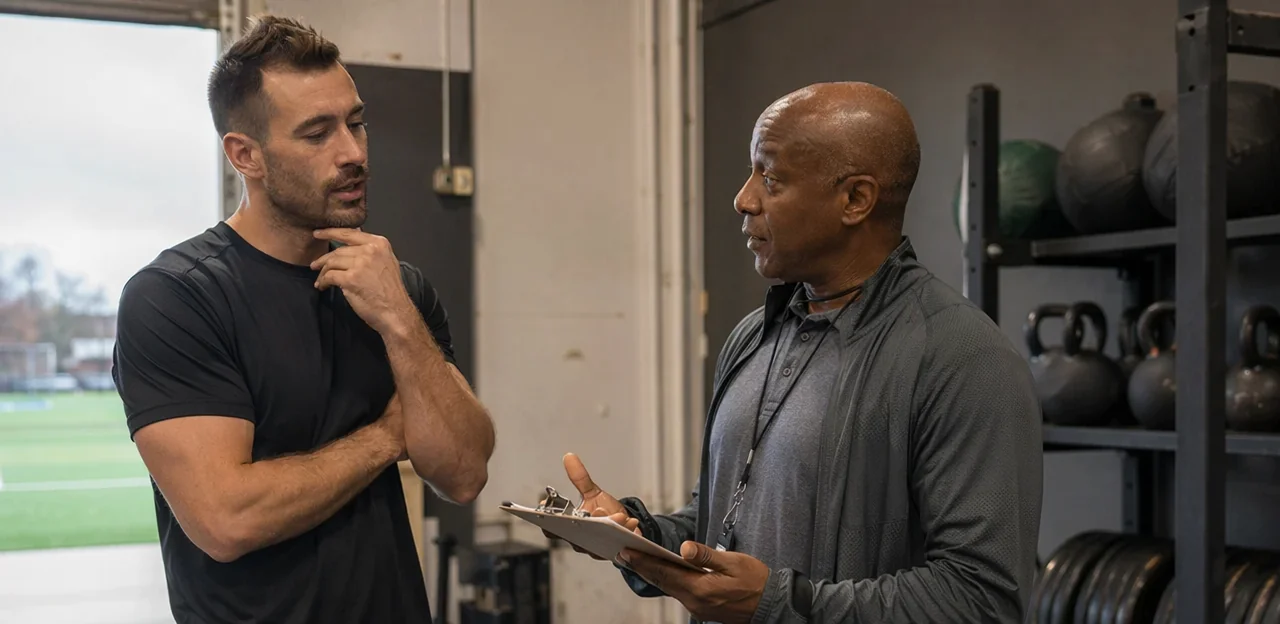
In a coworking space, small frustrations rarely stay small for long. A noisy phone booth, unreliable Wi-Fi, a dirty kitchen, or a booking issue in a meeting room can quickly turn a productive day into a disappointing experience. And when members feel unheard, they do not always complain loudly, they simply stop renewing. That is why coworking service recovery is not just a customer service task; it is a critical part of retention, reputation, and day-to-day operations.
Effective service recovery means spotting problems early, responding quickly, and showing members that their experience matters. In flexible workspaces, where expectations are high and alternatives are easy to find, the ability to fix issues before they become cancellation reasons can make a measurable difference. From front-desk communication to facility maintenance and feedback collection, every touchpoint plays a role in rebuilding trust when something goes wrong.
This article explores how coworking operators can create a stronger recovery process, identify the most common service failures, and turn negative moments into opportunities to improve member experience. It will also look at practical ways to capture real-time feedback and route issues faster, including tools like Tapsy, which can help teams hear member concerns while they are still fresh.
Why coworking service recovery matters for retention

The link between service failures and member churn
Coworking service recovery is the process of identifying a member problem, responding quickly, and restoring confidence before frustration turns into cancellation. In flexible workspaces, small failures can quickly drive member churn because members rely on the space daily to work productively.
Common churn triggers include:
- Persistent noise that disrupts calls or focus
- Poor cleanliness in shared areas, kitchens, or restrooms
- Billing errors that damage trust
- Wi-Fi outages that stop work
- Slow, unclear, or dismissive communication
To improve coworking retention, operators should acknowledge issues fast, apologize clearly, explain the fix, and follow up after resolution. Fast, empathetic coworking service recovery protects recurring revenue because members are more likely to stay when they feel heard, respected, and confident problems will not repeat.
How member experience shapes loyalty in flexible workspaces
In coworking, loyalty is built through the daily member experience. A strong flexible workspace experience depends on three essentials:
- Consistency: Reliable Wi-Fi, clean shared areas, smooth booking, and predictable service standards build trust.
- Responsiveness: Fast action on noise, maintenance, billing, or access issues shows members they are heard.
- Community support: Helpful staff, thoughtful events, and introductions between members increase belonging.
This is where coworking service recovery matters most. When operators acknowledge issues quickly, communicate clearly, and follow up after a fix, they protect coworking member satisfaction before frustration turns into churn.
Actionable ways to strengthen loyalty:
- Capture feedback at key touchpoints.
- Resolve problems with clear ownership and timelines.
- Track recurring complaints to prevent repeat issues.
Fast recovery improves reviews, drives referrals, and supports long-term retention.
The business cost of waiting too long to act
Delayed responses turn small frustrations into expensive exits. In coworking, unresolved issues rarely stay isolated; they spread through daily conversations, online reviews, and community channels. That makes coworking service recovery a core part of any strong customer retention strategy.
- Lost memberships: Members who feel ignored are more likely to cancel, making it harder to reduce coworking churn.
- Negative word of mouth: One poor experience can influence prospects and existing members alike.
- Lower coworking occupancy: More departures mean more empty desks, weaker community energy, and less recurring revenue.
- Higher acquisition costs: Replacing lost members usually costs more than retaining current ones.
The best approach is proactive intervention: monitor feedback early, flag recurring complaints, and resolve issues before members decide to leave. Tools like Tapsy can help teams capture and route problems faster.
Common service failures in coworking spaces

Operational issues members notice first
The fastest way to lose trust is to let visible workspace operational issues interrupt a member’s day. Common coworking problems usually include:
- Internet instability: dropped calls, slow uploads, and unreliable video meetings
- Meeting room conflicts: double bookings, overstays, or rooms missing key equipment
- HVAC problems: spaces that feel too hot, cold, stuffy, or noisy
- Access control failures: members locked out of doors, offices, or after-hours areas
- Cleanliness issues: overflowing bins, messy kitchens, or poorly maintained restrooms
- Broken coworking amenities: printers, screens, coffee machines, phone booths, or lockers out of service
These issues damage perceived value because members see and feel them immediately. Effective coworking service recovery means spotting patterns early, assigning ownership fast, and using tools like Tapsy to capture real-time reports at the point of friction.
Communication and billing mistakes that damage trust
Small admin problems can quickly become retention risks when billing issues and weak coworking communication pile up. In coworking service recovery, operators should treat these mistakes as trust events, not back-office tasks.
- Unclear policies around guest access, meeting rooms, deposits, or cancellation terms create frustration.
- Surprise fees make members feel misled, even when charges are technically allowed.
- Invoicing errors such as duplicate charges or incorrect tax details damage confidence fast.
- Poor onboarding leaves members unsure what is included, who to contact, or how billing works.
- Inconsistent staff communication causes mixed messages and makes members feel unheard.
To protect member trust, publish simple policies, review invoices before sending, train staff on one shared message, and resolve disputes quickly with a clear explanation. Tools like Tapsy can help capture concerns before they escalate.
Community and culture breakdowns
Not every retention risk is physical. In coworking service recovery, social friction often drives exits faster than a broken printer. Interpersonal conflicts, unmanaged noise, cliquey events, and exclusionary behavior can quietly damage workspace culture and trigger serious member complaints.
- Address conflicts early: Train staff to mediate disputes between members before tension spreads.
- Set clear behavior norms: Publish expectations for noise, shared spaces, calls, and respectful conduct.
- Audit event fit: If events feel irrelevant or favor one member group, attendance and trust drop.
- Prioritize inclusivity: Review language, programming, accessibility, and community rituals to ensure everyone feels welcome.
- Strengthen coworking community management: Use regular pulse feedback to spot emotional frustration, isolation, or social disconnect.
Tools like Tapsy can help capture these issues quickly, before dissatisfaction becomes churn.
A practical coworking service recovery framework

Spot issues early with feedback and frontline observation
Effective coworking service recovery starts before a member submits notice. The goal is to build a simple system for service issue detection using both direct signals and frontline insight.
- Use coworking surveys and NPS regularly: Send short pulse checks after onboarding, events, meeting room use, or the first 30 days. Low scores often reveal friction before it turns into churn.
- Track support tickets by category: Repeated complaints about Wi-Fi, billing, noise, or cleanliness matter more than one-off issues.
- Add human check-ins: Reception teams and community managers often hear concerns members never put in writing. Capture these notes in one shared log.
- Watch usage data: Declining desk bookings, fewer event sign-ups, or shorter visits can signal disengagement even when formal member feedback is limited.
- Look for patterns, not isolated complaints: Review trends by location, time, member type, and issue category to spot root causes early.
Tools like Tapsy can also help collect fast, in-the-moment feedback at key touchpoints, making problems easier to catch and fix quickly.
Respond with speed, empathy, and ownership
In coworking service recovery, the first response often determines whether a frustrated member stays calm or starts looking for another space. A strong service recovery process should be simple, fast, and consistent:
- Acknowledge the issue immediately
Let the member know you’ve heard them. Even a quick “Thanks for flagging this” reduces frustration. - Apologize when appropriate
A sincere apology shows respect and lowers tension, especially for avoidable disruptions like Wi-Fi outages, noise, or cleanliness issues. - Clarify the impact
Ask how the problem affected their workday, meeting, or client experience. This improves your customer complaint response and helps prioritize urgency. - Assign clear ownership
One person should own the fix and communication, so the member is not bounced between teams. - Set expectations
Share what will happen next and by when. - Follow up quickly
Confirm the issue was resolved and thank them for raising it.
Well-designed coworking staff training empowers frontline teams to make small fixes, offer practical remedies, and de-escalate problems before they become cancellations. Tools like Tapsy can also help teams capture issues early and route them fast.
Resolve, compensate, and close the loop
Effective coworking service recovery means matching the fix to the impact on the member. Not every issue needs a refund, but every issue needs a fair, fast response.
- Offer credits or discounts when the problem affected value received, such as Wi-Fi outages, billing errors, or unusable amenities.
- Change rooms or desks immediately if noise, temperature, equipment failure, or privacy concerns are disrupting work.
- Provide temporary alternatives like a day office, phone booth access, or partner-space access when the original solution cannot be fixed right away.
- Use upgrades or policy exceptions for high-friction moments, such as extending booking time, waiving a late fee, or offering premium room access after repeated inconvenience.
These are practical service recovery examples that support strong member retention tactics and a smarter customer recovery strategy.
Always confirm the member agrees the issue is resolved. Then document what happened, what was offered, and what caused the failure. Tools like Tapsy can help capture feedback quickly, route issues, and surface patterns so the same problem does not drive future cancellations.
Training teams to recover service effectively

What community managers should say and do
Strong coworking service recovery starts with consistent communication and practical member support. In every channel, community managers should:
- Listen first: Let the member explain the issue fully, in person or digitally. Use active listening: “I understand how disruptive that was.”
- Stay calm and clear: Avoid defensive language. Say, “Thank you for flagging this,” instead of “That’s not usually a problem.”
- Be transparent: Explain what will happen next, who is handling it, and when the member can expect an update.
- Follow through: Close the loop with a message or face-to-face check-in.
This mix of community manager training and strong customer service skills builds trust fast. Tools like Tapsy can also help teams capture issues early and respond faster.
Escalation paths for urgent and sensitive issues
In coworking service recovery, high-risk cases need a formal service escalation process, not ad hoc judgment. Create clear rules so teams know when to escalate immediately:
- Safety threats or coworking safety issues: alert on-site leadership and security immediately, document facts, and contact emergency services if needed.
- Harassment or discrimination complaints: escalate to a senior manager or HR lead within 15 minutes and protect privacy throughout.
- Repeated outages affecting Wi-Fi, access, or utilities: notify operations/IT within 30 minutes and send member updates hourly.
- VIP or enterprise member complaints: assign an accountable manager within 1 hour.
Use a simple complaint escalation matrix, required response times, and incident logs. Tools like Tapsy can help route urgent reports faster.
Creating a recovery culture across the workspace team
To make coworking service recovery a daily habit, leadership must build it into the workspace’s service culture, not treat it as a last-minute rescue. That starts with clear ownership, fast communication, and regular review.
- Set team accountability: Define who owns member issues, response times, and follow-up across reception, community, facilities, and IT.
- Coordinate across teams: Use shared logs, handoff rules, and brief daily check-ins so no complaint gets stuck between departments.
- Drive continuous improvement: Review recurring issues weekly, identify root causes, and turn lessons into process updates and staff coaching.
Tools like Tapsy can help surface issues quickly, but leadership discipline is what turns recovery into operational excellence.
Measuring service recovery success in coworking spaces

Key metrics to track after a service failure
To improve coworking service recovery, track a small set of actionable customer service metrics and coworking KPIs:
- Response time: Shows how quickly your team acknowledges an issue. Faster first responses reduce frustration and signal accountability.
- Resolution time: Measures how long it takes to fully fix the problem. This is one of the most important coworking KPIs for operational efficiency.
- Repeat complaint rate: Reveals whether the same issue keeps happening, helping you spot root-cause failures.
- Retention after complaint: Indicates whether recovery efforts actually prevent churn.
- NPS changes: Compare promoter scores before and after incidents to assess trust recovery.
- Review sentiment: Monitor public feedback trends to catch reputation risks early.
- Compensation cost: Track refunds, credits, or perks to balance recovery quality with profitability.
Tools like Tapsy can help capture these signals in real time at key member touchpoints.
Using complaint data to improve operations
Strong coworking service recovery depends on turning complaints into repeatable fixes, not one-off apologies. Use complaint analysis to group issues by category, such as Wi-Fi, cleanliness, noise, booking errors, billing, or staff response.
- Categorize every complaint by location, time, team, and issue type
- Run root cause analysis to find patterns behind repeat problems, not just symptoms
- Prioritize fixes based on frequency, member impact, and retention risk
- Assign owners and deadlines for each operational change
Hold a monthly review to connect member feedback with measurable operational improvement. For example, repeated room complaints may point to maintenance gaps or unclear booking rules. Tools like Tapsy can help capture and route feedback faster.
When recovery efforts reveal bigger strategic problems
Not every issue can be solved with a quick apology or credit. In coworking service recovery, repeated complaints often point to structural gaps that need a broader service improvement strategy.
- Pricing misalignment: Members repeatedly question value, upgrades, or add-on fees.
- Poor space design: Ongoing noise, privacy, layout, or meeting-room complaints suggest the environment is not supporting work.
- Understaffing: Slow responses, inconsistent cleaning, or weak front-desk support often reflect stretched coworking operations.
- Weak policy communication: Confusion around bookings, guests, or access rules signals unclear messaging.
Use member retention analysis to spot patterns. If the same issue appears across teams, locations, or months, move from tactical fixes to service redesign, staffing changes, pricing reviews, or clearer policy systems.
Preventing future issues and strengthening member loyalty

Build systems that reduce recurring member pain points
The best coworking service recovery strategy is prevention. To prevent member churn, build repeatable systems that catch issues early:
- Create preventive maintenance schedules for Wi-Fi, printers, HVAC, and meeting rooms.
- Strengthen coworking onboarding so members know how to book spaces, get support, and follow key policies.
- Publish clear house rules, response times, and escalation paths.
- Use proactive customer service during outages with fast updates, timelines, and alternatives.
- Run regular member check-ins and pulse feedback, using tools like Tapsy to spot friction before it becomes a cancellation reason.
Turn recovered members into loyal advocates
Strong coworking service recovery can do more than solve a complaint—it can strengthen customer loyalty. When members feel heard, respected, and supported, the service recovery paradox often applies: a well-resolved issue can build more trust than if nothing had gone wrong.
- Follow up within 24–48 hours to confirm the fix worked.
- Use personalized outreach from a manager, not a generic message.
- Offer a thoughtful gesture, such as a day pass, meeting room credit, or coffee voucher.
- Invite feedback again to rebuild confidence and encourage member advocacy.
Create a continuous improvement loop for member experience
Turn every complaint into a repeatable learning cycle. Strong coworking service recovery depends on a simple continuous improvement process:
- Collect feedback fast at key touchpoints to spot friction early.
- Train staff regularly on empathy, escalation, and follow-through.
- Update processes when patterns appear, not just one-off fixes.
- Review trends in leadership meetings to assign owners and track outcomes.
This member experience strategy helps operators turn issues into better systems. Following these coworking best practices builds trust, improves consistency, and strengthens retention because teams learn from every problem.
Conclusion
In the end, strong coworking service recovery is not just about handling complaints—it is about protecting trust, improving the member experience, and preventing small frustrations from turning into cancellations. The most successful coworking operators listen early, respond quickly, communicate clearly, and follow through with meaningful fixes. When teams have clear processes for identifying issues, empowering staff, and closing the feedback loop, they create a workspace where members feel heard and valued.
A proactive approach to coworking service recovery can turn service failures into opportunities to strengthen loyalty. Whether the issue is Wi-Fi reliability, meeting room quality, cleanliness, noise, or community support, the key is to catch problems before members decide to leave. Regular pulse feedback, touchpoint-based reporting, and fast internal routing all help operators move from reactive problem-solving to retention-focused experience management.
Now is the time to review your current recovery process and identify where member concerns may be slipping through the cracks. Build a clear response framework, train your team, and track the issues that matter most. If you want a faster way to collect real-time feedback in shared spaces, tools like Tapsy can help surface issues sooner and support better follow-up. For next steps, explore member feedback systems, retention metrics, and service recovery playbooks tailored to coworking environments.
Frequently Asked Questions
- What is coworking service recovery?
Coworking service recovery is the process of identifying a member problem, responding quickly, and restoring confidence before frustration turns into cancellation. It focuses on fixing issues fast, communicating clearly, and following up so members feel heard and respected.
- Why does service recovery matter so much for coworking retention?
Small failures in a coworking space can quickly lead to churn because members depend on the space every day to work productively. Fast, empathetic recovery helps protect trust, recurring revenue, reviews, referrals, and long-term member loyalty.
- What problems most often trigger coworking member churn?
Common churn triggers include persistent noise, poor cleanliness, billing errors, Wi-Fi outages, and slow or dismissive communication. These issues damage the daily member experience and can push people to stop renewing if they are not resolved quickly.
- How can coworking operators spot issues before members decide to leave?
Use short surveys and NPS checks at key touchpoints, track support tickets by category, and capture notes from reception and community teams. It also helps to watch for patterns like declining desk bookings, fewer event sign-ups, or shorter visits.
- What should a strong first response to a member complaint include?
A strong first response should acknowledge the issue immediately, apologize when appropriate, and clarify how the problem affected the member. It should also assign one clear owner, set expectations for next steps, and include a quick follow-up after resolution.
- Which operational issues do members usually notice first in a coworking space?
Members usually notice visible disruptions such as internet instability, meeting room conflicts, HVAC problems, access control failures, cleanliness issues, and broken amenities. These problems affect work right away, so they can quickly damage perceived value and trust.
- How do billing and communication mistakes damage member trust?
Unclear policies, surprise fees, invoicing errors, poor onboarding, and inconsistent staff communication can make members feel misled or ignored. To reduce that risk, operators should publish simple policies, review invoices carefully, train staff on one shared message, and resolve disputes quickly.
- What role does community culture play in coworking service recovery?
Social friction can drive exits just as fast as physical problems. Early conflict mediation, clear behavior norms, inclusive programming, and regular pulse feedback help protect workspace culture and reduce hidden dissatisfaction.
- When should a coworking complaint be escalated immediately?
Safety threats should be escalated to on-site leadership and security immediately, with emergency services contacted if needed. Harassment or discrimination complaints should go to a senior manager or HR lead within 15 minutes, while repeated outages and VIP or enterprise complaints also need fast formal escalation.
- What are fair ways to compensate members after a service failure?
Fair options include credits or discounts when value was clearly affected, such as during Wi-Fi outages, billing errors, or unusable amenities. Operators can also offer room or desk changes, temporary alternatives like a day office, or practical exceptions such as waived fees or upgraded access.
- How should community managers communicate during a recovery situation?
They should listen fully, stay calm, avoid defensive language, and explain clearly what will happen next. Strong communication also means being transparent about ownership and timing, then closing the loop with a message or face-to-face check-in.
- What metrics should coworking teams track after a service failure?
Useful metrics include response time, resolution time, repeat complaint rate, retention after complaint, NPS changes, review sentiment, and compensation cost. Together, these measures show whether recovery is fast, effective, and improving trust without ignoring profitability.
- How can complaint data be used to improve coworking operations?
Every complaint should be categorized by issue type, location, time, and team so recurring patterns become visible. Teams can then run root cause analysis, prioritize fixes by impact and retention risk, and assign owners and deadlines for operational changes.
- When do repeated complaints point to a bigger strategic problem?
Repeated complaints may signal pricing misalignment, poor space design, understaffing, or weak policy communication. If the same issue appears across teams, locations, or months, the right response is broader service redesign, staffing changes, pricing review, or clearer policy systems.
- How can tools like Tapsy support coworking service recovery?
Tools like Tapsy can help teams capture real-time feedback at key touchpoints, route issues faster, and surface recurring patterns early. That makes it easier to act before frustration grows into churn and to follow up more consistently.