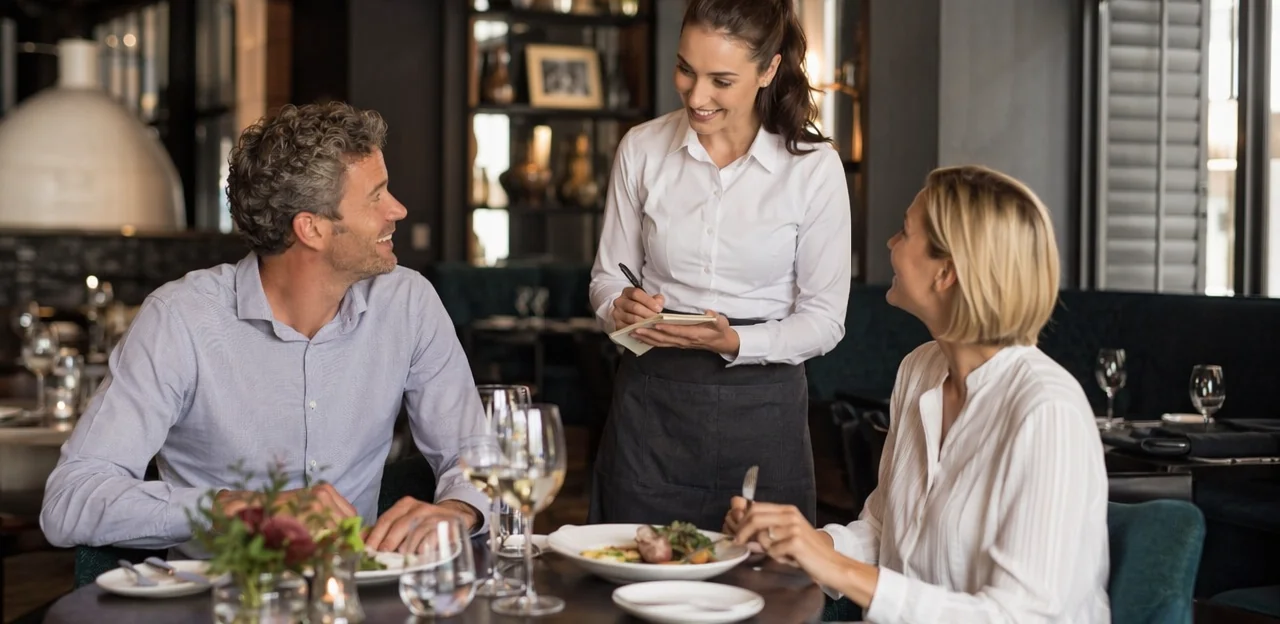
In fine dining, every detail shapes the guest experience, from the first greeting to the final course. Yet even the most carefully designed service can miss the mark if restaurants are not listening closely to what guests truly think. That is where fine dining feedback becomes essential. It gives restaurant operators the insight needed to refine service, elevate menus, and protect the reputation that premium dining depends on.
Unlike casual venues, fine dining restaurants must approach customer feedback with greater precision and sophistication. A thoughtful customer feedback form, well-timed customer feedback surveys, and the right customer feedback tools can reveal what guests value most, where expectations are not being met, and which improvements will have the greatest impact. More importantly, collecting customer feedback consistently helps turn one-time diners into loyal advocates.
This article explores how to collect customer feedback in a way that feels seamless, elegant, and aligned with the fine dining experience. It will cover practical strategies for collecting customer feedback, choosing an effective customer feedback system, and improving customer feedback management through modern technology, AI, and analytics. By understanding the role of a strong customer feedback system, fine dining restaurants can make smarter operational decisions while delivering a more memorable and personalized guest journey.
Why Fine Dining Feedback Matters for Upscale Restaurants

The role of feedback in luxury guest experience
In fine dining, excellence is judged in details. Fine dining feedback helps restaurants understand whether service feels intuitive, courses arrive at the right pace, dishes meet expectations, and the ambiance supports a memorable customer experience. Premium guests expect seamless personalization, not just great food.
Effective customer feedback often reveals issues teams may miss internally, such as:
- overly long gaps between courses
- noise, lighting, or seating discomfort
- inconsistent service tone or wine pairing guidance
- unmet dietary or personalization preferences
To improve results, use short customer feedback surveys, a simple customer feedback form, and discreet customer feedback tools at key touchpoints. Strong customer feedback management turns insights into action, while a reliable customer feedback system supports collecting customer feedback consistently and shows how to collect customer feedback without disrupting the guest journey.
How feedback influences reputation and repeat visits
In fine dining, every detail shapes perception, so fine dining feedback directly affects reputation, loyalty, and revenue. A strong approach to collecting customer feedback helps restaurants spot service gaps early, improve the customer experience, and prevent minor disappointments from turning into damaging public reviews.
- Positive customer feedback fuels online ratings, word-of-mouth referrals, and repeat bookings.
- Fast customer feedback management allows teams to recover unhappy guests before complaints reach Google or TripAdvisor.
- Well-timed customer feedback surveys reveal patterns in food quality, pacing, ambiance, and staff attentiveness.
- The right customer feedback tools, from a simple customer feedback form to a real-time customer feedback system, make how to collect customer feedback easier and more consistent.
When restaurants act quickly on insights, they build trust, strengthen loyalty, and protect long-term revenue.
Common feedback blind spots in fine dining operations
Many operators track reviews, but fine dining feedback often misses the moments that shape the guest experience and directly affect restaurant operations. A strong customer feedback system should uncover friction before it becomes a public complaint.
Common blind spots include:
- Reservation flow: Was booking easy, clear, and accurate?
- Pacing between courses: Long gaps can damage the dining rhythm.
- Staff attentiveness: Guests notice timing, discretion, and table awareness.
- Wine pairing guidance: Weak recommendations can reduce trust and spend.
- Post-meal follow-up: Silence after service means missed loyalty insight.
Instead of treating customer feedback as a marketing metric, use customer feedback surveys, a simple customer feedback form, and other customer feedback tools for operational improvement. Effective customer feedback management depends on collecting customer feedback consistently and knowing how to collect customer feedback at each touchpoint.
How to Collect Customer Feedback in Fine Dining Settings
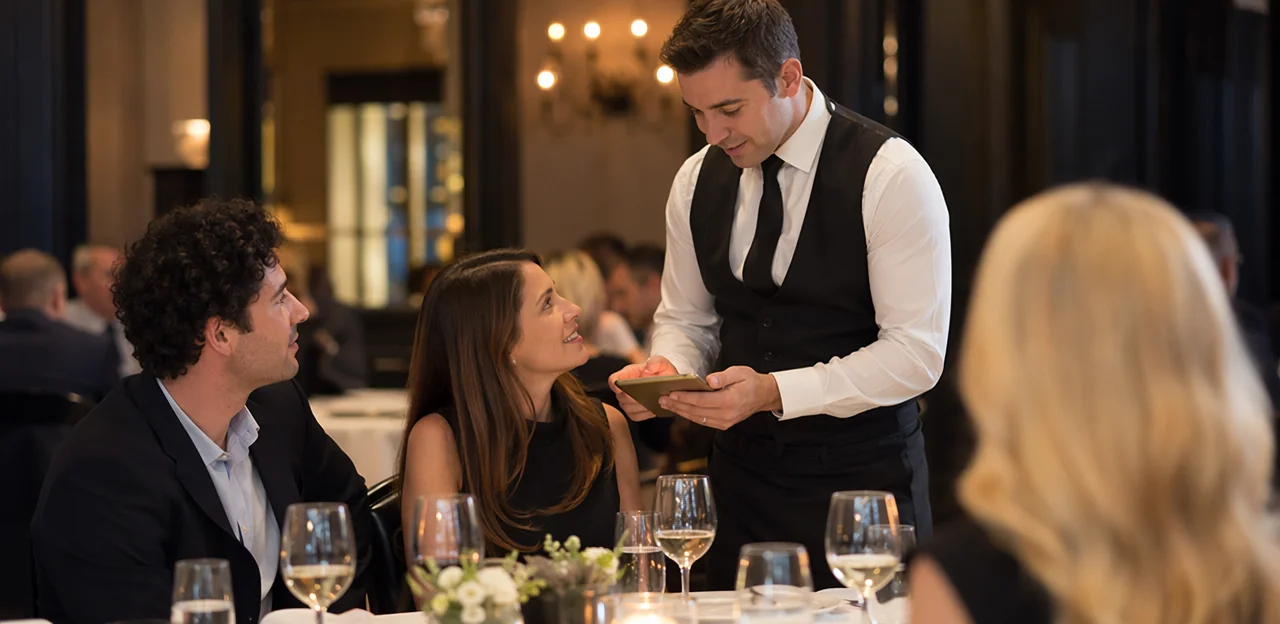
Choosing the right moments in the guest journey
Timing is essential for effective fine dining feedback. The goal is collecting customer feedback without interrupting service or diminishing the atmosphere.
- During service recovery: If a dish, delay, or reservation issue occurs, invite quick verbal customer feedback and log it in your customer feedback management process immediately.
- After dessert or with the bill: This is often the best moment for discreet customer feedback surveys via a subtle QR code, NFC card, or elegant customer feedback form.
- Post-visit email follow-ups: Send a short, personalized message within 24 hours to learn how to collect customer feedback while the experience is still fresh.
- Loyalty program touchpoints: Use rewards, member emails, or digital receipts as low-friction customer feedback tools within your customer feedback system.
Keep requests brief, tasteful, and optional to preserve a premium dining experience.
Best channels for high-quality guest responses
Choosing how to collect customer feedback in fine dining depends on timing, guest intent, and service style. For strong fine dining feedback, use a mix of channels:
- In-person conversations: Best for VIPs, regulars, and tasting-menu guests. Managers can capture nuanced customer feedback immediately, but responses may be less candid.
- SMS: Effective for fast post-visit customer feedback surveys, especially for younger mobile-first diners. Keep the customer feedback form short.
- Email: Works well for reservation-based restaurants and higher-spend guests willing to give detailed reflections.
- QR codes on receipts: Good for casual fine dining and lunch service, though response quality varies.
- Reservation platform follow-ups: Useful for verified diners and structured customer feedback management.
- Private digital surveys: Ideal when using customer feedback tools or a contactless customer feedback system to gather honest, high-quality insights without public review pressure.
How to ask for feedback without lowering perceived exclusivity
In luxury service, fine dining feedback should feel like a private invitation, not a mass-market survey. The right approach improves customer experience while protecting brand prestige.
- Refine the wording: Use polished, low-pressure language such as “We’d value your impressions” rather than “Please fill out our survey.” This makes collecting customer feedback feel personal.
- Choose the right moment: Send customer feedback surveys shortly after dessert or within a few hours of the visit, when details are fresh but the experience still feels elevated.
- Elevate the design: A minimalist customer feedback form with elegant typography, discreet branding, and only a few thoughtful questions outperforms cluttered customer feedback tools.
- Personalize outreach: Reference the guest’s tasting menu, wine pairing, or anniversary booking to show attentive customer feedback management.
- Keep it seamless: A discreet digital customer feedback system answers how to collect customer feedback without disrupting ambiance.
Designing Customer Feedback Surveys and Forms That Guests Complete

Questions that uncover actionable service insights
Strong fine dining feedback starts with focused prompts that reveal what guests will remember and what operators can improve. In your customer feedback surveys or customer feedback form, ask:
- Food presentation: “How visually appealing was your meal?”
- Pacing: “Were courses timed appropriately throughout service?”
- Staff knowledge: “How confident and informed was your server about the menu and wine pairings?”
- Ambiance: “How would you rate lighting, noise level, and overall atmosphere?”
- Reservation ease: “How easy was it to book and confirm your table?”
- Value perception: “Did the experience feel worth the price paid?”
Use rating scales for trend tracking, then add one open-text question like, “What should we improve?” This balance strengthens customer feedback management without creating fatigue. For collecting customer feedback, keep your customer feedback system under 6 questions so customer feedback tools deliver higher completion rates and clearer insights on how to collect customer feedback effectively.
Tailoring surveys for VIPs, regulars, and first-time diners
Effective fine dining feedback starts with asking the right guests the right questions. Instead of sending every table the same customer feedback form, segment your customer feedback surveys by:
- Guest type: VIPs may be asked about service personalization, wine pairing, and exclusivity.
- Visit history: First-time diners can share impressions of booking, welcome, and menu clarity, while regulars can comment on consistency and evolving expectations.
- Occasion: Anniversary or business guests may value ambiance and pacing differently.
- Spend level or tasting menu experience: High-spend or chef’s tasting guests can provide deeper insight into course flow, presentation, and value.
This approach improves relevance, boosts response rates, and strengthens customer feedback management. Smart customer feedback tools or a contactless customer feedback system can simplify collecting customer feedback and refine how to collect customer feedback at every touchpoint.
Mistakes that reduce completion and data quality
A weak customer feedback system often fails for avoidable reasons. In fine dining feedback, these mistakes lower response rates and make insights less useful:
- Surveys that are too long: Lengthy customer feedback surveys create drop-off, especially after a meal. Keep each customer feedback form short and focused.
- Generic questions: Asking vague questions like “How was everything?” produces shallow answers. Use specific prompts about service pacing, menu knowledge, ambiance, and presentation.
- Poor mobile design: If your customer feedback tools are hard to open, read, or submit on a phone, guests will abandon them.
- Asking too late: Waiting days to start collecting customer feedback leads to forgotten details and weaker data.
Strong customer feedback management depends on knowing how to collect customer feedback quickly, clearly, and in the right moment.
Using Customer Feedback Tools, AI, and Analytics to Find Patterns

What modern customer feedback tools can track
Modern customer feedback tools give fine dining teams a clearer view of what guests actually experience. Instead of relying on scattered comments, a strong customer feedback system centralizes:
- Customer feedback surveys and each customer feedback form response
- Online review scores and recurring review themes
- Sentiment trends across food, service, ambiance, and value
- Service issue categories such as wait times, order accuracy, staff attentiveness, or noise
This makes collecting customer feedback far more useful for fine dining feedback. With effective customer feedback management, dashboards turn raw customer feedback into measurable insights, helping managers spot patterns, compare shifts, and prioritize improvements. For teams learning how to collect customer feedback, the goal is simple: move from anecdotal opinions to data-backed action.
How AI and analytics improve feedback interpretation
AI & Analytics turn fine dining feedback into clear operational insight. Instead of manually reading every comment from a customer feedback form or post-visit customer feedback surveys, AI can quickly analyze open-ended responses at scale.
- Detect recurring issues: Spot repeated complaints about pacing, noise, wait times, or dish consistency.
- Highlight strengths: Identify praise for standout servers, tasting menus, wine pairings, or ambiance.
- Surface patterns: Break down customer feedback by shift, server, menu item, table section, or daypart.
- Support faster action: Stronger customer feedback management helps managers adjust staffing, retrain teams, refine menus, and improve service recovery.
Using the right customer feedback tools and customer feedback system also improves collecting customer feedback and clarifies how to collect customer feedback in ways that drive smarter restaurant decisions.
Turning data into operational improvements
Fine dining feedback only creates value when insights lead to action across restaurant operations. Managers should use customer feedback tools and customer feedback surveys to spot patterns, prioritize fixes, and measure results.
- Use customer feedback and each customer feedback form to identify training gaps, such as slow wine service, weak menu knowledge, or inconsistent table pacing.
- Improve menu engineering by analyzing dishes linked to low ratings, frequent substitutions, or unclear descriptions while highlighting high-margin favorites.
- Refine reservation policies using a customer feedback system to track complaints around wait times, deposit rules, or seating preferences.
- Strengthen service recovery with clear follow-up workflows in your customer feedback management process.
When collecting customer feedback, teams learn how to collect customer feedback that drives higher satisfaction, stronger reviews, and more repeat bookings.
Building a Customer Feedback Management Process for Restaurant Teams

Creating a closed-loop feedback workflow
A strong fine dining feedback process should move from insight to action quickly:
- Collect at key moments: Use a simple customer feedback form, table-side QR code, receipt link, or short customer feedback surveys after service for collecting customer feedback while details are fresh.
- Review daily: Managers monitor the customer feedback system, tag themes, and flag urgent service, food, or ambiance issues.
- Assign ownership: Hosts handle arrival or seating comments, servers address service-specific concerns, and managers resolve escalations and recovery.
- Respond fast: Thank guests, acknowledge issues, and follow up personally when needed.
- Act and report: Marketing teams analyze trends, refine messaging, and use customer feedback tools to improve offers, loyalty, and operations.
This structured customer feedback management framework defines how to collect customer feedback and turn it into measurable improvement.
Training staff to respond to feedback professionally
Strong fine dining feedback training helps teams protect the guest relationship in every interaction. Build a simple response framework staff can use consistently:
- Acknowledge praise gracefully: Thank guests by name when possible, reinforce what they enjoyed, and share compliments with the kitchen or service team.
- Handle complaints calmly: Listen without interrupting, apologize sincerely, clarify the issue, and explain the next step. This improves customer experience and supports better customer feedback management.
- Escalate sensitive issues fast: Train staff to flag allergy concerns, billing disputes, or service failures to a manager immediately.
Use role-play, brand voice scripts, and insights from customer feedback surveys, a customer feedback form, and other customer feedback tools. A clear customer feedback system also improves collecting customer feedback and teaches staff how to collect customer feedback consistently.
Key metrics to monitor over time
To turn fine dining feedback into operational improvement, track a focused set of KPIs consistently within your customer feedback system:
- Response rate: Measures how effective your customer feedback surveys and in-service prompts are at collecting customer feedback.
- Satisfaction score: Track guest ratings after service, food, ambiance, and staff interactions.
- Complaint resolution time: Shows how quickly issues are addressed before they damage loyalty.
- Repeat visit rate: Connects feedback trends to retention and revenue.
- Review sentiment: Use customer feedback tools to analyze online reviews for positive, neutral, or negative patterns.
- Recurring issue categories: Identify themes from each customer feedback form, such as wait times or menu consistency.
Together, these metrics strengthen customer feedback management and clarify how to collect customer feedback that drives long-term performance.
Best Practices to Turn Fine Dining Feedback Into Better Guest Experiences
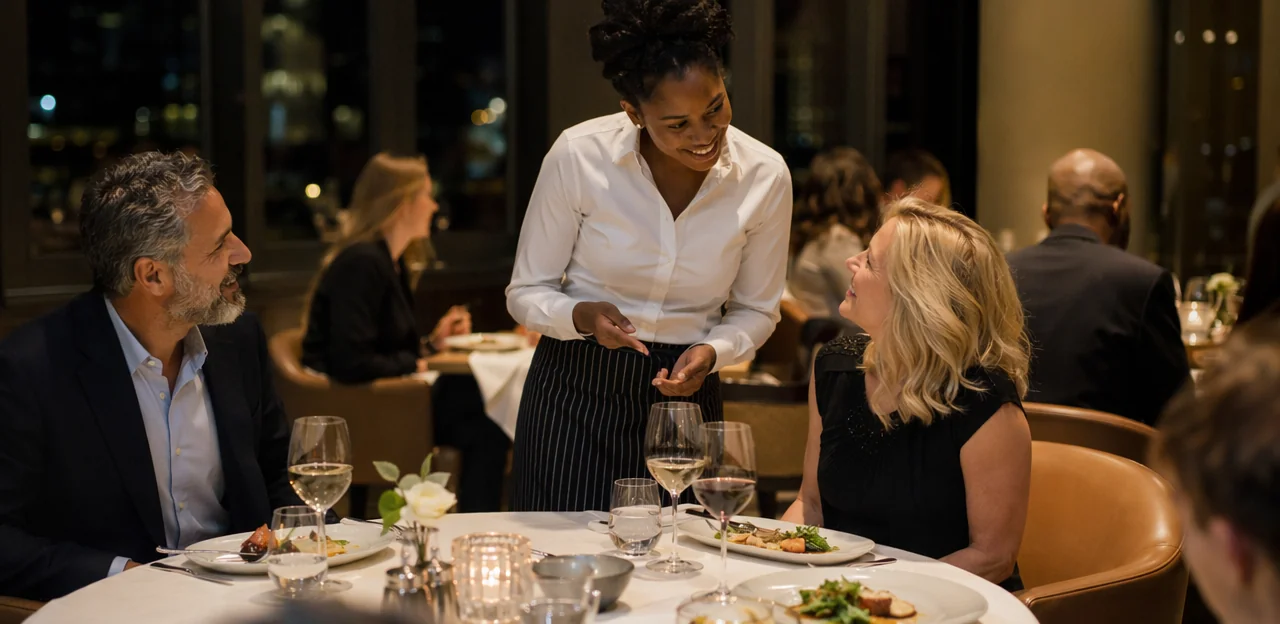
Personalizing service based on guest preferences
Fine dining feedback helps restaurants turn one-time visits into lasting relationships. By collecting customer feedback after each meal, teams can build richer guest profiles and deliver a more refined customer experience.
- Record dietary needs, allergies, wine preferences, and favorite dishes in your customer feedback management process.
- Use a simple customer feedback form or post-dining customer feedback surveys to capture seating preferences, pacing, and ambience requests.
- Note birthdays, anniversaries, and proposal plans so staff can prepare thoughtful touches in advance.
- Use customer feedback tools or a centralized customer feedback system to trigger personalized follow-up, such as tailored invitations or menu recommendations.
This is how to collect customer feedback that feels useful, personal, and loyalty-building.
Using feedback to improve menus, ambiance, and service flow
Fine dining feedback should shape more than service recovery—it should drive innovation across the guest experience. By collecting customer feedback consistently, restaurants can spot patterns that improve both creativity and efficiency in restaurant operations.
- Use customer feedback surveys or a simple customer feedback form to learn which dishes feel overpriced, under-seasoned, or too heavy for the tasting sequence.
- Review comments to refine wine pairings, expand by-the-glass options, or adjust the reserve list.
- Track customer feedback on music volume, playlist style, lighting warmth, and table spacing to better match the desired ambiance.
- A strong customer feedback management process also reveals pacing issues between courses, helping teams optimize timing.
The best customer feedback tools and a reliable customer feedback system turn guest insight into smarter decisions about how to collect customer feedback and act on it quickly.
Encouraging continuous improvement across the restaurant
A strong culture of listening turns fine dining feedback into a competitive advantage. When teams consistently act on customer feedback, they can refine service, protect brand reputation, and deliver experiences that exceed expectations.
- Use a structured customer feedback system to capture insights at every touchpoint, from reservation to dessert.
- Combine customer feedback surveys, a simple customer feedback form, and real-time customer feedback tools to improve response quality.
- Focus on collecting customer feedback quickly, then use clear customer feedback management processes to assign actions and track outcomes.
- Standardizing how to collect customer feedback helps every location respond faster, learn continuously, and maintain exceptional standards.
Conclusion
In fine dining, every detail shapes the guest experience, and that makes fine dining feedback one of the most valuable tools for protecting your reputation and refining service. From ambiance and timing to menu quality and staff attentiveness, consistent customer feedback helps restaurant teams spot strengths, address issues quickly, and create the kind of memorable moments that drive loyalty and word-of-mouth recommendations.
The most effective approach combines thoughtful customer feedback surveys, an easy-to-use customer feedback form, and reliable customer feedback tools that make collecting customer feedback simple for guests and actionable for managers. Whether you are improving tableside service, testing seasonal menus, or strengthening recovery after a service issue, a structured customer feedback system supports smarter decisions and stronger customer feedback management. Just as importantly, knowing how to collect customer feedback at the right moment can increase response rates and deliver more honest, useful insights.
Now is the time to turn fine dining feedback into a core part of your restaurant operations strategy. Review your current process, identify friction points, and implement a system that captures feedback in real time. For next steps, audit your guest journey, compare customer feedback tools, and build a survey framework tailored to your brand. Solutions like Tapsy can also help restaurants gather instant, on-site insights with less friction and greater engagement.
Frequently Asked Questions
- Why is customer feedback especially important for fine dining restaurants?
Fine dining guests judge the experience through small details such as pacing, ambiance, service tone, and personalization. Feedback helps operators identify issues that may not be visible internally and protect the reputation, loyalty, and revenue that premium dining depends on.
- What kinds of service problems can fine dining feedback uncover?
It can reveal overly long gaps between courses, uncomfortable noise or lighting, inconsistent service tone, weak wine pairing guidance, and unmet dietary or personalization preferences. These are often the details that shape whether a guest remembers the experience positively.
- When is the best time to ask guests for feedback in a fine dining setting?
Good moments include during service recovery, after dessert or with the bill, and in a personalized follow-up within 24 hours. The goal is to capture fresh impressions without interrupting the atmosphere or lowering the sense of exclusivity.
- Which feedback channels work best for upscale restaurant guests?
A mix of in-person conversations, SMS, email, QR codes on receipts, reservation platform follow-ups, and private digital surveys can work well. The best choice depends on the guest, the timing, and whether the restaurant wants quick responses or more detailed reflections.
- How can a restaurant ask for feedback without making the experience feel less exclusive?
Use polished, low-pressure wording and present feedback as a private invitation rather than a mass survey. Keep the design minimal, personalize the outreach when possible, and use discreet digital methods that fit naturally into the guest journey.
- What questions should a fine dining feedback form include?
Useful questions cover food presentation, pacing between courses, staff knowledge, ambiance, reservation ease, and value perception. A strong format combines rating scales for trend tracking with one open-text question such as what should be improved.
- How long should a fine dining customer survey be?
It should stay short and focused, ideally under six questions. Shorter surveys reduce fatigue after a meal and usually lead to higher completion rates and clearer insights.
- Should VIPs, regulars, and first-time diners receive the same survey?
No, segmenting surveys makes feedback more relevant and useful. VIPs may be asked about personalization and exclusivity, while first-time diners can comment on booking, welcome, and menu clarity, and regulars can speak to consistency over time.
- What common mistakes reduce survey completion and data quality?
The biggest problems are surveys that are too long, generic questions, poor mobile design, and asking too late. These issues lead to weaker responses, lower completion, and less useful operational insight.
- What should a modern customer feedback system track for a fine dining restaurant?
It should centralize survey responses, feedback form submissions, online review scores, recurring themes, sentiment trends, and issue categories such as wait times or staff attentiveness. This helps managers move from scattered comments to measurable patterns.
- How can AI and analytics improve feedback interpretation?
AI can analyze open-ended comments at scale and detect recurring issues, strengths, and patterns across shifts, servers, menu items, or dayparts. That makes it easier for managers to adjust staffing, retrain teams, refine menus, and improve service recovery.
- How do restaurants turn guest feedback into operational improvements?
Teams can use feedback to identify training gaps, improve menu engineering, refine reservation policies, and strengthen follow-up workflows after service issues. The value comes from spotting patterns, assigning ownership, and measuring whether changes improve satisfaction and repeat visits.
- What does a closed-loop feedback process look like in a restaurant?
It starts by collecting feedback at key moments, then reviewing it daily, tagging themes, and flagging urgent issues. After that, teams assign ownership, respond quickly to guests, and use the findings to improve operations, offers, and service standards.
- Which metrics should restaurant teams monitor over time?
Key metrics include response rate, satisfaction score, complaint resolution time, repeat visit rate, review sentiment, and recurring issue categories. Together, these show whether the feedback process is producing better guest experiences and stronger long-term performance.
- How can feedback help personalize future dining experiences?
Restaurants can record dietary needs, allergies, wine preferences, favorite dishes, seating preferences, pacing expectations, and special occasions. With a centralized system, teams can use those details to prepare thoughtful touches and send more relevant follow-up invitations or recommendations.