The best time to ask for feedback is rarely days later in an email survey. In physical venues, the most useful insights come from the exact moments when customers are checking in, waiting, buying, using a service, or leaving. That is why choosing the right customer feedback touchpoints matters so much. When feedback is collected at the right place and time, it is more accurate, more actionable, and far more likely to help teams improve the experience before a small issue turns into a lost customer or a negative review.
Across industries, from retail stores and restaurants to hotels, clinics, leisure venues, and service counters, physical spaces are full of opportunities to listen better. NFC and QR-enabled feedback points make it easier than ever to capture quick, in-the-moment responses without adding friction. Solutions such as Tapsy show how businesses can turn real-world interactions into simple, immediate feedback loops.
In this article, we will explore where to place feedback requests in physical venues, which touchpoints tend to generate the most valuable responses, and how cross-industry businesses can use NFC and QR touchpoints to strengthen customer experience, resolve issues faster, and make smarter operational decisions.
Why Customer Feedback Touchpoints Matter in Physical Venues

What customer feedback touchpoints are
Customer feedback touchpoints are the physical and interpersonal moments in a venue where a business actively invites customers to share their opinions. Unlike general surveys sent later by email, these feedback collection points are placed where the experience happens, helping teams capture reactions while they are still fresh.
Common examples include:
- QR codes on tables, receipts, counters, or fitting rooms
- NFC tags at exits, reception desks, or service stations
- Staff asking for quick in-store feedback after a purchase or service interaction
Because they are tied to a specific location and moment, customer feedback touchpoints make responses more relevant, timely, and actionable. Tools like Tapsy can support this by enabling fast, no-app feedback directly at venue-based prompts.
Why timing and location affect response quality
The best customer feedback touchpoints are the ones that feel natural, immediate, and easy to use. Feedback timing directly influences both response rates and answer quality, because customers remember details more clearly when they respond close to the experience itself.
- Ask in the moment: Collect real-time customer feedback right after checkout, service, or product use, while impressions are still fresh.
- Match the emotional context: A calm, convenient moment often produces more thoughtful responses than asking when customers are rushed, distracted, or frustrated.
- Reduce friction: Use simple QR or NFC prompts, short forms, and mobile-friendly flows to make giving feedback effortless.
- Choose high-convenience locations: Exits, counters, waiting areas, and tables often outperform generic follow-up emails.
Tools like Tapsy can help capture fast, low-friction feedback exactly where the experience happens.
Physical customer feedback touchpoints give businesses a direct view of what customers experience in the moment, not days later. A strong venue feedback strategy turns on-site reactions into practical improvements that lift customer experience across retail, hospitality, healthcare, entertainment, and service locations.
- Spot service gaps fast: Capture issues at entrances, counters, waiting areas, or exits to uncover delays, cleanliness concerns, or product availability problems.
- Improve staff performance: Touchpoint-level feedback shows which teams, shifts, or service moments need coaching, recognition, or process support.
- Optimize layouts: Repeated comments about queues, signage, seating, or navigation reveal where physical spaces create friction.
- Build loyalty: Acting on real-time customer satisfaction insights helps businesses resolve problems early, reduce negative reviews, and encourage repeat visits.
Tools like Tapsy can help collect this feedback instantly through QR or NFC prompts placed where experiences happen.
Best Places to Ask for Feedback in Physical Venues

At entry and welcome areas
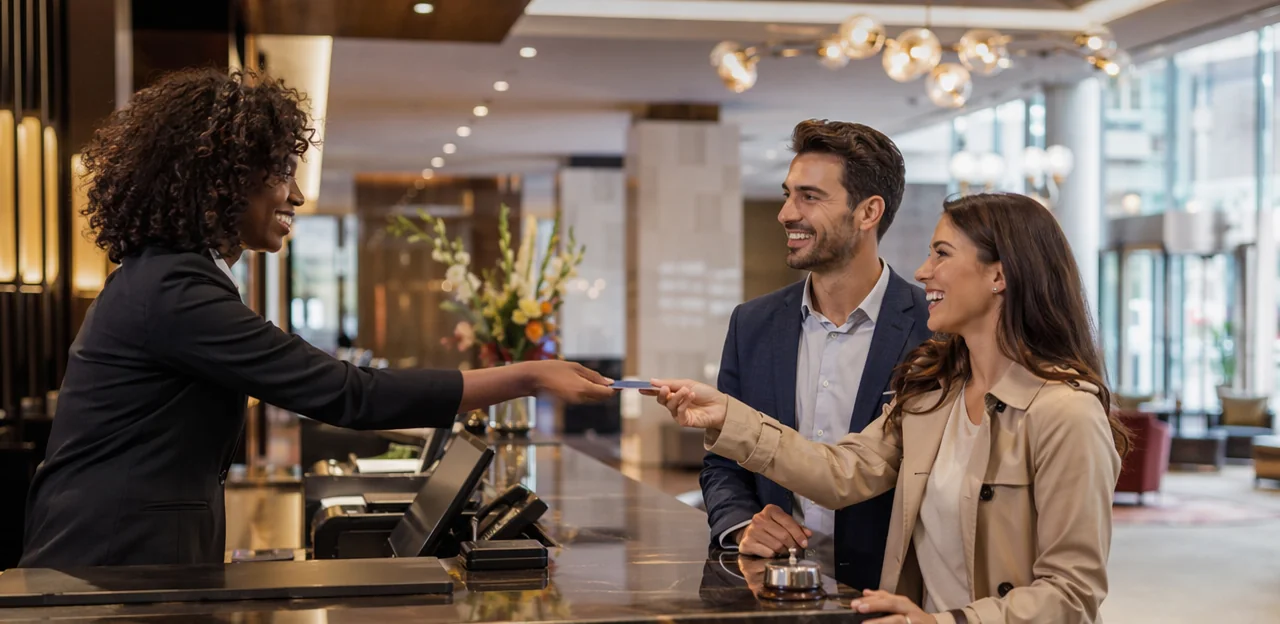
Entrances, reception desks, waiting zones, and check-in points are useful customer feedback touchpoints when you want fast insight into intent and early sentiment. This is the best place to collect entrance feedback, reception feedback, or a lightweight first impression survey—but only if the interaction is short and low-friction.
Use this touchpoint to ask:
- Why they’re visiting today: helps segment feedback by purpose, such as browsing, appointment, support, or purchase.
- What they expect: useful for hospitality, healthcare, events, and service venues where expectations shape satisfaction.
- Their first impression: ideal for measuring signage clarity, queue management, cleanliness, and welcome quality.
Keep it brief:
- Ask 1–2 questions maximum.
- Use QR or NFC for optional, self-serve responses.
- Trigger alerts if guests mention confusion, long waits, or accessibility issues.
This touchpoint is most valuable in venues with check-in, queues, or staffed reception. It may be too early in fast retail or high-traffic environments where visitors have not yet experienced enough to give meaningful feedback. Tools like Tapsy can help capture these early signals without slowing arrival flow.
During service or transaction moments
Some of the most effective customer feedback touchpoints happen while the experience is still unfolding. Tables, fitting rooms, service counters, kiosks, consultation rooms, and payment stations all create ideal moments for quick, low-friction input. When feedback is captured at the point of service, reactions are fresher, more specific, and easier to act on immediately.
Use short prompts that take only a few seconds, such as:
- At tables or fitting rooms: “Is everything meeting your expectations?”
- At service counters or consultation rooms: “Was this helpful today?”
- At kiosks or payment stations: “How was your experience?” or a simple checkout feedback rating
- After payment: a one-question transaction survey on speed, staff helpfulness, or ease of purchase
To avoid disruption, keep point of service feedback to 1–3 taps, with an optional comment field only if needed. QR or NFC prompts placed discreetly near the interaction point work well. Solutions like Tapsy can support this with no-app feedback flows that help teams resolve issues before the customer leaves.
At exit points and post-visit zones
Exit areas are some of the most effective customer feedback touchpoints because the full experience is still fresh, but the visit is essentially complete. That makes them ideal for an exit survey, post-visit feedback, or a short customer satisfaction survey focused on overall impressions and return intent.
Best locations include:
- Near main exits: Capture quick ratings as customers leave, when they can assess the visit as a whole.
- Parking validation desks: A natural pause point where guests often have a few extra seconds to respond.
- Elevators and lobbies: Useful in hotels, offices, healthcare, and entertainment venues where people transition out of the experience.
- Takeaway and pickup counters: Perfect for restaurants, cafés, and food halls to measure convenience, speed, and order satisfaction.
Keep questions simple and high-value, such as:
- How satisfied were you overall?
- How likely are you to return?
- What could we improve before your next visit?
QR and NFC prompts work especially well here because they allow fast, no-friction responses. Tools like Tapsy can help venues collect feedback instantly at these end-of-visit moments.
NFC and QR Touchpoints for Frictionless Feedback Collection

Where to place QR codes in physical venues
Strong customer feedback touchpoints combine visibility with intent: place a QR code survey where people naturally pause, wait, or finish an experience.
- Tables and menus: ideal in restaurants, cafés, and bars when the experience is still fresh.
- Receipts and packaging: effective at checkout or unboxing, especially for retail and takeaway.
- Mirrors and restroom signage: high dwell-time areas that often get noticed.
- Posters and waiting rooms: useful in clinics, salons, banks, and service centers.
- Counters, exits, and pickup points: capture feedback right after service delivery.
Best practices for better QR feedback touchpoints:
- Use a clear CTA like “Scan to give feedback” or “Tell us how we did in 30 seconds.”
- Keep the code at eye level, well lit, and large enough to scan easily.
- Link to a mobile-first form with 1–3 quick questions.
- Add a small incentive or instant response flow, as platforms like Tapsy can support.
How NFC touchpoints improve convenience
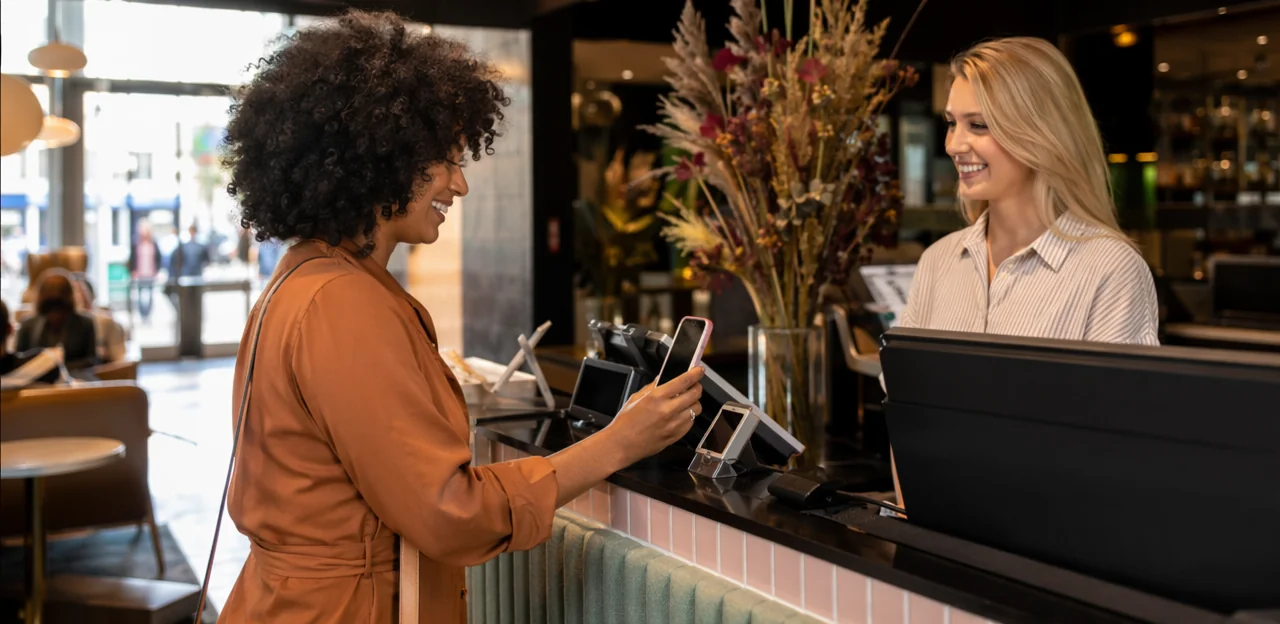
NFC-enabled customer feedback touchpoints make it easier for people to respond in the moment, with almost no effort. Instead of scanning a code, typing a URL, or searching for a survey later, customers simply tap to review using their phone.
- Fast interaction: NFC cards, table tents, counters, wall plaques, and product displays open a feedback page instantly with one tap.
- Lower friction: No app download, manual survey entry, or long instructions means more people complete the process.
- Better accessibility: Clear placement at high-traffic moments helps customers leave feedback when the experience is still fresh.
- Higher response quality: Because contactless feedback is immediate, comments are often more accurate and actionable.
To get the most from NFC feedback touchpoints, place them where decisions or service moments happen, keep forms short, and use clear prompts such as “Tap to review your experience.” Solutions like Tapsy can help streamline this flow.
Designing effective calls to action for scan and tap prompts
Strong customer feedback touchpoints depend on a clear, low-friction feedback call to action. Your prompt should tell people exactly what to do, how long it takes, and why it matters.
- Keep it short: Use 5–10 words where possible, such as “Tap to rate your wait time” or “Scan to share your experience.”
- Ask one specific topic first: Start with high-value questions like wait time, cleanliness, staff helpfulness, or overall experience.
- Limit question length: Mobile users respond better to 1–3 quick questions plus an optional comment box. A concise mobile feedback prompt improves completion rates.
- Use light incentives: Offer a small reward, discount, loyalty point, or giveaway entry to increase survey participation without feeling pushy.
- Match your branding: Use consistent colors, tone, and logo so the prompt feels trustworthy and on-brand.
If you use QR or NFC tools like Tapsy, keep the journey instant: tap, answer, done.
Cross-Industry Examples of High-Performing Feedback Touchpoints

Retail, hospitality, and restaurants
In high-traffic venues, the best customer feedback touchpoints are placed where the experience is freshest and easiest to rate.
- Stores and fitting rooms: Use retail feedback touchpoints on mirrors, fitting room doors, or product displays. Ask: Did you find your size? Was the fitting room clean? Was staff helpful?
- Dining tables and cafes: A restaurant feedback QR on menus, table tents, or bill holders works well for food quality, speed, order accuracy, and staff friendliness.
- Hotel front desks and rooms: For hotel guest feedback, place QR/NFC prompts at check-in desks, elevators, or bedside tables. Ask about arrival experience, room cleanliness, Wi-Fi, and issue resolution.
- Receipts and exit areas: Ideal for overall satisfaction, likelihood to return, and quick open comments after the visit.
Tools like Tapsy can help capture this feedback in real time.
Healthcare, wellness, and service businesses
In clinics, dental offices, salons, spas, gyms, and other professional venues, the best customer feedback touchpoints are the moments that feel natural, discreet, and low-pressure. Prioritize short, privacy-conscious prompts at key stages:
- Waiting rooms: Use QR or NFC signs for quick check-in experience ratings, wait-time feedback, and atmosphere insights—ideal for clinic feedback touchpoints.
- After treatment or service completion: Ask for immediate feedback on care, comfort, professionalism, or results while the experience is still fresh.
- Reception desks: Capture checkout impressions, booking ease, and staff helpfulness without requesting sensitive personal details.
- Follow-up prompts: Send a brief text or email survey after appointments for more thoughtful salon customer feedback or a broader service business survey.
Keep surveys short, optional, and anonymous where appropriate. Tools like Tapsy can help deliver simple no-app QR/NFC feedback flows.
Events, entertainment, and public venues
In museums, cinemas, stadiums, attractions, transport hubs, and community spaces, customer feedback touchpoints should be placed where visitors naturally pause and reflect. This helps collect both operational issues and emotional reactions while the experience is still fresh.
- Ticketing and entry: Capture wait times, booking friction, staff helpfulness, and first impressions.
- Concessions and retail points: Ask about queue speed, pricing perception, product availability, and service quality.
- Wayfinding points: Use QR or NFC prompts near maps, gates, platforms, or corridors to identify confusion, signage gaps, and accessibility barriers.
- Exits: Run a short visitor experience survey to measure satisfaction, highlights, and likelihood to return.
These event feedback touchpoints generate actionable public venue feedback that can improve flow, staffing, signage, and overall guest experience.
How to Choose the Right Feedback Touchpoints for Your Venue

Match touchpoints to customer journey stages
A strong survey touchpoint strategy starts with aligning customer feedback touchpoints to the real customer flow, so each request feels timely and useful.
- Awareness: Ask light, low-friction questions at entry points about expectations, signage, or ease of finding you.
- Arrival: Capture first impressions after check-in, queueing, parking, or reception.
- Service: Request in-the-moment customer journey feedback at key service interactions, especially after high-friction moments.
- Payment: Use checkout to measure value, speed, and staff helpfulness.
- Departure: Ask broader satisfaction or loyalty questions as customers leave.
This feedback journey mapping reduces over-surveying by limiting requests to meaningful moments, improving response quality, relevance, and actionability.
Ask the right questions at each location
Effective customer feedback touchpoints depend on matching the question to the moment. Good survey design improves completion by keeping prompts short, relevant, and easy to answer.
- During service: ask operational, fixable questions like “Was the wait time acceptable?” or “Was the area clean?”
- At transaction points: use quick customer satisfaction questions such as “Was checkout easy?” or “Did staff help you today?”
- At exits or post-visit: ask broader feedback questions by touchpoint, including “How satisfied were you overall?” and “Would you return?”
Use 1–3 role-specific questions per location so teams get actionable insights without overwhelming customers.
Measure performance and optimize over time
To improve customer feedback touchpoints, track performance at the location and touchpoint level, not just overall totals. Use feedback analytics to spot where participation drops and where issues repeat.
- Monitor scan rates to see which QR/NFC placements get noticed.
- Compare survey completion rate by venue area, device, and time of day.
- Review sentiment trends and tag recurring issue categories such as wait times, cleanliness, or staff service.
- Benchmark locations to identify high-performing setups and underperforming touchpoints.
Then optimize feedback collection with A/B tests:
- Test placement height and visibility.
- Try different signage designs and calls to action.
- Adjust question wording to reduce friction and improve response quality.
Tools like Tapsy can help centralize these insights across physical venues.
Common Mistakes to Avoid When Asking for Feedback On-Site

- Avoid overcrowding customer feedback touchpoints with repeated QR codes, NFC tags, or survey asks. Too many prompts cause survey fatigue, weaken trust, and make people ignore all of them.
- Fix poor QR placement by limiting requests to high-intent moments and using one clear sign per area.
- Prevent feedback signage mistakes with simple wording, visible placement, and a single next step.
- Long, vague forms increase survey abandonment because customers won’t spend time answering irrelevant prompts at busy venue moments.
- At key customer feedback touchpoints, use a short feedback form with 1–3 specific questions tied to the experience, such as queue time or staff helpfulness.
- Better survey questions deliver clearer, more actionable insights.
- Collecting input through customer feedback touchpoints is only useful if you close the feedback loop. Review recurring themes, prioritise common issues, and assign clear owners.
- Respond quickly, act on customer feedback, and share visible changes in-store or digitally.
- When customers see improvements, customer trust grows and future participation increases.
Conclusion
In physical venues, the best feedback strategies are built around timing, convenience, and context. The most effective customer feedback touchpoints are the moments when the experience is freshest, whether that is at entry, checkout, service counters, waiting areas, tables, fitting rooms, reception desks, or exits. By placing feedback requests directly where interactions happen, businesses across industries can capture more relevant insights, resolve issues faster, and improve the overall customer experience before dissatisfaction turns into lost loyalty or negative reviews.
The key is to keep every request simple and low-friction. QR codes, NFC taps, short surveys, and clear prompts make it easy for customers to respond in seconds. When paired with the right follow-up process, these customer feedback touchpoints become more than data collection tools; they become a real-time engine for service recovery, operational improvement, and stronger customer relationships.
Now is the time to audit your venue and identify the touchpoints that matter most. Start with high-traffic and high-friction areas, test a few feedback formats, and track which placements drive the best response and insight quality. If you want a practical way to activate QR and NFC-based feedback in real-world environments, solutions like Tapsy can help. For next steps, explore customer journey mapping, touchpoint analytics, and service recovery workflows to turn feedback into measurable action.
Frequently Asked Questions
- What are customer feedback touchpoints in physical venues?
Customer feedback touchpoints are the physical or interpersonal moments where a business asks customers to share opinions during the visit. Common examples include QR codes on tables or receipts, NFC tags at exits or counters, and staff asking for quick feedback after a service interaction.
- Why is on-site feedback often better than sending an email survey later?
On-site feedback captures reactions while the experience is still fresh, which makes responses more accurate and specific. It also helps teams act faster before a small issue turns into a lost customer or a negative review.
- Where are the best places to ask for feedback inside a venue?
High-value spots include entry areas, reception desks, waiting zones, tables, fitting rooms, service counters, payment stations, pickup points, and exits. These locations work well because customers naturally pause there and can respond with less friction.
- What should businesses ask at entry or welcome areas?
Entry-point questions should stay very short and focus on visit purpose, expectations, or first impressions. This can help identify issues with signage, queue management, cleanliness, welcome quality, or accessibility early in the journey.
- Is it always a good idea to request feedback as soon as customers arrive?
No, early feedback works best in venues with check-in, queues, or staffed reception where customers can comment on arrival conditions. In fast retail or high-traffic environments, it may be too early because visitors have not experienced enough to give meaningful input.
- What kinds of questions work best during service or at checkout?
Short, specific prompts work best, such as whether expectations are being met, whether the interaction was helpful, or how the checkout experience felt. Keeping it to 1–3 taps with an optional comment field helps avoid interrupting the service moment.
- Why are exit points strong feedback collection moments?
Exit areas are effective because the full visit is complete but still fresh in the customer's mind. They are ideal for overall satisfaction, likelihood to return, and quick suggestions for improvement before the next visit.
- Where should QR codes be placed for better response rates?
QR codes should be placed where customers naturally pause, wait, or finish an experience, such as tables, menus, receipts, packaging, mirrors, waiting rooms, counters, exits, and pickup points. They should be easy to see, well lit, at eye level, and paired with a clear call to action.
- How do NFC feedback touchpoints differ from QR prompts?
NFC lets customers open a feedback page with a single phone tap, while QR requires scanning a code. Because NFC removes extra steps like scanning or typing a URL, it can make in-the-moment feedback feel even more convenient.
- What makes a good call to action for scan or tap feedback prompts?
A strong prompt is short, specific, and clear about what to do and how long it takes. Phrases like “Scan to share your experience” or “Tap to rate your wait time” work well, especially when the form stays mobile-friendly and brief.
- How should feedback touchpoints differ across industries like retail, restaurants, hotels, and clinics?
The best touchpoints depend on where customers naturally interact in each setting. Retail can use fitting rooms and product displays, restaurants can use tables and bill holders, hotels can use check-in desks and rooms, and clinics can use waiting rooms and reception with privacy-conscious prompts.
- How can a venue choose the right feedback touchpoints for its customer journey?
Match each feedback request to a real journey stage such as awareness, arrival, service, payment, or departure. This keeps requests timely and relevant while reducing over-surveying and improving the usefulness of responses.
- How many questions should an on-site feedback form include?
Short forms perform best, usually with 1–3 questions tied to the specific moment or location. Limiting the form to the most actionable topics reduces friction and makes completion more likely.
- What should businesses measure to improve feedback touchpoint performance?
Track scan rates, survey completion rates, sentiment trends, recurring issue categories, and differences by venue area, device, or time of day. Comparing locations and testing placement, signage, and wording can show which setups generate better participation and clearer insights.
- What common mistakes should businesses avoid when asking for feedback on-site?
Avoid placing too many QR codes, NFC tags, or survey prompts in the same space because that creates survey fatigue and lowers trust. Businesses should also avoid long, vague forms and make sure they act on recurring feedback so customers can see visible improvements.