In a market where diners have more choice than ever, great food and service alone are not always enough to keep them coming back. Restaurants and cafés need smarter, more consistent ways to turn one-time visitors into regulars, and that is where effective customer loyalty plans make a measurable difference. From simple customer loyalty cards to data-driven customer loyalty campaigns, the right strategy can strengthen guest relationships, encourage repeat visits, and boost long-term revenue.
This article explores what customer loyalty really means in a hospitality setting, including a practical customer loyalty definition for operators who want to move beyond discounts and build lasting connections. We will look at how a well-designed customer loyalty program can support restaurant operations, improve the customer experience, and use AI and analytics to identify what guests value most. You will also learn how to build customer loyalty through tailored rewards, personalized offers, and seamless feedback loops, as well as how leading customer loyalty companies are shaping modern retention strategies.
Whether you run a neighborhood café, a growing restaurant group, or a multi-venue hospitality brand, understanding how to increase customer loyalty is essential for sustainable growth. The sections ahead break down the strategies, tools, and best practices that help venues earn repeat business and lasting trust.
Why Customer Loyalty Plans Matter in Restaurants and Venues
Customer loyalty definition in hospitality
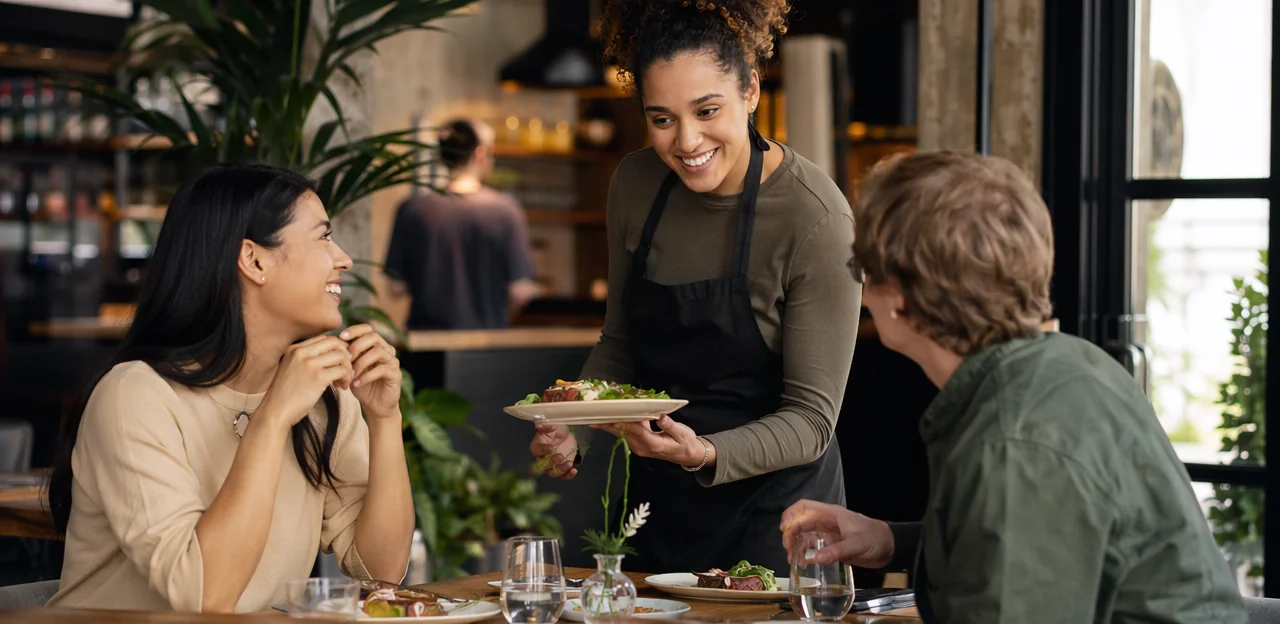
In restaurants and venues, the customer loyalty definition goes beyond repeat purchases. It means guests choose your brand again and again because they trust the experience, feel emotionally connected, and expect consistent service every visit. Strong customer loyalty is built when food quality, staff interactions, speed, atmosphere, and follow-up all align with guest expectations.
To support effective customer loyalty plans, operators should focus on:
- Consistency: Deliver the same quality and service every time.
- Recognition: Use customer loyalty cards or a digital customer loyalty program to reward returning guests.
- Engagement: Run targeted customer loyalty campaigns based on guest preferences.
- Insight: Learn how to build customer loyalty by tracking feedback and behavior to increase customer loyalty.
Many customer loyalty companies support these efforts with data-driven tools and personalization.
Business benefits of stronger retention
Well-designed customer loyalty plans do more than reward repeat visits—they create predictable, higher-margin growth. A strong customer loyalty program helps restaurants and cafés increase customer loyalty by turning occasional guests into regulars who spend more and recommend your venue to others.
- Higher visit frequency: Timely rewards and relevant customer loyalty campaigns bring guests back sooner.
- Bigger average order value: Tiered perks, bundles, and upsell incentives encourage larger purchases.
- More referrals: Loyal customers often become advocates, especially when referral rewards are built in.
- Greater lifetime value: Retained guests generate more revenue over time than one-time visitors.
- Less discount dependence: Smart rewards reduce the need for constant blanket promotions.
Whether you use digital tools or customer loyalty cards, the key to how to build customer loyalty is simple: reward behavior consistently, personalize offers, and track what drives repeat business.
Why loyalty matters for cafés, restaurants, and multi-site venues
Hospitality brands face constant pressure: guests can switch venues easily, expectations change fast, and every touchpoint shapes whether they return. That’s why customer loyalty plans are essential, not optional.
- Competition is intense: Nearby cafés, delivery apps, and event spaces make repeat visits harder to win.
- Guest journeys vary: Dine-in, takeaway, and events all require a consistent customer experience and tailored customer loyalty campaigns.
- Memorable moments drive retention: A strong customer loyalty program turns great service, rewards, and feedback into repeat business.
To increase customer loyalty, operators need more than basic customer loyalty cards. They need to understand the customer loyalty definition in practice: rewarding behavior, recognizing preferences, and delivering value across locations. For brands asking how to build customer loyalty, the answer is consistency, personalization, and measurable engagement.
Types of Customer Loyalty Programs That Work
Points, visits, tiers, and membership models
The best customer loyalty plans match your venue’s visit frequency, margin, and guest expectations. Common models include:
- Points-based rewards: Guests earn points per spend and redeem for discounts, freebies, or upgrades. This flexible customer loyalty program works well for cafés and restaurants with varied ticket sizes.
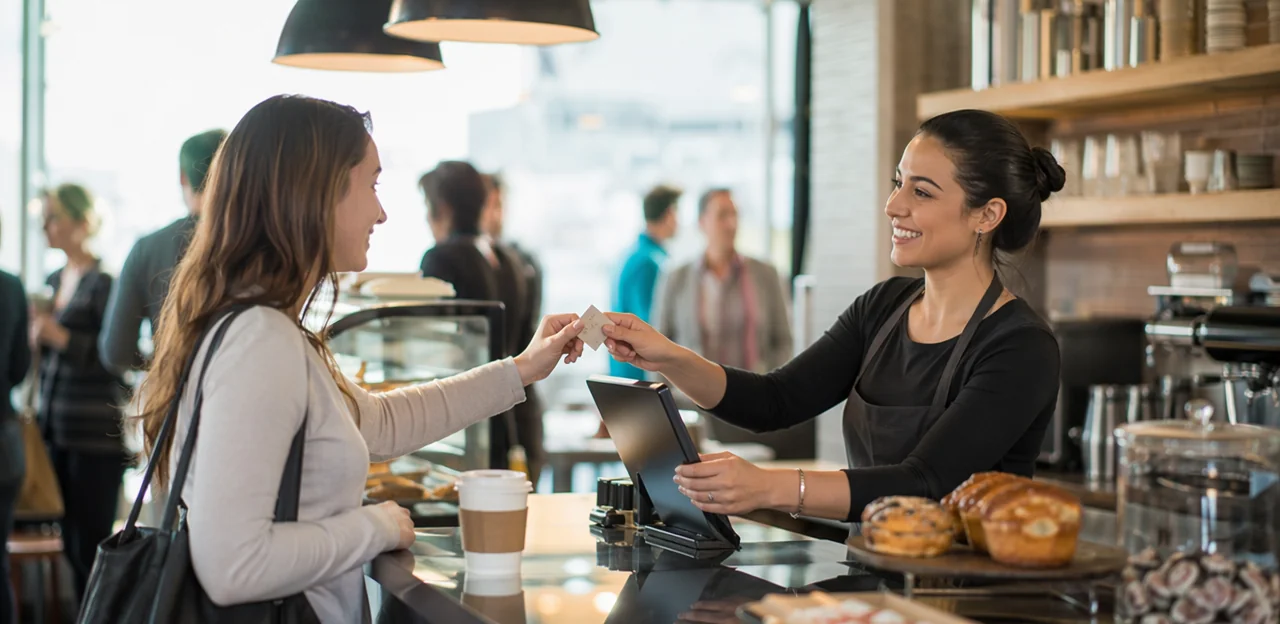
- Stamp or visit systems: Digital or physical customer loyalty cards reward repeat visits, such as “buy 9 coffees, get the 10th free.” Simple, familiar, and effective for quick-service venues.
- VIP tiers: Bronze, Silver, and Gold levels encourage higher spend with better perks. These customer loyalty campaigns help increase average order value and increase customer loyalty over time.
- Subscriptions and paid memberships: Monthly fees unlock exclusive pricing, priority booking, or member-only items. These models create predictable revenue and show how to build customer loyalty beyond discounts.
For many operators, the practical customer loyalty definition is simple: reward behavior you want repeated. Some customer loyalty companies and platforms, including tools like Tapsy, also help track visits and engagement in real time.
How customer loyalty cards fit into modern programs
In today’s customer loyalty plans, cards are no longer one-size-fits-all. The best format depends on your brand, guest behavior, and service model within a broader customer loyalty program.
- Physical customer loyalty cards work well for cafés, bakeries, and quick-service venues with frequent local visits. They’re simple, familiar, and effective for impulse repeat purchases.
- Digital cards in mobile wallets suit busy restaurants and multi-location brands that want easy access without requiring an app.
- App-based rewards are best for brands with regular ordering, delivery, or personalized customer loyalty campaigns, since they support richer data and offers.
- QR-driven systems help venues capture instant feedback, rewards, and sign-ups at the table or counter, making them useful for brands focused on how to build customer loyalty and increase customer loyalty.
Using the right mix helps define your customer loyalty definition in practice and supports modern customer loyalty companies in delivering measurable results.
Choosing the right model for your audience
The best customer loyalty plans match how guests actually buy, return, and interact with your venue. If you’re learning how to build customer loyalty, start with a simple customer loyalty definition: reward behavior that matters to your business and feels valuable to customers.
- Cafés and quick-service venues: Use digital or physical customer loyalty cards and visit-based rewards to encourage frequent, low-ticket purchases.
- Full-service restaurants: A points-based customer loyalty program works well for higher average spend, upsells, and special occasion dining.
- Bars, venues, and multi-use spaces: Time-sensitive offers and segmented customer loyalty campaigns can drive repeat visits on slower days.
- Complex operations or multiple locations: Choose tools from trusted customer loyalty companies that integrate with POS and reporting.
Keep rewards easy to understand, profitable to redeem, and tailored to guest habits to increase customer loyalty over time.
How to Build Customer Loyalty with a Smart Strategy
Set goals, rewards, and enrollment paths
Strong customer loyalty plans start with a clear customer loyalty definition: encouraging guests to return more often, spend more per visit, and feel connected to your brand. If you want to know how to build customer loyalty, begin with measurable goals and a simple structure.
- Set specific goals: Focus on repeat visits, higher average order value, off-peak traffic, or more direct orders to increase customer loyalty.
- Choose rewards guests actually value: Free drinks, birthday treats, exclusive menu items, points, or digital customer loyalty cards often outperform generic discounts.
- Make joining effortless: Promote your customer loyalty program via QR codes, receipts, kiosks, Wi-Fi login, website, and social channels.
- Track and refine: Use data from customer loyalty campaigns to see what drives retention and where guests drop off.
The best customer loyalty companies simplify enrollment and reward delivery so participation feels instant, not like extra work.
Design customer loyalty campaigns that drive action
Strong customer loyalty plans turn occasional diners into regulars by giving them a clear reason to return. The best customer loyalty campaigns are timely, simple, and tied to real guest behavior.
- Birthday rewards: Offer a free dessert, drink, or fixed-value voucher to create a memorable visit.
- Bounce-back offers: Give guests a limited-time reward after purchase, such as “return in 7 days for 20% off,” to increase customer loyalty fast.
- Seasonal promotions: Use holidays, local events, or menu launches to refresh your customer loyalty program.
- Win-back messages: Re-engage inactive guests with personalized offers based on past orders.
- Member-only event access: Invite loyalty members to tastings, previews, or VIP nights.
Whether you use digital rewards or customer loyalty cards, the key to how to build customer loyalty is relevance, urgency, and consistency. Even customer loyalty companies define success as repeat visits, stronger spend, and lasting customer loyalty.
Train staff to support loyalty at every touchpoint
Even the best customer loyalty plans fail if staff do not bring them to life. To increase customer loyalty, make loyalty part of daily service, not just a marketing add-on.
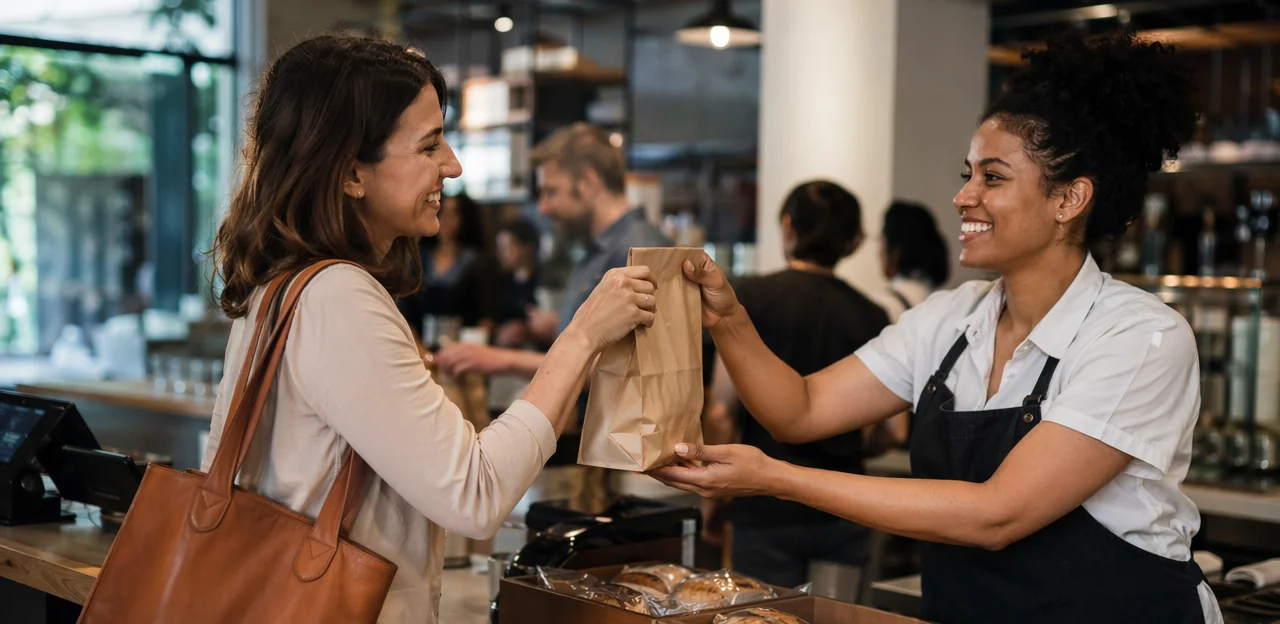
- Front-of-house teams should invite guests to join at natural moments: seating, payment, or pickup. Give staff a simple script that explains the customer loyalty program benefits clearly, whether through points, perks, or digital customer loyalty cards.
- Managers should coach teams on the customer loyalty definition in practice: rewarding repeat visits, recognizing regulars, and creating reasons to return. This is central to how to build customer loyalty consistently.
- Digital ordering flows should promote sign-ups with clear value, such as instant rewards or personalized offers. Well-timed prompts can strengthen customer loyalty campaigns without slowing service.
Many customer loyalty companies focus on technology, but real customer loyalty grows when teams reinforce the value in every interaction.
Using AI and Analytics to Increase Customer Loyalty
What data restaurants should track
To make customer loyalty plans effective, restaurants need strong customer loyalty analytics tied to real guest behavior. Track:
- Visit frequency: how often guests return and how quickly after each visit.
- Redemption rates: whether offers, rewards, or customer loyalty cards are actually used.
- Average spend: compare basket size for loyalty members versus non-members.
- Churn risk: flag guests whose visits or spending suddenly drop to help increase customer loyalty.
- Customer segments: group by new, regular, VIP, lapsed, and high-value guests to improve customer loyalty campaigns.
- Location performance: compare campaign results across sites, shifts, or regions.
These metrics show what a customer loyalty program is delivering, support how to build customer loyalty, and give a practical customer loyalty definition through measurable outcomes.
How AI improves personalization and timing
AI makes customer loyalty plans smarter by turning guest data into timely, relevant actions. Instead of sending the same reward to everyone, restaurants can use analytics to spot visit frequency, favorite menu items, spend patterns, and drop-off risk.
- Identify patterns: AI reveals which guests respond to lunch deals, family offers, or premium upsells.
- Predict behavior: It can flag when a regular is likely to stop visiting, helping teams act early to increase customer loyalty.
- Automate offers: A customer loyalty program can trigger birthday rewards, bounce-back discounts, or digital alternatives to customer loyalty cards.
- Personalize communication: Tailored messages support customer loyalty campaigns and show staff how to build customer loyalty more effectively.
This approach strengthens customer loyalty by making every interaction more useful, personal, and well-timed.
Evaluating customer loyalty companies and platforms
When comparing customer loyalty companies, choose tools that support your customer loyalty plans today and as your venue grows. A strong customer loyalty program should be easy for staff to run and simple for guests to join.
- POS integrations: Ensure it connects with your POS, ordering, and payments so rewards track automatically.
- Reporting and analytics: Look for dashboards showing visit frequency, spend, redemption, and which customer loyalty campaigns help increase customer loyalty.
- Segmentation: The best platforms let you target regulars, lapsed guests, VIPs, and first-time visitors.
- Omnichannel support: Your customer loyalty cards, SMS, email, QR, and in-venue offers should work together.
- Ease of use and scalability: If you’re learning how to build customer loyalty, pick software that is intuitive, flexible, and scalable across single or multi-site venues.
A practical customer loyalty definition is simple: rewarding repeat behavior in ways guests actually value.
Common Mistakes That Weaken Loyalty Programs

Rewards that feel confusing or low value
When customer loyalty plans are packed with fine print, unclear point systems, or rewards customers barely want, participation drops fast. Guests lose trust when customer loyalty cards promise benefits that are difficult to redeem or require too many visits for too little value. Over time, weak customer loyalty campaigns can make a customer loyalty program feel transactional instead of rewarding.
To increase customer loyalty:
- Keep earning and redemption rules simple
- Offer rewards customers actually value
- Make redemption instant or friction-free
- Clearly explain terms at signup and checkout
If you’re learning how to build customer loyalty, remember: real value and clarity matter more than complexity.
Overusing discounts instead of experience
Discounts can attract visits, but if customer loyalty plans rely only on price cuts, guests learn to wait for the next deal instead of forming real attachment. A stronger customer loyalty program should go beyond customer loyalty cards and coupons.
- Offer exclusive access to new menu items, events, or priority reservations.
- Recognize regulars by name, preferences, and visit history.
- Add convenience through easy reordering, faster service, or tailored rewards.
- Use personalized customer loyalty campaigns based on behavior, not blanket discounts.
This approach supports a better customer loyalty definition: repeat business driven by value, trust, and experience. It’s also how to build customer loyalty and increase customer loyalty sustainably, unlike many price-led customer loyalty companies.
Without measurement, even strong customer loyalty plans become guesswork. Restaurants should review redemption rates, repeat visits, average spend, and margin impact to see what truly drives customer loyalty. To increase customer loyalty, use a simple test-and-learn approach:
- Track which rewards, offers, and customer loyalty cards generate profitable repeat business.
- Collect guest feedback after visits to refine your customer loyalty program around real preferences.
- A/B test customer loyalty campaigns by reward type, timing, and channel.
- Compare results against your customer loyalty definition and goals.
This is how to build customer loyalty sustainably: optimize based on behavior, not assumptions. Even leading customer loyalty companies rely on ongoing analysis.
Best Practices for Long-Term Loyalty and Customer Experience

Create seamless omnichannel guest journeys
Strong customer loyalty plans should work everywhere guests interact with your brand, not just in-store. A modern customer loyalty program connects dine-in, takeaway, delivery, mobile ordering, and events so guests can earn and redeem rewards consistently. That consistency improves the customer loyalty definition in practice: making every interaction feel recognized and valued.
- Use one shared loyalty ID across POS, app, website, and delivery touchpoints.
- Let digital accounts replace traditional customer loyalty cards while still supporting card-based options.
- Align customer loyalty campaigns so offers follow the guest across channels, not just one visit type.
- Track behavior by channel to understand how to build customer loyalty and personalize rewards.
- Work with restaurant tech or customer loyalty companies that unify data and help increase customer loyalty over time.
When every touchpoint feels connected, customer loyalty grows faster and feels effortless.
Build emotional loyalty beyond transactions
Strong customer loyalty plans do more than reward spend; they make guests feel known, welcomed, and part of something meaningful. If you want to understand how to build customer loyalty and increase customer loyalty, focus on emotional connection as much as incentives.
- Tell a clear brand story: Share your values, local sourcing, or signature traditions so guests connect with your identity.
- Create community: Use events, tasting nights, or member-only experiences to turn a customer loyalty program into a belonging strategy.
- Personalize service: Remember preferences, celebrate milestones, and tailor offers beyond standard customer loyalty cards.
- Design memorable moments: Surprise desserts, thoughtful recovery after service issues, and warm hospitality strengthen customer loyalty more than points alone.
- Align campaigns with experience: The best customer loyalty campaigns feel human, not automated.
For many customer loyalty companies, the real customer loyalty definition is repeat trust, not just repeat purchases.
Plan for growth across locations and formats
To scale customer loyalty plans across multiple restaurants, cafés, and venue formats, build one core framework and localize only where needed. This keeps branding, service quality, and reporting aligned while giving each site flexibility.
- Create a centralized customer loyalty program with shared rewards, brand visuals, and redemption rules.
- Standardize data collection so every location tracks visits, spend, and campaign results in the same way.
- Use digital tools or customer loyalty cards that work across all sites for a seamless guest experience.
- Launch location-specific customer loyalty campaigns within one master strategy to increase customer loyalty without diluting the brand.
- Partner with proven customer loyalty companies or platforms that support multi-site analytics and automation.
A clear customer loyalty definition across teams also helps staff understand how to build customer loyalty consistently.
Conclusion
In a crowded hospitality market, the most effective customer loyalty plans do more than offer occasional discounts—they create consistent, memorable experiences that keep guests coming back. From simple customer loyalty cards to data-driven customer loyalty campaigns, the right strategy helps restaurants and cafés strengthen relationships, boost repeat visits, and turn satisfied diners into vocal advocates. A strong customer loyalty program should be easy to join, valuable to use, and aligned with your brand, while AI and analytics can help personalize offers and identify what truly drives retention.
If you’re wondering how to build customer loyalty, start with the basics: understand your customer loyalty definition, map the guest journey, reward meaningful behaviors, and measure results regularly. The best customer loyalty companies and tools make it easier to track engagement, collect feedback, and refine offers that increase customer loyalty over time.
Now is the time to review your current approach and upgrade your customer loyalty plans for long-term growth. Audit your rewards structure, test new incentives, and explore technologies that connect feedback, retention, and guest experience in one place. For additional next steps, benchmark competitors, analyze visit frequency, and consider platforms like Tapsy to gather real-time insights and support smarter loyalty decisions.
Frequently Asked Questions
- What does customer loyalty mean in a restaurant or venue setting?
Customer loyalty means more than repeat purchases. It reflects trust in the experience, emotional connection to the brand, and confidence that service, food, atmosphere, and follow-up will stay consistent over time.
- Why are loyalty plans important for restaurants, cafés, and venues?
Loyalty plans help turn occasional guests into regulars in a market where diners have many alternatives. They support repeat visits, stronger retention, better guest relationships, and more predictable long-term revenue.
- What business benefits can a strong loyalty program deliver?
A well-designed program can increase visit frequency, raise average order value, and encourage referrals. It also improves customer lifetime value and reduces dependence on constant blanket discounts.
- Which loyalty program models work best for hospitality businesses?
Common options include points-based rewards, visit or stamp systems, VIP tiers, and paid memberships. The right choice depends on visit frequency, margins, average ticket size, and what guests expect from the brand.
- How do customer loyalty cards fit into modern restaurant loyalty programs?
Loyalty cards can be physical, digital in a mobile wallet, app-based, or QR-driven. The best format depends on how guests order, how often they visit, and whether the business needs simple repeat rewards or richer personalization and data.
- How should a café choose the right loyalty model for its audience?
A café should match rewards to real buying habits and keep the structure easy to understand. Visit-based rewards and physical or digital cards often suit frequent, low-ticket purchases, while more complex venues may need integrated tools and segmentation.
- What are the first steps to building customer loyalty effectively?
Start with clear goals such as repeat visits, higher average spend, off-peak traffic, or more direct orders. Then choose rewards guests value, make enrollment simple through channels like QR codes or receipts, and track results to refine the program.
- What types of loyalty campaigns can encourage guests to return?
Useful campaigns include birthday rewards, bounce-back offers, seasonal promotions, win-back messages, and member-only event access. The most effective campaigns are timely, relevant, and tied to actual guest behavior.
- How can staff help make a loyalty program successful?
Front-of-house teams should invite guests to join at natural moments such as seating, payment, or pickup. Managers should coach staff to recognize regulars, explain benefits clearly, and make loyalty part of daily service rather than a separate marketing task.
- What data should restaurants track to improve loyalty performance?
Key metrics include visit frequency, redemption rates, average spend, churn risk, customer segments, and location performance. These measures show which rewards and campaigns are driving profitable repeat business and where guests are dropping off.
- How can AI improve personalization in restaurant loyalty programs?
AI can identify patterns in guest behavior, predict when regulars may stop visiting, and trigger timely offers automatically. It also helps personalize communication based on preferences, spend patterns, and favorite menu items instead of sending the same reward to everyone.
- What should operators look for when comparing customer loyalty companies or platforms?
Important features include POS integration, reporting dashboards, customer segmentation, omnichannel support, and ease of use. The platform should also scale across single or multi-site operations and make rewards simple for both staff and guests.
- What common mistakes weaken restaurant loyalty programs?
Programs lose effectiveness when rewards are confusing, low value, or hard to redeem. Overusing discounts, ignoring the guest experience, and failing to measure results can also make loyalty feel transactional and reduce long-term engagement.
- How can restaurants build loyalty without relying only on discounts?
They can offer exclusive access, personalized service, priority reservations, easier reordering, and memorable moments that make guests feel recognized. This creates loyalty based on value, trust, and experience rather than price alone.
- How should a loyalty strategy scale across multiple locations and channels?
Use one core framework with shared rewards, branding, and redemption rules, then localize only where needed. A connected system across dine-in, takeaway, delivery, mobile ordering, and events helps guests earn and redeem rewards consistently while keeping reporting aligned.