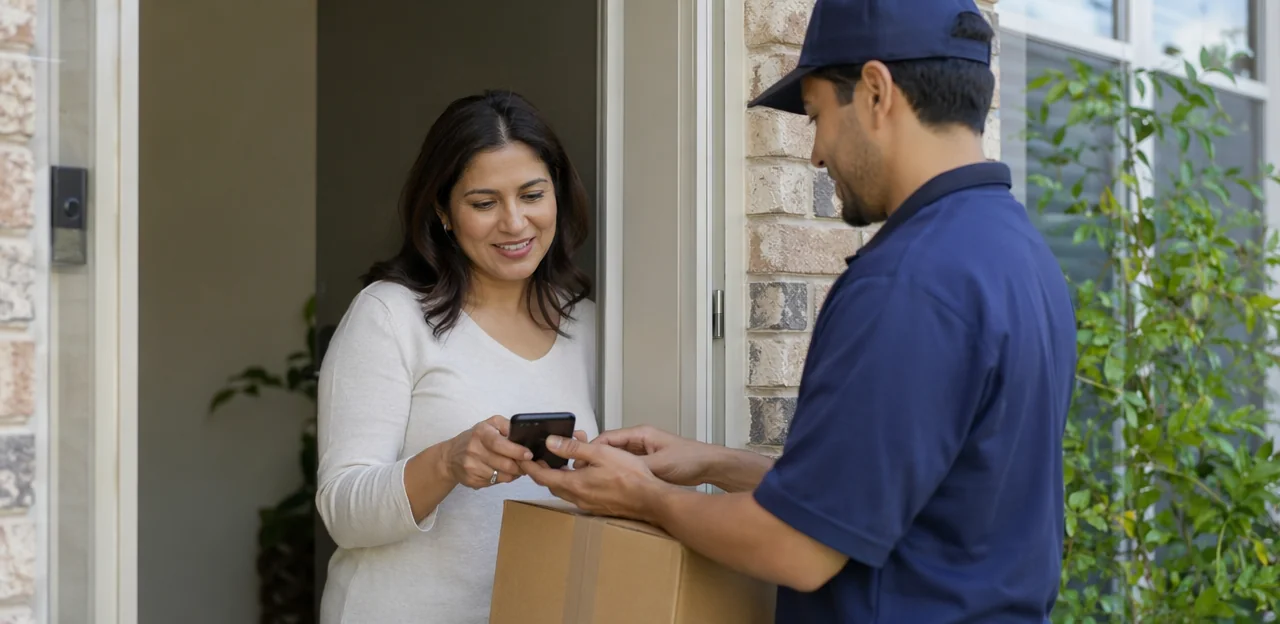
In home delivery, the customer experience is often judged in the final few minutes, but the operational decisions behind it start much earlier. Late arrivals, damaged items, poor communication, and missed expectations can quickly turn a routine order into lost loyalty. That is why choosing the right delivery experience platform has become a strategic priority for operators looking to improve satisfaction, recover service issues faster, and gain clearer visibility into last-mile performance.
A strong delivery experience platform does more than collect survey responses. It helps operators understand what customers actually experience at the doorstep, identify recurring problems by route or team, and act on feedback before negative impressions lead to churn. For many businesses, the challenge is not whether to invest in this kind of technology, but how to compare the options in a meaningful way.
This article explores what operators should look at when evaluating delivery experience platforms, from survey design and response rates to issue recovery workflows, reporting depth, and ease of deployment. It will also highlight how practical tools, including solutions like Tapsy, can help turn post-delivery feedback into measurable improvements in service quality, customer retention, and repeat orders.
What a delivery experience platform does for home delivery

A delivery experience platform is more than a shipment visibility tool. It combines delivery communications, branded tracking, exception management, feedback collection, and service recovery to improve the full post-purchase experience.
Unlike a basic delivery tracking platform or traditional last-mile software, it focuses on what the customer sees and feels after checkout, not just route execution.
- Basic tracking tools show status updates like “out for delivery.”
- Last-mile software helps carriers optimize dispatch, routing, and driver operations.
- A delivery experience platform connects those operational events to customer-facing journeys, proactive notifications, issue resolution, and satisfaction insights.
For retailers, grocers, and logistics operators, this matters because delivery is a key brand moment. The right platform can reduce support tickets, recover failed deliveries faster, and turn post-delivery feedback into measurable loyalty gains.
Why customer experience now shapes delivery performance
A modern delivery experience platform does more than track parcels; it directly improves delivery customer experience and business outcomes. In home delivery, customers judge the brand by what happens after checkout.
- Proactive communication builds trust: Timely delivery notifications reduce uncertainty and reassure customers when orders are on the way, delayed, or completed.
- Accurate ETAs improve convenience: Reliable time windows help customers plan their day, increasing first-attempt success and home delivery customer satisfaction.
- Fast issue resolution protects revenue: When delays, missed items, or damaged goods are flagged early, teams can recover the experience before complaints turn into churn.
- Branded updates strengthen loyalty: Consistent, on-brand tracking pages and messages reinforce credibility, lower support volume, lift repeat purchases, and improve NPS.
Operators should compare platforms on ETA accuracy, alert automation, and recovery workflows.
Core use cases across the delivery journey
A strong delivery experience platform should support the full delivery journey, not just final-mile notifications. Key use cases to compare include:
- Order tracking and proactive updates: Give customers real-time ETAs, delay alerts, driver status, and branded tracking pages to reduce support contacts.
- Failed delivery prevention: Use address validation, delivery preference capture, time-slot reminders, and two-way messaging to improve first-attempt success.
- Dispatch-to-doorstep visibility: Track exceptions, route changes, and customer communications from dispatch through arrival.
- Proof of delivery experience: Capture signatures, photos, PIN confirmation, or geotagged handoff records while keeping the proof of delivery experience simple for drivers and customers.
- Post-delivery feedback and measurement: Trigger surveys after drop-off to collect satisfaction data, identify issues fast, and measure experience by route, partner, or time window. Tools like Tapsy can help streamline this follow-up.
Key features operators should compare before buying

Communication and tracking capabilities
A strong delivery experience platform should keep customers informed before, during, and after the drop-off. When comparing options, focus on communication tools that improve visibility and reduce support pressure:
- Real-time delivery tracking: Customers expect live order status and map-based updates, not vague progress messages. Reliable real-time delivery tracking builds trust and lowers anxiety.
- ETA accuracy: Look for platforms that use route data, traffic, and driver status to improve ETA accuracy. Precise ETAs help customers plan their day and reduce missed deliveries.
- Branded tracking page: A customizable branded tracking page keeps the experience consistent with your brand while creating opportunities to share delivery notes, upsell offers, or feedback requests.
- Proactive notifications: SMS and email alerts should cover confirmation, en route, delay, and delivered updates.
- Multilingual messaging: Essential for diverse customer bases and clearer communication.
- Self-service options: Delivery instructions, rescheduling, safe-place selection, and issue reporting can significantly reduce WISMO contacts.
Some operators also pair tracking with post-delivery feedback tools like Tapsy to close the loop quickly.
Survey design and feedback collection tools
Strong survey design is essential when comparing any delivery experience platform. The best tools let operators match questions, timing, and channels to the delivery journey so feedback is useful, not just collected.
- Choose the right metric: Use NPS for delivery to measure loyalty, CSAT for satisfaction with a specific order, and CES to understand how easy issue resolution or delivery changes felt.
- Trigger surveys by event: Send delivery feedback surveys after key milestones such as order confirmation, out-for-delivery, successful handoff, delay, failed attempt, or support interaction.
- Optimize response timing: Ask immediately after delivery for freshness, or after recovery actions to measure service resolution.
- Use the right channel: SMS, email, QR on packaging, and in-app prompts should align with customer behavior.
- Connect feedback to operations: Tie scores to driver, route, time window, and issue type so teams can spot patterns and act fast.
Tools like Tapsy can help capture feedback right at the delivery touchpoint.
Workflow automation and exception management
A strong delivery experience platform should help teams resolve problems before customers churn. When comparing options, focus on how well the system supports delivery workflow automation and fast delivery exception management.
- Automated alerts: Check whether failed scans, delays, damaged orders, or low feedback scores trigger real-time alerts by channel, team, or region.
- Failed delivery workflows: Look for configurable paths for no-answer, access issues, missed time windows, or proof-of-delivery disputes.
- Rescheduling tools: Prioritize self-service rescheduling tools that let customers choose a new slot quickly without calling support.
- Escalation rules: Ensure high-risk exceptions automatically route to supervisors, carriers, or customer care based on severity and SLA.
- Closed-loop actions: The best platforms trigger refunds, credits, replacement orders, or follow-up surveys to confirm recovery.
Solutions like Tapsy can also support rapid post-delivery issue capture and recovery.
Data, analytics, and reporting that prove platform value

Operational KPIs and customer experience metrics
A strong delivery experience platform should connect operational performance with customer outcomes, not just show basic status updates. Prioritize delivery analytics that reveal both efficiency and satisfaction:
- On-time delivery KPI: Track promised-window adherence, not only delivered-by date. Segment by route, carrier, region, and time slot.
- First-attempt success: Measure completed deliveries without reattempts, safe-place failures, or customer no-shows.
- WISMO reduction: Monitor “Where is my order?” contact volume before and after proactive notifications.
- Customer sentiment: Compare delivery NPS, CSAT, and complaint rates by delivery type and exception reason.
- Retention indicators: Link late, missed, or poor-quality deliveries to repeat purchase rate, churn, and lifetime value.
Tools like Tapsy can also help capture immediate post-delivery feedback to close the loop faster.
Turning feedback into actionable insights
A strong delivery experience platform should do more than collect ratings; it should turn raw responses into clear operational priorities. Look for tools that help teams spot patterns fast, including:
- Delivery sentiment analysis: Automatically detect positive, neutral, and negative themes in comments to reveal how customers feel about timeliness, driver behavior, damaged items, or missed instructions.
- Root cause analysis delivery: Tag feedback by issue type—late arrival, wrong order, poor handoff, packaging damage—so recurring problems are easy to quantify.
- Driver and route-level reporting: Compare feedback by driver, carrier, route, and time window to identify coaching needs or process failures.
- Location-based insights: Map issues by neighborhood, store, or depot to uncover local bottlenecks.
These customer feedback insights help operators prioritize fixes with the greatest impact on delivery quality and retention.
Dashboards, benchmarking, and ROI visibility
A strong delivery experience platform should make performance easy to interpret at every level, not just for analysts. Look for delivery dashboards that are role-based, so operations teams, support leaders, and executives each see the metrics they can act on quickly.
- Role-based views: Give frontline teams alerts, issue categories, and route-level trends, while executives get summary KPIs and exception reporting.
- Carrier and regional comparison: Use carrier performance benchmarking to compare on-time delivery, damage rates, satisfaction, and recovery speed by region, route, or partner.
- Clear delivery ROI tracking: Tie reporting to measurable outcomes such as lower support contact volume, higher repeat purchase rates, and faster service recovery.
The best platforms turn data into decisions. For example, tools like Tapsy can help operators connect post-delivery feedback with recovery actions and revenue impact.
Integration, scalability, and implementation considerations

Integration with existing delivery and commerce systems
When comparing a delivery experience platform, prioritize how well it connects data across every operational system, not just whether an API exists. Review:
- TMS and carrier networks: real-time status, exceptions, ETA updates, proof of delivery, and multi-carrier normalization
- OMS integration: order creation, item-level details, substitutions, returns, and cancellation updates
- CRM delivery data: customer profiles, preferences, satisfaction history, and service recovery triggers
- eCommerce platforms: checkout promises, delivery options, tracking pages, and post-purchase messaging
- Customer support tools: ticket creation, issue routing, and closed-loop resolution workflows
- Data warehouses/BI: export quality, event granularity, and refresh frequency for reporting
The best delivery platform integrations reduce manual work and create one consistent view of the customer and order journey.
Scalability across fleets, carriers, and regions
Operators should compare whether a delivery experience platform can scale without adding operational complexity. Look for:
- Multi-carrier support: A strong multi-carrier delivery platform should normalize tracking, exceptions, proof of delivery, and customer notifications across national, regional, and local carriers.
- Network flexibility: Confirm it can support franchise models, store-level workflows, and different customer communication rules by brand, location, or business unit.
- Peak readiness: Assess last-mile scalability during holidays, promotions, and weather disruptions without slowing updates or support response times.
- Regional growth: Check language, timezone, tax, and service-area configuration for expansion.
- Service model coverage: Ensure scheduled delivery software capabilities also support same-day, on-demand, and time-slot delivery.
Implementation timeline, support, and change management
When comparing a delivery experience platform, look beyond features and assess how quickly it can go live and how well teams will adopt it.
- Delivery software implementation: Ask for a realistic rollout plan, including pilot timing, integrations, testing, and full deployment milestones.
- Vendor onboarding: Clarify internal resource needs across IT, operations, and customer service. Strong vendors reduce setup burden with templates, guided configuration, and hands-on project management.
- Support and training: Compare SLAs, onboarding help, admin training, and frontline enablement for dispatch and support teams.
- Configuration flexibility: Ensure workflows, alerts, surveys, and escalation rules can adapt without heavy developer support.
- Change management logistics: Choose providers that offer adoption plans, documentation, and performance reviews. Tools like Tapsy may suit teams that want fast, lightweight deployment.
How to compare vendors with a practical evaluation framework

Questions operators should ask in demos
Use this delivery software demo checklist to make any delivery platform comparison more rigorous:
- Who owns the data? Confirm access to raw survey, operational, and customer communication data, plus export options.
- What can we customize? Ask about branding, workflows, triggers, dashboards, and role-based permissions.
- How flexible is survey logic? Check conditional questions, channel-specific journeys, multilingual support, and post-delivery timing rules.
- How deep are analytics? Request drill-downs by route, driver, region, exception type, and time window.
- What are your SLA commitments? Review response times, support coverage, onboarding help, and escalation paths.
- What uptime do you guarantee? Ask for historical performance and incident reporting.
- How is security handled? Verify encryption, access controls, compliance, and retention policies.
- How are exceptions managed? See how the delivery experience platform detects delays, damages, or missed drops and automates customer updates.
Scoring criteria for side-by-side comparison
Use a weighted software scorecard to make your delivery platform selection criteria more objective and easier to defend internally. For each delivery experience platform, assign percentages based on business priorities, then score vendors on a consistent 1–5 scale.
- Core features (20%): dispatch visibility, customer notifications, issue recovery, proof of delivery
- Usability (15%): driver, agent, and admin ease of use; onboarding time
- Integration depth (15%): OMS, CRM, POS, WMS, and API flexibility
- Reporting (10%): real-time dashboards, route-level insights, export options
- Survey capabilities (10%): post-delivery feedback, trigger logic, closed-loop alerts
- Scalability (10%): multi-location support, peak-volume readiness
- Support (10%): implementation help, SLAs, training quality
- Total cost of ownership (10%): licensing, setup, integrations, maintenance, and internal admin time
This approach helps teams compare platforms fairly, including tools like Tapsy where feedback and recovery matter most.
Common buying mistakes to avoid
When evaluating a delivery experience platform, avoid these common traps in any delivery software buying guide:
- Choosing flashy tracking over useful insight: Real-time maps look impressive, but they do not automatically improve operations. Prioritize tools that turn delivery events and feedback into root-cause analysis, alerts, and recovery workflows. This is one of the most common delivery technology mistakes.
- Ignoring survey design quality: Poorly written, overly long surveys produce weak data. Follow survey design best practices with short, relevant questions, clear scales, and issue categories tied to action.
- Underestimating integration complexity: Check how the platform connects with your OMS, CRM, help desk, and courier systems before signing.
- Buying without success metrics: Define KPIs first, such as response rate, issue resolution time, CSAT, or repeat orders.
Choosing the right platform for long-term delivery experience improvement

Matching platform strengths to business model
Not every delivery experience platform fits every operation. The right choice depends on order volume, service promises, and how complex the last mile is for different home delivery operators.
- Retailers often need strong branded notifications, easy issue resolution, and post-purchase feedback tools to protect the retail delivery experience across stores and channels.
- Grocers usually prioritize real-time tracking, substitutions, freshness feedback, and rapid service recovery because delivery windows are tight and customer expectations are high.
- 3PLs should focus on multi-client reporting, route-level performance visibility, and flexible integrations that improve the 3PL customer experience while serving different shipper requirements.
- Home service operators may value technician arrival updates, two-way messaging, proof of service, and customer satisfaction capture after each visit.
Actionably, compare platforms by exception handling, integration depth, and feedback-to-recovery speed. For example, tools like Tapsy can help capture post-delivery feedback quickly and trigger faster issue recovery.
Building a roadmap after platform selection
Once you’ve chosen a delivery experience platform, the real work begins: turning the tool into a measurable delivery experience strategy.
- Set a delivery KPI baseline
Document current performance for on-time delivery, first-attempt success, CSAT, NPS, complaint rate, refund volume, and support resolution time. This creates a clear benchmark for post-purchase optimization. - Plan a phased rollout
Start with one region, carrier, or customer segment before expanding network-wide. A pilot helps validate workflows, alerts, and reporting without disrupting operations. - Launch surveys strategically
Trigger surveys at key moments: after delivery confirmation, issue resolution, or repeat orders. Keep questions short and tied to actionable outcomes. - Define integration milestones
Map connections to OMS, CRM, WMS, carrier systems, and support tools, with deadlines for testing and data validation. - Optimize continuously
Review customer feedback and operational data weekly to refine messaging, recovery workflows, and routing decisions. Tools like Tapsy can support faster post-delivery feedback loops.
Conclusion
Choosing the right delivery experience platform is not just a technology decision—it is a customer retention strategy. Operators should compare platforms based on how well they capture feedback at the right moment, surface actionable insights, support fast issue recovery, and connect delivery performance to loyalty and repeat orders. The best solutions make it easy to measure key moments such as delivery speed, order accuracy, packaging condition, and driver interaction, while also helping teams act quickly when something goes wrong.
A strong delivery experience platform should also fit seamlessly into existing workflows, provide clear reporting by route, partner, location, or time window, and make it simple to turn customer feedback into operational improvements. In a competitive home delivery market, that combination of visibility, speed, and service recovery can make a measurable difference in satisfaction and long-term growth.
As your next step, build a comparison checklist around feedback collection, alerting, analytics, integrations, and recovery tools, then evaluate vendors against your specific delivery model. If you want a practical example, solutions like Tapsy show how post-delivery feedback and rapid issue resolution can work in real time. Explore demos, request case studies, and choose a delivery experience platform that helps you improve every delivery touchpoint.
Frequently Asked Questions
- What is a delivery experience platform in home delivery?
A delivery experience platform connects operational delivery events to customer-facing communication, feedback, and service recovery. It typically combines branded tracking, notifications, exception management, proof of delivery, and post-delivery surveys to improve the post-purchase experience.
- How is a delivery experience platform different from basic tracking tools or last-mile software?
Basic tracking tools mainly show status updates such as out-for-delivery, while last-mile software focuses on dispatch, routing, and driver operations. A delivery experience platform adds the customer layer by linking those events to proactive updates, issue resolution, and satisfaction insights.
- Which platform features matter most when comparing vendors?
Operators should compare ETA accuracy, real-time tracking, branded tracking pages, proactive notifications, multilingual messaging, and self-service options such as rescheduling or delivery instructions. It is also important to review survey tools, exception workflows, reporting depth, and integration quality.
- Why do proactive delivery notifications matter so much?
Timely notifications reduce uncertainty and help customers understand when an order is on the way, delayed, or completed. That improves trust, lowers anxiety, and can reduce WISMO support contacts.
- How can operators use surveys effectively in the delivery journey?
Surveys should be triggered at meaningful moments such as after handoff, after a delay, after a failed attempt, or after service recovery. The questions should stay short, use the right metric like NPS, CSAT, or CES, and connect results to route, driver, time window, or issue type.
- What should teams look for in delivery exception management and automation?
Strong platforms should trigger alerts for failed scans, delays, damaged orders, or low feedback scores in real time. They should also support configurable workflows for missed deliveries, access issues, rescheduling, escalations, and closed-loop actions such as refunds, credits, or replacement orders.
- Which KPIs help prove the value of a delivery experience platform?
Useful KPIs include on-time delivery by promised window, first-attempt success, WISMO reduction, delivery NPS or CSAT, complaint rates, and retention indicators such as repeat purchase rate or churn. These metrics help connect delivery performance to customer outcomes and revenue impact.
- How does customer feedback become actionable operational insight?
Feedback becomes useful when it is tagged by issue type, analyzed for sentiment, and broken down by driver, route, carrier, region, or time window. That makes recurring problems such as late arrivals, damaged items, or poor handoffs easier to quantify and prioritize.
- What integrations should be checked before buying a platform?
Operators should review connections to TMS and carrier networks, OMS, CRM, eCommerce systems, customer support tools, and data warehouses or BI platforms. The goal is to reduce manual work and create one consistent view of the customer and order journey.
- How can operators tell if a platform will scale across carriers and regions?
A scalable platform should normalize tracking, proof of delivery, exceptions, and notifications across multiple carriers. It should also support different brands, locations, languages, timezones, service areas, and delivery models such as scheduled, same-day, or on-demand delivery.
- What should teams ask during a delivery platform demo?
Key questions include who owns the data, what can be customized, how flexible the survey logic is, and how deep the analytics go. Teams should also ask about SLA commitments, uptime history, security controls, and how delays, damages, or missed drops are detected and handled.
- How can vendors be compared fairly side by side?
A weighted scorecard helps make the comparison more objective by assigning percentages to categories such as core features, usability, integrations, reporting, survey capabilities, scalability, support, and total cost of ownership. Each vendor can then be scored consistently on the same 1 to 5 scale.
- What common mistakes should buyers avoid when choosing a delivery experience platform?
A common mistake is choosing flashy tracking visuals without checking whether the platform supports root-cause analysis, alerts, and recovery workflows. Other risks include weak survey design, underestimating integration complexity, and buying before defining success metrics such as response rate, resolution time, CSAT, or repeat orders.
- How do platform needs differ for retailers, grocers, 3PLs, and home service operators?
Retailers often need branded notifications, issue resolution, and post-purchase feedback across stores and channels. Grocers usually prioritize real-time tracking, substitutions, freshness feedback, and rapid recovery, while 3PLs need multi-client reporting and flexible integrations, and home service operators may value technician arrival updates, two-way messaging, proof of service, and satisfaction capture.
- What should happen after a platform is selected?
Teams should set a KPI baseline, run a phased rollout, launch surveys at key moments, and define integration milestones across systems such as OMS, CRM, WMS, carrier tools, and support platforms. Ongoing weekly review of feedback and operational data helps refine messaging, recovery workflows, and routing decisions over time.