
A late delivery, a missing item, a rude handoff, or a technician who arrives outside the promised window can turn a routine service into a lost customer. In logistics, food delivery, and home services, the final mile is where brand perception is made or broken. That’s why delivery feedback software has become an essential tool for businesses that want to understand customer experiences in real time, resolve issues faster, and improve service quality at scale.
Rather than relying only on delayed surveys or public reviews, modern delivery feedback software helps teams capture insights while the experience is still fresh. It can reveal recurring problems such as delivery delays, damaged orders, communication gaps, or poor service interactions, giving operators the data they need to act quickly and prevent repeat issues. For companies managing high volumes of deliveries or appointments, this kind of visibility can directly support retention, efficiency, and customer satisfaction.
In this article, we’ll explore how delivery feedback software supports better delivery experiences across home delivery, food delivery, and field service operations. We’ll also look at key features to prioritize during software selection, the operational benefits to expect, and what businesses should consider when choosing a platform that fits their delivery model.
What Delivery Feedback Software Is and Why It Matters
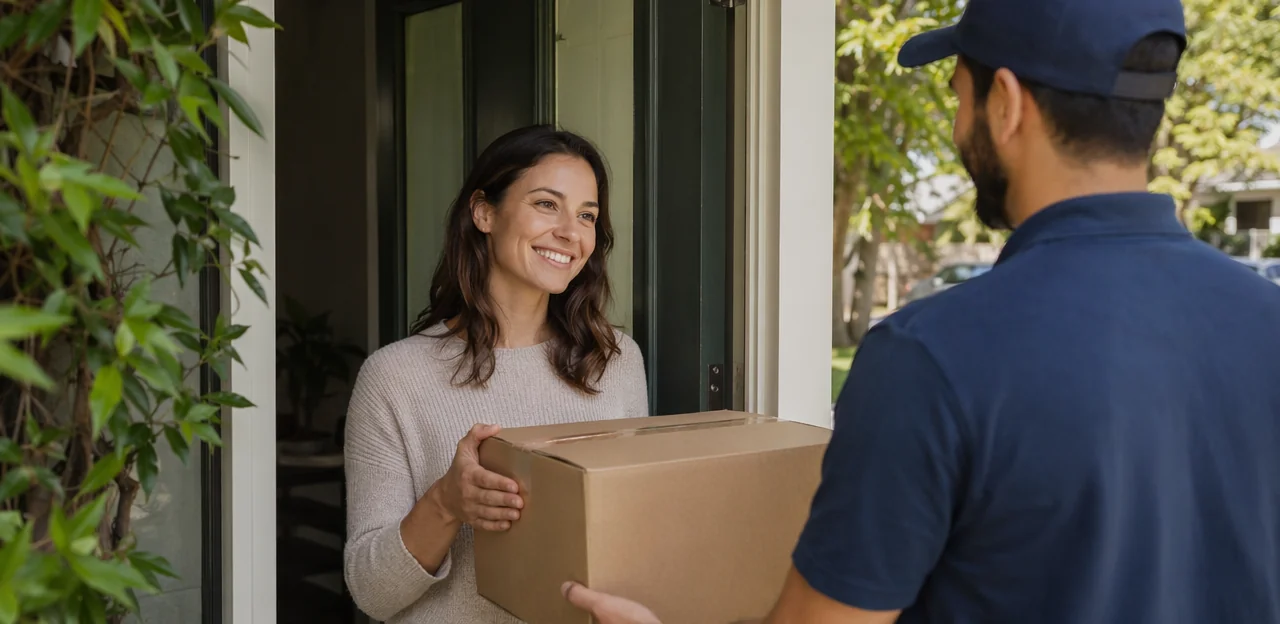
Defining delivery feedback software in modern operations
Delivery feedback software is a tool that helps home delivery businesses collect and act on customer input immediately after an order arrives. It turns the final mile into a measurable part of service quality, not a blind spot.
Typical capabilities include:
- Post-delivery feedback collection through SMS, email, QR codes, or in-app prompts
- Ratings and short surveys to measure satisfaction with timing, condition, professionalism, and communication
- Issue reporting for missing items, damaged goods, late arrivals, or poor service
- Alerts and dashboards that help teams spot trends and resolve problems quickly
For logistics, food delivery, and home services, this type of delivery experience software is increasingly important because customer expectations are higher, reviews spread fast, and fast recovery can protect loyalty. Solutions like Tapsy can also help capture feedback at key service touchpoints.
Why customer feedback shapes the delivery experience
Customer feedback is one of the fastest ways to improve the delivery experience because it shows where operations break down in real situations. Instead of guessing, teams can use customer feedback delivery data to spot recurring issues across the full journey.
- Delays and missed time windows: Identify route, staffing, or scheduling problems that frustrate customers.
- Damaged or incomplete orders: Reveal packaging, handling, or handoff issues that need process fixes.
- Poor communication: Show when customers lack updates, ETA clarity, or proof of delivery.
- Last-mile friction: Surface access problems, driver behavior concerns, or confusing delivery instructions.
With delivery feedback software, logistics, food delivery, and home service teams can track patterns, trigger faster service recovery, and continuously improve the last mile customer experience from dispatch to doorstep.
Use cases across logistics, food delivery, and home services
Delivery feedback software works best when each industry tracks the moments that matter most:
- Logistics: Teams use logistics feedback software to measure courier punctuality, package condition, proof-of-delivery experience, and communication quality. Set alerts for repeated late deliveries or damaged parcels so managers can coach drivers quickly.
- Food delivery: Strong food delivery feedback focuses on order accuracy, food temperature, packaging, and delivery speed. Pair low ratings with restaurant or driver data to identify whether issues come from prep, handoff, or transit.
- Home services: Home services customer feedback should capture technician professionalism, timeliness, problem resolution, and cleanliness after the visit. This helps improve training, scheduling, and service consistency.
Tools such as Tapsy can support real-time, touchpoint-based feedback collection and faster service recovery.
Core Features to Look for in Delivery Feedback Software

Strong delivery feedback software should capture sentiment the moment an order is marked complete, when details are still fresh and recovery is still possible. Look for tools that support:
- SMS and email surveys with mobile-friendly forms and high response rates
- CSAT for delivery using one-tap satisfaction questions after each drop-off
- NPS and star ratings to measure both immediate service quality and long-term loyalty
- Real-time customer feedback alerts for late arrivals, damaged items, missing products, or driver conduct issues
- Instant issue routing so complaints go directly to dispatch, support, or local managers for fast resolution
The best delivery survey software also tags feedback by driver, route, location, and time slot, helping teams spot recurring problems and improve the delivery experience at scale.
Analytics, dashboards, and trend reporting
Strong delivery feedback software should do more than collect ratings—it should turn them into clear, usable insights. The best feedback dashboards let operations teams segment responses by:
- Route to spot delays, missed stops, or navigation issues
- Driver to identify coaching needs or top performers
- Region to uncover local service gaps or staffing problems
- Order type to compare groceries, parcels, meals, or bulky-item deliveries
- Service category to track issues like timeliness, communication, damage, or professionalism
This level of delivery analytics helps teams detect recurring patterns early and fix root causes, not just individual complaints. With consistent delivery performance reporting, managers can prioritize training, adjust routing, refine staffing, and benchmark service quality across locations. Platforms such as Tapsy can also support touchpoint-level reporting when real-time feedback visibility matters.
Integrations with dispatch, CRM, and customer communication tools
When evaluating delivery feedback software, integrations should be a top selection criterion. Strong delivery software integrations connect feedback data to the systems your team already uses, so issues are acted on quickly instead of sitting in a separate dashboard.
Prioritize platforms with:
- TMS and dispatch system integration to match feedback with routes, drivers, delays, and proof-of-delivery events
- CRM integration to enrich customer profiles with satisfaction scores, complaints, and recovery history
- Help desk connections so negative feedback automatically creates support tickets and assigns owners
- Messaging tool integrations for SMS, email, or WhatsApp follow-ups that close the loop fast
This unified workflow improves response times, reduces manual work, and gives operations, support, and customer experience teams one shared view of delivery performance.
Benefits for Logistics, Food Delivery, and Home Services Teams

Improving service quality and customer retention
Delivery feedback software helps teams spot problems before they turn into repeat complaints or public negative reviews. By collecting real-time feedback after each order or visit, businesses can act faster and improve delivery customer satisfaction at the moments that matter most.
- Reduce complaints early: Identify recurring issues such as late arrivals, missing items, damaged packages, or poor technician communication.
- Recover unhappy customers faster: Trigger alerts for low ratings so support teams can apologize, offer a refund or credit, and resolve issues before customers churn.
- Drive service quality improvement: Use trend data by driver, route, location, or service type to fix root causes, not just symptoms.
- Strengthen customer retention delivery efforts: Follow up with recovered customers and reward repeat orders to build trust and loyalty.
Solutions like Tapsy can support faster issue capture and response across delivery touchpoints.
Identifying operational issues before they scale
Structured feedback gives dispatch, operations, and support teams an early-warning system. With delivery feedback software, every rating, comment, and tagged complaint becomes usable data for faster decisions and better last mile optimization.
- Spot route inefficiencies early: Track recurring late deliveries by zone, driver, or time window to identify traffic patterns, poor sequencing, or unrealistic ETAs.
- Catch communication gaps: Repeated feedback about missed calls, unclear arrival updates, or confusing instructions highlights where customer messaging needs improvement.
- Flag packaging problems: Monitor reports of damaged, spilled, or temperature-sensitive orders to isolate supplier, packing, or handoff issues.
- Reveal staffing issues: Peaks in complaints during certain shifts can expose undercoverage, rushed handoffs, or training gaps.
Strong delivery issue tracking turns feedback into operational insights before small problems spread across the network.
Supporting frontline coaching and accountability
Delivery feedback software gives managers a practical way to turn customer comments into better field performance. Instead of relying on occasional complaints, teams can use live feedback trends to coach with specifics and reinforce standards across every route or job.
- Review driver performance feedback by route, shift, region, or service type to spot repeat issues like lateness, poor communication, or missed handoff steps.
- Use courier coaching sessions to discuss real customer comments, set measurable improvement goals, and track progress over time.
- Monitor technician customer ratings alongside completion quality, punctuality, and first-time fix rates for a fuller view of service performance.
- Recognize top performers publicly to reinforce best practices and motivate consistency.
- Create accountability with scorecards, manager follow-ups, and alerts for low ratings so issues are addressed quickly, not ignored.
How to Choose the Right Delivery Feedback Software

Matching software capabilities to your delivery model
Effective delivery feedback software should match how your operation actually runs. Use this quick delivery software comparison checklist during software selection:
- Scheduled home delivery: Prioritize timed post-delivery surveys, driver professionalism questions, proof-of-delivery triggers, and SMS/email follow-up. Good home delivery software should support wider feedback windows and issue tagging for missed slots or damaged items.
- On-demand food delivery: Speed matters most. Choose instant mobile surveys sent minutes after drop-off, with short rating flows focused on food condition, accuracy, and delivery time.
- Field service appointments: Look for appointment-based triggers, technician-specific feedback, and survey logic for punctuality, communication, and problem resolution.
Also compare channels and survey design: SMS for speed, email for detail, and QR for on-site follow-up. Keep surveys short, role-specific, and tied to operational alerts.
Evaluating usability, scalability, and implementation effort
When comparing delivery feedback software, focus on practical fit, not just features. The best choice should be easy to launch, simple for teams to use, and ready to grow with your operation.
- Ease of setup: Prioritize fast onboarding, flexible integrations, and minimal IT dependency to reduce software implementation time.
- User adoption: Choose user-friendly delivery software with intuitive dashboards, clear alerts, and simple workflows for drivers, dispatchers, and managers.
- Mobile accessibility: Ensure forms, alerts, and reporting work well on smartphones and tablets for field teams and customers.
- Multilingual support: Essential for diverse customer bases and distributed delivery teams.
- Scalability: Select scalable feedback software that can support multiple regions, brands, and locations with role-based access and centralized reporting.
Solutions like Tapsy can also help simplify rollout with no-app feedback collection.
Questions to ask vendors before making a decision
Use this delivery software vendor checklist during your feedback software evaluation to compare options consistently:
- Data ownership: Who owns customer feedback, delivery data, and contact records? Can you export everything easily?
- Reporting depth: Does the platform offer location, driver, route, and time-based reporting with real-time dashboards?
- Automation: Can it trigger alerts, follow-ups, refunds, or service recovery workflows automatically?
- Support: What onboarding, training, and response times are included? Is support available during peak delivery hours?
- Security: Which standards, permissions, and compliance measures protect customer and operational data?
- Customization: Can you tailor surveys, branding, workflows, and integrations for logistics, food delivery, or home services?
A strong software buying guide should help you choose delivery feedback software that fits today’s operations and scales with growth.
Best Practices for Using Feedback Data Effectively

Collecting feedback at the right moment
Survey timing has a direct impact on delivery response rates. When customers are asked for post-service feedback immediately after a delivery or home service visit, the experience is still fresh, making responses more accurate and more likely.
To improve results with delivery feedback software, businesses should:
- Send surveys within minutes of delivery or job completion
- Use the customer’s preferred channel, such as SMS, email, or WhatsApp
- Keep the survey short, with 1–3 questions and an optional comment box
- Trigger alerts for low scores so teams can act quickly
Platforms like Tapsy can also help capture fast, real-time feedback at key service moments.
Turning feedback into action with closed-loop processes
Effective delivery feedback software should do more than collect ratings—it should power closed-loop feedback that leads to fast fixes and better outcomes. A simple process can help:
- Route negative feedback instantly by score, issue type, or location to the right support, dispatch, or operations team.
- Trigger service recovery workflows such as refunds, redelivery, technician callbacks, or manager follow-up based on severity.
- Assign ownership and deadlines so no issue sits unresolved and every case has clear accountability.
- Close the loop with customers by confirming the issue was received, sharing the resolution, and asking for follow-up feedback.
This approach strengthens customer complaint resolution, improves satisfaction, and helps teams prevent repeat delivery issues.
Tracking KPIs that prove business impact
To show whether delivery feedback software is improving operations, track a focused set of delivery KPIs tied to revenue, retention, and service quality:
- CSAT: Measure post-delivery satisfaction at key touchpoints to monitor real-time service performance.
- NPS for delivery: Track customer loyalty and likelihood to recommend after completed orders.
- Repeat order rate: Connect feedback trends to reorders to see if better experiences drive growth.
- Complaint volume: Monitor total complaints and top issue categories to spot recurring delivery problems.
- On-time delivery correlation: Compare punctuality data with customer satisfaction metrics to quantify how delays affect sentiment.
- Resolution speed: Measure how quickly teams close issues, since faster recovery often reduces churn and negative reviews.
Tools like Tapsy can help centralize these metrics across touchpoints.
Common Mistakes and the ROI of Delivery Feedback Software

Mistakes to avoid during software selection and rollout
Avoid these common software rollout mistakes when choosing delivery feedback software:
- Picking tools without integrations: If the platform does not connect with dispatch, CRM, POS, or support systems, teams create manual work and lose context.
- Making surveys too long or complex: Common feedback survey mistakes include asking too many questions, using vague wording, or forcing comments. Keep it short and tied to the delivery moment.
- Ignoring frontline teams: Poor delivery software adoption often happens when drivers, dispatchers, or service staff are not trained or involved early.
- Collecting feedback but not acting on it: Set alerts, assign owners, and close the loop quickly to turn feedback into service improvements.
How to calculate ROI from better delivery feedback systems
To estimate delivery software ROI, compare the cost of your delivery feedback software against measurable gains across the delivery journey:
- Reduced churn: multiply the number of customers retained by average order or job value.
- Fewer complaints: calculate savings from lower support volume, refunds, redeliveries, and service recovery time.
- Operational efficiency: measure fewer failed deliveries, faster issue resolution, and reduced driver or dispatcher workload.
- Stronger reviews: track uplift in ratings and estimate added conversion from improved local reputation.
- Better retention by segment: compare repeat rates in logistics, food delivery, and home services before and after rollout.
A simple formula: (total gains - software cost) / software cost x 100. This shows customer feedback ROI and the real last mile software value.
What the future looks like for delivery experience technology
The future of delivery software is becoming faster, smarter, and more connected. Modern delivery feedback software is evolving beyond surveys into real-time operational intelligence.
- AI feedback analytics: AI-driven sentiment analysis will detect frustration, praise, and recurring issues across ratings, comments, chat, and call transcripts.
- Predictive issue detection: Platforms will flag likely late deliveries, poor handoffs, or service failures before customers complain.
- Omnichannel feedback collection: Expect feedback from SMS, email, QR codes, apps, web portals, and support conversations in one view.
- Deeper platform integration: Stronger links with dispatch, CRM, and route management tools will help teams act instantly.
For operators, the next step is choosing delivery experience technology that turns feedback into automated recovery workflows, not just reports.
Conclusion
In fast-moving industries like logistics, food delivery, and home services, every delivery is a customer experience moment. The right delivery feedback software helps businesses capture real-time insights, resolve issues before they become negative reviews, and turn everyday delivery operations into a competitive advantage. From monitoring driver performance and on-time delivery to understanding customer satisfaction at each touchpoint, these tools give teams the visibility they need to improve service quality and build loyalty.
Choosing delivery feedback software should come down to more than basic surveys. Look for features like real-time alerts, touchpoint-specific feedback collection, simple mobile experiences, reporting dashboards, and workflows that help your team act quickly. When feedback is easy to collect and even easier to use, businesses can reduce churn, improve retention, and make smarter operational decisions.
If you’re evaluating options, start by mapping your delivery journey, identifying common friction points, and comparing platforms based on speed, usability, and reporting depth. Solutions such as Tapsy may be worth exploring if you want a simple way to capture feedback at the moment of service. Take the next step by reviewing software demos, testing feedback flows, and choosing a delivery feedback software platform that helps you deliver better experiences at scale.
Frequently Asked Questions
- What is delivery feedback software?
Delivery feedback software helps businesses collect and act on customer input right after a delivery or service visit. It typically includes post-delivery surveys, ratings, issue reporting, alerts, and dashboards so teams can measure and improve the final mile experience.
- Why is delivery feedback important for logistics, food delivery, and home services?
Feedback shows where the customer experience breaks down in real situations, such as delays, damaged orders, missing items, or poor communication. Capturing these signals quickly helps teams resolve issues faster, protect loyalty, and improve service quality at scale.
- Which customer issues can delivery feedback software help uncover?
It can reveal recurring problems like late arrivals, missed time windows, damaged or incomplete orders, unclear updates, and poor service interactions. It also helps surface last-mile friction such as access issues, confusing instructions, or concerns about driver behavior.
- How do use cases differ between logistics, food delivery, and home services?
Logistics teams often track courier punctuality, package condition, proof-of-delivery experience, and communication quality. Food delivery teams focus more on order accuracy, food temperature, packaging, and speed, while home services teams measure technician professionalism, timeliness, problem resolution, and cleanliness.
- What features should businesses prioritize when choosing delivery feedback software?
Key features include SMS and email surveys, mobile-friendly forms, CSAT questions, NPS or star ratings, real-time alerts, and instant issue routing. It is also useful when feedback can be tagged by driver, route, location, and time slot to identify patterns.
- How do analytics and dashboards improve delivery operations?
Good dashboards turn ratings and comments into usable insights by segmenting feedback by route, driver, region, order type, or service category. That makes it easier to spot recurring issues early, coach teams, adjust staffing, and improve routing or service consistency.
- Why do integrations matter in delivery feedback software?
Integrations connect feedback with dispatch, CRM, help desk, and messaging tools so teams can act without switching systems. This reduces manual work, speeds up response times, and gives operations, support, and customer experience teams a shared view of performance.
- How can delivery feedback software help improve customer retention?
It helps teams identify problems before they become repeat complaints or public negative reviews. Low ratings can trigger quick recovery actions such as apologies, refunds, credits, or follow-up, which can reduce churn and strengthen trust.
- How does feedback data support frontline coaching and accountability?
Managers can review customer comments and ratings by route, shift, region, or service type to identify repeat issues like lateness or poor communication. That makes coaching more specific, supports scorecards and follow-ups, and helps recognize top performers consistently.
- How should a business match delivery feedback software to its delivery model?
Scheduled home delivery usually needs timed post-delivery surveys, proof-of-delivery triggers, and issue tagging for missed slots or damaged items. On-demand food delivery benefits from very fast mobile surveys focused on speed, condition, and accuracy, while field service needs appointment-based triggers and technician-specific questions.
- What should teams look for in usability, scalability, and implementation?
A strong fit includes fast onboarding, flexible integrations, intuitive dashboards, clear alerts, and mobile access for both customers and field teams. Multilingual support, role-based access, and centralized reporting are also important for businesses operating across multiple regions or brands.
- What questions should buyers ask vendors before selecting a platform?
Important questions cover data ownership, export options, reporting depth, automation capabilities, support availability, security measures, and customization options. Buyers should also confirm whether the platform can adapt to logistics, food delivery, or home service workflows.
- When is the best time to ask customers for delivery feedback?
The best time is within minutes of delivery or job completion, while the experience is still fresh. Short surveys sent through the customer’s preferred channel, such as SMS, email, or WhatsApp, are more likely to get accurate responses.
- How can businesses turn delivery feedback into action instead of just collecting it?
Negative feedback should be routed immediately based on score, issue type, or location to the right support, dispatch, or operations team. Closed-loop processes work best when they include service recovery actions, clear ownership, deadlines, and follow-up communication with the customer.
- How is ROI calculated for delivery feedback software?
ROI can be estimated by comparing software cost against gains from reduced churn, fewer complaints, lower support or redelivery costs, faster issue resolution, and stronger reviews. A simple formula is (total gains - software cost) / software cost x 100.