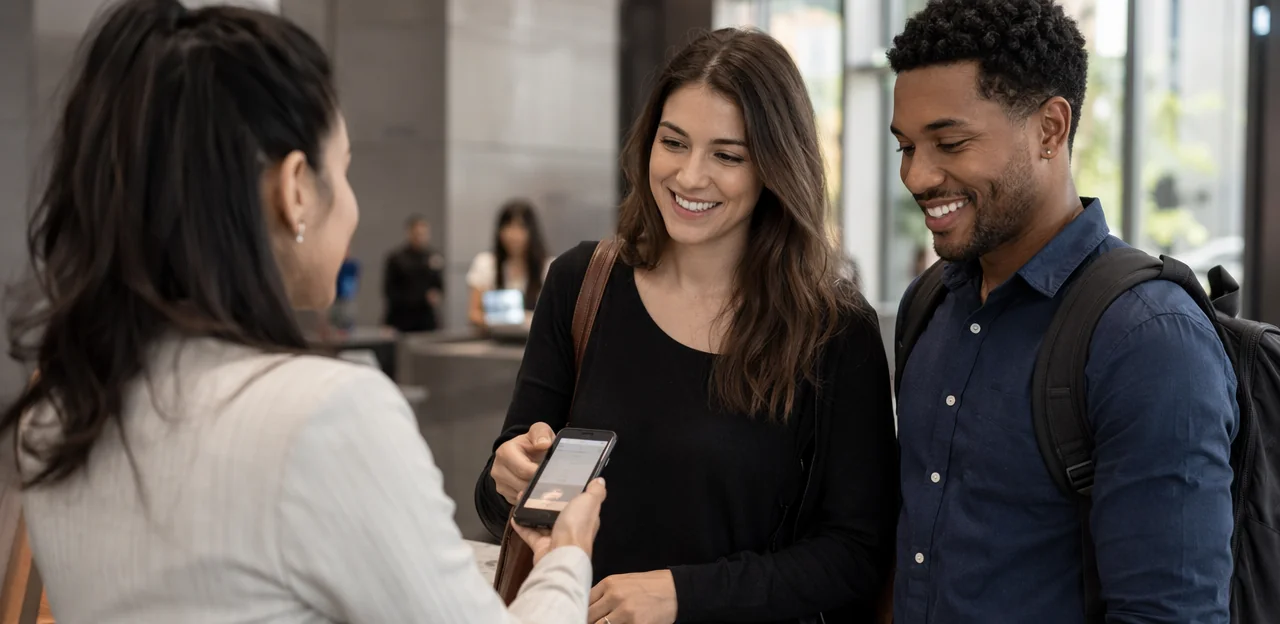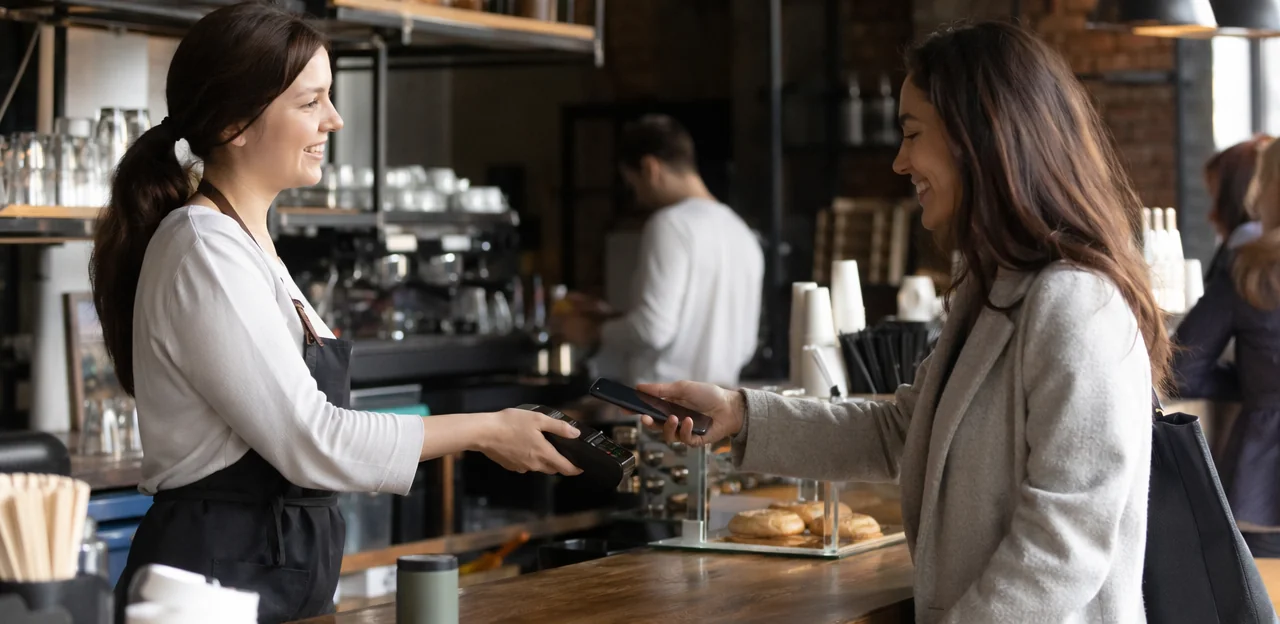
In-store loyalty is no longer just about punch cards and points balances. Today, customers expect fast, seamless, and personalized experiences wherever they interact with a brand, from hotel lobbies and restaurant tables to retail counters, showrooms, and event spaces. That shift is why digital loyalty programs have become a powerful strategy for physical locations across industries, helping businesses turn everyday visits into measurable engagement, repeat purchases, and stronger customer relationships.
Unlike traditional loyalty programs, modern loyalty and rewards programs can be activated instantly through mobile-friendly touchpoints such as NFC and QR codes, making participation easier and more immediate. This approach is reshaping everything from travel loyalty programs and restaurant loyalty programs to loyalty marketing programs designed for retail, services, and even b to b loyalty programs. As more brands look for scalable ways to capture first-party data and improve customer experience, b2b loyalty programs are also evolving with smarter automation and analytics.
This article explores how digital loyalty programs work in real-world physical environments, why they matter across sectors, and how AI, analytics, and contactless engagement tools are changing the future of retention. We’ll also look at the key features, benefits, and best practices businesses should consider when building loyalty strategies that drive long-term value.
Why Digital Loyalty Programs Matter for Physical Locations
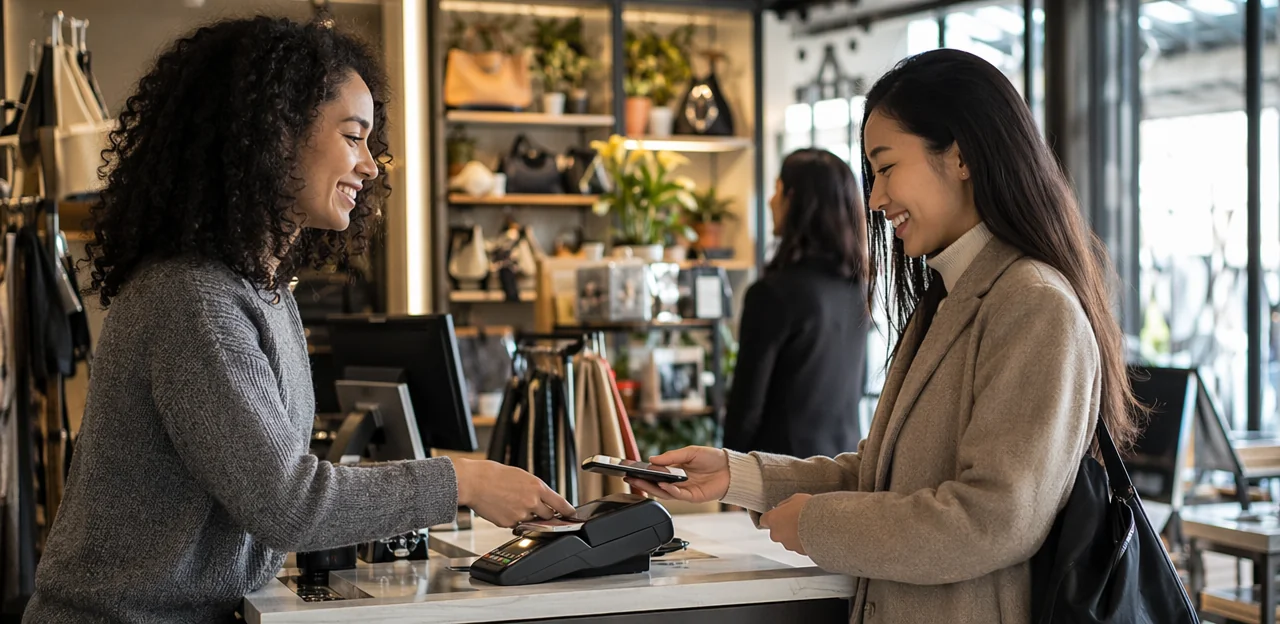
What makes digital loyalty programs different from traditional cards
Unlike paper punch cards or plastic memberships, digital loyalty programs remove friction at the point of visit. Guests can join in seconds by scanning a QR code or tapping NFC, with no app download required, making enrollment easier for stores, cafés, hotels, and service businesses.
Key differences include:
- Instant participation: Customers access loyalty programs on their phones instead of carrying physical cards.
- Real-time tracking: Points, visits, and rewards update immediately, improving convenience and trust.
- Better data: Businesses can connect loyalty and rewards programs to purchase behavior, visit frequency, and campaign performance.
- Smarter personalization: From restaurant loyalty programs to travel loyalty programs, offers can be tailored by location, timing, or customer segment.
- Broader flexibility: Even b to b loyalty programs, b2b loyalty programs, and other loyalty marketing programs benefit from easier enrollment and measurable engagement.
Digital loyalty programs deliver measurable value across physical-location businesses by turning every visit, tap, or scan into a retention opportunity.
- Increase repeat purchases: Personalized offers, points, and instant perks encourage return visits in retail, restaurant loyalty programs, salons, gyms, and entertainment venues.
- Grow customer lifetime value: Well-designed loyalty and rewards programs boost frequency, basket size, and upsell potential, while travel loyalty programs and hospitality offers strengthen long-term brand preference.
- Capture first-party data: Modern loyalty marketing programs collect consented purchase, visit, and preference data, helping brands reduce reliance on third-party platforms.
- Improve efficiency: Automated rewards, NFC/QR check-ins, and segmented campaigns reduce manual work for staff and streamline operations.
- Work across models: From consumer-facing loyalty programs to b to b loyalty programs and b2b loyalty programs, businesses can tailor incentives by audience, location, and behavior.
How customer expectations are changing in-store
Today’s in-store customer experience is shaped by mobile-first habits: people expect speed, relevance, and zero friction at checkout or service touchpoints. That is why digital loyalty programs are replacing delayed, card-based loyalty programs with instant, visible value.
- Low-friction participation: Customers want to join with a tap or scan, not long forms or app downloads.
- Immediate reward visibility: Whether in restaurant loyalty programs or travel loyalty programs, shoppers expect to see points, perks, or offers in real time.
- Personalized offers at the point of sale: Strong loyalty and rewards programs use purchase context, visit history, and behavior to deliver relevant incentives instantly.
For brands, this means modern loyalty marketing programs must connect physical interactions with data-driven personalization. Even b to b loyalty programs and b2b loyalty programs now need seamless, on-site engagement to meet rising expectations.
Key Features of High-Performing Digital Loyalty Programs

Enrollment, identity, and omnichannel access
The best digital loyalty programs remove friction at the first interaction. Let customers join in seconds through the channel already in their hand, then connect that identity across every touchpoint.
- Offer fast enrollment via phone number, SMS link, email, wallet pass, NFC tap, or QR scan.
- Keep forms minimal: collect only essentials first, then enrich profiles over time.
- Use one unified customer ID so in-store, web, app, kiosk, and support interactions stay connected.
- Make NFC and QR touchpoints context-aware, so a restaurant table, hotel lobby, or retail counter triggers the right journey.
This approach strengthens loyalty programs, loyalty and rewards programs, restaurant loyalty programs, travel loyalty programs, loyalty marketing programs, and even b to b loyalty programs or b2b loyalty programs by delivering consistent rewards, recognition, and messaging everywhere.
Rewards structures that drive repeat visits
The best digital loyalty programs match reward mechanics to how often customers buy, what each sale is worth, and which behaviors you want to encourage. Effective loyalty and rewards programs often combine:
- Points: Flexible for frequent, low-ticket purchases and popular in restaurant loyalty programs.
- Tiers: Ideal for higher-value customers; common in travel loyalty programs where status perks increase retention.
- Cashback or credits: Works well when margins support direct value back to the customer.
- Visit-based rewards: “Buy 5, get 1” keeps simple loyalty programs easy to understand.
- Surprise-and-delight offers: Unexpected bonuses can reactivate lapsing customers.
- Partner perks: Great for cross-sell strategies and even b2b loyalty programs or b to b loyalty programs.
Strong loyalty marketing programs tailor rewards by purchase frequency, margin profile, and customer behavior, so incentives stay profitable while driving repeat visits.
AI and analytics for personalization and retention
AI & Analytics turn digital loyalty programs into retention engines by using real behavior data to personalize every interaction. Instead of sending the same reward to everyone, brands can:
- Segment customers by visit frequency, spend, product preferences, location, and engagement history
- Predict churn by spotting drops in visits, redemptions, or satisfaction before customers disappear
- Recommend next-best offers such as upsells, bounce-back rewards, or category-specific perks
- Optimize timing by identifying when guests are most likely to return or redeem
This makes loyalty marketing programs far more effective across restaurant loyalty programs, travel loyalty programs, and even b2b loyalty programs or b to b loyalty programs. The result is stronger loyalty and rewards programs, higher repeat visits, better redemption rates, and measurable gains in customer lifetime value.
NFC and QR Touchpoints in the In-Store Loyalty Journey
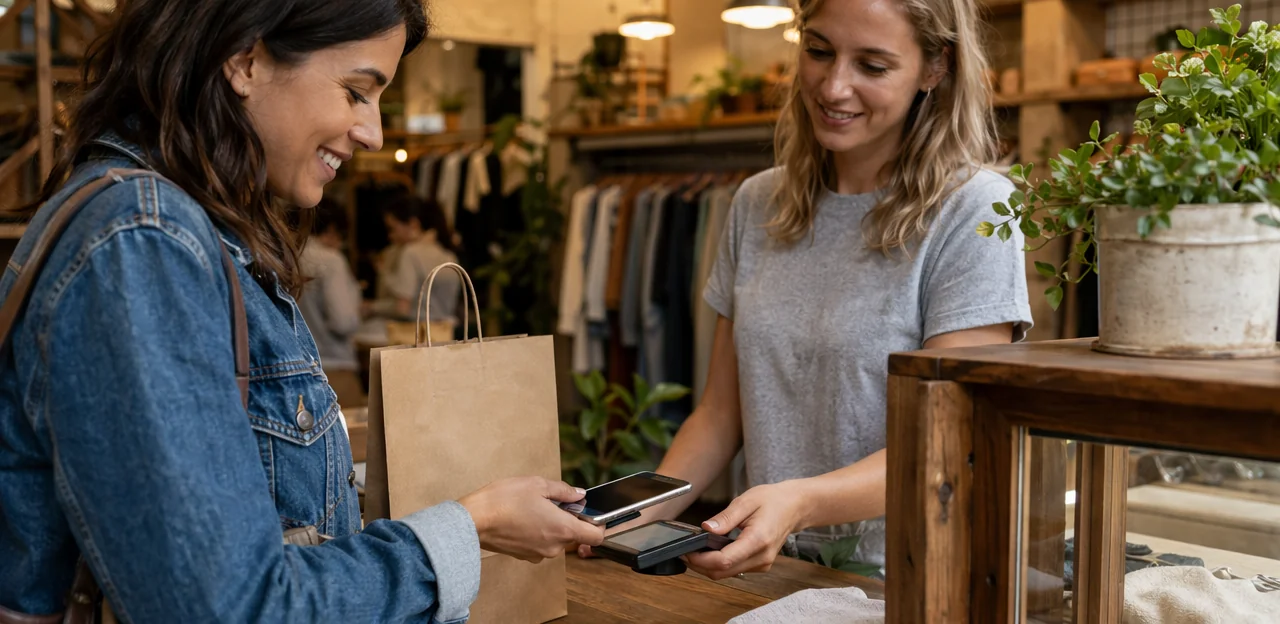
Where NFC and QR fit across the customer journey
NFC & QR Touchpoints make digital loyalty programs easier to join and use in real-world spaces by removing extra steps at every stage:
- Discovery: Place QR codes on windows, menus, packaging, and displays so customers instantly find your loyalty programs.
- Sign-up: Use NFC taps at tables, counters, or reception desks for fast enrollment in loyalty and rewards programs without apps or paper forms.
- Check-in: Let guests tap or scan on arrival to trigger points, offers, or personalized service in travel loyalty programs and restaurant loyalty programs.
- Reward redemption: Enable instant in-store redemption at POS, kiosks, or tables.
- Feedback collection: Capture post-visit sentiment on the spot.
- Re-engagement: Use collected first-party data to power loyalty marketing programs, including b to b loyalty programs and b2b loyalty programs.
Designing low-friction tap and scan experiences
To make digital loyalty programs feel effortless, remove every possible point of hesitation:
- Placement: Put NFC/QR touchpoints where decisions happen—checkout counters, tables, reception desks, exits, and product displays.
- Signage: Use clear, benefit-led prompts like “Tap to earn rewards in 10 seconds” or “Scan for today’s offer.”
- Call to action: Keep messaging short, visual, and specific to the setting, whether for restaurant loyalty programs, travel loyalty programs, or b2b loyalty programs.
- Staff training: Teach teams to give a one-line invitation and explain the value quickly.
- Mobile landing page: Optimize for instant load, minimal fields, and repeat visits with remembered preferences.
The best loyalty programs, loyalty and rewards programs, and loyalty marketing programs make first-time use intuitive and repeat engagement automatic—including b to b loyalty programs in service environments.
Tracking engagement and attribution from physical interactions
To prove ROI from digital loyalty programs, businesses need clear attribution from every NFC tap or QR scan to the final conversion. Track key events across locations and campaigns:
- Scans and taps: measure interaction volume by table, counter, shelf, room, or venue.
- Enrollments: track how many guests join loyalty programs after each physical touchpoint.
- Redemptions: connect offers to purchases to evaluate loyalty and rewards programs performance.
- Repeat visits: identify returning customers and compare behavior over time.
- Campaign lift: use AI & Analytics to compare locations, offers, and time periods.
This approach strengthens loyalty marketing programs across restaurant loyalty programs, travel loyalty programs, and even b2b loyalty programs or b to b loyalty programs, tying physical engagement data to dashboards, revenue impact, and retention reporting.
Cross-Industry Examples and Use Cases

Restaurant, retail, and service business loyalty models
Digital loyalty programs work best when rewards match how customers buy. For restaurant loyalty programs, focus on behaviors that directly improve revenue and flow:
- Visit frequency: offer a free item or points after a set number of visits.
- Basket size: reward higher spend tiers, add-on purchases, or combo upgrades.
- Off-peak traffic: give bonus points for weekday afternoons, late lunches, or slower service windows.
In retail and service settings, loyalty programs can go further with referral bonuses, paid or tiered memberships, and personalized offers based on purchase history. Strong loyalty and rewards programs also segment by customer type, from local shoppers to members influenced by travel loyalty programs. For multi-location brands, loyalty marketing programs, b to b loyalty programs, and b2b loyalty programs can support partnerships, wholesale relationships, and repeat bookings.
Hospitality and travel-inspired retention strategies
Physical-location brands can borrow proven ideas from travel loyalty programs to make digital loyalty programs feel more valuable and habit-forming.
- Use tiering to reward frequency: Like airline or hotel status levels, local loyalty programs can unlock better perks after repeat visits, higher spend, or referrals.
- Prioritize experiences over discounts: Instead of only offering points, build loyalty and rewards programs around VIP seating, early access, complimentary upgrades, or personalized service.
- Create partner ecosystems: Travel brands win through partnerships. Retailers, gyms, salons, and restaurant loyalty programs can team up with nearby businesses for shared rewards.
- Apply the model beyond consumers: B2B loyalty programs and b to b loyalty programs can reward repeat trade buyers with priority service, exclusive training, or account benefits.
These tactics strengthen loyalty marketing programs by turning everyday visits into long-term relationships.
B2B and channel scenarios for physical environments
In physical channels, digital loyalty programs help brands motivate partners at the exact point of interaction, not just end consumers. Effective b2b loyalty programs and b to b loyalty programs are built around accounts, territories, and sales roles rather than individual lifestyle behavior.
- Distributors and dealers: reward sell-through, training completion, compliant merchandising, and repeat ordering.
- Showrooms and trade counters: use NFC or QR touchpoints to log visits, product demos, quote requests, and counter purchases.
- Field sales teams: capture in-person engagement, referral activity, and account development milestones.
Unlike consumer loyalty programs such as restaurant loyalty programs or travel loyalty programs, B2B loyalty and rewards programs often issue account-based incentives, tiered rebates, service credits, or co-marketing funds. This makes loyalty marketing programs more measurable, channel-friendly, and aligned with long-term revenue growth.
How to Build and Launch a Successful Program

Define goals, audience segments, and success metrics
Before launching digital loyalty programs, define what success looks like for your location and customer mix. The best loyalty programs are built around clear business outcomes, not generic points.
- Set measurable goals: Track repeat visit rate, average order value, enrollment conversion, redemption rate, and customer lifetime value.
- Segment your audience: New vs. returning customers, high-frequency buyers, seasonal visitors, tourists, members, and business accounts all respond differently.
- Match the model to behavior: Restaurant loyalty programs may prioritize visit frequency and basket size, while travel loyalty programs often focus on upsells and repeat bookings. B2B loyalty programs or b to b loyalty programs may center on account retention and reorder volume.
- Choose the right incentives: Effective loyalty and rewards programs and loyalty marketing programs align rewards with margin, purchase cycle, and customer motivation.
Choose the right technology stack and integrations
To make digital loyalty programs work across physical locations, choose a stack that connects data, redemption, and reporting in real time.
- POS integration: Ensure purchases, points, and redemptions sync instantly across stores. This is essential for restaurant loyalty programs, retail, and service brands.
- CRM connectivity: Link profiles, preferences, and visit history so your loyalty programs support personalized offers and stronger retention.
- Wallet pass support: Apple Wallet and Google Wallet make loyalty and rewards programs easier to access without requiring an app.
- Marketing automation: Trigger emails, SMS, or in-store offers based on behavior, tiers, or inactivity—useful for travel loyalty programs and loyalty marketing programs.
- AI & Analytics dashboards: Track enrollment, repeat visits, redemption rates, and location performance to optimize campaigns.
- Privacy and scale: Look for consent management, role-based access, and multi-location controls for growing brands, including b2b loyalty programs and b to b loyalty programs.
Launch, promote, and optimize over time
Successful digital loyalty programs improve when launch is treated as the starting point, not the finish line.
- Enable staff first: Train teams to explain benefits in one sentence, show guests how to tap or scan, and mention rewards at key moments like checkout, payment, or service completion. This strengthens the overall customer experience.
- Promote in-store: Use table tents, counter signs, receipts, packaging, and QR/NFC touchpoints to drive visibility for loyalty programs and loyalty and rewards programs.
- Follow up digitally: Reinforce sign-ups with SMS and email reminders, personalized offers, and win-back campaigns. This works well for restaurant loyalty programs, travel loyalty programs, and even b2b loyalty programs.
- Test and refine: A/B test reward types, timing, messages, and placement. Strong loyalty marketing programs continuously optimize incentives, helping both consumer and b to b loyalty programs increase adoption, repeat visits, and retention.
Common Mistakes to Avoid and the Future of Loyalty

Pitfalls that weaken participation and ROI
Even well-designed digital loyalty programs can underperform when friction and irrelevance creep in. Common issues include:
- Complicated enrollment: Long forms, app downloads, or mandatory account creation reduce sign-ups across loyalty programs, especially in fast-paced physical locations.
- Weak value proposition: If rewards feel generic, delayed, or too small, customers ignore loyalty and rewards programs.
- Poor redemption experience: Confusing rules, limited availability, or staff not knowing the process can damage trust in restaurant loyalty programs and travel loyalty programs.
- Disconnected data: When POS, CRM, and feedback tools are not linked, loyalty marketing programs cannot personalize effectively.
- Generic offers: Broad promotions weaken results in both b to b loyalty programs and b2b loyalty programs, where relevance drives repeat engagement.
Privacy, trust, and responsible personalization
Strong digital loyalty programs depend on trust as much as incentives. To protect customer experience while using AI & Analytics, brands should follow a few clear rules:
- Ask for explicit consent: Make opt-ins clear, specific, and easy to manage across loyalty programs, from restaurant loyalty programs to travel loyalty programs.
- Be transparent about data use: Explain what you collect, why it matters, and how it improves offers in loyalty and rewards programs.
- Personalize with restraint: Use AI to recommend relevant rewards, not to feel intrusive or overly predictive.
- Respect channel expectations: This matters in loyalty marketing programs, b2b loyalty programs, and b to b loyalty programs alike.
Relevance builds engagement; privacy protects long-term loyalty.
What is next for digital loyalty programs
The next wave of digital loyalty programs will be smarter, faster, and more contextual across physical locations. Key trends include:
- Predictive offers: AI will use visit history, spend patterns, and behavior to trigger timely rewards in loyalty marketing programs.
- Wallet-native experiences: Customers will expect points, passes, and perks inside Apple Wallet or Google Wallet instead of separate apps.
- Location-aware engagement: NFC & QR Touchpoints will personalize rewards by table, room, counter, or venue zone—ideal for restaurant loyalty programs and travel loyalty programs.
- Partner ecosystems: More loyalty and rewards programs will connect brands, suppliers, and venues, including b2b loyalty programs and b to b loyalty programs.
- Smarter touchpoints: NFC and QR interactions will capture feedback, unlock rewards, and refine loyalty programs in real time.
Conclusion
In a market where attention is limited and expectations are high, digital loyalty programs give physical locations a smarter way to build lasting customer relationships. Across hospitality, retail, dining, travel, and service-based businesses, the most effective strategies combine convenience, personalization, and real-time insight. By using NFC and QR touchpoints, brands can remove friction, capture first-party data, and turn everyday interactions into meaningful engagement moments.
The strongest loyalty programs do more than reward repeat visits. They help businesses understand behavior, improve customer experience, and create more relevant offers through AI and analytics. Whether you are refining restaurant loyalty programs, expanding travel loyalty programs, or developing b to b loyalty programs and b2b loyalty programs for partner engagement, the goal is the same: make every touchpoint more valuable. Well-designed loyalty and rewards programs also strengthen broader loyalty marketing programs by connecting in-store activity with measurable retention outcomes.
Now is the time to evaluate your current customer journey, identify high-impact touchpoints, and invest in digital loyalty programs that are easy to use and easy to scale. Start with a pilot, measure participation and repeat visits, and build from there. For businesses exploring contactless, no-app engagement, solutions like Tapsy can offer a practical next step.
Frequently Asked Questions
- What are digital loyalty programs for physical locations?
Digital loyalty programs are mobile-friendly systems that let customers join, earn, and redeem rewards during in-person visits. They replace paper cards and plastic memberships with touchpoints like QR codes and NFC taps, making participation faster and easier.
- How are digital loyalty programs different from traditional punch cards or membership cards?
Digital programs remove friction by letting customers use their phones instead of carrying physical cards. They also support real-time tracking, better data collection, and more personalized offers based on visit behavior, purchase history, and location.
- Why do digital loyalty programs matter for stores, restaurants, hotels, and service businesses?
They help turn everyday visits into repeat purchases, measurable engagement, and stronger customer relationships. They also improve efficiency through automated rewards, contactless check-ins, and segmented campaigns that reduce manual work for staff.
- How do NFC and QR codes support in-store loyalty enrollment?
NFC and QR touchpoints let customers join in seconds by tapping or scanning at places like tables, counters, windows, menus, or reception desks. This lowers barriers to entry because there is no need for paper forms or a required app download.
- What customer expectations are driving the shift to digital loyalty in-store?
Customers now expect speed, relevance, and low-friction interactions at checkout and service touchpoints. They want to join quickly, see rewards in real time, and receive offers that reflect their visit history and purchase context.
- What enrollment methods work best for digital loyalty programs?
Fast options such as phone number, SMS link, email, wallet pass, NFC tap, and QR scan work well because they reduce effort at the first interaction. Keeping forms minimal and enriching profiles over time helps improve sign-up rates without creating unnecessary friction.
- Which reward structures are most effective for repeat visits?
Effective programs often use points, tiers, cashback or credits, visit-based rewards, surprise bonuses, and partner perks. The best structure depends on purchase frequency, average sale value, margins, and the behaviors the business wants to encourage.
- How can AI and analytics improve loyalty program performance?
AI and analytics help segment customers by spend, frequency, preferences, location, and engagement history. They can also predict churn, recommend next-best offers, and optimize timing so rewards are more relevant and retention improves.
- Where should NFC and QR touchpoints be placed in a physical location?
They work best where decisions and interactions happen, such as checkout counters, restaurant tables, reception desks, exits, product displays, menus, windows, and packaging. Clear placement makes discovery, sign-up, redemption, and feedback collection more natural.
- How can a business design a low-friction tap or scan experience?
Use clear, benefit-led signage with short calls to action like earning rewards quickly or accessing today's offer. Pair that with staff training and a fast mobile landing page that loads instantly, asks for minimal information, and remembers returning users when possible.
- What metrics should be tracked to measure loyalty ROI from physical interactions?
Useful metrics include scans and taps, enrollments, redemptions, repeat visits, campaign lift, average order value, redemption rate, and customer lifetime value. Tracking these by location and touchpoint helps connect physical engagement to revenue and retention outcomes.
- How do loyalty strategies differ across restaurants, retail, hospitality, and B2B environments?
Restaurants often focus on visit frequency, basket size, and off-peak traffic, while hospitality and travel-inspired models use tiers, upgrades, and experience-based perks. B2B programs are usually account-based and reward actions like repeat ordering, training completion, merchandising compliance, or account development.
- What technology integrations are important when launching a digital loyalty program?
A strong setup includes POS integration for real-time purchases and redemptions, CRM connectivity for profile and visit history, wallet pass support, marketing automation, and analytics dashboards. Privacy controls, consent management, and multi-location access are also important as programs scale.
- What are common mistakes that weaken participation and results?
Long enrollment flows, mandatory app downloads, weak rewards, confusing redemption rules, disconnected systems, and generic offers can all reduce performance. These issues create friction, limit personalization, and make it harder for customers and staff to trust the program.
- What trends are shaping the future of digital loyalty programs?
Programs are moving toward predictive offers, wallet-native experiences, and more location-aware engagement through NFC and QR touchpoints. Partner ecosystems and smarter real-time interactions are also becoming more important across consumer and B2B loyalty models.