
A great meal is only part of what brings guests back. Service speed, staff friendliness, menu clarity, ambiance, cleanliness, and even how problems are handled all shape the dining experience. That is why a well-designed dining feedback survey has become an essential tool for restaurants and cafés that want to improve operations, strengthen customer loyalty, and make smarter decisions based on real guest insight.
The challenge is not simply asking for opinions, but asking the right feedback survey questions at the right time. In this article, we will explore how restaurants can build surveys that capture meaningful responses without overwhelming guests. We will cover practical survey questions to ask for feedback across food quality, service, atmosphere, value, and overall satisfaction, while also looking at how data can support restaurant operations, customer experience, and AI-driven analytics.
Because hospitality teams often need input beyond guest sentiment, we will also touch on related formats such as employee feedback survey questions, manager feedback survey questions, meeting feedback survey questions, survey questions for feedback on training, survey questions for event feedback, and even product feedback survey questions for menu testing or new offerings. By the end, you will have a clearer framework for creating restaurant surveys that generate actionable insights and support continuous improvement.
Why a Dining Feedback Survey Matters for Restaurants and Cafés
How guest feedback improves restaurant operations
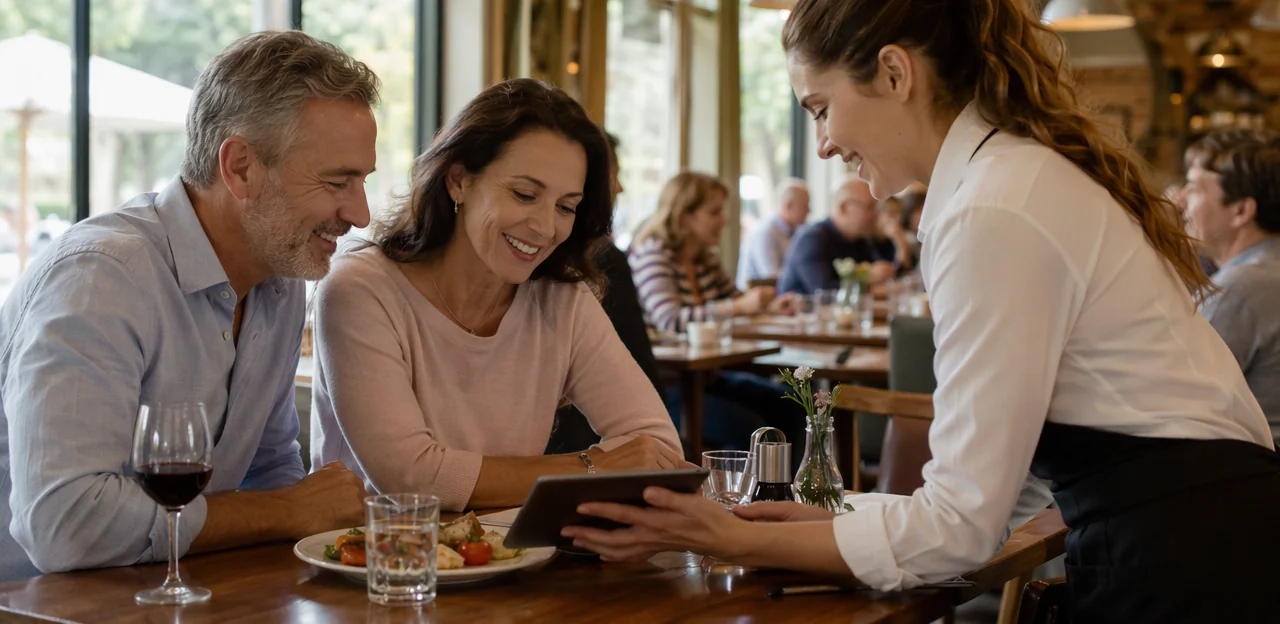
A dining feedback survey gives restaurants a clear view of what happens beyond the POS report. The right feedback survey questions reveal where service slows, which dishes disappoint, and how the overall customer experience changes by shift, team, or daypart.
- Spot service gaps: Identify issues with friendliness, order accuracy, and table attention.
- Improve menu performance: Use guest comments alongside product feedback survey questions to flag unpopular items, pricing concerns, or portion issues.
- Reduce wait-time friction: Learn whether delays happen at seating, ordering, food delivery, or payment.
- Strengthen teams: Pair guest insights with employee feedback survey questions, manager feedback survey questions, and survey questions for feedback on training.
- Refine special experiences: Adapt meeting feedback survey questions or survey questions for event feedback for private dining and group bookings.
Used consistently, survey questions to ask for feedback help restaurants improve daily operations, increase repeat visits, and grow revenue.
The link between surveys, AI, and analytics
A dining feedback survey becomes far more valuable when paired with AI & Analytics and strong survey design. AI can automatically sort open-text responses, detect sentiment, and group recurring themes like wait times, food quality, cleanliness, or staff friendliness.
- Categorize comments by topic, urgency, and location
- Compare patterns across shifts, menu items, and branches
- Spot trends hidden in feedback survey questions before they affect reviews or repeat visits
- Connect survey results with operational data such as ticket times, staffing levels, table turns, and sales mix
This helps restaurants move beyond raw responses and identify root causes. For example, insights from employee feedback survey questions, manager feedback survey questions, or even formats inspired by meeting feedback survey questions, survey questions for feedback on training, survey questions to ask for feedback, survey questions for event feedback, and product feedback survey questions can reveal wider performance patterns.
When to send restaurant feedback surveys
Timing has a major impact on response rates and the quality of a dining feedback survey. Send requests while the experience is still fresh:
- After dine-in visits: Share via QR code at the table, on the bill, or by SMS/email within 1–3 hours of payment.
- After takeout or delivery: Send by SMS or email shortly after pickup or delivery to capture food quality, packaging, and accuracy.
- After catering or private events: Follow up within 24 hours with survey questions for event feedback.
- After loyalty interactions: Trigger surveys after reward redemption, app use, or repeat visits.
Use concise survey questions to ask for feedback and tailor by touchpoint. For internal improvement, pair guest insights with employee feedback survey questions, manager feedback survey questions, meeting feedback survey questions, survey questions for feedback on training, and even product feedback survey questions where relevant.
Core Dining Feedback Survey Questions to Ask Guests

Questions about food quality, menu, and value
A strong dining feedback survey should uncover how guests feel about the food itself, not just the overall experience. Use a mix of scaled and open-ended feedback survey questions to capture both measurable trends and useful detail.
- Taste and freshness
- How would you rate the taste of your meal?
- How fresh did the ingredients seem?
- Portion size
- Was your portion size too small, too large, or just right?
- Menu variety
- Did our menu offer enough variety for your preferences?
- Dietary needs
- How well did our menu accommodate dietary requirements such as vegetarian, vegan, gluten-free, or allergies?
- Perceived value
- How would you rate the value for money of your meal?
Follow rating-scale items with open prompts such as:
- What dish stood out most, and why?
- What menu improvements would you suggest?
- Was there anything missing for your dietary needs?
This balance works well across product feedback survey questions and even formats like employee feedback survey questions, meeting feedback survey questions, survey questions for feedback on training, manager feedback survey questions, survey questions to ask for feedback, and survey questions for event feedback—giving you both quantitative scores and actionable guest insights.
Questions about service, speed, and staff interactions
A strong dining feedback survey should go beyond food quality and uncover how guests felt about the people and pace behind the experience. Use clear, specific feedback survey questions that measure friendliness, attentiveness, order accuracy, wait times, and how well staff handled problems.
Consider asking:
- Friendliness: “How welcoming and courteous was our staff?”
- Attentiveness: “Did your server check in at the right times without being intrusive?”
- Order accuracy: “Was your order prepared and delivered correctly?”
- Speed: “How satisfied were you with the time it took to be seated, served, and billed?”
- Issue resolution: “If something went wrong, how effectively was it resolved?”
To gain deeper operational insight, borrow ideas from employee feedback survey questions and manager feedback survey questions. For example, ask whether staff seemed coordinated, confident, and supported by leadership. This mirrors techniques used in meeting feedback survey questions, survey questions for feedback on training, survey questions to ask for feedback, survey questions for event feedback, and even product feedback survey questions—all of which focus on clarity, responsiveness, and consistency.
Questions about ambiance, cleanliness, and overall experience
A strong dining feedback survey should go beyond food and service to capture the atmosphere guests actually remember. Ambiance, comfort, and cleanliness directly influence customer experience, repeat visits, and word-of-mouth recommendations.
Consider adding these survey questions to ask for feedback:
- How comfortable was your seating during the meal?
- Was the noise level appropriate for conversation?
- How would you rate the lighting in the dining area?
- How clean did you find your table, floors, and dining space?
- How would you rate the condition and cleanliness of the restrooms?
- Did the overall ambiance match your expectations for our restaurant?
- How likely are you to return?
- How likely are you to recommend us to others?
These feedback survey questions help restaurants identify issues that standard food ratings miss. For example, poor restroom conditions can damage the overall impression, while uncomfortable seating may shorten visits. Even if terms like employee feedback survey questions, manager feedback survey questions, meeting feedback survey questions, survey questions for feedback on training, survey questions for event feedback, or product feedback survey questions apply in other settings, restaurant teams can still borrow their structured approach to uncover actionable insights.
How to Design a Restaurant Survey That Guests Actually Complete
Choosing the right survey length and format
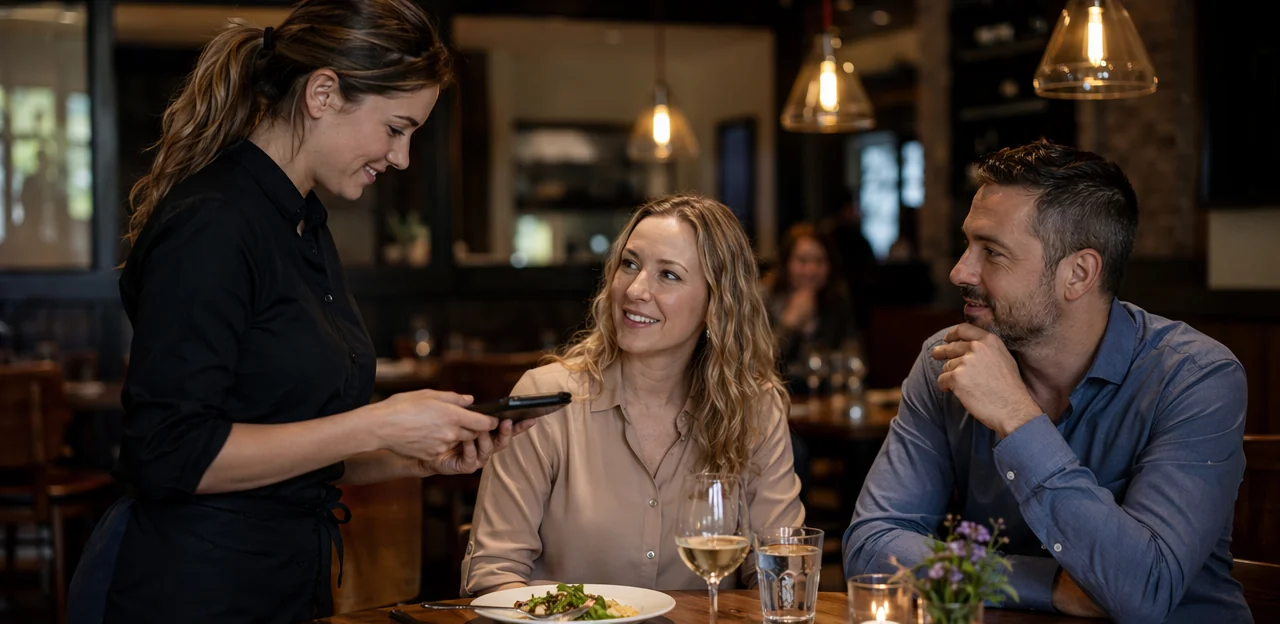
A strong dining feedback survey should feel quick, clear, and mobile-friendly. In most cases, aim for 3–6 questions that take under one minute to complete. Good survey design starts with the essentials:
- Lead with easy rating questions about food, service, and cleanliness.
- Follow with 1 open-ended prompt for deeper insight.
- End with an optional loyalty or contact question.
Use tap-friendly buttons, short answer fields, and progress indicators for better completion on phones. Prioritize simple response types like multiple choice, star ratings, and yes/no before free text. While formats vary across feedback survey questions, from employee feedback survey questions to product feedback survey questions or survey questions for event feedback, restaurant surveys work best when they stay focused, fast, and relevant.
Writing clear, unbiased, actionable questions
Strong dining feedback survey questions are specific, neutral, and easy to answer. Good survey design avoids wording that pushes guests toward a response or asks about multiple things at once.
- Avoid leading language:
Weak: “How amazing was our friendly service?”
Strong: “How would you rate the service you received today?” - Avoid double-barreled questions:
Weak: “Was the food fresh and affordable?”
Strong: “How would you rate the freshness of your meal?” and “How would you rate the value for money?” - Avoid vague wording:
Weak: “Did you enjoy your visit?”
Strong: “How satisfied were you with wait time, food quality, and staff attentiveness?”
These principles improve feedback survey questions across use cases, from employee feedback survey questions and manager feedback survey questions to meeting feedback survey questions, survey questions for feedback on training, survey questions for event feedback, and product feedback survey questions. The best survey questions to ask for feedback produce clear insights staff can act on quickly.
Using incentives without reducing response quality
In a dining feedback survey, incentives can lift participation and improve customer experience insights—if used carefully. Restaurants and cafés should reward completion, not positive ratings.
- Offer small, guaranteed perks like a modest discount or loyalty points to encourage honest responses.
- Use sweepstakes sparingly; they can drive volume but often attract rushed, low-value answers.
- Keep rewards brand-safe and proportional so they feel like appreciation, not pressure.
- Add 2–4 strong feedback survey questions and simple quality checks to filter careless submissions.
This principle also applies to employee feedback survey questions, manager feedback survey questions, meeting feedback survey questions, survey questions for feedback on training, survey questions to ask for feedback, survey questions for event feedback, and product feedback survey questions: incentivize participation ethically, never bias.
Sample Survey Templates for Different Restaurant Use Cases

Dine-in, takeout, delivery, and catering survey examples
A strong dining feedback survey should keep the core structure consistent, then tailor feedback survey questions to each service model:
- Dine-in: Ask about greeting, wait time, food quality, cleanliness, and staff attentiveness. Include open-ended survey questions to ask for feedback such as “What could we improve tonight?”
- Takeout: Focus on ordering ease, pickup speed, packaging, order accuracy, and food temperature.
- Delivery: Measure app or phone ordering, ETA accuracy, packaging condition, freshness on arrival, and overall value.
- Catering/events: Use survey questions for event feedback covering setup, timeliness, presentation, menu variety, guest satisfaction, and communication.
For internal improvement, pair guest responses with employee feedback survey questions, manager feedback survey questions, meeting feedback survey questions, and survey questions for feedback on training. You can even adapt product feedback survey questions for new menu items or seasonal offers.
How restaurant teams can adapt questions from other survey types
A strong dining feedback survey does not need to start from scratch. Restaurant teams can borrow proven structures from other feedback survey questions and tailor them to the guest experience.
- From meeting feedback survey questions: Use flow-based prompts such as “What worked well?” and “What could be improved?” to assess service speed, seating, or atmosphere.
- From survey questions for feedback on training: Adapt skill-focused wording to evaluate staff knowledge, communication, and consistency. These formats also pair well with internal employee feedback survey questions or manager feedback survey questions.
- From product feedback survey questions: Use feature-based ratings for menu items, packaging, ordering, or new promotions.
When choosing survey questions to ask for feedback, keep the structure relevant. Even formats from survey questions for event feedback can help restaurants measure special dining experiences clearly and consistently.
Location-specific and role-specific feedback variations
A strong dining feedback survey should reflect the service model, pace, and guest expectations at each venue type. Multi-location brands can standardize core feedback survey questions while tailoring location-specific prompts:
- Cafés: ask about speed, drink accuracy, seating comfort, and mobile order pickup.
- Fine dining: focus on pacing, server knowledge, ambiance, wine pairing, and reservation flow.
- Quick-service restaurants: prioritize order accuracy, wait time, cleanliness, and value.
- Event-led dining spaces: adapt survey questions for event feedback around group service and atmosphere.
After a complaint, internal follow-up matters. Use manager feedback survey questions to review escalation handling and recovery steps, and employee feedback survey questions to uncover staffing, training, or communication gaps. Short post-shift check-ins can also borrow from meeting feedback survey questions, survey questions for feedback on training, survey questions to ask for feedback, and even product feedback survey questions for menu issues.
Turning Survey Responses Into Actionable Restaurant Improvements

How to analyze ratings, comments, and trends
To get real value from a dining feedback survey, review both scores and written responses together. Focus on:
- Quantitative scores: Track food quality, speed of service, staff friendliness, cleanliness, value, and likelihood to return. These are the most useful AI & Analytics metrics for restaurant operations.
- Open-text feedback: Group comments by themes like wait times, cold food, or ordering issues. Strong feedback survey questions often reveal what ratings alone miss.
- Repeat complaints: Flag patterns across locations, shifts, or menu items. This approach also works for employee feedback survey questions, manager feedback survey questions, and survey questions to ask for feedback.
- Sentiment trends over time: Compare weekly or monthly changes to spot improvement or decline.
Methods used in meeting feedback survey questions, survey questions for feedback on training, survey questions for event feedback, and product feedback survey questions can also help structure restaurant analysis.
Prioritizing fixes across service, menu, and management
A strong dining feedback survey should do more than collect opinions—it should guide daily decisions that improve the customer experience. Restaurant leaders can turn patterns in feedback survey questions into clear action plans by grouping responses into operational categories:
- Service and staffing: Use manager feedback survey questions and employee feedback survey questions to identify slow tables, weak handoffs, or understaffed shifts.
- Menu engineering: Treat complaints like product feedback survey questions to refine pricing, portion size, and low-performing dishes.
- Cleanliness and training: Apply survey questions for feedback on training to spot gaps in food safety, upselling, and front-of-house standards.
- Management routines: Review meeting feedback survey questions, survey questions to ask for feedback, and even survey questions for event feedback to improve shift planning and accountability.
Closing the loop with guests and staff
A dining feedback survey only creates value when restaurants act on it quickly and visibly. To close the loop well:
- Respond to dissatisfied guests fast: flag low scores, apologize personally, and offer a practical recovery step such as a remake, refund, or invitation to return. Use clear survey questions to ask for feedback so issues are easy to identify.
- Share insights with frontline teams: review weekly themes from feedback survey questions in pre-shift huddles, much like meeting feedback survey questions highlight what needs adjustment.
- Use data in coaching: turn patterns into targeted coaching using survey questions for feedback on training and manager feedback survey questions.
- Improve internal processes: internal reviews can borrow from employee feedback survey questions, survey questions for event feedback, or even product feedback survey questions to support continuous improvement.
Common Mistakes to Avoid in Restaurant Feedback Surveys
Asking too many questions or the wrong questions
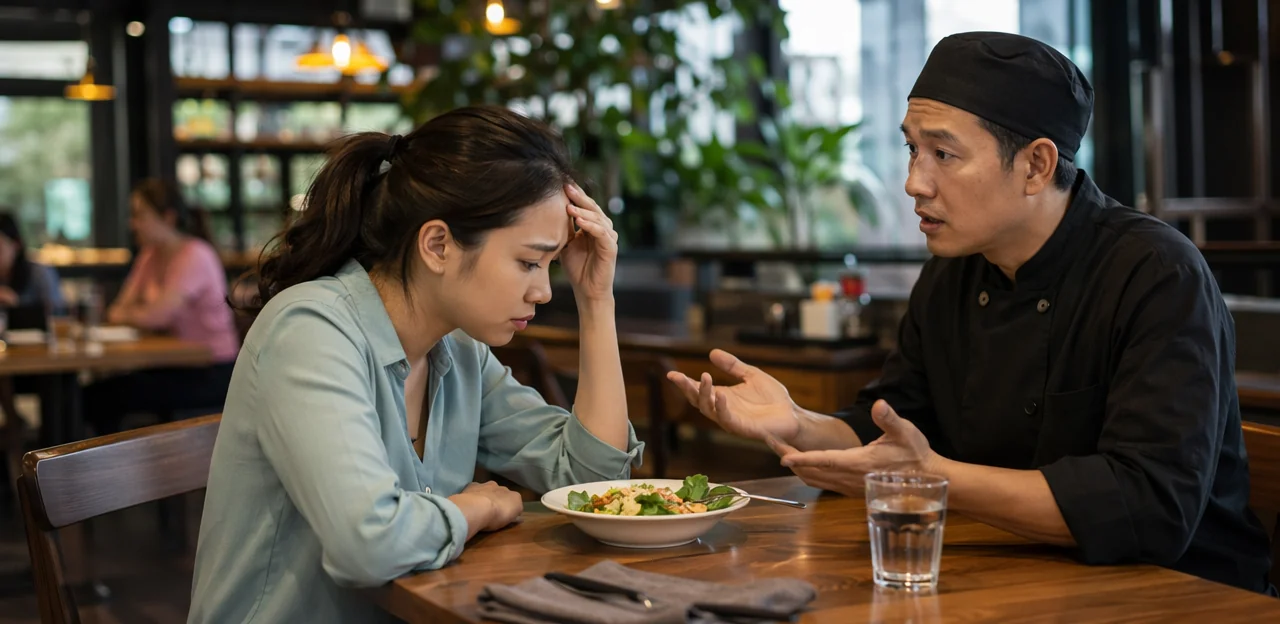
A dining feedback survey fails when it feels long, vague, or off-topic. Strong survey design keeps feedback survey questions focused on the guest experience, not cluttered with prompts borrowed from employee feedback survey questions, meeting feedback survey questions, or manager feedback survey questions.
- Limit questions to what staff can act on immediately.
- Avoid excessive open-ended fields; they reduce completion and create messy data.
- Don’t reuse survey questions for feedback on training, survey questions for event feedback, or product feedback survey questions in restaurant surveys.
- Prioritize clear survey questions to ask for feedback on food, service, speed, and atmosphere.
Ignoring context, segmentation, and channel differences
A one-size-fits-all dining feedback survey often misses what matters most. Dine-in guests may rate service speed and ambiance, while delivery customers care about packaging and food temperature—better covered by product feedback survey questions. Event attendees need survey questions for event feedback about booking, group service, and timing. Regulars should get tailored feedback survey questions on consistency and loyalty. Use different survey questions to ask for feedback by visit type, and align internal reviews with employee feedback survey questions, manager feedback survey questions, meeting feedback survey questions, or survey questions for feedback on training when operational issues appear.
Collecting feedback without acting on it
A dining feedback survey only creates value when restaurants close the loop. If guests answer survey questions to ask for feedback but never see change, trust drops and future response rates decline, hurting customer experience. Build a repeatable post-survey process:
- Review feedback survey questions weekly for patterns and urgent issues.
- Respond to guests and share actions taken.
- Turn insights into staff coaching using employee feedback survey questions, manager feedback survey questions, and survey questions for feedback on training.
- Compare lessons from meeting feedback survey questions, survey questions for event feedback, and product feedback survey questions to improve operations consistently.
Conclusion
A well-crafted dining feedback survey does more than collect opinions—it gives restaurants and cafés a clear path to better service, stronger loyalty, and smarter operational decisions. By choosing the right feedback survey questions, you can uncover what guests love, where friction exists, and which improvements will have the biggest impact on the customer experience. From food quality and speed of service to ambiance and staff attentiveness, every response helps shape a more consistent and memorable dining experience.
It’s also important to remember that guest insights work best alongside internal feedback. Reviewing employee feedback survey questions, manager feedback survey questions, and survey questions for feedback on training can reveal service gaps from the team’s perspective. In some cases, businesses may also benefit from adapting meeting feedback survey questions, survey questions for event feedback, or even product feedback survey questions to evaluate specials, promotions, and new menu launches. The key is knowing which survey questions to ask for feedback at each touchpoint.
Now is the time to refine your dining feedback survey strategy. Audit your current questions, simplify the experience, and use responses to drive action quickly. For next steps, create a survey template for dine-in, takeaway, and events, benchmark results monthly, and explore tools like Tapsy to capture real-time feedback at the point of experience.
Frequently Asked Questions
- What is a dining feedback survey for restaurants?
A dining feedback survey is a structured way for restaurants and cafés to collect guest opinions about food, service, speed, cleanliness, ambiance, and overall satisfaction. It helps teams understand what happened during the visit beyond sales data and turn guest input into operational improvements.
- Why do restaurants need dining feedback surveys if they already track sales and POS data?
Sales and POS reports show what was sold, but they do not explain why guests were satisfied or disappointed. Feedback surveys reveal service gaps, menu issues, wait-time friction, and customer experience patterns by shift, team, or location.
- When should a restaurant send a feedback survey to guests?
The best time is while the experience is still fresh. For dine-in visits, surveys can be shared by QR code at the table, on the bill, or by SMS or email within 1–3 hours of payment, while catering or private event follow-ups should go out within 24 hours.
- What questions should a restaurant ask about food quality and menu value?
Useful questions cover taste, freshness, portion size, menu variety, dietary accommodation, and value for money. It also helps to add open-ended prompts such as asking which dish stood out or what menu improvements guests would suggest.
- How can restaurants measure service quality in a guest survey?
Service questions should focus on friendliness, attentiveness, order accuracy, speed, and issue resolution. Clear prompts like whether staff were welcoming, whether the order was correct, and how well problems were handled make the results easier to act on.
- Which atmosphere and cleanliness questions are worth including?
Strong survey questions ask about seating comfort, noise level, lighting, table and floor cleanliness, restroom condition, and whether the ambiance matched expectations. Restaurants can also ask how likely guests are to return or recommend the venue.
- How long should a restaurant feedback survey be?
A practical restaurant survey should usually contain 3–6 questions and take under one minute to complete. A simple structure is to start with easy rating questions, include one open-ended prompt, and finish with an optional loyalty or contact question.
- What makes a dining survey question clear and unbiased?
Good questions are specific, neutral, and focused on one topic at a time. Restaurants should avoid leading language, double-barreled questions, and vague wording so responses reflect the guest experience accurately and can guide real action.
- Should restaurants offer incentives for completing feedback surveys?
Incentives can increase participation if they reward completion rather than positive ratings. Small guaranteed perks like a modest discount or loyalty points are recommended more than heavy-handed rewards, and simple quality checks can help filter careless responses.
- How should survey questions change for dine-in, takeout, delivery, and catering?
Dine-in surveys should focus on greeting, wait time, food quality, cleanliness, and staff attentiveness. Takeout and delivery surveys should emphasize ordering ease, packaging, temperature, accuracy, and timing, while catering or event surveys should cover setup, presentation, communication, and guest satisfaction.
- Can restaurants adapt ideas from employee, manager, training, or event feedback surveys?
Yes, restaurants can borrow useful structures from other survey types as long as the questions stay relevant to the dining experience. Flow-based prompts, skill-focused wording, and event-style evaluation formats can help assess service speed, staff knowledge, group dining, and special experiences.
- How can AI and analytics improve restaurant survey results?
AI can sort open-text comments, detect sentiment, and group recurring themes such as wait times, food quality, cleanliness, or staff friendliness. Analytics can then compare patterns across shifts, menu items, branches, staffing levels, ticket times, and sales mix to help identify root causes.
- What is the best way to analyze restaurant survey responses?
Restaurants should review ratings and written comments together instead of relying on scores alone. Tracking quantitative measures like service speed and cleanliness while grouping comments by themes and watching repeat complaints over time makes it easier to spot trends and prioritize fixes.
- How should restaurant teams act on negative feedback after collecting it?
Low scores should be flagged quickly so teams can apologize, respond personally, and offer a practical recovery step such as a remake, refund, or invitation to return. Weekly review of themes with frontline staff and targeted coaching helps turn feedback into visible improvement.
- What common mistakes reduce the value of restaurant feedback surveys?
The biggest problems are asking too many questions, using vague or off-topic prompts, ignoring differences between dine-in and delivery experiences, and collecting feedback without acting on it. Surveys work best when they stay short, relevant to the visit type, and tied to a repeatable follow-up process.