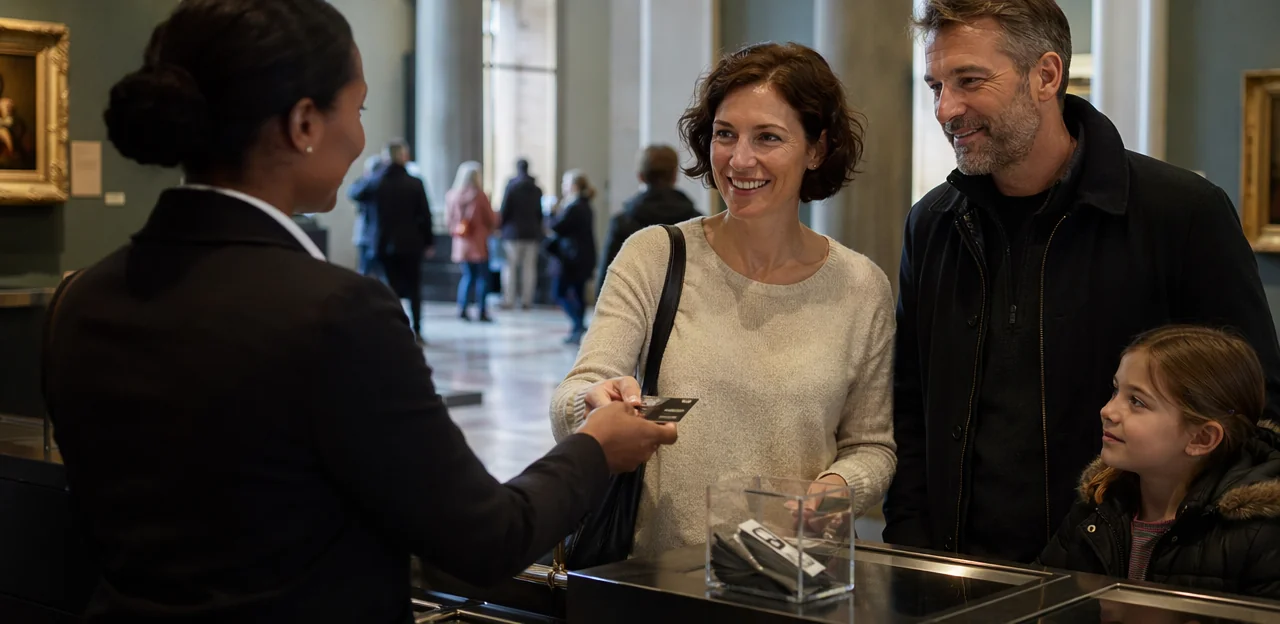
A visitor has just shared a glowing comment about an exhibition, a guided tour, or a family workshop. That moment of satisfaction is more than a metric—it is a powerful opportunity to deepen connection, inspire support, and turn appreciation into action. For museums and attractions, well-timed donation and membership prompts delivered after positive feedback can transform audience goodwill into sustainable revenue without disrupting the visitor experience.
This is where museum membership feedback becomes especially valuable. When institutions capture real-time insights through event feedback, conference feedback, or a simple event feedback form, they gain more than opinions—they uncover intent, loyalty signals, and the best moments to invite visitors to give, join, or return. Whether reviewing positive training feedback comments from staff-led programs or analyzing survey event feedback from public talks and seasonal experiences, cultural organizations can use audience sentiment to shape smarter, more personalized follow-up journeys.
In this article, we’ll explore how museums and attractions can use event feedback questions, event feedback examples, and AI-driven analytics to identify high-intent visitors, refine prompt timing, and improve conversion rates for memberships and donations. We’ll also look at how thoughtful feedback design supports stronger audience experience, better customer experience, and more meaningful long-term engagement.
Why Positive Feedback Is the Best Moment for Membership and Donation Prompts

The psychology behind acting after a positive experience
When visitors share museum membership feedback right after a great visit, they are in a high-trust, high-emotion moment. That emotional momentum makes joining, donating, or upgrading feel like a natural next step rather than a hard sell.
- Emotional momentum: Positive feelings are strongest immediately after delight. A well-timed event feedback form or survey event feedback prompt can convert satisfaction into action.
- Reciprocity: If guests feel heard, they are more inclined to give back through membership or donations.
- Trust and commitment: Completing event feedback questions or leaving conference feedback creates a small commitment, making bigger commitments easier.
For broader customer experience strategy, use short prompts, clear benefits, and tailored offers. Review event feedback examples and even positive training feedback comments to refine messaging that feels appreciative, not transactional.
How museums and attractions benefit from feedback-triggered asks
Museums and attractions see better results when donation or membership prompts follow strong satisfaction signals instead of generic interruptions. Using museum membership feedback and survey event feedback, teams can time asks when visitors are most receptive.
- Increase conversions: If a guest leaves high event feedback on an exhibition, tour, or talk, trigger a tailored membership or donation message tied to that experience.
- Strengthen loyalty: Personalized follow-ups based on event feedback questions feel relevant, not pushy, much like acting on positive training feedback comments improves engagement.
- Improve audience experience: A short event feedback form can surface intent, helping staff refine offers using real conference feedback and other event feedback examples.
This approach makes support requests feel earned, timely, and visitor-centered.
Where this approach fits in the visitor experience lifecycle
The best time to introduce donation or membership prompts is immediately after a positive signal, when intent is highest. In museums and attractions, museum membership feedback can be captured and activated at several points:
- Post-visit surveys: If a guest gives high ratings in a survey event feedback flow, follow with a tailored membership or donation message.
- Exhibit ratings: After strong exhibit scores or positive training feedback comments from workshops, surface a low-friction ask tied to that experience.
- Event follow-ups: Use an event feedback form with smart branching so favorable event feedback questions trigger relevant offers after talks, tours, or family programs.
- Digital kiosks and QR/NFC touchpoints: On-site kiosks can turn instant event feedback, conference feedback, or other event feedback examples into personalized next-step prompts.
This works best when messaging feels timely, specific, and connected to what the visitor just enjoyed.
Designing Feedback Collection That Reveals Membership Intent

Building surveys that capture satisfaction and readiness to engage
To improve museum membership feedback, design post-visit and post-event surveys that move from emotion to action:
- Measure delight first: Use a 1–5 or 1–10 scale for questions like “How satisfied were you with your visit?” or “How likely are you to recommend this exhibition?” These classic event feedback questions work well for general event feedback and conference feedback too.
- Assess future intent: Ask “How likely are you to return in the next 6 months?” and “How interested are you in becoming a member?”
- Capture support signals: Include behavioral indicators such as repeat visits, gift shop spend, donation interest, or program attendance.
Add open-text prompts to your event feedback form, such as:
- “What made your experience memorable?”
- “What would encourage you to support us further?”
Review survey event feedback, event feedback examples, and even positive training feedback comments for language patterns that reveal loyalty drivers.
Using positive training feedback comments as a model for sentiment signals
Museums can use positive training feedback comments as a benchmark for scoring sentiment across docent programs, workshops, tours, and learning sessions. Phrases such as “clear explanation,” “engaging guide,” “welcoming atmosphere,” and “learned a lot” reveal the language patterns most associated with satisfaction and future support, including museum membership feedback.
- Build a keyword library from strong event feedback examples and past docent praise.
- Map repeated phrases in each event feedback form to sentiment categories like clarity, enthusiasm, relevance, and inclusivity.
- Use event feedback questions to compare educational experiences with broader conference feedback or survey event feedback trends.
- Flag comments that pair positive sentiment with intent signals, such as returning, donating, or joining as members.
This helps teams turn routine event feedback into smarter audience engagement insights.
Questions that uncover donor and member motivations
After strong event feedback, the best follow-up asks why the experience mattered and what action feels natural next. A smart event feedback form should uncover emotional drivers, future intent, and preferred support paths while strengthening museum membership feedback insights.
- What did you value most about today’s event or exhibition?
- What part of the experience made you feel most connected to our mission or collections?
- What would most encourage you to return: new exhibitions, member perks, family activities, or exclusive events?
- After this visit, would you be more likely to donate, become a member, or receive updates first?
- If you chose not to join today, what would make membership more appealing?
- Which benefits matter most to you?
These event feedback questions work across conference feedback, public programs, and exhibitions. Use survey event feedback, event feedback examples, and even positive training feedback comments to refine future asks.
Using AI and Analytics to Detect High-Intent Visitors

Turning survey data into actionable audience segments
Museums can turn museum membership feedback into clear audience segments by combining satisfaction signals with behavioral data. When a visitor leaves high ratings, warm comments, and strong event feedback, they are often more receptive to a membership or donation ask.
- Identify promoters: Group visitors with 4–5 star ratings, enthusiastic open-text responses, and repeat visits.
- Layer in behavior: Add ticket type, family vs. solo attendance, and paid special-event participation.
- Track engagement patterns: Use survey event feedback, conference feedback, and exhibition responses to spot visitors who attend frequently and value deeper access.
- Analyze comment themes: Positive remarks, including positive training feedback comments about staff or tours, can indicate trust and loyalty.
- Refine prompts: Use insights from event feedback questions, an event feedback form, and past event feedback examples to tailor the right membership or donation message at the right time.
Sentiment analysis for open-text comments and event responses
AI can turn free-text museum membership feedback into timely conversion opportunities by scanning comments from exhibitions, workshops, and talks for strong positive intent. Instead of only scoring ratings, it reads wording in an event feedback form or survey event feedback to identify visitors who sound inspired, engaged, or ready to deepen their relationship.
- Detect signals in event feedback such as “I’d love to come back,” “best exhibition this year,” or positive training feedback comments after educator-led sessions.
- Tag themes across conference feedback, workshop reflections, and exhibition responses to personalize the next step.
- Trigger follow-up journeys automatically:
- membership invitations for highly engaged visitors
- donation prompts after emotional exhibition reactions
- tailored emails based on event feedback questions and sentiment trends
Using real event feedback examples helps teams refine messaging and improve response rates.
Balancing personalization, privacy, and visitor trust
When using AI to turn museum membership feedback into tailored donation or renewal prompts, museums must make trust visible, not assumed. Ethical customer experience programs should collect only what is needed from each event feedback form or conference feedback survey, clearly explain how responses will be used, and give visitors meaningful choice.
- Ask for clear consent: Separate feedback collection from marketing opt-ins.
- Be transparent: State whether AI analyzes event feedback, survey event feedback, or event feedback questions to personalize offers.
- Limit data use: Avoid repurposing positive training feedback comments or other responses beyond the original intent.
- Set governance rules: Define retention periods, staff access, and review processes for event feedback examples and insights.
Strong privacy practices improve participation, confidence, and long-term support.
Crafting Donation and Membership Prompts That Convert

Matching the ask to the visitor's feedback and journey stage
Use museum membership feedback to present the right next step, not the same prompt to everyone. Match the message to what the visitor valued most and whether they are new or returning.
- Exhibition praise: Invite art or history lovers to join for unlimited entry, previews, or curator talks.
- Family programming praise: Highlight family memberships, school-break activities, and child-friendly perks.
- Learning experience praise: If visitors mention workshops, tours, or talks, offer education-focused memberships, donor support for learning, or follow-up content.
- Special event praise: Use event feedback from an event feedback form or survey event feedback flow to promote event memberships, priority booking, or sponsorship.
For first-time guests, keep the ask light: newsletter sign-up or trial membership. For repeat guests, use stronger conversion prompts. Review event feedback questions, conference feedback, event feedback examples, and even positive training feedback comments to refine timing and wording.
Examples of post-feedback messaging for museums and attractions
After strong event feedback, use short, tailored prompts that match the channel and visitor intent.
- Email: “Thanks for your visit and for completing our event feedback form. If you enjoyed the exhibition, consider becoming a member for unlimited entry, previews, and discounts.” This works well for museum membership feedback and upgrade campaigns.
- SMS: “We’re glad you rated your visit highly. Support future programs with a £5 donation or join today for member-only events.”
- Kiosk/onsite screen: “Loved your experience? Help us bring more exhibitions to life—donate now or explore membership benefits.”
- Thank-you page: Pair positive responses with event-specific follow-ups: family workshop invites, lecture bookings, or seasonal passes.
Use wording based on event feedback questions, conference feedback, or even positive training feedback comments themes to personalize survey event feedback journeys and improve conversion with proven event feedback examples.
Optimizing copy, timing, and channels for better response rates
To improve conversions after museum membership feedback or other high-satisfaction moments, match the ask to the visitor’s context:
- Prompt immediately after strong event feedback, conference feedback, or a gallery visit survey when sentiment is highest. Use delayed prompts only for higher-value asks that need more consideration.
- Keep copy short: thank them, reference their positive response, and present one clear benefit-led ask. Strong event feedback examples often outperform generic wording.
- Design a single CTA: buttons like “Join as a Member”, “Support This Museum”, or “Donate Today” work better than multiple choices.
- Choose the right channel: on-site survey flows, SMS, or email should follow the original event feedback form naturally.
- Use insights from event feedback questions, survey event feedback, and even positive training feedback comments to refine timing, wording, and offers.
Applying the Strategy Across Events, Programs, and Conferences

Using event feedback to drive post-event membership growth
Museums can turn strong event experiences into memberships by linking museum membership feedback to a fast, structured follow-up flow. After lectures, seasonal programs, member previews, or family activities, use a short event feedback form that captures satisfaction and purchase intent while enthusiasm is high.
- Ask targeted event feedback questions such as:
- What did you enjoy most?
- Would you attend similar events again?
- Would member-only access or discounts add value?
- Segment respondents who leave high scores, conference feedback, or even positive training feedback comments into tailored membership offers.
- Use survey event feedback and event feedback examples to refine timing, perks, and messaging.
- Trigger a thank-you email or on-site prompt with a limited-time membership incentive.
Adapting conference feedback tactics for cultural institutions
Museums can borrow proven conference feedback methods to strengthen symposiums, curator talks, and educational forums. The key is to connect strong sentiment with timely next steps, turning museum membership feedback into support action.
- Use a short event feedback form immediately after sessions, with focused event feedback questions on relevance, speaker quality, and likelihood to return.
- Flag high-intent responses, including positive training feedback comments, for tailored membership, donation, or volunteer prompts.
- Review survey event feedback for patterns and build better follow-up journeys using standout event feedback examples.
- Send personalized thank-yous within 24 hours, linking positive event feedback to clear ways to support future programming.
Creating reusable templates for teams and departments
Build a shared template library so every team captures consistent insights while tailoring prompts to each setting. Standardize:
- Survey templates: Create versions for galleries, temporary exhibitions, tours, cafés, and members’ events, including event feedback questions and a simple event feedback form.
- Trigger rules: Show donation or join prompts only after high satisfaction scores, strong event feedback, or favorable museum membership feedback.
- Department dashboards: Give marketing campaign trends, development teams conversion data, and visitor experience teams sentiment summaries, including conference feedback and survey event feedback patterns.
Include approved wording banks with event feedback examples and even internal positive training feedback comments to keep responses, reporting, and follow-up actions aligned across attraction types.
Measuring Results and Continuously Improving the Experience

Key metrics for feedback-triggered campaigns
To improve museum membership feedback campaigns, track the KPIs that connect satisfaction to revenue and loyalty:
- Survey completion rate: Measure how many visitors finish your event feedback form after an exhibit, program, or tour.
- Positive sentiment rate: Use survey event feedback, including positive training feedback comments, to identify visitors most likely to respond to a prompt.
- Membership conversion rate: Track how often positive event feedback or conference feedback leads to a membership sign-up.
- Donation conversion rate: Measure the share of satisfied visitors who donate after answering targeted event feedback questions.
- Average gift size: Compare donation values by campaign, audience segment, and event feedback examples used.
- Repeat visitation: Link responses to return visits, renewals, and long-term engagement.
Testing prompts, questions, and segmentation logic
Use structured A/B testing to improve museum membership feedback and donation results without harming visitor experience. Test one variable at a time:
- Questions: Compare short event feedback questions versus deeper survey event feedback formats in your event feedback form.
- Timing: Ask immediately after a great exhibit, workshop, or conference feedback moment, then compare with exit or post-visit prompts.
- CTA wording: Test “Support the museum,” “Become a member,” or “Unlock member benefits” using proven event feedback examples.
- Segments: Split by first-time vs repeat visitors, families, members, donors, and visitors leaving positive training feedback comments or other positive event feedback.
Track conversion, completion rate, satisfaction, and average gift to refine prompts over time.
Closing the loop with staff training and operational changes
Positive survey results should trigger action, not just celebration. Use museum membership feedback, event feedback, and conference feedback to identify what staff and programming consistently do well, then build those patterns into daily operations.
- Turn positive training feedback comments into coaching examples for frontline teams, showing how greetings, wayfinding, and upsell moments improve visitor satisfaction.
- Review event feedback questions and each event feedback form to spot themes around exhibits, timing, accessibility, and staffing.
- Use survey event feedback and strong event feedback examples to refine tours, membership offers, and program design.
When teams repeat proven success drivers, positive experiences become more frequent, measurable, and valuable.
Conclusion
When museums and attractions ask for support at the right moment, they turn satisfaction into lasting connection. That is why a strong museum membership feedback strategy matters: it helps teams identify positive visitor sentiment in real time, understand what inspired it, and present donation or membership prompts when guests are most receptive. Combined with thoughtful event feedback, well-designed event feedback questions, and a simple event feedback form, institutions can capture the insights that drive stronger audience relationships and more sustainable revenue.
The same principle applies across special programs and live experiences. Whether reviewing conference feedback, collecting survey event feedback, or learning from event feedback examples, the goal is to move beyond generic responses and use real visitor sentiment to shape smarter engagement. Even familiar positive training feedback comments can inform staff coaching, helping teams deliver the kind of memorable experiences that encourage visitors to give, join, and return.
Now is the time to refine your museum membership feedback process with clearer prompts, better timing, and analytics that reveal what truly motivates support. Start by auditing your current feedback journey, testing post-visit donation and membership messages, and reviewing tools that enable instant, actionable insight. For next steps, explore visitor experience benchmarks, sample feedback templates, and platforms such as Tapsy that support real-time engagement and data-driven decision-making.