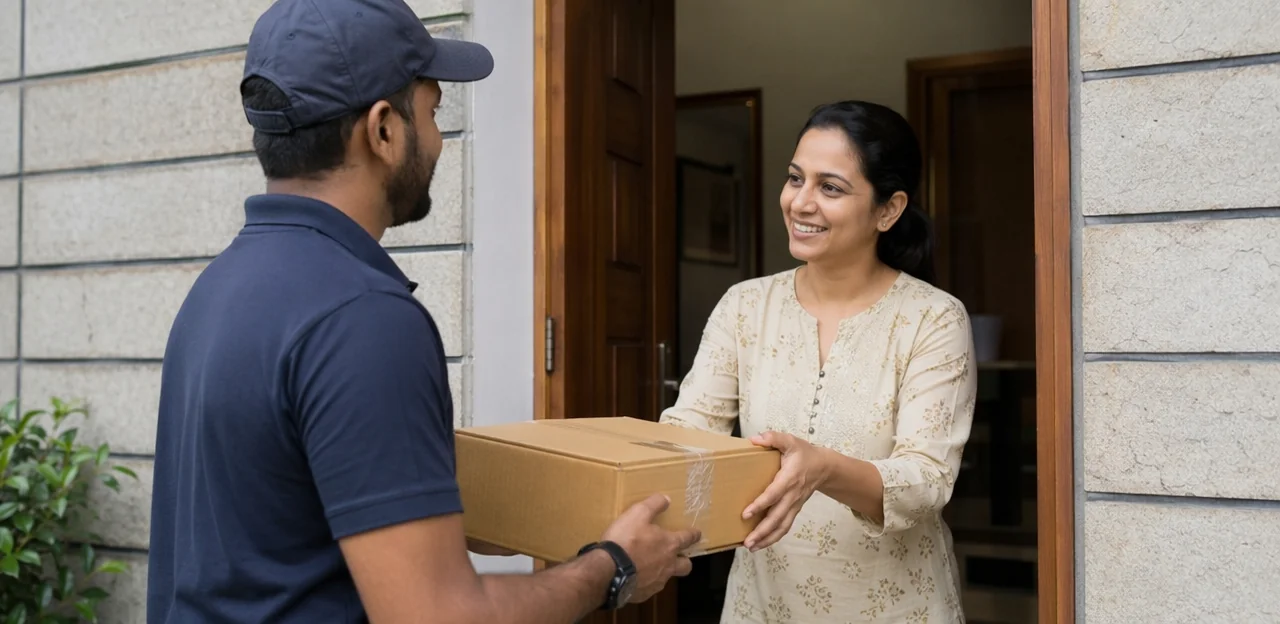
A great online shopping experience does not end at checkout—it ends at the customer’s door. In ecommerce, the last mile is often the most visible and emotionally charged part of the journey, where delivery speed, package condition, communication, and driver interaction can shape how customers feel about a brand. Even when the product is perfect, a poor delivery experience can quickly turn satisfaction into frustration.
That is why ecommerce delivery feedback has become essential for brands that want to improve customer experience, reduce complaints, and build long-term loyalty. By capturing feedback immediately after delivery, businesses can spot recurring issues, recover service failures faster, and understand what customers actually value most in the home delivery process.
This article explores how delivery feedback helps ecommerce brands strengthen the last-mile customer experience, from identifying common pain points to creating faster issue resolution and better operational visibility. It will also look at practical ways to collect feedback at the right moment, what metrics matter most, and how tools such as Tapsy can help businesses gather real-time post-delivery insights and respond before negative experiences lead to churn.
Why ecommerce delivery feedback matters in last-mile delivery

The link between delivery experience and customer loyalty
The delivery experience is often the final and most memorable stage of the buying journey. Even when checkout is smooth, a late, damaged, or confusing delivery can weaken the entire post-purchase experience and reduce customer loyalty.
- It shapes satisfaction: On-time arrival, clear tracking, and careful handling confirm that the brand keeps its promises.
- It drives repeat purchases: Customers are more likely to reorder when delivery feels reliable and hassle-free.
- It influences reviews: Delivery problems often appear in public ratings, even when the product itself is good.
- It builds trust: Consistent last-mile performance reassures customers that future orders will be just as dependable.
Using ecommerce delivery feedback helps brands spot friction quickly, recover issues fast, and turn weak delivery moments into loyalty-building opportunities.
Common last-mile pain points customers report
Ecommerce delivery feedback often highlights the same friction points in the final stage of fulfillment. Tracking these patterns helps teams fix recurring last-mile delivery issues before they damage loyalty.
- Missed deliveries: Customers report failed drop-offs even when they were home, unclear proof of attempt, or parcels left in unsafe places.
- Poor delivery communication: Vague tracking updates, no ETA changes, and missing delay alerts create frustration and support tickets.
- Late arrivals: Deliveries that miss promised windows reduce trust, especially for urgent or perishable orders.
- Damaged parcels: Feedback can reveal weak packaging, rough handling, or weather exposure during handoff.
- Limited delivery options: Customers want lockers, safe-place delivery, evening slots, and easy rescheduling.
Use delivery feedback to tag root causes by route, carrier, and time window for faster improvement.
How feedback closes the gap between operations and expectations
Ecommerce delivery feedback gives retailers a direct view of where delivery operations meet—or miss—customer expectations. Instead of relying only on internal KPIs like on-time rates, teams can compare operational data with real customer sentiment to spot service gaps faster.
- Identify patterns by carrier and region: Track ratings, complaints, and comments by delivery partner, route, postcode, or time window to uncover weak points in carrier performance.
- Separate logistics issues from product issues: Feedback helps teams distinguish late arrivals, poor handoffs, and damaged parcels from inventory or packing errors.
- Improve accountability: Use recurring feedback themes to coach carriers, adjust SLAs, or reroute volume to stronger partners.
Tools like Tapsy can help capture post-delivery feedback quickly, making issue recovery and continuous improvement easier.
What to measure in ecommerce delivery feedback

Core metrics that reveal delivery satisfaction
To turn ecommerce delivery feedback into meaningful improvements, track a focused set of delivery satisfaction metrics that connect perception with operational performance:
- CSAT: Measures how satisfied customers are with the delivery experience right after arrival. Use a simple post-delivery rating to spot friction fast.
- NPS: Shows how likely customers are to recommend your brand based on delivery quality, speed, and reliability.
- Delivery satisfaction score: A delivery-specific rating that isolates last-mile performance from the overall shopping experience.
- On-time delivery rate: Tracks whether orders arrive within the promised window.
- First-attempt success: Reveals how often deliveries are completed without reattempts, delays, or missed handoffs.
- Complaint rate: Highlights recurring issues like lateness, damaged parcels, or poor driver communication.
For faster insight, collect feedback immediately after drop-off using tools such as Tapsy.
Qualitative feedback that adds context to the numbers
Scores tell you what is going wrong, but qualitative customer feedback explains why. In ecommerce delivery feedback, open-text survey responses, support tickets, delivery reviews, and social mentions reveal the real causes behind low ratings and repeat complaints.
- Read for patterns: Look for recurring themes such as late arrival, damaged packaging, missed delivery instructions, or poor driver communication.
- Tag customer comments: Group feedback by issue type, route, carrier, location, and time window to spot operational weak points faster.
- Compare sources: Support tickets often highlight urgent failures, while reviews and social posts expose public-facing reputation risks.
- Use exact wording: Customer comments help teams understand expectations and improve scripts, notifications, packaging, and handoff processes.
Tools like Tapsy can help capture fresh post-delivery comments and trigger faster service recovery.
Segmenting feedback by carrier, region, and delivery type
To turn ecommerce delivery feedback into improvements, segment responses so patterns are easy to spot and act on. Strong delivery segmentation helps teams separate one-off complaints from repeat operational issues.
- By shipping partner: Run carrier analysis to compare on-time rates, damaged orders, communication quality, and failed delivery attempts. This reveals true shipping partner performance.
- By region: Break feedback down by city, postcode, or route to uncover local issues such as traffic delays, weather impact, or address-matching problems.
- By product category: Compare fragile, perishable, bulky, or high-value items to identify packaging or handling gaps.
- By delivery type: Review same-day, next-day, and standard shipping separately, since speed expectations and failure points differ.
Tools like Tapsy can help capture and route this feedback quickly for faster issue recovery.
How to collect delivery feedback effectively

Best moments to ask for feedback in the post-purchase journey
Strong ecommerce delivery feedback depends on asking at the right moment. A smart customer survey strategy captures fresh, relevant insights without overwhelming customers.
- Right after delivery confirmation: Send a short post-purchase survey within a few hours of confirmed delivery. This is the best time to measure delivery speed, package condition, order accuracy, and driver experience while details are still fresh.
- After issue resolution: If a customer reported a late, damaged, or missing order, ask for feedback once the problem is resolved. This improves delivery feedback timing by measuring both the issue and the recovery experience.
- After a return or exchange: Survey customers after the return is completed to understand pickup convenience, communication quality, and refund speed.
Keep surveys brief, mobile-friendly, and tied to specific delivery events for higher response quality.
Channels for gathering high-quality customer insights
To improve ecommerce delivery feedback, use multiple customer insight channels based on timing, urgency, and response rate:
- Email feedback requests: Best for detailed responses after delivery. Use them for star ratings, open-text comments, and photos, but expect lower response rates.
- SMS surveys: Ideal for fast, high-response feedback while the delivery experience is still fresh. Keep surveys short and mobile-friendly.
- App notifications: Effective for repeat customers already using your app. They support instant prompts and can link directly to issue reporting.
- Website prompts: Useful when customers revisit order-tracking or account pages, though they may miss customers who do not return.
- Chat: Great for real-time clarification when a customer reports a late or damaged order.
- Customer support interactions: Rich source of qualitative insight, especially for recurring last-mile problems.
A blended approach often captures the most accurate delivery sentiment.
Writing survey questions that drive useful responses
To collect meaningful ecommerce delivery feedback, keep questions short, specific, and tied to moments customers can clearly recall. Strong delivery survey questions improve response quality and make customer feedback forms easier to complete.
- Ask about timeliness: “Did your order arrive within the promised time window?”
- Measure communication: “Were delivery updates clear and helpful?”
- Check package condition: “Did your order arrive undamaged and properly packaged?”
- Evaluate convenience: “How easy was it to receive your delivery at the selected time and location?”
- Capture satisfaction: “Overall, how satisfied were you with this delivery experience?”
Follow key rating questions with one optional open text prompt, such as “What should we improve?” As part of survey best practices, avoid vague wording, double-barreled questions, and long forms that reduce completion rates.
Turning delivery feedback into operational improvements

Fixing communication gaps and delivery transparency
Strong ecommerce delivery feedback helps teams identify where customers feel uninformed and fix the messages that cause confusion. Use feedback to improve:
- Delivery tracking updates: Find points where tracking is too vague or delayed, then add clearer scan events, live status changes, and more useful milestone notifications.
- ETA accuracy: Compare promised windows with actual arrival times to spot route, carrier, or time-slot issues and refine predictions.
- Proactive delay alerts: Trigger automatic notifications when a driver is running late, including a revised ETA and a short reason for the delay.
- Delivery instructions: Review failed deliveries and customer comments to improve address notes, safe-place options, gate codes, and handoff preferences.
This creates better delivery transparency, reduces uncertainty, and lowers “Where is my order?” support contacts. Tools like Tapsy can help capture post-delivery insights quickly.
Improving carrier management with customer insight
Ecommerce delivery feedback gives brands a practical way to strengthen carrier management with real customer evidence, not assumptions. By tracking ratings, complaints, and delivery outcomes by carrier, region, route, and time slot, teams can spot which partners consistently meet expectations.
Use feedback to:
- Compare carriers fairly: Measure on-time delivery, package condition, communication quality, and issue rates.
- Improve delivery partner evaluation: Combine customer sentiment with operational KPIs to identify top and underperforming providers.
- Renegotiate service level agreements: Use recurring feedback patterns to push for tighter standards, credits, or corrective action.
- Route orders smarter: Send future orders to the best-performing carrier for each postcode, product type, or delivery window.
Tools like Tapsy can help capture post-delivery insight quickly and turn it into actionable carrier decisions.
Reducing failed deliveries and support costs
Using ecommerce delivery feedback to fix recurring friction points can drive failed delivery reduction and lower avoidable support contacts. Focus on the moments customers mention most:
- Improve address validation: Flag incomplete postcodes, missing apartment numbers, and unclear access instructions at checkout.
- Tighten delivery windows: Feedback often shows that vague ETAs increase missed handoffs. Offer narrower time slots and proactive updates.
- Strengthen proof of delivery: Clear photos, timestamps, and geolocation help confirm successful drop-offs and reduce “where is my order?” tickets.
- Expand safe-place options: Let customers pre-select secure locations or neighbor delivery preferences to improve first-attempt delivery success.
Review feedback by route, carrier, and postcode to spot patterns quickly. Tools like Tapsy can help capture post-delivery insights fast and turn them into operational fixes.
Using feedback to personalize and enhance the home delivery experience
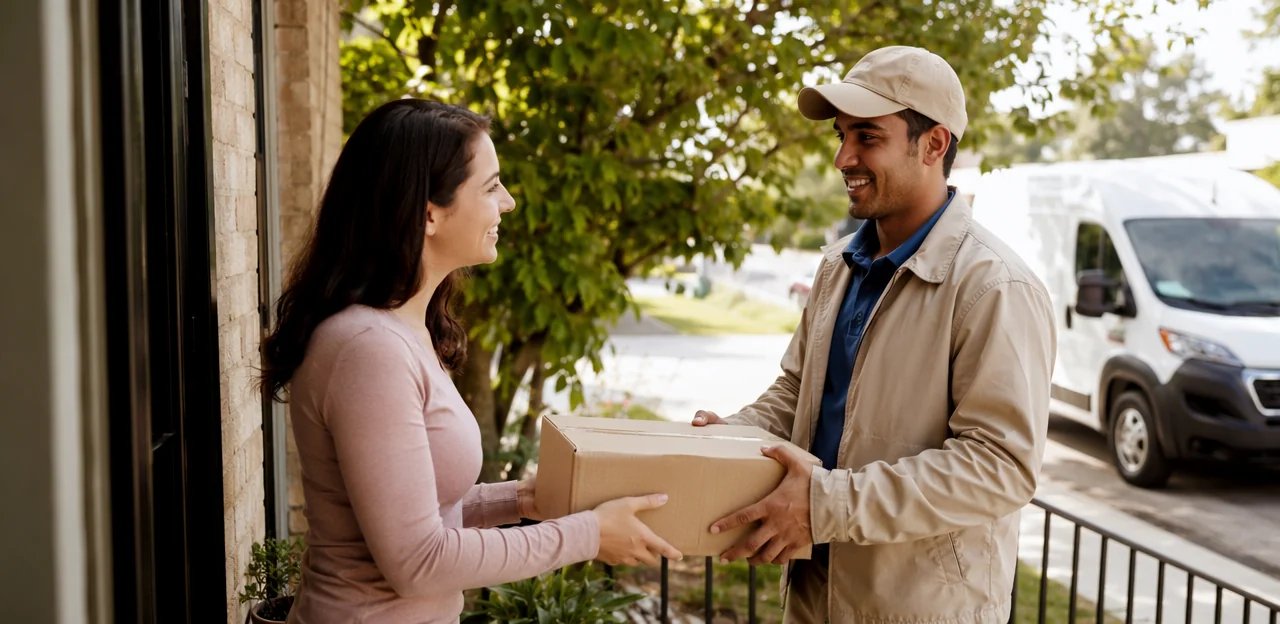
Offering delivery choices customers actually want
Ecommerce delivery feedback helps brands move beyond guesswork and design home delivery options that match real customer needs. Use post-purchase surveys, delivery ratings, and support data to spot patterns in delivery preferences, then adjust your offer around what customers value most:
- Preferred delivery windows: Identify the time slots customers rate highest and reduce low-performing windows.
- Speed options: Learn when shoppers want same-day, next-day, or lower-cost standard delivery.
- Pickup alternatives: Offer click-and-collect, lockers, or local pickup where failed deliveries are common.
- Flexible delivery: Let customers easily reschedule, redirect, or update instructions after checkout.
Tools like Tapsy can help capture fast post-delivery feedback and turn it into practical service improvements.
Building trust through proactive post-purchase communication
Proactive post-purchase communication helps reduce uncertainty during the final mile and strengthens customer trust. When shoppers receive timely, personalized delivery notifications, they feel informed rather than left guessing, which lowers anxiety and improves the home delivery experience.
- Send order updates at every key stage: confirmed, packed, out for delivery, delayed, and delivered.
- Personalize messages with the customer’s name, delivery window, tracking link, and clear next steps.
- If an issue happens, share updates early, explain the cause, and provide a realistic resolution time.
- Use ecommerce delivery feedback after drop-off to confirm satisfaction and spot problems quickly.
Tools like Tapsy can help capture post-delivery feedback and trigger faster service recovery.
Creating a continuous feedback loop for CX teams
A strong feedback loop turns ecommerce delivery feedback into ongoing improvement, not just reporting. To strengthen your customer experience strategy, connect marketing, CX, and logistics around shared delivery insights.
- Centralize feedback data from surveys, support tickets, reviews, and post-delivery touchpoints.
- Tag issues by theme such as late arrivals, damaged items, driver behavior, or unclear tracking.
- Share weekly insights across teams so marketing can adjust messaging, CX can improve recovery workflows, and logistics can fix root causes.
- Close the loop with customers by communicating actions taken after feedback.
This kind of cross-functional collaboration helps teams spot patterns faster, reduce repeat issues, and refine the last-mile experience continuously. Brief tools like Tapsy can help capture fresh post-delivery input in real time.
Best practices and future trends in ecommerce delivery feedback

Benchmarking performance and setting improvement goals
To turn ecommerce delivery feedback into measurable progress, start with clear delivery performance benchmarks:
- Track baseline metrics such as on-time delivery rate, damaged-order rate, delivery CSAT, repeat purchase rate, and complaint volume.
- Compare results by week, month, route, carrier, and region to spot internal trends over time rather than relying only on industry averages.
- Set practical customer satisfaction goals based on current performance—for example, improving delivery CSAT from 82% to 88% in one quarter.
Tie feedback to retention metrics like reorder rate, churn, and customer lifetime value. This helps teams prioritize fixes that improve both delivery experience and long-term revenue. Tools like Tapsy can help capture timely post-delivery insights consistently.
Using automation and AI to analyze feedback at scale
As ecommerce delivery feedback volume grows, manual review becomes too slow to catch issues before they damage loyalty. AI feedback analysis helps teams turn large volumes of survey responses, reviews, and open-text comments into fast, usable actions:
- Sentiment analysis flags negative delivery experiences such as late arrivals, damaged parcels, or poor driver interactions.
- Text categorization groups comments into recurring themes like missed time slots, packaging problems, or missing items.
- Automated customer insights trigger alerts for urgent cases, allowing support teams to respond quickly and recover the experience.
Tools such as Tapsy can also help route real-time delivery feedback to the right team for faster issue resolution.
Privacy, consent, and ethical feedback collection
Strong ecommerce delivery feedback programs depend on trust. To protect customer data privacy and improve response rates, brands should make every feedback request transparent, optional, and easy to manage.
- Explain data use clearly: Tell customers what you collect, why you collect it, and how long you keep it.
- Use clear consent management: Offer simple opt-ins for surveys, SMS follow-ups, and marketing, with easy unsubscribe options.
- Practice ethical feedback collection: Ask only for relevant information and avoid collecting sensitive data unless absolutely necessary.
- Limit access internally: Share feedback only with teams responsible for service recovery and delivery improvement.
- Act responsibly: Use insights to fix delivery issues, not to pressure customers or misuse personal information.
Tools like Tapsy can support fast, transparent post-delivery feedback flows when configured with privacy-first practices.
Conclusion
In the end, great last-mile service is not built on assumptions. It is built on listening, learning, and acting quickly. That is why ecommerce delivery feedback matters so much. When brands collect feedback at the right moment, they gain clear insight into delivery speed, package condition, order accuracy, driver interactions, and the issues that most affect loyalty. More importantly, they can turn negative delivery experiences into fast recovery moments that protect trust and encourage repeat purchases.
A strong ecommerce delivery feedback strategy helps teams spot trends, improve route and carrier performance, separate product issues from delivery problems, and create a more consistent customer experience from checkout to doorstep. The brands that win in home delivery are the ones that treat feedback as an operational tool, not just a reporting metric.
Now is the time to review your post-delivery touchpoints and make feedback collection part of every order journey. Start with simple, timely surveys, set up alerts for urgent issues, and use the insights to improve service recovery and retention. If you want a practical way to capture feedback at the moment of delivery, tools like Tapsy can help streamline the process. For next steps, explore delivery satisfaction KPIs, post-purchase survey design, and service recovery workflows to keep improving every last-mile interaction.
Frequently Asked Questions
- Why is delivery feedback important for ecommerce customer loyalty?
The delivery experience is often the final and most memorable part of the buying journey. Feedback helps brands identify late arrivals, damaged parcels, poor communication, and other issues that can weaken trust. Acting on that feedback supports repeat purchases, better reviews, and stronger long-term loyalty.
- What last-mile delivery problems do customers report most often?
Common complaints include missed deliveries, vague tracking updates, late arrivals, damaged parcels, and limited delivery options. Customers also report unclear proof of delivery and parcels left in unsafe places. Tracking these patterns helps teams fix recurring problems before they hurt retention.
- Which metrics should brands track to measure delivery satisfaction?
Key metrics include CSAT, NPS, a delivery-specific satisfaction score, on-time delivery rate, first-attempt success, and complaint rate. Together, these show both customer perception and operational performance. Using a focused set of metrics makes it easier to spot friction and prioritize improvements.
- Why does qualitative feedback matter alongside delivery scores?
Scores show what is happening, but comments explain why it is happening. Open-text survey responses, support tickets, reviews, and social mentions can reveal issues like weak packaging, missed instructions, or poor driver communication. Tagging those comments by issue type, route, carrier, and time window makes root causes easier to find.
- How should delivery feedback be segmented for better operational decisions?
Responses should be segmented by carrier, region, product category, and delivery type. This helps teams compare shipping partners fairly, uncover local issues, and identify handling problems for fragile, perishable, bulky, or high-value items. Separating same-day, next-day, and standard shipping also clarifies where expectations and failure points differ.
- When is the best time to ask customers for delivery feedback?
The strongest moment is within a few hours after confirmed delivery, while the experience is still fresh. It is also useful to ask after issue resolution for late, damaged, or missing orders, and after a return or exchange is completed. Timing feedback around specific delivery events improves relevance and response quality.
- Which channels work best for collecting post-delivery feedback?
Email works well for detailed responses, including ratings, comments, and photos, but often gets lower response rates. SMS is effective for quick, high-response feedback, while app notifications are useful for repeat customers already using the app. Website prompts, chat, and customer support interactions add more context, especially for urgent or recurring issues.
- What makes a good ecommerce delivery survey question?
Good questions are short, specific, and tied to details customers can clearly remember. Useful topics include timeliness, communication, package condition, convenience, and overall satisfaction. A simple rating question followed by one optional open-text prompt helps gather actionable feedback without making the form too long.
- How can feedback improve delivery communication and transparency?
Feedback can show where tracking updates are too vague, ETA promises are inaccurate, or delay alerts are missing. Teams can use that insight to add clearer scan events, improve milestone notifications, and send proactive delay updates with revised arrival times. Better communication reduces uncertainty and lowers 'Where is my order?' contacts.
- How does customer feedback help with carrier management?
It allows brands to compare carriers using customer ratings, complaints, package condition, communication quality, and delivery outcomes. Combining customer sentiment with operational KPIs makes it easier to identify strong and weak partners. That insight can support SLA changes, corrective action, and smarter routing by postcode, product type, or delivery window.
- What actions can reduce failed deliveries and support costs?
Improving address validation at checkout helps catch incomplete postcodes, missing apartment numbers, and unclear access details. Narrower delivery windows, proactive updates, stronger proof of delivery, and safe-place preferences can also improve first-attempt success. Reviewing feedback by route, carrier, and postcode helps teams find where these fixes matter most.
- How can delivery feedback be used to personalize home delivery options?
Feedback reveals which delivery windows, speed options, and pickup alternatives customers value most. Brands can use those patterns to offer better time slots, same-day or next-day choices, lockers, click-and-collect, and easier rescheduling or redirection. This makes delivery more convenient and better aligned with real customer preferences.
- What does a continuous delivery feedback loop look like for CX teams?
It starts by centralizing feedback from surveys, support tickets, reviews, and post-delivery touchpoints. Teams then tag issues by theme, share insights regularly across marketing, CX, and logistics, and communicate actions taken back to customers. This cross-functional approach helps reduce repeat issues and improve the last-mile experience over time.
- How should brands benchmark delivery feedback performance and set goals?
Start with baseline metrics such as on-time delivery rate, damaged-order rate, delivery CSAT, repeat purchase rate, and complaint volume. Compare results over time and across routes, carriers, and regions to identify internal trends. Goals should be practical and tied to retention outcomes like reorder rate, churn, and customer lifetime value.
- How can AI and tools like Tapsy support ecommerce delivery feedback?
AI can analyze large volumes of survey responses, reviews, and comments through sentiment analysis, text categorization, and alerts for urgent cases. Tapsy is presented as a tool that can capture real-time post-delivery feedback, route it to the right team, and support faster issue recovery. Privacy-first setup still matters, including clear consent, transparent data use, and limited internal access.