
A leaking pipe, broken lift, heating failure, or security concern can turn a routine housing issue into a frustrating resident experience within minutes. The real challenge is often not just spotting the problem, but making sure it reaches the right team fast enough to prevent delays, repeat complaints, and declining trust. That is where effective facility issue reporting housing processes become essential.
For housing providers, property managers, and service teams, poor routing can create unnecessary pressure across maintenance, facilities, customer service, and compliance functions. When reports are unclear, delayed, or sent to the wrong department, resolution times grow longer and residents feel ignored. In contrast, a well-designed reporting system helps teams triage issues quickly, assign ownership accurately, and respond with greater consistency.
This article explores how housing organisations can improve facility issue reporting by creating clearer reporting pathways, using better categorisation, and building smarter workflows that connect residents with the right response teams. It will also look at how better routing supports service recovery, strengthens member and resident experience, and helps housing teams identify recurring problems before they escalate. Where relevant, tools such as Tapsy can support real-time issue capture and faster internal alerts, helping providers act sooner and communicate better.
Why facility issue reporting matters in housing operations
The impact of poor routing on residents and staff
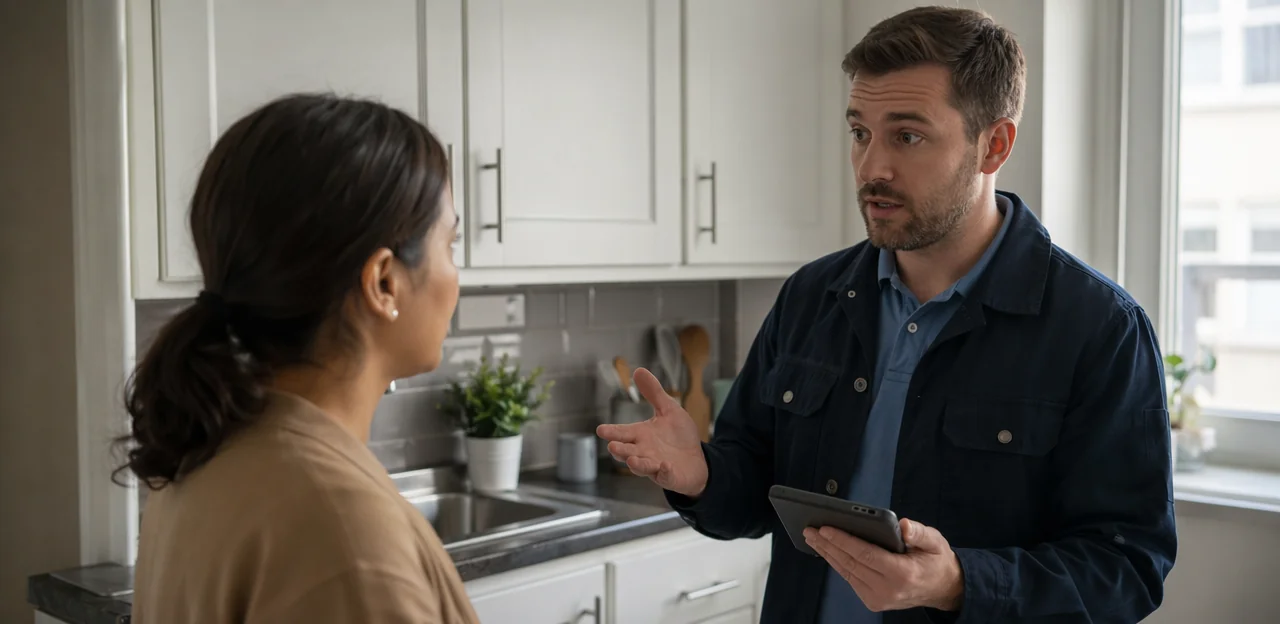
When facility issue reporting housing is poorly routed, even simple problems become costly service failures. A cleaning complaint sent to maintenance, or a safety issue passed to property management, creates delays that residents notice immediately.
- Slower response times: Teams lose time reassigning tickets instead of resolving them.
- Repeat contacts: Residents must chase updates, resubmit details, or explain the same issue again.
- Lower satisfaction: Delays reduce trust and make service recovery harder.
Effective housing maintenance request routing ensures each issue reaches the right team first time, with the right priority and context. This improves resident issue reporting by reducing handoffs, speeding action, and giving staff clear ownership. Tools such as Tapsy can help capture issues accurately at the source and trigger faster routing.
Common issue types across housing and property teams
Clear facility issue reporting housing starts with consistent categories so requests reach the right team faster. Common housing property issue categories include:
- Repairs and maintenance: leaks, broken fixtures, heating faults, damaged doors, or lift problems. These usually go to internal maintenance teams or specialist contractors.
- Cleanliness and waste: dirty communal areas, bin overflow, pest concerns, or missed cleaning. Often routed to housekeeping, janitorial vendors, or environmental services.
- Access and security: lockouts, faulty fobs, gate issues, intercom failures, or lighting outages. These may sit with security, front-of-house, or access-control suppliers.
- Noise, safety, and utilities: neighbour noise, hazards, gas, water, Wi-Fi, or power issues. These often require property management issue reporting across compliance, facilities, or utility providers.
- Amenities: laundry, parking, gym, or shared-space faults, typically handled by site teams or external vendors.
Using structured categories improves facility maintenance issues housing workflows and response times.
How faster triage improves member and resident experience
Faster triage strengthens resident experience housing by reducing delays, confusion, and repeated handoffs. When facility issue reporting housing sends each problem to the right team at the first touch, residents see quicker action and more consistent communication.
- First-touch resolution: Accurate categorisation helps maintenance, cleaning, security, or property teams respond without unnecessary escalation.
- Clear ownership: Residents and members know who is responsible, which improves accountability across member experience property services.
- Proactive updates: Status notifications reassure people that the issue is being handled, even before it is fully resolved.
- Stronger trust: Reliable follow-through is essential to effective service recovery housing and helps prevent frustration from turning into complaints.
Tools like Tapsy can support real-time routing and updates, creating a more dependable resident journey.
Build a reporting process that captures the right details

Essential intake fields for accurate issue routing
A strong facility issue reporting housing process starts with a clear, structured submission. A well-designed issue intake form housing should capture:
- Exact location: building, floor, unit, room, and nearby landmark
- Issue type: plumbing, electrical, HVAC, cleanliness, pest, safety, or access
- Urgency level: routine, urgent, or emergency
- Photos or video: visual proof helps teams assess severity faster
- Access constraints: pets, gate codes, restricted hours, or resident not home
- Unit details: occupied/vacant status, special equipment, or recurring history
- Resident contact preferences: phone, text, email, and best contact time
Including these maintenance request details in a facility issue reporting form reduces back-and-forth, speeds triage, and ensures the right team arrives prepared. Tools like Tapsy can also support faster, structured reporting at the point issues are noticed.
Use categories, tags, and priority rules effectively
Strong facility issue reporting housing starts with a clear structure. Standardized categories, tags, and maintenance priority levels help both staff and software identify what needs immediate action versus what can follow normal workflows.
- Use consistent categories: For example, plumbing, electrical, heating, pest control, access, and cleanliness. Good issue categorization housing reduces confusion and improves routing accuracy.
- Add smart tags: Include building, unit number, affected area, vulnerable resident, repeat issue, or after-hours status to support faster housing service request triage.
- Define severity rules: Mark gas leaks, flooding, power loss, and security risks as emergency priority, while minor repairs and cosmetic issues stay routine.
- Automate routing: Priority rules should send urgent cases directly to on-call teams and routine requests to planned maintenance queues.
Platforms like Tapsy can support this with real-time alerts and structured issue capture.
Make reporting easy across channels
Effective facility issue reporting housing starts by meeting residents where they already communicate. Some prefer resident portal issue reporting, while others rely on mobile maintenance reporting, email, phone calls, or speaking to front-desk staff. The key is not the channel itself, but what happens next.
- Route every report into one centralized workflow
- Standardize issue categories, priority levels, and property details
- Automatically assign tickets to maintenance, cleaning, security, or management
- Give staff one shared view of status, updates, and resident history
This approach strengthens omnichannel housing support by reducing missed requests, duplicate tickets, and slow handoffs. It also makes follow-up easier, since every team works from the same system. Tools such as Tapsy can support real-time capture and routing at key service touchpoints.
Route facility issues to the right team every time

Define ownership across departments and vendors
Effective facility issue reporting housing depends on a clear ownership map so every request lands with the right team the first time. Build a simple responsibility matrix that defines property management team responsibilities across internal departments and external partners.
- Facilities: common areas, building systems, utilities, inspections
- Maintenance: repairs, HVAC, plumbing, electrical, unit turn issues
- Housekeeping: cleanliness complaints, waste, shared-space upkeep
- Security: access control, incidents, patrol concerns, safety risks
- Leasing: resident communications, move-in issues, amenity access
- Compliance: code, health, fire safety, regulatory documentation
- External contractors: specialist repairs, elevators, pest control, landscaping
For a stronger housing issue routing workflow, assign a primary owner, backup owner, response SLA, and escalation trigger for each category. This improves accountability, speeds triage, and strengthens maintenance vendor coordination when third parties are involved. Tools like Tapsy can help route reports instantly to the correct team and flag overdue escalations.
Automate routing with rules and smart workflows
In facility issue reporting housing, automation helps every request reach the right team faster, with fewer delays and fewer handoff mistakes. Instead of relying on manual triage, set up service request assignment rules that route tickets using key data points such as:
- Issue type: plumbing to maintenance, pests to specialist vendors, noise to resident services
- Building or unit: assign by property, block, floor, or zone
- Urgency: send safety hazards or leaks to on-call staff immediately
- Resident status: prioritize vulnerable residents, move-ins, or VIP tenants
- SLAs: trigger escalations before response or resolution deadlines are missed
This approach strengthens automated issue routing housing and supports better workflow automation property management. For example, a “water leak” report in Building B can go straight to the local maintenance lead, while an overdue unresolved ticket is automatically escalated to a supervisor. Tools like Tapsy can support real-time capture and routing, reducing manual sorting and costly reassignment errors.
Handle urgent, sensitive, and repeat issues differently
In facility issue reporting housing, not every case should follow the same workflow. Clear triage rules help teams act faster and reduce risk.
- Emergencies: Use emergency maintenance routing for gas leaks, flooding, power loss, lock failures, or fire hazards. Trigger immediate alerts to on-call maintenance and notify site leadership at once.
- Health, safety, and accessibility: Escalate mold, pest activity, broken lifts, trip hazards, lighting failures, or blocked accessible entrances through a housing complaint escalation path. These cases often require same-day review, documented inspections, and compliance tracking.
- Repeat problems: Strong repeat issue management should flag complaints tied to the same unit, asset, or location within a set period. Auto-create inspections, identify root causes, and assign senior review if prior fixes failed.
- Service recovery: When residents face repeated disruption, delays, or distress, trigger proactive outreach, updates, apologies, and compensation where appropriate.
Tools like Tapsy can support real-time alerts and routing.
Improve service recovery through communication and follow-up

Set expectations from the first report
In facility issue reporting housing, the first confirmation should do more than say “received.” It should reduce uncertainty and support stronger service recovery communication housing efforts.
- Confirm key details immediately: repeat the issue type, location, reference number, and assigned team.
- Share realistic timelines: tell residents when they can expect assessment, updates, and likely resolution windows.
- Explain next steps clearly: note whether access is needed, if photos help, or when someone may contact them.
- Provide proactive maintenance request updates: send status changes automatically so residents do not need to chase progress.
These resident communication best practices build transparency, strengthen trust, and cut inbound follow-up contacts. Tools like Tapsy can help route reports and trigger timely confirmations.
Keep residents informed during resolution
Clear communication is essential in facility issue reporting housing, especially when repairs cannot be completed immediately. Proactive resident issue status updates help reduce frustration and build trust.
- Send confirmation as soon as the issue is logged, including the case number and responsible team.
- Provide regular housing maintenance communication on progress, such as inspection booked, contractor assigned, or parts ordered.
- Use timely property service notifications for appointment reminders, access requirements, and expected arrival windows.
- If delays happen, explain why, share the revised timeline, and outline any temporary workaround.
- Confirm completion once resolved and invite residents to verify the fix.
Tools like Tapsy can support faster updates and smoother follow-up.
Close the loop and learn from feedback
Effective facility issue reporting housing should not end when the repair is marked complete. Use a simple follow-up process to turn each case into insight:
- Send a post-service survey property management teams can review within 24–48 hours to confirm the fix, timeliness, and communication quality.
- Track resident feedback housing data alongside complaints to spot repeat issues by building, contractor, or category.
- Run regular complaint reviews and root-cause analysis to uncover breakdowns such as poor triage, missed handoffs, or recurring maintenance failures.
- Turn findings into action: update workflows, retrain teams, and refine routing rules.
This creates continuous improvement service recovery and a stronger member experience over time.
Measure and optimize your housing issue reporting workflow
Key metrics to track routing performance
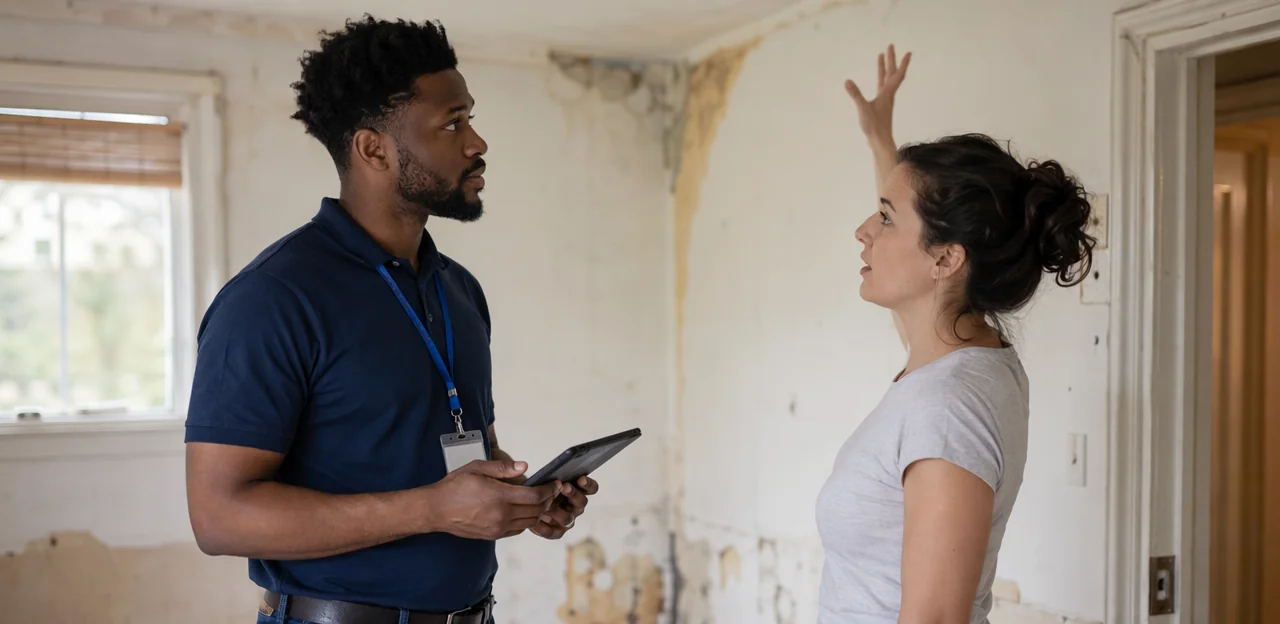
Track the right housing maintenance KPIs to see whether facility issue reporting housing workflows are fast, accurate, and resident-focused:
- First-response time: Shows how quickly teams acknowledge a report and set expectations.
- Issue routing accuracy: Measures whether requests reach the correct team first time, reducing delays.
- Reassignment rate: High reassignment signals unclear categories, weak triage, or ownership gaps.
- Resolution time: Reveals end-to-end efficiency from report to fix.
- Backlog volume/age: Highlights capacity issues and unresolved risk building up.
- Repeat issues: Indicates poor repair quality or incomplete fixes.
- Resident satisfaction: One of the most important resident service metrics, confirming whether speed and quality actually improve outcomes.
Tools like Tapsy can help capture and route issues in real time.
Identify bottlenecks and recurring failure points
Use facility issue reporting housing data to spot where requests slow down, bounce between teams, or repeatedly reopen. Strong property operations analytics should break tickets down by:
- Property: Compare volume, response time, and repeat issues by site to find buildings with chronic infrastructure problems.
- Category: Track patterns in plumbing, HVAC, safety, cleaning, or access issues to prioritize maintenance process improvement.
- Team: Review reassignment rates, overdue tickets, and closure quality to uncover unclear ownership or training gaps.
- Vendor: Measure turnaround time, first-time fix rate, and complaint recurrence to identify underperforming contractors.
These insights reveal workflow bottlenecks housing teams can fix through clearer routing rules, better staffing, targeted coaching, and stronger vendor accountability.
Use reporting data to improve staffing and planning
Strong facility issue reporting housing processes do more than resolve today’s problems—they reveal patterns that improve tomorrow’s operations. Use housing operations reporting and facility management analytics to turn recurring issues into smarter decisions:
- Support preventive maintenance planning: Track repeat repairs, seasonal spikes, and high-risk assets to schedule inspections before failures escalate.
- Improve vendor management: Compare contractors by response time, fix quality, and repeat-call rates to guide renewals and accountability.
- Refine staffing decisions: Use issue volume by property, shift, or category to align maintenance, cleaning, and front-desk coverage with demand.
- Strengthen budget planning: Prioritize capital spend based on repair trends, aging equipment, and cost-heavy issue types.
- Improve resident communication: Share updates on common issues, expected timelines, and preventive work to build trust and reduce repeat complaints.
Best practices for implementing a better reporting system

Standardize workflows without losing flexibility
Strong facility issue reporting housing programs balance consistency with local needs. Use housing workflow standardization to define a common intake form, priority levels, escalation paths, and response-time targets across all properties. Then add controlled flexibility through site-level rules.
- Create shared templates for issue categories, resident communications, and closure notes.
- Set baseline service standards by urgency, such as safety, access, plumbing, or cleanliness.
- Allow property-specific routing for senior housing, student housing, mixed-use buildings, or staffed vs. unstaffed sites.
- Review exceptions regularly so local adjustments still align with property management best practices and effective service request process design.
Tools like Tapsy can support standardized reporting with configurable routing rules.
Train teams to classify and resolve issues consistently
Strong facility issue reporting housing processes depend on well-trained frontline teams. Consistent housing staff training improves intake accuracy, speeds routing, and reduces repeat complaints.
- Standardize intake quality: Train staff to capture location, urgency, impact, photos, and resident contact details the first time.
- Improve category selection: Use clear decision trees and regular issue classification training so maintenance, cleaning, safety, and tenancy issues go to the right team.
- Build empathy skills: Include resident support training on active listening, reassurance, and clear next steps.
- Handle escalations correctly: Define when to involve supervisors, emergency contractors, or safeguarding leads.
- Document thoroughly: Require concise notes, timestamps, and actions taken to support faster resolution and accountability.
Tools like Tapsy can also help standardize reporting and routing.
For effective facility issue reporting housing, choose technology that makes every report visible, trackable, and easy to route. The right housing issue reporting software should include:
- Centralized ticketing: One shared inbox for maintenance, cleaning, safety, and resident services.
- Automation: Auto-assign issues by category, location, urgency, or property.
- Audit trails: Time-stamped updates, ownership history, and resolution notes for accountability.
- Dashboards: Monitor backlog, response times, recurring issues, and team performance.
- Mobile access: Let staff update jobs, upload photos, and close tickets in the field.
- Integrations: Connect your property management ticketing system with resident portals, email, SMS, and your wider facility management platform.
Solutions such as Tapsy can also support real-time issue capture and routing at key touchpoints.
Conclusion
In housing, fast resolution starts with smart routing. When residents can report problems easily and every issue is directed to the right team the first time, providers reduce delays, avoid duplicated work, and create a better resident experience. That is the real value of effective facility issue reporting housing: clearer accountability, quicker service recovery, and stronger trust between residents, housing teams, and property operations.
The key takeaway is simple: reporting systems should do more than collect complaints. They should categorize issues accurately, flag urgency, assign ownership, and keep residents informed throughout the process. Whether the problem involves maintenance, cleanliness, safety, shared spaces, or service delivery, a well-designed process helps ensure nothing falls through the cracks. Over time, better facility issue reporting housing also reveals recurring trends, helping teams prevent problems before they escalate.
Now is the time to review your current reporting workflow. Audit where issues get delayed, define routing rules by category and priority, and give residents clear, accessible reporting channels. If you are looking for a practical example, tools like Tapsy can help capture real-time feedback at key touchpoints and route issues faster.
For next steps, create a response playbook, track resolution times, and invest in systems that improve visibility across teams. Better reporting leads to better housing outcomes.
Frequently Asked Questions
- Why is accurate facility issue routing important in housing operations?
Accurate routing helps each report reach the right team the first time, which reduces delays and unnecessary handoffs. It also lowers repeat contacts from residents and improves trust by making responses faster and more consistent.
- What types of housing issues should be categorized separately?
Common categories include repairs and maintenance, cleanliness and waste, access and security, noise and safety, utilities, and amenities. Separating these issue types makes it easier to assign work to maintenance teams, housekeeping, security, property management, or external vendors.
- What information should a housing issue intake form collect?
A strong intake form should capture the exact location, issue type, urgency level, photos or video, access constraints, unit details, and resident contact preferences. Collecting these details upfront reduces back-and-forth and helps teams arrive prepared.
- How do categories, tags, and priority rules improve issue reporting?
Standard categories reduce confusion, while tags such as building, unit, repeat issue, or after-hours status add useful context for triage. Priority rules help distinguish emergencies like gas leaks or flooding from routine repairs and can route urgent cases directly to on-call teams.
- Which reporting channels should housing providers support?
Residents may report issues through portals, mobile tools, email, phone calls, or front-desk staff. The key is to route every report into one centralized workflow so teams share the same status, history, and ownership view.
- How can housing teams define ownership across departments and vendors?
A simple responsibility matrix can assign categories to facilities, maintenance, housekeeping, security, leasing, compliance, or external contractors. Each category should also have a primary owner, backup owner, response SLA, and escalation trigger.
- What should automated routing rules use to assign housing service requests?
Routing rules can use issue type, building or unit, urgency, resident status, and SLA deadlines. This allows urgent leaks or safety hazards to go straight to on-call staff, while routine requests move into planned maintenance queues.
- How should urgent or sensitive housing issues be handled differently?
Emergencies such as gas leaks, flooding, power loss, lock failures, or fire hazards should trigger immediate alerts to on-call maintenance and site leadership. Health, safety, accessibility, and repeat issues often need same-day review, documented inspections, compliance tracking, or senior oversight.
- What should residents be told immediately after submitting a facility issue?
The first confirmation should restate the issue type, location, reference number, and assigned team. It should also explain likely timelines, next steps, and whether access or additional information is needed.
- How can housing providers keep residents informed during longer repairs?
Teams should send updates when the issue is logged, when inspections are booked, when contractors are assigned, and when parts are ordered. If delays happen, they should explain the reason, share a revised timeline, and confirm completion once the fix is finished.
- Why is follow-up after resolution important for service recovery?
A short follow-up survey within 24 to 48 hours can confirm whether the fix worked and whether communication met expectations. Reviewing that feedback alongside complaints helps teams identify repeat issues, weak triage, and recurring maintenance failures.
- What metrics should be tracked to measure routing performance?
Useful metrics include first-response time, routing accuracy, reassignment rate, resolution time, backlog volume or age, repeat issues, and resident satisfaction. Together, these show whether the workflow is fast, accurate, and delivering a better resident experience.
- How can reporting data reveal bottlenecks in housing operations?
Breaking tickets down by property, category, team, and vendor can show where requests slow down, get reassigned, or reopen. These patterns help identify chronic building issues, unclear ownership, training gaps, or underperforming contractors.
- How can issue reporting data support staffing and maintenance planning?
Recurring repair trends, seasonal spikes, and high-risk assets can guide preventive maintenance planning before failures escalate. The same data can also improve staffing coverage, vendor decisions, budget planning, and resident communication about common issues.
- What features should housing issue reporting software include?
Useful features include centralized ticketing, automated assignment, audit trails, dashboards, mobile access, and integrations with resident portals, email, SMS, and broader facility management systems. Tools such as Tapsy can also support real-time issue capture and faster internal routing.