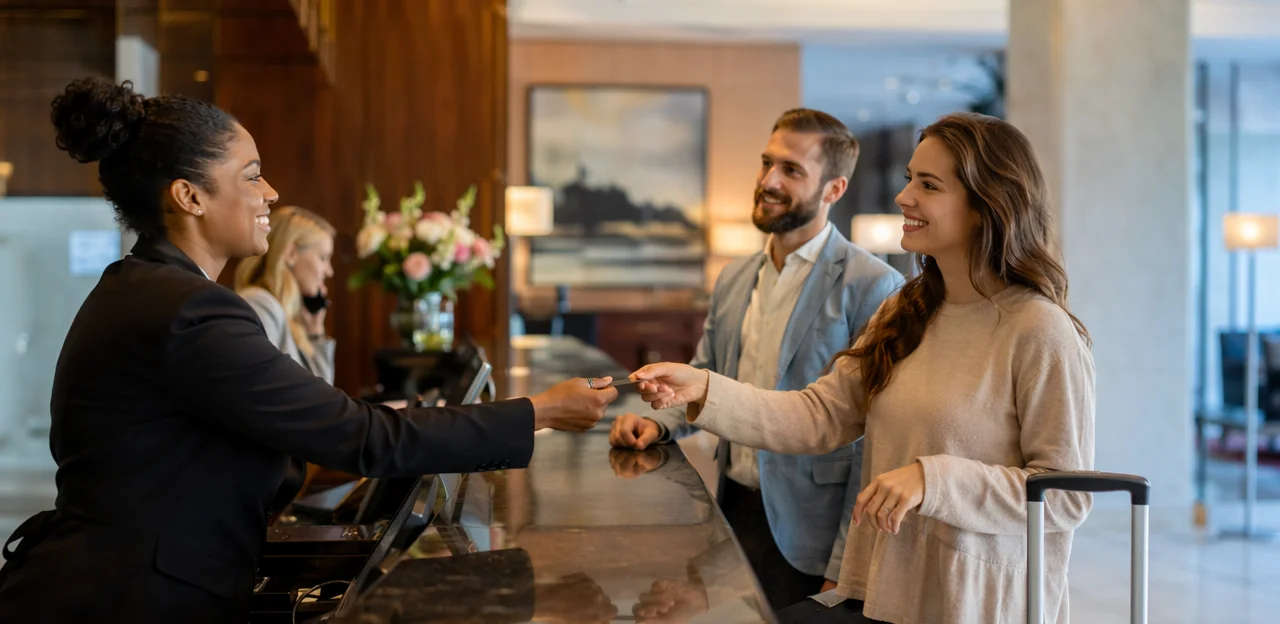
A guest complaint can either end a relationship or become the moment your brand earns lasting trust. In today’s competitive accommodation market, hotel complaint recovery is no longer just a frontline service task—it is a core part of guest experience, operations, and revenue protection. When handled well, a complaint reveals service gaps, prevents negative reviews, and can even strengthen hotel loyalty by showing guests that their concerns lead to real action.
Modern hotels are also learning that recovery does not happen in isolation. It connects closely with data, staff workflows, and the tools used to capture feedback, from a post-stay hotel survey to in-stay touchpoints that surface issues before checkout. The right hotel survey questions can help teams identify recurring problems, prioritize urgent cases, and personalize follow-up offers through hotel loyalty rewards programs or a broader hotel loyalty scheme. In some cases, thoughtful gestures such as upgrades, points, or even hotel gift card printing can turn frustration into goodwill.
This article explores how to build an effective hotel complaint recovery workflow, from complaint intake and escalation to AI-powered analytics, resolution tracking, and service improvement. It will also examine how recovery strategies support customer experience goals and complement the best hotel loyalty programs by turning dissatisfied guests into returning advocates.
Why hotel complaint recovery matters in modern hospitality

The business case for hotel complaint recovery
Hotel complaint recovery is the process of identifying, addressing, and resolving guest issues before they damage the guest experience or wider customer experience. In hotels and hospitality brands, speed and empathy are critical: a delayed response can turn a minor issue into a negative review, lost repeat bookings, and higher service costs.
- Protect reviews and revenue: Fast recovery reduces public complaints and improves booking confidence.
- Increase loyalty: A well-handled problem can strengthen hotel loyalty, support a stronger hotel loyalty scheme, and even outperform the impact of the best hotel loyalty programs or hotel loyalty rewards programs alone.
- Improve operations: Complaint trends from each hotel survey and smart hotel survey questions reveal recurring service gaps.
- Support retention tactics: Recovery gestures, from upgrades to vouchers or hotel gift card printing, can turn disappointment into repeat business.
Tools like Tapsy can help capture issues in real time, enabling faster resolution.
Common complaint sources across the guest journey
For effective hotel complaint recovery, teams should map issues to each guest touchpoint so service recovery becomes faster and more consistent across operations.
- Booking: Rate confusion, unclear policies, failed payments, or mismatched room expectations.
- Check-in: Long queues, unavailable rooms, poor staff communication, or loyalty benefits not recognized in a hotel loyalty scheme.
- Room cleanliness: Housekeeping delays, odors, maintenance issues, or missing amenities.
- Noise: Street noise, neighboring rooms, events, or HVAC disruptions.
- Amenities: Wi-Fi failures, breakfast quality, parking, spa access, and problems redeeming hotel loyalty rewards programs.
- Billing: Hidden fees, duplicate charges, minibar disputes, or errors tied to hotel gift card printing and redemption.
- Post-stay communication: Slow responses, irrelevant offers, or poorly timed hotel survey requests.
Use targeted hotel survey questions after each stage to identify patterns, protect hotel loyalty, and benchmark against the best hotel loyalty programs.
How recovery influences retention and hotel loyalty
Effective hotel complaint recovery does more than fix one bad stay; it can directly strengthen hotel loyalty and increase repeat bookings. When guests feel heard, compensated fairly, and updated quickly, trust rises and frustration drops.
- Respond fast and personally: A prompt apology, clear resolution, and follow-up message show accountability.
- Connect recovery to a hotel loyalty scheme: Offer points, upgrades, late checkout, or vouchers through hotel loyalty rewards programs to turn disappointment into a reason to return.
- Use feedback to improve: A short hotel survey with focused hotel survey questions helps identify patterns and prevent repeat issues.
- Support re-engagement: Recovery offers can include perks, tailored incentives, or even hotel gift card printing for service gestures.
The best hotel loyalty programs use recovery as a relationship-building moment, not just a cost center. A well-designed hotel loyalty scheme turns resolved complaints into long-term guest retention.
Core stages of an effective hotel complaint recovery workflow
Capture, categorize, and prioritize complaints
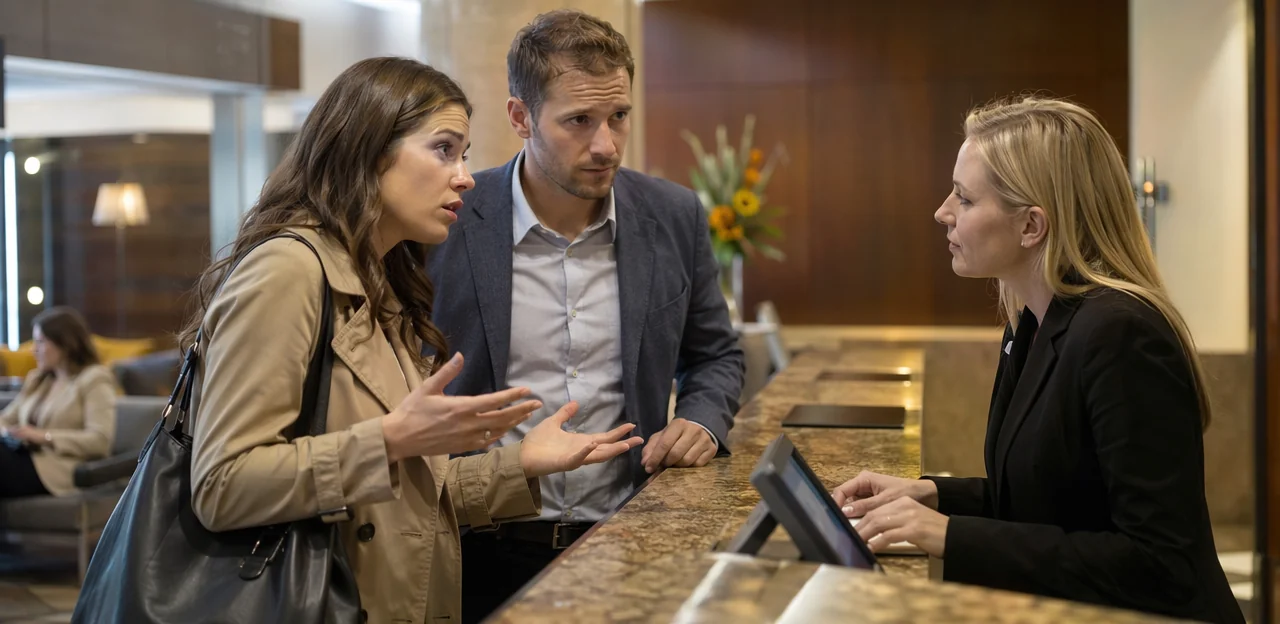
Effective hotel complaint recovery starts with one rule: capture every issue in one shared workflow, regardless of where it appears. Hotels should pull complaints from the front desk, phone calls, messaging apps, email, social media, and every hotel survey response into a central dashboard so operations teams can act fast.
- Capture consistently: Use standard tags and required fields across channels, including room number, time, issue type, and guest sentiment. Include targeted hotel survey questions to uncover service failures early.
- Categorize by service area: Route complaints into housekeeping, maintenance, food and beverage, billing, check-in, or amenities.
- Prioritize by urgency and impact: Safety, security, and in-stay issues come first; then high-visibility complaints from VIPs, group bookings, or members in hotel loyalty or a hotel loyalty scheme.
- Link recovery to retention: Offer service recovery through hotel loyalty rewards programs, gift vouchers, or even hotel gift card printing options used by some of the best hotel loyalty programs.
Respond quickly with empathy and ownership
In any hotel complaint recovery process, the first response shapes the entire guest experience. Teams should follow clear standards:
- Acknowledge immediately: Respond as soon as possible, ideally within minutes for in-stay issues. A fast reply shows the guest has been heard and protects the overall customer experience.
- Apologize with empathy: Use sincere, specific language: “I’m sorry your room wasn’t ready when promised.” Avoid scripted, vague apologies.
- Set expectations: Explain what will happen next, who is handling it, and when the guest will receive an update.
- Assign one owner: A named staff member should take responsibility until resolution, coordinating housekeeping, front desk, or maintenance as needed.
Strong service recovery also creates insight for future improvement. Log issues through a hotel survey, refine hotel survey questions, and when appropriate, offer gestures such as points from hotel loyalty rewards programs, a hotel loyalty scheme benefit, or even branded perks supported by hotel gift card printing.
Resolve, document, and follow up consistently
A strong hotel complaint recovery process should be repeatable across teams and shifts. Use a simple workflow:
- Resolve fast: Confirm the issue, apologize, and assign an owner in operations with a deadline.
- Match compensation to impact: Minor delays may warrant points in a hotel loyalty account, while major service failures may justify refunds, upgrades, or offers tied to hotel loyalty rewards programs or even hotel gift card printing for on-property recovery.
- Escalate clearly: Front desk handles routine issues; managers take safety, billing, or repeat complaints; executives review high-value guest or reputational risks.
- Document every case: Log cause, action taken, compensation, staff involved, and outcome. Tag trends from each hotel survey and common hotel survey questions.
- Follow up within 24–48 hours: Confirm satisfaction, invite feedback, and offer tailored recovery through the best hotel loyalty programs or your hotel loyalty scheme to reduce repeat complaints and rebuild trust.
Building the right team, policies, and service standards

Frontline roles and escalation responsibilities
A strong hotel complaint recovery process works best when every team knows its role in daily operations and service recovery:
- Front desk: Owns first response, logs the issue, apologizes, sets expectations, and resolves simple complaints such as billing, noise, or check-in delays. Staff can also trigger a quick hotel survey with targeted hotel survey questions after resolution.
- Housekeeping and maintenance: Handle room cleanliness, amenities, repairs, and turnaround issues, then update the front desk immediately.
- Duty managers: Step in for repeat complaints, compensation decisions, VIP guests, safety concerns, or public-review threats.
- General manager/corporate support: Manage legal, discrimination, data privacy, brand-risk, or high-value guest cases.
Escalate instantly when complaints involve VIPs, security, fraud, or social media exposure. Link recovery offers to hotel loyalty, hotel loyalty rewards programs, or a hotel loyalty scheme—similar to the retention mindset behind the best hotel loyalty programs. For offline goodwill, some properties also use hotel gift card printing for immediate make-goods.
Compensation frameworks that protect margins
A strong hotel complaint recovery framework matches compensation to the severity, cause, and loyalty value of the guest to protect margins while improving customer experience.
- Service gestures: Use apologies, late checkout, drink vouchers, or breakfast credits for minor, quickly resolved issues.
- Amenities or upgrades: Offer room upgrades or in-room amenities when inconvenience is moderate but inventory cost is low.
- Points or credits: For enrolled guests, use hotel loyalty rewards programs or a hotel loyalty scheme to issue points instead of cash, aligning recovery with hotel loyalty and the best hotel loyalty programs model.
- Refunds: Reserve partial or full refunds for service failures that materially affected the stay.
Support decisions with hotel survey data and targeted hotel survey questions. Branded hotel gift card printing can also turn recovery into a future-stay incentive that reinforces the brand experience.
Training staff to deliver consistent recovery
Strong hotel complaint recovery depends on training every team member to respond with the same calm, guest-focused standard. Build recovery skills into daily operations with practical coaching on:
- Empathy first: Teach staff to acknowledge frustration, apologize sincerely, and show ownership to protect the guest experience.
- De-escalation: Use role-play for tone control, active listening, and solution-focused language during difficult interactions.
- Clear communication: Train teams to explain next steps, timing, and compensation options without overpromising.
- Accurate documentation: Standardize notes in your CRM or hotel survey workflow so patterns from hotel survey questions can guide improvements.
- Policy use: Give staff clear recovery thresholds for upgrades, service credits, hotel gift card printing, or offers tied to hotel loyalty, hotel loyalty rewards programs, the best hotel loyalty programs, or your hotel loyalty scheme.
Consistent practice creates confident teams and faster recovery.
Using AI, analytics, and feedback to improve recovery outcomes

How AI supports complaint detection and routing
AI & analytics strengthen hotel complaint recovery by turning scattered guest feedback into fast, prioritized action. Instead of relying on manual review, AI scans calls, chats, reviews, and every hotel survey response to detect patterns early.
- Sentiment analysis flags negative language, frustration, or repeat service failures in real time.
- Urgency scoring identifies issues needing immediate escalation, such as safety, cleanliness, billing, or check-in delays.
- Root-cause detection groups similar complaints across channels to reveal operational breakdowns.
- Smart routing sends issues to the right team—front desk, housekeeping, food service, or management—improving operations speed.
AI can also analyze hotel survey questions to refine service recovery and connect complaints with retention offers, from hotel loyalty rewards programs to a hotel loyalty scheme. This helps support hotel loyalty, rival the best hotel loyalty programs, and even inform service add-ons like hotel gift card printing promotions.
Designing a better hotel survey and survey questions
A strong hotel complaint recovery process starts with a concise hotel survey sent at the right moment—immediately after check-in, service interaction, or issue resolution. Keep hotel survey questions short, specific, and tied to action so teams can improve customer experience quickly.
- Ask failure-detection questions: “What went wrong?” “Where did we fall short?” “How urgent was the issue?”
- Measure recovery quality: “Was your problem resolved on the first attempt?” “How satisfied are you with the solution?” “Did our team show empathy?”
- Capture improvement insight: “What should we change to prevent this again?”
Segment responses by stay type, room category, and loyalty tier to refine hotel loyalty offers, hotel loyalty rewards programs, and a hotel loyalty scheme. You can also link recovery follow-ups to perks used in the best hotel loyalty programs or operational touchpoints like hotel gift card printing for service recovery gestures.
Metrics that show recovery performance
Track hotel complaint recovery with KPIs that connect service fixes to revenue, retention, and reputation:
- First response time: Measure how quickly staff acknowledge an issue after a guest submits a hotel survey or reports a problem in person.
- Resolution time: Track the average time to fully close complaints, segmented by room, housekeeping, food, or billing issues.
- Post-recovery satisfaction: Use targeted hotel survey questions to capture CSAT or NPS after the fix; this is where AI & analytics can reveal patterns by property or team.
- Review improvement: Monitor whether recovered guests leave better ratings or revise negative reviews.
- Repeat stay rate: A strong sign that recovery protected hotel loyalty.
- Loyalty enrollment after recovery: Measure sign-ups to hotel loyalty rewards programs, including your hotel loyalty scheme, after service recovery.
- Upsell or recovery voucher redemption: Even offers like late checkout or hotel gift card printing support can indicate effectiveness.
Benchmark these against the best hotel loyalty programs to refine recovery strategy.
Connecting complaint recovery to loyalty and guest retention

Turning service recovery into loyalty opportunities
Effective hotel complaint recovery should do more than fix a problem—it should create a reason to return. Hotels can turn negative moments into stronger hotel loyalty by pairing fast resolution with relevant, personalized benefits.
- Resolve issues immediately and confirm satisfaction with a short hotel survey
- Use smart hotel survey questions to identify the right recovery offer
- Match compensation to guest value: late checkout, room upgrade, dining credit, or points in hotel loyalty rewards programs
- Offer a future-stay incentive, such as a discount code or hotel gift card printing option for easy redemption
- Enroll guests into a tailored hotel loyalty scheme and highlight perks similar to the best hotel loyalty programs
Handled well, recovery becomes retention, advocacy, and repeat bookings.
What best hotel loyalty programs teach about recovery
The best hotel loyalty programs show that effective hotel complaint recovery is not just about fixing a problem fast, but about restoring trust in a way that feels personal.
- Personalization matters: Use stay history, preferences, and past feedback from each hotel survey to tailor the response.
- Recognize tier status: A strong hotel loyalty scheme treats elite guests differently, with faster escalation and more meaningful service recovery.
- Offer targeted perks: The best hotel loyalty rewards programs use bonus points, upgrades, dining credits, or even hotel gift card printing for on-property apologies.
Smart teams also refine hotel survey questions to spot patterns, improve the guest experience, and increase long-term hotel loyalty and lifetime value.
Personalization without overcompensation
Effective hotel complaint recovery should feel personal, fair, and financially sustainable. The goal is to improve customer experience without creating inconsistent operations or training guests to expect outsized compensation.
- Match recovery to guest history, complaint severity, and hotel loyalty tier.
- Use a clear service matrix: minor issues may warrant points, a drink voucher, or small perks; major failures may justify refunds or upgraded recovery.
- Align offers with your hotel loyalty scheme so compensation supports retention, similar to best hotel loyalty programs and smart hotel loyalty rewards programs.
- Use a quick hotel survey with targeted hotel survey questions to validate resolution quality.
- Standardize physical gestures too, such as controlled-value vouchers or hotel gift card printing, to keep responses consistent and profitable.
Implementation roadmap and common mistakes to avoid

A step-by-step rollout plan for hotel teams
- Audit current operations: Map how complaints are logged, escalated, resolved, and measured across properties. Review every hotel survey and refine hotel survey questions to expose service recovery gaps.
- Set standards: Define SLAs, ownership, response times, compensation rules, and links to hotel loyalty, including hotel loyalty rewards programs or a hotel loyalty scheme.
- Choose tools: Centralize case tracking, alerts, analytics, and guest feedback.
- Train and launch: Coach teams, pilot one site, then scale hotel complaint recovery with playbooks, KPIs, and recovery options like hotel gift card printing.
Frequent recovery mistakes that damage trust
Common hotel complaint recovery failures often hurt the guest experience more than the original issue:
- Slow responses: Delays signal indifference and turn minor problems into negative reviews.
- Poor handoffs: When teams fail to share context, guests must repeat themselves, weakening confidence.
- Inconsistent compensation: Uneven gestures, from refunds to hotel gift card printing or hotel loyalty rewards programs, feel unfair and undermine hotel loyalty.
- Weak documentation: Without clear notes, patterns in hotel survey data and hotel survey questions get missed.
- Ignoring post-resolution feedback: Failing to review survey insights prevents service fixes and stronger best hotel loyalty programs or a smarter hotel loyalty scheme.
Continuous improvement for long-term results
Sustainable hotel complaint recovery depends on a review-and-refine cycle:
- Track complaint trends by type, channel, shift, and property to spot recurring service gaps affecting customer experience.
- Update SOPs quarterly so frontline teams know the latest recovery steps, escalation rules, and compensation limits.
- Refresh each hotel survey with sharper hotel survey questions that reveal root causes, not just satisfaction scores.
- Align fixes with hotel loyalty goals by connecting recovery offers to hotel loyalty rewards programs, a hotel loyalty scheme, or even targeted hotel gift card printing.
- Benchmark against the best hotel loyalty programs to strengthen retention and repeat stays.
Conclusion
A strong hotel complaint recovery strategy does more than resolve issues—it protects revenue, preserves reputation, and turns disappointed guests into loyal advocates. The most effective hotel complaint recovery workflows combine fast frontline action, clear escalation paths, empowered staff, and data-driven follow-up. When hotels pair service recovery with AI and analytics, they can spot recurring pain points, improve response times, and refine operations before small issues become public complaints.
Just as importantly, recovery should connect to the wider guest experience. A well-timed hotel survey, thoughtful hotel survey questions, and personalized gestures can help rebuild trust after a problem occurs. Whether that means offering targeted perks through hotel loyalty rewards programs, strengthening a broader hotel loyalty scheme, or even using practical recovery tools like hotel gift card printing for service gestures, the goal is the same: show guests they are heard, valued, and worth winning back. In many cases, the best hotel loyalty programs succeed because they make recovery feel personal, immediate, and meaningful.
Now is the time to review your current hotel complaint recovery process, identify gaps, and standardize a workflow your team can execute consistently. Create response playbooks, measure outcomes, and invest in tools that capture real-time feedback and support smarter service recovery. For next steps, audit your complaint journey, refresh your hotel loyalty approach, and explore guest feedback platforms such as Tapsy to strengthen recovery and retention.
Frequently Asked Questions
- What is hotel complaint recovery?
Hotel complaint recovery is the process of identifying, addressing, and resolving guest issues before they damage the guest experience or wider customer experience. It focuses on fast action, empathy, clear ownership, and follow-up to restore trust.
- Why is complaint recovery important for hotel revenue and reputation?
Fast recovery helps reduce public complaints and negative reviews, which supports booking confidence and protects revenue. It also reveals service gaps that hotels can fix before they create repeat problems or higher service costs.
- What guest journey stages generate the most hotel complaints?
Common complaint sources include booking, check-in, room cleanliness, noise, amenities, billing, and post-stay communication. Mapping issues to each touchpoint helps teams respond faster and apply more consistent service recovery.
- How can hotels connect complaint recovery to loyalty programs?
Hotels can use points, upgrades, late checkout, vouchers, or other perks through a hotel loyalty scheme or hotel loyalty rewards programs. When recovery is handled well, it can strengthen loyalty and encourage repeat bookings.
- What should a hotel complaint workflow include first?
The workflow should start by capturing every complaint in one shared system, no matter whether it comes from the front desk, phone, email, messaging apps, social media, or survey responses. Teams should then categorize issues by service area and prioritize them by urgency and guest impact.
- How quickly should staff respond to a hotel complaint?
In-stay issues should be acknowledged as soon as possible, ideally within minutes. A fast first response shows the guest has been heard and helps prevent a small problem from becoming a bigger reputation issue.
- What makes an effective first response to a guest complaint?
An effective first response acknowledges the issue immediately, uses a sincere and specific apology, and explains what will happen next. It should also assign one named owner who stays responsible until the issue is resolved.
- How should hotels decide between points, upgrades, vouchers, and refunds?
Compensation should match the severity of the issue, its cause, and the guest's loyalty value. Minor issues may justify small gestures like drink vouchers or points, while major service failures may require upgrades, credits, or partial or full refunds.
- When should a complaint be escalated beyond the front desk?
Routine issues can stay with the front desk, but managers should handle safety concerns, billing disputes, repeat complaints, VIP cases, and public-review threats. General managers or corporate support should step in for legal, discrimination, data privacy, brand-risk, or high-value guest situations.
- What role do surveys play in hotel complaint recovery?
Surveys help detect service failures, measure recovery quality, and uncover changes needed to prevent repeat issues. Short, targeted questions sent after check-in, service interactions, or issue resolution give teams actionable feedback.
- Which hotel survey questions are most useful after a complaint?
Useful questions focus on what went wrong, where the hotel fell short, how urgent the issue was, whether it was resolved on the first attempt, and whether the team showed empathy. Questions about what should change next also help identify root causes.
- How can AI improve hotel complaint handling?
AI can scan calls, chats, reviews, and survey responses to detect negative sentiment, score urgency, identify root causes, and route issues to the right team. This helps hotels act faster and spot recurring operational breakdowns across channels.
- What metrics should hotels track to measure recovery performance?
Key metrics include first response time, resolution time, post-recovery satisfaction, review improvement, repeat stay rate, loyalty enrollment after recovery, and redemption of recovery offers. These measures connect service recovery to retention, reputation, and revenue outcomes.
- What common mistakes weaken a hotel's complaint recovery process?
Slow responses, poor handoffs, inconsistent compensation, weak documentation, and ignoring post-resolution feedback all damage trust. These failures often make the guest experience worse than the original problem and prevent operational improvement.
- How should a hotel roll out a complaint recovery workflow across teams?
Start by auditing how complaints are currently logged, escalated, resolved, and measured. Then define standards, centralize tools for tracking and feedback, train teams, pilot the process at one site, and scale it with playbooks and KPIs.