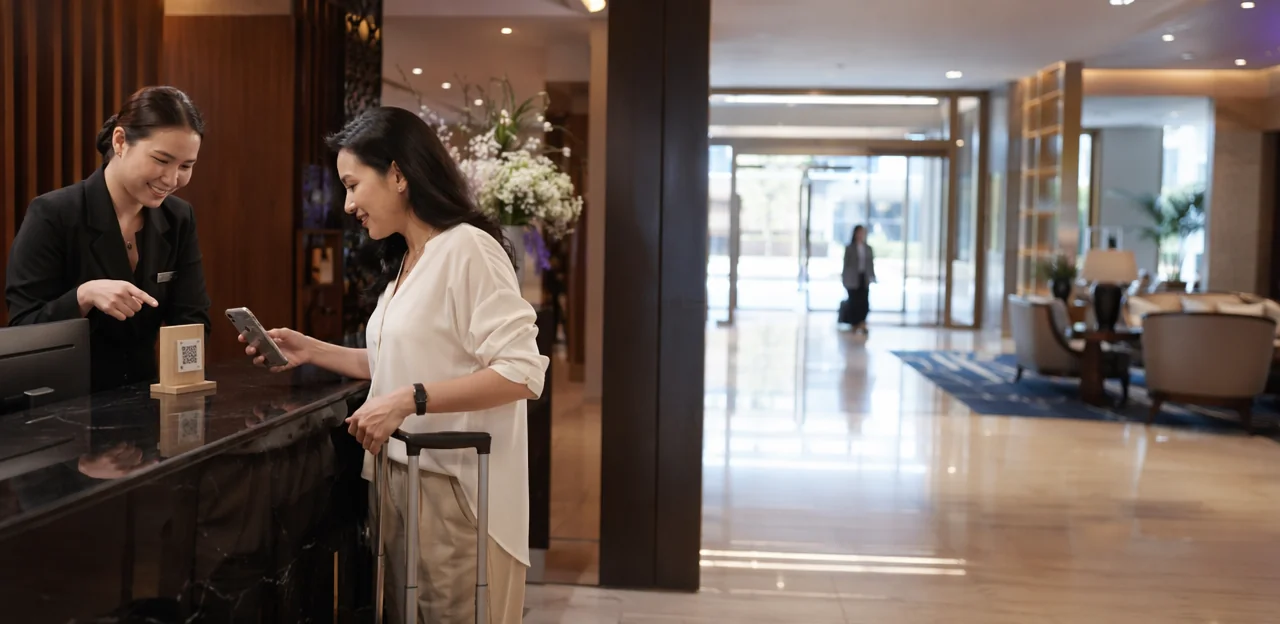
First impressions are formed in seconds, and in hospitality, the lobby is where guest experience often begins. That makes hotel lobby feedback one of the most valuable sources of insight a property can collect. When guests can instantly share a compliment, report a pain point, or respond to a quick satisfaction prompt while they are still on-site, hotels gain faster, more actionable data than they typically get from delayed email surveys.
Today, many properties are turning to NFC touchpoints and well-placed QR options to make feedback effortless. From elegant qr code stickers at reception desks to a custom qr code sticker placed near concierge stations, the right setup can dramatically improve participation. Details such as qr code sticker size, durable qr code paper, and high-quality qr code printing also matter, especially in busy lobby environments where visibility and scan reliability affect response rates. Hotels evaluating deployment options may also compare how to print qr code stickers for temporary campaigns versus investing in custom qr code stickers for long-term brand consistency.
This article explores how to design an effective hotel lobby feedback strategy using QR codes and NFC placement, where to position touchpoints for maximum engagement, what implementation factors to consider, and how AI and analytics can turn guest responses into measurable improvements in customer experience.
Why Hotel Lobby Feedback Matters in Modern Hospitality

The lobby as a high-impact guest experience touchpoint
The lobby is one of the best places to capture hotel lobby feedback because it shapes both first and last impressions of the stay. Guests form opinions during check-in, while waiting in line, through concierge interactions, and again at checkout—key moments that define overall guest experience and customer experience.
- Place qr code stickers at reception desks, concierge counters, seating areas, and near exits.
- Use custom qr code stickers with clear branding and a practical qr code sticker size for easy scanning.
- Pair durable qr code paper or signage with smart qr code printing to keep codes visible and reliable.
- If you need to scale, print qr code stickers for multiple lobby touchpoints, including one qr code sticker per service zone.
How instant feedback improves service recovery and reputation
Effective hotel lobby feedback systems let teams act while the guest is still on-site, not after a negative review is posted. When guests scan qr code stickers or tap NFC points in the lobby, staff can spot complaints about check-in delays, cleanliness, or service gaps and resolve them immediately.
- Front-desk teams can respond in real time and recover the experience before checkout.
- Managers use AI & analytics to detect patterns, coach staff, and protect brand standards across hotels & hospitality locations.
- Clear placement matters: use a visible qr code sticker, choose the right qr code sticker size, and invest in durable custom qr code stickers.
For implementation, prioritize quality qr code printing, print qr code stickers for high-traffic zones, and avoid flimsy qr code paper that reduces scan reliability.
Why QR and NFC outperform traditional comment cards
For hotel lobby feedback, digital touchpoints consistently beat paper cards because they match how guests already behave: mobile-first, fast, and contactless. Unlike qr code paper forms or handwritten comment cards that get ignored, lost, or entered manually, NFC & QR touchpoints reduce friction and improve implementation across busy lobby spaces.
- Faster response: Guests tap or scan in seconds using qr code stickers or NFC stands.
- More convenient: No pens, no queues, no paper handling, and no messy handwriting.
- Better data quality: Each qr code sticker can route feedback directly into analytics dashboards for real-time trends.
- Easier deployment: With smart qr code printing, hotels can print qr code stickers, choose the right qr code sticker size, and place custom qr code stickers at reception, elevators, or concierge desks.
Best QR Code and NFC Placement Strategies in Hotel Lobbies
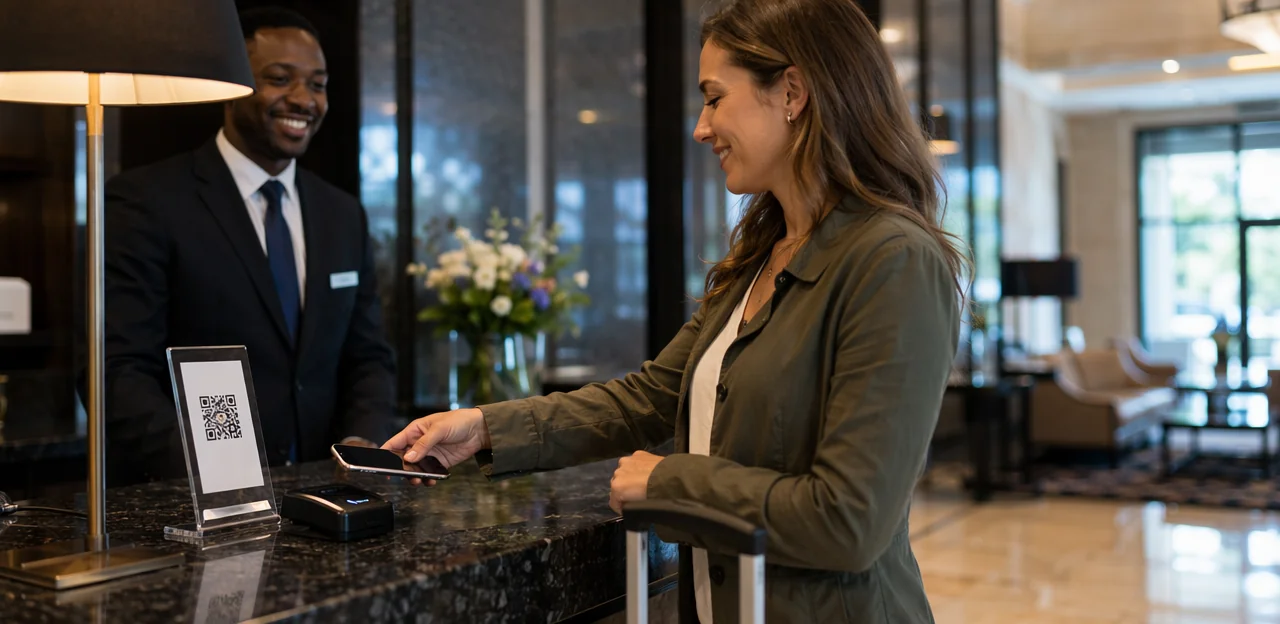
Where to place codes for maximum visibility and response rate
For stronger hotel lobby feedback results, place codes where guests naturally pause, look, and decide. Prioritize:
- Reception desks: Front-facing qr code stickers at eye level, plus a backup qr code sticker on the counter for guests signing forms.
- Key card sleeves: Use custom qr code stickers or integrate the code into sleeve design so feedback starts at check-in.
- Elevator waiting areas: Guests idle here, making it ideal for well-lit signage with clear line-of-sight.
- Concierge stations and luggage carts: High-touch service moments increase scan intent.
- Lobby seating tables: Small tabletop displays work well if qr code sticker size is readable from seated distance.
- Checkout counters: Capture fresh impressions before departure.
For best performance, avoid glare, shadows, and visual clutter. Test qr code printing contrast, durable materials like qr code paper laminates where suitable, and always print qr code stickers large enough for fast scanning within main traffic flow.
Matching touchpoints to guest intent and dwell time
Effective hotel lobby feedback starts with placing NFC & QR touchpoints where guest behavior naturally supports engagement.
- Check-in desks: Guests are in a hurry, so use a simple qr code sticker or NFC prompt for a 1-question pulse check. Keep it frictionless and visible at eye level.
- Lounge and waiting areas: Longer dwell time supports deeper surveys about arrival, ambiance, and service. Use custom qr code stickers on tables or side stands to improve response quality.
- Premium, concierge, and elevator zones: One-tap NFC works well in high-traffic or upscale spaces where speed matters and seamless customer experience is essential.
For execution, prioritize clear qr code printing, durable qr code paper or laminated materials, and the right qr code sticker size for scanning distance. Many hotels print qr code stickers in multiple formats, while branded qr code stickers reinforce trust and visibility.
Avoiding poor placement mistakes that reduce scans
Even well-designed hotel lobby feedback campaigns underperform when placement is wrong. During implementation, avoid these common scan blockers:
- Placing codes too low or too high: Guests should spot and scan them at natural eye or hand level, especially at reception desks, concierge points, and waiting areas.
- Using reflective covers or glass: Glare can make qr code stickers hard to scan. Apply a qr code sticker directly to matte signage or use non-reflective holders.
- Crowding with other signs: If surrounded by promotions, maps, or notices, your code gets ignored. Keep custom qr code stickers visually isolated with a clear call to action.
- Choosing the wrong qr code sticker size: Small codes often fail at typical lobby distances. Match qr code sticker size to viewing range and test before final qr code printing.
- Ignoring connectivity and accessibility: Avoid weak-signal zones, provide multilingual prompts, and ensure wheelchair-friendly placement.
When you print qr code stickers, use durable materials over basic qr code paper for better long-term results.
Designing Effective QR Materials for Hospitality Environments
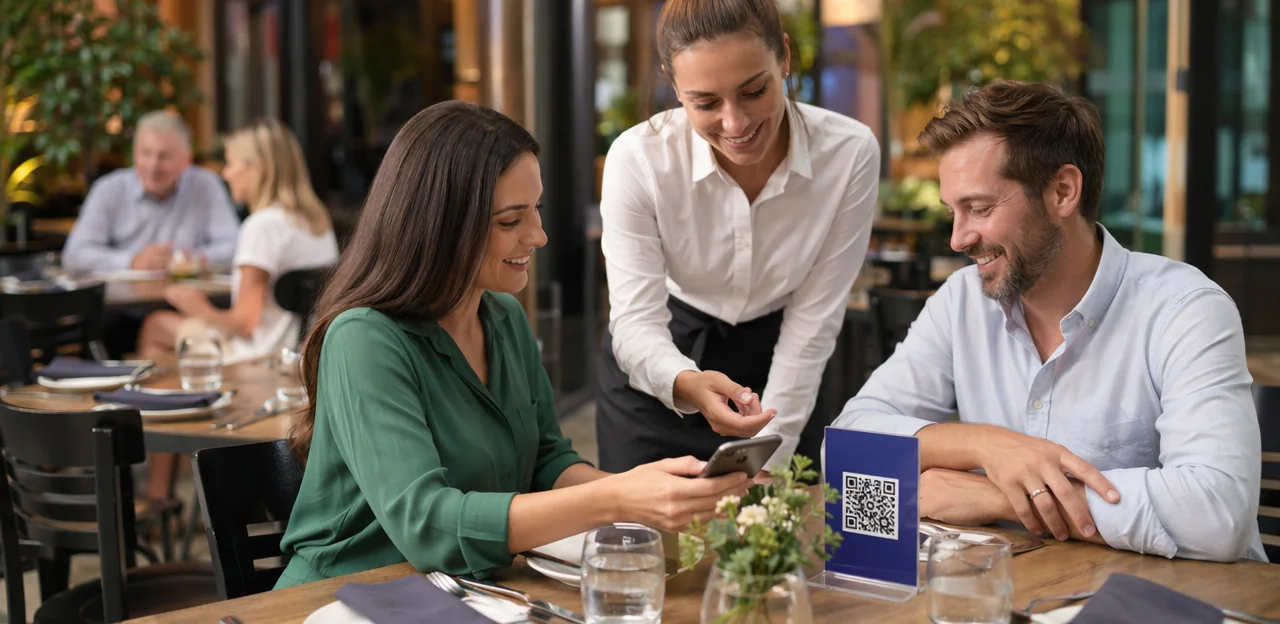
Choosing the right format: stickers, cards, table tents, and signage
For effective hotel lobby feedback, choose the format that fits traffic, surfaces, and housekeeping routines:
- QR code stickers work best on smooth, fixed surfaces like reception desks, check-in pods, elevators, or luggage stations. Use a durable qr code sticker with lamination where frequent wiping or heavy touch is expected. Check qr code sticker size so guests can scan from a comfortable standing distance.
- Printed inserts suit brochure holders, welcome folders, or key card sleeves. They’re low-cost and easy to replace, especially when using qr code paper for short-term campaigns.
- Table tents are ideal for lobby cafés, seating areas, and waiting tables where guests pause longer.
- Acrylic signs or branded displays are better for premium spaces, high visibility, and long-term use where custom qr code stickers or professional qr code printing need extra protection.
Always print qr code stickers with strong contrast and place them where guests naturally stop.
Print quality, durability, and scan reliability
For hotel lobby feedback touchpoints, scan success starts with strong qr code printing standards. A poorly printed code creates friction and lowers response rates.
- Use high contrast: black on white is best. Avoid metallic inks, low-contrast brand colors, or busy backgrounds behind custom qr code stickers.
- Choose a practical qr code sticker size: at least 3–4 cm wide for close-range lobby use, larger if placed behind a desk or near an entrance.
- Prefer matte finishes. Glossy surfaces can reflect lobby lighting and reduce scan reliability.
- QR code paper is acceptable for short-term campaigns, indoor tests, or low-traffic placements.
- For permanent signage, print qr code stickers on laminated vinyl or use waterproof materials to resist cleaning chemicals, humidity, scratches, and daily wear.
- Use durable qr code stickers or a waterproof qr code sticker on stands, counters, or doors where frequent contact is expected.
Always test scans from multiple phones and angles before rollout.
Sizing and branding for better scan performance
For effective hotel lobby feedback, design matters as much as placement. Use these best practices to keep qr code stickers elegant and easy to scan:
- Choose the right qr code sticker size: For lobby counters, stands, or check-in desks, a qr code sticker size of 3 x 3 inches (7.5 x 7.5 cm) is a strong minimum. If guests scan from farther away, go larger.
- Protect the quiet zone: Leave a clear white margin around the code—at least 4 modules wide—so qr code printing stays readable on metal, acrylic, or qr code paper.
- Use logos carefully: A small centered logo can work on custom qr code stickers, but keep it subtle and test scanability before you print qr code stickers.
- Add a clear CTA: Use short copy like “Tap or Scan to Share Feedback” on each qr code sticker.
- Match hotel style: Luxury hotels may prefer muted metallics, boutique properties can use textured finishes, and business hotels often benefit from clean, high-contrast custom qr code stickers.
Creating a Frictionless Guest Feedback Journey

Writing calls to action that encourage immediate participation
Strong CTAs for hotel lobby feedback should feel effortless, timely, and relevant to the moment. Use short prompts that match the guest journey, such as:
- Rate your arrival
- Share lobby feedback
- Tap to tell us about your stay
These phrases improve customer experience because they invite action without slowing guests down. Place them beside a well-designed qr code sticker or NFC touchpoint at reception, seating areas, or exits. For better visibility, use custom qr code stickers with clear branding and test qr code sticker size before ordering. Durable materials like qr code paper can work for short-term use, while quality qr code printing helps scans succeed quickly. If you print qr code stickers, keep wording readable and action-focused.
Optimizing the landing page or survey experience
For effective hotel lobby feedback, the mobile journey must feel instant and effortless. Keep forms short, fast, and context-aware to protect the guest experience and simplify implementation.
- Use a one-screen survey with 1–3 taps before any optional comment field.
- Optimize page speed by compressing images, avoiding heavy scripts, and testing links from qr code stickers on real devices.
- Offer multilingual auto-detection or a clear language switch for international guests.
- Add routing logic so complaints alert staff immediately, compliments feed reviews or testimonials, and service requests create follow-up tasks.
- Ensure qr code printing, custom qr code stickers, qr code paper, and the right qr code sticker size keep scans easy from lobby distance.
- When you print qr code stickers, verify every qr code sticker leads to the correct page.
Using incentives, privacy messaging, and accessibility cues
To improve hotel lobby feedback completion rates ethically, make participation feel safe, simple, and worthwhile.
- Offer optional incentives: Use small rewards like a drink voucher, loyalty points, or prize entry without pressuring guests. Keep the value clear at the scan point.
- Be transparent about privacy: State what data is collected, how it supports customer experience, and how long it takes to respond. A simple line such as “1-minute survey, anonymous unless you choose follow-up” works well in hotels & hospitality.
- Design for accessibility: Place signs at ADA-aware heights, use high-contrast text, and pair NFC with qr code stickers for broader access.
- Optimize print materials: Choose durable custom qr code stickers, confirm qr code sticker size, and use quality qr code printing. If needed, print qr code stickers on weather-resistant qr code paper so each qr code sticker remains easy to scan.
Implementation, Operations, and Staff Enablement

Rolling out QR and NFC touchpoints across one or multiple properties
Use a phased implementation plan to scale NFC & QR touchpoints without disrupting operations:
- Pilot first: Test hotel lobby feedback stations in one property or one high-traffic zone. Compare NFC taps with qr code stickers to see which drives more responses.
- Map placements by property: Create location-specific plans for lobbies, reception desks, lifts, and concierge areas. Standardize qr code sticker size while allowing branded custom qr code stickers where needed.
- Coordinate vendors: Align hardware, qr code printing, and replenishment of qr code paper or signage. For temporary campaigns, print qr code stickers in batches.
- Set SOPs: Define cleaning, placement checks, damaged qr code sticker replacement, escalation routes, and reporting standards for groups and independent hotels.
Training front desk and guest services teams
To make hotel lobby feedback effective, train teams to invite responses as part of a natural welcome or checkout script: “If you’d like, you can tap or scan here to share quick feedback.” Keep it warm, optional, and never pushy to protect the guest experience and overall customer experience in hotels & hospitality.
- Show staff where touchpoints are placed, including NFC signs and qr code stickers
- Standardize branding with the right qr code sticker size, custom qr code stickers, and clear qr code printing
- Check response dashboards regularly and flag negative feedback fast
- Escalate urgent issues immediately to a manager for service recovery
- Replace worn qr code paper materials and re-print qr code stickers when needed
Consistent coaching helps teams stay attentive without interrupting the guest journey.
Maintaining physical assets and updating campaigns
To keep hotel lobby feedback touchpoints effective, build a simple monthly maintenance routine:
- Inspect qr code stickers for peeling, scratches, fading, or poor scan performance.
- Replace any damaged qr code sticker immediately and keep approved backup files ready for fast reorders.
- Standardize qr code printing across properties by using the same artwork, brand colors, landing page URL, and qr code sticker size.
- Choose durable materials such as waterproof vinyl or coated qr code paper for indoor high-traffic areas.
- When you print qr code stickers, document printer settings, finish, adhesive type, and placement height so every site produces consistent custom qr code stickers.
- Refresh seasonal offers, loyalty rewards, or event messaging regularly without changing the core scanning experience.
Measuring Results with AI and Analytics

What metrics hotels should track from lobby feedback touchpoints
To improve hotel lobby feedback, hotels should track a focused set of KPIs from NFC stands and qr code stickers placed at reception desks, concierge areas, and exits. Key metrics include:
- Scan rate and tap rate: how often guests use NFC or a qr code sticker
- Completion rate: percentage who finish the survey after the first interaction
- Sentiment score: overall emotional tone, often surfaced through AI & analytics
- Issue category: recurring themes such as check-in delays, cleanliness, or staff service
- Response time: how quickly teams acknowledge and resolve complaints
- Conversion rate: how many interactions lead to a public review, loyalty sign-up, or service recovery outcome
For stronger guest experience results, optimize qr code sticker size, use durable custom qr code stickers, and ensure clear qr code printing on quality qr code paper when you print qr code stickers.
Using AI to identify patterns and prioritize action
AI turns hotel lobby feedback into clear priorities for hotels & hospitality teams. Instead of reading every comment manually, AI & analytics tools group responses into recurring themes such as wait times, cleanliness, staff friendliness, and queue management, so leaders can improve customer experience faster.
- Detect trends quickly: Spot repeated complaints or praise across shifts, days, or locations.
- Rank issues by impact: Prioritize problems affecting satisfaction, reviews, or repeat stays.
- Connect feedback to touchpoints: Compare responses from NFC stands and qr code stickers placed at reception desks, lifts, or entry queues.
- Improve deployment: Use the right qr code sticker size, custom qr code stickers, and durable qr code paper for visibility.
- Scale consistently: Standardize qr code printing, print qr code stickers clearly, and test each qr code sticker for fast scans.
Turning feedback into continuous lobby experience improvement
Effective hotel lobby feedback only creates value when teams act on it quickly and consistently. Build implementation routines that turn responses from NFC & QR touchpoints into visible improvements:
- Operations: review wait times, seating flow, and queue friction weekly.
- Front office: flag recurring check-in, concierge, or luggage issues for coaching.
- Housekeeping: spot cleanliness concerns around entrances, restrooms, and lounge areas.
- Marketing: test messaging, offers, and signage placement near qr code stickers.
Refine the system over time by auditing qr code sticker size, visibility, and scan rates. Use durable custom qr code stickers, improve qr code printing, and choose suitable qr code paper where needed. Regularly print qr code stickers again if wear reduces scans, and simplify survey questions if completion drops.
Conclusion
In today’s experience-driven hospitality market, effective hotel lobby feedback is no longer a nice-to-have—it’s a practical way to improve service, resolve issues faster, and turn passing guests into loyal advocates. By placing NFC and QR touchpoints in visible, high-traffic lobby areas, hotels can collect real-time insights, reduce survey friction, and give operations teams the data they need to act quickly. Whether you use qr code stickers at the front desk, elevator banks, or concierge stations, the goal is the same: make feedback effortless, immediate, and valuable.
Execution matters. From choosing the right qr code sticker size to ensuring durable qr code printing, every detail affects scan rates and guest participation. Hotels should test placement, print qr code stickers with clear branding, and select materials suited to their environment, whether that means qr code paper for short-term campaigns or custom qr code stickers for a more polished, long-term solution. Even a single well-placed qr code sticker can strengthen your hotel lobby feedback strategy when paired with smart analytics and follow-up workflows.
The next step is simple: audit your lobby journey, identify the best touchpoints, and launch a pilot program with measurable goals. For deeper results, explore platforms such as Tapsy that combine QR and NFC feedback collection with analytics, multilingual flows, and guest engagement tools. Start optimizing hotel lobby feedback now to create a more responsive, guest-centered arrival experience.
Frequently Asked Questions
- Why is the hotel lobby a strong place to collect guest feedback?
The lobby shapes both first and last impressions, so guests are already forming opinions during check-in, waiting, concierge interactions, and checkout. Capturing feedback there helps hotels gather timely insights while the guest is still on-site.
- How do QR codes and NFC improve hotel lobby feedback compared with comment cards?
QR codes and NFC reduce friction because guests can tap or scan in seconds using their phones. They avoid pens, paper handling, and manual data entry, while routing responses directly into dashboards for faster action.
- Where should hotels place QR codes in the lobby for the best response rate?
Strong placements include reception desks, key card sleeves, elevator waiting areas, concierge stations, luggage carts, lobby seating tables, and checkout counters. These are places where guests naturally pause, look around, or interact with staff.
- What are the most common placement mistakes that reduce scans?
Codes often underperform when they are placed too high or too low, covered by reflective materials, or crowded by other signs. Weak connectivity, poor accessibility, and using a code that is too small for the viewing distance also reduce participation.
- When should a hotel use QR stickers, table tents, inserts, or acrylic signs?
QR stickers work well on fixed surfaces like desks, elevators, and luggage stations. Printed inserts fit welcome folders or key card sleeves, table tents suit seating and café areas, and acrylic signs or branded displays are better for premium long-term placements.
- What print and material choices help QR codes scan reliably in busy hotel lobbies?
High-contrast printing, matte finishes, and durable materials improve scan reliability. For short-term indoor campaigns, QR code paper can work, while permanent placements are better on laminated vinyl or waterproof materials that resist cleaning, humidity, and wear.
- What QR code size is recommended for hotel lobby feedback touchpoints?
For close-range lobby use, at least 3–4 cm wide is recommended, and a 3 x 3 inch (7.5 x 7.5 cm) size is presented as a strong minimum for counters, stands, or check-in desks. If guests will scan from farther away, the code should be larger.
- How should hotels brand QR feedback materials without hurting scan performance?
Hotels should keep a clear white quiet zone around the code, use strong contrast, and add only a small centered logo if needed. A short call to action like “Tap or Scan to Share Feedback” helps, while branding should stay subtle enough to preserve scanability.
- What kind of call to action works best for lobby feedback prompts?
Short, immediate prompts work best, such as “Rate your arrival,” “Share lobby feedback,” or “Tap to tell us about your stay.” The wording should feel effortless and relevant to the guest’s current moment in the lobby.
- How can hotels make the mobile survey experience feel frictionless?
The survey should fit on one screen and require only 1–3 taps before any optional comment field. It should also load quickly, support multilingual guests, and route complaints, compliments, or service requests to the right follow-up path.
- Should hotels use incentives and privacy messaging for feedback collection?
Yes, small optional incentives like a drink voucher, loyalty points, or prize entry can encourage participation without pressure. Clear privacy messaging, such as explaining what data is collected and whether the survey is anonymous, helps guests feel comfortable responding.
- What is a practical way to roll out QR and NFC feedback across one or multiple properties?
A phased rollout works best: start with a pilot in one property or one high-traffic zone, then compare NFC taps and QR scans. After that, map placements by property, coordinate vendors, and define SOPs for cleaning, replacement, escalation, and reporting.
- How should front desk and guest services teams support lobby feedback collection?
Staff should invite feedback naturally with a warm, optional script during welcome or checkout. Teams also need to know where touchpoints are located, monitor dashboards, escalate urgent issues quickly, and replace worn materials when needed.
- Which metrics should hotels track from lobby QR and NFC touchpoints?
Useful KPIs include scan rate, tap rate, completion rate, sentiment score, issue category, response time, and conversion rate. Tracking these metrics helps hotels understand both engagement with the touchpoints and the operational impact of the feedback.
- How can AI and analytics turn lobby feedback into operational improvements?
AI can group comments into themes like wait times, cleanliness, staff friendliness, and queue management, making patterns easier to spot. Teams can then prioritize high-impact issues, compare performance by touchpoint, and use weekly reviews to improve operations, front office, housekeeping, and marketing.