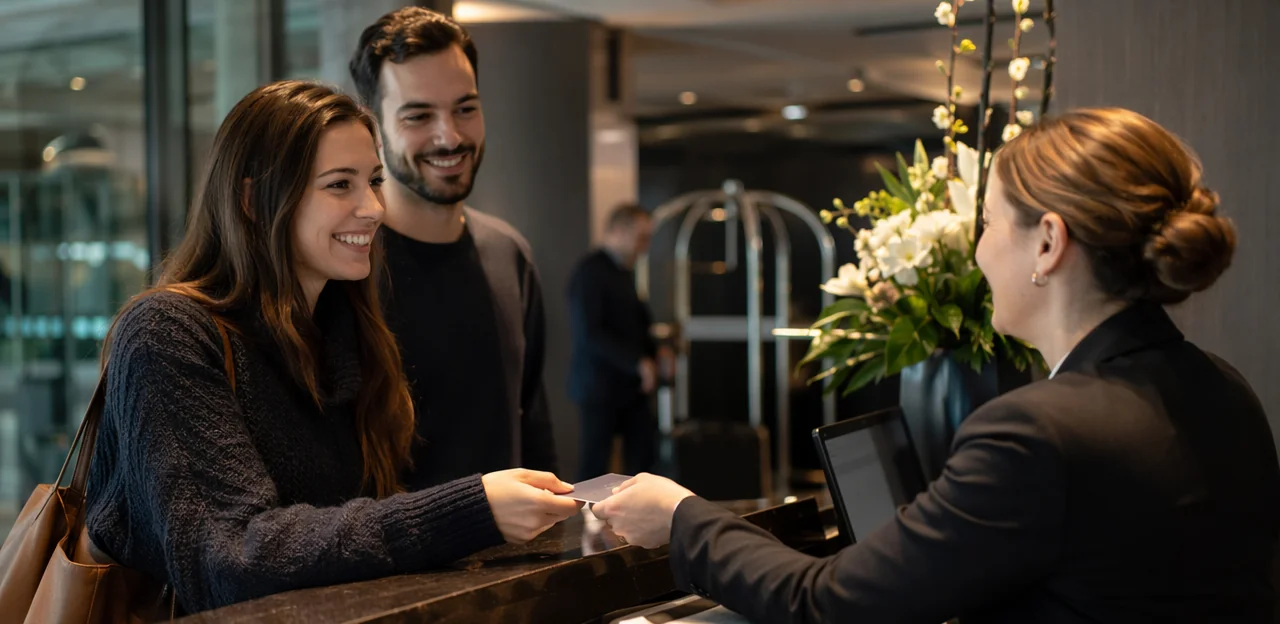
In hospitality, loyalty is no longer built on points alone. Today’s guests expect fast, personalized experiences, and they want to feel heard at every stage of their stay. That shift is changing how hotels think about hotel loyalty rewards, moving beyond traditional discounts toward smarter, feedback-driven engagement that strengthens guest relationships in real time.
Modern hotel loyalty rewards programs are increasingly tied to the guest experience itself. When hotels respond quickly to on-site insights, resolve issues faster, and reward participation, they create a more compelling form of hotel loyalty. This approach also helps brands stand out in a crowded market where travelers often compare the best hotel loyalty programs not just by perks, but by convenience, personalization, and value. Even as travel apps loyalty rewards programs hotel flight bookings continue to shape traveler expectations, accommodation providers have a unique opportunity to turn direct feedback into retention and repeat stays.
This article explores how guest feedback can power a stronger hotel loyalty scheme, why timely incentives matter, and how hotels can use a guest feedback tool to connect satisfaction data with retention strategies. We’ll also touch on what makes a smart hotel loyalty programs comparison, how AI and analytics support better decision-making, and why feedback-led rewards are becoming an essential part of modern hospitality growth.
Why Guest Feedback Matters for Hotel Loyalty Rewards

The link between guest satisfaction and repeat bookings
Guest satisfaction is the foundation of hotel loyalty rewards because guests return when problems are fixed, preferences are remembered, and service feels personal. A reliable guest feedback tool helps hotels spot friction points early, from slow check-in to room cleanliness, and turn them into retention opportunities.
- Use real-time feedback to identify service gaps before they damage hotel loyalty
- Link feedback themes to offers, upgrades, or perks in hotel loyalty rewards programs
- Reward guests for sharing input, not just spending, to strengthen your hotel loyalty scheme
- Compare repeat-stay data with survey results to refine benefits, much like a hotel loyalty programs comparison
Unlike generic travel apps loyalty rewards programs hotel flight bookings, hotels build stronger loyalty by listening on property. Even the best hotel loyalty programs work better when rewards reflect real guest needs.
How feedback shapes perceived value in loyalty programs
Guests do not judge hotel loyalty rewards by points alone; they judge them by how useful and effortless they feel in the real guest journey. Feedback reveals what actually improves customer experience, helping hotels refine hotel loyalty rewards programs around clear expectations:
- Relevance: Guests value rewards that match stay purpose, such as breakfast, late checkout, spa credit, or family perks.
- Ease of redemption: A strong hotel loyalty scheme removes friction, with simple claiming rules and clear timing.
- Recognition: Personalized offers make guests feel seen, which often matters as much as the reward itself.
- Service recovery: After a poor stay, targeted rewards can rebuild trust faster than generic compensation.
Using a guest feedback tool helps teams improve hotel loyalty, strengthen retention, and compete with the best hotel loyalty programs.
Common feedback themes that influence loyalty decisions
Recurring feedback patterns often reveal what drives hotel loyalty rewards and repeat stays. The most influential themes include:
- Check-in speed: Long waits create friction early. Fast, mobile-friendly arrival improves the guest experience and supports stronger loyalty & retention.
- Room quality: Cleanliness, comfort, noise levels, and maintenance directly affect whether guests return, regardless of the perks in hotel loyalty rewards programs.
- Staff responsiveness: Quick issue resolution builds trust and strengthens overall hotel loyalty.
- Mobile convenience: Guests increasingly expect digital keys, simple service requests, and seamless booking flows similar to travel apps loyalty rewards programs hotel flight bookings.
- Reward transparency: Clear earning rules, visible benefits, and easy redemption matter in any hotel loyalty scheme.
Hotels that track these themes with a guest feedback tool can improve service, sharpen hotel loyalty programs comparison positioning, and compete with the best hotel loyalty programs.
Using AI and Analytics to Turn Feedback Into Better Rewards

How AI identifies patterns in guest comments and reviews
Using AI & Analytics, hotels can turn raw survey responses, online reviews, and post-stay comments into clear action points for hotel loyalty rewards. A strong guest feedback tool scans large volumes of text, detects recurring themes, and measures sentiment around issues like check-in speed, room cleanliness, breakfast quality, or reward value.
AI helps teams spot:
- Positive and negative sentiment trends across channels
- Repeated complaints tied to loyalty perks or redemption friction
- High-impact requests from guests most likely to return
- Differences by segment, such as business travelers vs. leisure guests
This allows hotels to improve hotel loyalty rewards programs based on evidence, not guesswork. For example, if reviews show guests value late checkout more than discount vouchers, that perk should be prioritized. These insights also support a smarter hotel loyalty scheme, stronger hotel loyalty retention, and more informed hotel loyalty programs comparison against competitors, including best hotel loyalty programs and even travel apps loyalty rewards programs hotel flight bookings.
Personalizing offers based on behavior and sentiment
Hotels can make hotel loyalty rewards far more effective by matching offers to what guests actually do and say. When booking history, on-property spend, stay frequency, and feedback comments are analyzed together, teams can deliver incentives that feel relevant instead of generic—improving both customer experience and repeat bookings.
- Offer room upgrades to frequent business travelers who value convenience and speed.
- Send spa, dining, or late-checkout perks to leisure guests who mention relaxation in surveys.
- Provide recovery discounts or bonus points when sentiment is negative, helping protect hotel loyalty after a poor stay.
- Reward promoters with exclusive packages, referral perks, or VIP access often seen in the best hotel loyalty programs.
A smart guest feedback tool can help hotels turn sentiment into action, strengthening hotel loyalty rewards programs, refining a hotel loyalty scheme, and outperforming generic travel apps loyalty rewards programs hotel flight bookings offers. This also supports smarter hotel loyalty programs comparison and targeting.
Predicting churn and improving retention with feedback data
Feedback analytics can identify guests most likely to defect before they disappear. When low CSAT, negative comments, repeated service issues, or declining engagement appear together, hotels can flag an at-risk profile and act fast. This turns hotel loyalty rewards from generic perks into targeted recovery tools that protect guest experience and strengthen loyalty & retention.
- Detect churn signals: Combine survey scores, sentiment, stay frequency, complaint history, and redemption behavior in a guest feedback tool.
- Trigger recovery actions: Send a same-day apology, service follow-up, or bonus points through your hotel loyalty scheme.
- Personalize offers: Tailor upgrades, dining credits, or return-stay incentives based on what went wrong.
Used well, hotel loyalty rewards programs can outperform one-size-fits-all campaigns seen in travel apps loyalty rewards programs hotel flight bookings. This also supports smarter hotel loyalty programs comparison against the best hotel loyalty programs in the market.
Designing Hotel Loyalty Rewards Programs Guests Actually Want
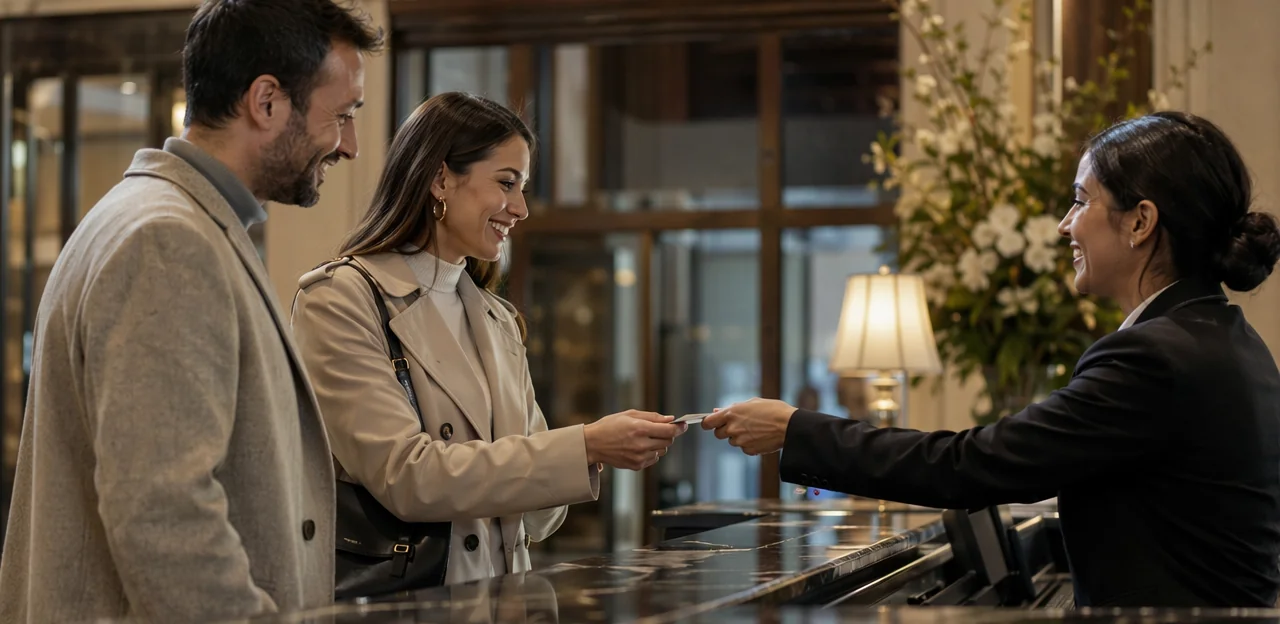
Core features of effective hotel loyalty rewards programs
Effective hotel loyalty rewards work best when guests instantly understand how to earn, redeem, and benefit. The strongest hotel loyalty rewards programs usually include:
- Simple earning rules: Clear points-per-stay or points-per-spend models reduce friction and improve participation in any hotel loyalty scheme.
- Flexible redemption: Let guests use rewards for room upgrades, dining, spa credits, or late checkout, not just free nights.
- Tier-based benefits: The best hotel loyalty programs offer visible progress and perks like priority check-in, exclusive rates, and bonus points.
- Mobile-first access: Easy tracking through websites or apps matters, especially as travelers compare travel apps loyalty rewards programs hotel flight bookings in one journey.
- Meaningful perks: Benefits should feel relevant, not generic.
Clarity and convenience often matter more than reward size. A smart guest feedback tool can also personalize offers and strengthen hotel loyalty over time, making any hotel loyalty programs comparison more favorable.
Balancing transactional rewards with emotional loyalty
Points matter, but hotel loyalty rewards feel far more powerful when they are paired with recognition. A free night or discount may drive repeat bookings, yet emotional loyalty is built when guests feel remembered, valued, and cared for throughout the guest experience.
- Personalize the reward: Match perks to behavior, such as late checkout for business travelers or a welcome treat for families.
- Add surprise value: Small, unexpected upgrades often outperform generic points in many hotel loyalty rewards programs.
- Resolve issues fast: Turning negative guest feedback into immediate action strengthens hotel loyalty more than a standard compensation offer.
- Recognize, don’t just reward: A handwritten note, staff acknowledgment, or tailored offer can elevate a basic hotel loyalty scheme.
The best hotel loyalty programs combine transactional benefits with human connection. In any hotel loyalty programs comparison, brands that act quickly on insight from a guest feedback tool often stand out beyond typical travel apps loyalty rewards programs hotel flight bookings.
Mobile integration is now central to hotel loyalty rewards, because guests expect one journey from feedback to future booking. When a stay review connects directly to a hotel app or partner platform, brands can instantly issue points, unlock perks, and personalize offers based on preferences. This strengthens customer experience while making hotel loyalty rewards programs feel useful, not delayed.
- Sync feedback with app profiles so guests can track points, vouchers, and tier progress in real time.
- Bundle hotel stays with transport perks, which is why travel apps loyalty rewards programs hotel flight bookings have become a major expectation.
- Use a guest feedback tool to trigger targeted rewards such as late checkout, dining credits, or discounted return stays.
- Support easy comparison features, since travelers often review a hotel loyalty programs comparison before choosing among the best hotel loyalty programs.
A connected hotel loyalty scheme makes hotel loyalty more immediate, flexible, and bookable.
Hotel Loyalty Programs Comparison: What Sets Top Brands Apart

Key criteria for a hotel loyalty programs comparison
A smart hotel loyalty programs comparison should look past headline perks and assess real guest value. Use this framework when reviewing hotel loyalty rewards and choosing among the best hotel loyalty programs:
- Earning rates: Compare points earned per stay, bonus categories, and whether the hotel loyalty scheme rewards direct bookings more generously.
- Redemption flexibility: Check blackout dates, dynamic pricing, and whether points can be used for upgrades, dining, or mixed cash-and-points stays.
- Elite tiers: Review how quickly status is earned and whether benefits are consistently delivered.
- App usability: Strong travel apps loyalty rewards programs hotel flight bookings features make managing stays easier.
- Partner benefits: Value airline, card, and local experience partnerships.
- Feedback responsiveness: The best hotel loyalty rewards programs connect perks to service recovery, ideally through a guest feedback tool.
What the best hotel loyalty programs do differently
The best hotel loyalty programs go beyond points. They use guest feedback tool data, AI & Analytics, and fast service recovery to make hotel loyalty rewards feel personal and timely.
- They act on feedback immediately: If a guest reports a poor check-in or room issue, standout brands trigger recovery offers, upgrades, or bonus points in real time.
- They personalize rewards: Strong hotel loyalty rewards programs analyze stay history, preferences, and behavior across travel apps loyalty rewards programs hotel flight bookings to tailor benefits.
- They refine the hotel loyalty scheme continuously: A smart hotel loyalty programs comparison often shows responsiveness—not just perks—separates average from exceptional hotel loyalty strategies.
Where traditional hotel loyalty schemes fall short
Many hotel loyalty rewards models still frustrate guests instead of building loyalty. Common gaps include:
- Blackout dates and restricted availability, which make points feel unreliable
- Confusing terms and tiers that weaken trust in a hotel loyalty scheme
- Low-value points compared with cash rates or perks
- Poor personalization, with generic offers unrelated to guest preferences
This is why even the best hotel loyalty programs can underperform in a hotel loyalty programs comparison. Modern hotel loyalty rewards programs should use a guest feedback tool to capture real-time preferences, fix pain points, and tailor rewards. Smarter hotel loyalty means flexible perks, transparent value, and offers shaped by actual guest behavior, not assumptions or outdated travel apps loyalty rewards programs hotel flight bookings logic.
How Hotels Can Build a Feedback-Driven Loyalty Strategy
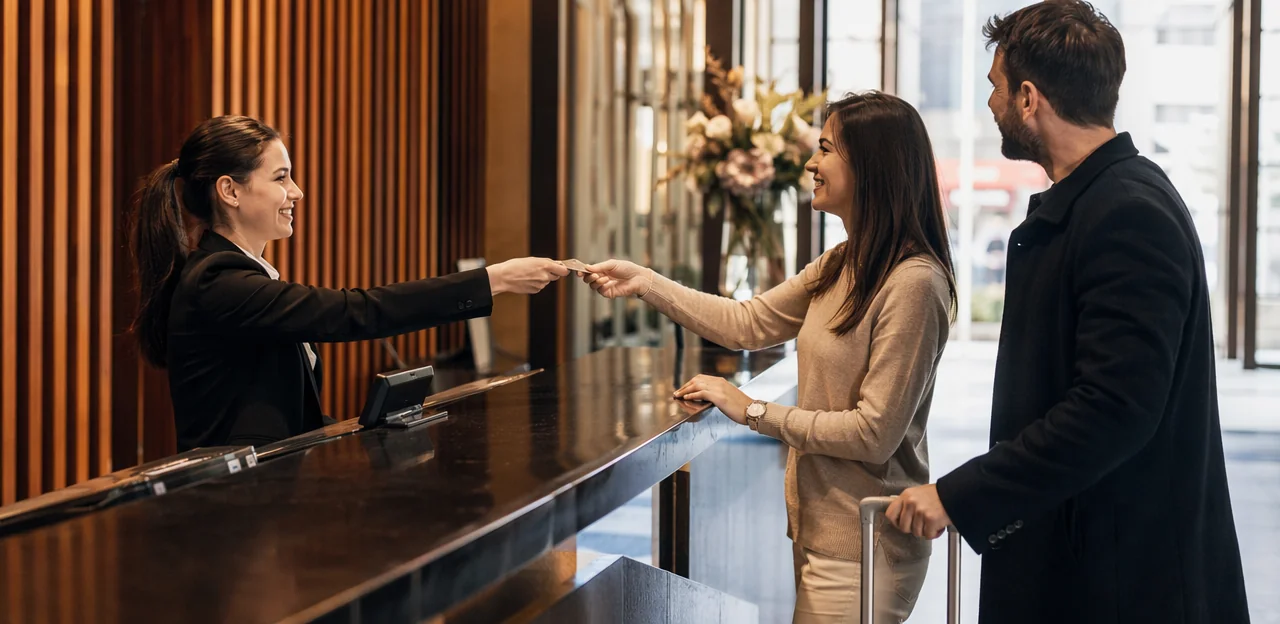
Choosing the right guest feedback tool
To support hotel loyalty rewards, hotels need a guest feedback tool that does more than collect survey answers. Look for platforms that help loyalty teams act fast and personalize follow-up.
- Survey automation: Trigger post-stay, in-stay, or outlet-specific surveys automatically to improve response rates and strengthen hotel loyalty.
- Review aggregation: Pull feedback from on-site surveys, Google, OTAs, and social channels into one dashboard.
- Sentiment analysis: Use AI & Analytics to detect recurring issues, identify promoters, and spot guests likely to disengage.
- CRM integration: Connect feedback with guest profiles to power smarter hotel loyalty rewards programs and targeted offers.
- Actionable reporting: Choose reports that show trends, segment by property or guest type, and support hotel loyalty programs comparison and best hotel loyalty programs benchmarking.
A strong hotel loyalty scheme turns feedback into retention, not just data.
Creating a closed-loop process after negative feedback
A closed-loop response turns complaints into loyalty opportunities. When a guest shares poor feedback, hotels should act fast to protect customer experience and strengthen hotel loyalty.
- Alert the right team immediately: Route issues from a guest feedback tool to front desk, housekeeping, or management in real time.
- Recover service before checkout: Offer a practical fix first, then add tailored hotel loyalty rewards such as bonus points, dining credits, or a future-stay perk.
- Personalize the incentive: Align recovery offers with your hotel loyalty scheme and guest history, not generic discounts.
- Follow up after resolution: Send a short message confirming the fix, thanking the guest, and inviting them back through hotel loyalty rewards programs.
This approach improves retention, supports stronger review outcomes, and helps hotels compete with best hotel loyalty programs and even travel apps loyalty rewards programs hotel flight bookings.
Measuring success with loyalty and experience KPIs
To improve hotel loyalty rewards, hotels should track KPIs that connect guest experience to revenue and loyalty & retention outcomes. Focus on:
- Repeat booking rate: shows whether guests return after redeeming rewards.
- Redemption rate: reveals if incentives in your hotel loyalty rewards programs are attractive and easy to use.
- NPS and review sentiment: measure advocacy, satisfaction, and how your hotel loyalty scheme influences perception.
- Direct bookings: track whether rewards reduce OTA dependence and outperform travel apps loyalty rewards programs hotel flight bookings.
- Guest lifetime value: identifies which offers drive long-term profitability.
Use a guest feedback tool to connect survey responses with reward behavior, then refine tiers, perks, and timing. This creates a practical hotel loyalty programs comparison framework and helps shape one of the best hotel loyalty programs for your audience.
Future Trends in Hotel Loyalty Rewards and Guest Experience
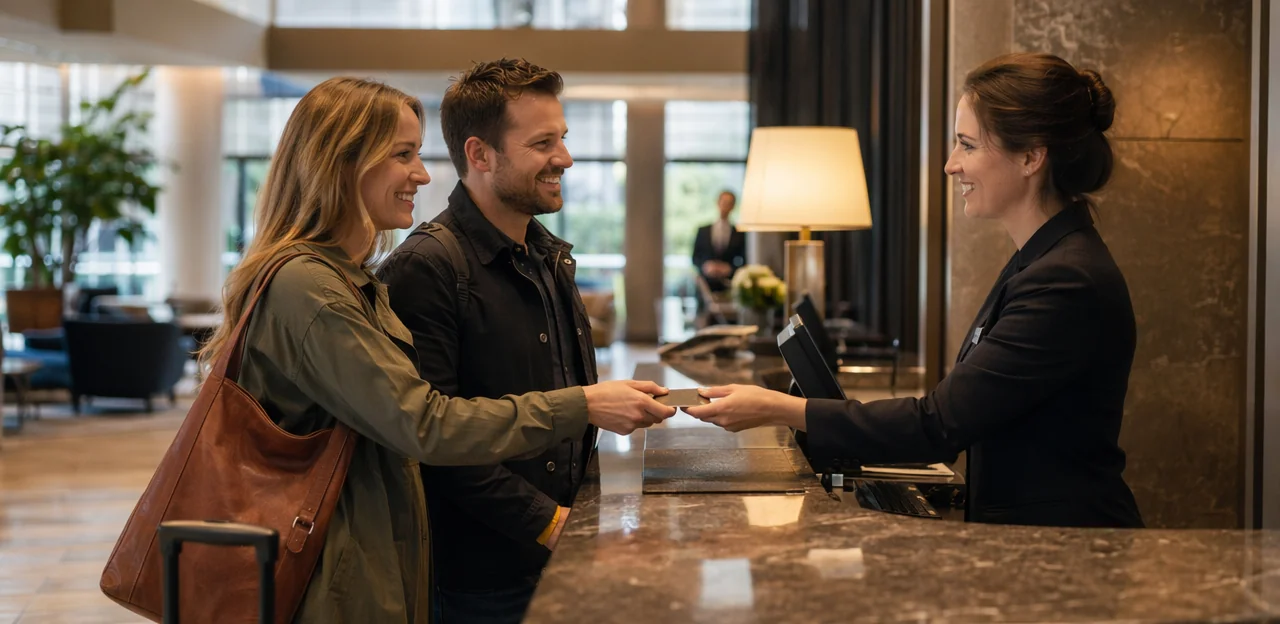
Hyper-personalization and real-time reward delivery
Hotels are shifting hotel loyalty rewards from post-stay points into in-the-moment benefits powered by AI & Analytics and live guest signals. When a guest shares feedback during the stay, properties can instantly trigger perks that improve the customer experience before checkout.
- A low dining score can unlock a dessert, drink, or priority service recovery.
- Positive spa feedback may trigger an upgrade offer or bonus within hotel loyalty rewards programs.
- Frequent business travelers can receive tailored late checkout or workspace perks through a hotel loyalty scheme.
This responsive model will outperform static offers seen in travel apps loyalty rewards programs hotel flight bookings, and reshape how brands evaluate the best hotel loyalty programs in any hotel loyalty programs comparison. A real-time guest feedback tool makes modern hotel loyalty more relevant, measurable, and retention-driven.
Cross-brand partnerships and travel ecosystem loyalty
Modern hotel loyalty rewards work best when they extend beyond the property. Guests increasingly expect connected value across the full trip, from airfare to check-in to local experiences, which is why many of the best hotel loyalty programs now partner with airlines, payment platforms, and travel apps.
- Link hotel loyalty rewards programs with airline miles to reward both stays and flight bookings.
- Partner with card issuers and wallets so guests earn points faster through everyday spend.
- Integrate travel apps loyalty rewards programs hotel flight bookings journeys into one seamless redemption experience.
- Use a guest feedback tool to trigger bonus points, upgrades, or partner offers after real-time feedback.
This connected hotel loyalty scheme strengthens hotel loyalty, improves retention, and supports smarter hotel loyalty programs comparison strategies.
From generic points to experience-led loyalty
The next wave of hotel loyalty rewards will move beyond generic points toward benefits guests actually remember: personalized upgrades, late checkout, welcome amenities, and recognition shaped by real-time preferences. A modern hotel loyalty scheme should use feedback to tailor offers after each stay, turning service insight into retention.
- Use a guest feedback tool to identify what guests value most, then reward those preferences.
- Prioritize curated experiences over discounts alone, even when benchmarking the best hotel loyalty programs.
- Build trust with transparent, relevant rewards rather than generic perks common in many hotel loyalty rewards programs.
This makes hotel loyalty more personal, strengthens brand trust, and improves long-term repeat bookings more effectively than broad hotel loyalty programs comparison metrics alone.
Conclusion
In today’s competitive hospitality landscape, the most effective hotel loyalty rewards strategies do more than offer points or discounts—they turn every guest interaction into an opportunity to build trust, improve service, and inspire repeat stays. When hotels connect meaningful incentives with real-time guest feedback, they create smarter, more responsive experiences that strengthen hotel loyalty and drive long-term retention. That’s what sets high-performing hotel loyalty rewards programs apart from generic promotions.
Whether you’re evaluating the best hotel loyalty programs, refining a current hotel loyalty scheme, or conducting a hotel loyalty programs comparison, the same principle applies: guests are more likely to return when they feel heard and rewarded. Adding a modern guest feedback tool helps hotels capture actionable insight faster, personalize offers, and continuously improve the guest journey. Even as travelers compare options across travel apps loyalty rewards programs hotel flight bookings, direct, feedback-driven engagement remains a powerful differentiator.
The next step is simple: review your current loyalty and feedback strategy, identify gaps in the guest experience, and invest in tools that connect insight with instant value. Explore hospitality analytics platforms, guest engagement solutions, or streamlined feedback systems such as Tapsy to modernize your approach. The future of hotel loyalty rewards belongs to brands that listen better, respond faster, and reward more intelligently.
Frequently Asked Questions
- How does guest feedback improve hotel loyalty rewards?
Guest feedback shows where the stay experience is working and where it is failing, such as check-in delays, room issues, or poor service recovery. Hotels can use those insights to adjust perks, fix problems faster, and offer rewards that feel more relevant to each guest.
- Why are hotel loyalty rewards no longer just about points?
Guests increasingly expect speed, personalization, and recognition throughout their stay, not only after they spend enough to earn points. Loyalty becomes stronger when rewards are tied to real experiences, quick responses, and useful benefits like upgrades, late checkout, or dining credits.
- What feedback themes most influence whether guests return?
Common themes include check-in speed, room quality, staff responsiveness, mobile convenience, and reward transparency. These factors directly shape satisfaction and can outweigh the value of points if they create friction or make the stay feel effortless.
- How can hotels reward guests for sharing feedback?
Hotels can offer bonus points, upgrades, dining credits, or future-stay perks when guests provide useful input. Rewarding participation helps guests feel heard and turns feedback into part of the loyalty experience rather than a separate process.
- What does AI do in a feedback-driven hotel loyalty strategy?
AI helps hotels scan survey responses, reviews, and comments to detect sentiment, recurring complaints, and high-impact requests. That makes it easier to decide which rewards matter most and which guest segments need different offers or recovery actions.
- How can hotels personalize loyalty offers using guest behavior and sentiment?
Hotels can combine booking history, on-property spend, stay frequency, and feedback comments to match perks to guest needs. For example, business travelers may value late checkout or upgrades, while leisure guests may respond better to spa or dining benefits.
- How can feedback data help predict churn in hotel loyalty programs?
Low satisfaction scores, negative comments, repeated service issues, and declining engagement can signal that a guest is at risk of not returning. Hotels can use those signals to trigger fast recovery actions such as apologies, bonus points, or tailored return-stay incentives.
- What features make a hotel loyalty rewards program effective?
Strong programs usually have simple earning rules, flexible redemption options, visible tier benefits, mobile-first access, and perks that feel meaningful. Clarity and convenience matter as much as reward size because guests are more likely to participate when the program is easy to understand and use.
- What is the difference between transactional rewards and emotional loyalty?
Transactional rewards focus on benefits like points, discounts, or free nights. Emotional loyalty comes from recognition, personalization, quick issue resolution, and small touches that make guests feel remembered and valued.
- Why is mobile integration important for hotel loyalty rewards?
Mobile integration lets guests track points, vouchers, and tier progress in real time and connects feedback directly to future offers. It also supports the seamless digital experience travelers expect when comparing hotel stays with broader travel app loyalty journeys.
- What should hotels compare when evaluating loyalty programs?
Useful comparison points include earning rates, redemption flexibility, elite tier value, app usability, partner benefits, and how well the program responds to guest feedback. Looking beyond headline perks helps reveal whether a program delivers practical value and supports retention.
- What do the best hotel loyalty programs do differently?
Top programs act quickly on guest feedback, personalize rewards based on behavior and preferences, and continuously refine benefits using data. Their advantage comes from responsiveness and relevance, not just from offering more points.
- Where do traditional hotel loyalty schemes often fall short?
Many older models frustrate guests with blackout dates, confusing terms, low-value points, and generic offers. These issues reduce trust and make rewards feel disconnected from what guests actually want during and after a stay.
- What should hotels look for in a guest feedback tool?
A useful tool should support survey automation, review aggregation, sentiment analysis, CRM integration, and reporting that helps teams act quickly. The goal is not only to collect responses but to connect feedback with guest profiles and retention actions.
- What future trends are shaping hotel loyalty rewards?
Key trends include hyper-personalized rewards, real-time perk delivery during the stay, cross-brand partnerships, and a shift from generic points to experience-led benefits. Hotels are moving toward rewards shaped by live feedback, preferences, and connected travel ecosystems.