
A single bad public review can shape a traveler’s decision in seconds, yet many guest issues could have been resolved long before they reached Google, TripAdvisor, or OTA listings. That is why hotel review prevention has become a critical strategy for modern accommodation providers. Rather than waiting for complaints to appear online, leading hotels are creating smarter ways to capture private, in-the-moment feedback review opportunities while the guest is still on property and the experience can still be improved.
With the right guest feedback tool or guest feedback software, hotels can identify service gaps early, respond faster, and turn disappointment into recovery. This approach not only protects brand reputation, but also helps teams understand what drives a positive service review and what influences whether guests will leave us a review after checkout. It can even reveal the moments when a guest is searching how to write a positive review, or when frustration may lead them to post first and edit review details later.
In this article, we’ll explore how private feedback channels, AI-powered analytics, and proactive review management work together to reduce negative public reviews, strengthen guest satisfaction, and create more opportunities for authentic positive feedback. We’ll also look at the tools, processes, and best practices hotels can use to turn guest insight into better experiences and stronger long-term loyalty.
Why Hotel Review Prevention Matters for Modern Hospitality Brands
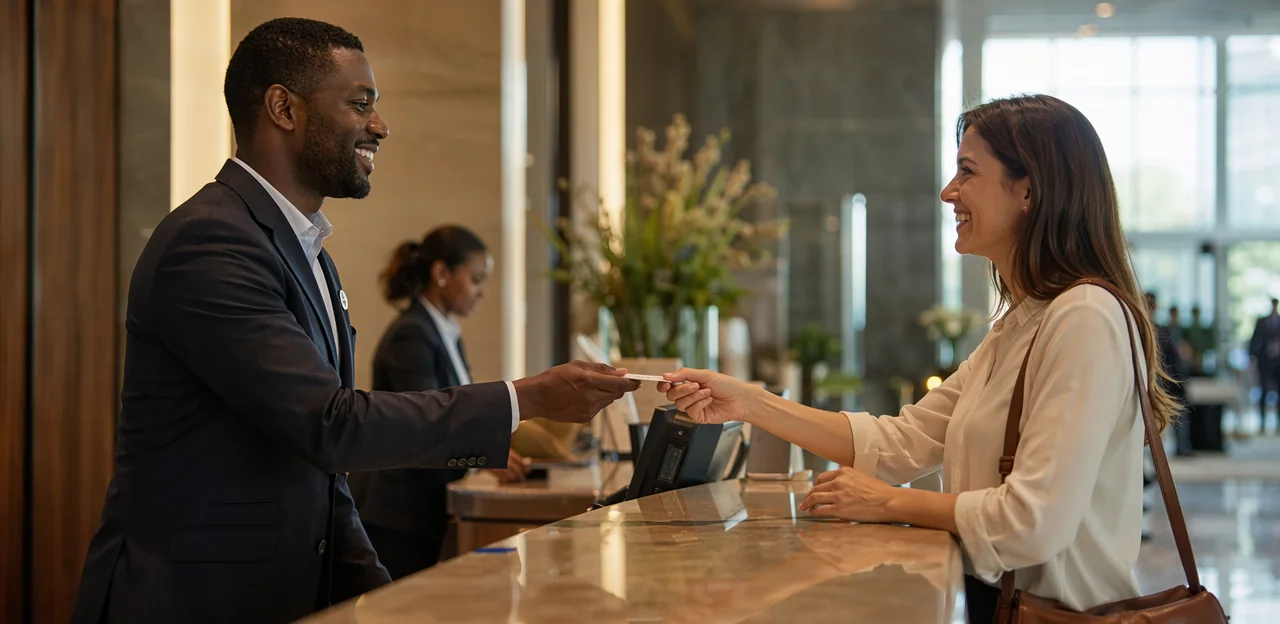
Public ratings shape booking decisions long before a guest arrives. A one-star drop can reduce traveler trust, weaken OTA ranking signals, and push potential guests toward competitors with stronger social proof. That affects both marketplace visibility and direct bookings, because poor perception follows the brand across Google, metasearch, and review sites.
Hotel review prevention is not about hiding criticism. It is about catching friction early so a negative service review does not become public before staff can act.
- Use a guest feedback tool or guest feedback software to collect in-stay sentiment privately.
- Trigger a quick feedback review after check-in, dining, or checkout.
- Resolve issues fast, then invite satisfied guests to leave us a review.
- Train teams on how to write a positive review prompts ethically—never script or pressure.
- If a complaint is fixed, some guests may choose to edit review content later.
What guests expect when sharing feedback during and after a stay
Today’s travelers expect feedback to be as easy as messaging: fast, mobile-first, and personal. For effective hotel review prevention, hotels should make it simple for guests to raise concerns privately before they post a public feedback review or negative service review.
Guests respond best when hotels offer:
- Immediate options: QR codes, text links, or an in-room guest feedback tool
- Low-friction forms: no app download, long login, or repeated questions
- Personal follow-up: quick acknowledgment and visible action from staff
- Post-stay convenience: easy prompts to leave us a review when the experience was positive
The right guest feedback software improves guest experience by capturing issues in the moment. When sharing feels effortless, guests are more likely to voice private concerns, ask for resolution, and even learn how to write a positive review instead of needing to edit review comments later.
Private feedback first vs. reactive reputation management
Hotel review prevention works best when hotels collect concerns privately, before frustration turns into a public feedback review on Google, TripAdvisor, or an OTA. Reactive reputation management waits until damage is visible; proactive capture gives teams a chance to fix the stay in real time.
- Use a guest feedback tool or guest feedback software at key touchpoints to spot issues before checkout.
- Route low scores to staff immediately so they can recover service before guests post a negative service review.
- After resolving the issue, invite satisfied guests to leave us a review and explain how to write a positive review based on their improved experience.
- Early intervention also reduces the chance guests later edit review details publicly to highlight unresolved problems.
This prevention-first approach lowers escalation and protects ratings.
How to Capture Private Guest Feedback Before It Becomes a Negative Review

Best moments in the guest journey to request feedback
Timing is critical for hotel review prevention because the right prompt at the right moment helps teams resolve issues before they become public complaints. Use a guest feedback tool or guest feedback software at key touchpoints:
- Check-in: Ask a quick arrival question to confirm expectations are clear and spot early friction.
- First-night stay: A short feedback review after the first night helps uncover room, noise, or cleanliness issues while staff can still fix them.
- Mid-stay: Ideal for longer visits; this is the best time to recover service and improve the overall service review outcome.
- Checkout: Capture final impressions and, if positive, invite guests to leave us a review.
- Post-stay follow-up: Use only after private feedback is collected, and guide satisfied guests on how to write a positive review.
This sequence also reduces requests to edit review concerns later by addressing problems in real time.
Designing low-friction feedback channels guests actually use
Effective hotel review prevention starts by making feedback effortless, immediate, and private. The best approach is to offer multiple low-friction channels so guests can respond in the moment, before frustration turns into a public feedback review or negative service review.
- SMS links: Great for post-check-in or post-service pulse checks with one-tap responses.
- QR codes: Place them in rooms, elevators, and dining areas for instant access without app downloads.
- In-room tablets: Useful for high-touch properties where guests can report issues, request service, or learn how to write a positive review after a resolved stay.
- Email surveys: Best for follow-up detail, though typically less immediate.
- Messaging apps: Familiar channels help guests share concerns quickly and naturally.
A strong guest feedback software platform centralizes every response, flags urgent complaints, and routes them to the right team in real time. That gives staff a chance to resolve problems before guests leave us a review, ask to edit review details later, or post publicly. The right guest feedback tool improves customer experience while protecting reputation.
Questions that uncover problems without creating survey fatigue
For effective hotel review prevention, keep feedback short, specific, and easy to answer in the moment. A strong guest feedback tool or guest feedback software should ask just enough to spot issues before guests post a public feedback review or service review.
- Use quick rating prompts:
- “How was your check-in experience today?”
- “Was your room clean and ready on arrival?”
- “How satisfied are you with staff helpfulness?”
- “Did anything fall below expectations?”
- Add one open-text question:
- “What could we fix right now to improve your stay?”
- “What almost stopped you from wanting to leave us a review?”
- “What would make this a 5-star experience?”
These questions support fast service recovery, stronger review analysis, and help teams understand sentiment before guests search how to write a positive review or decide to edit review content later.
Using AI and Analytics to Strengthen Hotel Review Prevention

How AI detects risk signals in guest sentiment
AI & Analytics helps hotels spot dissatisfaction before it turns into a public complaint. By analyzing survey answers, chat messages, complaint logs, and operational data, a guest feedback software platform can flag risk early and support stronger hotel review prevention.
- Sentiment scoring: AI rates each response by tone, helping teams identify negative shifts in a feedback review or service review before checkout.
- Keyword detection: Terms like “dirty,” “rude,” “waiting,” or “refund” trigger alerts, while phrases such as “how to write a positive review” or “leave us a review” signal happier guests.
- Urgency flags: Repeated complaints, low scores, or unresolved issues are prioritized for immediate follow-up.
- Cross-data analysis: A guest feedback tool can connect sentiment with housekeeping delays, long check-in times, or maintenance tickets.
This lets staff resolve issues fast, recover experiences privately, and reduce requests to edit review outcomes later.
Automating alerts and service recovery workflows
Automation is central to hotel review prevention because it turns negative signals into immediate action before a public service review appears online. When a guest feedback tool detects keywords like “dirty room,” “broken AC,” or “slow check-in,” it should instantly route alerts to the right team.
- Housekeeping: cleanliness complaints trigger room-level tasks
- Maintenance: equipment issues create urgent repair tickets
- Front desk: service delays prompt guest follow-up
- Management: repeated patterns escalate for oversight
The best guest feedback software timestamps each action, assigns ownership, and tracks resolution status for closed-loop accountability. This improves customer experience, supports every feedback review, and helps staff recover issues before guests search how to write a positive review, edit review, or publicly leave us a review in frustration.
Turning feedback data into operational improvements
Effective hotel review prevention depends on acting on patterns, not isolated complaints. A strong guest feedback software dashboard helps hotels filter every feedback review by room type, shift, amenity, or property, making recurring issues easy to spot before they trigger public posts.
- Track repeated complaints like slow check-in, Wi-Fi outages, or housekeeping delays by shift or location.
- Use each service review trend to coach teams with specific examples, not vague reminders.
- Update SOPs when dashboards show the same friction points across multiple stays.
- Compare properties to identify where training, staffing, or maintenance needs attention.
This turns a guest feedback tool into an operational system: resolve issues privately, improve consistency, and reduce requests to edit review responses later. Over time, better experiences naturally encourage guests to leave us a review and learn how to write a positive review from genuine satisfaction.
Encouraging Positive Reviews Ethically After Resolving Issues

When and how to ask satisfied guests to leave a review
Timing matters in hotel review prevention. Ask for a public review only after a clearly positive moment—such as a smooth checkout, a resolved complaint, or a warm thank-you from the guest. First, use a guest feedback tool or guest feedback software to collect private feedback review signals, so issues are handled before guests post a negative service review.
- Best times to ask:
- At checkout after a successful stay
- Right after issue resolution and guest confirmation
- Within 24 hours of departure in a polite follow-up
Keep the wording light and compliant: “We’re glad you enjoyed your stay. If you’d like to leave us a review, we’d really appreciate it.” You can also guide guests on how to write a positive review by suggesting they mention what they enjoyed—without scripting or pressuring. Never offer incentives for public ratings or ask guests to edit review content dishonestly.
Helping guests understand how to write a positive review
As part of hotel review prevention, staff can gently help guests who ask how to write a positive review without scripting their words. The goal is to make authentic praise easier and more specific.
- Encourage guests to mention what stood out: room cleanliness, bed comfort, check-in speed, breakfast quality, or a helpful team member.
- Suggest they describe one memorable moment in their service review, such as concierge support or housekeeping attention.
- Remind them honest detail is more useful than generic praise in any feedback review.
- If they want to edit review text before posting, encourage clarity and accuracy.
A simple guest feedback tool or guest feedback software can prompt these points before asking guests to leave us a review.
What to do if a guest wants to edit review content later
When a guest says the issue was resolved and asks to edit review details, staff should respond promptly, warmly, and transparently. This is an important part of hotel review prevention because it shows accountability without pressuring the guest.
- Thank them first: Acknowledge the updated experience and apologize again if appropriate.
- Explain platform limits: Let them know some review sites allow users to edit review text, while others may only permit updates, follow-up comments, or a new service review.
- Avoid scripting or pressure: Never tell guests how to write a positive review. Instead, say they’re welcome to update their feedback review if they feel their experience improved.
- Offer a direct path: If suitable, share a private guest feedback tool or guest feedback software link first, then gently invite them to leave us a review publicly if they choose.
Clear, honest follow-up builds trust and supports better long-term review outcomes.
Building a Hotel Review Prevention Process Across Teams

Roles and responsibilities for front desk, housekeeping, and managers
Clear ownership is essential for hotel review prevention and stronger customer experience.
- Front desk: Monitor incoming alerts from your guest feedback tool or guest feedback software, acknowledge concerns in real time, and log each feedback review. They should handle quick fixes, answer questions, and invite satisfied guests to leave us a review.
- Housekeeping: Own room-related recovery during any service review issue, such as cleanliness, amenities, or maintenance escalation. Fast updates help teams act before a guest decides to edit review content publicly.
- Managers: Oversee unresolved cases, approve compensation, track patterns, and personally follow up with guests after recovery.
When teams share notes, deadlines, and status updates, fewer complaints slip through, and staff can even guide happy guests on how to write a positive review after resolution.
Training staff to respond with empathy and speed
Effective hotel review prevention starts with clear staff coaching for high-pressure moments. Train teams to:
- Acknowledge feelings first: “I understand why that was frustrating.”
- Respond within minutes: fast action protects the guest experience before a negative feedback review or service review is posted.
- Follow escalation paths: empower frontline staff to solve simple issues, then route urgent complaints to supervisors with defined response times.
- Use de-escalation language: stay calm, avoid blame, repeat the concern, and confirm the next step.
Pair training with a guest feedback tool or guest feedback software so concerns are captured privately first. When recovery is handled well, guests are more likely to leave us a review, learn how to write a positive review, or even edit review sentiment after resolution.
KPIs to Measure Success Beyond Star Ratings
For effective hotel review prevention, track KPIs that show whether your guest feedback software is improving service before complaints go public:
- Response rate: Measures how many guests complete a feedback review through your guest feedback tool.
- Issue resolution time: Shows how quickly staff respond to problems raised in a service review.
- Recovery rate: Tracks how often unhappy guests are successfully retained before they edit review behavior or post negative comments.
- Review conversion rate: Measures how many satisfied guests go from private feedback to public actions like leave us a review or learning how to write a positive review.
- Repeat stay intent: Indicates loyalty and future revenue potential.
- Sentiment trends: Reveal whether feedback is becoming more positive over time.
Together, these metrics prove the ROI of a guest feedback software investment.
Common Mistakes Hotels Make and How to Avoid Them

Asking for reviews too early or from unhappy guests
Untargeted “leave us a review” prompts can damage hotel review prevention efforts. If a guest is still waiting on housekeeping, upset about noise, or has just raised a complaint, a public review request may push that frustration onto Google or TripAdvisor instead of into a private feedback review flow.
To reduce risk, hotels should use a guest feedback tool or guest feedback software to segment requests by satisfaction signals:
- Ask for a service review only after high CSAT/NPS responses
- Delay review prompts when complaints, low scores, or unresolved issues appear
- Route unhappy guests to private recovery channels first
- Share how to write a positive review only with clearly satisfied guests
This timing also lowers the chance guests later edit review content negatively.
Using disconnected tools that slow down recovery
Disconnected systems make hotel review prevention much harder than it should be. When surveys, messaging, front desk notes, and CRM records live in separate platforms, teams miss critical context and urgent complaints slip through the cracks. A delayed alert can turn a fixable issue into a public service review or negative feedback review.
A unified guest feedback tool improves speed and accountability by:
- sending real-time alerts to the right team
- tracking ownership so no complaint is lost in manual handoffs
- centralizing history for faster, more personal recovery
- helping staff resolve issues before guests leave us a review, search how to write a positive review, or try to edit review content later
The right guest feedback software protects customer experience by enabling immediate action.
Treating review management as a marketing task only
Treating reviews as a marketing-only function is a costly mistake. Hotel review prevention depends far more on operations, staff responsiveness, and real-time service recovery than on polished public replies after a poor service review appears.
- Build experience-first processes: remove friction at check-in, housekeeping, dining, and checkout.
- Use a guest feedback tool or guest feedback software to capture private, in-stay concerns before guests decide to leave us a review publicly.
- Route issues instantly to frontline teams so they can fix problems while the guest is still on-site.
- Apply AI & Analytics to spot recurring patterns in every feedback review, from wait times to room cleanliness.
Great reputation outcomes come from better delivery, not damage control. Guests should never need to search how to write a positive review or edit review after a preventable failure.
Conclusion
Effective hotel review prevention starts long before a guest posts on a public platform. By giving guests an easy way to share a private feedback review in real time, hotels can resolve issues faster, protect brand reputation, and turn disappointing moments into loyalty-building experiences. The right guest feedback tool helps teams capture concerns at the point of service, identify patterns across every service review, and act before frustration becomes a negative rating. When supported by modern guest feedback software and AI-driven analytics, hotels can move from reactive reputation management to proactive guest experience improvement.
Just as importantly, a strong private-feedback strategy helps satisfied guests feel heard and gives your team the confidence to invite them to leave us a review publicly when the experience has been positive. It also creates opportunities to guide guests on how to write a positive review based on authentic highlights of their stay, while reducing the likelihood they will later need to edit review details after an issue goes unresolved.
If your property wants to strengthen hotel review prevention, the next step is clear: implement a real-time feedback process, train staff to respond quickly, and track trends consistently. Explore practical resources on guest journey mapping, review response frameworks, and tools like Tapsy to capture private feedback first—and turn insight into better stays, stronger reviews, and lasting guest trust.
Frequently Asked Questions
- What does hotel review prevention mean?
Hotel review prevention means capturing guest concerns privately while the guest is still on property, so staff can fix issues before they become public reviews. It focuses on early detection, fast service recovery, and better guest experiences rather than hiding criticism.
- Why is private guest feedback more effective than waiting for public reviews?
Private feedback gives hotel teams a chance to respond before frustration appears on Google, TripAdvisor, or OTA listings. That proactive approach helps protect ratings, reduce escalation, and improve the stay in real time.
- When should a hotel ask guests for feedback during the stay?
The best moments include check-in, after the first night, mid-stay for longer visits, checkout, and a post-stay follow-up after private feedback has already been collected. These touchpoints help uncover issues early enough for staff to act.
- What feedback channels are most useful for capturing concerns quickly?
Low-friction channels such as SMS links, QR codes, in-room tablets, email surveys, and messaging apps work well. The key is making feedback fast, mobile-friendly, and easy to access without long forms or app downloads.
- How can hotels design feedback requests without causing survey fatigue?
Keep requests short, specific, and easy to answer in the moment. Use a few quick rating questions and one open-text prompt, such as asking what could be fixed right now to improve the stay.
- What kinds of questions help uncover service problems early?
Useful questions focus on recent touchpoints, such as check-in, room readiness, cleanliness, staff helpfulness, and whether anything fell below expectations. Adding one open-ended question helps guests explain what needs immediate attention.
- How does AI help prevent negative hotel reviews?
AI can analyze survey responses, chat messages, complaint logs, and operational data to detect dissatisfaction early. It can score sentiment, flag risky keywords, identify urgency, and connect complaints to issues like housekeeping delays or maintenance problems.
- What should happen after a guest feedback tool detects a problem?
The issue should be routed immediately to the right team, such as housekeeping, maintenance, front desk, or management. Strong workflows assign ownership, track timestamps, and follow the case through resolution so nothing is missed.
- How can feedback data improve hotel operations beyond review management?
Hotels can use dashboards to spot recurring issues by room type, shift, amenity, or property. That makes it easier to update SOPs, coach teams with specific examples, and address staffing or maintenance gaps before they affect more guests.
- When is the right time to ask a satisfied guest to leave a public review?
The best time is after a clearly positive moment, such as a smooth checkout, a resolved complaint, or a warm thank-you from the guest. A polite follow-up within 24 hours of departure can also work well when the stay ended positively.
- How can staff ethically help guests write a positive review?
Staff can suggest that guests mention specific parts of the stay they genuinely enjoyed, such as cleanliness, breakfast, check-in speed, or a helpful team member. They should never script the review, pressure the guest, or offer incentives for a positive rating.
- What should hotel staff do if a guest wants to edit a review after an issue is resolved?
Staff should thank the guest, acknowledge the improved experience, and explain that review platform rules vary. Guests can be invited to update their review if they want, but staff should avoid pressure and keep the follow-up honest and transparent.
- Which hotel teams should own review prevention responsibilities?
Front desk teams should monitor alerts and handle quick fixes, housekeeping should own room-related recovery, and managers should oversee unresolved cases and pattern tracking. Clear ownership across teams helps hotels respond faster and prevent complaints from slipping through.
- What KPIs show whether a hotel review prevention strategy is working?
Useful KPIs include response rate, issue resolution time, recovery rate, review conversion rate, repeat stay intent, and sentiment trends. These metrics show whether private feedback is being captured, acted on, and turned into better guest outcomes.
- What common mistakes weaken hotel review prevention efforts?
Common mistakes include asking for reviews too early, sending review requests to unhappy guests, relying on disconnected tools, and treating review management as only a marketing task. Strong prevention depends on timing, unified systems, and operational follow-through.