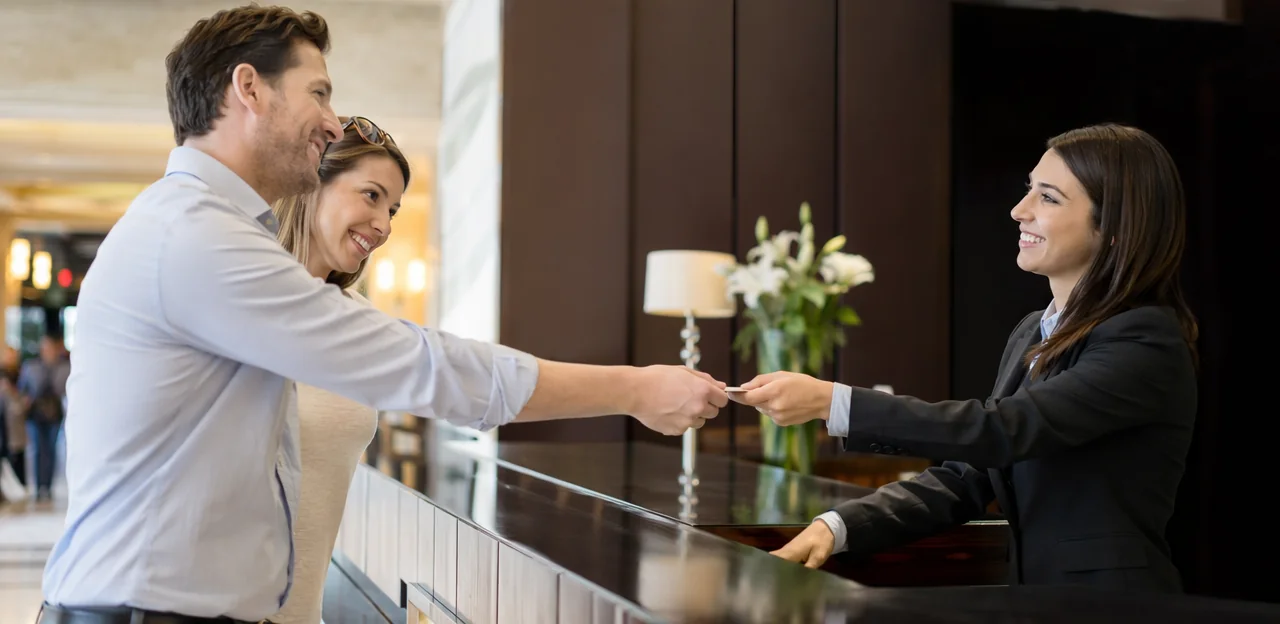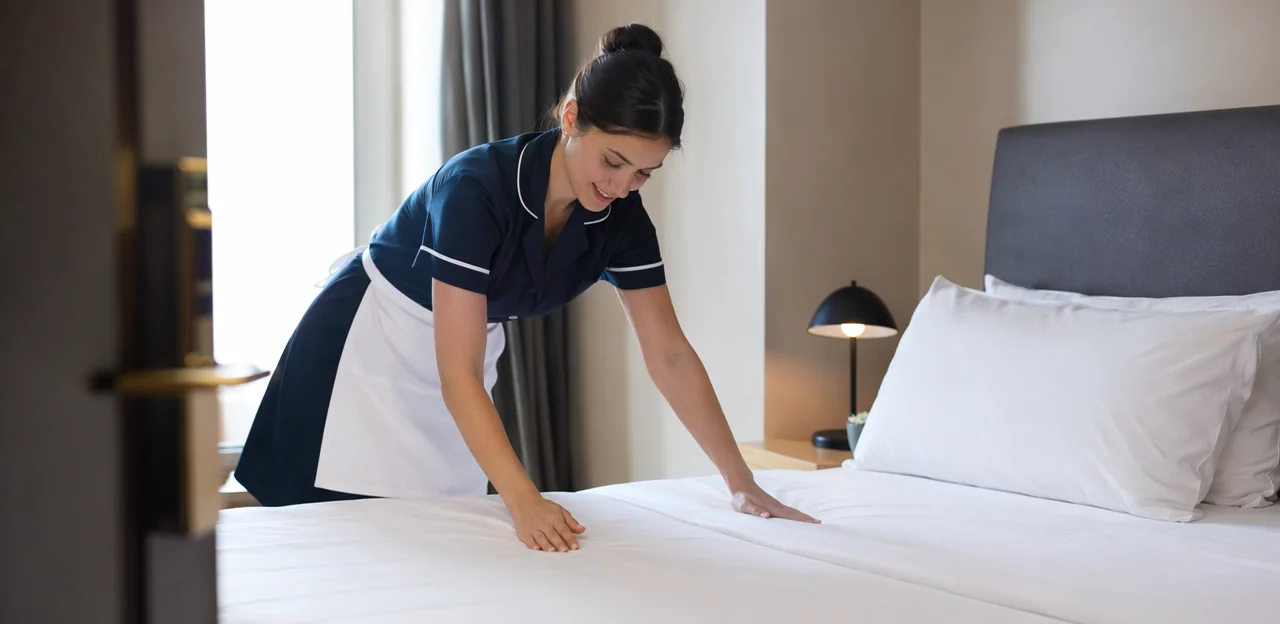
Cleanliness is one of the fastest ways a hotel can earn trust—or lose it. Guests may forgive a delayed check-in or a busy breakfast service, but an untidy room leaves a lasting impression that directly affects reviews, loyalty, and repeat bookings. That is why hotel room cleanliness feedback has become a critical part of modern guest experience strategy, helping properties identify issues early, improve housekeeping standards, and protect brand reputation.
A well-designed hotel survey does more than collect ratings. It turns real guest observations into actionable survey feedback that operators can use to refine cleaning processes, improve response times, and support team performance. When paired with the right feedback survey questions, cleanliness surveys can reveal recurring pain points, highlight service gaps, and even inform internal tools such as a staff feedback survey, employee feedback survey, or training feedback survey for housekeeping teams.
In this article, we will explore how to create effective hotel room cleanliness feedback surveys, what questions to ask, and how to interpret results using AI and analytics. We will also look at practical survey feedback examples, ways to connect guest insights with operations, and how hotels can use feedback to strengthen customer experience while building cleaner, more consistent stays.
Why a Hotel Room Cleanliness Feedback Survey Matters
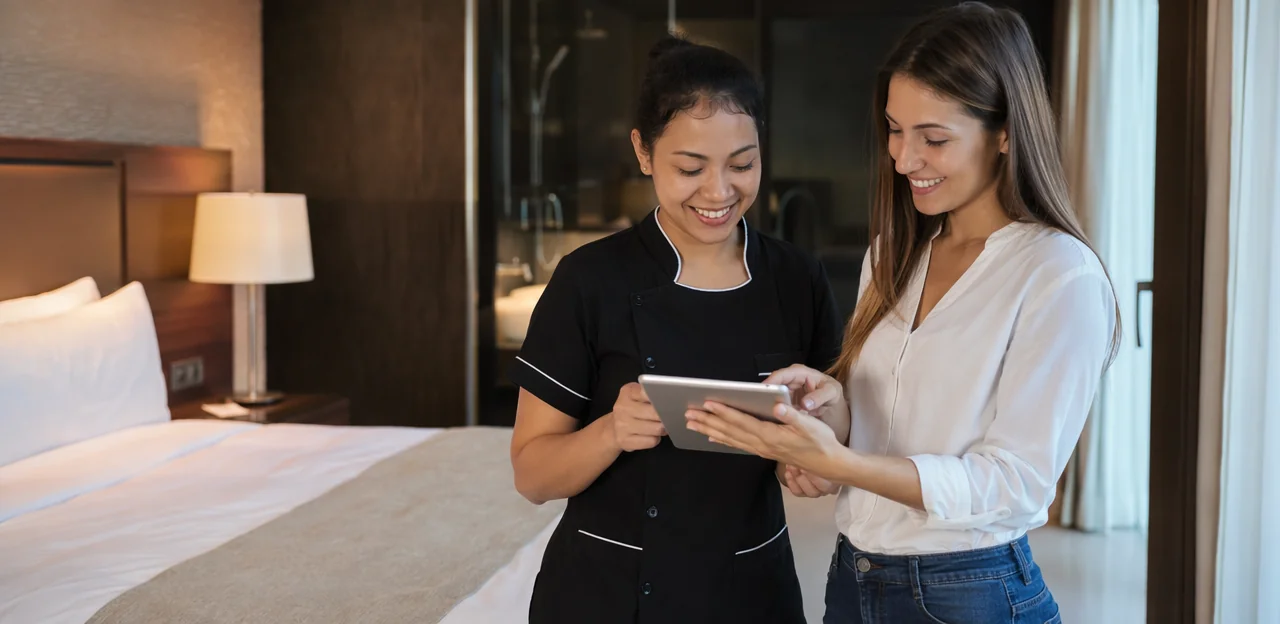
The link between cleanliness, trust, and guest loyalty
Room cleanliness is one of the clearest signals of care, safety, and professionalism, making it a major driver of satisfaction, reviews, and repeat stays. Effective hotel room cleanliness feedback helps hotels spot issues before they turn into negative ratings or lost bookings.
A focused hotel survey can uncover:
- Whether guests found the room, bathroom, and linens truly clean
- Which feedback survey questions reveal missed housekeeping details
- Patterns in survey feedback that point to training gaps
When paired with an employee feedback survey, staff feedback survey, or training feedback survey, managers can turn guest comments into better processes. Reviewing survey feedback examples also helps teams respond faster, protect brand trust, and improve loyalty through visible action.
What guest feedback reveals that inspections may miss
Housekeeping inspections confirm standards, but hotel room cleanliness feedback reveals how guests actually experience the room. A room can pass checks yet still feel unclean because of small, sensory details.
- Odor and air quality: musty smells, stale air, or strong chemical scents
- Bathroom detail: hair in corners, limescale, drain odor, or missed grout lines
- Linens and surfaces: stained sheets, dusty lamps, sticky remotes, or overlooked headboards
- Noise-related cleanliness perception: hallway noise or HVAC rattles can make a room feel less restful and less well kept
- Pattern gaps: recurring issues by room type, floor, or shift
Using a hotel survey with targeted feedback survey questions and real survey feedback examples helps teams spot trends. Pair guest survey feedback with an employee feedback survey, staff feedback survey, or training feedback survey to improve consistency fast.
Business benefits for operations and customer experience teams
Hotel room cleanliness feedback gives both operations and customer experience teams a practical way to act before minor issues become public complaints or lost bookings. A well-designed hotel survey helps teams turn survey feedback into measurable improvements:
- Reduce complaints and speed service recovery: Spot housekeeping issues early and resolve them during the stay.
- Identify training gaps: Use recurring themes from feedback survey questions, a training feedback survey, or staff feedback survey to improve cleaning standards and consistency.
- Strengthen quality assurance: Compare locations, shifts, or room types using clear survey feedback examples and trend reporting.
- Support revenue goals: Cleaner rooms improve reviews, repeat stays, and guest trust.
Pairing guest insights with an employee feedback survey creates a fuller view of performance and accountability.
How to Design an Effective Cleanliness Survey

Core feedback survey questions to include
To collect useful hotel room cleanliness feedback, include a balanced mix of scaled, yes/no, and open-ended feedback survey questions. A strong hotel survey should cover:
- Room cleanliness rating: “How clean was your room on arrival?” (1–5)
- Bathroom condition: “Was the bathroom clean, sanitized, and fully stocked?” (Yes/No + comment)
- Bedding quality: “How satisfied were you with the cleanliness and freshness of the bed linens and pillows?” (1–5)
- Odor check: “Did you notice any unpleasant odors in the room or bathroom?” (Yes/No)
- Amenities readiness: “Were towels, toiletries, and in-room amenities clean and available?” (1–5)
- Overall satisfaction: “How satisfied were you with overall room hygiene?” (1–10)
- Open-text prompt: “What could we improve about room cleanliness?”
Use survey feedback alongside a staff feedback survey, employee feedback survey, or training feedback survey to identify service gaps. Reviewing survey feedback examples helps teams refine housekeeping standards and guest experience.
Best timing, channels, and survey length
For hotel room cleanliness feedback, timing matters as much as the questions themselves. The best approach is to match the hotel survey to the guest journey:
- During stay: Ideal for quick issue detection and fast service recovery, improving the guest experience before checkout.
- At checkout: Best for capturing fresh impressions while the stay is still top of mind.
- Post-stay: Useful for deeper survey feedback, but response rates are often lower than on-site prompts.
Choose channels based on convenience:
- QR code or NFC card: Fast, contactless, and effective in-room or near exits.
- In-room tablet: Great for immediate responses and guided feedback survey questions.
- Email/SMS: Good for follow-up, but easier to ignore.
- App-based collection: Works only if guests already use the app.
Keep surveys to 3–5 questions. Focus on cleanliness, speed, and satisfaction, then use survey feedback examples internally alongside an employee feedback survey, staff feedback survey, or training feedback survey to improve operations.
How to write unbiased and guest-friendly questions
To collect reliable hotel room cleanliness feedback, write questions that are neutral, specific, and easy for every guest type to answer.
- Avoid leading language: Don’t ask, “How clean and comfortable was your room?” This pushes a positive response. Instead use neutral feedback survey questions like, “How would you rate the cleanliness of your room on arrival?”
- Be specific, not vague: Replace “Was the room okay?” with “How clean was the bathroom when you checked in?” Clear survey feedback examples improve response quality in any hotel survey.
- Avoid double-barreled questions: Don’t combine topics such as “Was your room clean and quiet?” Ask one thing at a time.
Useful phrasing:
- “How satisfied were you with the cleanliness of the bed linens?”
- “Did you notice any issues with dust, odors, or surfaces?”
- “Was housekeeping quality consistent during your stay?”
These survey feedback practices also help with a staff feedback survey, employee feedback survey, or training feedback survey.
Sample Survey Frameworks and Question Examples

Post-stay hotel survey example for room cleanliness
A strong hotel survey should make hotel room cleanliness feedback easy to rate, explain, and act on after checkout. Use a short structure like this:
- Rating questions
- How would you rate your room’s overall cleanliness? (1–5)
- How clean was the bathroom, bedding, and flooring? (1–5 each)
- Did the room feel fresh and well-prepared on arrival? (Yes/No)
- Comment prompts
- What was the cleanest part of your stay experience?
- What should we improve about room cleanliness?
- Please share any specific housekeeping concerns.
- Follow-up logic
- Low scores trigger open-text survey feedback and a service-recovery alert.
- High scores can prompt review requests.
These survey feedback examples can be tailored by property type: luxury hotels may ask about premium amenities, business hotels about efficiency, resorts about balconies and pools, and budget properties about essentials. Insights can also inform a staff feedback survey, employee feedback survey, or training feedback survey for housekeeping teams.
In-stay pulse surveys for fast service recovery
Short, in-stay pulse surveys help hotels capture hotel room cleanliness feedback while the guest is still on property, giving teams a chance to fix problems before checkout and protect the overall customer experience. Instead of waiting for post-stay reviews, a one-minute hotel survey sent after check-in or first room entry can surface issues like dust, bathroom hygiene, missing amenities, or linen quality.
A strong survey feedback process should trigger immediate action:
- Housekeeping follow-up for cleaning touch-ups or restocking
- Supervisor review for repeated room or shift-level issues
- Guest outreach from the front desk to confirm resolution
Keep feedback survey questions simple, such as room freshness, bathroom cleanliness, and overall satisfaction. Pair guest responses with an employee feedback survey, staff feedback survey, or training feedback survey to identify root causes and improve standards. Reviewing survey feedback examples also helps teams refine response workflows and prevent recurring cleanliness complaints.
Internal staff and training survey templates
Strong hotel room cleanliness feedback starts behind the scenes. An employee feedback survey, staff feedback survey, and training feedback survey help hotels uncover operational issues before they lower guest scores on any hotel survey.
Use internal survey feedback templates to track:
- Supply problems: missing linens, low amenity stock, broken vacuums, delayed laundry turnaround
- Workflow bottlenecks: unrealistic room quotas, late check-out pressure, poor room assignment flow
- Unclear standards: inconsistent definitions of “inspection-ready,” missed touchpoints, weak SOP communication
- Coaching gaps: limited onboarding, unclear refresher training, low confidence in deep-clean procedures
Effective feedback survey questions should be short and specific, such as:
- Do you have the tools needed to clean rooms to standard?
- Which tasks most often delay room readiness?
- What cleaning standards need clearer training?
These survey feedback examples turn internal insight into better coaching, smoother operations, and stronger guest-facing cleanliness results.
Using AI and Analytics to Turn Feedback Into Action

Analyzing trends, sentiment, and recurring cleanliness issues
AI & Analytics turns hotel room cleanliness feedback into clear operational insight by tagging open-text survey feedback into themes such as bathroom hygiene, linen freshness, dust, odors, or missed amenities. Sentiment analysis then highlights whether comments are improving or declining over time.
- Detect recurring issues by floor, room type, property, or housekeeping shift
- Compare guest comments from a hotel survey with a staff feedback survey or employee feedback survey
- Spot training gaps using patterns from training feedback survey results
- Refine future feedback survey questions based on common complaints
This helps managers act faster: adjust staffing, retrain teams, inspect problem zones, and prioritize maintenance. Reviewing survey feedback examples also reveals root causes, making cleanliness standards easier to improve consistently across locations.
Building dashboards and operational alerts
Turn hotel room cleanliness feedback into a live operations view by building dashboards that track:
- Cleanliness scores by room type, floor, shift, and housekeeping team
- Response rates for each hotel survey touchpoint
- Issue categories such as bathroom hygiene, linen quality, odors, dust, or missed amenities
- Service recovery status from open complaint to resolved case
Use filters to compare trends and spot repeat failures. Strong dashboards also connect guest survey feedback with internal signals from an employee feedback survey, staff feedback survey, or training feedback survey to uncover root causes.
Set automated alerts when:
- cleanliness scores drop below target,
- negative feedback survey questions mention “dirty” or “smell,”
- multiple complaints hit one floor in 24 hours,
- unresolved recovery cases exceed SLA.
These survey feedback examples help teams act fast and improve daily operations.
Turning insights into training and process improvements
Use hotel room cleanliness feedback as an operational tool, not just a reporting metric. When recurring issues appear in a hotel survey, translate them into clear housekeeping SOP updates, manager review points, and focused coaching plans.
- Revise SOPs when survey feedback shows patterns such as missed dusting, bathroom detail gaps, or inconsistent linen presentation.
- Review results in supervisor check-ins and link them to room inspections, shift performance, and follow-up actions.
- Compare guest comments with training feedback survey results to see whether onboarding and refresher sessions are actually improving execution.
- Add insights from a staff feedback survey or employee feedback survey to uncover blockers like time pressure, supply shortages, or unclear standards.
Using smart feedback survey questions and real survey feedback examples helps hotels create a continuous improvement loop that strengthens service consistency and guest trust.
Common Mistakes Hotels Should Avoid
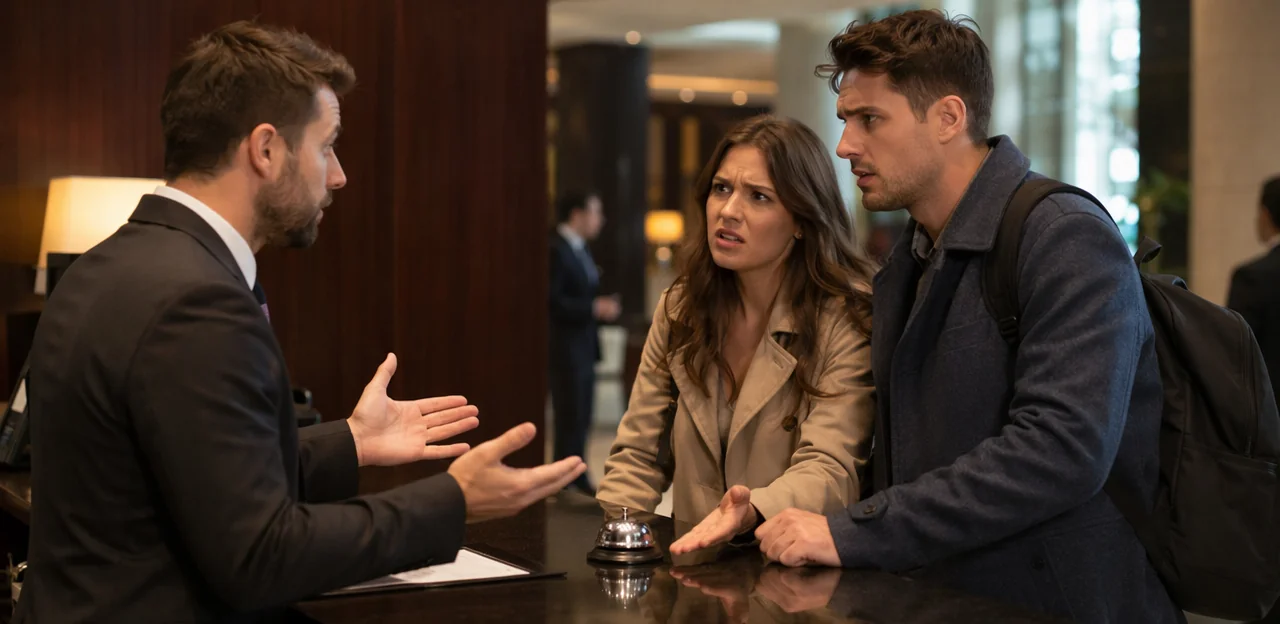
Asking too many questions or the wrong questions
A hotel room cleanliness feedback survey should be short, specific, and easy to answer. Long hotel survey forms, repetitive feedback survey questions, and vague wording lower completion rates and weaken survey feedback quality. Guests are far more likely to respond when questions focus on what they directly noticed and how it affected their stay.
Prioritize questions that measure:
- overall room cleanliness
- bathroom, bedding, and high-touch surface condition
- whether cleanliness affected comfort or likelihood to return
Use insights from staff feedback survey, employee feedback survey, or even a training feedback survey to improve housekeeping standards. Reviewing survey feedback examples also helps refine future questions.
Ignoring hotel room cleanliness feedback is worse than not asking at all. When guests submit a hotel survey and see no response, trust drops, complaints move to public reviews, and the customer experience suffers.
- Acknowledge negative survey feedback quickly and explain the next step.
- Share issues with housekeeping through an employee feedback survey or staff feedback survey to uncover root causes.
- Use targeted feedback survey questions and a training feedback survey to fix recurring gaps.
- Close the loop with guests: confirm action taken, offer recovery when appropriate, and show visible improvements.
These simple follow-ups turn poor survey feedback examples into stronger retention and better ratings.
Separating guest feedback from employee insight
Strong hotel room cleanliness feedback becomes more useful when hotels compare it with an employee feedback survey and staff feedback survey. Low scores in a hotel survey often reflect operational issues, not just poor execution.
- Match guest survey feedback with shift coverage, room turnaround times, and inspection results.
- Use feedback survey questions to uncover supply shortages, unclear standards, or missed handoffs between housekeeping and supervisors.
- Add a training feedback survey to identify gaps in onboarding, chemical use, or brand cleanliness expectations.
- Review survey feedback examples across teams to spot repeat barriers and fix root causes fast.
This connects guest sentiment to action, staffing, and training.
Best Practices for Continuous Improvement

Set benchmarks and track cleanliness KPIs over time
To improve hotel room cleanliness feedback, hotels need clear benchmarks and consistent measurement across operations. Start by defining a small set of KPIs and reviewing them weekly or monthly:
- Cleanliness rating: Average score from each hotel survey
- Complaint rate: Number of cleanliness issues per 100 stays
- Response rate: Percentage of guests completing the survey feedback
- Recovery time: How quickly teams resolve reported issues
- Review sentiment: Trends in public reviews and internal comments
Benchmark these metrics by property, floor, shift, or housekeeping team to spot patterns over time. Combine guest feedback survey questions with an employee feedback survey, staff feedback survey, or training feedback survey to identify root causes. Reviewing survey feedback examples also helps standardize scoring and improve accountability.
Align housekeeping, management, and guest experience teams
To turn hotel room cleanliness feedback into measurable improvement, hotels need a shared workflow across housekeeping, management, and guest experience teams.
- Review survey feedback daily: Route hotel survey results by issue type, room number, shift, and urgency so teams can spot patterns fast.
- Assign clear ownership: Housekeeping handles room-level fixes, supervisors verify standards, and managers track recurring issues and service recovery.
- Close the loop with staff: Use a staff feedback survey or employee feedback survey to understand operational barriers behind low scores.
- Refine feedback survey questions: Pair guest ratings with targeted training feedback survey inputs to improve SOPs and coaching.
- Use survey feedback examples: Share anonymized wins and misses in team huddles to align operations with the desired guest experience.
Create a feedback culture that supports service excellence
A strong hotel room cleanliness feedback process does more than spot missed details—it builds a culture of accountability and continuous improvement. When every hotel survey includes clear feedback survey questions, teams can turn guest comments into action and training.
- Use regular guest survey feedback to identify repeat cleanliness issues by room type, shift, or location.
- Review survey feedback examples in team huddles so staff understand what guests notice most.
- Pair guest insights with an employee feedback survey or staff feedback survey to uncover workflow gaps, supply issues, or training needs.
- Run a training feedback survey after housekeeping coaching to confirm procedures are understood and applied.
This ongoing loop helps teams learn faster, improve standards, and deliver consistently cleaner rooms.
Conclusion
In today’s competitive hospitality landscape, hotel room cleanliness feedback is more than a quality check—it’s a direct path to stronger guest satisfaction, smarter operations, and better brand trust. A well-designed hotel survey helps properties capture timely survey feedback, uncover recurring housekeeping issues, and identify what guests value most, from spotless bathrooms to fresh linens and room presentation. When paired with thoughtful feedback survey questions, hotels can turn everyday guest comments into measurable improvements.
The most effective approach goes beyond guest responses alone. Combining guest insights with an employee feedback survey, staff feedback survey, or even a training feedback survey gives managers a fuller picture of where processes, communication, and service standards can improve. Reviewing real survey feedback examples can also help teams refine question design and collect more actionable responses.
The next step is simple: audit your current feedback process, shorten and sharpen your survey, and make it easy for guests to respond in real time. Then use the results to coach teams, improve cleaning workflows, and recognize high performance. If you’re ready to modernize your feedback strategy, explore tools and templates that support fast, on-site responses—platforms like Tapsy can help make guest engagement more immediate and actionable. Start optimizing your hotel room cleanliness feedback process today to elevate every stay.
Frequently Asked Questions
- What is a hotel room cleanliness feedback survey used for?
It helps hotels capture guest observations about room hygiene, identify issues early, and protect reviews, loyalty, and repeat bookings. It also gives operators actionable feedback to improve cleaning processes, response times, and housekeeping performance.
- Why does room cleanliness have such a strong impact on guest trust?
Cleanliness signals care, safety, and professionalism, so guests often judge the overall stay by the condition of the room. Even when other service issues are forgiven, an untidy room can leave a lasting negative impression that affects ratings and return visits.
- What can guest feedback reveal that housekeeping inspections may miss?
Guest feedback can uncover sensory and detail-level issues such as musty odors, stale air, sticky remotes, dusty lamps, stained linens, or bathroom grout problems. It can also expose patterns by room type, floor, or shift that may not be obvious during standard inspections.
- What questions should be included in a hotel cleanliness survey?
A useful survey should ask about room cleanliness on arrival, bathroom condition, bedding freshness, odors, amenities readiness, and overall hygiene satisfaction. It should also include an open-text prompt so guests can describe specific cleanliness problems or improvement ideas.
- How long should a hotel room cleanliness survey be?
It should usually stay within 3 to 5 questions to keep completion rates high and make it easy for guests to respond quickly. Short surveys work best when they focus on cleanliness, speed, and overall satisfaction.
- When is the best time to send a cleanliness survey to hotel guests?
During-stay surveys are best for detecting issues quickly and allowing service recovery before checkout. Checkout surveys capture fresh impressions, while post-stay surveys can collect deeper feedback but often receive fewer responses.
- Which survey channels work best for collecting hotel cleanliness feedback?
QR codes or NFC cards are fast and contactless, especially in-room or near exits. In-room tablets can guide responses well, while email, SMS, and app-based surveys can work for follow-up if guests are likely to engage with those channels.
- How can hotels write unbiased cleanliness survey questions?
Questions should be neutral, specific, and limited to one topic at a time. Instead of leading or vague wording, hotels should ask direct questions such as how clean the room was on arrival or whether the guest noticed dust, odors, or surface issues.
- What does a good post-stay cleanliness survey look like?
A strong post-stay survey combines rating questions, comment prompts, and follow-up logic. It should let guests score overall cleanliness and specific areas like the bathroom and bedding, then trigger open-text follow-up or service recovery when scores are low.
- How do in-stay pulse surveys help with service recovery?
They allow hotels to catch cleanliness concerns while the guest is still on property, making it possible to fix problems before checkout. Responses can trigger housekeeping follow-up, supervisor review, and front desk outreach to confirm the issue was resolved.
- How can internal staff or training surveys support better cleanliness scores?
Internal surveys help uncover supply shortages, workflow bottlenecks, unclear standards, and coaching gaps that affect room readiness and cleaning quality. Using staff, employee, and training feedback alongside guest feedback gives managers a clearer view of root causes.
- How can AI and analytics improve hotel cleanliness feedback analysis?
AI can tag open-text comments into themes such as bathroom hygiene, odors, dust, linen freshness, or missed amenities. Analytics can then track sentiment and recurring issues by floor, room type, property, or housekeeping shift so managers can act faster.
- What should hotels track on a cleanliness feedback dashboard?
Dashboards should monitor cleanliness scores, survey response rates, issue categories, and service recovery status. They are most useful when filtered by room type, floor, shift, or team and when paired with alerts for score drops, repeated complaints, or unresolved cases.
- What are the most common mistakes hotels make with cleanliness surveys?
Common mistakes include asking too many questions, using vague or repetitive wording, and failing to act on the feedback collected. Separating guest feedback from employee insight is also a problem because low scores often reflect operational barriers, not just execution issues.
- How can hotels turn cleanliness feedback into continuous improvement?
Hotels can set benchmarks for cleanliness ratings, complaint rates, response rates, recovery time, and review sentiment, then review them regularly. They should also align housekeeping, management, and guest experience teams, use feedback in coaching and SOP updates, and close the loop with both staff and guests.