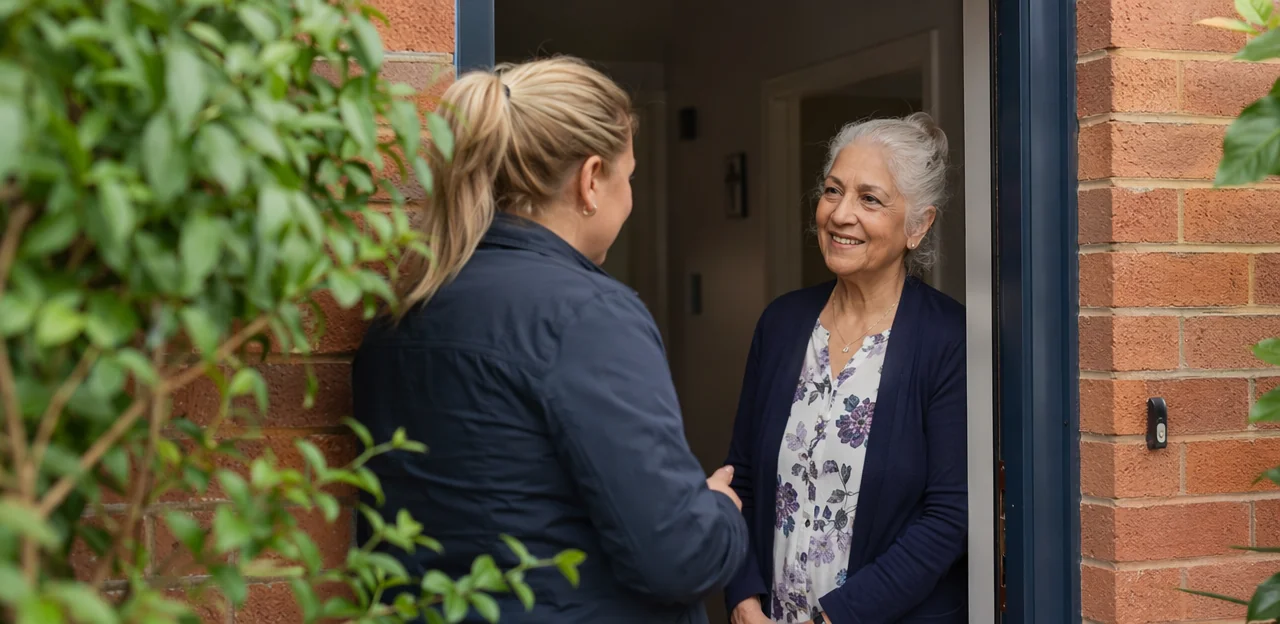
When residents feel unheard, trust erodes quickly. For housing providers managing thousands of homes, that creates a serious challenge: how do you capture honest, timely insight from residents at scale without losing the human element? That is where effective housing association feedback strategies become essential.
Today, resident expectations are higher than ever. People want simple ways to share concerns, report service issues, and tell landlords what is working well, whether the topic is repairs, safety, communication, neighbourhood services, or overall satisfaction. At the same time, housing associations need more than occasional surveys. They need continuous, actionable feedback that can reveal patterns, highlight urgent issues, and support better decision-making across teams and properties.
This article explores how housing associations can collect resident voice at scale in a way that is practical, inclusive, and genuinely useful. We will look at why traditional feedback methods often fall short, what modern approaches can do better, and how organisations can turn resident input into measurable improvements in customer experience. We will also touch on the role of real-time, touchpoint-based tools, including solutions such as Tapsy, in helping providers gather feedback closer to the moment an experience happens.
Why housing association feedback matters

The role of resident voice in modern housing services
Housing association feedback is the structured collection of resident views, experiences, and concerns across every touchpoint in housing services. It turns everyday interactions into insight that helps providers improve performance and trust.
Why resident voice matters:
- Better services: reveals recurring issues in repairs, complaints handling, tenancy support, and neighbourhood management
- Stronger relationships: shows residents they are listened to, valued, and involved in shaping services
- Faster decisions: gives teams timely evidence to prioritise action and allocate resources where they matter most
To make housing association feedback effective, gather input regularly, act on themes quickly, and close the loop by telling residents what changed. Real-time tools, including platforms like Tapsy, can help capture feedback at scale and make decision-making more responsive.
Linking feedback to resident experience and trust
Effective housing association feedback does more than collect opinions; it shows residents that their voice shapes services. When listening is consistent, visible, and followed by action, it strengthens resident experience, improves customer experience, and lifts resident satisfaction.
- Better feedback quality builds fairness: asking clear, accessible questions across multiple channels helps associations hear from a wider range of residents, not just the loudest voices.
- Closing the loop improves trust: sharing what was heard, what will change, and when creates transparency.
- Fast responses show accountability: acting on recurring issues such as repairs, communication delays, or estate cleanliness proves feedback leads to outcomes.
Using real-time tools such as Tapsy can help teams capture concerns early and respond before frustration grows.
Regulatory and operational drivers for listening at scale
Housing providers face growing pressure to make housing association feedback more consistent, visible and actionable. Better listening is no longer optional; it supports compliance, trust and service improvement.
- Consumer standards and housing regulation: Landlords must show they understand resident experience, respond to issues promptly and use insight to improve services.
- Stronger complaint handling expectations: Effective complaint handling depends on capturing concerns early, spotting repeat failures and closing the loop with residents.
- Tenant engagement priorities: Scalable tenant engagement helps associations hear from more residents, not just the most vocal, across repairs, safety, estates and neighbourhood services.
- Evidence of improvement: Reliable, structured data is essential for tracking trends, benchmarking performance and proving that feedback leads to measurable change.
Tools such as Tapsy can help capture real-time feedback across touchpoints and route issues quickly.
Building a scalable feedback strategy

Setting clear objectives for feedback collection
Effective housing association feedback starts with a clear purpose. Before launching resident feedback surveys, decide exactly what your organisation needs to learn and how the findings will be used. A strong feedback strategy should separate day-to-day service improvement from longer-term customer insight.
Define objectives across three levels:
- Transactional feedback: Understand specific service interactions, such as repairs, complaints handling, lettings, or contact centre performance.
- Perception tracking: Monitor how residents feel about the organisation over time, including trust, fairness, communication, and overall experience.
- Strategic insight: Explore deeper issues such as neighbourhood priorities, tenancy sustainability, digital access, or barriers to engagement.
It also helps to distinguish between:
- Satisfaction: Was the service acceptable?
- Sentiment: How does the resident feel?
- Outcomes: Did the service solve the problem?
When objectives are clear, teams can choose the right questions, channels, timings, and tools—whether through traditional surveys or real-time platforms like Tapsy.
Choosing the right moments to ask for feedback
To make housing association feedback useful at scale, focus on the moments when residents’ experiences are freshest and most relevant. Well-timed survey touchpoints improve response quality and help reduce survey fatigue.
- After repairs completion: Send short transactional feedback within 24–48 hours to check quality, timeliness, and whether the issue was fully resolved.
- At complaint closure: Ask whether the process felt fair, clear, and respectful, not just whether the outcome was accepted.
- During new tenancy onboarding: Capture early impressions after sign-up, move-in, and the first few weeks to spot gaps in communication or support.
- Following anti-social behaviour cases: Request feedback once action has been taken, with sensitivity and clear safeguarding processes.
- Through periodic perception surveys: Use broader quarterly or biannual surveys to understand trust, safety, and overall service perception.
Keep surveys short, targeted, and spaced intelligently. Tools such as Tapsy can help trigger feedback at the right touchpoints without over-surveying residents.
Designing inclusive and accessible feedback channels
To improve housing association feedback at scale, make it easy for every resident to respond in the way that suits them best. A strong multi-channel feedback approach should include:
- SMS and phone: ideal for quick responses, older residents, and people with limited internet access.
- Email and web forms: useful for longer answers, follow-up surveys, and ongoing resident panels.
- Paper surveys: still essential for digitally excluded households and low-connectivity areas.
- In-person options: estate visits, community events, and support hubs can reach residents who are less likely to engage remotely.
Build accessible surveys with large text, plain English, screen-reader compatibility, and translation options. Offer interpreters, Easy Read formats, and alternative languages where needed. To support digital inclusion, avoid relying on one channel alone and monitor who is responding. If some groups are underrepresented, target outreach by age, language, tenancy type, or location. Tools such as Tapsy can also support simple no-app feedback at physical touchpoints.
Methods for collecting resident voice at scale

Surveys, SMS, and always-on listening tools
To scale housing association feedback, use a mix of targeted and continuous channels rather than relying on one big annual survey. The best programmes combine resident surveys, SMS feedback, and always-on feedback tools to capture both volume and context.
- Short post-service surveys: Best after repairs, complaints, lettings, or contact centre interactions. Keep to 1–3 questions to boost response rates and spot service issues quickly.
- Pulse surveys: Use monthly or quarterly for fast checks on specific topics such as communication, building safety, or anti-social behaviour.
- Annual perception studies: Ideal for benchmarking trust, satisfaction, and landlord performance over time.
- Website widgets and portals: Useful for passive, always-on feedback from digitally active residents.
- QR codes in communal areas or letters: Effective for low-friction, in-the-moment responses, especially when paired with mobile-friendly forms or tools like Tapsy.
Balance volume with quality by limiting survey length, targeting the right moment, and reviewing open-text comments alongside scores.
Complaints, contact centre, and operational data as feedback sources
Housing associations often overlook rich housing association feedback already sitting in operational systems. Complaints data, call recordings, email threads, case notes, and service requests all contain direct voice of the customer insight about repairs, communication, safety, and trust.
To use these sources well:
- Bring structured and unstructured data together: combine categories, dates, SLA performance, and outcomes with free-text comments, transcripts, and adviser notes.
- Use contact centre analytics to detect recurring themes, sentiment, repeat contact drivers, and points of friction across the resident journey.
- Map issues by property, service, contractor, and neighbourhood to spot patterns that surveys alone may miss.
- Close the loop operationally: turn repeated complaint themes into service improvements, staff coaching, and policy changes.
This approach gives a fuller picture than surveys alone, because it captures feedback from residents who may never complete a form but still tell you exactly where the experience is failing.
Resident panels, focus groups, and co-creation forums
Large-scale surveys show what residents think, but qualitative methods explain why. In any strong housing association feedback programme, methods such as resident panels, focus groups, and tenant scrutiny help uncover the stories, barriers, and service failures behind satisfaction scores.
Use qualitative forums when you need to:
- explore recurring low survey scores in more detail
- test proposed policy, repairs, or communication changes
- hear from specific resident groups with different needs
- validate whether planned improvements will work in practice
Useful formats include:
- Resident panels: ongoing feedback from a diverse group of tenants
- Focus groups: structured discussions around themes like repairs or complaints
- Tenant scrutiny groups: resident-led challenge sessions that review performance and accountability
- Workshops and community forums: co-create solutions with residents and frontline teams
Best practice is to combine survey data with these sessions regularly, so insight leads to clear, resident-informed action.
Turning feedback into actionable insight

Analysing themes, sentiment, and service performance
To turn housing association feedback into action, structure your feedback analysis around clear categories and measurable outcomes:
- Categorise feedback by theme: group comments into repairs, communication, neighbourhood issues, tenancy services, and complaint handling.
- Spot recurring issues: track repeated mentions such as repairs delays, missed appointments, unclear updates, or long complaint resolution times.
- Use sentiment analysis: measure whether comments are positive, neutral, or negative, then link sentiment trends to teams, locations, contractors, or service stages.
- Connect feedback to service performance: compare sentiment with KPIs like first-time fix rates, response times, complaint volumes, and case closure speed.
For example, rising negative sentiment around repairs may indicate contractor delays, while communication gaps often point to weak follow-up processes. Tools like Tapsy can help capture and route feedback at scale in real time.
Segmenting feedback by property, service, and resident group
Effective housing association feedback becomes far more useful when you apply strong feedback segmentation. Breaking responses down by property, estate, neighbourhood, and service area helps teams spot patterns that headline scores often hide.
- Compare results by geography to identify blocks or regions with recurring issues.
- Analyse by tenure and tenant demographics to understand how leaseholders, shared owners, and social tenants experience services differently.
- Layer in age, language needs, disability, digital exclusion, and other vulnerability indicators to uncover underserved voices.
- Segment by service area, such as repairs, complaints, neighbourhood management, or anti-social behaviour, to pinpoint hidden dissatisfaction.
These housing data insights help associations target action where it matters most, reduce blind spots, and ensure quieter resident groups are not missed in decision-making.
Closing the loop with residents and frontline teams
Collecting housing association feedback is only valuable when people can see what happens next. To close the loop, housing providers should make action visible, timely, and easy to understand.
- Update residents clearly: use SMS, email, tenant portals, noticeboards, or community meetings to explain what was heard, what action is being taken, and when changes will happen.
- Share learning internally: turn recurring themes into short updates for housing officers, repairs teams, and contact centres so everyone understands priorities and patterns.
- Empower frontline teams: give staff clear escalation routes, authority to resolve simple issues quickly, and access to live feedback where possible.
Visible resident communication builds trust, while fast responses drive service improvement. Tools such as Tapsy can help route issues quickly, but consistent action is what proves feedback leads to change.
Technology, governance, and measurement

A modern feedback platform helps housing teams collect housing association feedback at scale without adding manual admin. The key is to connect feedback collection directly to operational systems:
- Automate survey triggers after repairs, tenancy sign-up, complaints closure, or neighbourhood services.
- Centralise responses in one dashboard so teams can track sentiment, themes, and service performance across schemes and contractors.
- Use CRM integration to link feedback to resident profiles, case history, and vulnerabilities for better follow-up.
- Connect with the housing management system to create cases, assign actions, and monitor resolution times.
- Build reporting for frontline teams and managers, with dashboards covering satisfaction, recurring issues, and service recovery trends.
Tools such as Tapsy can also support real-time, touchpoint-based feedback capture where relevant.
Data protection, consent, and ethical listening
Strong housing association feedback programmes depend on trust. To handle resident data responsibly, build GDPR and data protection into every step:
- Be clear on purpose: explain why feedback is collected, how it improves services, and who will see the results.
- Gain valid consent: use clear opt-ins where needed, especially for follow-up contact or sensitive information.
- Protect anonymity: allow anonymous responses where possible and separate identifiers from comments when reporting.
- Limit retention: keep data only as long as necessary, with clear retention and deletion policies.
- Use data responsibly: avoid collecting more than you need and never use feedback in ways residents were not told about.
Transparent processes increase participation and confidence.
KPIs for measuring success at scale
To make housing association feedback actionable, track a balanced set of customer experience KPIs rather than relying on one headline score alone. Useful resident satisfaction metrics include:
- Response rate: monitor by scheme, channel, and demographic group.
- Representativeness: check whether feedback reflects your full resident base, not just the loudest voices.
- Satisfaction trends: track changes over time by service area, not just overall averages.
- Complaint reduction: measure whether recurring issues fall after interventions.
- First-contact resolution: assess how often residents get help without repeat contact.
- Action completion: track whether promised fixes are delivered on time.
Use scorecards to combine these metrics, so decisions are based on experience, outcomes, and follow-through.
Best practices and common pitfalls

- High-performing providers treat housing association feedback as a leadership priority, not a one-off project.
- They build a clear tenant feedback strategy with named owners, frontline involvement, and mixed-method listening across surveys, complaints, repairs, and real-time channels.
- They report themes and actions regularly to residents and boards, using insights to drive continuous improvement.
These housing best practices turn resident voice into measurable service change.
- Common housing association feedback mistakes often start with survey bias: only hearing from highly dissatisfied or highly engaged residents skews results.
- Inaccessible formats, jargon, or unclear questions reduce participation and weaken insight quality.
- Failing to follow up, keeping data in silos, or asking for views without visible action are major feedback mistakes.
- To protect resident trust, use inclusive channels, plain language, joined-up reporting, and always close the loop.
A practical roadmap for implementation
- Audit and design: Review current housing association feedback channels, gaps, data quality, and resident segments. Set clear goals, ownership, and measures.
- Pilot the resident voice programme: Test with one scheme, service, or region using simple surveys and clear escalation routes.
- Roll out and report: Scale in phases, train teams, publish insights, and close the loop with residents.
- Optimise: Refine questions, channels, and reporting to strengthen your implementation roadmap and housing association strategy.
Conclusion
In a sector where trust, service quality, and accountability matter every day, effective housing association feedback is no longer a nice-to-have—it’s essential. Collecting resident voice at scale helps housing providers move beyond assumptions and make decisions based on real experiences across repairs, communication, neighbourhood services, safety, and overall satisfaction. When feedback is gathered consistently, acted on quickly, and shared across teams, it becomes a powerful driver of better resident experience and stronger operational performance.
The key is not just collecting more data, but collecting the right feedback at the right moments and turning it into visible action. Scalable systems, accessible channels, and clear follow-up processes all help ensure residents feel heard rather than overlooked. Over time, this builds confidence, improves engagement, and creates a more responsive housing service.
For organisations looking to strengthen their approach to housing association feedback, the next step is to review your current feedback journey, identify gaps in reach or response, and invest in tools that make resident input easier to capture and act on. Solutions such as Tapsy can support real-time, touchpoint-based feedback collection at scale. Start by auditing your channels, setting clear response workflows, and using resident insight to shape meaningful service improvement.
Frequently Asked Questions
- What is housing association feedback?
Housing association feedback is the structured collection of resident views, experiences, and concerns across service touchpoints. It helps providers turn everyday interactions into insight that can improve performance, trust, and decision-making.
- Why is collecting resident voice at scale important for housing providers?
Listening at scale helps providers identify recurring issues across repairs, complaints, safety, communication, and neighbourhood services. It also supports stronger trust, faster decisions, and better evidence for service improvement and compliance.
- Why are traditional feedback methods often not enough?
Occasional surveys alone do not provide continuous, actionable insight. Housing associations need more timely feedback that can reveal patterns, highlight urgent issues, and support decisions across teams and properties.
- When should housing associations ask residents for feedback?
Useful moments include after repairs are completed, at complaint closure, during new tenancy onboarding, and after anti-social behaviour cases have been handled. Broader perception surveys can also be run quarterly or biannually to track trust, safety, and overall experience.
- How can housing associations reduce survey fatigue?
Keep surveys short, targeted, and timed around relevant service moments. Spacing requests intelligently and asking only what is needed helps improve response quality without over-surveying residents.
- What feedback channels should be included in a scalable strategy?
A strong approach uses multiple channels such as SMS, phone, email, web forms, paper surveys, and in-person options. This makes it easier for different resident groups to respond in the way that suits them best.
- How do you make resident feedback more inclusive and accessible?
Use plain English, large text, screen-reader compatibility, translation options, and alternative formats such as Easy Read. It is also important to avoid relying on a single digital channel and to monitor which groups may be underrepresented.
- What is the difference between transactional feedback, perception tracking, and strategic insight?
Transactional feedback focuses on specific interactions such as repairs, complaints, lettings, or contact centre performance. Perception tracking monitors how residents feel over time about trust, fairness, communication, and overall experience, while strategic insight explores deeper issues such as neighbourhood priorities, digital access, and barriers to engagement.
- How is satisfaction different from sentiment and outcomes?
Satisfaction looks at whether the service was acceptable. Sentiment reflects how the resident feels, and outcomes show whether the service actually solved the problem.
- Can complaints and contact centre data be used as feedback sources?
Yes, complaints data, call recordings, email threads, case notes, and service requests can all provide direct voice of the customer insight. Combining structured data with free-text comments and transcripts helps reveal patterns that surveys alone may miss.
- Why should housing associations combine surveys with resident panels or focus groups?
Surveys are useful for showing what residents think at scale, but qualitative methods explain why they feel that way. Resident panels, focus groups, tenant scrutiny groups, and workshops help test ideas, explore low scores, and co-create improvements.
- How should feedback be analysed to support service improvement?
Group feedback into themes such as repairs, communication, neighbourhood issues, tenancy services, and complaint handling. Then track recurring issues, review sentiment, and compare findings with service measures like response times, first-time fix rates, complaint volumes, and closure speed.
- Why is segmenting feedback by property, service, and resident group useful?
Segmentation helps uncover patterns hidden by headline scores. Comparing results by geography, tenure, demographics, language needs, disability, digital exclusion, and service area makes it easier to identify underserved groups and target action where it matters most.
- What does it mean to close the loop with residents and frontline teams?
Closing the loop means clearly showing what was heard, what action will be taken, and when changes will happen. It also means sharing learning internally so frontline teams can respond faster, escalate issues properly, and understand recurring themes.
- What are the main best practices and pitfalls in housing association feedback programmes?
Strong programmes treat feedback as a leadership priority, use mixed methods, assign clear ownership, and report themes and actions regularly to residents and boards. Common pitfalls include survey bias, inaccessible formats, jargon, siloed data, and asking for feedback without visible follow-up.