
When residents feel unheard, small issues can quickly grow into larger frustrations. A slow repair, poorly maintained shared spaces, or inconsistent service from housing teams does more than create inconvenience—it shapes trust, satisfaction, and long-term resident relationships. That is why a modern housing feedback platform is becoming an essential tool for housing providers, property managers, and resident experience teams looking to respond faster and improve service quality.
In today’s housing environment, collecting feedback is no longer just about annual surveys or occasional complaints. Providers need timely, structured insight into maintenance performance, amenity quality, and day-to-day service delivery across the resident journey. A well-designed housing feedback platform helps capture these experiences in real time, turning resident voices into actionable data that can guide repairs, improve communication, and support better decision-making.
This article explores how housing feedback platforms can be used to monitor maintenance issues, evaluate amenities, and measure service satisfaction more effectively. It will also look at the role of smart survey design, the value of real-time feedback loops, and how digital solutions—including touchpoint-based tools like Tapsy—can help housing organizations create more responsive, resident-centered experiences.
Why a housing feedback platform matters in modern housing operations

The growing role of resident feedback in housing and property
In housing and property, the old model of waiting for complaints is no longer enough. Leading providers now treat resident feedback as an early-warning system that helps prevent recurring issues, improve communication, and strengthen trust.
A structured housing feedback platform gives housing associations, landlords, and property teams clearer, more actionable insight than scattered emails or phone calls. It helps turn property management feedback into service improvements by:
- spotting maintenance, amenity, and safety issues faster
- identifying patterns across buildings, contractors, or service teams
- measuring satisfaction at key resident touchpoints
- showing residents that their voices lead to visible action
When feedback is collected consistently and reviewed regularly, teams can move from reactive fixes to proactive service delivery—improving satisfaction, accountability, and long-term resident experience.
A housing feedback platform is most valuable when it connects every part of the resident experience instead of treating issues in isolation. A single system can combine maintenance feedback, amenities feedback, and resident services insights to reveal where problems overlap and how one issue affects satisfaction elsewhere.
- Repairs: Track recurring faults, response times, and resolution quality
- Shared spaces and amenities: Monitor gyms, lifts, parking, laundry rooms, lounges, and outdoor areas
- Resident services: Capture feedback on concierge, front-desk support, cleaning, safety, and communication
This joined-up view helps housing teams spot patterns, prioritize action, and coordinate across departments. For example, poor lift reliability may also drive complaints about cleaning delays and concierge pressure. Platforms such as Tapsy can support touchpoint-level feedback, making it easier to improve the full resident journey, not just individual tasks.
Business benefits for providers and residents
A housing feedback platform creates clear value for both housing providers and residents by turning everyday feedback into faster action and smarter decisions.
- Faster issue resolution: Real-time reporting helps teams spot maintenance and service problems early, reducing delays and improving the overall resident experience.
- Stronger resident engagement: Simple reporting tools make it easier for residents to share concerns, suggestions, and amenity feedback, which supports higher tenant satisfaction.
- Improved retention: When residents can see that issues are acknowledged and resolved, trust grows and move-out risk can fall.
- Better compliance visibility: Centralized records help providers track recurring issues, response times, and audit trails.
- Smarter investment decisions: Feedback trends show where budgets should go for the greatest housing service improvement.
Platforms such as Tapsy can also help make reporting more accessible at key touchpoints.
Core features to look for in a housing feedback platform

Multi-channel feedback collection and accessibility
A strong housing feedback platform should make it easy for every resident to respond in the channel that suits them best. Using multi-channel surveys increases response rates, captures issues faster, and reduces bias toward only digitally confident users.
- Offer feedback through email, SMS, web forms, resident portals, QR codes, mobile devices, and in-person touchpoints such as kiosks or staff-assisted surveys.
- Use accessible feedback tools with screen-reader support, keyboard navigation, clear contrast, large tap targets, and simple form design.
- Provide language options, plain-language wording, and mobile-first layouts for diverse households.
- Include offline or assisted options for older residents, people with disabilities, or those with limited internet access.
A flexible tenant survey platform can also route urgent maintenance concerns quickly. Tools like Tapsy may support QR-based, no-app feedback at physical housing touchpoints.
Survey design, automation, and real-time reporting
A strong housing feedback platform should make survey design flexible enough to match each resident touchpoint. Short, customizable surveys for repairs, move-ins, shared amenities, or concierge interactions capture more relevant answers and improve completion rates.
- Trigger surveys automatically after key events, such as a completed repair, cleaning visit, or support request, so feedback is collected while the experience is still fresh.
- Use automated feedback collection with reminders by SMS or email to reduce staff follow-up and increase response volume without adding admin work.
- Track results with real-time reporting dashboards that show trends by property, contractor, issue type, or location.
- Set alerts for low scores or urgent comments so teams can act quickly before dissatisfaction escalates.
Platforms such as Tapsy can support fast, touchpoint-based feedback workflows that improve response quality and reduce manual processes.
Analytics, segmentation, and case management integration
A strong housing feedback platform should turn comments into clear next steps, not just dashboards. The most effective setups combine feedback analytics, smart categorisation, and workflow integration so housing teams can respond faster and improve services with evidence.
- Sentiment analysis highlights positive, neutral, and negative themes across repairs, amenities, and resident services.
- Tagging groups comments by issue type, location, contractor, estate, or urgency, making recurring problems easier to spot.
- Resident segmentation reveals how feedback differs by age, tenure, building, vulnerability, or household type, helping teams prioritise support and tailor communication.
- Housing CRM integration links feedback to resident records, while repairs systems and case management tools create or update cases automatically.
This helps teams move from raw comments to operational action, accountability, and measurable service improvement.
Best practices for survey design in housing

Use clear, neutral housing survey questions that match each service area and avoid leading language. A strong housing feedback platform should combine quick ratings with optional detail.
- Choose the right format: Use 5-point scales for consistency, such as “Very dissatisfied” to “Very satisfied,” in a maintenance satisfaction survey or amenity feedback survey.
- Ask service-specific questions:
- Repair timeliness: “How satisfied were you with the time taken to complete your repair?”
- Amenity quality: “How would you rate the condition of the gym, laundry room, or shared spaces?”
- Cleanliness: “How clean was the area when you used it?”
- Communication: “How clear and timely were updates about your request?”
- Staff professionalism: “How respectful and helpful was the staff member?”
- Add open-text prompts: “What could we improve?” or “Please describe the issue or positive experience.”
- Stay unbiased: Avoid wording like “How excellent was our service?” Tools like Tapsy can help capture this feedback in real time.
Timing, frequency, and survey fatigue prevention
Good survey timing improves response quality and keeps feedback relevant. In a housing feedback platform, match the survey to the resident touchpoint:
- After a repair: send a post-service survey within 2–24 hours, while the visit is still fresh.
- After move-in: ask for feedback 7–14 days after move-in, once residents have experienced the unit and common processes.
- After amenity use: trigger a short survey immediately or within a few hours of using the gym, lounge, or parking.
- After a support interaction: send within 24 hours of case closure.
To reduce survey fatigue, combine always-on feedback channels with targeted surveys for key moments. Keep pulse surveys short, suppress repeat requests for recent responders, and cap outreach frequency, such as no more than one survey per resident every 2–4 weeks.
Improving response rates and data quality
To increase survey response rates and strengthen data quality, your housing feedback platform should make participation easy, safe, and relevant:
- Keep surveys short: Use 3–5 focused questions on maintenance, amenities, or services, plus one optional comment box.
- Design for mobile first: Ensure forms load quickly, work on any device, and are easy to complete via QR codes, text links, or email.
- Use trust-building language: Explain why feedback matters, how it will be used, and when residents can expect action.
- Offer anonymity options: Let residents choose anonymous or named responses to improve honesty in resident engagement surveys.
- Follow up visibly: Share “you said, we did” updates to prove feedback leads to change.
To improve representativeness, send reminders at varied times, provide multilingual access, and use offline or assisted options for underrepresented groups.
Using feedback to improve maintenance, amenities, and resident experience
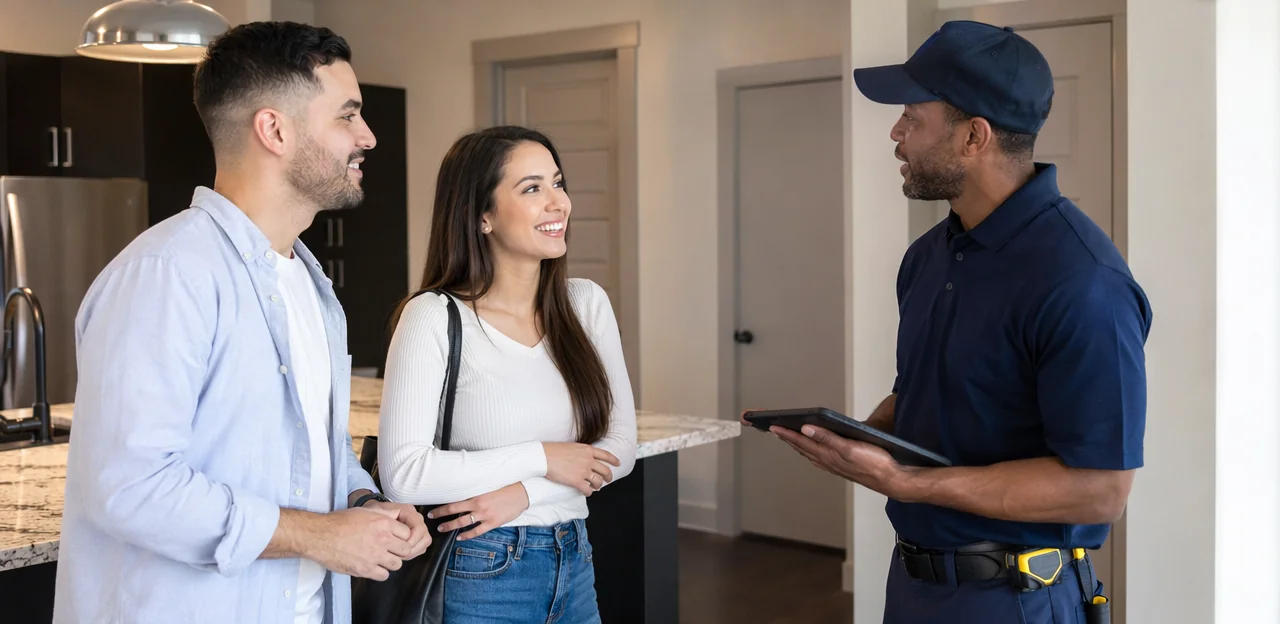
Turning maintenance feedback into faster operational fixes
A housing feedback platform helps providers turn resident comments into clear action across repairs, amenities, and frontline services. Instead of treating complaints as isolated cases, teams can use repair service feedback to spot patterns and improve response times.
- Identify recurring issues: Track repeat reports by property, block, unit type, or repair category to uncover persistent faults such as leaks, heating failures, or lift breakdowns.
- Measure contractor gaps: Compare completion times, repeat visits, satisfaction scores, and missed appointments to assess maintenance performance.
- Expose communication breakdowns: Flag where residents report unclear updates, poor handoffs, or no status visibility.
- Prioritize smarter: Use urgency, volume, and resident impact to guide scheduling and resource allocation.
This feedback-led approach supports housing operations improvement, stronger service levels, and faster fixes where they matter most.
Evaluating amenities and shared spaces with resident insight
A housing feedback platform helps property teams measure how residents actually experience property amenities, not just whether they exist. By combining satisfaction scores, comments, and usage trends, managers can improve amenity management and invest where it matters most.
- Track high-use spaces: Monitor gyms, lounges, parking areas, laundry rooms, outdoor spaces, and other communal facilities to spot crowding, downtime, or cleanliness issues.
- Compare usage with satisfaction: A busy gym with low ratings may need new equipment, better ventilation, or longer hours.
- Prioritize budget allocation: Use shared space feedback to direct spending toward upgrades residents value most, instead of guessing.
- Identify time-based patterns: Feedback by day or hour can reveal parking bottlenecks, laundry peak times, or underused lounges.
Tools like Tapsy can also support real-time, touchpoint-level feedback collection.
Closing the loop to build trust and loyalty
To close the feedback loop, housing teams must do more than collect comments through a housing feedback platform. Residents want proof that their voices lead to action. When feedback is acknowledged quickly and followed by clear updates, it strengthens resident trust and supports long-term tenant loyalty.
- Acknowledge feedback promptly: Send a confirmation that the issue, suggestion, or complaint has been received and assigned.
- Communicate actions taken: Share what was fixed, what is being reviewed, and expected timelines for larger improvements.
- Show progress over time: Report recurring themes, completed upgrades, and service changes in newsletters, portals, or noticeboards.
Visible outcomes keep residents engaged. Even when a problem cannot be solved immediately, transparent communication shows accountability and makes residents more likely to participate again.
How to choose the right platform for your housing organization

Key evaluation criteria for housing providers
When you choose a housing feedback platform, focus on the features that match your portfolio size and operating model:
- Ease of use: Simple surveys, mobile access, and clear dashboards help staff and residents engage quickly.
- Scalability: Housing associations and property management firms need tools that work across multiple sites, teams, and service lines.
- Security and compliance: Look for GDPR-ready data handling, role-based access, and secure resident information management.
- Customization: Ensure workflows, question sets, and branding fit private landlords, managed blocks, or social housing.
- Analytics depth: Strong reporting should reveal trends in maintenance, amenities, and contractor performance.
- Implementation support and pricing: Prioritize onboarding, training, integrations with property management software, and transparent costs.
Questions to ask vendors before implementation
To compare providers beyond a feature checklist, ask targeted feedback platform vendor questions before any software implementation:
- Onboarding: What does rollout look like across properties, and who owns setup, training, and change management?
- Integrations: Does the platform connect with CRM, property management, ticketing, or BI tools?
- Data ownership: Who owns resident feedback data, and how easy is export if you switch vendors?
- Reporting flexibility: Can dashboards be customized by site, service type, issue category, or resident segment?
- Accessibility: Does the housing feedback platform meet WCAG standards and support multiple languages and devices?
- Support model: What SLAs, escalation paths, and ongoing optimization support are included?
Strong housing survey software should fit your operations, not just your shortlist.
Common mistakes to avoid during selection
When evaluating a housing feedback platform, avoid choices that look polished but fail operationally. Common feedback platform mistakes include:
- Weak reporting: If dashboards cannot break down issues by property, service type, or resident segment, teams will struggle to act on insights.
- Poor mobile experience: Residents often respond on phones, so a clunky interface will reduce completion rates and damage trust in your resident experience platform.
- Limited integrations: Strong survey platform selection should include links to CRM, housing management, and maintenance systems.
- Generic templates: Standard surveys often miss housing-specific needs like repairs, communal areas, safety, and contractor performance.
Prioritize resident-centered design, simple journeys, and actionable alerts.
Measuring success and building a continuous improvement strategy

KPIs that matter for housing feedback programs
A strong housing feedback platform should track housing KPIs that connect resident input to operational improvement. Focus on:
- Response rate: Measures participation by building, unit type, or touchpoint.
- Resident satisfaction metrics: Overall satisfaction score by maintenance, amenities, and staff service.
- Repair completion satisfaction: How residents rate the fix after a work order is closed.
- Issue recurrence: Flags repeat problems like leaks, heating, or elevator outages.
- Amenity sentiment: Tracks how residents feel about gyms, parking, shared spaces, and cleanliness.
- Complaint reduction: Monitors whether service changes lower formal complaints over time.
- Retention indicators: Renewal intent, lease renewals, and move-out reasons.
These service quality metrics help teams prioritize fixes, improve communication, and benchmark property performance.
Creating governance, accountability, and follow-through
A housing feedback platform delivers value only when clear owners turn insights into action. Build feedback governance around defined responsibilities and a simple review rhythm:
- Operations: own shared spaces, amenities, and resident communication issues
- Maintenance: own repairs, safety concerns, and response-time targets
- Customer service: own case updates, escalation handling, and resident follow-up
- Leadership: own prioritization, budget decisions, and cross-team service accountability
Set weekly operational reviews and monthly leadership reviews to track trends, overdue issues, and recurring complaints. Turn findings into named action plans with deadlines, KPIs, and status updates. Platforms such as Tapsy can help route feedback quickly, supporting continuous improvement across properties.
Using insights for long-term resident experience strategy
A housing feedback platform should do more than collect comments—it should shape a stronger resident experience strategy over time. Use recurring feedback patterns to guide decisions at portfolio, property, and service level:
- Prioritize investment by linking complaint trends to capital planning, maintenance budgets, and amenity upgrades.
- Redesign services when housing insights show repeated friction in repairs, cleaning, security, or communication.
- Strengthen resident engagement by identifying preferred channels, response expectations, and community needs.
- Track long-term service improvement with benchmarks across buildings, teams, and time periods.
Platforms such as Tapsy can help turn day-to-day feedback into practical decision support for future planning.
Conclusion
In today’s housing environment, resident expectations are higher than ever, and property teams need faster, clearer ways to understand what matters most. A strong housing feedback platform helps organizations capture real-time insights on maintenance issues, shared amenities, and day-to-day services, while also improving survey design and the overall resident experience. Instead of relying on delayed complaints or low-response annual surveys, housing providers can gather actionable feedback at the right moments, spot recurring problems early, and respond before dissatisfaction grows.
The real value of a housing feedback platform lies in turning feedback into measurable improvements. From tracking repair satisfaction and cleanliness to evaluating concierge support, communal spaces, and digital services, the right system creates a more responsive, resident-centered operation. It also gives housing teams the data they need to benchmark performance, prioritize investments, and build trust through visible follow-up.
If you’re looking to strengthen resident engagement and make smarter operational decisions, now is the time to evaluate your feedback strategy. Start by reviewing your current survey touchpoints, identifying service gaps, and exploring tools that support real-time input and faster issue resolution. Solutions such as Tapsy may be worth considering as part of a modern approach. For next steps, look for resources on resident journey mapping, maintenance satisfaction surveys, and property service benchmarking.
Frequently Asked Questions
- What is a housing feedback platform?
A housing feedback platform is a system that collects structured resident feedback about maintenance, amenities, and resident services. It helps housing providers, landlords, and property teams turn resident comments into actionable data for faster responses and better service decisions.
- Why is resident feedback important in housing operations?
Resident feedback works as an early-warning system for recurring issues, communication problems, and service gaps. When it is collected consistently, teams can move from reacting to complaints to proactively improving satisfaction, accountability, and trust.
- How can a housing feedback platform improve maintenance performance?
It helps teams track recurring faults, response times, resolution quality, and missed appointments. It also makes it easier to compare contractor performance, identify communication breakdowns, and prioritize repairs based on urgency, volume, and resident impact.
- Can one platform cover repairs, amenities, and resident services together?
Yes, a joined-up platform can combine maintenance feedback, amenities feedback, and resident service insights in one place. That makes it easier to see how issues overlap across departments, such as when lift problems also affect cleaning complaints or concierge pressure.
- What channels should a housing feedback platform support?
It should support multiple channels such as email, SMS, web forms, resident portals, QR codes, mobile devices, and in-person options like kiosks or staff-assisted surveys. Offline or assisted methods are also important for residents with limited internet access, disabilities, or lower digital confidence.
- What makes survey design effective for housing feedback?
Effective survey design uses short, clear, neutral questions that match the service being measured. A good approach combines simple rating scales with optional open-text comments so residents can quickly score an experience and add context when needed.
- When should housing providers send feedback surveys?
Timing should match the resident touchpoint. Repairs should usually be surveyed within 2–24 hours, move-in feedback after 7–14 days, amenity feedback immediately or within a few hours of use, and support interaction surveys within 24 hours of case closure.
- How can housing teams reduce survey fatigue?
Keep surveys short, use always-on feedback channels alongside targeted surveys, and avoid sending repeated requests too often. A practical limit is to suppress recent responders and cap outreach to no more than one survey per resident every 2–4 weeks.
- How do you improve response rates and data quality in resident surveys?
Use mobile-first forms, keep surveys to 3–5 focused questions, and explain why feedback matters and how it will be used. Response quality also improves when residents can choose anonymous or named responses, receive reminders at varied times, and access multilingual or assisted options.
- What analytics features are useful in housing feedback software?
Useful features include sentiment analysis, tagging by issue type or location, resident segmentation, and dashboards that show trends by property, contractor, or service area. Integration with CRM, repairs systems, and case management tools also helps teams turn feedback into operational action.
- How can feedback help improve shared spaces and amenities?
Feedback can show how residents actually experience gyms, lounges, parking, laundry rooms, and outdoor spaces. By comparing usage patterns with satisfaction scores and comments, property teams can identify crowding, downtime, cleanliness issues, and where budget should go first.
- What does closing the feedback loop mean in housing?
Closing the feedback loop means acknowledging resident feedback quickly, communicating what action has been taken, and sharing timelines for larger improvements. Visible follow-up builds trust and makes residents more likely to keep participating, even when a problem cannot be solved immediately.
- What should housing providers look for when choosing a feedback platform?
Key criteria include ease of use, scalability across sites and teams, security and compliance, customization, analytics depth, and implementation support. It is also important to check whether the platform integrates with property management software, CRM, ticketing, or BI tools.
- What common mistakes should be avoided during platform selection?
Common mistakes include choosing tools with weak reporting, poor mobile experience, limited integrations, or generic survey templates that miss housing-specific needs. Resident-centered design, simple journeys, and actionable alerts are more useful than polished features that do not support daily operations.
- Which KPIs matter most for a housing feedback program?
Important KPIs include response rate, overall resident satisfaction, repair completion satisfaction, issue recurrence, amenity sentiment, complaint reduction, and retention indicators such as renewal intent or move-out reasons. These measures help teams connect resident input to service quality, investment priorities, and long-term improvement.