When a resident reports a leaking tap, repeated noise disturbance, or a broken lift, the issue itself is only part of the problem. What happens next often determines whether the experience becomes a minor frustration or a formal complaint. In housing, delayed responses, unclear communication, and poor follow-through can quickly erode trust. That is why housing service recovery is no longer just a reactive task—it is a critical part of delivering a better resident experience.
Effective housing service recovery focuses on identifying concerns early, responding with empathy, and resolving problems before they escalate into dissatisfaction, complaints, or reputational damage. For housing providers, property managers, and resident services teams, this means having the right processes in place to capture feedback, triage issues, and close the loop with residents in a timely, transparent way. Tools such as Tapsy can also support faster issue reporting at key touchpoints, helping teams act while feedback is still fresh.
This article explores why service recovery matters in housing, the common causes of escalation, and the practical steps organisations can take to improve response times, communication, and accountability. It will also look at how proactive feedback systems can help turn negative moments into opportunities to build resident trust.
Why housing service recovery matters in resident experience

What housing service recovery means in practice
Housing service recovery is the action a housing provider takes to put things right as soon as a resident is affected by a service failure. In housing and property settings, that could mean responding quickly to a repair delay, missed appointment, poor communication, or another breakdown that harms the resident experience.
In practice, service recovery in housing usually includes:
- acknowledging the issue early
- giving a clear explanation and next step
- fixing the problem or arranging an alternative
- keeping the resident updated until resolution
This is different from formal complaint handling. Complaint handling is the structured process after dissatisfaction is raised. Housing service recovery happens earlier: it aims to resolve the issue before frustration escalates into a complaint, mistrust, or repeated contact.
The cost of unresolved resident issues
When resident complaints are not addressed early, the impact spreads quickly across operations, budgets, and resident relationships. Effective housing service recovery helps prevent small service failures from becoming larger, more expensive problems.
- Operational strain: unresolved issues drive repeat contact, extra follow-ups, duplicated case handling, and more staff time spent managing avoidable complaint escalation.
- Financial impact: delayed action increases repair costs, compensation risk, void losses, and the administrative expense of formal complaints and investigations.
- Reputational damage: poor handling lowers housing customer satisfaction, weakens confidence in service teams, and reduces trust among residents.
- Long-term effects: residents who feel ignored are more likely to escalate concerns publicly, disengage from communication, and report lower satisfaction over time.
Using fast feedback routes and clear ownership, such as tools like Tapsy, can help teams identify issues sooner and respond before frustration builds.
Why early intervention builds trust
In housing service recovery, speed matters as much as the fix itself. When residents feel heard early, frustration is less likely to turn into formal complaints, repeat contacts, or lost resident trust. Even if the issue cannot be resolved immediately, prompt and thoughtful housing communication shows accountability.
- Acknowledge quickly: Confirm the issue has been received and explain who is handling it.
- Lead with empathy: Recognise the inconvenience or stress caused, rather than relying on generic responses.
- Take ownership: Avoid passing residents between teams without clarity or updates.
- Set clear next steps: Share realistic timelines, what will happen next, and when the resident will hear from you again.
This kind of early intervention restores confidence by proving the resident is not being ignored.
Common triggers for escalation in housing services

Repairs, maintenance, and missed appointments
Delayed housing repairs, poor contractor coordination, and unresolved property maintenance issues are some of the fastest ways to erode resident trust. Frustration often peaks when residents take time off for visits that result in missed appointments or no clear next step.
To strengthen housing service recovery, teams should focus on proactive communication:
- Confirm appointments with clear time windows and access instructions
- Notify residents early about delays, parts shortages, or contractor changes
- Record failed access attempts accurately and offer easy rebooking
- Share progress updates until the repair is fully completed
- Close the loop by confirming the outcome and checking satisfaction
Simple systems such as SMS alerts or tools like Tapsy can help capture issues early and prevent avoidable escalation.
Communication breakdowns and unclear ownership
A communication breakdown quickly erodes trust in housing service recovery. Residents become frustrated when one team promises action, another gives different information, and no one can confirm who is actually managing the issue. Repeating the same problem across repairs, housing officers, and contact centres also makes residents feel ignored rather than supported.
To improve resident contact handling, housing providers should:
- assign clear case ownership from first report to resolution
- give residents one named contact or team for updates
- record notes in a shared system so residents do not repeat themselves
- use consistent response templates and service standards across teams
- confirm next steps, timescales, and responsibility after every interaction
Tools like Tapsy can also help capture issues early and route them to the right team faster.
Vulnerability, repeat issues, and high-emotion cases
Some complaints carry a much higher escalation risk. Vulnerable residents, cases involving repeat service failures, and reports about damp, mould, antisocial behaviour, or housing safety concerns need faster, more careful handling as part of effective housing service recovery.
- Triage for risk, not just category: flag health, safeguarding, disability, age, language, or mental wellbeing factors from first contact.
- Check complaint history: repeated missed repairs or poor communication often signal declining trust and a higher chance of escalation.
- Prioritise serious impact: damp, mould, noise, harassment, fire risks, and security issues should trigger urgent action and clear ownership.
- Communicate with empathy: explain what will happen next, by when, and who is responsible.
- Use early alerts: tools such as Tapsy can help surface urgent resident feedback quickly.
A practical housing service recovery framework
Acknowledge, assess, and take ownership
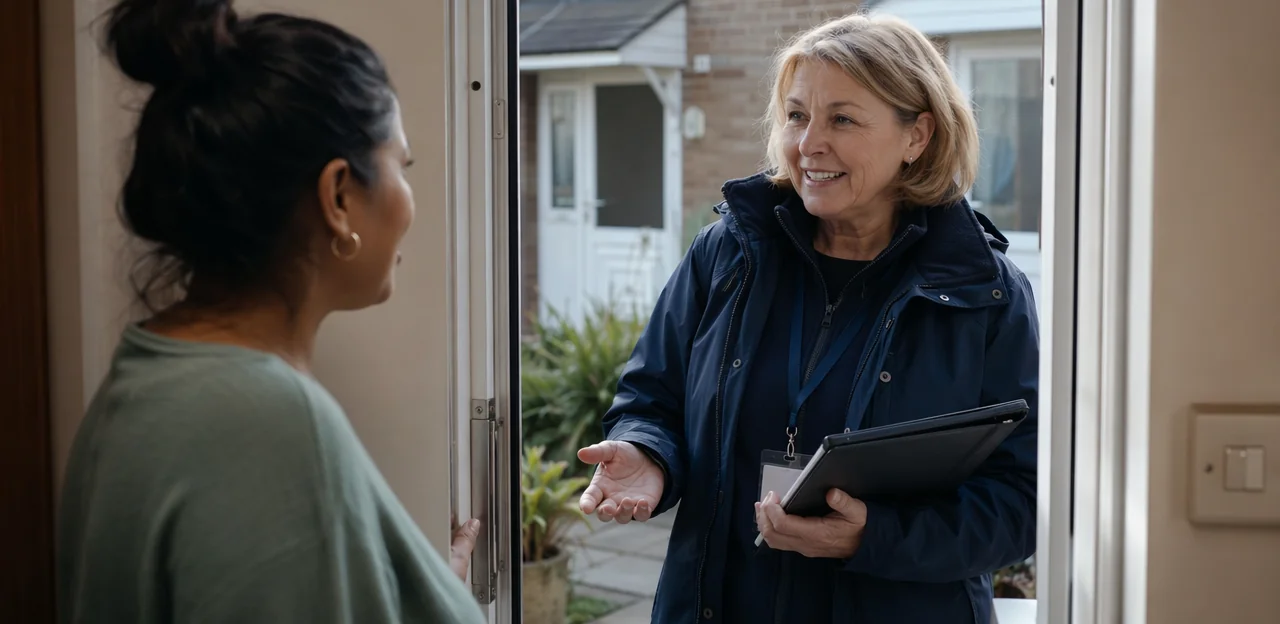
A strong housing service recovery process starts with a simple but disciplined response model. The goal is to show residents they have been heard, understand the real impact of the issue, and make it clear who is responsible for fixing it.
- Acknowledge quickly
Start with prompt issue acknowledgement. Confirm the complaint or report has been received, thank the resident for raising it, and set expectations for next steps and timing. - Assess the impact
Go beyond the surface problem. Ask how the issue affects the resident’s safety, comfort, access, or daily routine. This helps teams prioritise correctly within a practical service recovery framework. - Assign clear ownership
One person or team should be accountable from start to finish. Strong ownership in housing services prevents delays, duplicated effort, and residents being passed between departments. - Communicate until resolved
Provide updates, confirm actions taken, and close the loop once the issue is resolved.
Tools such as Tapsy can help teams capture feedback quickly and route cases to the right owner before concerns escalate.
Communicate clearly and set realistic expectations
Clear resident communication is one of the fastest ways to reduce frustration during housing service recovery. Residents are often more understanding of delays when they know what is happening, why it is happening, and when they will hear from you again.
- Give honest timelines: Avoid vague promises such as “soon” or “as quickly as possible.” Instead, share a realistic timeframe, for example, “A contractor has been booked for Thursday, and we will update you by 4pm if that changes.”
- Explain constraints calmly: If parts, approvals, or specialist access are causing delays, say so plainly. Keep the focus on facts and action rather than excuses.
- Confirm the next step: End every contact with a clear summary of what will happen next, who is responsible, and when the resident will receive further service updates.
- Stick to update commitments: Even if there is no progress, a brief update reassures residents they have not been ignored.
Strong expectation management builds trust, reduces repeat chasing, and helps residents feel informed throughout the process.
Resolve, follow up, and confirm satisfaction
Effective housing service recovery does not end when a repair is logged or an apology is given. Trust is rebuilt when the agreed action is fully completed, the resident sees the result, and your team confirms the problem will not return.
To strengthen issue resolution, housing teams should:
- Complete the promised action within the agreed timeframe and clearly document what was done.
- Follow-up with residents after the work is finished to check whether the issue is genuinely resolved, not just marked closed internally.
- Ask for resident feedback on both the outcome and the handling of the case, including communication, timeliness, and professionalism.
- Record recurring causes so patterns can be identified and prevented across other homes or buildings.
A short follow-up call, message, or survey can reveal whether further action is needed. Tools such as Tapsy can help capture timely feedback at key service touchpoints. Closing the loop properly improves satisfaction, reduces repeat complaints, and helps teams deliver better service recovery in future cases.
Skills and systems that support effective recovery

Frontline staff skills: empathy, listening, and de-escalation
Strong frontline housing staff are central to effective housing service recovery. When residents feel heard and respected, complaints are less likely to escalate.
- Practice active listening: give full attention, avoid interrupting, summarise the issue, and confirm next steps.
- Use empathy in customer service: acknowledge frustration with phrases like, “I can see why this has been upsetting.”
- Apologise where appropriate: a sincere apology can reduce defensiveness and rebuild trust, even before a full resolution is available.
- Apply de-escalation skills: stay calm, lower your tone, avoid blame, and focus on solutions rather than arguments.
- Build confidence for difficult conversations: train staff to handle anger, set boundaries respectfully, and explain timelines clearly.
Tools like Tapsy can also help teams capture concerns early and respond faster.
Using data, case management, and service standards
Strong housing service recovery depends on every issue being visible, owned, and tracked to resolution. A reliable housing CRM gives teams one shared record, so updates, vulnerabilities, and previous contact history are not lost between departments.
- Use structured case management to log every concern, assign an owner, set deadlines, and record outcomes.
- Keep clear case notes so any colleague can understand what happened, what was promised, and what action is due next.
- Define service standards for acknowledgement, first response, updates, and closure to create consistency across teams.
- Build clear escalation pathways for urgent risks, repeat failures, or complex resident needs.
This reduces handoff errors, improves accountability, and helps prevent residents from falling through service gaps. Tools like Tapsy can also help capture issues earlier and route them into the right workflow.
Cross-team collaboration between housing, repairs, and complaints
Strong housing service recovery depends on teams seeing the same resident journey, not separate tasks. When housing officers, contact centres, contractors, and complaints teams share updates, they can resolve issues faster, reduce repeat contact, and strengthen complaints prevention.
- Create one shared case view: Log repairs, contacts, vulnerabilities, and previous promises in one place so every team works from the same facts.
- Set clear handoffs: Define who owns the next action, response times, and escalation triggers across housing operations.
- Close the loop with residents: Confirm what has been done, what happens next, and who is responsible.
- Review patterns together: Regular cross-team collaboration meetings help identify recurring failures and fix root causes.
Tools such as Tapsy can also help capture real-time feedback and route issues early.
Measuring success and improving service recovery over time

Key metrics to track before issues escalate
To strengthen housing service recovery, track a small set of leading indicators that show where friction is building:
- First-contact resolution: Measure how often resident issues are solved in the first interaction. Low first-contact resolution often signals process gaps or poor handoffs.
- Repeat contact rate: Monitor how many residents need to chase the same issue again.
- Complaint conversion rate: Track the share of service requests that turn into formal complaints. A rising complaint conversion rate is an early warning sign.
- Response times: Review first response and full resolution times by issue type.
- Resident satisfaction: Use post-case feedback to monitor recovery quality.
- Unresolved case volume: Watch backlog levels closely, especially aging cases.
These service recovery metrics help teams intervene early and prevent escalation.
Learning from complaints, feedback, and root causes
Effective housing service recovery should not end when a case is closed. Use housing complaints learning to spot repeat failures and prevent the same issues from resurfacing.
- Group complaints by theme, location, contractor, service stage, or resident type.
- Use resident feedback analysis to compare formal complaints with surveys, call logs, and frontline comments.
- Run root cause analysis on recurring issues such as missed appointments, poor communication, repair delays, or unclear responsibilities.
- Review operational data to identify process gaps, handoff failures, and policy barriers.
- Redesign workflows, ownership rules, and communications based on findings.
Tools like Tapsy can help capture real-time feedback at key housing touchpoints before dissatisfaction escalates.
Creating a continuous improvement culture
To make housing service recovery proactive, leaders must build it into everyday operations rather than treat it as a one-off response.
- Set clear accountability: assign owners for complaint themes, response times, and follow-up outcomes so issues never sit between teams.
- Coach for consistency: use real cases in team huddles to strengthen empathy, communication, and problem-solving skills.
- Review patterns regularly: track root causes, repeat failures, and resident sentiment to identify where processes need fixing.
- Close the loop visibly: share lessons learned, actions taken, and service wins across teams to reinforce a strong service culture.
Strong housing leadership turns feedback into continuous improvement, preventing escalation before trust is lost.
Best practices for preventing escalation in housing

- Build proactive communication into every stage of the resident journey, from first report to resolution.
- Send regular updates, even when there is no final fix yet, so residents know their issue is being handled.
- Use plain language to explain timelines, next steps, and any delays.
- Offer updates through the resident’s preferred channel—SMS, email, phone, or portal—to strengthen trust and support effective housing service recovery.
Personalising support for different resident needs
Effective housing service recovery should reflect individual resident needs, not a one-size-fits-all process. To deliver fairer outcomes, teams should:
- prioritise personalised resident support for vulnerable residents and complex cases
- offer accessible housing services through alternative formats, interpreters, and adjusted communication channels
- record language preferences, health needs, and support requirements early
- assign trained case handlers for sensitive or repeat issues to reduce delays and misunderstanding
Embedding service recovery into everyday operations
To make housing service recovery routine, build it into daily housing service delivery:
- Set clear policies for response times, ownership, and escalation thresholds.
- Train frontline teams in empathy, communication, and practical service recovery best practices.
- Empower staff to resolve common issues without manager approval.
- Make leadership expectations visible through coaching, reviews, and case follow-up.
This creates operational excellence by turning early resolution into standard practice, not exception handling.
Conclusion
Effective housing service recovery starts long before a complaint becomes a formal escalation. When housing providers make it easy for residents to raise concerns, respond quickly, communicate clearly, and follow through consistently, they protect trust as much as they solve the issue itself. From maintenance delays and cleanliness concerns to communication breakdowns and service frustrations, the most successful teams treat every piece of feedback as an opportunity to improve the resident experience.
Strong housing service recovery depends on a few essentials: listening early, identifying patterns, empowering frontline teams to act, and closing the loop so residents know their concerns have been heard and addressed. This proactive approach not only reduces complaints and reputational risk, but also strengthens satisfaction, retention, and confidence in your service.
The next step is to review your current resident feedback and response journey. Are issues being captured at the moment they happen? Are urgent concerns routed to the right team fast enough? Are residents kept informed throughout the process? Tools such as Tapsy can help housing teams collect real-time feedback at key touchpoints and act before problems escalate.
If you want to improve outcomes, start by auditing your response process, setting clear service recovery standards, and giving teams the tools to resolve issues early. Better housing service recovery begins with faster listening, smarter action, and a stronger commitment to residents.
Frequently Asked Questions
- What is housing service recovery?
Housing service recovery is the action a housing provider takes to put things right as soon as a resident is affected by a service failure. It usually includes acknowledging the issue early, explaining the next step, fixing the problem or arranging an alternative, and keeping the resident updated until resolution.
- How is service recovery different from formal complaint handling?
Service recovery happens earlier and aims to resolve problems before frustration turns into a formal complaint. Complaint handling is the structured process used after dissatisfaction has already been raised.
- Why does early intervention matter so much in resident experience?
Early intervention helps residents feel heard before trust breaks down. Even when a fix takes time, prompt acknowledgement, empathy, ownership, and clear next steps can reduce repeat contact and prevent escalation.
- What types of housing issues are most likely to escalate?
Repairs delays, missed appointments, poor contractor coordination, and communication breakdowns are common triggers. Repeat service failures, damp, mould, antisocial behaviour, and housing safety concerns also carry a higher escalation risk.
- What should teams do after a resident reports a repair problem?
Teams should confirm the appointment clearly, explain any access instructions, and notify the resident early if there are delays or contractor changes. They should also share progress updates until the repair is completed and confirm the outcome afterward.
- How can housing providers reduce frustration caused by unclear ownership?
Assign one named contact or team from first report to resolution so the resident knows who is responsible. Shared case notes, consistent service standards, and clear summaries of next steps after every interaction help avoid conflicting information.
- How should vulnerable residents or high-emotion cases be handled?
These cases should be triaged for risk, not just by issue category, with factors like health, safeguarding, disability, age, language, or mental wellbeing considered from first contact. Serious issues such as damp, mould, harassment, fire risks, and security concerns need urgent action, clear ownership, and empathetic communication.
- What is a practical framework for housing service recovery?
A simple framework is to acknowledge the issue quickly, assess its impact on the resident, assign clear ownership, and communicate until it is resolved. This approach helps teams show accountability and prevents residents from being passed between departments.
- How should teams communicate delays without making residents more frustrated?
Use honest timelines instead of vague promises and explain constraints plainly, such as parts shortages or approval delays. Every contact should end with a clear summary of what happens next, who is responsible, and when the resident will hear from the team again.
- When is a housing issue truly resolved?
An issue is resolved when the promised action has been completed, the result has been confirmed with the resident, and the team has checked that the problem is genuinely fixed. Follow-up and feedback are important because a case should not be treated as closed only because it was marked complete internally.
- What frontline skills help prevent complaints from escalating?
Active listening, empathy, sincere apologies where appropriate, and calm de-escalation are key skills. Staff also need confidence to handle difficult conversations, set boundaries respectfully, and explain timelines clearly.
- What systems support better service recovery in housing?
A shared CRM or case management system helps teams log concerns, assign owners, set deadlines, and record outcomes in one place. Clear service standards for acknowledgement, updates, and closure also improve consistency and accountability.
- Why is cross-team collaboration important in housing service recovery?
Housing officers, contact centres, contractors, and complaints teams need a shared view of the resident journey so they can work from the same facts. Clear handoffs, shared updates, and regular reviews of recurring failures help reduce repeat contact and fix root causes faster.
- Which metrics should housing providers track to spot escalation early?
Useful indicators include first-contact resolution, repeat contact rate, complaint conversion rate, response times, resident satisfaction, and unresolved case volume. These measures help teams see where friction is building before more issues become formal complaints.
- How can tools like Tapsy support housing service recovery?
Tools like Tapsy can help teams capture real-time feedback at key touchpoints and route issues to the right team faster. They can also support quicker reporting while feedback is still fresh, which helps providers act before frustration builds.