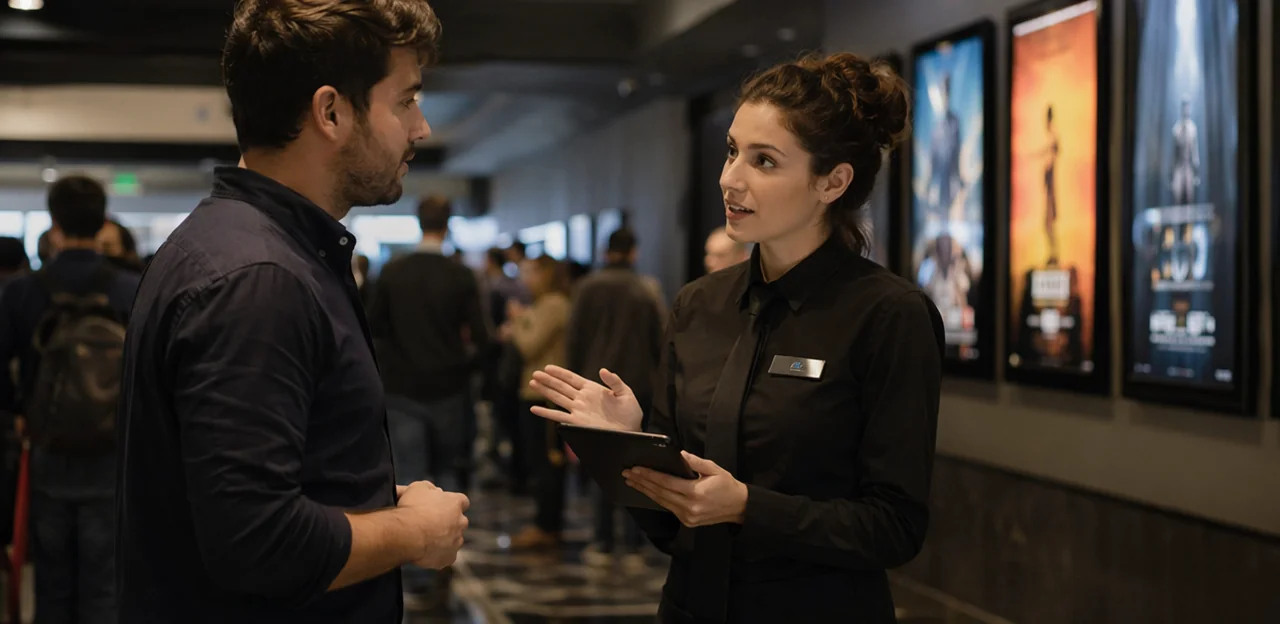
A single bad cinema visit can turn into a public one-star review before the lights have even come up. Whether the issue is poor sound, uncomfortable seating, long concession queues, or a room that feels too hot or too cold, frustrated guests often head straight to Google or social media when they feel unheard. That is why cinema review prevention is no longer just a reputation task — it is an audience experience strategy.
The most effective cinemas do not wait for complaints to appear online. Instead, they create quick, private ways for guests to share problems while the experience is still fresh and while staff still have a chance to fix them. A simple feedback prompt at the right moment can help uncover issues early, reduce public frustration, and turn a disappointing visit into a recovered experience.
In this article, we will explore how private feedback helps cinemas protect their reputation, improve showtime operations, and strengthen customer satisfaction. We will also look at the best moments to collect feedback, the types of issues cinemas should track, and how fast internal response systems can reduce negative reviews before they happen. Where relevant, tools like Tapsy can support this approach by making it easier to capture instant guest feedback without adding friction.
Why cinema review prevention matters for modern venues

How negative reviews affect ticket sales and reputation
Public feedback strongly influences whether people trust your cinema enough to book. A few negative cinema reviews about dirty seats, poor sound, or long queues can quickly reduce conversions and weaken cinema reputation management efforts.
- Audience trust drops fast: Moviegoers often check ratings before choosing where to watch a film.
- Bookings decline: One-star reviews can push customers toward nearby competitors with better recent feedback.
- Local search visibility suffers: Review quality, volume, and recency affect how cinemas appear in Google Maps and local results.
- Bad experiences spread quickly: One unresolved issue can be reposted across review sites and social media within hours.
That is why cinema review prevention should focus on catching problems privately before guests post publicly.
Private complaints feel safer than public criticism. When guests can share private customer feedback in seconds, they are more likely to report a sticky seat, poor sound, or long concession waits before posting online. That is the core of cinema review prevention: solving problems while the experience can still be recovered.
- Reduce emotional escalation: a simple private channel lets frustrated guests vent early.
- Lower friction: QR codes, SMS links, or kiosk prompts make reporting easier than writing public reviews.
- Enable fast recovery: staff can address cinema customer complaints immediately with an apology, fix, or small gesture.
- Help prevent bad reviews: resolved issues often never reach Google or Tripadvisor.
Tools like Tapsy can support this quick-response flow.
The link between audience experience and review management
Review management starts long before a guest posts online. In cinemas, every operational detail shapes the audience experience and directly influences review outcomes. Sound quality, seat comfort, queue times, cleanliness, and staff responsiveness all combine to define the overall event experience.
For effective cinema review prevention, teams should treat feedback as part of daily service delivery:
- Monitor key touchpoints: ticketing, concessions, auditoriums, and restrooms
- Collect private feedback quickly: resolve issues before guests leave frustrated
- Act on recurring patterns: fix root causes, not just individual complaints
- Train staff for fast recovery: a quick response can turn a poor moment into a positive memory
Tools like Tapsy can help capture in-the-moment feedback where the experience happens.
Common causes of negative cinema reviews

Pre-show friction points that trigger dissatisfaction
Before trailers even begin, small operational failures can damage the cinema customer journey and lead to poor sentiment. For effective cinema review prevention, cinemas should monitor these early pain points:
- Booking issues: failed payments, duplicate charges, missing confirmation emails, or app glitches create stress before arrival.
- Unclear seating: confusing seat maps, poor signage, or double-booked seats quickly frustrate guests.
- Long queues: weak cinema queue management at ticket checks or concessions makes the visit feel disorganized.
- Parking confusion: limited spaces, unclear directions, or payment uncertainty start the experience badly.
- Poor staff communication: inconsistent answers or slow help can make minor issues feel bigger.
These moments often set the tone for the whole visit, so capturing private feedback at entrances or counters, using tools like Tapsy, helps teams resolve problems before they become negative reviews.
In-auditorium issues audiences mention most
The most common cinema experience issues happen during the screening itself, when frustration feels immediate and personal. These problems often turn directly into one-star posts unless staff can intervene fast, making them central to cinema review prevention.
- Poor sound and picture quality: low volume, distorted audio, blurry projection, dim screens, or syncing problems quickly ruin immersion.
- Temperature problems: auditoriums that are too hot or too cold make a two-hour film feel much longer.
- Cinema cleanliness complaints: sticky floors, dirty cup holders, overflowing bins, or unclean seats signal poor standards.
- Disruptive guests: phone use, talking, and seat-kicking often trigger emotional reviews.
- Seat comfort issues: broken recliners, limited legroom, or damaged seats lead to repeat complaints.
Private in-the-moment feedback tools such as Tapsy help teams catch and fix these issues before guests leave angry.
Post-visit frustrations that become online reviews
Many online review complaints are not caused by the original cinema issue alone, but by what happens after the visit. A minor problem can turn into a harsh public review when guests feel ignored.
- Refund delays make customers feel the cinema is avoiding responsibility.
- Ignored complaints signal that feedback is collected but not acted on.
- No follow-up leaves guests wondering whether anyone cared about their experience.
This is where strong customer service recovery matters most. Fast, personal post-visit feedback responses can reduce anger before it becomes a one-star review. For effective cinema review prevention, set clear response times, confirm receipt immediately, and explain the next step. Tools like Tapsy can help capture issues early and support quicker private resolution.
How to build a quick private feedback system in cinemas

Best moments to ask for feedback during the cinema journey
Effective cinema review prevention depends on asking for real-time customer feedback at points where staff can still solve problems before guests leave unhappy. The best cinema feedback timing includes:
- Right after ticket purchase: Ask a one-tap question about booking ease, staff helpfulness, or queue speed. This helps spot entry friction early.
- At concession pickup: This is ideal for guest feedback collection on wait times, order accuracy, food quality, and upsell satisfaction while replacements are still possible.
- During the interval for select events: For long screenings, premieres, or live broadcasts, a short check-in can flag sound, temperature, seating, or cleanliness issues in time for correction.
- Immediately after the screening: Capture reactions while the experience is fresh, especially around picture quality, comfort, and overall satisfaction.
Keep requests short, mobile-friendly, and tied to visible touchpoints such as exits, counters, or QR prompts. Tools like Tapsy can help cinemas collect fast, private feedback before frustration turns into public reviews.
Channels that make private feedback easy and fast
To improve cinema review prevention, choose feedback channels that match the moment and your operational capacity. The best options are quick, mobile-friendly, and easy to act on before guests post publicly.
- QR code feedback: Ideal for auditorium exits, concession counters, and restrooms. It is low-cost, fast to deploy, and works well for independents and chains alike.
- SMS customer survey: Best when you already collect phone numbers during booking. A short text sent within minutes of the show can capture fresh reactions with high open rates.
- App prompts: Useful for larger cinema brands with an active app. They feel seamless, but only work if customers already use the app regularly.
- Email follow-ups: Affordable and easy, but slower and easier to ignore than SMS.
- Kiosk surveys: Good for high-traffic foyers, though they require hardware and maintenance.
- Staff-assisted reporting: Great for resolving issues immediately, especially for VIP screenings or premium formats.
For many venues, the best mix of cinema feedback tools is QR plus SMS. Solutions like Tapsy can help cinemas collect fast, private feedback without adding friction.
What questions cinemas should ask to uncover issues quickly
Strong customer feedback questions should help staff spot and solve problems before they become public complaints. For effective cinema survey design, keep the flow short and action-focused:
- How urgent is this issue?
Use a 3-point scale: Needs help now / Soon / Just sharing feedback. - Where did it happen?
Let guests choose a location: Auditorium, seat row, concessions, lobby, restroom, ticket desk. - What type of problem is it?
Include fast-tap categories for service issue reporting: sound, picture, temperature, cleanliness, seating, queue time, food quality, staff support. - How would you like this resolved?
Options like staff follow-up now, replacement item, seat change, refund review, no follow-up needed speed up service recovery. - Quick rating + comment
Ask for a 1–5 rating, then an optional prompt such as: What happened, and what should we fix first?
This structure supports cinema review prevention by helping teams act fast without overwhelming guests. Tools like Tapsy can make this process even quicker at key touchpoints.
Turning private feedback into fast service recovery

How staff should triage and respond to urgent issues
A strong service recovery process helps cinemas solve problems before they become public complaints. Front-line teams should use a simple severity system so every alert gets the right cinema staff response fast:
- Critical: safety risks, aggressive guests, major sound or screen failures — alert a manager immediately.
- High: disruptive behavior, extreme temperature issues, broken seats, or cleanliness problems affecting the experience — send floor staff at once.
- Moderate: minor seat disputes, concession delays, or volume concerns — resolve within minutes.
For effective real-time issue resolution, staff should confirm the issue, apologize, and offer a practical fix such as moving seats, adjusting auditorium temperature, or addressing noisy guests discreetly. If needed, provide a small goodwill gesture. Tools like Tapsy can help route alerts instantly, supporting better cinema review prevention before guests leave unhappy.
Response templates that feel personal, not scripted
A strong customer complaint response should sound human, not copied-and-pasted. For cinema review prevention, train staff to use short templates with flexible wording so every reply includes empathy, action, and ownership.
- Acknowledge the issue clearly: “I’m sorry your screening was disrupted by the sound problem.”
- Show accountability: Avoid defensive language. Say what the cinema will do next, not why it happened.
- Explain the next step: “Our duty manager is reviewing this now and will contact you today.”
- Offer a fitting resolution: Refunds, replacement tickets, or concession vouchers should match the inconvenience.
- Keep the tone calm and personal: Use the guest’s name, reference the specific issue, and sign off with a real team member.
This approach supports empathetic service recovery and strengthens your review response strategy by resolving frustration before it becomes a public complaint. Tools like Tapsy can help cinemas capture issues quickly and respond faster.
When to offer refunds, vouchers, or follow-up support
A clear customer compensation strategy helps cinemas resolve issues before they turn into public complaints. For strong cinema review prevention, match the remedy to the problem:
- Offer cinema refunds for major service failures, such as cancelled screenings, projector or sound breakdowns, double-booked seats, or severe disruption that ruins the film.
- Give vouchers or credits for moderate issues, including long concession waits, uncomfortable temperature, minor seat problems, or partial interruptions. This protects revenue while encouraging a return visit and supporting guest retention.
- Provide follow-up support when the issue is personal or unclear, such as staff interactions or accessibility concerns. A quick apology, explanation, and direct contact can rebuild trust.
Use private feedback tools, such as Tapsy, to flag low scores instantly so staff can respond fairly, consistently, and fast.
Using feedback data to improve audience experience long term

Spotting patterns across locations, screens, and showtimes
Private feedback becomes far more useful when cinemas group it into trends instead of treating each complaint as a one-off. Strong feedback analytics can reveal whether issues are tied to a specific venue, screen, staffing level, or event type.
- Compare scores by branch, auditorium, and showtime to spot recurring sound, temperature, cleanliness, or seating problems.
- Track comments by staff shift to identify queue issues or service gaps during understaffed periods.
- Segment feedback from premieres, family screenings, and late-night shows for sharper customer experience insights.
This trend analysis supports faster cinema operations improvement, better staffing, and targeted maintenance—key steps in effective cinema review prevention. Tools like Tapsy can help centralize and benchmark this data in real time.
Training teams with real audience feedback examples
Use anonymized guest comments from private feedback channels to make staff training practical and relevant. Real examples help managers coach teams on what to say, when to step in, and how to recover a poor moment before it becomes a public complaint.
- Review feedback weekly and group it by themes like queue frustration, seat issues, or staff tone.
- Turn comments into short customer experience training role-plays for front desk, concession, and floor teams.
- Coach staff on clear communication, fast escalation, and proactive cinema hospitality.
- Celebrate recovered situations, not just perfect shifts, to reinforce that complaints are improvement opportunities.
This mindset supports stronger service standards and better cinema review prevention.
Connecting private feedback to public review performance
Strong cinema review prevention starts with resolving issues before guests post publicly. When cinemas quickly fix complaints about sound, seating, cleanliness, or queues, fewer frustrations turn into negative reviews, which supports better review performance over time.
- Track private complaints by category, location, and resolution speed.
- Compare that data with star ratings, review volume, and sentiment trends each month.
- Look for patterns: faster resolutions often lead to higher ratings, more balanced review volume, and stronger online reputation improvement.
For effective cinema review management, combine internal feedback dashboards with public review monitoring. Tools like Tapsy can help capture issues early, giving teams a fuller view of what drives review outcomes.
Best practices for cinema review prevention without annoying guests

How to ask for feedback without creating survey fatigue
To support cinema review prevention, keep feedback requests targeted, brief, and well-timed:
- Ask selectively: Trigger requests after key moments only, such as after a screening, concession purchase, or reported issue.
- Limit frequency: Avoid sending every guest multiple surveys in a short period to reduce survey fatigue.
- Choose the right timing: Request feedback immediately after the visit, while details are fresh.
- Keep forms short: Use 1–3 questions plus an optional comment box.
These customer feedback best practices improve response quality, increase cinema guest engagement, and help staff resolve issues before they become public reviews.
Privacy, consent, and trust in feedback collection
Strong cinema review prevention starts with respectful data practices. When guests understand how feedback is used, they are more likely to respond honestly and privately.
- Clearly explain what you collect, why, and how long you keep it to support customer data privacy.
- Ask for clear feedback consent before collecting names, email addresses, or visit details.
- Use secure forms, limited staff access, and encrypted storage to protect guest information.
- State that private feedback helps resolve issues faster, which builds trust in customer surveys and improves response rates.
Tools like Tapsy can support simple, transparent collection at the right moment.
A simple cinema review prevention action plan
- Choose fast feedback channels: Use QR codes, SMS, email, or lobby kiosks so guests can report issues before posting publicly.
- Train frontline staff: Give teams clear scripts, escalation paths, and authority to fix common problems quickly.
- Set response targets: Aim to acknowledge urgent complaints within 5–10 minutes and resolve them before guests leave.
- Track patterns: Measure complaint volume, repeat issues, resolution speed, and review trends monthly.
This cinema review prevention framework supports a practical cinema review prevention plan, stronger review reduction strategy, and better cinema customer experience strategy for independents and chains alike.
Conclusion
In a competitive entertainment market, cinemas cannot afford to let small service issues turn into public complaints. The most effective approach is to capture feedback while the experience is still fresh, giving guests a fast, private way to share concerns before they post them online. From poor sound and long concession queues to uncomfortable seating or cleanliness problems, quick private feedback helps teams resolve issues in real time, protect brand reputation, and improve the overall audience experience.
That is the core of strong cinema review prevention: making it easy for guests to speak up directly, responding quickly, and using those insights to improve future showtimes. Simple touchpoints such as QR-based feedback at exits, concession stands, or restrooms can surface problems early and create opportunities for service recovery before negative reviews spread. Over time, this also builds trust, increases repeat visits, and gives cinema operators clearer visibility into what matters most to audiences.
If your cinema wants to strengthen cinema review prevention, the next step is to audit your guest journey, identify high-friction moments, and implement a private feedback system that your staff can act on immediately. Tools like Tapsy can help streamline this process. Start small, measure response trends, and turn every screening into a better-reviewed experience.
Frequently Asked Questions
- What is cinema review prevention?
Cinema review prevention means catching and resolving guest problems privately before they turn into public one-star reviews. It focuses on giving audiences a quick way to report issues while staff still have time to fix them.
- Why do negative cinema reviews matter so much for ticket sales?
Negative reviews can reduce audience trust and push potential customers toward nearby competitors. They can also weaken local search visibility because review quality, volume, and recency influence how cinemas appear in Google Maps and local results.
- Why is private feedback more effective than waiting for public complaints?
Private feedback gives frustrated guests a safer, faster way to speak up before emotions escalate online. It also lowers friction through channels like QR codes, SMS links, or kiosks, making it easier for staff to recover the experience immediately.
- What cinema problems most often lead to bad reviews?
Common triggers include poor sound or picture quality, uncomfortable seating, long concession queues, temperature problems, cleanliness issues, and disruptive guests. Booking errors, confusing seating, parking confusion, and ignored post-visit complaints also contribute.
- When should cinemas ask guests for feedback?
Good moments include right after ticket purchase, at concession pickup, during the interval for select events, and immediately after the screening. These touchpoints work well because staff may still be able to correct the problem before the guest leaves unhappy.
- Which private feedback channels are most useful for cinemas?
QR code feedback is useful at exits, counters, and restrooms because it is fast and low-cost to deploy. SMS works well when phone numbers are collected during booking, while apps, email follow-ups, kiosks, and staff-assisted reporting can support different venue setups.
- What questions should a cinema include in a quick feedback form?
A short form should ask how urgent the issue is, where it happened, what type of problem it is, and how the guest wants it resolved. A quick rating plus an optional comment helps staff understand what happened and what to fix first without making the survey too long.
- How should cinema staff respond to urgent complaints during a screening?
Teams should triage issues by severity, with critical problems going to a manager immediately and high-priority issues sent to floor staff at once. Staff should confirm the issue, apologize, and offer a practical fix such as moving seats, adjusting temperature, or addressing noisy guests discreetly.
- How can cinemas make complaint responses feel personal instead of scripted?
Responses should clearly acknowledge the specific problem, show accountability, and explain the next step. Using the guest's name, referencing the exact issue, and signing off with a real team member helps the message sound human and calm.
- When should a cinema offer a refund instead of a voucher?
Refunds fit major service failures such as cancelled screenings, projector or sound breakdowns, double-booked seats, or severe disruption that ruins the film. Vouchers or credits are better suited to moderate issues like long concession waits, uncomfortable temperature, or minor seat problems.
- How can private feedback improve cinema operations over time?
When feedback is grouped into trends, cinemas can spot recurring issues by branch, auditorium, showtime, event type, or staff shift. That makes it easier to improve staffing, maintenance, queue management, and other operational weak points.
- How can cinema managers use guest feedback for staff training?
Managers can review anonymized comments weekly, group them by themes, and turn them into role-play scenarios for front desk, concession, and floor teams. This helps staff practice clear communication, fast escalation, and service recovery using real audience situations.
- How does private feedback connect to public review performance?
Resolving complaints quickly can stop frustrations about sound, seating, cleanliness, or queues from becoming negative public reviews. Tracking complaint categories and resolution speed alongside star ratings and sentiment trends helps cinemas see what is influencing review outcomes.
- How can cinemas collect feedback without annoying guests?
Feedback requests should be selective, brief, and tied to key moments such as after a screening, concession purchase, or reported issue. Limiting frequency and keeping forms to one to three questions plus an optional comment helps reduce survey fatigue.
- What simple action plan can a cinema follow to reduce negative reviews?
Start by choosing fast feedback channels such as QR codes, SMS, email, or lobby kiosks so guests can report issues privately. Then train frontline staff, set response targets like acknowledging urgent complaints within 5 to 10 minutes, and track complaint patterns and review trends each month.