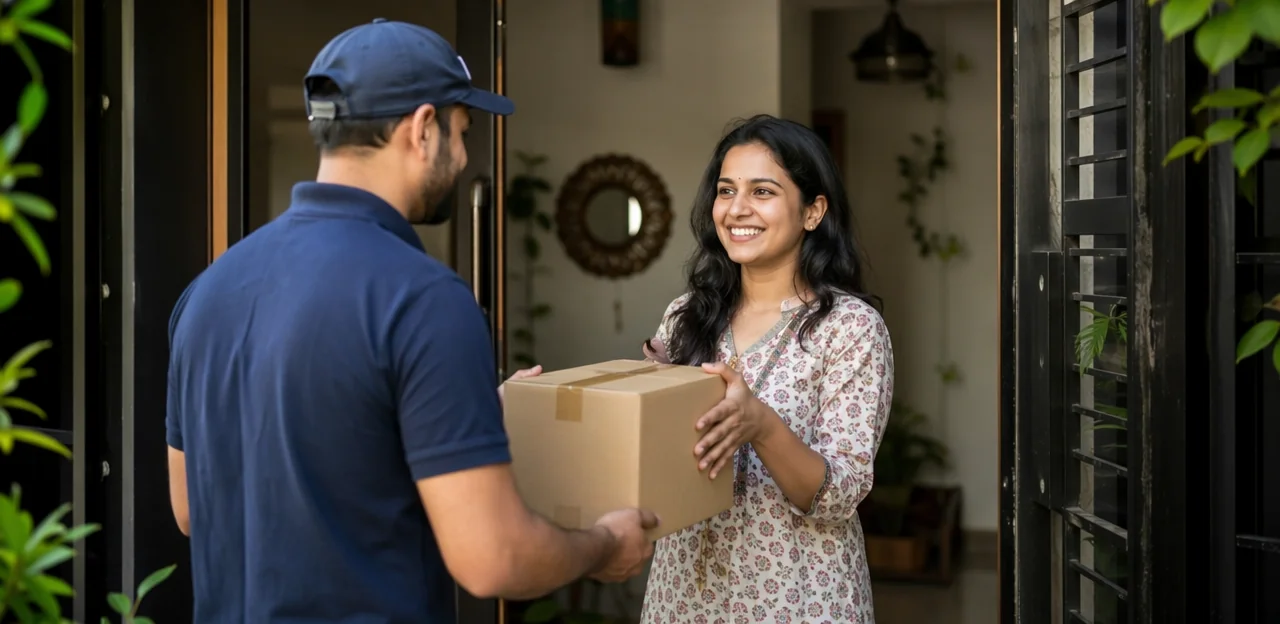
In home delivery, the moment an order arrives is more than the end of a transaction—it is the moment customers decide whether they will order again. A fast, accurate, and hassle-free delivery can strengthen trust, while a late arrival, missing item, or poor handoff can quietly push a customer toward a competitor. That is why delivery feedback has become such a powerful driver of delivery customer retention.
When businesses collect feedback at the right time, they gain direct insight into what customers actually experience after checkout. More importantly, they can spot recurring issues, resolve problems before they turn into negative reviews, and create smoother delivery experiences that encourage repeat orders. In a market where convenience and reliability shape loyalty, listening to customers is no longer optional.
This article explores how delivery feedback helps brands improve customer satisfaction, reduce churn, and build stronger long-term relationships. It will also look at the connection between real-time feedback, service recovery, and loyalty strategies, along with practical ways to turn customer insights into measurable retention gains. Where relevant, tools like Tapsy can help businesses capture timely feedback and act on it faster, making every delivery a better opportunity to retain and re-engage customers.
Why delivery feedback matters for retention and loyalty
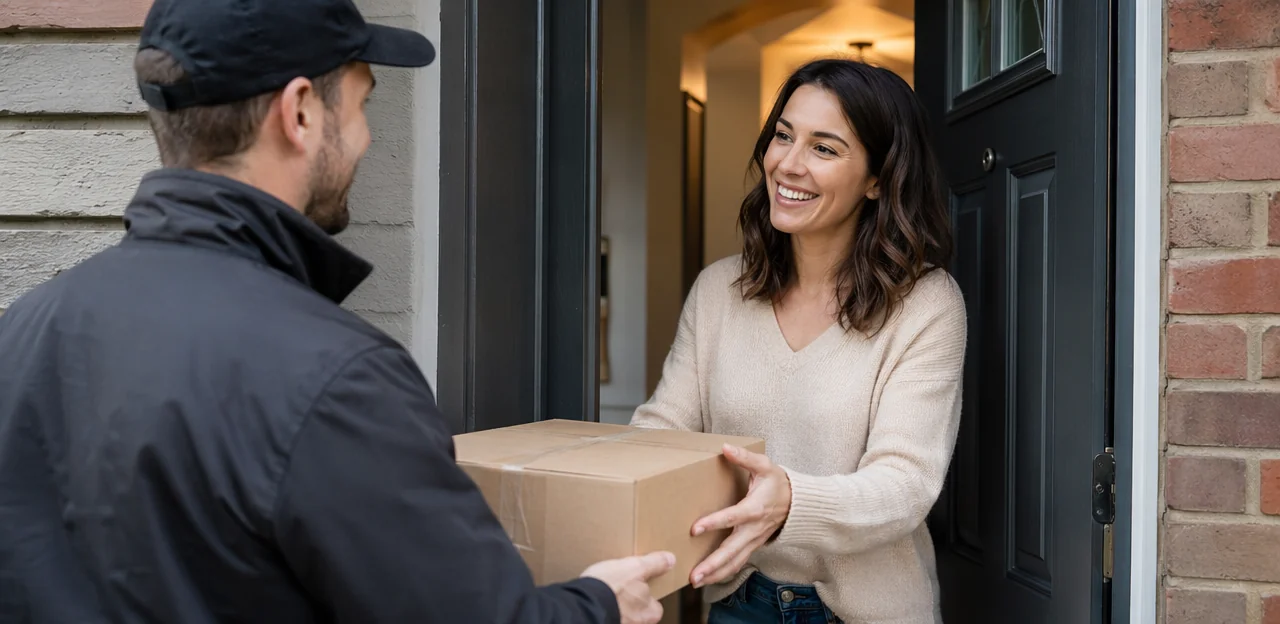
The link between delivery experience and repeat orders
A strong delivery experience has a direct impact on delivery customer retention because customers judge the brand by the final mile. When deliveries are reliable and easy, trust grows and repeat orders become more likely.
- On-time arrivals reduce friction and show reliability, which strengthens confidence in future purchases.
- Clear communication like live tracking, delay alerts, and delivery confirmations lowers anxiety and improves satisfaction.
- Order accuracy proves operational consistency; wrong or missing items quickly damage trust and discourage reordering.
- Driver professionalism—courtesy, care, and presentation—shapes how customers feel about the entire brand.
To improve customer loyalty, track feedback after each delivery and act fast on recurring issues. Tools like Tapsy can help capture real-time delivery feedback and turn service improvements into stronger retention outcomes.
How feedback reveals hidden churn risks
Delivery feedback often exposes retention signals before a customer quietly disappears. A single complaint may seem minor, but repeated delivery complaints about delays, missed drop-offs, damaged items, or poor communication often point to rising customer churn risk.
- Late deliveries reduce trust and make customers reconsider future orders.
- Missed deliveries create frustration that can push buyers to a competitor.
- Damaged items signal poor handling and weaken confidence in your brand.
- Poor communication leaves customers feeling ignored, especially when problems happen.
To improve delivery customer retention, flag negative feedback quickly, segment at-risk customers, and follow up fast with fixes, refunds, or proactive updates. Tools like Tapsy can help capture real-time feedback so teams can resolve issues before customers decide not to return.
Why home delivery brands need a closed-loop feedback process
Collecting feedback after a home delivery is only the first step. To improve delivery customer retention, brands need a closed-loop feedback process that turns comments into action and shows customers they were heard.
A strong loop should include:
- Capture feedback quickly after delivery while the experience is fresh
- Identify and route issues such as delays, missing items, or poor handoff to the right team
- Resolve problems fast with refunds, replacements, or proactive follow-up
- Communicate improvements so customers know their input led to change
This process builds customer trust because it proves the brand listens and responds. Over time, that trust increases repeat orders, reduces churn, and helps home delivery brands recover negative experiences before they become lost customers or bad reviews.
What types of delivery feedback to collect
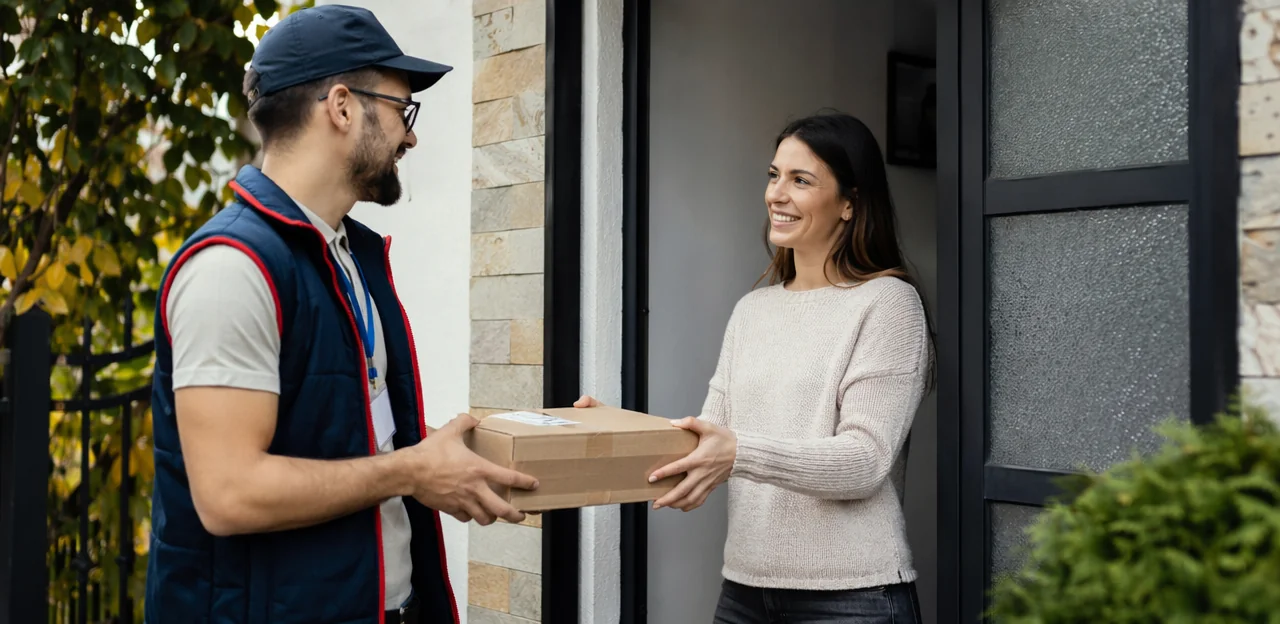
Post-delivery surveys, ratings, and NPS
A well-timed post-delivery survey helps turn delivery experiences into measurable insights that support delivery customer retention. Use a simple mix of tools:
- CSAT survey: Send within 30–60 minutes of delivery. Ask, “How satisfied were you with your delivery today?” and “Was your order on time and complete?”
- Delivery ratings: Use a 1–5 star scale immediately after drop-off in SMS, email, or app. Add one follow-up question like, “What could we improve?”
- NPS: Send 12–24 hours later, once the customer has used the product. Ask, “How likely are you to recommend us to a friend?” plus an open-text “Why?”
Keep surveys short, mobile-friendly, and tied to specific drivers like speed, accuracy, packaging, and driver professionalism. Tools such as Tapsy can also help capture quick feedback at the right moment.
Support tickets, reviews, and social media comments
Support channels often reveal the clearest delivery problems because they capture what customers say when something goes wrong. To improve delivery customer retention, combine insights from support tickets, customer reviews, and social media feedback to spot recurring patterns early.
- Support tickets show operational failures like late arrivals, missing items, damaged packages, or poor driver communication.
- Customer reviews highlight repeated frustrations that influence future buying decisions and public trust.
- Social media feedback exposes real-time sentiment, especially when delivery issues become visible to a wider audience.
Track these sources by issue type, location, carrier, and time of day. Then prioritize fixes for the most frequent complaints. Tools like Tapsy can also help capture fresh service feedback before negative experiences turn into lost repeat orders.
Operational data that supports customer feedback
Customer comments are more useful when paired with operational data. This helps teams confirm patterns, spot root causes, and improve delivery customer retention with evidence instead of guesswork.
- Delivery time windows: Compare complaints about “late arrivals” with actual ETA performance by route, driver, or time slot.
- Failed deliveries: Track failed deliveries alongside feedback about missed drop-offs, unavailable recipients, or unclear instructions.
- Refund requests: Rising refund volumes often validate complaints about damaged items, delays, or missing orders.
- Proof-of-delivery data: Photos, timestamps, GPS, and signatures help verify whether issues came from handoff errors, address problems, or customer expectations.
Using delivery analytics this way turns feedback into action. For example, if negative reviews spike in one time window, you can adjust staffing, routing, or customer communication before repeat orders decline.
How feedback improves delivery customer retention

Fixing recurring delivery issues before they drive customers away
Customer feedback helps teams move from guessing to fixing the delivery issues that most affect loyalty. When comments, ratings, and support tickets are reviewed together, clear patterns emerge, such as late deliveries in specific zones, damaged items from weak packaging, or frustration caused by vague tracking updates.
To improve delivery customer retention, focus on the problems that appear most often and create the biggest drop in customer satisfaction:
- Group feedback by issue type: delays, packaging damage, missing items, driver communication, and tracking clarity
- Spot repeat patterns: identify locations, time slots, products, or carriers linked to complaints
- Prioritize by retention risk: fix issues tied to refunds, low ratings, and lost repeat orders first
- Close the loop fast: update customers on changes and monitor whether complaint volume falls
Tools like Tapsy can help capture real-time feedback, making it easier to act before small problems become churn drivers.
Personalizing recovery efforts for unhappy customers
Negative delivery feedback should trigger fast, tailored service recovery that addresses the specific problem and gives customers a reason to return. This is a critical part of delivery customer retention, because a poor experience does not always mean a lost customer if the response feels fair, human, and timely.
A practical customer retention strategy includes:
- Match the remedy to the issue: offer refunds for missing items, credits for late deliveries, or replacements for damaged orders.
- Respond personally: send a sincere apology that references the exact complaint instead of a generic template.
- Prioritize proactive outreach: contact high-value or at-risk customers before they decide not to reorder.
- Track recovery outcomes: measure whether refunds, credits, or follow-ups lead to a customer win-back and repeat purchase.
Tools like Tapsy can help brands capture real-time feedback and trigger alerts, making recovery faster and more effective.
Positive feedback is one of the clearest signals of what drives delivery customer retention. Instead of treating praise as passive sentiment, brands should mine it for patterns they can scale across marketing and operations.
- Tag recurring themes in reviews, surveys, and post-delivery comments, such as fast arrival, friendly drivers, accurate orders, or easy tracking.
- Turn top strengths into messaging by reflecting exact customer language in emails, landing pages, and SMS campaigns.
- Build retention offers around proven value: if customers praise reliability, offer a “priority delivery” perk through your customer loyalty program.
- Use positive feedback to trigger follow-ups like thank-you messages, referral prompts, or limited-time discounts that encourage a repeat purchase.
- Segment loyal customers by preference so incentives match what they already value most.
Tools like Tapsy can help capture fresh delivery insights and connect strong experiences to reward-driven retention campaigns.
Best practices for turning delivery feedback into action

Create fast feedback loops across teams
To improve delivery customer retention, build a real-time feedback loop that connects cross-functional teams before small issues spread across more orders. Keep insights visible, simple, and actionable:
- Centralize feedback from delivery ratings, support tickets, driver notes, and refund reasons in one shared dashboard.
- Route alerts instantly to the right owners in delivery operations, customer support, marketing, or logistics based on issue type and severity.
- Set daily review cadences so teams can spot repeat problems like late arrivals, damaged items, or confusing delivery updates.
- Close the loop fast by assigning actions, tracking resolution times, and sharing learnings across teams.
Tools like Tapsy can help surface real-time service issues early, enabling faster recovery and stronger repeat-order performance.
Segment feedback by customer type, geography, and order profile
Retention improves when feedback is analyzed through customer segmentation, not just overall averages. Different groups experience delivery in different ways, so the right fix becomes clearer.
- New vs. repeat customers: First-time buyers may be more sensitive to late arrivals or poor communication, while repeat customers often notice consistency issues.
- Delivery zones: Compare feedback across delivery zones to spot delays, driver shortages, or address-related friction in specific areas.
- Order profile: Segment by basket size, order value, or product category to see whether high-value or fragile orders create more dissatisfaction.
This approach strengthens delivery customer retention by helping brands tailor recovery offers, messaging, and service improvements to the customers most likely to churn.
Close the loop with customers after improvements
Closing the loop is a simple but powerful way to strengthen delivery customer retention. When customers see that their input leads to visible service improvement, they are more likely to trust your brand and order again.
- Send a short feedback response after changes are made, such as faster delivery windows or better order tracking.
- Use clear customer communication: explain what was improved, why it changed, and how customer feedback helped shape the update.
- Personalize follow-ups when possible, especially for customers who reported a specific issue.
- Reinforce the message across email, SMS, or app notifications.
Tools like Tapsy can help capture feedback quickly and support faster follow-up.
Metrics to measure retention impact from delivery feedback

Core KPIs: repeat order rate, churn, and customer lifetime value
To measure delivery customer retention, track a small set of KPIs and tie them directly to feedback-driven improvements:
- Repeat order rate: the percentage of customers who place another order within a set period. Rising repeat order rate often signals better delivery reliability, communication, and issue resolution.
- Churn rate: the percentage of customers who stop ordering. Use delivery feedback to identify patterns behind churn, such as late arrivals, missing items, or poor handoff experiences.
- Customer lifetime value: the total revenue a customer generates over time. When feedback helps reduce friction and recover poor experiences quickly, customer lifetime value increases.
Review these metrics before and after feedback initiatives, then segment results by delivery issue type, location, or courier team to prove business impact over time.
Experience metrics: CSAT, NPS, and delivery success rate
To improve delivery customer retention, brands need a clear view of both satisfaction and execution. The most useful customer experience metrics combine sentiment with operational performance:
- CSAT measures how satisfied customers are with a specific delivery, helping teams spot issues like delays, damaged items, or poor communication.
- NPS shows whether the overall delivery experience is strong enough to build loyalty and encourage repeat orders.
- Delivery success rate tracks whether orders arrive on time, complete, and to the right address.
Review these metrics together, not in isolation. For example, a high delivery success rate with low CSAT may signal communication gaps. Real-time feedback tools such as Tapsy can help capture insights quickly and support faster service recovery.
How to build a simple feedback-to-retention dashboard
Create a retention dashboard that connects customer voice to business outcomes in one weekly view. Keep it simple:
- Track feedback analytics: include survey score trends, NPS/CSAT, top complaint categories, and comment sentiment.
- Add delivery performance metrics: monitor on-time rate, failed deliveries, damaged orders, support response time, and resolution speed.
- Layer in retention KPIs: repeat order rate, 30/60/90-day reorder rate, churn rate, and customer lifetime value.
Then segment results by route, driver, location, or order type to spot patterns. Highlight where poor delivery experiences reduce delivery customer retention. Tools like spreadsheets, BI platforms, or Tapsy can help centralize data for ongoing optimization.
Common mistakes and a practical implementation roadmap

Mistakes that weaken retention efforts
Several customer feedback mistakes can quietly hurt delivery customer retention, even when brands collect plenty of data:
- Surveying too often: Too many requests create fatigue, lowering response quality and irritating customers.
- Ignoring low-volume complaints: A small number of repeated delivery problems can signal a bigger operational issue, especially in high-value segments.
- Failing to act on insights: Feedback without visible improvements increases frustration and deepens retention challenges.
- Treating all delivery issues the same: A late order, damaged package, and rude handoff need different recovery actions.
Use simple tagging, urgency rules, and closed-loop follow-up to turn feedback into retention gains. Tools like Tapsy can help teams capture and route issues faster.
A step-by-step plan for home delivery teams
Use a simple home delivery strategy to turn feedback into action and strengthen delivery customer retention:
- Choose feedback channels: Collect input through SMS, email, post-delivery surveys, app prompts, or QR codes on packaging. Keep it fast and easy.
- Define ownership: Assign who reviews feedback, who resolves issues, and who reports trends across operations, support, and drivers.
- Prioritize issues: Focus first on recurring problems like delays, damaged orders, or poor handoff experiences.
- Test improvements: Run small pilots, such as updated delivery windows or driver communication scripts. Tools like Tapsy can help capture real-time feedback.
- Measure results: Track repeat orders, complaint rates, and retention over time to refine your feedback implementation and retention plan.
Future-proofing retention with continuous delivery improvement
Future-proofing delivery customer retention depends on turning every delivery into a learning opportunity. Brands that build a system for continuous improvement can spot friction early, refine operations faster, and protect repeat purchase behavior over time.
- Collect feedback after every delivery, not just after complaints
- Track patterns in delays, damaged orders, communication gaps, and driver experience
- Prioritize fixes that reduce repeat issues and improve convenience
- Review results regularly to guide smarter delivery optimization
This ongoing loop helps businesses exceed expectations, adapt to changing customer needs, and build long-term customer loyalty. Tools like Tapsy can support real-time feedback capture, making improvement more consistent and scalable.
Conclusion
In the end, delivery feedback is more than a performance metric—it is one of the most practical ways to strengthen customer relationships and drive long-term growth. By collecting feedback at the right moments, businesses can identify delivery pain points, resolve issues quickly, personalize future experiences, and show customers that their opinions lead to real improvements. That is exactly what turns a one-time buyer into a loyal repeat customer.
A strong feedback strategy supports delivery customer retention by helping brands reduce friction, improve service consistency, and build trust after every order. When customers feel heard and receive reliable, responsive delivery experiences, they are far more likely to order again, recommend your brand, and stay loyal over time.
The next step is to make feedback a core part of your delivery operations. Review your current delivery journey, identify where feedback can be captured, and create a process for acting on it quickly. You can also explore tools such as Tapsy to gather real-time feedback and respond before small issues become lost customers.
If you want to improve delivery customer retention, start by listening more closely, acting faster, and using every delivery as an opportunity to earn the next order.
Frequently Asked Questions
- How does delivery feedback help increase customer retention?
Delivery feedback shows what customers actually experienced after checkout, especially during the final mile. It helps brands identify friction such as delays, missing items, or poor communication and fix those issues before they lead to churn. Better delivery experiences build trust and make repeat orders more likely.
- Why does the delivery experience have such a strong effect on repeat orders?
Customers often judge the brand by how the order arrives, not just by what they bought. On-time delivery, clear updates, accurate orders, and professional drivers reduce anxiety and strengthen confidence. When that experience feels reliable and easy, customers are more likely to order again.
- What delivery problems are early warning signs of customer churn?
Repeated complaints about late deliveries, missed drop-offs, damaged items, and poor communication are strong churn signals. Even if one complaint seems minor, recurring issues often show that trust is weakening. Flagging this feedback early helps teams intervene before customers stop ordering.
- What is a closed-loop feedback process in home delivery?
A closed-loop feedback process means collecting feedback quickly, routing issues to the right team, resolving problems fast, and then showing customers that action was taken. It turns comments into operational improvements instead of leaving feedback unused. This approach helps rebuild trust and supports long-term loyalty.
- Which types of delivery feedback should home delivery brands collect?
Useful inputs include post-delivery surveys, star ratings, NPS responses, support tickets, customer reviews, and social media comments. These sources capture both structured scores and direct customer language about what went right or wrong. Combining them gives a fuller view of delivery performance and retention risk.
- When should CSAT, delivery ratings, and NPS be sent after an order arrives?
CSAT works best within 30 to 60 minutes of delivery while the experience is still fresh. Delivery ratings can be requested immediately after drop-off through SMS, email, or an app prompt. NPS is better sent 12 to 24 hours later, after the customer has had time to use the product.
- How can operational data make customer feedback more useful?
Operational data helps confirm whether complaints match what happened in the delivery process. Teams can compare feedback with time windows, failed deliveries, refund requests, and proof-of-delivery details such as timestamps, GPS, photos, or signatures. This makes it easier to find root causes and choose the right fix.
- How should teams prioritize delivery issues that affect retention the most?
Start by grouping feedback into issue types like delays, damaged packaging, missing items, driver communication, and tracking clarity. Then look for repeat patterns by location, time slot, product, or carrier and prioritize the problems tied to refunds, low ratings, and lost repeat orders. Focusing on the highest retention risk creates faster impact.
- What does effective service recovery look like after negative delivery feedback?
Effective recovery matches the response to the problem, such as refunds for missing items, credits for late deliveries, or replacements for damaged orders. It should also include a personal apology that references the exact issue rather than a generic message. Fast, tailored follow-up can turn a poor experience into a win-back opportunity.
- Can positive delivery feedback be used to drive more repeat purchases?
Yes, positive feedback reveals what customers value most, such as fast arrival, friendly drivers, accurate orders, or easy tracking. Brands can turn those strengths into clearer messaging, loyalty perks, thank-you follow-ups, referral prompts, or limited-time offers. That helps reinforce proven value and encourage another purchase.
- How can cross-functional teams act on delivery feedback faster?
A fast feedback loop starts by centralizing ratings, support tickets, driver notes, and refund reasons in one shared view. Alerts should be routed to the right owners in operations, support, marketing, or logistics based on issue type and severity. Daily reviews and tracked resolution times help teams stop small problems from spreading.
- Why should delivery feedback be segmented instead of reviewed only as an average?
Different customer groups and order types experience delivery differently, so averages can hide important problems. Segmenting by new versus repeat customers, delivery zone, basket size, order value, or product category makes patterns easier to spot. That allows brands to tailor fixes, messaging, and recovery offers to the customers most at risk.
- Which metrics best show whether delivery feedback is improving retention?
Core retention metrics include repeat order rate, churn rate, and customer lifetime value. Experience and execution metrics such as CSAT, NPS, and delivery success rate should be reviewed alongside them. Looking at these measures together helps connect service improvements to actual business outcomes.
- What should be included in a simple feedback-to-retention dashboard?
A practical dashboard should combine feedback analytics, delivery performance metrics, and retention KPIs in one weekly view. That means tracking survey trends, top complaint categories, sentiment, on-time rate, failed deliveries, damaged orders, support response time, resolution speed, repeat order rate, reorder rate, churn, and lifetime value. Segmenting by route, driver, location, or order type makes the dashboard more actionable.
- What common mistakes weaken delivery feedback programs?
Frequent mistakes include surveying too often, ignoring low-volume complaints, failing to act on insights, and treating every delivery issue the same way. These habits reduce response quality, hide important problems, and make customers feel unheard. Simple tagging, urgency rules, and closed-loop follow-up help avoid those gaps.