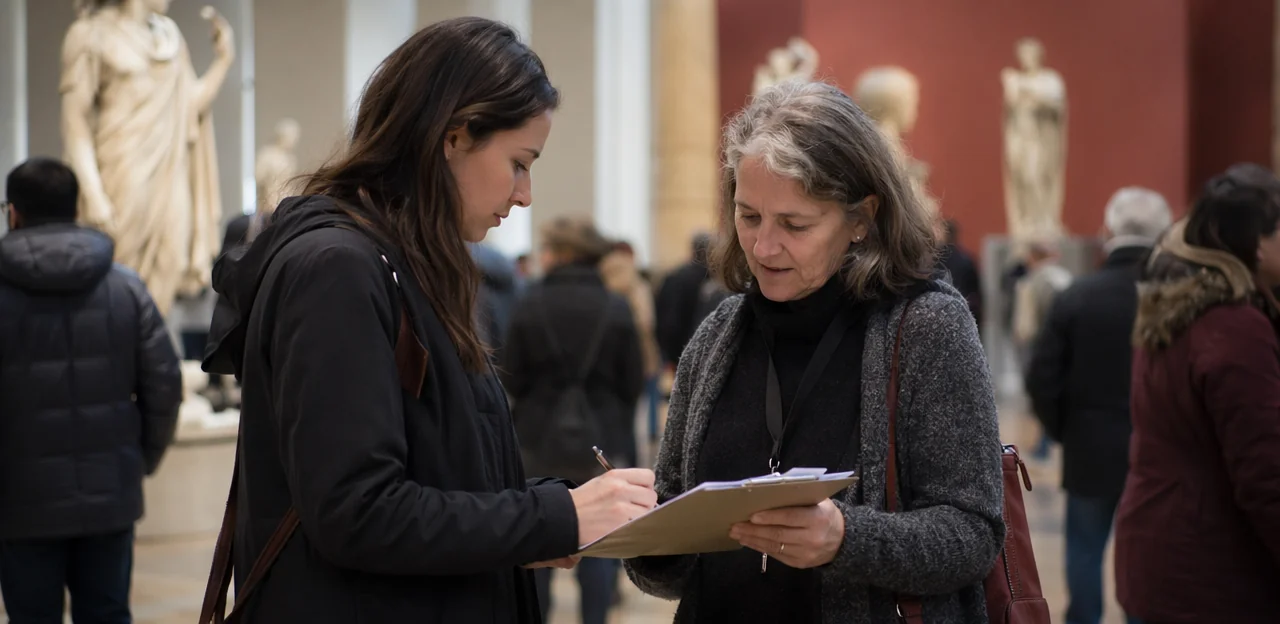
A great exhibition doesn’t end when visitors walk out of the gallery—it continues in the insights they leave behind. In today’s cultural landscape, museums can no longer rely on assumptions about what audiences enjoy, remember, or struggle to understand. Strong museum feedback exhibitions strategies help institutions uncover what truly resonates, from wayfinding and interpretation to accessibility, atmosphere, and emotional impact.
When collected and analyzed well, visitor input becomes a practical tool for curators, educators, and operations teams alike. It can reveal how to use customer feedback to improve service, refine exhibit design, shape programming, and create more meaningful audience journeys. Whether museums gather event feedback after a temporary show, use targeted event feedback questions during special programs, or deploy an event feedback form at key touchpoints, the goal is the same: turning visitor voices into better experiences.
This article explores how museums and attractions can use feedback systems, AI, and analytics to improve exhibitions in measurable ways. We’ll look at the value of real-time visitor insight, the role of survey event feedback in understanding engagement, and how institutions can learn from conference feedback and practical event feedback examples to build smarter, more responsive cultural spaces. By the end, you’ll have a clearer framework for transforming feedback into exhibition improvements that visitors can actually feel.
Why museum feedback matters for exhibitions and visitor experience
The link between visitor voice and exhibition success
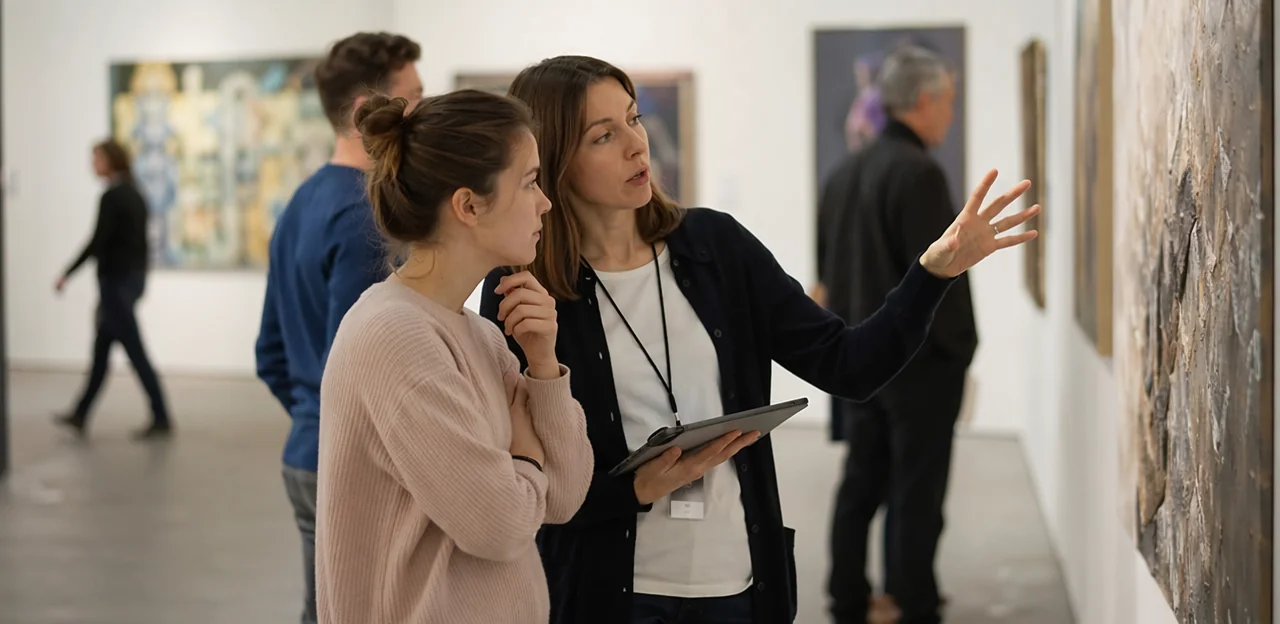
Strong museum feedback exhibitions strategies help museums stay relevant, inclusive, and memorable. When institutions actively listen, they can improve both audience experience and overall visitor experience by identifying what people understand, enjoy, overlook, or find confusing in gallery layouts, labels, interactives, and wayfinding.
Useful feedback can reveal:
- which stories or objects resonate most
- where interpretation feels unclear or inaccessible
- what causes frustration, fatigue, or disengagement
- what inspires repeat visits, memberships, or recommendations
To apply how to use customer feedback to improve service in museums, combine gallery surveys with tools such as an event feedback form for talks, workshops, and special exhibitions. Well-designed event feedback questions, survey event feedback, conference feedback, and other event feedback examples help teams refine programming, accessibility, and interpretation with confidence.
What museums can learn from customer service and live events
Museums can borrow proven tactics from hospitality and live events when improving museum feedback exhibitions. The same logic behind how to use customer feedback to improve service applies here: collect feedback quickly, close to the experience, and act on it fast.
- Like event feedback and conference feedback, exhibition evaluation should measure:
- satisfaction with content and flow
- logistics such as queues, signage, audio, and seating
- emotional response, including surprise, relevance, and inspiration
- Use short event feedback questions at key touchpoints rather than one long survey later.
- Build a simple event feedback form with rating scales plus one open-text prompt.
- Review survey event feedback for patterns across exhibits, times, and visitor groups.
- Learn from strong event feedback examples by asking what visitors loved, what confused them, and what they would change.
This helps museums improve both curation and visitor experience.
Common exhibition challenges feedback can solve
Many exhibition issues are easy for staff to miss but obvious to visitors. Museum feedback exhibitions strategies help teams spot friction points early and improve both customer experience and audience experience.
- Unclear wayfinding: Visitors may struggle to find entrances, exits, or thematic routes.
- Inaccessible labels: Text that is too small, too dense, or poorly placed reduces engagement.
- Overcrowding: Feedback can reveal bottlenecks around popular objects or interactive zones.
- Weak storytelling: Visitors may not understand the narrative flow or key takeaways.
- Low dwell time: Short stops can signal confusing interpretation or limited relevance.
Using an event feedback form, survey event feedback, and targeted event feedback questions gives museums practical insight into how to use customer feedback to improve service. Reviewing event feedback examples and even conference feedback methods can help prioritize changes with the greatest impact fast.
How museums should collect high-quality exhibition feedback
Choosing the right feedback channels
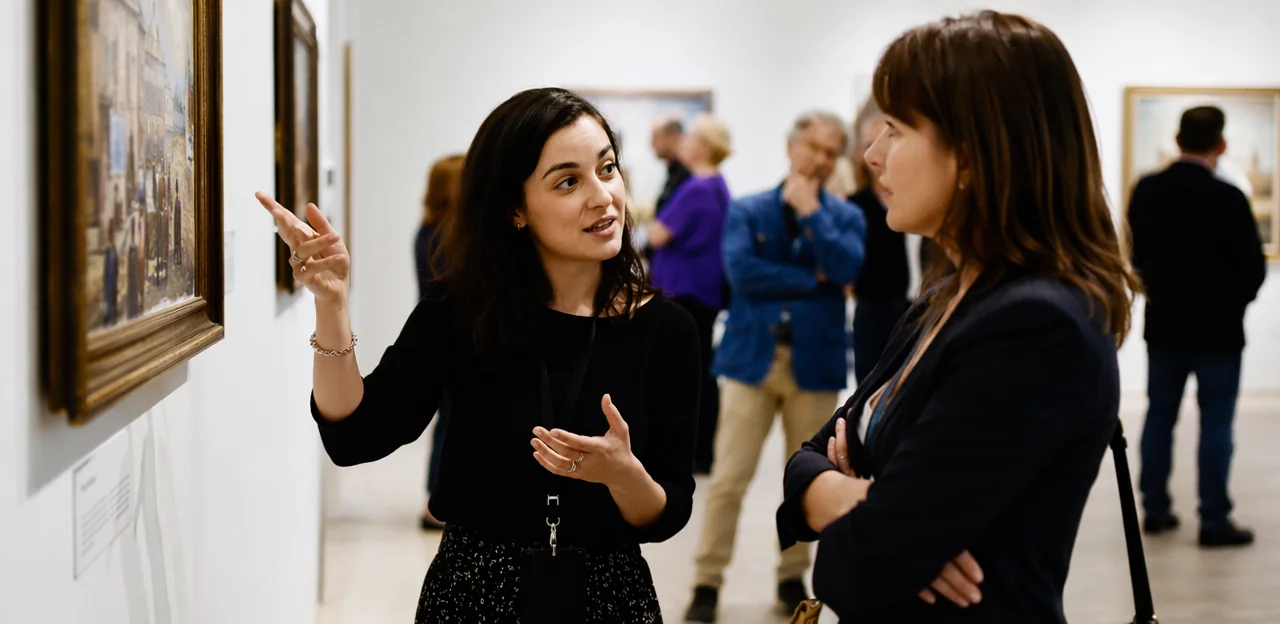
Use a mix of channels so museum feedback exhibitions reflects the full visitor journey:
- On-site kiosks: Best for temporary exhibitions and special programs, where reactions are freshest. Keep prompts short and focused on key event feedback questions.
- QR-code surveys: Ideal beside labels, exits, or interactive zones in permanent galleries. A quick event feedback form captures in-the-moment insights without slowing visitors down.
- Email follow-ups: Strong for members, school groups, and ticketed events. Use these for deeper survey event feedback, including event feedback examples about interpretation, accessibility, and value.
- Staff conversations: Great for testing how to use customer feedback to improve service, especially during tours, workshops, and family activities.
- Social listening: Useful after launches, late-night openings, and public programs; it surfaces informal event feedback and even patterns similar to conference feedback.
- Membership outreach: Best for long-term input on permanent galleries, repeat visits, and future exhibition planning.
Designing better survey questions for museum visitors
Strong museum feedback exhibitions surveys use short, specific prompts that mirror effective event feedback questions. Keep each question focused on one outcome, use plain language, and mix ratings with one open-text prompt for context. This is one of the clearest ways to understand how to use customer feedback to improve service.
Try questions such as:
- Satisfaction: “How satisfied were you with this exhibition overall?”
- Learning outcomes: “Did this exhibition help you learn something new?”
- Accessibility: “How easy was it to navigate, read, and interact with displays?”
- Emotional impact: “How did this exhibition make you feel?”
- Recommendation: “How likely are you to recommend this exhibition to others?”
Use an event feedback form style inspired by conference feedback and survey event feedback best practice: quick scales, optional comments, and clear wording. Reviewing event feedback examples can also improve your overall event feedback strategy.
Balancing quantitative and qualitative responses
For museum feedback exhibitions, numbers show patterns, but comments reveal meaning. Rating scales in a post-visit event feedback form help museums track satisfaction with layout, interpretation, accessibility, and flow across exhibitions. This makes survey event feedback easier to compare over time. However, open-text responses explain why visitors gave a low or high score, uncovering confusion, emotional impact, or unmet expectations.
A balanced approach can include:
- Rating questions to spot trends in customer experience
- Open-ended event feedback questions to capture context and suggestions
- Reviewing event feedback examples from exhibitions, talks, and even conference feedback sessions to identify recurring themes
This is how to use customer feedback to improve service: combine measurable scores with detailed visitor voice, then act on both to refine labels, wayfinding, programming, and overall event feedback strategy.
What to ask: the most useful feedback areas for exhibitions

Questions about content clarity and storytelling
A strong museum feedback exhibitions strategy should test whether visitors actually followed the story you intended. If people admire objects but miss the narrative, labels, or learning goals, the audience experience suffers. Add targeted prompts to your event feedback form to reveal where interpretation breaks down and how to use customer feedback to improve service across future displays.
Useful event feedback questions include:
- What was the main story or theme of this exhibition?
- Which object label was most clear or most confusing?
- Did the multimedia elements help you understand the exhibition? Why or why not?
- What key message do you remember most?
- Was anything unclear, missing, or hard to follow?
These event feedback examples work well in survey event feedback, conference feedback, and broader event feedback programs because they uncover missed messages, not just satisfaction scores.
Questions about accessibility, comfort, and service
To strengthen museum feedback exhibitions, ask visitors about comfort and support at every stage of the visit, then turn those insights into action. Good questions help teams understand how to use customer feedback to improve service and elevate the full customer experience.
- Comfort: Were there enough seats, rest areas, quiet zones, and suitable lighting levels?
- Accessibility: Was signage clear, navigation easy, and content inclusive for different ages, languages, and mobility or sensory needs?
- Environment: Did sound levels support concentration without overwhelming visitors?
- Service: Were staff approachable, knowledgeable, and proactive when help was needed?
- Digital tools: Did audio guides, maps, kiosks, or QR-based surveys improve the journey?
Use an event feedback form with targeted event feedback questions after exhibitions, talks, and tours. Reviewing event feedback, survey event feedback, conference feedback, and strong event feedback examples helps museums spot recurring barriers and improve service continuously.
Questions about emotional impact and engagement
Strong museum feedback exhibitions strategies should go beyond satisfaction and ask how a display made visitors feel and what it prompted them to do next. This is one of the clearest ways to understand how to use customer feedback to improve service and future curation.
Include a short event feedback form or survey event feedback prompt after immersive, interactive, or educational exhibits, such as:
- Did this exhibition spark your curiosity to learn more?
- Did it make you reflect on a new perspective or idea?
- Did you discuss the exhibition with someone afterward?
- Which moment felt most memorable or emotionally powerful?
- Did the experience feel engaging from start to finish?
These event feedback questions work well as event feedback examples for museums, much like conference feedback after thought-provoking sessions. Effective event feedback helps teams measure emotional resonance, not just attendance.
Using AI and analytics to turn feedback into exhibition improvements
Finding patterns in comments and visitor behavior
AI & analytics help museums turn open-text feedback into clear actions. Instead of reading every comment manually, teams can group responses into themes like signage, lighting, labels, crowding, or accessibility, then measure sentiment to see what visitors loved or found frustrating. This makes museum feedback exhibitions more useful and faster to act on.
- Match comments with dwell time to see which exhibits hold attention but still create confusion.
- Compare feedback with traffic flow to spot bottlenecks, missed galleries, or areas needing clearer wayfinding.
- Link responses to repeat visitation to learn which experiences bring people back.
Use insights from an event feedback form, survey event feedback, or conference feedback alongside gallery comments. Reviewing event feedback questions and event feedback examples also shows how to use customer feedback to improve service and strengthen the overall audience experience.
Prioritizing changes with evidence
To improve museum feedback exhibitions, museums should rank insights using three filters: frequency, severity, and strategic importance. This turns raw survey event feedback into a practical action plan that strengthens customer experience.
- Frequency: Track repeated comments across galleries, tours, and temporary shows. If the same issue appears in event feedback forms and post-visit surveys, it likely needs attention.
- Severity: Prioritize problems that disrupt the visit most, such as confusing wayfinding, poor lighting, or inaccessible labels.
- Strategic importance: Weigh feedback against exhibition goals, audience development, and revenue impact.
Use this framework to separate:
- Quick wins: signage updates, clearer labels, queue messaging
- Larger changes: layout redesigns, interactive replacements, interpretive rewrites
Review event feedback questions, conference feedback, and other event feedback examples together to learn how to use customer feedback to improve service consistently.
Creating a feedback-to-action workflow
To make museum feedback exhibitions genuinely useful, build a simple workflow the team can repeat after every launch, gallery refresh, or public programme.
- Collect feedback consistently: Use on-site QR codes, a short event feedback form, kiosk prompts, and post-visit survey event feedback emails. Include focused event feedback questions about wayfinding, interpretation, accessibility, and emotional impact.
- Review insights weekly: Group responses into themes and compare visitor comments with dwell time, ticketing, or attendance data—similar to reviewing conference feedback for patterns.
- Assign clear owners: Curators, educators, front-of-house, and designers should each own specific issues.
- Test small changes: Pilot label rewrites, layout tweaks, or interactive updates using proven event feedback examples.
- Report outcomes: Share what changed, what improved, and how to use customer feedback to improve service as an ongoing operational habit.
This turns event feedback into a sustainable exhibition improvement model.
Practical examples museums can adapt from event and conference feedback
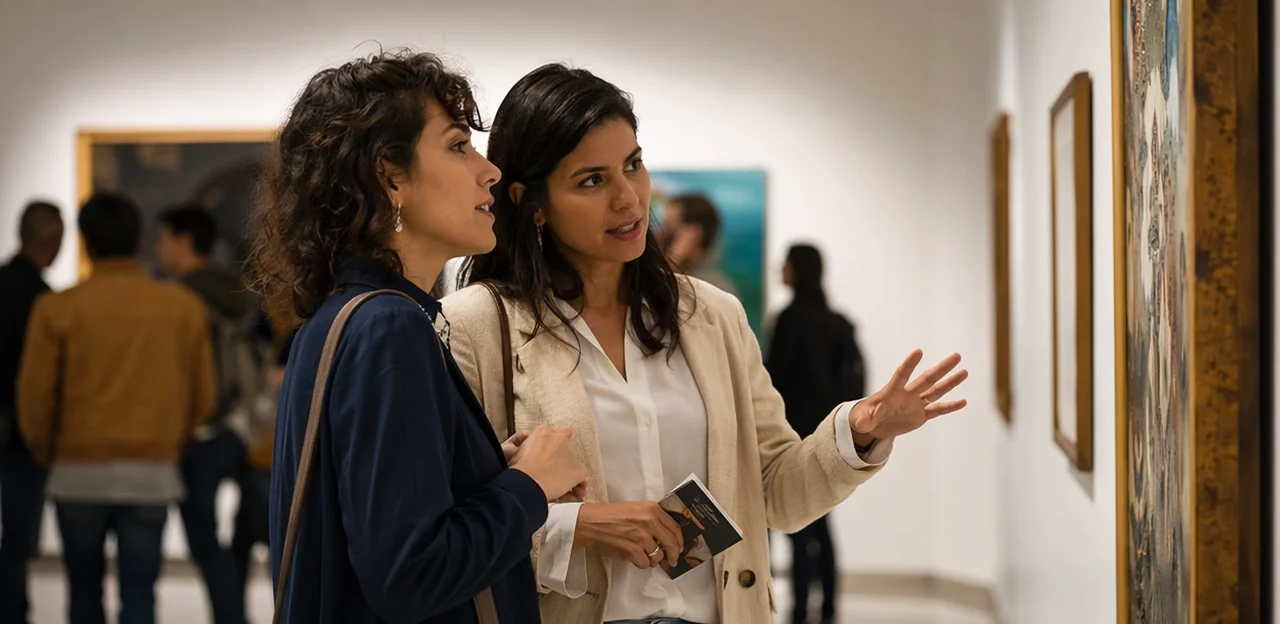
Sample event feedback forms for museum programs and exhibitions
Strong museum feedback exhibitions strategies use short, tailored forms for each format. A good event feedback form should match the audience, timing, and experience style.
- Exhibition openings: Ask about welcome, interpretation, crowd flow, and standout works.
- Curator talks or lectures: Use event feedback questions on speaker clarity, pacing, relevance, and Q&A quality; this can resemble conference feedback forms.
- Family days: Keep survey event feedback simple, with smiley scales for children and practical questions for parents on activities, signage, and facilities.
- Immersive experiences: Gather event feedback on navigation, emotional impact, accessibility, and technology ease.
These event feedback examples show how to use customer feedback to improve service by tailoring forms by audience, age group, and program type.
Lessons from conference feedback and cultural events
Museums can borrow proven conference feedback tactics to strengthen museum feedback exhibitions and public programs. Like conferences, exhibitions benefit from fast, structured insight on content, delivery, and operations.
- Use event feedback questions that mirror session ratings: ask visitors to score exhibit clarity, relevance, and emotional impact.
- Add “speaker evaluation” style prompts for curators, guides, or workshop hosts to assess presentation quality and accessibility.
- Include logistics scoring in every event feedback form: wayfinding, queue times, seating, sound, and timing.
- Review survey event feedback by audience segment to learn how to use customer feedback to improve service for families, members, and tourists.
These event feedback examples help turn general event feedback into practical exhibition improvements.
Turning feedback examples into measurable improvements
Practical museum feedback exhibitions work best when comments lead to visible changes:
- Visitors say labels are too academic on an event feedback form; the museum rewrites them in plain language, adds child-friendly summaries, and sees stronger dwell time and learning recall.
- Repeated event feedback about long entry lines prompts timed tickets, clearer wayfinding, and extra peak-hour staff, improving customer experience scores.
- In survey event feedback, guests report audio guides are too long or hard to navigate; shorter stops and multilingual options increase completion rates.
- If event feedback questions reveal confusion in interactive galleries, staff receive quick coaching on proactive support.
These event feedback examples show how to use customer feedback to improve service, much like conference feedback analysis improves future programs.
Best practices for acting on feedback and closing the loop

How to communicate changes to visitors and stakeholders
To strengthen museum feedback exhibitions, museums should clearly show what they heard and what changed. This closes the loop, improves customer experience and audience experience, and encourages more responses in future surveys.
- Update your website: Add a “You said, we did” page highlighting insights from exhibition surveys, event feedback, and an event feedback form.
- Use on-site signage: Place short notices near exhibits showing improvements inspired by visitor comments.
- Send email follow-ups: Share key actions taken after survey event feedback, conference feedback, or special programming.
- Report internally: Give staff and stakeholders concise summaries with trends, event feedback questions, and practical event feedback examples to show how to use customer feedback to improve service.
How often to review feedback and refresh exhibitions
Set a clear cadence so museum feedback exhibitions improve before small issues become recurring complaints:
- Permanent galleries: review visitor comments monthly, with a deeper quarterly analysis to spot trends in wayfinding, labels, accessibility, and dwell time.
- Temporary exhibitions: check survey event feedback weekly, especially in the first 2–4 weeks, so teams can adjust interpretation, staffing, or layouts quickly.
- Events and programs: review event feedback within 24–72 hours using a simple event feedback form with targeted event feedback questions.
This is one of the best ways to understand how to use customer feedback to improve service. Comparing conference feedback, talk attendance, and other event feedback examples helps museums make agile updates instead of waiting until problems grow.
Metrics that show feedback is improving exhibitions
To measure whether museum feedback exhibitions strategies are working, track a small set of clear KPIs before and after changes:
- Satisfaction scores: Compare post-visit ratings from an event feedback form to see if exhibit updates improve overall experience.
- Dwell time: Longer time spent in galleries often signals stronger engagement.
- Repeat visits: Rising return rates show visitors value changes inspired by feedback.
- NPS: A higher Net Promoter Score indicates stronger word-of-mouth advocacy.
- Accessibility ratings: Use targeted event feedback questions to confirm exhibits are becoming easier to navigate and understand.
- Qualitative sentiment: With AI & analytics, analyze comments from survey event feedback, conference feedback, and other event feedback examples to spot positive shifts in tone.
Together, these metrics show how to use customer feedback to improve service with evidence, not guesswork.
Conclusion
Ultimately, the most successful institutions treat museum feedback exhibitions as an ongoing strategy, not a one-time task. When museums listen closely to visitors, they can refine layouts, improve interpretation, strengthen accessibility, and create more memorable, inclusive experiences. From gallery flow and signage to digital interactives and public programming, feedback reveals what is resonating, what is confusing, and where opportunities for innovation exist.
The same principles behind how to use customer feedback to improve service apply across the cultural sector: ask the right questions, collect insights at the right moment, and turn data into action. Whether you gather event feedback after a special exhibition opening, use targeted event feedback questions for workshops, build an event feedback form for family programs, or analyze conference feedback from museum industry events, every response can help shape better visitor experiences. Reviewing survey event feedback and learning from strong event feedback examples can also help teams design smarter, more useful surveys.
The next step is simple: audit your current feedback process, identify gaps, and create a clear plan for collecting and acting on visitor insight. Consider combining on-site surveys, post-visit responses, and AI-powered analytics to spot trends faster. If you want to strengthen museum feedback exhibitions with real-time, no-friction engagement, tools such as Tapsy may be worth exploring. Start listening more intentionally today, and let visitor insight guide your next great exhibition.
Frequently Asked Questions
- Why is visitor feedback important for improving museum exhibitions?
Visitor feedback shows what people understand, enjoy, overlook, or find confusing during their visit. It helps museums improve wayfinding, interpretation, accessibility, atmosphere, and emotional impact. It also highlights what encourages repeat visits, memberships, and recommendations.
- What exhibition problems can feedback help museums identify?
Feedback can reveal unclear wayfinding, inaccessible labels, overcrowding, weak storytelling, and low dwell time. These are often issues staff may miss but visitors notice immediately. Spotting them early helps museums improve both service and the overall visitor experience.
- Which feedback channels work best for museums?
A mix of channels works best because it captures different moments in the visitor journey. On-site kiosks and QR-code surveys are useful for immediate reactions, while email follow-ups support deeper responses. Staff conversations, social listening, and membership outreach add context for service and long-term planning.
- How should museums design better exhibition survey questions?
Questions should be short, specific, and written in plain language. A strong survey mixes rating scales with one open-text prompt so museums can track patterns and understand the reasons behind them. Useful topics include satisfaction, learning outcomes, accessibility, emotional impact, and likelihood to recommend.
- What is the best balance between rating scales and open comments?
Rating questions help museums compare satisfaction, layout, accessibility, and flow across exhibitions over time. Open comments explain why visitors gave those scores and reveal confusion, emotional reactions, or unmet expectations. Using both creates a clearer basis for action than relying on only one format.
- What should museums ask to test content clarity and storytelling?
Museums should ask whether visitors understood the main story, which labels felt clear or confusing, and whether multimedia helped explain the exhibition. Questions about key messages remembered and anything that felt unclear are also useful. These prompts show whether visitors followed the intended narrative, not just whether they enjoyed the display.
- How can museums collect feedback about accessibility, comfort, and service?
Museums can ask about seating, rest areas, quiet zones, lighting, signage, navigation, and whether content felt inclusive for different needs. They should also ask if staff were approachable and whether digital tools like audio guides or maps improved the visit. Short forms after exhibitions, talks, and tours work well for collecting this type of feedback.
- Why should museums measure emotional impact as well as satisfaction?
Satisfaction scores show whether visitors liked an exhibition, but emotional questions reveal whether it sparked curiosity, reflection, or memorable moments. That helps museums understand engagement more deeply. It also supports better future curation, especially for immersive, interactive, or educational exhibits.
- How can AI and analytics help museums use feedback more effectively?
AI and analytics can group open-text comments into themes such as signage, lighting, labels, crowding, or accessibility. They can also measure sentiment to show what visitors found frustrating or valuable. When combined with dwell time, traffic flow, and repeat visitation, these insights make feedback faster to interpret and easier to act on.
- How should museums decide which feedback issues to fix first?
A practical method is to rank issues by frequency, severity, and strategic importance. Repeated problems that strongly disrupt the visit, such as confusing wayfinding or inaccessible labels, should usually come first. This helps museums separate quick wins like signage updates from larger changes like layout redesigns.
- What does a simple feedback-to-action workflow look like for museums?
Museums can collect feedback consistently through QR codes, kiosks, short forms, and post-visit emails. Then they should review insights weekly, group responses into themes, assign owners across teams, test small changes, and report outcomes. This turns feedback into a repeatable operational process instead of a one-time task.
- How can museums adapt event and conference feedback methods for exhibitions?
Museums can borrow fast, structured feedback methods used in live events and conferences. That includes short forms, touchpoint-based questions, logistics scoring, and prompts about clarity, relevance, pacing, and emotional impact. These methods help refine exhibitions, talks, workshops, and public programs more quickly.
- What are good examples of feedback forms for different museum programs?
Exhibition openings can ask about welcome, crowd flow, interpretation, and standout works. Curator talks or lectures can focus on speaker clarity, pacing, relevance, and Q&A quality, while family days can use simpler scales for children and practical questions for parents. Immersive experiences should ask about navigation, accessibility, emotional impact, and ease of using technology.
- How should museums communicate changes made from visitor feedback?
Museums should clearly show what they heard and what they changed. They can do this through website updates, on-site signage near exhibits, email follow-ups, and internal reporting for staff and stakeholders. Closing the loop encourages future participation and shows that visitor input leads to visible improvements.
- Which metrics show whether feedback is actually improving exhibitions?
Useful metrics include satisfaction scores, dwell time, repeat visits, Net Promoter Score, accessibility ratings, and qualitative sentiment in comments. Comparing these before and after changes helps museums see whether updates improved the visitor experience. Tracking a small set of clear KPIs makes progress easier to measure.