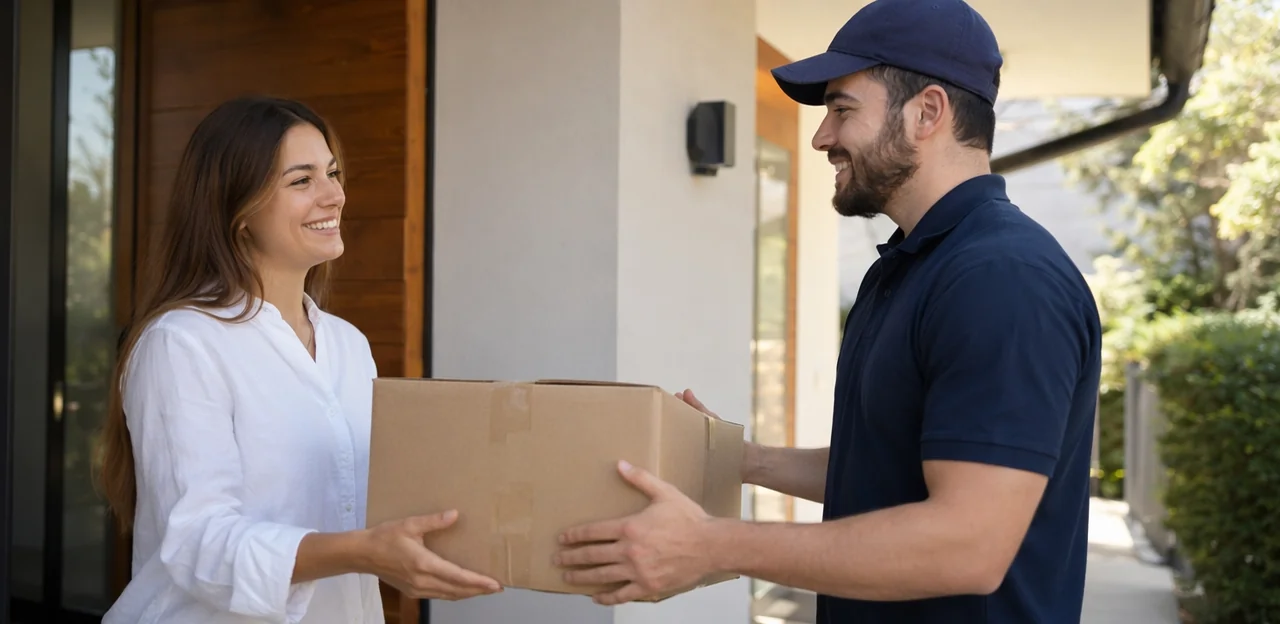
Every home delivery creates a moment of truth. The package may arrive on time, but was it complete, undamaged, and handed off smoothly? Did the customer feel informed, valued, and confident enough to order again? For delivery brands, those answers matter—but only if customers actually share them. That is why improving your delivery feedback response rate is so important. Without enough responses, it becomes harder to spot recurring issues, recover poor experiences quickly, and understand what is really shaping customer satisfaction.
The challenge is that most customers ignore delivery surveys that feel too long, poorly timed, or irrelevant. In a crowded inbox and notification-heavy world, earning feedback requires a smarter approach. The most effective strategies combine better survey design, better timing, clearer incentives, and a more seamless post-delivery experience.
In this article, we will break down practical ways to increase response rates without adding friction for customers. You will learn how to choose the right survey moments, write questions that people will actually answer, use channels like SMS, QR codes, and receipts more effectively, and turn feedback into a faster service recovery loop. We will also touch on how tools such as Tapsy can help capture post-delivery feedback while the experience is still fresh.
Why Delivery Feedback Response Rates Matter

Customer feedback is one of the clearest ways to improve the delivery experience because it shows exactly where service breaks down. When you raise your delivery feedback response rate, you get a more reliable view of what customers actually face at the doorstep.
- Timeliness: spot patterns in late or missed delivery windows
- Communication: learn whether updates, tracking, and arrival notices were clear
- Driver professionalism: measure courtesy, appearance, and handoff quality
- Damaged goods: identify packaging, handling, or loading issues
- Overall satisfaction: connect delivery performance to home delivery satisfaction
Stronger customer delivery feedback helps teams separate one-off complaints from recurring operational problems, so fixes are based on evidence, not assumptions.
What a low response rate can hide
A low survey response rate can make your delivery feedback response rate look useful while quietly distorting the truth. When only a small group replies, survey response bias increases, and your results may reflect extremes rather than the typical customer experience.
- Skewed insights: Responses often come from very happy or very unhappy customers, leaving silent middle-ground experiences unreported.
- Hidden service failures: Recurring issues like late arrivals, damaged items, or poor handoffs may stay invisible if affected customers do not respond.
- Weaker decisions: Poor customer feedback data quality leads to misguided staffing, routing, and service improvements.
To reduce risk, shorten surveys, request feedback immediately after delivery, and monitor representativeness across routes, times, and customer segments.
Key metrics to track beyond response rate
A strong delivery feedback response rate is only one part of the picture. To evaluate survey performance and customer experience more fully, track:
- Open rate: Shows whether your subject line, SMS copy, or timing gets attention.
- Click-through rate: Measures how many customers start the survey after opening.
- Survey completion rate: Reveals whether your questions are short, clear, and easy to finish.
- Delivery CSAT: Tracks satisfaction with speed, accuracy, driver behavior, and package condition.
- NPS for delivery: Indicates long-term loyalty and whether customers would recommend your service.
- Issue resolution rate: Measures how often reported problems are actually fixed.
Together, these KPIs help teams improve survey design, recovery workflows, and delivery experience outcomes.
Common Reasons Customers Ignore Delivery Surveys
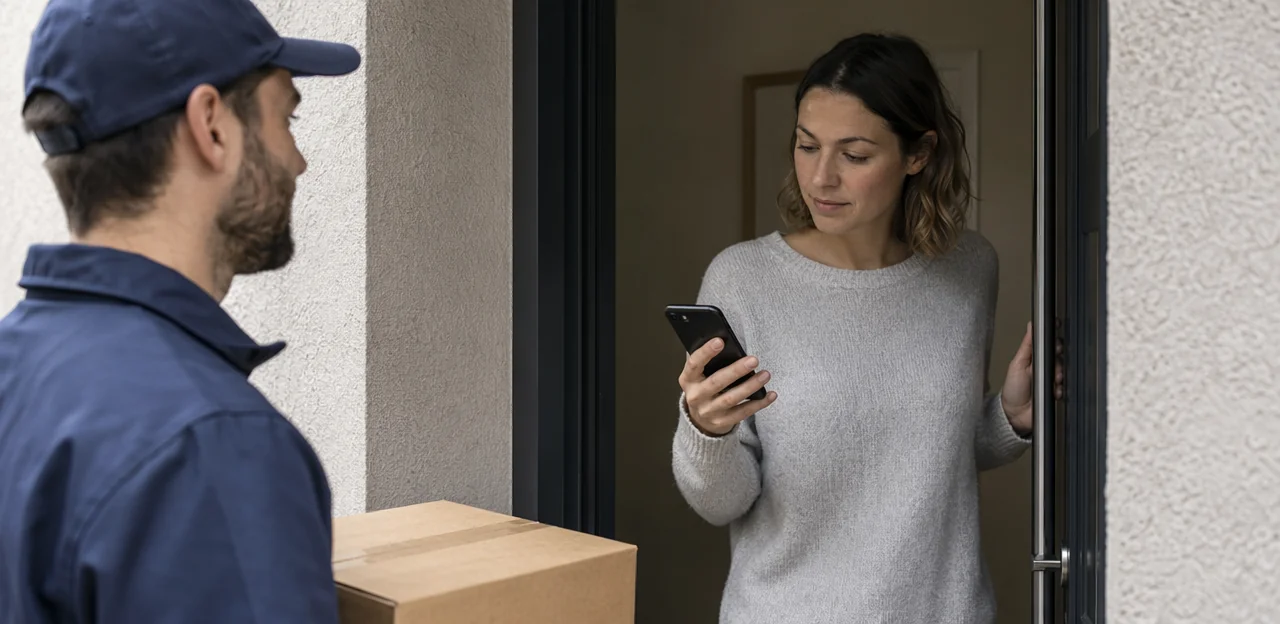
Poor timing and survey fatigue
Even a well-written post-delivery survey can underperform if it reaches customers at the wrong moment. Poor survey timing lowers your delivery feedback response rate because the experience is either no longer fresh or the customer is too busy to engage.
- Too late: Sending a survey 24–48 hours after delivery can reduce recall, especially for grocery, meal kit, or same-day orders.
- Too often: Repeated requests after every order create survey fatigue, causing customers to ignore future messages.
- At inconvenient moments: Surveys sent during work hours, school runs, or late at night often get skipped.
For better results, send feedback requests within 15–60 minutes after delivery, keep frequency controlled, and trigger surveys only after key orders or service issues. Tools like Tapsy can help capture feedback while the delivery experience is still fresh.
Long, confusing, or irrelevant questions
If your survey feels like work, customers will skip it. A low delivery feedback response rate often comes from poor survey design, not poor customer intent. Following survey design best practices helps you remove friction and get more usable answers.
- Keep it short: A short customer survey with 2–4 questions is far more likely to be completed than a long form.
- Use clear wording: Avoid vague or overly broad questions. Ask simple, specific questions customers can answer quickly.
- Stay relevant: Use relevant survey questions tied to that exact delivery event, such as timeliness, package condition, order accuracy, or driver professionalism.
- Avoid generic templates: Broad surveys feel impersonal and reduce engagement because they do not reflect what actually happened.
Tools like Tapsy can help trigger fast, delivery-specific feedback at the right moment.
Lack of trust, value, or motivation
Many customers ignore a survey because they do not see a clear reason to respond. If the purpose feels vague, customer trust drops and survey participation suffers. To improve your delivery feedback response rate, show customers exactly why their input matters and what they gain from giving it.
- Explain the purpose: Tell customers how feedback helps improve delivery speed, packaging, or driver service.
- Show what happens next: Mention that responses are reviewed and used to fix issues quickly.
- Make the value worth it: Offer a small reward, discount, or loyalty credit to strengthen feedback request motivation.
- Keep it credible: Use clear branding, simple language, and a short survey format.
Tools like Tapsy can help connect feedback with fast issue recovery and incentives.
Survey Design Tactics That Increase Response

Keep surveys short and mobile-friendly
If you want a stronger delivery feedback response rate, make the survey effortless to complete on a phone. Most customers open feedback requests while walking, commuting, or checking a delivery update, so every extra step lowers completion.
- Limit the survey length: Aim for 1–3 core questions and one optional comment box. A short delivery survey gets faster answers and reduces drop-off.
- Use tap-friendly formats: Prioritize star ratings, thumbs up/down, multiple choice, and large buttons over long text fields. Good mobile survey design should work with one hand and minimal typing.
- Optimize for SMS and mobile email: Keep links prominent, load pages quickly, and avoid logins or app downloads. A simple SMS survey often performs well because it meets customers where they already are.
- Remove friction: Use clear language, big touch targets, and a single-screen flow whenever possible.
Ask better questions for better completion
Strong survey question design makes it easier for customers to respond quickly and honestly, which can lift your delivery feedback response rate.
- Start simple, then go deeper: Lead with one fast rating question, such as “How satisfied were you with your delivery today?” Follow with specific delivery survey questions on timeliness, order accuracy, and package condition.
- Mix ratings with open text: Use a 1–5 scale for speed and comparison, then add an optional prompt like “What could we improve about this delivery?” This balance improves completion while still capturing detail.
- Avoid biased wording: Don’t ask leading customer survey questions like “How great was your delivery experience?” Keep wording neutral.
- Skip double-barreled questions: Instead of “Was your order on time and well packaged?” split it into two questions.
Tools like Tapsy can help structure short, mobile-friendly post-delivery surveys.
Personalize the survey request and context
A personalized survey feels less like a mass message and more like a relevant follow-up to a real order. That simple shift can improve your delivery feedback response rate because customers instantly recognize the request applies to their experience.
Use details that anchor the message to the delivery:
- Customer name: Start with a direct greeting to build familiarity.
- Order details: Mention the item category, order number, or store location.
- Delivery date and time window: Help customers recall the experience while it is still fresh.
- Service context: Reference key moments such as driver handoff, packaging condition, speed, or order accuracy.
This kind of customer feedback personalization makes a post-purchase survey feel timely and trustworthy. For example: “Hi Sarah, how was your grocery delivery from May 14?” Tools like Tapsy can support timely post-delivery feedback collection at the right moment.
Best Timing and Channels for Home Delivery Feedback
When to send feedback requests after delivery
The best time to send survey requests is usually when the delivery experience is still fresh. Strong delivery feedback timing can significantly improve your delivery feedback response rate.
- Immediately after confirmed delivery: Best for food, grocery, pharmacy, and other fast-consumption orders. Send the request as soon as proof of delivery is logged.
- Within 1–3 hours: Ideal for most retail and same-day deliveries, giving customers time to unpack and check order accuracy, packaging, and item condition.
- Next day follow-up: Works better for products that need setup, first use, or inspection, such as furniture, electronics, or meal kits.
Delayed outreach can also work when customers need time to experience the product, not just the handoff. For better post-delivery feedback, match timing to the product journey and keep the survey short. Tools like Tapsy can help capture feedback quickly while the experience is still recent.
Choosing the right channel: SMS, email, app, or web
The best delivery survey channel depends on urgency, customer habits, and how strong your brand relationship is. To improve delivery feedback response rate, match the survey to the moment and audience:
- SMS: Best for immediate post-delivery outreach. In the SMS vs email survey debate, SMS usually wins on open rates and convenience, especially for short 1–2 question surveys sent within minutes of drop-off.
- Email: Better for detailed feedback, branded follow-up, and customers who regularly engage with your emails. Use it when you want richer comments, not just fast responses.
- App push/in-app: Most effective if customers already use your app often. Great for loyal users and low-friction feedback after order tracking.
- Web/QR landing pages: Useful when linked from receipts, packaging, or confirmation pages. Tools like Tapsy can help capture feedback without requiring an app download.
The strongest customer feedback channels strategy often combines SMS for speed and email or app for depth.
How reminders can improve response without annoying customers
A smart survey reminder strategy can raise your delivery feedback response rate without creating fatigue. The key is to send fewer, better-timed messages.
- Send the first survey quickly: ideally within 1–4 hours after delivery, while the experience is still fresh.
- Use one follow-up survey email or SMS: send it 24–48 hours later only to non-responders. In many cases, one reminder is enough to increase survey response significantly.
- Keep total message frequency low: one invite plus one reminder is usually the safest cadence for home delivery.
- Set clear stopping rules: stop reminders as soon as a customer responds, opts out, or reports an unresolved issue through support.
- Make the reminder useful: keep the subject line simple, mention it takes less than a minute, and link directly to the survey.
Tools like Tapsy can also help trigger timely, low-friction post-delivery feedback requests.
Strategies to Motivate More Customers to Respond

Use incentives carefully and ethically
Survey incentives can help increase customer response rate, especially when delivery feedback is requested right after the order arrives. The key is to keep feedback rewards modest and relevant so they encourage participation without biasing answers.
- Offer small incentives like loyalty points, a next-order discount, entry into a prize draw, or a charitable donation per completed survey.
- Match the reward to the effort: short surveys need small rewards.
- Give the incentive for completion, not for positive ratings, to protect honesty.
- Use basic quality checks such as one response per order, time-to-complete thresholds, and spam filtering.
Tools like Tapsy can pair instant feedback with simple rewards, helping improve delivery feedback response rate without sacrificing data quality.
Show customers their feedback leads to action
Customers are more likely to respond again when they see their input creates real change. To raise your delivery feedback response rate, make it clear that every survey can lead to improvements.
- Close the feedback loop: send a quick follow-up confirming you received their response and, when possible, explain what happens next.
- Share customer feedback action: highlight visible fixes such as better delivery windows, improved packaging, or faster issue resolution.
- Respond to complaints quickly: a prompt apology, refund, or replacement can improve customer trust and turn a poor delivery into a recovery moment.
- Report back regularly: use emails, SMS, or order updates to show “You said, we did” improvements.
Tools like Tapsy can help teams capture issues fast and act on them quickly.
Segment audiences for smarter outreach
Improving your delivery feedback response rate starts with stronger customer segmentation. Instead of sending the same request to everyone, build targeted survey campaigns around what customers actually experienced.
- By customer type: New buyers may need a simple satisfaction check, while loyal customers can answer more detailed questions.
- By order value: High-value orders justify white-glove follow-up and more personalized messaging.
- By delivery issue: Ask specific questions after delays, missing items, or damaged packages to capture actionable delivery customer insights.
- By geography: Tailor timing, language, and examples to local delivery conditions.
- By purchase frequency: Frequent buyers respond better to shorter, recurring surveys than occasional customers.
Tools like Tapsy can help route these requests by touchpoint and delivery outcome.
How to Measure, Test, and Improve Response Rate Over Time

Set benchmarks for your delivery feedback program
To improve your delivery feedback response rate, set benchmarks that reflect your real operating conditions, not a generic average.
- Segment targets by channel: SMS, email, QR on packaging, and app push will each have a different survey response rate benchmark.
- Break down by region and delivery type: urban vs. rural, same-day vs. scheduled, grocery vs. parcel deliveries often produce different delivery feedback metrics.
- Track trends over time: compare weekly and monthly performance to spot seasonality, campaign impact, or operational changes.
- Flag weak touchpoints: low scans, low opens, or incomplete surveys signal where your customer feedback KPI needs attention.
Tools like Tapsy can help compare touchpoints and surface underperforming routes faster.
Run A/B tests on messages, timing, and design
Use A/B testing surveys to identify what actually lifts your delivery feedback response rate instead of guessing. Test one variable at a time so results stay clear:
- Subject lines and SMS copy: Compare short, direct wording against benefit-led copy.
- Send times: Test immediately after delivery vs. 1–3 hours later, plus weekday vs. weekend sends.
- Survey length: Try 1–2 questions against slightly longer formats to balance insight and completion.
- Incentives: Measure whether small discounts, loyalty points, or prize draws improve response rate most efficiently.
- Design: Compare button color, mobile layout, and single-page vs. multi-step flows.
This kind of survey optimization helps you scale what works fastest.
Turn feedback data into delivery improvements
A stronger delivery feedback response rate only matters if you act on what customers say. Use customer feedback analysis to turn the voice of customer into clear next steps:
- Categorize comments by theme: late arrival, damaged items, missing products, driver behavior, unclear updates, or packaging issues.
- Spot recurring patterns by route, time slot, location, carrier, or product type to prioritize fixes.
- Share insights by team: operations can address process delays, customer service can improve recovery scripts, and logistics can optimize routes and handoff quality.
- Track actions and outcomes to measure delivery operations improvement over time.
Tools like Tapsy can help route issues quickly while feedback is still fresh.
Conclusion
Improving your delivery feedback response rate comes down to making feedback easy, timely, and worthwhile. When customers receive a short survey at the right moment, through the right channel, and with clear value in responding, participation rises naturally. Simple survey design, mobile-friendly formats, personalized invites, and small incentives can all help remove friction. Just as importantly, acting on feedback quickly shows customers their opinions matter, which strengthens trust and encourages future responses.
A strong delivery feedback response rate is not just a reporting metric. It is a direct window into delivery experience, operational gaps, and customer loyalty. The more consistently you collect high-quality feedback, the faster you can identify issues like late arrivals, damaged items, poor communication, or missed expectations—and fix them before they affect retention.
The next step is to audit your current feedback process: shorten your survey, test send times, refine your messaging, and track performance by channel. If you want to streamline this process, tools like Tapsy can help capture post-delivery feedback in the moment and support faster issue recovery. Focus on continuous testing, review your data regularly, and build a feedback loop that turns every delivery into an opportunity to improve.
Frequently Asked Questions
- Why is a higher delivery feedback response rate important?
A higher response rate gives a more reliable view of what customers actually experience at the doorstep. It helps teams identify patterns in timeliness, communication, driver professionalism, damaged goods, and overall satisfaction. With more representative feedback, service improvements are based on evidence instead of assumptions.
- What problems can a low survey response rate hide?
Low response rates can increase survey response bias because replies often come from only very happy or very unhappy customers. That can hide recurring issues such as late arrivals, damaged items, or poor handoffs. It also weakens decisions about staffing, routing, and service improvements.
- Which metrics should be tracked besides response rate?
Useful metrics include open rate, click-through rate, survey completion rate, delivery CSAT, NPS for delivery, and issue resolution rate. Together, these show whether customers notice the request, start the survey, finish it, and whether reported problems are actually fixed. Looking at these metrics gives a fuller picture of both survey performance and delivery quality.
- When is the best time to ask for delivery feedback?
The strongest timing is usually when the experience is still fresh. For many deliveries, that means within 15–60 minutes after delivery, while some retail orders work well within 1–3 hours. Next-day follow-up is better for products that need setup, first use, or inspection, such as furniture, electronics, or meal kits.
- Why do customers often ignore post-delivery surveys?
Customers often ignore surveys that are too long, poorly timed, confusing, or irrelevant to the actual delivery. Survey fatigue also builds when requests are sent too often. A lack of trust, unclear purpose, or weak motivation can further reduce participation.
- How long should a delivery survey be?
A short survey works best, usually 1–3 core questions with one optional comment box. Keeping it brief reduces drop-off and makes it easier to complete on a phone. Short formats are especially effective for immediate post-delivery feedback.
- What kinds of questions improve survey completion?
Start with one simple rating question, then ask specific questions about timeliness, order accuracy, package condition, or driver behavior. Use neutral wording and avoid leading or double-barreled questions. A mix of quick ratings and an optional open-text prompt balances speed with useful detail.
- Should delivery feedback requests be personalized?
Yes, personalization can make the request feel more relevant and trustworthy. Using the customer name, order details, delivery date, time window, or service context helps customers quickly recognize what the survey refers to. That can improve engagement because the request feels tied to a real experience.
- Is SMS better than email for delivery surveys?
SMS is usually better for immediate post-delivery outreach because it tends to win on open rates and convenience for short surveys. Email is better when more detailed feedback or richer comments are needed. A strong approach often uses SMS for speed and email or app channels for depth.
- How many survey reminders should be sent?
A safe cadence is usually one initial invite and one reminder only for non-responders. The reminder should go out 24–48 hours later and stop immediately if the customer responds, opts out, or reports an unresolved issue through support. Keeping message frequency low helps improve response without creating fatigue.
- Do incentives help increase delivery survey participation?
Yes, small and relevant incentives can help motivate responses. Examples include loyalty points, a next-order discount, entry into a prize draw, or a charitable donation per completed survey. The reward should be given for completion rather than for positive ratings so honesty is protected.
- How can brands show that customer feedback leads to action?
Close the feedback loop by confirming the response was received and explaining what happens next when possible. Visible improvements such as better delivery windows, improved packaging, or faster issue resolution help customers see their input matters. Quick apologies, refunds, or replacements can also turn poor deliveries into recovery moments.
- How should delivery survey outreach be segmented?
Survey requests should be tailored by customer type, order value, delivery issue, geography, and purchase frequency. New buyers may need a simple satisfaction check, while loyal customers can handle more detailed questions. Specific outreach after delays, missing items, or damaged packages can produce more actionable feedback.
- What should be A/B tested to improve response rates?
Test one variable at a time, such as subject lines, SMS copy, send times, survey length, incentives, or design. Comparing immediate sends versus 1–3 hours later, or shorter surveys versus slightly longer ones, can reveal what works best. Clear testing helps scale the most effective messaging and formats.
- How can tools like Tapsy support post-delivery feedback collection?
Tools like Tapsy can help capture feedback while the delivery experience is still fresh. They can support timely requests, short mobile-friendly surveys, and faster issue recovery workflows. They can also help compare touchpoints and route issues quickly so teams can act sooner.