In coworking spaces, the smallest moments often shape the strongest impressions. A spotless kitchen, a well-stocked coffee station, a quiet, comfortable lounge, or a table left uncleared for too long can all influence how members feel about the space as a whole. These shared areas are more than amenities—they are daily touchpoints that affect productivity, community, and retention.
That is why coworking kitchen feedback and lounge feedback deserve far more attention than they typically get. When operators listen closely to what members notice in these high-traffic, high-visibility spaces, they gain valuable insight into cleanliness, comfort, layout, stocking, noise levels, and service responsiveness. Small signals from these environments can reveal larger patterns in member experience and help teams fix issues before they become complaints, poor reviews, or reasons not to renew.
This article explores why kitchen and lounge feedback matters so much in coworking offices, what kinds of signals operators should track, and how timely input can improve guest experience, client experience, and overall member satisfaction. It will also look at practical ways to capture feedback in the moment, including touchpoint-based tools such as Tapsy, so coworking brands can turn everyday observations into meaningful operational improvements.
Why coworking kitchen feedback matters in shared workspaces

The kitchen and lounge as experience touchpoints
Shared kitchens and lounges do more than fill space—they shape how people judge your brand within minutes. Cleanliness, layout, noise, seating, coffee quality, and restocking all affect first impressions, informal collaboration, and overall comfort. Strong coworking kitchen feedback helps operators spot small friction points before they damage retention or guest perception.
- First impressions: A tidy kitchen and welcoming lounge signal professionalism and care.
- Collaboration: Comfortable, well-zoned lounge areas encourage spontaneous conversations and community.
- Comfort: Lighting, temperature, cleanliness, and food-prep flow directly influence the coworking lounge experience.
- Perceived quality: Well-managed shared workspace amenities make the entire workplace feel more premium.
Collect feedback at the touchpoint itself, and use quick QR tools such as Tapsy to capture issues while they are still fresh.
How small signals reveal bigger operational issues
Small complaints in shared spaces rarely stay small. Coworking kitchen feedback often highlights deeper gaps in daily operations, hospitality standards, and layout decisions. When you review member feedback coworking trends, look beyond the comment itself:
- Cleanliness issues may signal weak cleaning schedules, unclear ownership, or peak-time overload.
- Noise complaints often reveal zoning problems, poor acoustic planning, or unclear etiquette policies.
- Seating concerns can point to mismatched furniture, underused layouts, or traffic bottlenecks.
- Missing supplies suggest restocking failures, vendor issues, or poor task visibility.
- Coffee quality complaints may reflect inconsistent maintenance, training gaps, or underinvestment in amenities.
Use workspace experience feedback and coworking amenities feedback to spot recurring patterns early, assign accountability, and improve the member experience before frustration spreads.
The link between amenity satisfaction and retention
Kitchen and lounge areas shape daily impressions more than many operators realize. In flexible offices, coworking kitchen feedback often reveals whether members feel comfortable, welcomed, and supported between meetings. Those small moments directly influence coworking member retention.
- Renewals improve when shared spaces are clean, stocked, quiet enough, and easy to use.
- Referrals increase because members naturally recommend spaces where the atmosphere feels professional and social.
- Client experience coworking becomes stronger when operators fix friction points like coffee quality, seating comfort, cleanliness, or noise.
- Guest experience coworking also benefits, helping tours, day passes, and visitors leave with a positive impression.
Actionably, collect feedback at the point of use and respond fast. Tools like Tapsy can help capture real-time signals before minor annoyances become cancellation reasons.
What members and guests actually notice in kitchens and lounges
Cleanliness, restocking, and maintenance expectations
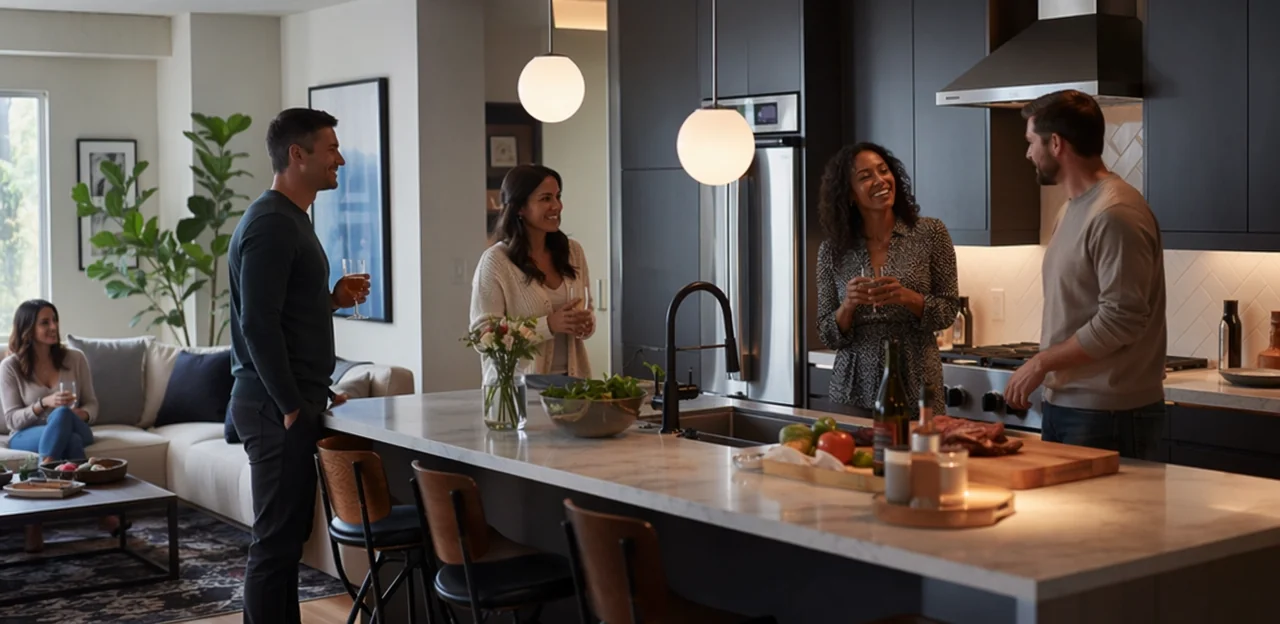
Coworking kitchen feedback often highlights the same trust-defining issues: if shared spaces feel neglected, members assume the wider operation is too. Strong shared kitchen management should focus on the basics members notice first:
- Hygiene: dirty counters, sticky tables, and unpleasant smells quickly damage perceptions of coworking kitchen cleanliness.
- Bins and dishwashing: overflowing bins, full sinks, and abandoned mugs create friction and discourage use.
- Fridge management: expired food, unlabeled containers, and limited space make kitchens feel unmanaged.
- Supplies: missing soap, paper towels, coffee, tea, or dishwasher tablets signal weak office kitchen maintenance.
To improve trust, set visible cleaning schedules, assign ownership, label storage clearly, and restock before shortages happen. Real-time reporting tools such as Tapsy can also help teams spot recurring issues before they shape brand perception.
Comfort, layout, and usability of lounge spaces
Strong coworking lounge design should make it easy for members to relax, meet, or work without friction. Small layout choices often surface in coworking kitchen feedback and lounge comments alike.
- Offer seating variety: mix sofas, armchairs, bar stools, and small tables to support casual chats, solo work, and short laptop sessions.
- Protect traffic flow: keep walkways clear between the kitchen, lounge, and work zones so people are not constantly crossing through seated areas.
- Add easy power access: place outlets and USB points near every seating cluster to improve coworking space usability.
- Manage acoustics and lighting: use soft materials, plants, and task lighting to reduce echo and glare.
- Zone the space: a smart workspace lounge layout separates social seating from quieter corners for focused work.
If needed, tools like Tapsy can help capture real-time lounge feedback at the touchpoint.
Food, beverage, and hospitality details that stand out
Small kitchen details often shape how members judge the whole workspace. Strong coworking kitchen feedback usually points to four areas that directly improve the office coffee experience, coworking hospitality, and the perceived quality of amenities in coworking spaces:
- Coffee quality: Fresh beans, reliable machines, dairy and non-dairy milk, and clear restocking routines signal care and professionalism.
- Snack variety: Offer healthy, indulgent, and grab-and-go options so members with different schedules and preferences feel considered.
- Dietary inclusivity: Label allergens and include vegan, gluten-free, and low-sugar choices to make shared spaces more welcoming.
- Presentation: Clean counters, organized displays, and attractive serving areas elevate value without major cost.
Track comments at the kitchen touchpoint to spot recurring issues quickly; tools like Tapsy can help capture real-time hospitality feedback.
How to collect coworking kitchen feedback effectively

Using surveys, QR codes, and micro-feedback prompts
To collect coworking kitchen feedback consistently, make feedback fast, visible, and easy at the moment members use the space. Low-friction methods outperform long forms because they capture reactions while the experience is still fresh.
- Use pulse surveys: Keep each workspace feedback survey to 1–3 questions, such as cleanliness, coffee quality, seating comfort, or noise.
- Add QR signage at touchpoints: Place a QR code feedback coworking prompt near coffee machines, fridges, sinks, and lounge exits with clear calls to action like “Rate this kitchen in 10 seconds.”
- Trigger micro-prompts: Use simple emoji scales, tap-to-rate cards, or NFC/QR stands for instant responses.
- Route issues quickly: Flag low scores for cleaning, restocking, or maintenance follow-up. Tools like Tapsy can support no-app, touchpoint-level feedback collection.
Training staff to capture informal feedback signals
Casual chats in the kitchen or lounge often reveal the most useful coworking kitchen feedback. Train community teams to treat these moments as structured listening opportunities, not just friendly conversation.
- Give front-of-house staff a simple logging format: location, issue, sentiment, frequency, and exact member wording.
- Ask teams to record recurring themes from compliments, complaints, and offhand remarks within the same shift.
- Separate one-off opinions from patterns that affect operations, such as coffee quality, fridge cleanliness, noise, seating comfort, or peak-time crowding.
- Review notes weekly so community manager feedback turns into action items.
- Combine these observations with surveys and usage trends to build stronger member experience data.
- Encourage concise, neutral note-taking so coworking staff insights stay accurate and useful.
Tools like Tapsy can also help standardize real-time touchpoint feedback.
Balancing anonymous input with direct member conversations
To improve coworking kitchen feedback, use both broad signals and deeper conversations:
- Use anonymous member feedback for sensitive issues members may avoid saying face to face, such as cleanliness, noise, fridge etiquette, coffee quality, or lounge crowding. It often increases honesty and helps spot repeat patterns quickly.
- Use coworking member interviews when you need context. A low score on the kitchen may reflect layout problems, unclear rules, peak-time bottlenecks, or unmet expectations that surveys alone cannot explain.
- Combine both methods by tracking anonymous trends first, then speaking with a small mix of members to understand the “why” behind the data.
This blended approach delivers stronger guest experience insights and helps teams prioritize fixes with more confidence. Tools like Tapsy can help capture in-the-moment feedback at shared touchpoints.
Turning feedback into operational and design improvements

Prioritizing quick wins versus long-term upgrades
Use coworking kitchen feedback to sort issues into two buckets: fixes you can make this week and investments that need planning. This keeps coworking operations improvement practical and measurable.
- Quick wins: adjust restocking schedules, improve cleaning checklists, add clearer signage for dishes, recycling, and fridge rules, or move supplies to easier-to-reach spots.
- Track repeat complaints: if members repeatedly mention congestion, noise, lack of seating, or slow equipment, those patterns often point to bigger office lounge improvements.
- Plan long-term upgrades: consider layout changes, added power points, better zoning, or appliance replacements when feedback shows ongoing friction.
- Prioritize by impact: rank requests by frequency, cost, and effect on daily experience.
Tools like Tapsy can help capture real-time signals and separate minor fixes from true workspace amenity upgrades.
Creating action plans from recurring feedback themes
Turn recurring comments into a clear feedback action plan by reviewing responses weekly and grouping them into practical categories such as cleanliness, stock levels, noise, seating comfort, equipment, and ambience. This makes coworking feedback analysis easier and helps teams focus on the issues that matter most.
- Categorize comments: Tag every note from lounge and coworking kitchen feedback by topic, location, and time.
- Identify patterns: Look for repeated complaints or praise across days, teams, or peak hours.
- Assign ownership: Give each theme a named owner, deadline, and next step, such as restocking supplies or adjusting cleaning schedules.
- Measure impact: Track satisfaction scores, repeat mentions, and response times to confirm member satisfaction improvement over time.
Tools like Tapsy can help capture and route feedback faster at the point of experience.
Communicating changes back to members and guests
To close the feedback loop, don’t just collect comments about seating, cleanliness, or coworking kitchen feedback—show people what changed because they spoke up. This is a core part of any strong coworking communication strategy.
- Share updates visibly: Use email, Slack, signage, or lounge screens to highlight small wins like new coffee supplies, quieter seating zones, or adjusted cleaning schedules.
- Be specific: Say “You asked for more vegan snack options; we added them on Tuesdays and Thursdays.”
- Set expectations: If a request takes time, explain the timeline and next steps.
When members see action, member trust coworking grows. It also increases future participation, because people believe their input matters. Tools like Tapsy can help teams collect and respond to feedback quickly at the exact touchpoint.
Business impact of better kitchen and lounge experiences

Supporting member experience and community building
Well-managed kitchens and lounges do more than improve comfort—they directly strengthen member experience coworking outcomes. Acting on coworking kitchen feedback helps operators remove small frictions that often block connection, from poor seating layouts to low coffee supplies or noisy zones.
- Create inviting shared areas with flexible seating for both solo breaks and group chats.
- Use feedback to spot patterns that affect coworking community building, such as crowding at peak times or unclear cleanup expectations.
- Add simple prompts like community boards, shared tables, or event signage to encourage spontaneous conversations.
These improvements shape a more welcoming shared workspace culture, helping members feel seen, comfortable, and more likely to engage with others regularly.
Enhancing guest experience and brand perception
For visitors, day pass users, and prospective clients, shared amenities often shape guest experience coworking before a tour even ends. A spotless lounge, well-stocked kitchen, and clear upkeep signals communicate reliability, care, and premium flex office hospitality. In contrast, clutter, empty supplies, or poor cleanliness can quickly damage coworking brand perception.
- Use coworking kitchen feedback to spot issues like hygiene gaps, broken appliances, or missing essentials fast.
- Review lounge feedback for comfort, noise, seating mix, and beverage quality.
- Set response standards so visible problems are fixed the same day.
- Consider simple QR touchpoints, such as Tapsy, to capture real-time impressions at the source.
Using feedback insights to support occupancy and retention goals
Small amenity fixes can drive outsized business results when teams treat coworking kitchen feedback and lounge input as growth signals, not maintenance notes.
- Improve reviews: Resolve recurring issues like cleanliness, coffee quality, seating comfort, and noise before they appear in public ratings.
- Increase referrals: Well-run shared spaces create memorable daily experiences that members recommend to peers and teams.
- Support renewals: Fast action on feedback strengthens trust, making amenity upgrades a practical part of member retention strategies.
- Boost coworking occupancy: Stronger reviews, better tours, and higher satisfaction help convert prospects.
- Build coworking competitive advantage: Use real-time tools such as Tapsy to spot patterns early and respond faster than competitors.
Best practices for a continuous feedback culture

Setting review cadences and experience benchmarks
To turn coworking kitchen feedback into consistent improvement, set a simple review rhythm and a few clear benchmarks.
- Monthly reviews: check recurring comments, cleanliness scores, stock issues, seating comfort, noise, and equipment downtime. Use these as core coworking experience metrics for frontline fixes.
- Quarterly reviews: compare trends across locations, update workspace service standards, and decide on budget or layout changes.
- Service standards to define: coffee/tea stocked by opening, surfaces cleaned every 2–3 hours, fridge emptied weekly, lounge seating reset daily, Wi-Fi and power access always available.
- Track amenity performance KPIs: satisfaction score, issue resolution time, supply availability rate, cleanliness rating, and peak-time seat occupancy.
Tools like Tapsy can help capture touchpoint-level feedback in real time.
Avoiding common mistakes when acting on feedback
Acting on coworking kitchen feedback works best when teams avoid reactive decisions and build a repeatable process. Common feedback management mistakes include:
- Overreacting to one complaint: Look for patterns across time, shift, and location before changing suppliers, layouts, or lounge rules.
- Ignoring quiet frustration: Low response volume does not mean low risk. Watch for indirect signs like reduced kitchen use, mess, or shorter lounge dwell time.
- Changing without follow-through: Assign owners, deadlines, and checks so fixes actually happen.
As part of coworking operations best practices, close the loop with members and track outcomes to reduce member satisfaction risks. Tools like Tapsy can help capture real-time signals at the touchpoint.
Building a member-first approach to shared amenities
A member-first coworking model treats kitchens and lounges as active experience touchpoints, not just shared extras. The most effective shared amenity strategy is simple: listen often, test small changes, and improve continuously.
- Use coworking kitchen feedback and lounge input to spot recurring friction, such as cleanliness, seating comfort, noise, or stock levels.
- Trial quick fixes like clearer replenishment schedules, better zoning, or layout updates.
- Review patterns regularly and act fast on high-impact issues.
This cycle of listening and iteration drives real coworking experience improvement, helping operators create spaces that feel more responsive, welcoming, and better aligned with how members actually work and connect.
Conclusion
In coworking spaces, the smallest touchpoints often shape the strongest impressions. A busy kitchen, an untidy lounge, an empty coffee station, or a lack of quiet seating can quickly affect how members feel about the entire workspace. That’s why coworking kitchen feedback matters so much: it helps operators spot friction early, respond faster, and improve the everyday moments that define member experience.
By listening closely to feedback from kitchens and lounges, coworking teams can uncover patterns, fix minor issues before they grow, and create spaces that feel more welcoming, functional, and community-driven. These small signals don’t just improve comfort—they strengthen retention, support positive word of mouth, and show members that their experience is valued.
The next step is simple: make feedback easy, visible, and immediate. Review your current kitchen and lounge touchpoints, identify where members are most likely to experience friction, and introduce lightweight ways to capture input in real time. Tools like Tapsy can help by enabling instant, no-app feedback at physical touchpoints, so teams can act while the experience is still fresh.
If you want to improve member satisfaction, start with the spaces people use every day. Prioritising coworking kitchen feedback today can lead to stronger community, better operations, and a more memorable coworking experience tomorrow.
Frequently Asked Questions
- Why do kitchen and lounge areas have such a big impact in coworking spaces?
These shared areas shape first impressions, daily comfort, and how professional the workspace feels. Cleanliness, seating, noise, coffee quality, and restocking all influence productivity, community, and retention.
- What kind of feedback should coworking operators track in kitchens and lounges?
Operators should track cleanliness, stock levels, noise, seating comfort, layout, maintenance issues, and service responsiveness. Comments about coffee quality, fridge management, and traffic flow can also reveal broader operational problems.
- How can small complaints in shared spaces point to bigger issues?
A simple complaint often reflects a deeper gap in operations or design. For example, cleanliness issues may signal weak cleaning schedules, while noise complaints can reveal zoning problems or unclear etiquette policies.
- How does kitchen and lounge feedback affect member retention?
When shared spaces are clean, stocked, comfortable, and easy to use, members are more likely to renew and recommend the space. Fixing small friction points also improves guest and client impressions before they become reasons not to return.
- What do members usually notice first in a coworking kitchen?
Members quickly notice hygiene, overflowing bins, full sinks, abandoned mugs, and missing supplies like soap or paper towels. Fridge problems such as expired food, unlabeled containers, and lack of space also make the kitchen feel unmanaged.
- What makes a coworking lounge more comfortable and usable?
A strong lounge setup includes varied seating, clear walkways, easy access to power, and better acoustics and lighting. Zoning also matters, because separating social areas from quieter corners reduces friction for different types of use.
- Which hospitality details matter most in coworking kitchens?
Coffee quality, snack variety, dietary inclusivity, and presentation stand out most. Fresh beans, reliable machines, clear allergen labeling, and organized counters help shared amenities feel more thoughtful and premium.
- What is the best way to collect feedback at the moment of use?
Use low-friction methods such as short pulse surveys, QR code prompts, emoji scales, or tap-to-rate stands placed near the kitchen and lounge touchpoints. Fast, visible feedback options work well because they capture reactions while the experience is still fresh.
- How should staff handle informal feedback from members?
Front-of-house and community teams should log the location, issue, sentiment, frequency, and exact wording when useful. Reviewing these notes weekly helps separate one-off opinions from recurring patterns that need action.
- Should coworking spaces use anonymous feedback or direct conversations?
Both are useful for different reasons. Anonymous input helps surface sensitive issues like cleanliness or crowding, while direct conversations explain the context behind low scores and reveal why a problem keeps happening.
- How can teams decide between quick fixes and bigger upgrades?
Quick wins include better restocking, clearer signage, and improved cleaning checklists, while repeated complaints about congestion, noise, or equipment may justify layout changes or appliance replacements. Prioritization should be based on frequency, cost, and effect on daily experience.
- What is a practical way to turn recurring comments into action?
Group feedback into categories such as cleanliness, stock levels, noise, seating, equipment, and ambience. Then assign each issue an owner, deadline, and next step, and track satisfaction, repeat mentions, and response times to measure improvement.
- Why is it important to communicate changes back to members?
Sharing updates shows that feedback leads to real action, which builds trust and encourages future participation. Clear examples, such as adding vegan snacks on specific days or adjusting cleaning schedules, make the response feel credible and useful.
- How do better kitchen and lounge experiences support business goals?
Well-run shared spaces improve reviews, referrals, renewals, and prospect impressions. They also strengthen brand perception by showing reliability, care, and a more premium hospitality standard.
- What are common mistakes to avoid when acting on kitchen and lounge feedback?
Teams should avoid overreacting to a single complaint, ignoring quiet frustration, or making changes without assigning ownership and follow-through. A better approach is to look for patterns over time, set review cadences, and track outcomes against clear service standards.