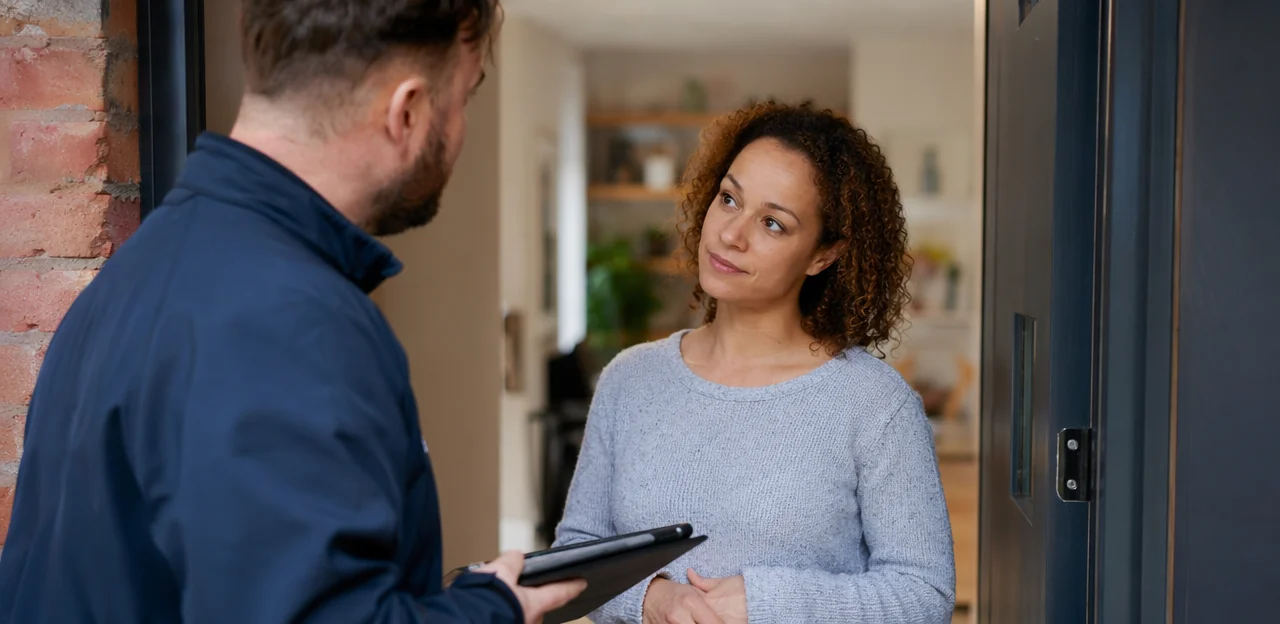
A maintenance issue is rarely just about the repair itself. For housing providers, the real challenge often lies in what happens next: how quickly concerns are acknowledged, how well residents feel heard, and whether the same problems keep surfacing across properties. When response quality is inconsistent or recurring issues go unnoticed, resident trust can erode fast—leading to more complaints, lower satisfaction, and greater pressure on service teams.
This is where maintenance feedback software becomes increasingly valuable. Rather than relying on delayed surveys, scattered emails, or incomplete complaint logs, housing organisations can capture timely resident feedback, measure the quality of maintenance responses, and identify patterns that point to deeper operational problems. From missed appointments and poor communication to unresolved damp, heating, or communal area issues, the right system helps turn feedback into action.
In this article, we’ll explore how maintenance feedback software supports better service recovery, stronger resident experience, and smarter software selection in the housing and property sector. We’ll also look at how providers can measure response quality, track recurring maintenance issues, and use real-time insight to improve accountability and long-term service performance. In some cases, tools such as Tapsy may also support faster, touchpoint-based feedback collection where immediate resident input matters most.
Why maintenance feedback software matters in housing
The link between repairs, trust, and resident experience
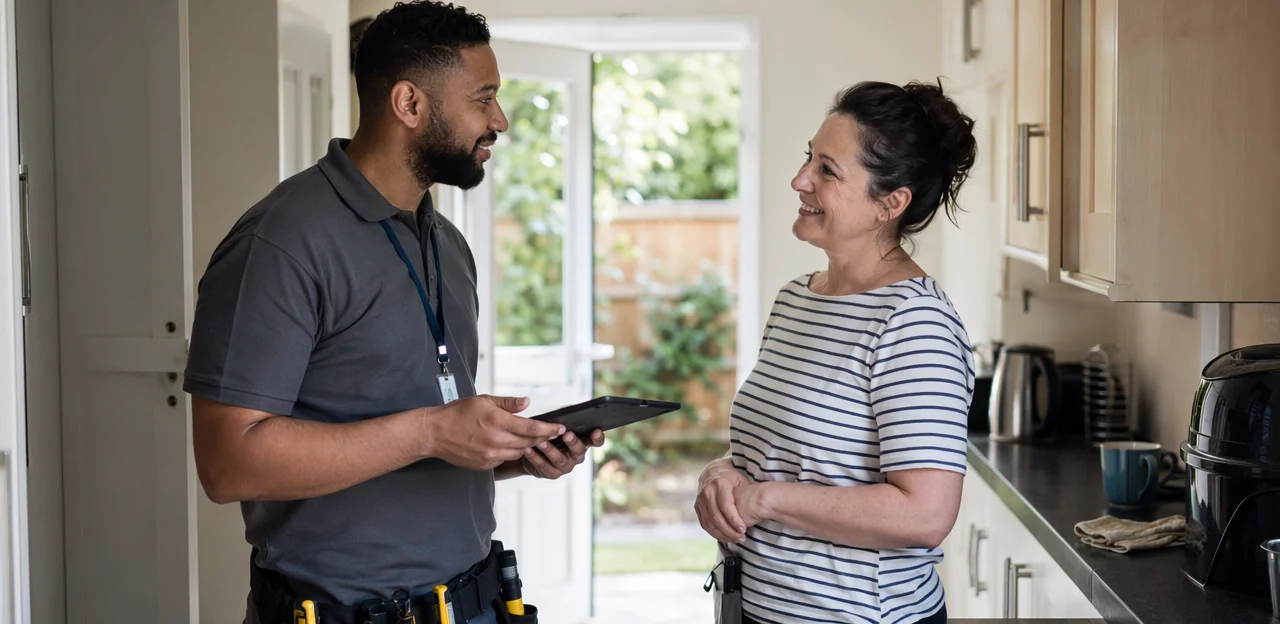
Repairs are one of the most visible housing services because residents feel the impact immediately: a leak, broken heating, or unsafe door affects daily life. That is why housing repairs feedback plays a direct role in resident experience and tenant satisfaction.
- Poor communication leaves residents unsure who is responsible or when work will happen.
- Delays signal that their home and time are not valued.
- Unresolved repeat issues quickly erode trust and increase complaint volumes.
Using maintenance feedback software helps housing teams capture feedback after each job, spot recurring failures, and trigger faster service recovery. This turns repair data into action, improving transparency, accountability, and confidence in the landlord.
What maintenance feedback software actually does
In practical terms, maintenance feedback software helps housing teams collect, organize, and act on resident feedback after repairs. It turns individual repair experiences into measurable service data.
- Post-repair surveys: Send short surveys by SMS, email, or QR code after a job is completed.
- Sentiment capture: Record satisfaction scores, written comments, and emotional tone to understand how residents felt.
- Case-level feedback: Link feedback to a specific repair, contractor, property, or operative.
- Trend reporting: Spot recurring issues such as missed appointments, repeat visits, poor communication, or unresolved faults.
- Workflow alerts: Trigger follow-up tasks when low scores or negative comments appear, making service recovery software part of daily operations.
A strong repair feedback system helps teams fix root causes, not just close tickets.
Common challenges housing providers need to solve
Housing teams often struggle to turn resident feedback into measurable service improvement. Common pain points include:
- Low survey response rates: delayed, generic surveys miss the moment, so providers collect too little insight to act confidently.
- Fragmented data: repairs, complaints, call logs, and survey results sit in separate systems, making housing software selection harder and trend analysis slower.
- Weak contractor oversight: without clear contractor performance monitoring, it is difficult to compare attendance, fix quality, and resident satisfaction.
- Repeat repairs: unresolved root causes lead to recurring repair issues, higher costs, and lower trust.
- Limited proof of progress: many teams cannot clearly evidence service quality improvements to boards, regulators, or residents.
Maintenance feedback software helps by centralising feedback, linking it to jobs, and tracking outcomes over time.
How to measure response quality effectively

Core metrics beyond simple satisfaction scores
To improve maintenance service quality, housing teams need more than a single satisfaction rating. The best maintenance feedback software should track specific response quality metrics that show where service breaks down and how to fix it.
- First-time fix perception: Did the resident feel the issue was resolved on the first visit?
- Timeliness: Was the repair completed within a reasonable timeframe, based on resident expectations?
- Communication quality: Were updates clear, proactive, and easy to understand?
- Professionalism: Did staff arrive prepared, respectful, and trustworthy?
- Ease of reporting: Was it simple to log the issue and provide details?
- Issue resolution confidence: Does the resident believe the repair will hold, or expect the problem to return?
These repair satisfaction KPIs help teams spot recurring weaknesses, coach contractors, and prioritise service recovery before dissatisfaction escalates.
Combining quantitative scores with qualitative feedback
Maintenance feedback software is most useful when it connects numeric ratings with open-text comments and sentiment signals. Scores show what is underperforming, while comments explain why residents are unhappy and where workflows fail.
- Use ratings to spot patterns: Track low scores by trade, contractor, property, or stage of the repair journey.
- Layer in comments for context: Qualitative repair feedback often reveals missed appointments, poor communication, repeat visits, or unresolved issues that a score alone cannot show.
- Apply sentiment analysis: Sentiment analysis housing tools can flag frustration, urgency, or recurring themes across large volumes of responses.
- Turn insights into action: Strong resident feedback analysis helps teams identify breakdowns in scheduling, first-time fix rates, and follow-up communication.
For example, if “completed repair” scores are acceptable but sentiment remains negative, the real issue may be resident experience, not technical completion.
Building a fair view of in-house teams and contractors
To assess contractor performance and internal teams fairly, avoid headline averages alone. Good maintenance feedback software should let you compare like-for-like work across multiple variables, so operative performance measurement reflects context rather than volume.
- Segment by repair type: emergency, planned, damp and mould, electrical, or follow-on works often generate different satisfaction patterns.
- Compare by location: estate, block, neighbourhood, and property type can affect access, parts availability, and repeat visits.
- Review resident groups separately: vulnerabilities, language needs, and household circumstances may shape expectations and communication scores.
- Balance quality with complexity: combine feedback scores with first-time fix rate, attendance, no-access rates, and complaint escalation.
- Benchmark trends, not one-off results: use rolling periods and minimum sample sizes to avoid misleading conclusions.
Strong housing maintenance analytics helps identify whether issues sit with an operative, a contractor, a process, or the repair environment.
Using feedback to identify recurring issues

Spotting repeat failures and repeat visits
Good maintenance feedback software should do more than collect comments—it should surface patterns that teams can act on quickly. The most useful platforms flag:
- Repeat repairs on the same asset, such as a boiler, lift, door entry system, or recurring leak
- Multiple visits for one repair, showing where first-time fix rates are weak
- Recurring dissatisfaction by issue category, contractor, block, or property type
These alerts help housing teams separate one-off faults from recurring maintenance issues that point to deeper asset or process problems. For example, if several residents report the same window defect within months, the issue may require replacement rather than another patch repair.
Used well, these trends create stronger asset management insights, support planned investment decisions, and improve service recovery. Tools such as Tapsy can also help capture timely resident feedback at the point issues occur.
Finding root causes in processes and communication
Recurring repair complaints are often caused by process failures, not just the technical fix itself. Effective root cause analysis helps housing teams look beyond the job outcome and identify where the resident journey breaks down. Maintenance feedback software is especially useful here because it captures patterns across appointments, updates, and completion quality.
Common causes to investigate include:
- Scheduling gaps that create delays or contribute to missed appointments housing cases
- Poor first-time diagnosis, leading to repeat visits and unresolved faults
- Parts delays that stall jobs without clear explanations
- Missed handoffs between contact centre, contractor, and repairs teams
- Unclear resident updates, which increase frustration even when work is progressing
For practical repair process improvement, tag feedback by issue type, track repeat complaints by contractor or property, and review communication timelines alongside completion data. Tools such as Tapsy can help surface these recurring patterns in real time.
Turning trends into action plans
Maintenance feedback software is most valuable when it turns patterns into clear next steps. Use housing dashboards to spot the issues driving the most dissatisfaction, such as repeated damp reports, missed appointments, or poor communication after repairs.
- Prioritize fixes by impact: Rank issues by complaint volume, repeat contacts, property type, and resident sentiment.
- Assign clear ownership: Route alerts to the right team or contractor, with deadlines and escalation rules for urgent cases.
- Build service improvement planning into workflows: Turn recurring themes into action plans with named owners, target dates, and measurable outcomes.
- Track whether changes work: Monitor complaint rates, repeat repairs, first-time fix performance, and follow-up feedback over time.
This feedback-driven maintenance approach helps housing teams move from reactive case handling to evidence-based service recovery and continuous improvement.
Key software features to look for during selection

Survey design, automation, and accessibility
Effective maintenance feedback software should make it easy for every resident to respond, regardless of device, language, or communication preference. Look for housing software features that improve reach and response quality, including:
- Multi-channel delivery: Send surveys by SMS, email, and voice to reach residents who prefer different formats.
- Trigger-based workflows: Use survey automation software to send surveys automatically after a repair visit, missed appointment, or completed job.
- Mobile-first design: Keep surveys short, clear, and easy to complete on any smartphone.
- Multilingual support: Offer key languages spoken in your communities to reduce barriers and improve accuracy.
- Accessibility options: Prioritize accessible resident surveys with screen-reader compatibility, simple language, large text, and voice-friendly formats.
For example, tools such as Tapsy show how no-app, mobile-friendly feedback collection can reduce friction and capture timely responses.
Analytics, alerts, and case management
Strong maintenance feedback software should do more than collect comments—it should turn them into fast, measurable action. The most effective platforms combine feedback analytics with clear service recovery workflows so housing teams can spot problems early and respond consistently.
- Real-time dashboards show live repair satisfaction by contractor, property, trade, or estate, helping managers identify bottlenecks quickly.
- Sentiment tagging groups open-text feedback into themes such as delays, communication, cleanliness, or repeat visits.
- Recurring issue detection highlights patterns like repeated damp, heating failures, or missed appointments across homes or blocks.
- Real-time repair alerts notify teams when residents leave low scores or urgent comments, enabling immediate intervention.
- Closed-loop case management assigns ownership, tracks follow-up, records outcomes, and confirms the resident’s issue was resolved.
Tools such as Tapsy can support this by routing negative feedback to the right team before dissatisfaction escalates.
Integrations, security, and reporting requirements
To get full value from maintenance feedback software, make integration and governance part of the selection criteria from day one:
- Connect core systems: Prioritise housing management system integration, CRM links, and repairs software integration so feedback, tenancy records, job status, and contractor updates sit in one workflow.
- Route issues automatically: Low scores or repeat complaints should trigger cases, repairs follow-ups, or contractor reviews without manual rekeying.
- Strengthen controls: Check data security housing software features such as role-based access, encryption, retention settings, and GDPR-ready consent handling.
- Require audit trails: Every action, escalation, note, and status change should be time-stamped for complaint handling, compliance, and service recovery reviews.
- Support board-level reporting: Dashboards should summarise response quality, recurring repair themes, contractor performance, and resident sentiment by scheme, region, and time period.
Tools such as Tapsy can also support real-time issue capture where fast operational visibility matters.
Best practices for implementation and service recovery

Launching with clear goals and stakeholder buy-in
A strong maintenance feedback software rollout starts with shared, measurable outcomes. For effective software implementation housing teams should agree upfront on:
- Success criteria: response quality scores, repeat issue rates, repair completion satisfaction, complaint reduction, and time-to-resolution
- Roles and governance: who reviews feedback, who owns action plans, escalation routes, reporting cadence, and contractor accountability
- Operational input: involve repairs managers, contact centres, housing officers, and contractors early so workflows reflect real service realities
- Resident experience alignment: map feedback questions to your wider resident experience strategy, not just repair completion
This early structure builds stakeholder buy-in, improves adoption, and ensures feedback leads to service recovery and long-term improvement.
Closing the loop with residents after poor feedback
Effective closed-loop feedback turns a poor experience into a chance to improve trust. With maintenance feedback software, teams should act on negative responses quickly and consistently:
- Respond fast: Trigger alerts for low scores or urgent comments, then acknowledge the issue within hours.
- Prioritize vulnerable residents: Escalate cases involving older residents, disabilities, health risks, or repeated repair failures.
- Document every step: Record contact attempts, promised actions, contractor updates, and completion dates to support clear resident complaint resolution.
- Use service recovery well: Offer a sincere apology, explain what went wrong, confirm next steps, and follow up after the repair.
Tools such as Tapsy can help route issues in real time and strengthen service recovery.
Improving response rates and data quality
To improve survey response rates and feedback data quality, keep requests short, relevant, and well timed. Maintenance feedback software works best when residents can respond immediately after a repair, inspection, or service recovery interaction.
- Send surveys at the right moment: within 24 hours of job completion, while details are still fresh.
- Reduce survey fatigue: ask 2–4 core questions, rotate optional questions, and avoid over-surveying frequent reporters.
- Increase resident engagement: use SMS-first delivery, plain language, and mobile-friendly forms.
- Capture representative feedback: segment by property, age group, tenancy type, language, and vulnerability status.
- Close the loop: acknowledge responses and show improvements made, which encourages future participation.
Tools like Tapsy can also support quick, low-friction feedback collection at key touchpoints.
How to evaluate ROI and long-term impact

Operational and resident-focused outcomes to track
Use maintenance feedback software to monitor outcomes that show both service quality and housing ROI:
- Fewer repeat repairs: track first-time fix rates and how often the same fault is reported within 30–90 days.
- Reduced complaints: measure complaint volumes by repair type, contractor, scheme, or block.
- Better contractor accountability: compare attendance times, completion quality, missed appointments, and resident ratings.
- Faster issue resolution: monitor average time to acknowledge, attend, complete, and close repairs.
- Stronger resident satisfaction trends: review satisfaction scores, sentiment, and recovery feedback over time.
These metrics turn feedback into practical repair service improvement priorities.
Questions to ask vendors before choosing a platform
Use this shortlist during software selection and housing technology procurement to compare maintenance feedback software vendors consistently:
- Implementation support: What onboarding, training, and change-management help is included?
- Analytics depth: Can the platform track response quality, repeat complaints, trends by property, contractor, or issue type?
- Integration capability: Does it connect with your housing management, CRM, repairs, and reporting systems?
- Customization: Can you tailor surveys, workflows, alerts, and dashboards to resident and tenancy needs?
- Housing-sector experience: Can the vendor show case studies, compliance understanding, and examples from social or residential housing?
A platform such as Tapsy may be worth reviewing if real-time feedback is a priority.
Creating a continuous improvement framework
Turn insights from maintenance feedback software into a formal continuous improvement cycle by assigning clear owners, review dates, and escalation rules.
- Performance reviews: include response quality, first-time fix rates, complaint themes, and resident sentiment in team and manager scorecards.
- Contractor meetings: review recurring issues, missed SLAs, and service recovery outcomes monthly, then agree corrective actions.
- Board reporting: present trend data, root causes, and improvement progress as part of housing performance management.
- Planning: use feedback governance to feed recurring defects and service pain points into asset investment plans, procurement decisions, and long-term service redesign.
Conclusion
In housing, the difference between reactive repairs and consistently positive resident experience often comes down to visibility. The right maintenance feedback software helps teams move beyond anecdotal complaints by measuring response quality, tracking satisfaction at key service moments, and identifying recurring issues before they become larger operational or reputational problems. When housing providers can see patterns in delays, communication gaps, contractor performance, and repeat repair categories, they are far better equipped to improve service recovery and make smarter resourcing decisions.
Just as importantly, maintenance feedback software gives residents a stronger voice. It creates a clear loop between reporting, resolution, and follow-up, helping providers respond faster, recover trust after poor experiences, and demonstrate a genuine commitment to service improvement. Over time, this leads to better performance monitoring, more consistent maintenance standards, and a more resident-focused approach across the organisation.
If you’re reviewing your current approach, the next step is to assess whether your systems can capture real-time feedback, surface trends, and support timely intervention. Build a shortlist of tools, define your key service metrics, and explore platforms that align with your housing operations and resident experience goals. Solutions such as Tapsy may also be worth exploring for organisations looking to capture feedback closer to the service touchpoint.
Frequently Asked Questions
- What is maintenance feedback software in housing?
Maintenance feedback software helps housing teams collect, organize, and act on resident feedback after repairs. It links feedback to specific jobs, contractors, properties, or operatives so providers can measure service quality and identify recurring problems.
- Why does maintenance feedback matter for resident trust?
Repairs affect daily life immediately, especially when issues involve leaks, heating, or security. Poor communication, delays, and unresolved repeat issues can quickly reduce trust and increase complaints, while timely feedback helps teams recover service faster.
- How does maintenance feedback software improve repair response quality?
It captures feedback after each job and turns repair experiences into measurable data. Teams can track low scores, negative comments, and workflow alerts to identify where communication, timeliness, or resolution quality is breaking down.
- Which response quality metrics should housing providers track beyond satisfaction scores?
Useful metrics include first-time fix perception, timeliness, communication quality, professionalism, ease of reporting, and confidence that the issue is truly resolved. These measures give a clearer picture of where service is failing than a single overall score.
- Why should teams combine ratings with written comments and sentiment?
Ratings help show what is underperforming, but comments explain why residents are unhappy. Sentiment signals can also highlight frustration, urgency, missed appointments, repeat visits, or unresolved faults that a numeric score alone may miss.
- How can housing teams assess contractors and in-house operatives fairly?
They should compare similar work by segmenting results by repair type, location, resident group, and job complexity. A fair view also combines feedback with first-time fix rates, attendance, no-access rates, and complaint escalation rather than relying on headline averages alone.
- How does feedback help identify recurring maintenance issues?
Good systems flag repeat repairs on the same asset, multiple visits for one issue, and recurring dissatisfaction by contractor, block, or property type. That helps teams distinguish one-off faults from deeper asset or process problems that need a broader fix.
- What root causes should providers investigate when repair complaints keep repeating?
Common causes include scheduling gaps, poor first-time diagnosis, parts delays, missed handoffs between teams, and unclear resident updates. Looking at communication timelines alongside completion data helps reveal whether the problem is technical, operational, or both.
- What actions should teams take once recurring trends appear in feedback?
They should prioritize issues by complaint volume, repeat contacts, property type, and resident sentiment. The next step is to assign ownership, set deadlines and escalation rules, and track whether complaint rates, repeat repairs, and follow-up feedback improve over time.
- What features are most important when selecting maintenance feedback software?
Key features include multi-channel surveys, trigger-based workflows, mobile-first design, multilingual support, and accessibility options. Strong analytics, real-time alerts, recurring issue detection, closed-loop case management, and system integrations are also important.
- Why are integrations, security, and audit trails important in these platforms?
Integrations connect feedback with housing management, CRM, repairs, and contractor workflows so teams do not have to rekey information manually. Security controls, retention settings, consent handling, and time-stamped audit trails support complaint handling, compliance, and governance.
- How should a housing provider launch maintenance feedback software successfully?
A strong rollout starts with clear success criteria such as response quality, repeat issue rates, complaint reduction, and time-to-resolution. Providers also need defined roles, governance, escalation routes, and early input from repairs managers, contact centres, housing officers, and contractors.
- What does closing the loop with residents look like after poor feedback?
Teams should respond quickly to low scores or urgent comments, acknowledge the issue, and explain the next steps. Good service recovery also means prioritizing vulnerable residents, documenting every action, and following up after the repair to confirm the issue was resolved.
- How can providers improve survey response rates and feedback quality?
Send short surveys within 24 hours of job completion, keep them mobile-friendly, and use plain language. It also helps to limit questions, avoid over-surveying frequent reporters, and segment responses by factors such as property, age group, tenancy type, language, and vulnerability status.
- How can a housing organisation evaluate ROI from maintenance feedback software?
Useful outcomes include fewer repeat repairs, reduced complaints, better contractor accountability, faster issue resolution, and stronger satisfaction trends over time. Providers should also ask vendors about implementation support, analytics depth, integrations, customization, and housing-sector experience before choosing a platform.