In hospitality, relaxation is only part of the spa experience. For hotels, resorts, and tourist destinations serving international guests, understanding how visitors feel at every wellness touchpoint is just as important as the treatment itself. A soothing massage, a spotless sauna, or a warm welcome can quickly lose their impact if language barriers prevent guests from sharing concerns, preferences, or praise in the moment. That is where spa multilingual feedback becomes essential.
By making it easy for guests to respond in their preferred language, wellness teams can uncover service issues faster, improve accessibility and inclusion, and create a more personalized, memorable experience. For properties competing on guest satisfaction and reputation, multilingual feedback is no longer a nice-to-have. It is a practical tool for protecting service quality, strengthening loyalty, and improving both visitor and client experience across diverse audiences.
This article explores why multilingual spa feedback matters for hotels, resorts, and tourist areas, how it supports guest experience and operational improvement, and what businesses should look for in an effective feedback system. We will also touch on how digital tools such as Tapsy can help collect real-time insights directly at spa and wellness touchpoints, helping teams respond quickly and deliver a more inclusive experience.
Why spa multilingual feedback matters in hospitality and tourism

The link between language access and guest satisfaction
Language access has a direct impact on guest satisfaction in spa and wellness settings. When spa multilingual feedback options are available, guests feel more comfortable explaining what they enjoyed, what felt unclear, and where service can improve. This leads to more honest, detailed responses instead of skipped surveys or vague ratings.
- Higher response rates: Guests are more likely to complete forms and review prompts in their preferred language.
- Better quality insights: Multilingual guest surveys reduce misunderstandings and capture more accurate feedback on treatments, staff communication, and facility comfort.
- Stronger trust: Guests feel respected and included, which improves their overall perception of the spa experience.
For hotels and resorts, offering feedback in multiple languages helps teams spot issues faster and improve service for international visitors.
How wellness businesses serve international and diverse audiences
Hotels, resorts, and tourist area spa services often welcome guests with different languages, cultural norms, and wellness expectations. That makes spa multilingual feedback essential for improving service quality and avoiding misunderstandings that can affect satisfaction and reviews.
- Offer feedback forms in key guest languages to increase response rates and capture more accurate hotel spa feedback.
- Use simple, culturally neutral questions about cleanliness, privacy, therapist communication, comfort, and treatment preferences.
- Track patterns by guest segment to understand what international visitors expect from resort wellness feedback.
- Enable real-time alerts so staff can resolve issues before checkout or departure.
A no-app tool such as Tapsy can help collect feedback at the spa touchpoint instantly, making it easier to serve global travelers with consistency and care.
Business benefits: reviews, loyalty, and service quality
Spa multilingual feedback gives hotels and resorts a clearer view of what international guests actually experience at each touchpoint. When guests can respond in their preferred language, feedback becomes more accurate, detailed, and actionable.
- Identify pain points faster: Spot recurring issues such as treatment misunderstandings, booking friction, cleanliness concerns, or unclear wellness instructions.
- Improve treatments and facilities: Use trend data to refine therapist training, menu descriptions, recovery areas, signage, and accessibility features.
- Increase positive reviews: Resolve issues before checkout, improving guest experience and reducing negative public comments through stronger spa review management.
- Support repeat bookings: Better service recovery and personalized follow-up strengthen client experience, loyalty enrollment, and return visits.
Platforms like Tapsy can help collect real-time spa feedback and connect it to measurable hospitality outcomes such as review scores, complaint reduction, and repeat booking rates.
Building an effective multilingual spa feedback strategy
Choosing the right feedback channels
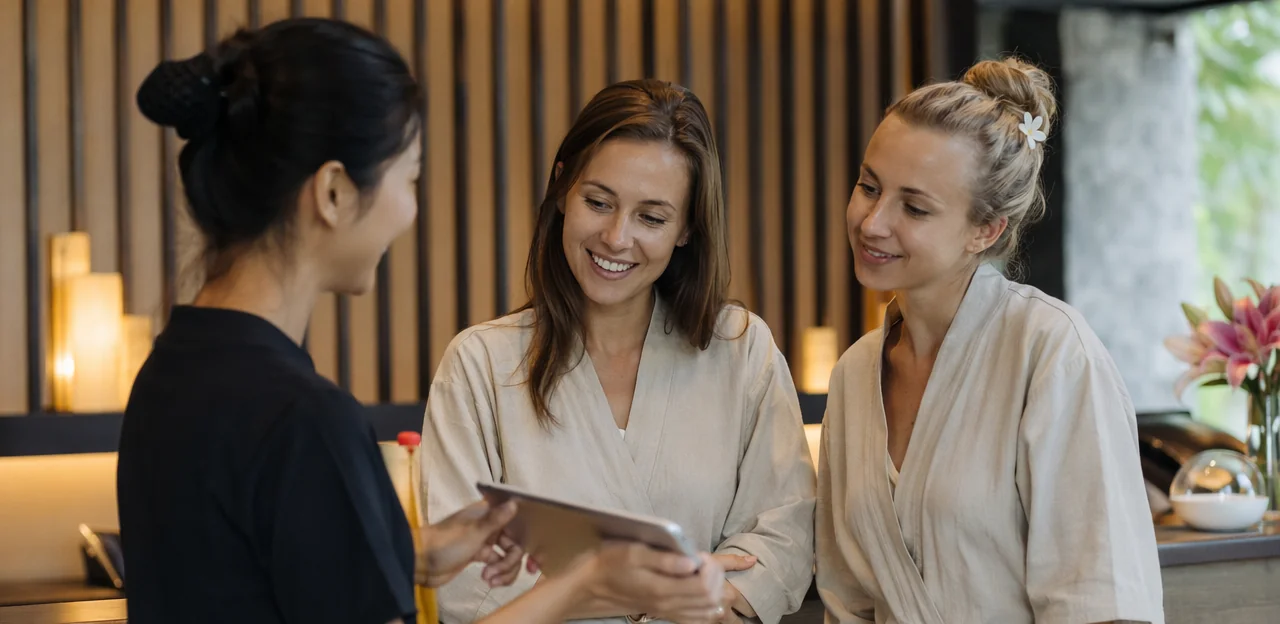
The best spa multilingual feedback strategy uses channels that fit how guests move through the property. In wellness settings, timing and convenience matter, so combine fast in-the-moment options with post-visit follow-ups.
- QR code surveys: Place them in treatment rooms, relaxation lounges, lockers, and receipts to capture immediate reactions while the experience is fresh.
- SMS follow-ups: Ideal for day-spa guests or resort visitors who may not check email right away. Keep messages short and mobile-friendly.
- Email forms: Best for detailed feedback after checkout, especially for longer hotel or resort stays.
- Kiosk tablets: Useful near spa exits or hotel lobbies for quick ratings in multiple languages.
- Front-desk prompts: Staff can invite guests to share feedback verbally or scan a survey link before departure.
Strong multilingual feedback tools and varied spa survey channels improve response rates and strengthen your hotel guest feedback system. Platforms like Tapsy can support QR-based, real-time collection across touchpoints.
Selecting priority languages for your audience
To make spa multilingual feedback effective, choose languages based on real guest demand rather than assumptions. Start by reviewing:
- Booking data: Identify the top nationalities and preferred languages from reservations, check-in records, and loyalty profiles.
- Tourism demographics: Use local tourism board reports, airport traffic data, and seasonal visitor trends to see which international markets are growing.
- Guest feedback patterns: Check which languages appear in reviews, emails, and front-desk interactions to spot unmet needs.
A practical rollout for multilingual survey languages is to begin with your highest-volume audiences, then expand over time as participation grows. For example:
- Launch with your top 3–5 languages.
- Track completion rates and quality of international guest feedback.
- Add regional or seasonal languages based on demand.
If you use a tool like Tapsy, monitor response trends by location and touchpoint to refine language priorities continuously.
Designing clear, culturally sensitive questions
Strong spa multilingual feedback starts with short, neutral wording that is easy to translate and hard to misinterpret. Avoid idioms, slang, humor, double negatives, or culture-specific assumptions. In culturally sensitive surveys, each question should cover one topic only and use respectful, inclusive language.
- Treatments: “How satisfied were you with your treatment today?”
- Cleanliness: “How would you rate the cleanliness of the spa, treatment room, and changing area?”
- Staff communication: “Did our staff explain your treatment clearly and respectfully?”
- Accessibility: “Were the spa facilities and services easy for you to access and use?”
- Overall satisfaction: “How likely are you to recommend our spa experience to others?”
For better translated guest surveys, test wording with native speakers and local staff before launch. Keep answer scales consistent across all spa feedback questions. Tools like Tapsy can help hotels collect simple, multilingual responses at the right touchpoints.
Accessibility, inclusion, and better visitor experience
Making feedback accessible for all guests
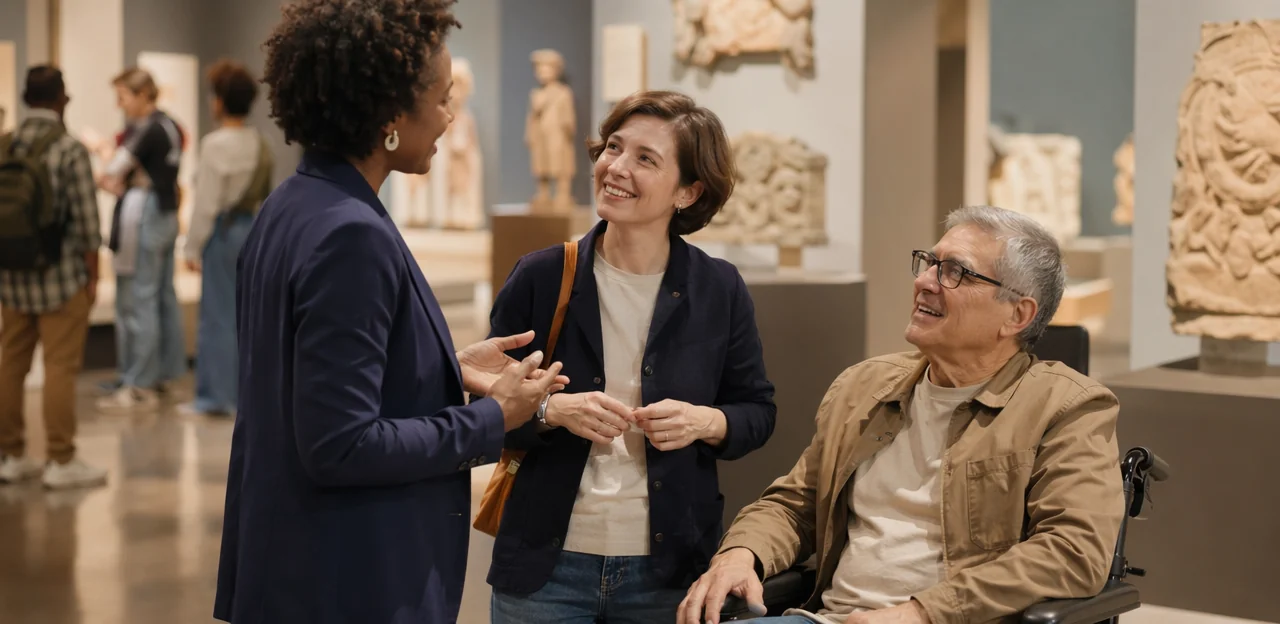
Accessible design helps more guests share honest, useful input across spa, hotel, and resort touchpoints. When spa multilingual feedback is built for different abilities, it supports accessibility and inclusion while increasing response rates and helping teams meet compliance expectations.
- Use accessible feedback forms that work smoothly with screen readers and keyboard navigation.
- Offer large text, high-contrast buttons, and clear spacing for guests with low vision.
- Enable voice input for guests with mobility, dexterity, or language-related barriers.
- Write questions in plain language so forms are easy to understand for all literacy levels.
- Choose mobile-friendly layouts that work well on personal devices without pinching or zooming.
An inclusive guest experience leads to broader participation, better service insights, and stronger alignment with accessibility standards.
Respecting cultural expectations in wellness settings
In spas, cultural norms strongly shape wellness guest expectations, from how privacy is handled to which therapist a guest feels comfortable with. Spa multilingual feedback helps hotels and resorts identify these preferences early and improve spa cultural sensitivity across every touchpoint.
- Privacy preferences: Some guests expect more modest draping, private changing areas, or limited physical contact.
- Gender preferences: Feedback in a guest’s native language often reveals whether male or female therapists are preferred.
- Treatment communication: Clear multilingual explanations reduce discomfort around pressure levels, body areas, and treatment steps.
- Service etiquette: Expectations around greetings, silence, tipping, and eye contact vary widely.
Using this insight supports cultural inclusion in hospitality and helps teams adapt policies, staff training, and booking options appropriately.
Improving the full journey from booking to post-visit follow-up
To improve the visitor experience, hotels and resorts should collect spa multilingual feedback at every stage of the spa customer journey, not just after treatment. This creates clearer guest journey mapping and helps teams spot where satisfaction drops.
- Online booking: Ask whether the website, language options, pricing, and treatment descriptions were easy to understand.
- Arrival and check-in: Measure welcome quality, wait times, signage, and staff communication.
- Treatment experience: Capture feedback on therapist professionalism, comfort, privacy, and language accessibility.
- Amenities: Review lockers, relaxation areas, cleanliness, and wellness facilities.
- Post-visit follow-up: Check if thank-you messages, care advice, and rebooking offers feel timely and relevant.
Using one consistent feedback framework across touchpoints—potentially through tools like Tapsy—helps teams act faster and deliver a smoother, more inclusive experience.
Using spa multilingual feedback to improve operations
Turning feedback into actionable service improvements
To turn spa multilingual feedback into measurable results, managers should organize comments into clear operational themes and review them regularly. This makes feedback analysis faster, more consistent, and easier to act on across diverse guest groups.
- Staff professionalism: track courtesy, expertise, and responsiveness
- Treatment quality: identify patterns in massage pressure, therapist technique, or service consistency
- Wait times: monitor delays in booking, check-in, and treatment start times
- Cleanliness: flag hygiene issues in rooms, robes, showers, or shared facilities
- Ambiance: review comments on noise, lighting, scent, and relaxation levels
- Communication: assess how well staff explain treatments, pricing, and aftercare in different languages
Multilingual insights reveal whether issues are isolated or affecting specific visitor segments, helping teams prioritize spa service improvement and strengthen overall wellness operations. Tools like Tapsy can help capture and sort feedback in real time.
Training staff to respond to multilingual guest needs
Spa multilingual feedback gives hotels clear insight into where service gaps appear across languages, expectations, and cultural norms. Use that feedback to strengthen hospitality staff training in practical, guest-facing ways:
- Improve spa staff communication: Train teams to use simple phrasing, confirm understanding, and avoid jargon during consultations, treatments, and aftercare explanations.
- Build empathy and cultural awareness: Review recurring feedback themes to teach staff how different guests express discomfort, privacy concerns, pain levels, or wellness preferences.
- Standardize multilingual customer service: Provide translated FAQs, treatment descriptions, consent forms, and short service scripts for common interactions.
- Create service recovery steps: Define when staff should apologize, offer alternatives, involve a supervisor, or escalate urgent concerns to management or translation support.
Tools like real-time feedback platforms such as Tapsy can help identify training needs faster.
Monitoring trends across locations and seasons
To turn spa multilingual feedback into operational insight, compare data across properties, time periods, and guest types rather than reviewing each location in isolation. This helps hotel groups and destination operators uncover both local issues and brand-wide patterns.
- Track resort feedback trends by property, spa service, and language to identify recurring complaints such as treatment consistency, cleanliness, or booking delays.
- Use hotel group analytics to benchmark urban hotels, beach resorts, and mountain retreats against shared service standards.
- Layer in tourism seasonality insights by comparing peak holiday periods, shoulder seasons, and off-season stays.
- Segment responses by family travelers, wellness tourists, couples, and international visitors to spot different expectations.
Tools like Tapsy can support multi-property benchmarking and faster issue detection across guest touchpoints.
Best practices, tools, and common mistakes to avoid

Technology that supports multilingual feedback collection
For effective spa multilingual feedback, choose tools that reduce friction for guests and give teams fast, usable insights:
- Multilingual feedback software: Support multiple languages, auto-detect guest language, and offer mobile-friendly forms via QR codes or SMS.
- Spa survey platform: Use short, touchpoint-based surveys for treatments, reception, cleanliness, and therapist experience.
- CRM integrations: Connect feedback to guest profiles, booking history, loyalty status, and follow-up workflows.
- Review monitoring software: Track multilingual reviews across Google, TripAdvisor, and OTAs, with sentiment analysis by language.
- Translation workflows and dashboards: Prioritize human review for sensitive comments and use a guest feedback dashboard to compare trends by location, service, and staff.
Tools like Tapsy can also help collect real-time, no-app feedback at spa touchpoints.
Common mistakes that reduce response quality
Avoid these survey mistakes if you want stronger spa multilingual feedback and a better guest feedback response rate:
- Poor machine translation: Literal or awkward wording creates confusion, especially in wellness settings where tone matters. Poor translation in hospitality can make guests feel misunderstood and reduce trust.
- Overly long surveys: Too many questions cause drop-off and rushed answers. Keep it short and relevant.
- Generic questions: Vague prompts like “How was your visit?” produce weak data. Ask about treatment quality, cleanliness, staff communication, and accessibility.
- Delayed follow-ups: Waiting days to ask for feedback lowers accuracy because details fade quickly.
- No closed feedback loop: If guests never hear back, they may stop responding altogether. A fast acknowledgment or recovery action builds confidence and improves future participation.
KPIs to measure success
Track spa multilingual feedback with clear, business-focused metrics to see what improves guest experience and revenue:
- Response rate by language: Measure completion rates for each language to identify gaps in accessibility, translation quality, or channel placement.
- Spa satisfaction metrics: Track average ratings by service, therapist, location, and guest segment.
- Review sentiment analysis: Monitor positive, neutral, and negative themes in multilingual reviews to spot recurring issues early.
- Repeat bookings: Link feedback scores to return visits, package upgrades, and loyalty growth.
- Complaint resolution time: Measure how quickly teams respond to low scores or service issues.
- Accessibility engagement: Track feedback from guests using inclusive formats or accessibility options.
These guest feedback KPIs help connect service quality to retention, reputation, and operational efficiency.
Conclusion: creating a more inclusive and profitable spa experience

Key takeaways for hotels, resorts, and tourist destinations
- Use spa multilingual feedback to remove language barriers. When guests can share concerns, preferences, and praise in their preferred language, teams gain clearer insight and can respond faster and more accurately.
- Strengthen inclusion and accessibility. A truly inclusive wellness experience depends on making every guest feel heard, including international travelers, older visitors, and guests with limited confidence in the local language.
- Improve the hotel spa guest experience in real time. Language-aware feedback helps staff identify service gaps, resolve issues before checkout, and personalize treatments, amenities, and communication.
- Drive operational excellence. Multilingual insights reveal recurring issues across cleanliness, booking, therapist communication, signage, and recovery processes.
- Turn feedback into competitive advantage. In wellness hospitality, properties that listen across languages build stronger trust, better reviews, and higher repeat visits. Tools like Tapsy can help capture and route feedback at the right touchpoints.
Next steps for implementation
To implement multilingual feedback effectively, keep your rollout simple and practical. A focused spa feedback strategy helps teams improve service without creating extra complexity.
- Identify top guest languages
Review booking data, visitor demographics, and front-desk interactions to prioritize the most common languages first. - Choose the right feedback channels
Offer spa multilingual feedback through QR codes, SMS, email, in-room tablets, or checkout touchpoints so guests can respond in the format they prefer. - Optimize accessibility
Use clear wording, mobile-friendly forms, readable fonts, and accessible layouts for older guests and people with disabilities. - Train staff
Show teams how to invite feedback, respond to issues quickly, and use language-friendly tools confidently. - Review insights regularly
Track patterns by language, service type, and location to guide wellness service optimization.
Start with one or two languages and a few touchpoints, then scale strategically as results improve.
Conclusion
In today’s hospitality landscape, exceptional wellness experiences depend on more than great treatments and beautiful facilities—they depend on understanding every guest, in every language. That’s why spa multilingual feedback is so valuable for hotels, resorts, and tourist destinations looking to improve accessibility, inclusion, and overall guest satisfaction. When visitors can share their thoughts clearly and comfortably, teams gain more accurate insights, resolve issues faster, and create a more welcoming experience for international travelers.
From identifying service gaps in spa treatments and facilities to improving communication, staff responsiveness, and personalized care, spa multilingual feedback helps turn guest opinions into meaningful operational improvements. It also strengthens reputation management by allowing businesses to address concerns before they become negative public reviews, while highlighting what guests value most.
The next step is to make feedback collection simple, immediate, and easy to access at every relevant touchpoint. Consider using multilingual digital tools, QR-based surveys, and real-time alert systems to capture insights while the experience is still fresh. Solutions such as Tapsy can help hospitality teams gather in-the-moment feedback without adding friction for guests.
If you want to elevate wellness service quality, boost visitor confidence, and create more inclusive spa experiences, now is the time to invest in spa multilingual feedback and build a guest journey that truly speaks every language.
Frequently Asked Questions
- What is spa multilingual feedback in hospitality?
Spa multilingual feedback is a way for guests to share comments, concerns, and preferences in their preferred language at spa and wellness touchpoints. It helps hotels, resorts, and tourist destinations collect clearer, more accurate input about treatments, staff communication, cleanliness, comfort, and accessibility.
- Why does offering feedback in multiple languages improve guest satisfaction?
Guests are more likely to respond honestly and completely when they can use their preferred language. That reduces misunderstandings, increases trust, and gives wellness teams better insight into what worked well and what needs improvement.
- Which hospitality businesses benefit most from multilingual spa feedback?
Hotels, resorts, and tourist-area spa services benefit most because they often serve international and diverse audiences. These businesses can use multilingual feedback to better understand cultural expectations, language needs, and service issues across different guest groups.
- What business outcomes can multilingual spa feedback support?
It can help identify pain points faster, improve treatments and facilities, and support stronger service recovery before checkout. It also helps increase positive reviews, reduce public complaints, and encourage repeat bookings through better guest experience and follow-up.
- Which feedback channels work best for spa and wellness guests?
A strong setup combines in-the-moment and post-visit channels such as QR code surveys, SMS follow-ups, email forms, kiosk tablets, and front-desk prompts. The best mix depends on how guests move through the property and when they are most likely to respond.
- How should a hotel or resort choose which languages to offer first?
Start with real demand by reviewing booking data, check-in records, loyalty profiles, tourism demographics, and language patterns in reviews or front-desk interactions. A practical rollout is to launch with the top 3 to 5 languages, track response quality, and expand based on demand.
- What makes a multilingual spa survey question clear and culturally sensitive?
Questions should be short, neutral, and focused on one topic at a time. Avoid idioms, slang, humor, double negatives, and culture-specific assumptions, and test wording with native speakers and local staff before launch.
- How can spa feedback forms be made more accessible for all guests?
Use forms that support screen readers and keyboard navigation, along with large text, high-contrast buttons, and clear spacing. Plain language, voice input options, and mobile-friendly layouts also help guests with different abilities and literacy levels participate more easily.
- Why do cultural expectations matter in spa feedback collection?
Cultural norms can shape expectations around privacy, therapist gender, treatment communication, greetings, silence, tipping, and eye contact. Multilingual feedback helps teams uncover these preferences early so they can adapt booking options, staff training, and service policies.
- At which stages of the guest journey should spa feedback be collected?
Feedback should be gathered across the full journey, including online booking, arrival and check-in, the treatment itself, amenities, and post-visit follow-up. This makes it easier to see where satisfaction drops and where improvements will have the biggest impact.
- How can managers turn multilingual spa feedback into operational improvements?
Organize comments into themes such as staff professionalism, treatment quality, wait times, cleanliness, ambiance, and communication. Reviewing these patterns regularly helps teams prioritize issues, spot problems affecting specific visitor segments, and improve wellness operations more consistently.
- How should staff be trained using multilingual guest feedback?
Teams should be trained to use simple phrasing, confirm understanding, and avoid jargon during consultations, treatments, and aftercare. Feedback can also guide empathy training, cultural awareness, multilingual service scripts, translated FAQs, and clear service recovery steps.
- What technology features are useful for collecting multilingual spa feedback?
Useful features include support for multiple languages, mobile-friendly forms, QR code or SMS delivery, CRM integrations, review monitoring, and dashboards that compare trends by location, service, and staff. Translation workflows with human review are especially important for sensitive comments.
- What common mistakes reduce the quality of multilingual spa survey responses?
Poor machine translation, overly long surveys, generic questions, delayed follow-ups, and failing to close the feedback loop can all weaken response quality. These issues create confusion, lower trust, reduce completion rates, and make the feedback less actionable.
- Which KPIs should hotels and resorts track for multilingual spa feedback?
Key metrics include response rate by language, satisfaction scores by service or therapist, multilingual review sentiment, repeat bookings, complaint resolution time, and accessibility engagement. These KPIs help connect feedback efforts to retention, reputation, and operational efficiency.