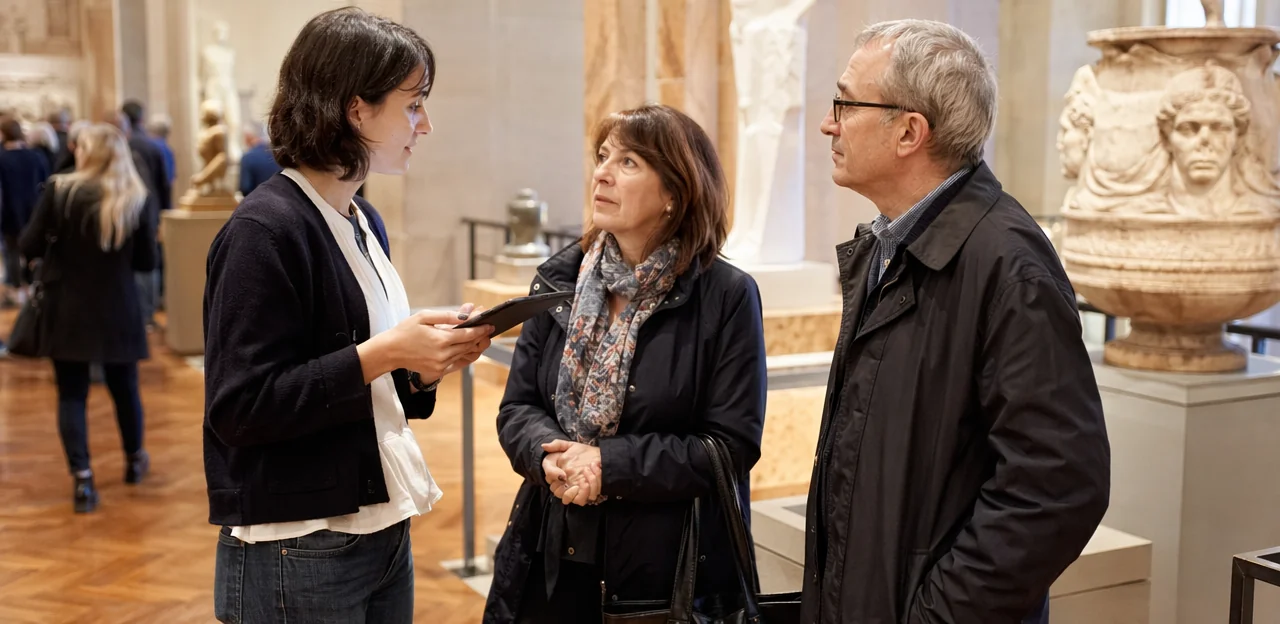
What makes a museum visit truly memorable: the exhibition itself, the ease of navigation, the quality of interpretation, or the emotional connection visitors take home with them? For museums and visitor attractions, the answer often lies in the feedback they collect. Well-crafted museum visitor survey questions can reveal what audiences value most, where friction points exist, and how institutions can design more engaging, inclusive experiences.
In today’s data-driven cultural sector, strong survey questions do more than measure satisfaction. They help teams evaluate exhibitions, public programs, family activities, seasonal installations, and even special events using targeted event survey questions and post event survey questions. Whether you are reviewing a late-night exhibition launch, educational workshop, or partner-led gathering, having the right post event survey questions examples can turn casual opinions into actionable insight. Many museums also borrow ideas from conference survey questions, post conference survey questions, and post event survey questions for attendees when assessing talks, symposiums, and professional learning events.
This article explores how to create effective museum visitor survey questions that generate meaningful responses, improve audience experience, and support smarter decision-making. From question types and wording tips to AI-powered analytics and practical examples, you’ll discover how to build surveys that help museums listen better, learn faster, and evolve with their audiences.
Why Museum Visitor Survey Questions Matter for Museums and Attractions
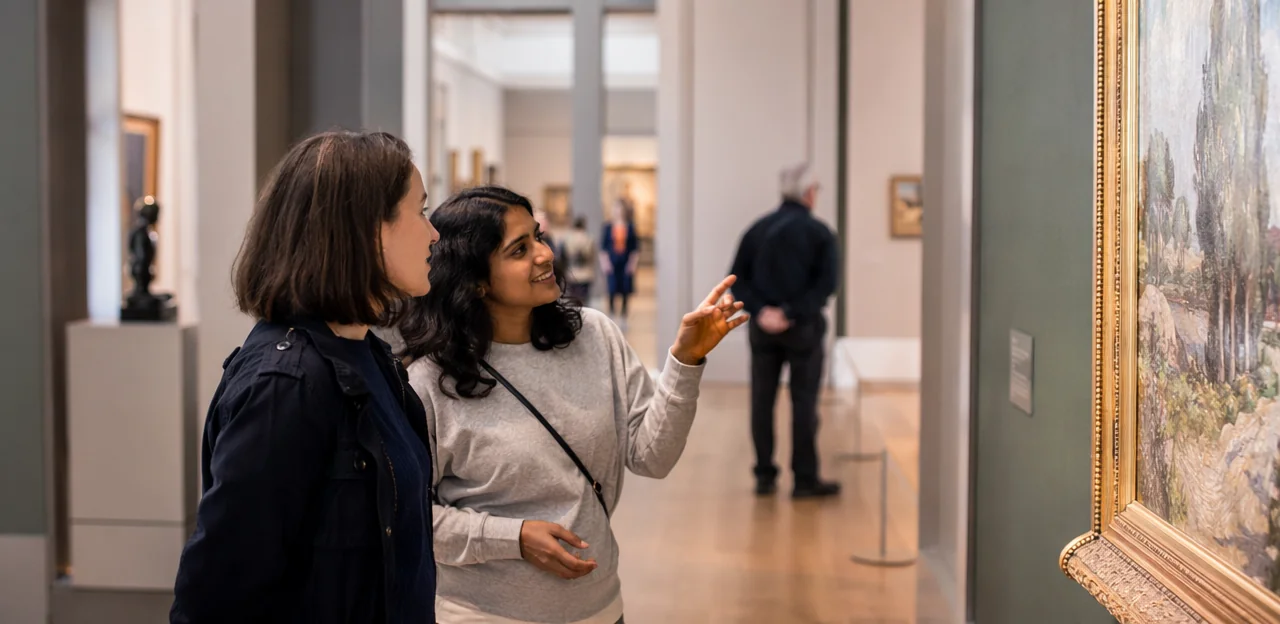
How visitor feedback shapes audience experience
Well-designed museum visitor survey questions help institutions understand what audiences value most and where friction appears. The best survey questions go beyond overall satisfaction to uncover how visitors respond to exhibitions, labels, wayfinding, accessibility, amenities, and staff interactions.
Useful feedback areas include:
- exhibition relevance and interpretation clarity
- comfort, cleanliness, and on-site amenities
- accessibility for different ages, languages, and mobility needs
- staff helpfulness and welcome at key touchpoints
This insight strengthens audience experience by guiding practical improvements and smarter investment decisions. Museums can also adapt ideas from event survey questions, post event survey questions, post event survey questions examples, conference survey questions, post conference survey questions, and post event survey questions for attendees when evaluating talks, tours, and special programs. Consistent feedback turns visitor opinion into evidence-based planning.
What museums can learn from event and conference feedback models
Museums can strengthen museum visitor survey questions by adapting proven frameworks from event survey questions, post event survey questions, and conference survey questions. Timed exhibitions, lectures, workshops, and special events benefit from the same structure used to assess attendee satisfaction, relevance, and logistics.
- Ask about expectations: Did the exhibition or program match what visitors hoped to experience?
- Measure delivery: Were timing, seating, signage, and accessibility effective?
- Evaluate content: Which talk, activity, or display felt most valuable?
- Capture outcomes: Did visitors learn something new, feel inspired, or want to return?
- Identify improvements: Use post event survey questions examples and post conference survey questions to uncover gaps in pacing, crowd flow, or speaker quality.
These survey questions and post event survey questions for attendees help museums turn one-off visits into repeat engagement.
Connecting surveys to retention, revenue, and reputation
Well-designed museum visitor survey questions should do more than measure satisfaction; they should reveal what drives return visits, memberships, donations, and advocacy. When museums treat feedback as a strategic asset, they can turn small improvements in visitor experience into measurable growth.
- Use core survey questions to identify what makes guests come back: exhibition relevance, ease of navigation, staff helpfulness, and value for money.
- Adapt event survey questions, post event survey questions, and post event survey questions for attendees to evaluate talks, workshops, and family programs.
- Review post event survey questions examples, plus conference survey questions and post conference survey questions, for special exhibitions or professional events.
Track which experiences lead to positive online reviews, stronger word-of-mouth, and higher donor or member conversion, then prioritize those improvements.
How to Design Effective Museum Visitor Surveys
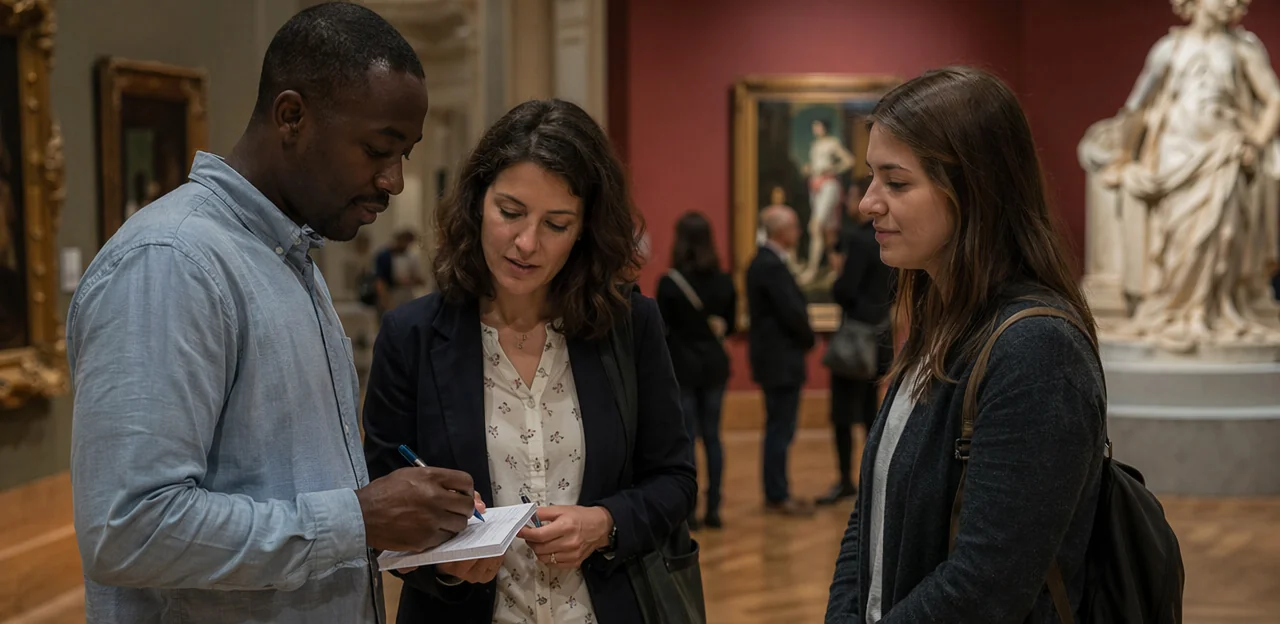
Set clear goals before writing survey questions
Before drafting museum visitor survey questions, decide exactly what you need to learn. Strong survey design starts with a clear objective, so every question supports a real operational goal or KPI.
- Measure satisfaction: Track overall enjoyment, staff helpfulness, and value for money.
- Assess learning outcomes: Find out what visitors understood, remembered, or found inspiring.
- Test exhibit usability: Identify whether signage, wayfinding, labels, and interactive displays were easy to use.
- Evaluate event success: Use targeted event survey questions or post event survey questions for attendees to measure attendance experience, programming quality, and likelihood to return.
- Gather audience insights: Collect demographics, visit motivation, and group type to guide marketing and programming.
Review your KPIs first, then write only the survey questions that help improve exhibitions, events, and visitor experience.
Choose the right question types and survey length
Strong museum visitor survey questions mix formats to capture both fast metrics and useful detail without overwhelming guests.
- Rating scales: Use 1–5 or 1–10 scales to measure satisfaction with exhibits, staff, signage, and overall visitor experience. These work well for quick onsite feedback and trend tracking.
- Multiple choice: Best for practical insights such as visit purpose, favorite gallery, or how visitors heard about the museum. This approach also fits event survey questions and conference survey questions.
- Open-ended prompts: Use sparingly for comments like “What could we improve?” to collect richer feedback.
- NPS-style questions: Ask how likely visitors are to recommend the museum, especially in post event survey questions, post conference survey questions, and post event survey questions for attendees.
Keep surveys to 3–7 questions. Shorter survey questions reduce fatigue, improve completion rates, and perform better across onsite QR/NFC touchpoints and digital follow-ups. Review post event survey questions examples to refine flow and wording.
Avoid bias and ask inclusive, accessible questions
Strong museum visitor survey questions should be neutral, clear, and easy for every visitor to answer. Good survey design improves audience experience and makes results more reliable.
- Avoid leading wording such as “How much did you enjoy our excellent new gallery?”
- Remove double-barreled survey questions like “Was the exhibition informative and easy to navigate?” Ask one thing at a time.
- Replace jargon, curator language, or internal terms with plain, everyday wording.
- Offer accessible formats: large text, screen-reader-friendly digital surveys, simple layouts, and enough time to respond.
- Support multilingual audiences with translated questions for tourists and international visitors.
- Include relevant options for family groups, members, solo visitors, and visitors with mobility, sensory, or cognitive access needs.
- If adapting event survey questions, post event survey questions, post event survey questions examples, conference survey questions, post conference survey questions, or post event survey questions for attendees, tailor them to museum contexts and diverse visitor journeys.
Best Museum Visitor Survey Questions to Ask
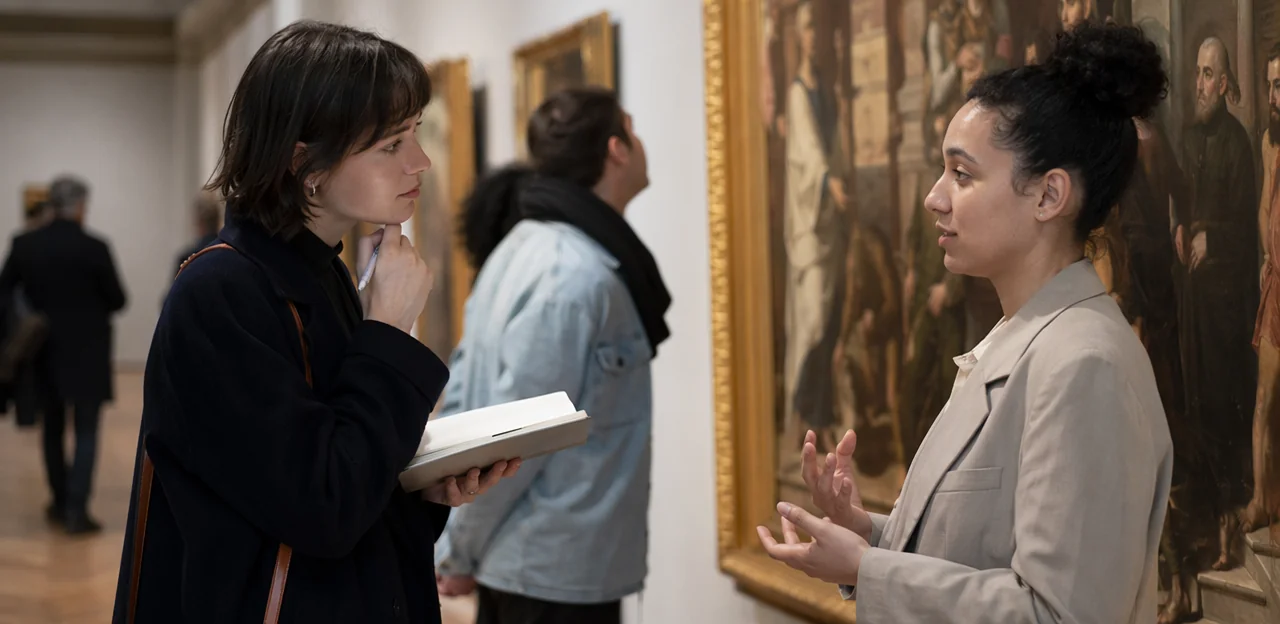
Core satisfaction and experience survey questions
A strong museum feedback form should start with core museum visitor survey questions that measure the essentials of the visitor experience. These foundational survey questions help museums identify what is working well and where improvements are needed across exhibitions, service, and facilities.
- Overall satisfaction: “How satisfied were you with your visit today?”
- Exhibit quality: “How engaging and informative did you find the exhibits?”
- Navigation: “How easy was it to find your way through the museum?”
- Value for money: “How would you rate the value of your visit compared with the ticket price?”
- Staff helpfulness: “How helpful and approachable were museum staff during your visit?”
- Cleanliness: “How would you rate the cleanliness of the galleries, restrooms, and public spaces?”
- Likelihood to return: “How likely are you to visit the museum again?”
- Recommendation intent: “How likely are you to recommend this museum to others?”
These questions also adapt well into event survey questions, post event survey questions, and even post event survey questions examples for special exhibitions, talks, or member nights. Museums hosting professional programs can also borrow from conference survey questions, post conference survey questions, and post event survey questions for attendees to evaluate timed cultural events more effectively.
Questions for exhibitions, programs, and special events
When building museum visitor survey questions for public programming, tailor your survey questions to the format of each event so feedback is specific and useful. Good event survey questions and post event survey questions for attendees help museums improve future exhibitions, talks, and family experiences.
- Temporary exhibitions
- Did the exhibition theme feel clear and engaging?
- Which object, display, or interactive element was most memorable?
- Was the exhibition easy to navigate?
- Workshops and family activities
- Was the session age-appropriate and well paced?
- Did the activity feel hands-on, inclusive, and easy to follow?
- What would make this program more enjoyable next time?
- Talks, lectures, and panel events
- Was the speaker informative and engaging?
- Did the event length feel appropriate?
- Would you attend similar programs again?
- Evening events and special programs
- Did the atmosphere, scheduling, and amenities meet expectations?
- Did the event offer good value for the ticket price?
- How likely are you to recommend this event to others?
These post event survey questions, post event survey questions examples, conference survey questions, and post conference survey questions can also reveal what drives repeat attendance, satisfaction, and audience loyalty.
Open-ended questions that uncover deeper insights
While rating scales show what visitors felt, open-ended museum visitor survey questions reveal why. Adding a few well-placed qualitative survey questions helps museums uncover emotional reactions, missed expectations, and practical friction points that numbers alone can’t explain.
Use prompts such as:
- What was the most memorable part of your visit, and why?
- Was there anything you expected to see or experience that was missing?
- Did anything make your visit less enjoyable or harder to navigate?
- What is one change that would improve the visitor experience?
These formats also work well in event survey questions, post event survey questions, and even conference survey questions or post conference survey questions when measuring audience experience.
Open comments add context to satisfaction, NPS, or effort scores by showing whether low ratings came from unclear signage, crowded galleries, accessibility barriers, or exhibit relevance. Reviewing patterns in responses — much like using post event survey questions examples or post event survey questions for attendees — helps teams prioritize improvements that matter most to visitors.
Using Event and Conference Survey Frameworks in Museum Settings

Adapting post event survey questions for museum programs
Museums can tailor museum visitor survey questions to specific programs such as lectures, member previews, educational sessions, and community events. Strong post event survey questions for attendees should measure both content value and the visitor experience.
- Relevance: “How relevant was this program to your interests?”
- Logistics: “How satisfied were you with timing, seating, signage, or registration?”
- Speaker quality: “How clearly did the presenter communicate ideas?”
- Overall satisfaction: “How would you rate the event overall?”
Useful post event survey questions examples can also ask whether attendees would return or recommend similar events. Borrowing from conference survey questions or post conference survey questions can help museums refine future programming, improve operations, and better understand audience expectations.
Applying conference survey questions to symposiums and cultural forums
Museum-hosted symposiums and cultural forums benefit when museum visitor survey questions borrow from conference survey questions and post conference survey questions. Adapt survey questions to assess three core areas:
- Content quality: Ask whether speakers, panels, or academic sessions were relevant, clear, and thought-provoking.
- Networking value: Use event survey questions and post event survey questions for attendees to measure opportunities to connect with curators, researchers, donors, or peers.
- Venue experience: Include post event survey questions examples on signage, seating, acoustics, accessibility, and flow between galleries and session spaces.
Well-designed post event survey questions help museums improve future professional programs while balancing scholarship, audience comfort, and cultural engagement.
When to separate general admission surveys from event feedback
Museums should keep museum visitor survey questions separate from event survey questions because each visit type measures different parts of the visitor experience. Blending them can muddy data and hide actionable trends.
- Use everyday survey questions to track core operations: wayfinding, gallery flow, staff helpfulness, cleanliness, and value.
- Use post event survey questions for timed programs, exhibition launches, talks, or workshops where audience expectations differ.
- Tailor formats by event type, such as conference survey questions or post conference survey questions for professional museum gatherings.
- Build targeted post event survey questions for attendees around speakers, scheduling, seating, and engagement.
- Review post event survey questions examples to create sharper benchmarks and improve future programming.
How AI and Analytics Turn Survey Responses Into Action

Using AI to analyze themes, sentiment, and trends
AI and analytics help museums turn open-ended feedback into clear action. Instead of manually reading hundreds of museum visitor survey questions, AI can quickly:
- Categorize responses by theme, such as wayfinding, exhibit clarity, staff helpfulness, accessibility, or café experience
- Detect sentiment to show whether comments are positive, neutral, or negative
- Identify recurring pain points across survey questions, including queues, signage, pricing, or crowding
- Surface trends over time by exhibition, visitor segment, season, or event type
This is especially useful when comparing standard survey questions with event survey questions, post event survey questions, post event survey questions examples, conference survey questions, post conference survey questions, and post event survey questions for attendees to improve overall audience experience.
Segmenting audiences for better decision-making
Using museum visitor survey questions to segment responses helps museums turn broad feedback into targeted action. Compare answers by audience type to improve the visitor experience and tailor follow-up communications:
- First-time visitors: identify orientation gaps, signage issues, and what drives return intent.
- Members: assess benefits, exhibit preferences, and loyalty opportunities.
- Tourists and families: refine accessibility, language support, wayfinding, and child-friendly programming.
- School groups: use focused survey questions on learning outcomes, pacing, and staff support.
- Event attendees: apply event survey questions or post event survey questions for attendees to evaluate talks, workshops, and special evenings.
Reviewing post event survey questions examples, conference survey questions, and post conference survey questions can also help museums benchmark event formats and personalize future outreach.
Turning survey data into practical improvements
Use museum visitor survey questions to turn feedback into visible action, not just reports. Strong survey design helps museums group responses into practical themes, while AI and analytics can spot patterns by exhibit, time, audience type, or event.
- Exhibits: Update labels, flow, interactivity, or lighting where visitors report confusion or low engagement.
- Staffing: Add floor staff, guides, or multilingual support during peak times flagged in survey questions.
- Signage & accessibility: Improve wayfinding, seating, captioning, ramps, and sensory-friendly options based on recurring feedback.
- Programming: Use event survey questions, post event survey questions, post event survey questions examples, conference survey questions, post conference survey questions, and post event survey questions for attendees to refine talks, workshops, and family activities.
Close the loop by sharing changes with visitors and stakeholders through signage, email updates, and staff briefings.
Survey Distribution, Timing, and Optimization Best Practices

Best channels for collecting museum visitor feedback
Choose channels based on visit type and response timing:
- General visits: QR codes at exits and galleries, plus brief kiosk surveys, capture in-the-moment museum visitor survey questions with higher completion than email.
- Events and programs: Email and SMS follow-ups work well for richer post event survey questions, especially for workshops, talks, and member evenings.
- App prompts: Best for museums with active apps, but often lower reach.
- Interviewer-led methods: Ideal for exhibitions, accessibility testing, and piloting event survey questions or deeper conference survey questions.
Use concise survey questions on-site, then send targeted post event survey questions for attendees, including post event survey questions examples and post conference survey questions where relevant.
When to send surveys for stronger response rates
Timing shapes how well museum visitor survey questions perform:
- Onsite: Ask 1–3 quick survey questions at exits or galleries to capture immediate reactions while details are fresh.
- Same day: Send a short follow-up within 6–12 hours for deeper feedback on exhibits, staff, and amenities.
- Delayed follow-up: After 24–72 hours, use more reflective event survey questions for programs, memberships, or return intent.
For museum-hosted talks or festivals, send post event survey questions and post event survey questions for attendees within 24 hours. For symposiums, panels, or networking sessions, use post conference survey questions and broader conference survey questions while recall remains strong.
How to test, refine, and improve survey performance
To improve museum visitor survey questions, treat survey design as an ongoing process:
- A/B test survey questions by changing one element at a time, such as wording, answer scale, or question order.
- Track response rates by channel, location, and audience segment to see which prompts drive more participation.
- Analyze completion rates to find drop-off points in museum, event survey questions, or post event survey questions for attendees.
- Use insights from post event survey questions examples, conference survey questions, and post conference survey questions to simplify flow, shorten surveys, and improve clarity over time.
Conclusion
Effective museum visitor survey questions do more than measure satisfaction—they reveal what visitors value, where friction exists, and how exhibitions, programming, and services can evolve. From core survey questions about navigation, interpretation, accessibility, and staff interactions to more specific event survey questions for special exhibitions, talks, and workshops, the right approach helps museums turn audience feedback into meaningful action. Well-designed post event survey questions, including practical post event survey questions examples, can uncover what made an experience memorable and what should be improved next time.
For institutions hosting lectures, symposiums, or professional gatherings, conference survey questions and post conference survey questions are equally valuable for evaluating content relevance, logistics, and overall attendee experience. Likewise, post event survey questions for attendees can help museums better understand different audience segments and personalize future engagement.
The next step is to review your current feedback process, simplify your survey design, and focus on timely, audience-friendly questions that generate useful insights. Consider using AI and analytics to identify patterns faster, improve response rates, and act on feedback in real time. If you want to modernize how feedback is captured on-site, tools like Tapsy can support contactless, no-app engagement. Start refining your museum visitor survey questions today to create stronger experiences, deeper loyalty, and more informed decision-making.
Frequently Asked Questions
- Why are museum visitor survey questions important?
They help museums understand what visitors value most and where friction appears during the visit. Feedback can reveal issues with exhibitions, labels, wayfinding, accessibility, amenities, and staff interactions. That insight supports better visitor experiences and more informed planning.
- What should a museum define before writing survey questions?
A museum should start with a clear goal tied to an operational need or KPI. Common goals include measuring satisfaction, assessing learning outcomes, testing exhibit usability, evaluating event success, and gathering audience insights. Clear objectives make it easier to ask only questions that lead to useful action.
- What types of questions work best in a museum visitor survey?
A strong survey usually combines rating scales, multiple-choice questions, open-ended prompts, and NPS-style questions. Rating scales are useful for satisfaction and trend tracking, while multiple choice helps with practical insights like visit purpose or favorite gallery. Open-ended questions should be used sparingly to capture richer detail without making the survey too long.
- How long should a museum visitor survey be?
A practical length is 3 to 7 questions. Shorter surveys reduce fatigue, improve completion rates, and work better for onsite QR or NFC touchpoints as well as digital follow-ups. Keeping the survey brief also helps visitors respond while their experience is still fresh.
- How can museums make survey questions more inclusive and accessible?
Questions should be neutral, clear, and written in plain language without jargon. Museums can support accessibility with large text, screen-reader-friendly formats, simple layouts, enough time to respond, and translated versions for multilingual audiences. It also helps to include relevant response options for families, members, solo visitors, and people with mobility, sensory, or cognitive access needs.
- What are the most useful core questions to ask general museum visitors?
Strong core questions cover overall satisfaction, exhibit quality, ease of navigation, value for money, staff helpfulness, cleanliness, likelihood to return, and likelihood to recommend. These topics give a broad picture of the visitor experience across exhibitions, service, and facilities. They also create a consistent baseline for tracking improvements over time.
- How should survey questions change for exhibitions, workshops, and special events?
Questions should match the format and goals of each experience. Temporary exhibitions may need questions about theme clarity, memorable displays, and navigation, while workshops benefit from questions about pacing, inclusivity, and ease of participation. Talks and evening events often need feedback on speakers, scheduling, atmosphere, amenities, and value.
- Why include open-ended questions in a museum survey?
Open-ended questions help explain why visitors gave certain ratings. They can uncover emotional reactions, missed expectations, and practical problems such as unclear signage, crowding, or accessibility barriers. A few well-placed prompts often provide context that numbers alone cannot.
- Can museums use event and conference survey frameworks?
Yes, museums can adapt event and conference feedback models for talks, workshops, symposiums, launches, and professional gatherings. These frameworks are useful for measuring expectations, delivery, content quality, logistics, and outcomes such as learning or return intent. They work especially well when the visit is centered on a timed program rather than general admission.
- When should a museum separate general admission surveys from event feedback?
They should be separated when the visit types measure different parts of the experience. General admission surveys are better for wayfinding, gallery flow, cleanliness, staff helpfulness, and value, while event surveys should focus on speakers, scheduling, seating, registration, and engagement. Keeping them apart makes the data clearer and more actionable.
- How can AI help museums analyze survey responses?
AI can categorize open-ended feedback by themes such as wayfinding, exhibit clarity, staff helpfulness, accessibility, or café experience. It can also detect sentiment, identify recurring pain points, and surface trends over time by exhibition, visitor segment, season, or event type. That makes it easier to turn large volumes of comments into practical next steps.
- Why is audience segmentation useful when reviewing museum survey data?
Segmenting responses helps museums see how different groups experience the visit. First-time visitors, members, tourists, families, school groups, and event attendees may have different needs around orientation, language support, programming, or loyalty. Comparing segments supports more targeted improvements and more relevant follow-up communication.
- What kinds of improvements can museums make from survey findings?
Survey data can guide changes to exhibits, staffing, signage, accessibility, and programming. Museums might update labels, improve flow and lighting, add multilingual support, refine seating or captioning, or adjust talks and workshops based on feedback patterns. Sharing those changes with visitors and stakeholders helps close the feedback loop.
- What are the best ways to distribute museum visitor surveys?
For general visits, QR codes at exits, gallery prompts, and brief kiosk surveys are effective for capturing immediate feedback. For events and programs, email and SMS follow-ups work better for richer post-event responses. Interviewer-led methods can also be useful for exhibitions, accessibility testing, and piloting deeper feedback formats.
- When is the best time to send a museum survey?
Onsite surveys are best for 1 to 3 quick questions while the experience is still fresh. A same-day follow-up within 6 to 12 hours works well for deeper feedback on exhibits, staff, and amenities, while 24 to 72 hours can suit more reflective questions about programs or return intent. For talks, festivals, symposiums, and networking events, sending feedback requests within 24 hours helps preserve recall.