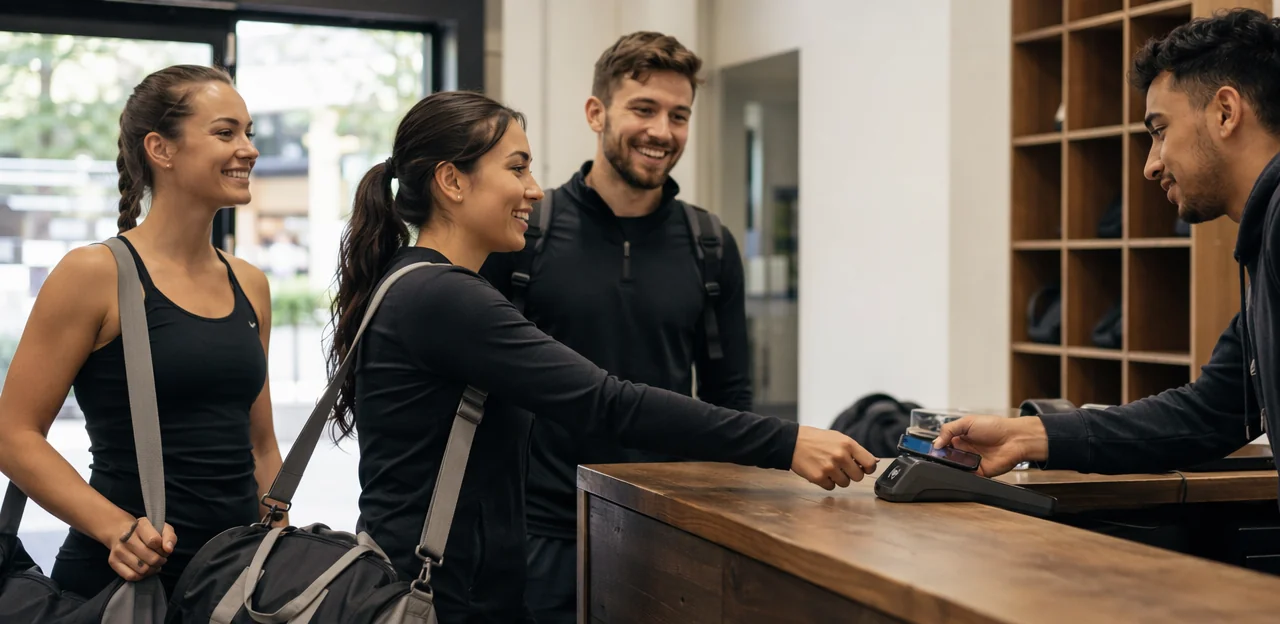
In sports clubs, feedback often arrives too late, too vaguely, or not at all. A member may leave frustrated after a poorly organized training session, a crowded changing room, or a disappointing event experience—yet by the time the club hears about it, the moment to fix it has already passed. That is exactly where NFC feedback sports club solutions are changing the game.
By placing simple tap-to-rate touchpoints across training areas, clubhouses, gyms, courts, event zones, and shared spaces, sports associations and clubs can collect instant feedback while the experience is still fresh. With a quick tap of a phone, members, athletes, parents, and guests can rate training quality, event organization, facility cleanliness, staff helpfulness, and overall satisfaction without downloading an app or filling out long surveys.
This article explores how NFC and QR touchpoints help sports clubs improve daily operations, strengthen guest experience, and create better event experiences through real-time insights. We’ll look at practical use cases, key benefits for club managers and operators, and how clubs can turn fast, location-based feedback into smarter decisions and stronger member loyalty. Where relevant, solutions like Tapsy can also illustrate how no-app feedback systems work in physical club environments.
Why NFC feedback matters for modern sports clubs
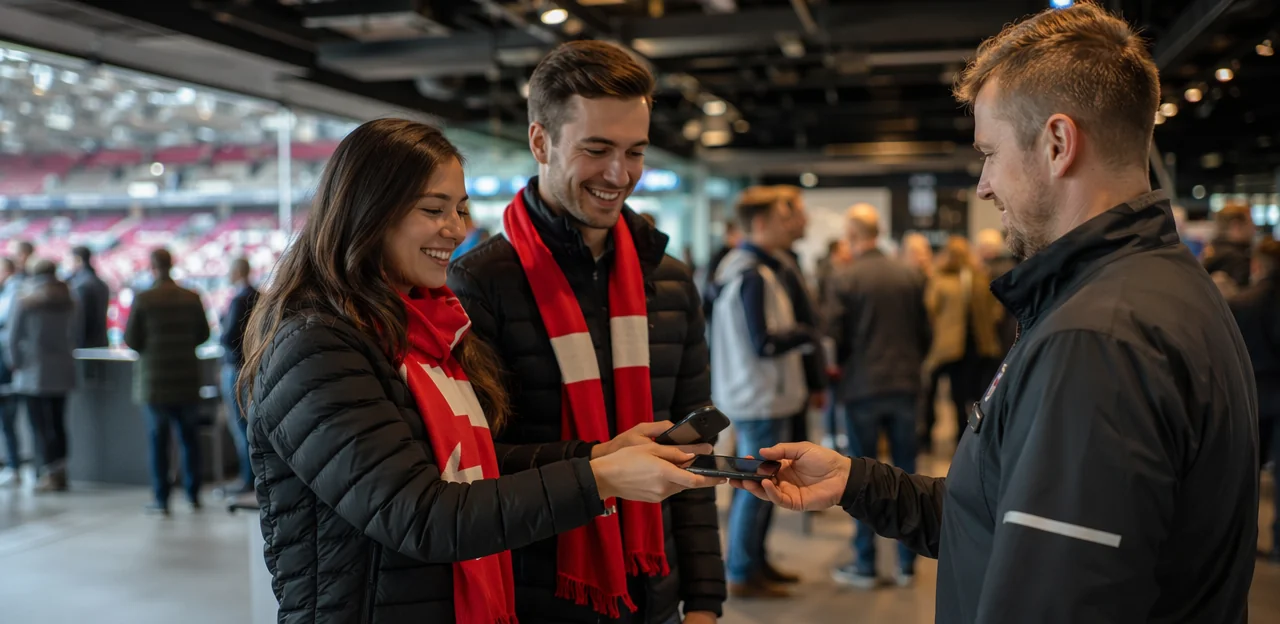
What NFC feedback is and how tap-to-rate works
NFC feedback sports club systems let members and guests leave instant feedback at the exact moment they finish a session, event, or facility visit. Instead of sending long follow-up emails, clubs place NFC tags at key touchpoints such as:
- gym exits
- training areas
- locker rooms
- reception desks
- event zones
With tap-to-rate feedback, a person simply taps their phone on the tag and opens a short no-app form to rate the experience, often in just a few seconds. This makes a sports club feedback system faster, easier, and more relevant because feedback is captured while the experience is still fresh.
Compared with traditional surveys, which are often ignored or completed later, NFC touchpoints usually improve response rates and help clubs spot issues sooner.
Key benefits for members, guests, and club managers
- Better convenience for members: With NFC feedback sports club touchpoints placed at gyms, courts, locker rooms, and training areas, members can tap and rate in seconds. This removes long surveys and improves the member experience sports club by making feedback effortless while the session is still fresh.
- Simple sharing for guests: Visitors attending matches, classes, or tournaments can quickly comment on entry flow, seating, cleanliness, or staff support. That frictionless process strengthens the guest experience sports club and increases response rates from people who would never fill out a form later.
- Faster action for managers: Instant responses create real-time club feedback, helping managers spot recurring issues like equipment faults, overcrowding, or event delays early. Tools such as Tapsy can help route alerts quickly so teams can fix problems before they affect more members or guests.
Why sports associations and clubs need faster feedback loops
Fast feedback helps clubs fix problems while the experience is still happening, not days later when details are lost. For any NFC feedback sports club setup, speed turns opinions into operational action.
- Improve coaching quality: Capture quick ratings after training to spot unclear instruction, session pacing, or communication issues.
- Strengthen event execution: Gather real-time sports association feedback on check-in, scheduling, crowd flow, and volunteer support during matches or tournaments.
- Protect facility standards: Immediate club operations feedback highlights locker room cleanliness, equipment issues, or restroom problems before they affect more members.
- Raise overall satisfaction: Track sports facility satisfaction across training, competitions, classes, and social events to see what drives retention.
Tools like Tapsy can help clubs collect and route touchpoint-level feedback instantly.
Best use cases for NFC feedback in training, events, and spaces

Tap-to-rate training sessions and coaching quality
With NFC feedback sports club touchpoints placed at exits, courts, studios, or camp check-out desks, clubs can collect instant reactions while the session is still fresh. This makes training feedback sports club data more accurate and easier to act on than delayed email surveys.
Use tap-to-rate flows after practice, classes, camps, and private coaching to track:
- overall sports training satisfaction
- clarity of instruction and session structure
- coach communication, energy, and support
- perceived athlete progress and confidence
- facility or equipment issues affecting training
To make coach feedback NFC effective, keep the form short: a rating, one multiple-choice reason, and an optional comment. Route low scores to head coaches or program managers for fast follow-up. Over time, clubs can compare feedback by coach, age group, session type, or location to identify coaching strengths, spot recurring issues, and improve athlete development experiences consistently.
Collecting event feedback from tournaments, matches, and club functions
A strong NFC feedback sports club setup helps capture real-time sentiment across the full event experience sports club members and guests actually remember. By placing NFC tags and QR signs at key moments, clubs can gather sports event feedback without interrupting play or social flow.
- Place touchpoints where decisions happen: entry gates, check-in desks, spectator stands, changing rooms, food counters, bars, VIP areas, and exits.
- Keep feedback ultra-short: use a tap-to-rate flow with 1–3 questions, plus an optional comment for deeper insight.
- Measure specific moments: ask about queue times, officiating communication, hospitality quality, venue cleanliness, and overall atmosphere.
- Trigger fast follow-up: low ratings during a match or fundraiser can alert staff to fix issues before they become public complaints.
- Compare events over time: a simple tournament feedback system helps identify what improves attendance, satisfaction, and sponsor experience.
Tools like Tapsy can support this no-app, low-friction approach.
Improving club spaces such as locker rooms, reception, and lounges
High-traffic areas are ideal for collecting sports facility feedback because members notice issues there first. By placing NFC or QR touchpoints at exits, entrances, mirrors, benches, reception desks, and lounge tables, clubs can capture real-time opinions while the experience is still fresh. This makes NFC feedback sports club programs far more actionable than delayed surveys.
Focus prompts on the details that shape the overall club space experience:
- Cleanliness: locker room hygiene, showers, toilets, odors, and waste bins
- Comfort: temperature, seating, noise levels, lighting, and crowding
- Accessibility: signage, entry flow, inclusive facilities, and ease of movement
- Service quality: reception helpfulness, wait times, and issue resolution
For stronger locker room feedback, route low scores instantly to cleaning or front-desk teams so problems can be fixed before they affect more members. Tools like Tapsy can help clubs monitor touchpoint-level feedback and respond faster.
How to deploy NFC and QR touchpoints effectively

Where to place touchpoints for the highest response rates
To improve feedback response rate, place NFC touchpoints sports club and QR codes where members naturally pause right after an experience. The goal is to capture reactions while they are fresh, not later when details are forgotten.
- Exits and changing-room corridors: ideal for quick post-session ratings after training or matches
- Reception desks: useful for collecting feedback on check-in, staff helpfulness, and wait times
- Training zones: place near courts, gyms, pitches, or studios for instant session feedback
- Event entrances and exits: gather reactions before and after tournaments, classes, or club events
- Seating areas and cafés: great for parents, spectators, and members during downtime
- Restrooms and facility exits: effective for cleanliness and maintenance feedback
For strong QR feedback placement, keep signs visible, simple, and action-driven. A well-planned NFC feedback sports club setup can significantly lift participation and response quality.
Designing a low-friction feedback journey
To make NFC feedback sports club programs work, the journey must feel instant and effortless. The best results come from reducing every extra step between the tap and the response.
- Use one-tap access: Let members, parents, and visitors open feedback with a single NFC tap—no app download, login, or long menu.
- Keep forms short: A strong mobile feedback form sports club setup usually means 1–3 rating questions, plus one optional comment field.
- Design for mobile first: Use large buttons, fast-loading pages, and clear layouts that work well in busy club environments.
- Write clear CTAs: Phrases like “Tap to rate this session” or “Rate this space in 10 seconds” improve completion.
This creates a more frictionless feedback flow and a better tap-to-rate experience across training, events, and facilities.
Combining NFC and QR for broader accessibility
Using both NFC and QR feedback gives clubs the best chance of capturing responses from every visitor. Not everyone uses the same device or interaction style, so a dual setup makes contactless feedback sports club programs more inclusive and effective.
- Support more devices: NFC works well for quick tap interactions, while QR covers older phones or devices without NFC enabled.
- Match user preferences: Some members prefer tapping; others instinctively scan codes.
- Serve different visitor types: Players, parents, trial guests, event attendees, and volunteers can all use the method that feels easiest.
- Increase response rates at key club feedback touchpoints: Place both options at training areas, entrances, locker rooms, courts, and event spaces.
A combined NFC feedback sports club approach reduces friction, improves participation, and helps clubs gather more complete, real-time insights.
Turning feedback into better operations and member experience

Using live feedback to fix issues quickly
With NFC feedback sports club, low scores do not have to become public complaints or lost members. The key is turning feedback into action while people are still on-site.
- Set up live feedback alerts for poor ratings on training sessions, changing rooms, reception, or event entry.
- Route issues instantly to the right team: cleaners for hygiene problems, front desk staff for queue build-up, or event leads for signage, seating, or timing issues.
- Prioritize fast service recovery sports club workflows such as a quick clean, opening another check-in desk, or reallocating volunteers.
- Track patterns by location and time to improve real-time operations sports club decisions during peak periods.
For example, if members flag dirty showers or long waits at a tournament entrance, staff can respond within minutes—before dissatisfaction spreads. Tools like Tapsy can help clubs capture and route these signals in near real time.
Finding trends across teams, events, and facilities
With NFC feedback sports club touchpoints, dashboards turn individual ratings into clear patterns. Instead of reacting to isolated comments, clubs can use sports club feedback analytics to compare performance by training session, coach, tournament format, or facility area.
- Track session type: spot whether youth drills, adult classes, or open practice consistently receive lower scores.
- Compare coaches and teams: identify who drives stronger engagement, communication, and repeat attendance.
- Review event formats: see if leagues, camps, or one-day tournaments create better member satisfaction insights.
- Monitor facility zones: uncover facility performance trends in changing rooms, courts, gyms, seating areas, or entrances.
This makes action easier: fix recurring pain points, replicate what works, and allocate staff or maintenance where it improves the member experience fastest. Platforms like Tapsy can help centralize these comparisons in real time.
Building a culture of continuous improvement
A strong NFC feedback sports club setup only creates value when insights are shared and acted on consistently. Making results visible to staff, coaches, and volunteers helps build a true continuous improvement sports club mindset.
- Share feedback regularly: Review ratings from training sessions, events, and facilities in short weekly check-ins.
- Create clear ownership: Assign follow-up actions by team or role to strengthen coach accountability feedback and service consistency.
- Spot patterns early: Use recurring comments to identify issues with communication, cleanliness, scheduling, or member experience.
- Recognize improvements: Celebrate teams and volunteers who raise standards or resolve problems quickly.
This transparent approach improves accountability, lifts service quality, and strengthens sports club loyalty by showing members and guests that their feedback leads to visible change. Tools like Tapsy can help centralize and track these insights in real time.
Implementation tips, metrics, and common mistakes to avoid

What to measure for a successful NFC feedback program
To prove the value of an NFC feedback sports club setup, track a small set of practical KPIs consistently across training areas, events, and facilities:
- Response rate: taps completed vs. total visitors or participants at each touchpoint
- Satisfaction score: average rating by session, coach, event, or space
- Issue resolution time: how quickly staff respond to low ratings or reported problems
- Repeat attendance: whether members return more often after giving feedback
- Member retention: renewal rates and churn trends linked to feedback activity
These sports club feedback metrics help define every feedback KPI sports club dashboard. If you use a platform like Tapsy, compare results by location and time period to improve member retention sports club performance.
Privacy, consent, and data handling considerations
For any NFC feedback sports club setup, trust matters as much as response volume. Clubs should make feedback data privacy clear at the tap point and in the form itself.
- State what data is collected, why it is collected, and who can access it.
- Offer anonymous club feedback wherever possible, especially for sensitive comments about coaching, facilities, or events.
- Use simple consent language, such as: “By submitting, you agree that the club may use your feedback to improve services.”
- Follow GDPR sports club feedback principles: collect only necessary data, set retention limits, and allow members to request deletion.
- Store feedback securely with restricted staff access and encrypted systems. Platforms like Tapsy can support structured, touchpoint-based collection.
Common rollout mistakes and how clubs can avoid them
Many NFC feedback sports club rollouts fail for simple reasons that are easy to fix:
- Forms are too long: If members must answer 8–10 questions after training, participation drops. Keep it to 1–3 taps plus an optional comment to improve feedback participation.
- Touchpoints are poorly placed: Tags hidden at reception or far from courts, gyms, or changing rooms get ignored. Place them where the experience happens and where emotions are fresh.
- No follow-up process: Feedback without alerts or ownership slows response times. Assign staff, route low scores instantly, and review trends weekly.
- No visible action: Collecting feedback but changing nothing is one of the biggest feedback rollout mistakes in sports club digital transformation. Share “You said, we did” updates on-site or by email. Tools like Tapsy can help structure this flow.
Choosing the right NFC feedback approach for your club
Questions to ask before launching
Before rolling out NFC feedback sports club touchpoints, align on a few essentials:
- What are your club feedback goals? Improve training quality, event experience, facility upkeep, or member retention?
- Who should respond? Junior athletes, parents, adult members, visiting teams, or event guests?
- Which touchpoints matter most? Training areas, locker rooms, reception, pitches, courts, or tournaments?
- Who owns follow-up? Assign staff for setup, monitoring alerts, and resolving issues.
- What reporting is needed? Define dashboards, review frequency, and KPIs to shape your NFC feedback strategy and sports club implementation plan.
Features that matter in an NFC feedback solution
When choosing an NFC feedback sports club setup, prioritize features that improve speed, insight, and day-to-day usability:
- Customizable forms: tailor questions for training sessions, matches, locker rooms, or events.
- Multilingual support: make feedback easy for players, parents, members, and visitors.
- Analytics dashboards: use touchpoint analytics to compare ratings by location, team, or time.
- Real-time alerts: flag low scores or safety issues instantly.
- QR backup: ensure access when NFC is unavailable.
- Easy touchpoint management: update tags and forms centrally in your NFC feedback platform or sports club feedback software.
A simple first-step rollout plan for sports clubs
Use a phased rollout feedback system to keep adoption manageable and measurable:
- Start small: launch NFC feedback sports club touchpoints in one training area, one event type, and one facility zone.
- Set clear goals: track response rate, common issues, and quick wins tied to sports club operations improvement.
- Train staff first: show coaches and front-desk teams how alerts and comments should be handled.
- Review after 30 days: expand the pilot NFC feedback sports club setup only where participation and staff follow-through are strong.
This reduces risk and builds internal buy-in before scaling.
Conclusion
In a busy club environment, timely insight is everything. That’s why NFC feedback sports club systems are becoming such a practical tool for sports associations and clubs that want to improve training sessions, events, and shared spaces without adding friction for members or guests. A simple tap-to-rate experience makes it easy to collect feedback in the moment—right after practice, during tournaments, or as members leave changing rooms, courts, gyms, or clubhouses.
The real value of NFC feedback sports club solutions lies in speed and specificity. Clubs can identify what’s working, spot recurring issues early, and make better operational decisions based on real touchpoint data rather than assumptions. From coaching quality and event organization to cleanliness, facilities, and overall member experience, every tap helps create a clearer picture of club performance.
For clubs looking to modernize feedback collection, the next step is simple: map your key touchpoints, define a short rating flow, and set up alerts for low scores or urgent issues. If you want a no-app way to capture real-time feedback and improve engagement, solutions like Tapsy can help bring that process to life.
Start small, measure results, and build from there—because better feedback leads to better experiences, stronger retention, and a more successful club.
Frequently Asked Questions
- What is NFC feedback for sports clubs?
NFC feedback for sports clubs lets members and guests leave instant feedback by tapping their phone on a tag placed at a physical touchpoint. It is used to rate experiences such as training sessions, events, facilities, staff helpfulness, and overall satisfaction without downloading an app.
- How does tap-to-rate feedback work in a club environment?
A club places NFC tags at locations like gym exits, training areas, locker rooms, reception desks, and event zones. After tapping the tag, the visitor opens a short mobile form and submits a quick rating, often with an optional comment.
- Why is NFC feedback better than delayed email surveys for sports clubs?
It captures feedback while the experience is still fresh, which makes responses more relevant and easier to act on. Traditional follow-up surveys are often ignored or completed too late for staff to fix issues in time.
- Who can use an NFC feedback system at a sports club?
It can be used by members, athletes, parents, guests, visiting teams, event attendees, and volunteers. The setup is designed to make feedback easy for different visitor types with minimal friction.
- What club experiences can be rated with NFC touchpoints?
Clubs can collect feedback on training quality, coaching communication, event organization, queue times, cleanliness, equipment issues, reception service, and overall atmosphere. Shared spaces such as locker rooms, lounges, restrooms, courts, gyms, and clubhouses are also strong use cases.
- Where should sports clubs place NFC or QR feedback touchpoints for the best response rates?
The strongest placements are where people naturally pause right after an experience, such as exits, changing-room corridors, reception desks, training zones, event entrances and exits, seating areas, cafés, restrooms, and facility exits. Visible placement near the actual experience helps capture more immediate and useful responses.
- What should a low-friction sports club feedback form include?
The form should stay very short, usually with 1 to 3 rating questions and one optional comment field. It should open with one tap, avoid app downloads or logins, and use a mobile-friendly layout with clear calls to action.
- Should a sports club use both NFC and QR for feedback collection?
Using both gives broader accessibility because not every visitor uses the same device or interaction style. NFC supports quick tap interactions, while QR helps people with older phones or devices without NFC enabled.
- How can clubs use real-time feedback to fix problems faster?
Low ratings can trigger alerts so the right team responds immediately, such as cleaners for hygiene issues, front desk staff for queue problems, or event leads for signage and timing concerns. This allows clubs to recover service while people are still on-site instead of waiting for complaints later.
- What trends can clubs track with feedback dashboards?
Clubs can compare ratings by coach, team, session type, tournament format, facility area, location, and time. This helps identify recurring problems, highlight strengths, and decide where staffing, maintenance, or process changes will improve the member experience fastest.
- Which metrics matter most in an NFC feedback program for sports clubs?
Useful KPIs include response rate, satisfaction score, issue resolution time, repeat attendance, and member retention. Tracking these consistently across training areas, events, and facilities helps clubs measure operational impact and spot improvement opportunities.
- What privacy and consent practices should clubs follow when collecting NFC feedback?
Clubs should clearly explain what data is collected, why it is collected, and who can access it. Anonymous feedback should be offered where possible, consent language should be simple, and data handling should follow GDPR principles such as limited collection, retention controls, deletion requests, and secure storage.
- What common mistakes reduce participation in sports club feedback rollouts?
Long forms, poorly placed tags, missing follow-up processes, and collecting feedback without visible action are major problems. Participation improves when touchpoints are placed where experiences happen, forms stay short, low scores are routed quickly, and clubs share clear improvements based on feedback.
- What should a club evaluate before launching NFC feedback touchpoints?
A club should define its goals, decide who should respond, choose the most important touchpoints, assign ownership for follow-up, and agree on reporting needs. These decisions shape the rollout plan, dashboard setup, and how feedback turns into action.
- What is a practical first-step rollout plan for NFC feedback in a sports club?
Start with a small pilot in one training area, one event type, and one facility zone. Set clear goals, train staff on handling alerts and comments, then review results after 30 days before expanding to more touchpoints.